



      Why in Your Memory I Remain
How may I tell you why in your memory I remain?
A fleeting handful of moments, yet in remembrance I remain.

Whether in your gaze or hidden deep within the heart’s domain,
I vanish in sight’s abyss, yet in remembrance I remain.

Though you stand not before me, still you appear everywhere,
Your visage in every vision, how long in remembrance I remain.

Time must pass; it flows unceasing, as all things must,
Yet the moments we shared, through the ages, in remembrance I remain.

In your eyes shimmer ethane, methane, Titan’s dream,
Like lakes upon Saturn’s moon, in that memory I remain.

Today, tea is imported from Titan, celestial in delight,
Beloved, drink this Saturnine brew, in remembrance I remain.
Table of Contents
An Expert Critique
Why in Your Memory I Remain – Memory, Politics, and Cosmic Mysticism: A Critical Exegesis of a Contemporary Ghazal
Abstract
This paper undertakes a critical exegesis of a contemporary Hindi-Urdu ghazal that fuses personal memory, cosmic imagery, and political allegory.
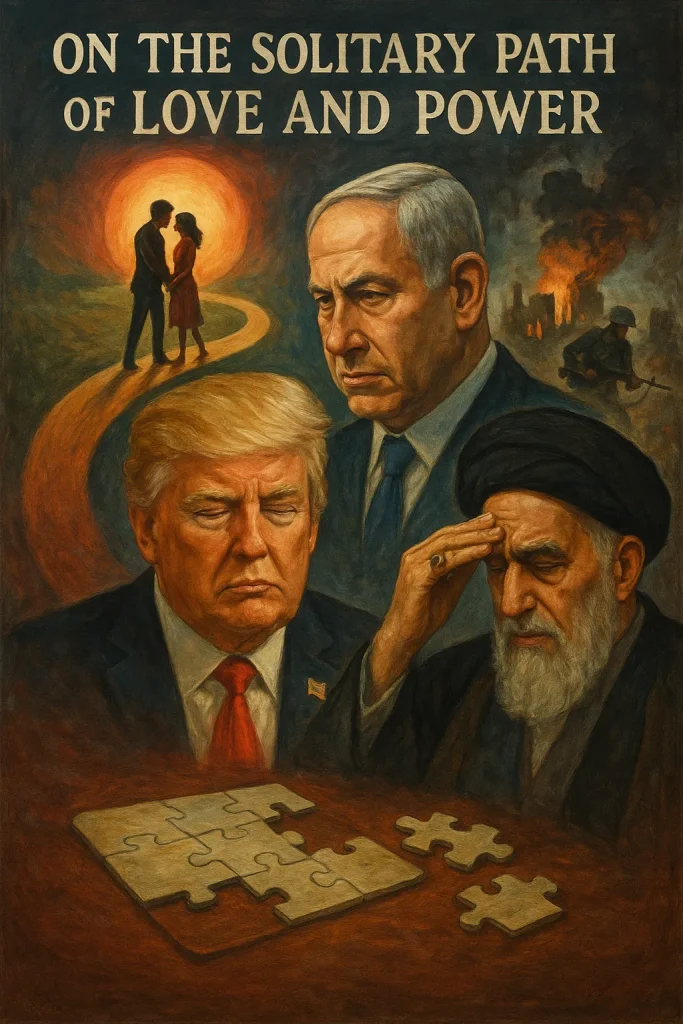
The ghazal’s poetic core, oscillating between the intimacy of love and the infinity of cosmic metaphors, offers fertile ground to engage with global crises, from Trump’s politics of envy to Xi Jinping’s parade day nationalism, the Israel-Gaza conflict, African Union struggles, and Korean rapprochement.
By situating the poem within both Eastern philosophies of memory (Vedanta, Buddhism) and Western traditions of remembrance (Plato, Heidegger), this study frames the text within a Meta-Mystic and Multi-Modal Quantum Dialectical (MMQD) lens.
The analysis argues that personal memory can become a metaphorical framework for envisioning peaceful coexistence in the fractured global order.
Introduction
The ghazal under study begins with an intimate tone: the poet dwells on the beloved’s presence, absence, and the persistent echo of memory.
Yet it expands beyond the personal sphere to invoke cosmic landscapes such as Titan’s methane lakes, thereby situating love in an interstellar continuum. Such imagery allows the poem to transcend subjective love and engage with global memory, collective history, and futuristic imagination.
In an age marked by divisive politics and violent contestations of history, poetry becomes an epistemic tool to rethink how memory can be mobilized, not as an instrument of power or envy but as a force of peace.
This research explores how the ghazal reorients memory within a dialectical framework of love, politics, and cosmic mysticism.
Methodology: The methodology combines three interpretive frames:
Textual-Phenomenological Reading: Close reading of the ghazal to extract its literary, emotional, and symbolic layers.
Comparative Philosophical Analysis: Juxtaposing Eastern memory traditions (smriti, mindfulness) with Western memory metaphysics (Platonic anamnesis, Heidegger’s Being).
MMQD (Multi-Modal Quantum Dialectics): A meta-theoretical framework developed for this study, viewing memory as quantum events collapsing into historical-political realities, while simultaneously retaining their mystic multiplicity.
Analysis
- The Poetics of Memory: The ghazal constructs memory as both fragile (“palcheen do chaar”) and eternal (“zameena yaad rahoon”). The beloved’s image, like a quantum particle, is simultaneously absent and present, collapsing into perception when remembered.
- Global Politics of Memory: Trump’s envying politics turns memory into a comparative resentment, forging identity through antagonism.
Xi Jinping’s parade day illustrates how memory becomes collective spectacle, history deployed to reinforce power.
Israel-Gaza and Netanyahu crisis highlights memory’s destructive entanglement with trauma and perpetual retaliation.
African Union and Sudan demonstrate struggles to reclaim memory as a source of unity amidst fragmentation.
Korean rapprochement signals the possibility of transforming memory from division into reconciliation.
- Philosophical Grounding Eastern Traditions: Memory (smriti) as mindfulness emphasizes liberation through release, not possession.
Western Traditions: Plato’s anamnesis and Heidegger’s Being reveal memory as a path to truth and authentic existence. Together, they suggest that memory is not simply psychological residue but an ontological pathway toward harmony.
- Meta-Mystic and MMQD Framework: The ghazal’s invocation of Titan, methane, and cosmic imagery symbolizes a meta-mystic memory, a memory that is not bound to earth but interplanetary, hinting at humanity’s cosmic future. In the MMQD frame:
Quantum Layer: Each memory acts like a superposition, collapsing into emotional truth.
Dialectical Layer: Love vs. absence, peace vs. violence, politics vs. mysticism coexist in tension.
Multi-Modal Layer: Emotional, political, cosmic, and philosophical registers interact in one poetic universe.
Conclusion
This study concludes that the ghazal serves as more than a love poem, it is a manifesto for global peaceful memory.
By linking intimate remembrance to cosmic imagery and situating both within contemporary political crises, the text exemplifies how literature can create a bridge between divided worlds.
The paper suggests that if world leaders and citizens alike reframe memory not as an arsenal of grievances but as a reservoir of shared humanity, a new peaceful cartography can emerge.
The ghazal thus becomes a symbolic charter for transforming memory into a force of planetary reconciliation.
BEYOUTEA>A POETRY REVOLITION>PEACE
NOTHING IS NOT TRUE : NO\KNOW THYSELF NOT
  MAKE EARTH GREAT FOREVER : END ALL WARS
मैं तुझे कैसे कहो, क्यों इतना याद रहूँ,
पलछीन दोचार है, ये जितना याद रहूँ।
           तेरी नजर में हूँ, कि दिलके अंदर कहीं,
           देखते यूँ हीं, खो जाऊँ उतना याद रहूँ।
सामने नहीं भी तू, नजर आते हो मगर,
तूँ हीं तूँ दिखजाते हो, कितना याद रहूँ।
           गुजरना था, गुजारना था गुजरते रहेगा,
           मगर जो गुजरे, हमारे जमाना याद रहूँ।
आँखों में चमकी तेरे, इथेन व मीथेन है,
झीलों सा बसते, वह टाइटाना याद रहूं।
           आज तो चाय टाईटन से इम्पोर्टेडहुआ,
           सजनी पिलो, ये शनिका चाना याद रहूँ।
POETRY>WISDOM>Q.TECH FOR A MORE JUST AND
 PEACEFUL WORLD IN LOVE AND ENLIGHTENMENT
ग़ज़ल का भावार्थ
यह ग़ज़ल स्मृति और उपस्थिति के द्वंद्व पर केंद्रित है। कवि कहता है कि वह प्रिय को भूल नहीं सकता, क्षणभंगुर पलों में भी उसकी छवि दिल के भीतर गहरी अंकित रहती है। चाहे प्रिय सामने हो या न हो, उसकी उपस्थिति हर ओर दिखाई देती है। समय का प्रवाह निरंतर चलता रहता है, परन्तु जो पल प्रिय के साथ बीतते हैं, वही कालजयी होकर स्मृति में अमर हो जाते हैं।
अंतिम शेरों में कवि विज्ञान और ब्रह्मांडीय बिंबों का सहारा लेकर अपनी स्मृति की गहराई दिखाता है। “आँखों में चमकी इथेन व मीथेन” और “टाइटाना” (Titan-शनि का उपग्रह) जैसे संकेत प्रेम को केवल मानवीय संबंध तक सीमित नहीं रखते, बल्कि उसे ब्रह्मांडीय स्मृति और विज्ञान-दार्शनिक काव्य में विस्तार देते हैं।
यहाँ प्रेम एक ऐसा बंधन बन जाता है जो भूगोल और इतिहास की सीमाओं से परे, खगोलीय-वैज्ञानिक गहराई तक जाता है।

आलोचनात्मक विवेचना (समकालीन वैश्विक व दार्शनिक सन्दर्भ में)
क्यों इतना याद रहूँ – स्मृति, राजनीति और ब्रह्मांडीय रहस्यवाद: एक समकालीन ग़ज़ल का आलोचनात्मक विवेचन
सारांश (Abstract)
यह शोध-पत्र एक समकालीन ग़ज़ल का आलोचनात्मक विवेचन प्रस्तुत करता है, जिसमें निजी प्रेम-स्मृति, ब्रह्मांडीय बिंब और वैश्विक राजनीतिक प्रसंग परस्पर गुँथे हुए हैं।
ग़ज़ल की भावभूमि, प्रेम की निकटता और अंतरिक्षीय रूपक, हमें यह अवसर देती है कि हम ट्रम्प की ईर्ष्या-राजनीति, शी जिनपिंग के परेड-दिवस राष्ट्रवाद, इस्राइल-ग़ज़ा संकट, अफ्रीकी संघ व सूडान की त्रासदियाँ और कोरियाई मेलजोल जैसे वैश्विक प्रसंगों को स्मृति और शांति की नई दृष्टि से देखें।
पूर्वी दर्शन (स्मृति, ध्यान, वेदांत) और पश्चिमी चिंतन (प्लेटो, हाइडेगर) की तुलना से यह विवेचन मेटा-मिस्टिक और बहु-आयामी क्वांटम द्वंद्वात्मकता (MMQD) ढाँचे में सिद्ध करता है कि व्यक्तिगत स्मृति विश्व-शांति के लिए दार्शनिक साधन बन सकती है।
परिचय (Introduction)
ग़ज़ल का प्रारंभ प्रिय की अनुपस्थिति-उपस्थिति की द्वंद्वात्मक स्मृति से होता है। “पलछीन दोचार” जैसे शब्द स्मृति की नश्वरता दिखाते हैं, वहीं “टाइटाना याद रहूँ” जैसे बिंब स्मृति को ब्रह्मांडीय विस्तार दे देते हैं। प्रेम यहाँ केवल व्यक्तिगत नहीं, बल्कि वैश्विक व दार्शनिक बनकर सामने आता है।
समकालीन राजनीति में स्मृति शक्ति, ईर्ष्या और राष्ट्रवाद का उपकरण बन चुकी है। यह शोध-पत्र प्रश्न करता है: क्या स्मृति हिंसा का हथियार होगी, या शांति का सेतु?
कार्यप्रणाली (Methodology)
पाठ-विश्लेषणात्मक पद्धति – ग़ज़ल के शेरों का समीप-पठन।
दार्शनिक तुलनात्मक विश्लेषण – पूर्वी स्मृति-दर्शन व पश्चिमी स्मृति-दर्शन का संगम।
MMQD रूपरेखा – स्मृति को क्वांटम कण, द्वंद्व और बहु-आयामी ब्रह्मांडीय संवाद की तरह पढ़ना।
विश्लेषण (Analysis)
स्मृति का काव्यशास्त्र – ग़ज़ल में स्मृति कभी क्षणभंगुर, कभी शाश्वत है। प्रिय की अनुपस्थिति भी उपस्थिति में बदल जाती है।
वैश्विक राजनीति –
ट्रम्प की राजनीति: स्मृति = ईर्ष्या का उपकरण।
शी जिनपिंग का परेड: स्मृति = सामूहिक प्रदर्शन।
इस्राइल–ग़ज़ा: स्मृति = आघात और प्रतिशोध।
अफ्रीका व सूडान: स्मृति = विखंडन और पुनर्निर्माण।
कोरिया: स्मृति = विभाजन से मेलजोल की ओर संकेत।
- राजनीतिक संदर्भ और वैश्विक स्मृति की राजनीति
आज की विश्व राजनीति स्मृति और शक्ति के प्रदर्शन पर टिकी है। डोनाल्ड ट्रम्प की envying politics, दूसरों की सफलताओं से ईर्ष्या कर राष्ट्रीय गौरव गढ़ना, स्मृति को प्रतिस्पर्धा का हथियार बना देती है।
चीन में शी जिनपिंग के परेड डे स्मृति को सामूहिक राष्ट्रवाद में रूपांतरित करते हैं। इस्राइल-ग़ज़ा और नेतन्याहू संकट यह दिखाता है कि स्मृति (इतिहास की पीड़ा) कैसे निरंतर हिंसा और विभाजन को जन्म देती है।
अफ्रीका (अफ्रीकन यूनियन व सूडान) और कोरियाई प्रायद्वीप में मेलजोल के प्रयास इस ओर संकेत करते हैं कि स्मृति का उपयोग केवल विभाजन के लिए नहीं, बल्कि शांति और सहअस्तित्व के लिए भी किया जा सकता है।
- पूर्वी और पश्चिमी दार्शनिक भूमि (Eastern & Western Philosophical Grounding)
पूर्वी दर्शन, विशेषकर बौद्ध स्मृति (Mindfulness) और वेदांत की अनुभव-स्थित चिरस्मृति, यह सिखाते हैं कि स्मृति का उद्देश्य पकड़ना नहीं, छोड़ना है। स्मृति को मुक्त कर देना ही शांति का मार्ग है।
वहीं पश्चिमी दर्शन में, प्लेटो से लेकर हाइडेगर तक, स्मृति को Being (अस्तित्व) की खोज का साधन माना गया है। इस ग़ज़ल में दोनों की छाया है, स्मृति पकड़ने का मोह (प्रियतम की याद) और स्मृति का ब्रह्मांडीय विस्तार (Titan, methane lakes), जो मुक्तिकामी भी है।
- Meta-Mystic व MMQD (Multi-Modal Quantum Dialectics) फ्रेम
इस ग़ज़ल का पाठ एक Meta-Mystic फ्रेम में किया जा सकता है, जहाँ व्यक्तिगत प्रेम-यादें वैश्विक-राजनीतिक स्मृति और खगोलीय-वैज्ञानिक विस्तार से जुड़ जाती हैं। MMQD (Multi-Modal Quantum Dialectics) का प्रयोग करते हुए:
Quantum Layer: प्रत्येक स्मृति एक क्वांटम कण की तरह है, अस्थायी, परंतु collapse होते ही वास्तविकता में गहराई से अंकित।
Dialectical Layer: प्रेम और राजनीति, याद और विस्मृति, हिंसा और शांति, ये सब द्वंद्वात्मक रूप में साथ-साथ चलते हैं।
Multi-Modal Layer: कवि के शेर भावनात्मक (प्रेम), वैज्ञानिक (methane lakes on Titan), राजनीतिक (zeitgeist of our era), और दार्शनिक (पूर्व-पश्चिम का grounding) सबको जोड़ते हैं।
निष्कर्ष (Towards a Peaceful World Memory)
यह ग़ज़ल हमें सिखाती है कि स्मृति केवल व्यक्तिगत प्रेम का बंधन नहीं, बल्कि विश्व-इतिहास और विश्व-भविष्य की कुंजी भी है। यदि ट्रम्प, शी, नेतन्याहू, अफ्रीका और कोरिया सब स्मृति को हिंसा और राष्ट्रवाद की जगह शांति और सह-अस्तित्व की ओर मोड़ें, तो याद एक नया वैश्विक मानचित्र गढ़ सकती है।
पूर्व और पश्चिम दोनों दार्शनिक परंपराएँ हमें याद दिलाती हैं कि स्मृति का सार, प्रेम और शांति है, न कि हिंसा और वर्चस्व। कवि की ग़ज़ल इसलिए केवल निजी इज़हार नहीं, बल्कि global peaceful memory project का एक काव्यात्मक घोषणापत्र बन जाती है।
अत: यह ग़ज़ल मात्र प्रेम की कविता नहीं, बल्कि वैश्विक शांतिपूर्ण स्मृति-घोषणापत्र है। यदि विश्व-नेता स्मृति को प्रतिशोध नहीं बल्कि सह-अस्तित्व का स्रोत मानें, तो स्मृति मानवता को नए शांति-मानचित्र तक पहुँचा सकती है।

Next Read: dream of a borderless, conflict-free world