


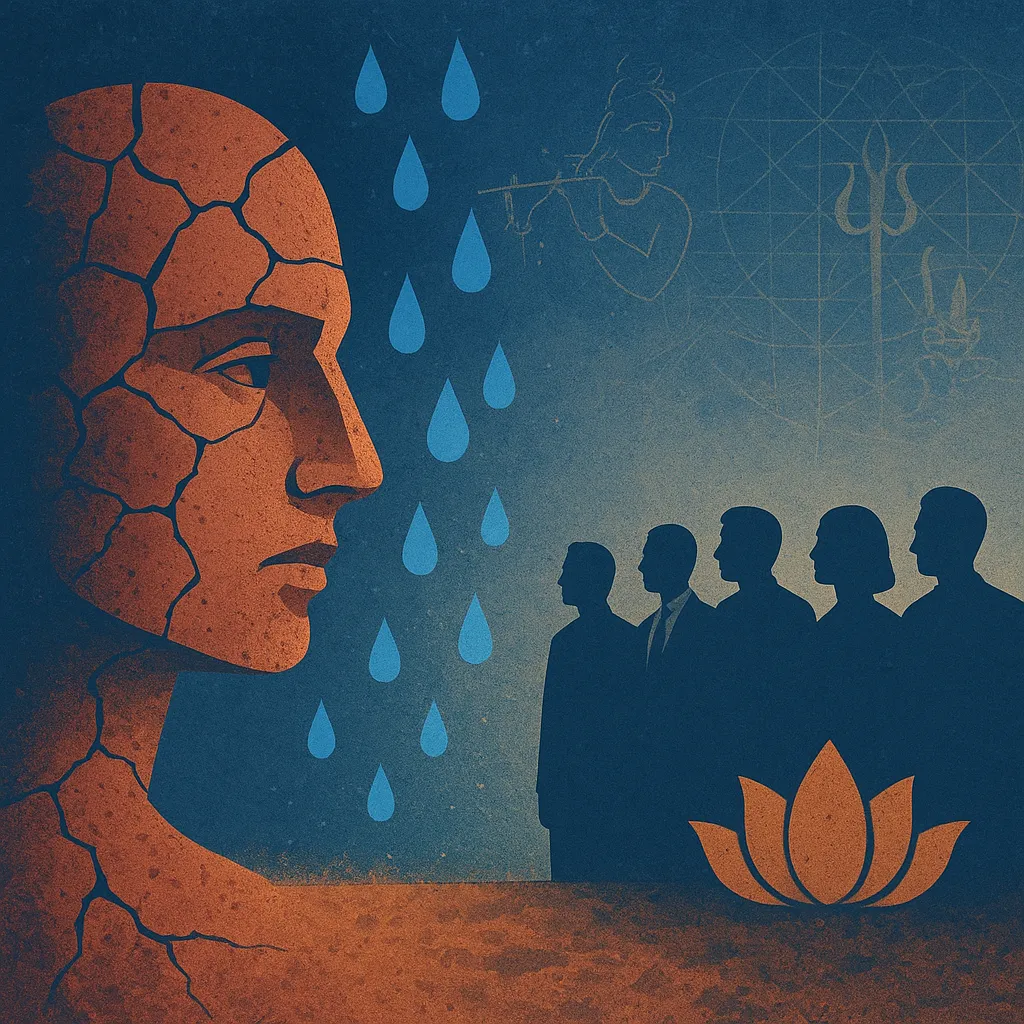
      Where I am Within The Mirror
Where am I within the mirror of my own soul?
It is I within me, yet where is the true whole?

That speech of love you once tenderly taught me,
Now mere droplets remain, where is the ocean’s role?

I search for forgotten wounds of the past,
An emptied granary consumed, where is the whole?

Bubbles and raindrops scattered upon the path,
They fell and dissolved into the earth, where is the whole?

Learning and teaching the “new normal” slavery,
I denied the world’s claim, yet where is the whole?

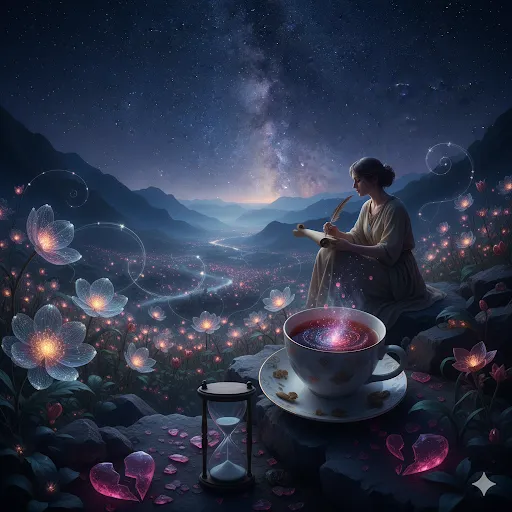
Today’s neglecton is tea of a dense hue,
Sajni, Kanhā, Shankar, where is the whole?
Table of Contents
Literary Meaning
This ghazal embodies the existential quest of the self in a fragmented modern world. The poet begins with the paradox: “I am within me, yet the true I is lost.”
It is a lament for an inner self obscured beneath layers of external identity, social expectations, and historical burdens. Memories of love, once an infinite ocean, are now reduced to scattered drops.
Wounds of the past remain buried like forgotten artefacts, surfacing only in fragments.
The poem critiques the present global condition, captured in the phrase “new normal slavery”, a condition where individuals are trapped by systems of reward and success, stripped of freedom and genuine humanity.
The metaphor of “neglecton”. borrowed from scientific language, symbolises neglected truths, disregarded values, and unseen dimensions of existence. The final invocation of Kanhā and Shankar is not mere ornamentation but a reminder of divinity, harmony, and liberation that modern humanity has misplaced.
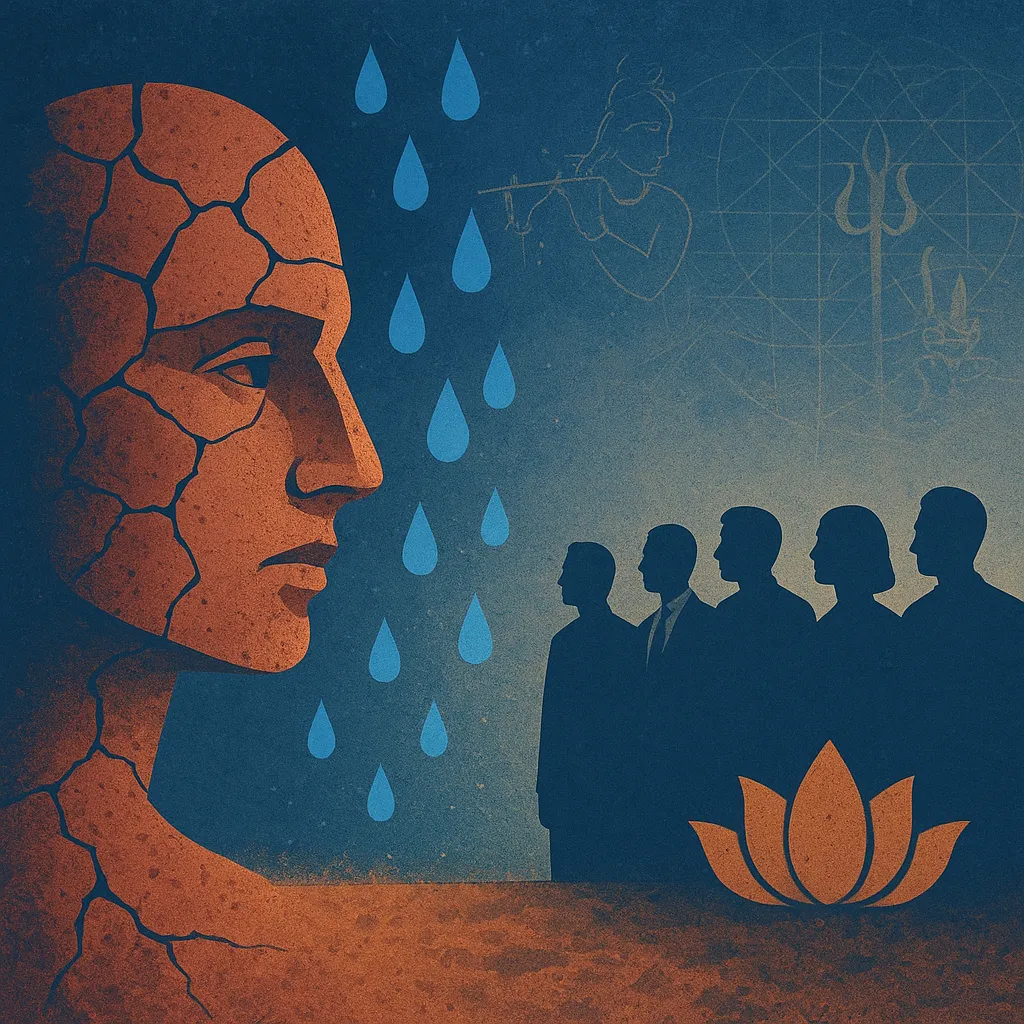
Expert Critical Essay
Where I am Within The Mirror – Where is the Self? Ghazal, Global Politics, and Quantum Pathways to Liberation
Introduction
The ghazal under study is not only a lyrical exploration of selfhood but also a philosophical inquiry into the crisis of modern civilisation. It raises a universal question: “Where am I?”
This is not simply a personal lament, but a collective cry of humanity amid the turbulence of geopolitics, socio-economic structures, and scientific-technological transformation.
The Lost Humanity in the Age of Reward-Learning
The ghazal’s metaphor of “new normal slavery” can be interpreted as a critique of the success–reward learning paradigm that dominates the 21st century.
This system conditions individuals, nations, and institutions to function like programmed responses to stimuli: progress measured not in human flourishing, but in material output, military strength, or economic indicators. In such a system, humanity becomes the casualty.
Democracy, socialism, and republicanism, despite their promises, have largely failed to deliver genuine liberation. Instead, they have institutionalised new forms of dependency, inequality, and dehumanisation.
Wars, climate breakdown, and economic disparities testify that the world is caught in a cycle of structural slavery under new guises. The poet’s haunting refrain “Where am I?” thus echoes as “Where is our humanity?”
Neglecton: A Scientific-Philosophical Insight
The ghazal introduces the idea of “neglecton”, a metaphor derived from quantum science, referring to mathematically disregarded variables. In physics, neglecting such dimensions leaves our models incomplete.
Analogously, in society, neglecting compassion, ethics, and spirituality creates fragmented humanity. By reintegrating the neglected, love, dignity, and empathy into our global calculus, we open the way toward a new model of civilisation.
This resonates with ancient wisdom traditions, particularly the Bhṛgu Saṁhitā and Upanishadic teachings, where education was not the accumulation of knowledge but the realisation of Brahman and the attainment of mokṣa. Liberation (mukti) was conceived as the discovery of the true “I” that the poet yearns for.
Geopolitics, War, and the Cry of the Ghazal
The ghazal’s scattered images, drops, bubbles, broken granaries, mirror today’s global condition: fragmented nations, fractured alliances, displaced refugees, and disintegrating trust. Wars in our century are not merely territorial conflicts but spiritual losses, eroding the collective soul.
The poet’s refrain, “Where am I?” becomes a call to diplomats, journalists, scientists, Nobel laureates, and world leaders to reflect: in the midst of weapons, algorithms, and profit-driven systems, where is humanity itself?
Toward a Quantum-Philosophical Liberation
The convergence of quantum science and ancient philosophy suggests that solutions lie not merely in political reforms but in ontological shifts. Quantum frameworks like neglecton encourage us to account for what has been disregarded.
Ancient philosophy teaches us that liberation is not political but existential. Together, they guide us toward a reconstitution of the world order, one where neglected dimensions of the human spirit are not discarded but restored as central.
Conclusion
This ghazal is more than art; it is a civilizational mirror. Its cry of the lost “I” is a warning that unless humanity reclaims its essence, global systems will continue to enslave rather than liberate.
However, it also offers a pathway: the integration of neglected truths, including scientific, spiritual, and ethical perspectives, into the calculus of global governance.
For leaders, academics, scientists, and citizens alike, the message is clear: rediscovering the true “I” is the first step toward rediscovering humanity itself.
 BEYOUTEA>A POETRY REVOLUTION> PEACE
NOTHING IS NOT TRUE : NO\KNOW THYSELF NOT
           MAKE EARTH GREAT FOREVER
मेरी तरह मेरे अंदर को मैं कहाँ हूँ,
ये तो मैं है मेरे अंदर, वो मैं कहाँ हूँ।
           वो जो तुमने प्यार से बात सिखाया,
           कतरों में सारे समंदर तो मैं कहाँ हूँ।
ढूँढ रहा हूँ कुछ दर्द पुराने पड़े हुए,
खाया हुआ एक भंडर, लो मैं कहाँ हूँ।
           मिल गए बुलबुले बूँदें रास्तों में बारिश,
           ज़मींन पर गया बिखर, वो मैं कहाँ हूँ।
सीखते-सीखाते न्यू नॉर्मल स्लेवरी,
ज़माने से रहा मुकर, तो मैं कहाँ हूँ।
           नेग्लेक्टोन आज की चाय गाढी रंग,
           सजनी कान्हा शंकर, वो मैं कहाँ हूँ।
POETRY>WISDOM>Q.TECH FOR A MORE JUST AND
 PEACEFUL WORLD IN LOVE AND ENLIGHTENMENT
     LET'S GOODNESS A CHANCE : END ALL WARS
साहित्य भावार्थ
यह ग़ज़ल आत्म-अन्वेषण और खोई हुई पहचान की व्यथा को सामने लाती है। “मेरी तरह मेरे अंदर को मैं कहाँ हूँ” पंक्ति स्वयं के भीतर बिखरे ‘मैं’ को ढूँढने की जद्दोजहद को दर्शाती है। कवि कहता है कि उसके भीतर जो असली ‘मैं’ था, वह धीरे-धीरे समय, समाज और परिस्थितियों की धूल में दब गया है।
प्यार, स्मृतियाँ और रिश्तों के समंदर अब केवल कतरे बनकर बचे हैं, जिनमें सम्पूर्णता की गहराई नहीं रही। बारिश की बूँदों के बुलबुलों की तरह जीवन की सच्चाइयाँ क्षणिक होकर ज़मीन पर बिखर जाती हैं।
कवि आधुनिक जीवन की विडंबना को “न्यू नॉर्मल स्लेवरी” कहकर उजागर करता है, जहाँ सफलता और सामाजिक मान्यताओं की दौड़ में इंसान अपनी असली पहचान और स्वतंत्रता खो देता है।
“नेग्लेक्टोन” का प्रयोग यहाँ आधुनिकता के प्रतीक के रूप में आता है, जहाँ समाज और व्यक्ति दोनों ही गाढ़े रंग की चाय की तरह बन गए हैं; दिखने में गहरे, पर असलियत में उपेक्षित और मिश्रित। अंतिम शेर में कृष्ण-कन्हैया और शंकर का आह्वान, आत्मा की दिव्य चेतना की ओर लौटने का प्रतीक है।
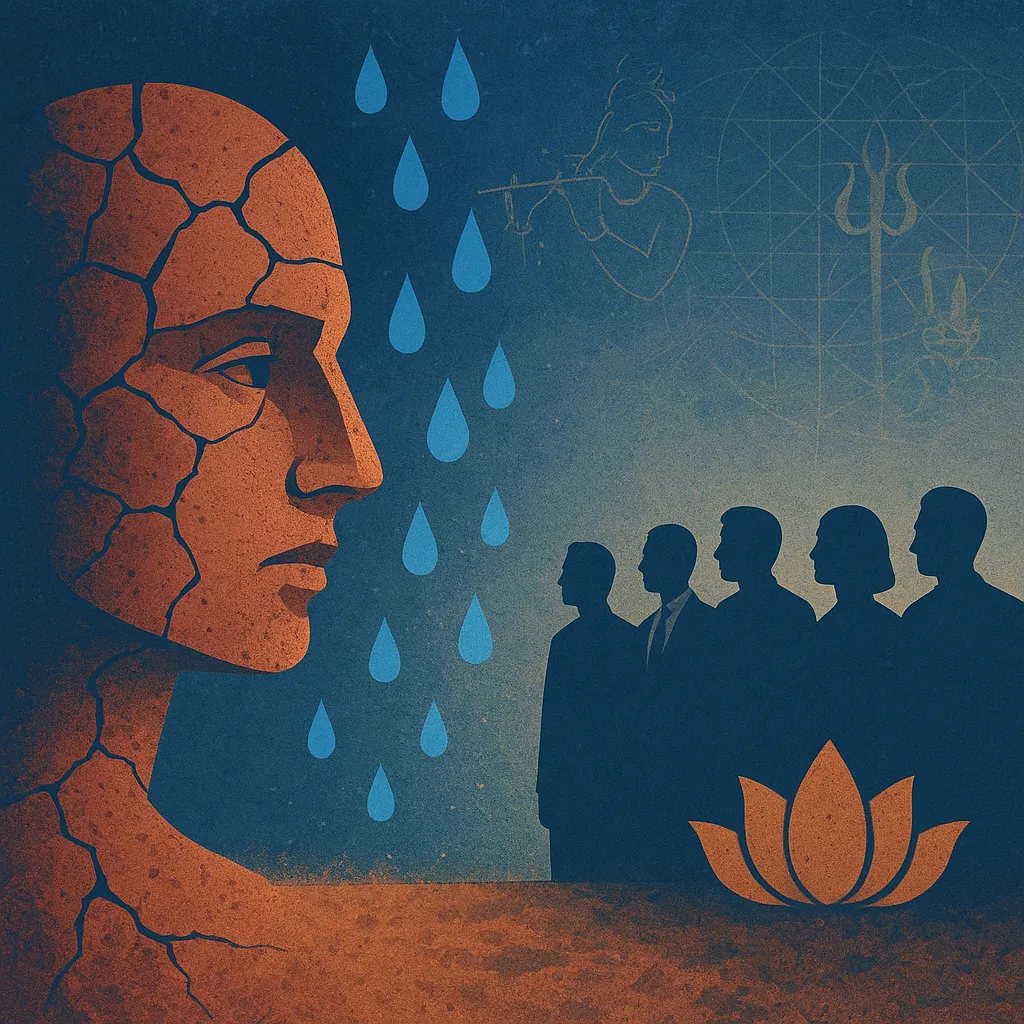
आलोचनात्मक विवेचना (जिओपॉलिटिक्स वर्ल्ड व्यू)
अंदर को मैं कहाँ हूँ – आधुनिक जीवन की विडंबना को “न्यू नॉर्मल स्लेवरी”
आज की वैश्विक राजनीति, अर्थव्यवस्था और तकनीकी संरचना में यह ग़ज़ल मानवीयता की हानि का दर्पण है। 21वीं सदी में दुःख का प्रमुख कारण वही है, जिसे कवि “न्यू नॉर्मल स्लेवरी” कहता है, यानी आधुनिक success-reward learning प्रणाली। यह प्रणाली बच्चों से लेकर राष्ट्रों तक को एक conditional stimulus-response machine बना रही है, जहाँ इंसान की स्वतंत्रता नहीं, बल्कि प्रोग्राम्ड सफलता ही मापदंड है।
डेमोक्रेसी, सोशलिज़्म और रिपब्लिकेनिज़्म, तीनों ही विश्व की प्रमुख राजनीतिक प्रणालियाँ, आज के सोशियो-इकॉनमी में मानवता को मुक्त करने के बजाय एक नई गुलामी में ढकेल रही हैं। लोग उपभोक्तावाद, युद्ध, और शक्ति संघर्ष में अपनी असलियत को खोते जा रहे हैं। Humanity is being deconstructed into numbers, markets, and weapons.
युद्ध और आतंक में खोई हुई मानवता का यही शोक इस ग़ज़ल का भी हृदय है। कवि का प्रश्न “वो मैं कहाँ हूँ?” केवल व्यक्ति का नहीं, बल्कि समूची सभ्यता का प्रश्न है।
क्वांटम विज्ञान और दार्शनिक समाधान
आधुनिक क्वांटम विज्ञान एक नई दृष्टि खोलता है। “नेग्लेक्टोन”, एक ऐसी गणितीय अवधारणा जो disregarded variables को भी गणना में शामिल करती है, दरअसल इस ग़ज़ल की आध्यात्मिक अंतर्धारा से मेल खाती है। जब आधुनिक विज्ञान उपेक्षित तत्वों को गणना में लाता है, तब समाज भी अपने उपेक्षित मूल्यों, प्रेम, करुणा, आत्मा, को फिर से मान्यता दे सकता है।
ऋषि भृगु की संहिता में शिक्षा का अर्थ केवल सूचना-प्राप्ति नहीं, बल्कि आत्मा की यात्रा था, ब्रह्म और मोक्ष की ओर। आज क्वांटम युग में वही पुरातन शिक्षा हमें याद दिलाती है कि Liberation is not an external political order, but an internal quantum realisation.
इस ग़ज़ल और उसके भावार्थ में छिपा संदेश विश्व के नेताओं, वैज्ञानिकों, दार्शनिकों और नीति-निर्माताओं के लिए स्पष्ट है:
- युद्ध और प्रतियोगिता में “मैं” खो जाएगा।
- लोकतांत्रिक या समाजवादी ढाँचे तब तक अपूर्ण रहेंगे जब तक आत्मा और करुणा की स्वीकृति न हो।
- क्वांटम विज्ञान और प्राचीन दार्शनिक परंपराएँ मिलकर हमें दिखाती हैं कि उपेक्षित मूल्यों को पुनः गिनती में लाना ही वास्तविक मुक्ति का मार्ग है।
इसलिए यह ग़ज़ल केवल एक काव्यिक पीड़ा नहीं, बल्कि एक वैश्विक चेतावनी है, मानवता को बचाने के लिए।
मैं कहाँ हूँ? – ग़ज़ल, आधुनिक विश्व-राजनीति और क्वांटम युग की मुक्ति-दृष्टि : एक खोज
सारांश (Abstract)
यह शोध-पत्र प्रस्तुत ग़ज़ल की साहित्यिक व्याख्या एवं उसकी वैश्विक सन्दर्भ में आलोचनात्मक विवेचना करता है। ग़ज़ल आत्म-अन्वेषण की खोज में खोए हुए “मैं” की पीड़ा को व्यक्त करती है, जो आधुनिक सामाजिक-आर्थिक एवं राजनीतिक ढाँचों में दब चुका है।
21वीं सदी में मानवता की त्रासदी modern success-reward learning प्रणाली, युद्ध और उपभोक्तावाद से उपजी “नई गुलामी” है। इस संदर्भ में लोकतंत्र, समाजवाद और गणतंत्रवाद भी मानव-मुक्ति के बजाय सामाजिक-मानसिक दासता को गहरा रहे हैं।
इस स्थिति का समाधान आधुनिक क्वांटम विज्ञान में उभरती “नेग्लेक्टोन” गणना-पद्धति और प्राचीन दार्शनिक परंपराओं (ऋषि भृगु की संहिता, ब्रह्म और मोक्ष की अवधारणा) के बीच से मिल सकता है। प्रस्तुत लेख इस अंतर्दृष्टि को आधुनिक विश्व नेतृत्व, वैज्ञानिकों और वैश्विक नागरिकों के लिए उपयोगी परिप्रेक्ष्य के रूप में प्रस्तुत करता है।
प्रस्तावना (Introduction)
ग़ज़ल की पंक्तियाँ, “मेरी तरह मेरे अंदर को मैं कहाँ हूँ”, व्यक्ति के आत्मिक विखंडन और असली पहचान के खोने की विवशता का दर्पण हैं। कवि के प्रश्न के पीछे वह सामूहिक आह्वान छिपा है जो सम्पूर्ण मानवता आज कर रही है, “हम कौन हैं और हम कहाँ खो गए?”।
आज का वैश्विक परिदृश्य युद्ध, भू-राजनीतिक प्रतिस्पर्धा, जलवायु संकट, और उपभोक्तावादी पूँजीवाद से भरा हुआ है। इन सबके बीच इंसान अपने वास्तविक “मैं” को खो चुका है। यही पीड़ा कवि के शब्दों में बुलबुले और बिखरे हुए समंदर की तरह प्रतिध्वनित होती है।
चर्चा (Discussion)
(क) आधुनिक युग का मानवीय संकट
21वीं सदी में दुःख का प्रमुख कारण है success-reward learning प्रणाली, जिसने मानव व्यवहार को एक प्रोग्राम्ड मशीन में बदल दिया है। व्यक्ति से लेकर राष्ट्र तक, सब सफलता और प्रतिस्पर्धा की दौड़ में फँसकर करुणा और आत्मा को खो रहे हैं। यही कारण है कि लोकतंत्र, समाजवाद और गणतंत्रवाद जैसी व्यवस्थाएँ भी अब “नई गुलामी” (New Normal Slavery) का रूप ले चुकी हैं।
(ख) युद्ध और खोई हुई मानवता
युद्धों में, सत्ता संघर्षों में और वैश्विक कूटनीति के जाल में मानवता लगातार नष्ट हो रही है। कवि का प्रश्न“वो, मैं कहाँ हूँ?”, असल में एक सार्वभौमिक प्रश्न है कि युद्ध और हिंसा के बीच हमारी करुणा और पहचान कहाँ विलीन हो गई।
(ग) क्वांटम विज्ञान की दृष्टि
क्वांटम विज्ञान में “नेग्लेक्टोन” नामक अवधारणा उपेक्षित चर (disregarded variables) को भी गणना में सम्मिलित करती है। यह ग़ज़ल के भाव से मेल खाता है, क्योंकि समाज भी उपेक्षित मूल्यों, प्रेम, दया, करुणा, को पुनः गिनती में लाए बिना पूर्ण नहीं हो सकता। नेग्लेक्टोन पद्धति हमें दिखाती है कि नई गणना में उपेक्षित आयाम ही समाधान का मार्ग बनते हैं।
(घ) प्राचीन दर्शन और मुक्ति
ऋषि भृगु की संहिता और वैदिक शिक्षा परंपरा में ज्ञान का अंतिम उद्देश्य मोक्ष, आत्मिक मुक्ति था। वहाँ शिक्षा केवल सूचना नहीं, बल्कि आत्मा की यात्रा थी। यही दृष्टि आज क्वांटम युग में प्रासंगिक है। ब्रह्म और मोक्ष की अवधारणा हमें बताती है कि असली मुक्ति किसी राजनीतिक व्यवस्था में नहीं, बल्कि आत्मा की गहराई में छिपे “मैं” को पहचानने में है।
निष्कर्ष (Conclusion)
ग़ज़ल केवल व्यक्तिगत पीड़ा का आख्यान नहीं है, बल्कि वैश्विक सभ्यता के संकट का आईना है। आधुनिक विश्व-प्रणालियाँ इंसान को सफलता, युद्ध और प्रतिस्पर्धा की मशीन बना रही हैं, जबकि असली मुक्ति उपेक्षित मूल्यों को पुनः जीवित करने में है।
क्वांटम विज्ञान और प्राचीन दार्शनिक दृष्टियाँ मिलकर हमें बताते हैं कि नेग्लेक्टोन की तरह उपेक्षित आयामों को पुनः शामिल करना ही वास्तविक मुक्ति और मानवता की पुनःस्थापना का मार्ग है।
विश्व-नेताओं, कूटनीतिज्ञों, वैज्ञानिकों और नागरिकों के लिए यह ग़ज़ल एक चेतावनी है, यदि हम अपने असली “मैं” को न खोज पाए, तो सभ्यता की आत्मा खो जाएगी। लेकिन यदि हम प्राचीन ज्ञान और आधुनिक विज्ञान को जोड़ सकें, तो एक नए युग की मुक्ति-दृष्टि सम्भव है।
Next Read: quantum physics