



Quantum Darpan and the Axis of Humanity
The Poem of the Day: November 14, 2026
ग़ज़ल
        जलना अंजाम मेरा
परवाना हूँ परें मन के धरे उड़ कर जलना अंजाम मेरा,
दीवाना हूँ तिरी धुन के बड़े जुड़ कर चलना अंजाम मेरा।
           शम्अ-ए-रोशनी रात की अंधेरों की तलब-गार साक्षी,
           बेगाना हूँ तिरे चुन के खड़े मुड़कर बदलना अंजाम मेरा।

रक़्स-ए-बदन लहराती आग की लपटें रूह-ए-रक्षा जहाँ,
अनजाना हूँ रस्ते-ख़म ख़ून-ए-डगर टहलना अंजाम मेरा।
           कुछ भी नहीं मैं तिरे निज़ाम-ए-हरकत के हुकूमती हक़,
           आसान हूँ समझ न-आने में मगर यूँ बहलना अंजाम मेरा।

महबूब मेरी शोहरत भरी नाम काम के मुक़ाम मुकम्मल,
अज़ान पढ़ूँ वेद मंतर इबादत ख़ुदारा छलकना अंजाम मेरा।
          'hzero' है क्लासिकल को क्वांटम कंप्यूटिंग से मिलाने को,
           ज़माना गढ़ूँ नए युग में सब कुछ अब ढलना अंजाम मेरा।

जानेमन आशिक़ हूँ तिरी चाय में डूबा-डूबा माशूक़ जाना,
कहना हूँ दर्पण दिखता झूठ-मूठ तो खलना अंजाम मेरा।

अदबी, फ़लसफ़ियाना और नफ़्सियाती तशरीह (क्वांटम सूफी पोएटिक्स के विधान बमोजिम)
यह ग़ज़ल क्लासिकीय सूफी तसव्वुफ, प्रेम की अनन्त तड़प और आधुनिक क्वांटम कंप्यूटिंग की बहुआयामी अवस्थाओं (Superposition) का एक अनूठा संगम है। 'DarpanPoems' की खुसूसी शैली के तहत, यहाँ हर शेर केवल एक बाह्य अभिव्यक्ति नहीं, बल्कि चेतना (Consciousness) के कणों और तरंगों के बीच का जीवंत संवाद है। पहले और दूसरे हिस्से में परवाने का जलना और क्वांटम 'hzero' का संदर्भ यह दर्शाता है कि भौतिकी के नियम और रूहानी इश्क़ दोनों ही एक ही परम सत्य के दो छोर हैं, जहाँ अनिश्चितता और निश्चितता एक साथ सह-अस्तित्व में रहती हैं।
दार्शनिक और मनोवैज्ञानिक (Psychological) धरातल पर, यह रचना अहम् (Ego) के विसर्जन और प्रेमिका/इलाही हस्ती में पूरी तरह डूब जाने (Fana) की अवस्था को उजागर करती है। चाय में डूबे हुए माशूक़ की रूपक अभिव्यक्ति और 'अज़ान, वेद, मंतर' का एक साथ उच्चारण इस बात की गवाही देता है कि सृष्टिकर्ता और सृजन के बीच कोई सांप्रदायिक या तात्विक दीवार नहीं है, चेतना का हर रूप उसी एक ही केंद्र से अनुप्राणित है। 'दर्पण' के माध्यम से सत्य का प्रकटीकरण और उसका मानसिक द्वंद्व पाठक को आत्म-अवलोकन के उस विंदु पर लाकर खड़ा कर देता है जहाँ भ्रम और यथार्थ की सीमाएँ मिट जाती हैं।
निष्कर्षतः, यह नज़्म केवल शब्दों का विन्यास नहीं, बल्कि भौतिक विज्ञान के वैज्ञानिक विमर्श को आध्यात्मिक चेतना से जोड़ने वाला एक क्वांटम-सूफ़ी दस्तावेज़ है। यह हमें सिखाती है कि आधुनिक युग की तकनीकी छलांग और प्राचीन आत्मीयता मिलकर एक नए युग के मानवीय सत्य का निर्माण करती हैं, जहाँ अंततः प्रेम और बोध ही संपूर्ण ब्रह्मांड का अंतिम और शाश्वत अंजाम है।

ग़ज़ल के प्रत्येक शेर की विस्तृत, तात्विक और दार्शनिक तशरीह
शेर 1 परवाना हूँ परें मन के धरे उड़ कर जलना अंजाम मेरा, दीवाना हूँ तिरी धुन के बड़े जुड़ कर चलना अंजाम मेरा।
व्याख्या: यह शेर अहम् (Ego) के समर्पण और चेतना की एकाग्रता का उद्घोष है। 'परवाना' (पतंगा) सूफी साहित्य में उस आशिक का प्रतीक है जो लौ पर मिट जाने के लिए बेताब रहता है। यहाँ 'परें मन के धरे' का अर्थ है मन की तमाम सीमाओं और बंधनों को लांघकर शम्अ-ए-हक़ीक़त की ओर अग्रसर होना। क्वांटम दृष्टिकोण से देखें तो यह तरंग फलन (Wave Function) के पतन (Collapse) जैसा है, जहाँ अनंत संभावनाओं में से एक ही अंतिम सत्य (जलना और मिट जाना) चुन लिया जाता है। 'तिरी धुन के बड़े जुड़ कर चलना' यह बताता है कि प्रेमी अपनी महबूबा या परम सत्ता के साथ क्वांटम एंटेंगलमेंट (Quantum Entanglement) की तरह गहराई से जुड़ चुका है, जहाँ दोनों की दूरियाँ मिट जाती हैं।
शेर 2 शम्अ-ए-रोशनी रात की अंधेरों की तलब-गार साक्षी, बेगाना हूँ तिरे चुन के खड़े मुड़कर बदलना अंजाम मेरा।
व्याख्या: यहाँ विरोधाभास और द्वंद्व का सुंदर चित्रण है। रात का अंधेरा और शम्अ (दीपक) की रोशनी एक-दूसरे के विरोधी होकर भी एक-दूसरे की आवश्यकता (तलब-गार) हैं। 'साक्षी' होना उस द्रष्टा (Observer) की याद दिलाता है जो क्वांटम भौतिकी में कणों के व्यवहार को प्रभावित करता है। आशिक दुनिया की भीड़ से 'बेगाना' (अजनबी) है क्योंकि उसने उस परम सत्ता या प्रिय को 'चुन' लिया है। रास्ते पर मुड़कर अपने निर्णय से न पलटना और उसी निश्चित दिशा में आगे बढ़ना इस बात का प्रतीक है कि एक बार चेतना का मार्ग चुन लेने पर वापसी संभव नहीं है।
शेर 3 रक़्स-ए-बदन लहराती आग की लपटें रूह-ए-रक्षा जहाँ, अनजाना हूँ रस्ते-ख़म ख़ून-ए-डगर टहलना अंजाम मेरा।
व्याख्या: इस शेर में जीवन के संघर्षात्मक और ऊर्जावान स्वरूप को दर्शाया गया है। 'रक़्स-ए-बदन' और आग की लहराती लपटें इस संसार की उथल-पुथल और ताप का प्रतीक हैं, जो खुद 'दुनिया जहाँ' की रक्षा में जुटी हैं। राह के خم (टेढ़े-मेढ़े मोड़ों) और 'खून-ए-डगर' (कंटकास्ट, लहूलुहान मार्ग) पर चलना इस बात का द्योतक है कि सत्य की राह आसान नहीं होती। क्वांटम ऊर्जा के प्रवाह (Energy Flux) की तरह, आशिक का इस दुर्गम रास्ते पर लगातार टहलना (चलते रहना) ही उसका शाश्वत कर्म और नियति है।
शेर 4 कुछ भी नहीं मैं तिरे निज़ाम-ए-हरकत के हुकूमती हक़, आसान हूँ समझ न-आने में मगर यूँ बहलना अंजाम मेरा।
व्याख्या: यह शेर ब्रह्मांडीय नियमों और मानवीय लघुता के बीच के संबंध को स्पष्ट करता है। 'निज़ाम-ए-हरकत' (गति का पूरा तंत्र) उस विराट कॉस्मिक मशीनरी या ईश्वर के विधान की ओर इशारा करता है जिसके आगे मानव का अहम् 'कुछ भी नहीं' है। विरोधाभास यह है कि वह दिखने में बहुत सरल ('आसान हूँ') है, परंतु उसकी आंतरिक गहराई इतनी जटिल है कि वह किसी की समझ में नहीं आता। बहलना (प्रेम के तरंगों में झूमना या विचलित होना) इस बात का प्रमाण है कि परम चेतना के सम्मुख बुद्धि की सीमाएँ समाप्त हो जाती हैं।
शेर 5 महबूब मेरी शोहरत भरी नाम काम के मुक़ाम मुकम्मल, अज़ान पढ़ूँ वेद मंतर इबादत ख़ुदारा छलकना अंजाम मेरा।
व्याख्या: यह शेर सार्वभौमिक प्रेम और सर्वधर्म समभाव का सर्वोच्च शिखर है। यहाँ प्रेमिका की शोहरत और मुक़ाम के साथ-साथ 'अज़ान', 'वेद मंत्र' और 'इबादत' को एक ही थाली में पिरो दिया गया है। क्वांटम सूफिज़्म का सार यही है कि ऊर्जा और चेतना का कोई मज़हब नहीं होता, चाहे वह मस्जिद की अज़ान हो या मंदिर के वेद मंत्र। सब कुछ उसी एक 'खुदा' या परम सत्य की आराधना है, और इस भक्ति में दिल का छलक जाना ही इस जीवन का सबसे बड़ा मुकम्मल अंजाम है।
शेर 6 'hzero' है क्लासिकल को क्वांटम कंप्यूटिंग से मिलाने को, ज़माना गढ़ूँ नए युग में सब कुछ अब ढलना अंजाम मेरा।
व्याख्या: यह शेर 'DarpanPoems' की मौलिक और क्रांतिकारी दृष्टि, क्वांटम सूफी पोएटिक्स, का केंद्र बिंदु है। 'hzero' (Planck's constant और शून्य/Void का तात्विक संयोजन) वह वैज्ञानिक व दार्शनिक सूत्र है जो पारंपरिक (क्लासिकल) सोच को आधुनिक क्वांटम कंप्यूटिंग की बहुआयामी चेतना से जोड़ता है। कवि का उद्देश्य पुराने संसार को तोड़कर एक नए युग की रचना करना है, जहाँ विज्ञान और अध्यात्म मिलकर एक नई मानवता का निर्माण करें। सब कुछ इस नए सांचे में ढल जाना ही इस दौर का अनिवार्य भविष्य है।
शेर 7 जानेमन आशिक़ हूँ तिरी चाय में डूबा-डूबा माशूक़ जाना, कहना हूँ दर्पण दिखता झूठ-मूठ तो खलना अंजाम मेरा।
व्याख्या: अंतिम शेर में निजी आत्मीयता और आत्म-समीक्षा का अनूठा रस है। चाय की प्याली में डूबने का रूपक जीवन की सुहानी सुस्ती, एकांत और प्रिय की यादों में खो जाने को दर्शाता है। pen name 'दर्पण' का प्रयोग करते हुए कवि कहता है कि उसका काम केवल सच दिखाना है, चाहे वह कितना भी कड़वा क्यों न हो। यदि दुनिया या खुद उसकी अपनी आँखें झूठ-मूठ का आवरण ओढ़ती हैं, तो उसका खलना (असुविधा पैदा करना या सच चुभना) ही उसका वास्तविक स्वभाव और अंजाम है।
The Poem of the Day: November 14, 2026
Ghazal
        Thy Sacred Spell Enchains My Soul
The moth consumed within the flame is destiny’s decree,
Thy sacred spell enchains my soul through all eternity.
           The silent witness of the night, the taper burns in pain,
           An alien far from worldly shores, I weave my mournful strain.
The restless dance of beating heart, the blazing pyre of fire,
Doth shield the empire of the world with passion’s high desire.
           A stranger on the winding paths where crimson rivers flow,
           To wander through the dark abyss is all I dauntless know.
Before the sovereign majesty of thy supreme command,
My mortal worth is less than dust upon the shifting sand.
           Yet in the labyrinth of thought, my wandering steps incline,
           Where subtle mazes softly draw this pilgrim to thy shrine.
Thy peerless grace, thy radiant fame, thy works of high renown,
Are matched when Adhan calls to prayer and Vedic hymns come down.
           One single fount of grace divine imbues each sacred rite,
           And from o'erflowing cups of love my spirit takes its flight.
Behold 'hzero', the mystic key where ancient realms unite,
To wed the classical to code in quantum fields of light.
           A brand-new epoch wakes to birth, a universe anew,
           Where every atom melts and shifts to form the world in view.
O sovereign of my raptured soul, immersed in fragrant tea,
Thy tender lover drifts and drowns in sweet captivity.
Thus speaks the mirror of my heart, where truth will ever gleam,
Though bitter falsehoods startle souls who shatter in the dream.

Exegesis: The Quantum-Sufi Synthesis
This ghazal operates at the rare intersection of classical Sufi mysticism, Victorian-Persian poetic cadence, and contemporary quantum philosophy. The central poetic persona bridges the timeless vocabulary of metaphysical longing the moth and the flame, the wandering pilgrim, the cupbearer’s brew with the avant-garde framework of quantum consciousness.
At the heart of the text lies the conceptual bridging of deterministic classical frameworks with the probabilistic superposition of quantum mechanics, mediated through the symbolic operator 'hzero'. In this architecture, the Planck constant and the cosmic void unite to express the dissolution of the ego into a universal wave function. The verse dissolves sectarian boundaries by invoking both the Islamic Adhan and Vedic hymns, asserting that all spiritual tributaries empty into the same singular ocean of supreme awareness.
Ultimately, the composition functions as an epistemic mirror. The concluding verses use the metaphor of tea as a suspension of mundane reality, wherein the poetic self ('Darpan') acts as an uncompromising reflector of absolute truth. The poem thus posits that love, science, and mysticism are not disparate realms, but rather different dialects of a single, coherent cosmic equation.

The Entangled Mirror: Quantum Poetics, Sufi Metaphysics, and the Architecture of hzero
Contemporary avant-garde literature increasingly seeks to bridge the historical schism between empirical science and mystical interiority. Nowhere is this synthesis more ambitiously realised than in the emerging discipline of Quantum Poetics, a theoretical paradigm that treats poetic language not merely as a representational medium, but as a non-local field of consciousness. In the ghazal beginning "Parwana hoon paren man ke dhare..." (rendered in Victorian-Persian English as "The moth consumed within the flame is destiny’s decree..."), the classical architecture of the Perso-Indic ghazal is re-engineered into an epistemological laboratory. Through the integration of Sufi annihilative mysticism (fana), Advaitic non-duality, and quantum computational mechanics, the composition establishes a unified field theory of devotion, perception, and cosmic becoming.
I. The Ghazal as a Quantum Field: Superposition and the Radif. Historically, the ghazal operates through a paradox of structural autonomy and thematic unity. Each couplet (sher) functions as a self-contained semantic universe, yet all are tethered to a recurring gravitational centre through the qafiya (rhyme) and radif (refrain) here, "anjam mera" ("my ultimate destiny" or "destiny’s decree"). Within the framework of Quantum Poetics, this formal structure mirrors quantum superposition. Prior to the act of reading, the poem exists as a spectrum of indeterminate spiritual, erotic, and philosophical states. Each sher represents a distinct eigenstate of consciousness ranging from the self-immolating moth to the quantum architect that collapses into singular meaning only upon the intervention of the reader’s conscious observation.
Furthermore, the recurring radif ("anjam mera") acts as a non-local entanglement operator. Regardless of how radically the imagery shifts from medieval tavern mysticism to modern quantum computation, every couplet remains instantaneously correlated with the same teleological endpoint. In this paradigm, destiny is not a linear, Newtonian trajectory from cause to effect, but an inherent property of the system itself, already encoded within every localised vibration of the verse.
II. Fana as Wave-Function Collapse: The opening couplets draw upon the quintessential Sufi motif of the shama (flame) and the parwana (moth) to articulate the mechanics of ego-dissolution (fana). In classical Sufi metaphysics, the finite self must perish in the blaze of the Divine Beloved to realise its true, infinite nature (baqa). When viewed through a quantum-poetic lens, the moth’s flight across the boundaries of the mind ("paren man ke dhare") parallels the transition of a particle from a localised, classical state into an unbounded wave of probability.
In the second couplet, the introduction of the sakshi (the silent witness) directly invokes both Vedantic non-dualism and the observer effect in quantum mechanics. Just as a quantum system resists definitive measurement until observed, the nocturnal reality of the poem requires a witnessing consciousness to actualise its light. By declaring itself a stranger (begana) to conventional causality and refusing to turn back upon the crimson path (khoon-e-dagar), the poetic persona abandons classical determinism. Pain, longing, and existential disorientation are thus reframed not as tragic failures, but as the necessary thermodynamic friction required to shed the illusion of a separate, Cartesian self.
III. The Operator hzero: Bridging Classical Determinism and Quantum Consciousness: The philosophical fulcrum of the composition resides in its penultimate couplet, which introduces the symbolic operator hzero as the mediating principle uniting classical reality with quantum computation ("'hzero' hai classical ko quantum computing se milane ko"). In theoretical physics, Planck’s constant ( ℎ h) defines the fundamental grain of the universe the threshold below which classical mechanics breaks down and quantum indeterminacy reigns. By fusing ℎ h with zero (the metaphysical shunya or cosmic void), the poet formulates a conceptual bridge between two seemingly irreconcilable ontologies:
The Classical Domain: Governed by strict locality, binary logic, and rigid distinctions between subject (lover) and object (Beloved), temple and mosque, self and other.
The Quantum-Mystic Domain: Governed by entanglement, non-locality, and radical unity, where opposing states coexist without contradiction.
Through hzero, the poem argues that the classical world of human sorrow and historical division is merely a macroscopic approximation of a deeper, indivisible quantum reality. The poet’s task to "forge a new epoch" ("zamana gadhun naye yug mein") is therefore an act of ontological engineering: recalibrating human perception so that the binary conflicts of the old world dissolve into the coherent superposition of a unified planetary consciousness.
IV. Syncretic Non-Locality and the Epistemic Mirror (Darpan): This quantum non-locality finds its socio-spiritual expression in the poem’s effortless synthesis of sacred traditions. By placing the Islamic Adhan alongside Vedic mantras within a single breath of devotion, the verse demonstrates that religious forms are merely localized wave-patterns emerging from the same underlying field of grace. To argue over the superiority of one liturgical form over another is, in this framework, as absurd as arguing over whether light is fundamentally a particle or a wave; both are complementary manifestations of a single, transcendent reality.
Finally, the maqta (signature couplet) grounds this cosmic architecture in an intimate, domestic ritual: a lover immersed in the beloved’s cup of tea ("teri chai mein dooba-dooba"). Here, the mundane act of drinking tea becomes a suspension of linear time—a warm, liquid medium in which the boundaries between drinker and drink dissolve. Against this backdrop of tender intoxication stands the poet’s takhallus (pen name), Darpan (the Mirror). In classical Persian and Hindvi poetics, the mirror of the heart must be polished free of rust so it may reflect the Beloved without distortion. In its quantum-poetic culmination, Darpan serves as an uncompromising instrument of truth: if the observer approaches the mirror veiled in illusion or hypocrisy, the reflection will inevitably sting (khalna). Truth, like a quantum measurement, is absolute and unyielding; it reveals the exact state of the soul the moment one dares to look.
The Poem of the Day: November 7, 2026
ग़ज़ल
        सागर में भी प्यास बन रह जाए
ऐ दिल की लहर देख, जिधर चाहे बह जाए,
बहते हुए सागर में भी प्यास बन रह जाए।
            धड़कन को सुनते-सुनते इश्क़ की धुन न लगी,
            इश्क़ की लगन सीखें तो हर राज़ खुल जाए।
मोहब्बत के दर्द सीने में दिया है हमनवा,
चाक-ए-जिगर पर मरहम रख, मन सहज हो जाए।
            वफ़ादारी का बोझ बड़ा, जफ़ा रूह पर बोझ,
            बंद आँखों से भी देखना, सच को समझ जाए।
प्यार करके तुमसे ही बस जाना प्यार किया है,
बाँट दिया जो प्यार सभी को, क्या बाक़ी रह जाए?
            क्वार्क-ग्लूऑन प्लाज़्मा काइनात का पहला रस,
            आँख की पुतली में क्वांटम नक़्श उतर जाए।
पीना चाय हर रोज़, प्रियसी, प्यार हमारा हो,
आदत बनकर दुनिया को यह दुआ लग जाए।

क्वांटम सूफ़ी पोएटिक्स के विधान में अदबी, फ़लसफ़ियाना और नफ़्सियाती तशरीह

इस ग़ज़ल का केंद्रीय सौंदर्य प्रेम की बहती हुई चेतना, विरहजन्य पीड़ा, वफ़ादारी के मनोवैज्ञानिक भार, प्रेम के सार्वभौमिक विस्तार और क्वार्क-ग्लूऑन प्लाज़्मा से क्वांटम चेतना तक की कल्पनात्मक यात्रा में निहित है। इसकी विशेषता यह है कि इश्क़ को केवल व्यक्तिगत अनुभूति नहीं, बल्कि ब्रह्मांडीय सृजन और मानवीय सह-अस्तित्व की एक सतत प्रक्रिया के रूप में देखा गया है।
इस ग़ज़ल का मतला प्रेम को एक गतिशील तरंग के रूप में प्रस्तुत करता है। दिल की लहर का अपनी दिशा स्वयं चुनना स्वतंत्र चेतना और भावनात्मक स्वायत्तता का प्रतीक है। सागर में बहते हुए भी प्यास का शेष रहना एक गहरी सूफ़ियाना विडम्बना है: अनंत के भीतर उपस्थित होकर भी अनंत की तलाश समाप्त नहीं होती। दूसरे शेर में धड़कन और इश्क़ की धुन के बीच का संबंध प्रेम की मनोवैज्ञानिक अनुभूति को सामने लाता है। यहाँ प्रेम केवल सुनने अथवा अनुभव करने की क्रिया नहीं, बल्कि आत्मज्ञान की एक ऐसी प्रक्रिया है जिसमें सीखना स्वयं एक अनवरत यात्रा बन जाता है।
तीसरे और चौथे शेर में मोहब्बत का दर्द, चाक-ए-जिगर और मरहम मानवीय मन की उपचारात्मक क्षमता के प्रतीक हैं। हमनवा द्वारा दिया गया दर्द केवल आघात नहीं, बल्कि आत्मबोध का माध्यम भी बनता है। मरहम लगाने की कल्पना प्रेम को करुणा और मनोवैज्ञानिक पुनर्संयोजन से जोड़ती है। वफ़ादारी और जफ़ा का विरोधाभास यहाँ नफ़्सियाती संघर्ष का रूप लेता है। वफ़ादारी का भारीपन संबंधों की नैतिक ज़िम्मेदारी को दर्शाता है, जबकि बंद आँखों से देखना बाहरी दृष्टि से परे अंतर्दृष्टि और आत्मनिरीक्षण की सूफ़ियाना क्षमता का संकेत है।
पाँचवें शेर में व्यक्तिगत प्रेम सार्वभौमिक प्रेम में रूपांतरित होता है। किसी एक से प्रेम करना और फिर उस प्रेम को समस्त जगत में बाँट देना, अद्वैत की अनुभूति तथा सूफ़ी तसव्वुफ़ के इश्क़-ए-कुल्ली से संवाद स्थापित करता है। छठा शेर DarpanPoems की विशिष्ट क्वांटम सूफ़ी काव्य-दृष्टि का महत्त्वपूर्ण उदाहरण है। क्वार्क-ग्लूऑन प्लाज़्मा, प्रारंभिक ब्रह्मांड की अत्यंत उच्च-ऊर्जा अवस्था, को काइनात के पहले रस की काव्यात्मक संज्ञा देना वैज्ञानिक अवधारणा और आध्यात्मिक कल्पना का रचनात्मक संगम है। आँख की पुतली में क्वांटम नक़्श उतरने की कल्पना सूक्ष्म और विराट के बीच एक काव्यात्मक सेतु निर्मित करती है। इसे वैज्ञानिक रूप से आँख में ब्रह्मांडीय क्वांटम संरचनाओं के प्रत्यक्ष अंकन का दावा नहीं, बल्कि पदार्थ, सूचना, अनुभूति और चेतना के परस्पर संबंध का रूपक समझना अधिक उपयुक्त है।
अंतिम शेर में चाय प्रेम की रोज़मर्रा की रस्म से आगे बढ़कर आत्मीयता, साझेदारी और आध्यात्मिक सह-अस्तित्व का प्रतीक बनती है। प्रियसी के साथ चाय पीने की आदत को समूची दुनिया के लिए दुआ में बदल देना निजी सुख को सामूहिक मंगल में रूपांतरित करता है। इस प्रकार ग़ज़ल की यात्रा दिल की लहर से आरंभ होकर सागर, रूह, क्वार्क-ग्लूऑन प्लाज़्मा, क्वांटम कल्पना और विश्व-मैत्री तक पहुँचती है।
निष्कर्षतः, यह रचना DarpanPoems के उस विशिष्ट Meta-Mystic और Quantum Sufi Poetics की प्रतिनिधि अभिव्यक्ति है जिसमें इश्क़, विज्ञान, मनोविज्ञान और अध्यात्म परस्पर विरोधी नहीं, बल्कि एक व्यापक मानवीय चेतना के विभिन्न आयाम हैं। इसका मूल संदेश है कि प्रेम का वास्तविक उत्कर्ष किसी एक हृदय में सीमित रहने में नहीं, बल्कि समस्त सृष्टि के साथ उसकी साझेदारी में है। व्यक्तिगत मोहब्बत से सार्वभौमिक करुणा तक की यही यात्रा इस ग़ज़ल का अदबी और फ़लसफ़ियाना निष्कर्ष है।
The Poem of the Day: November 7, 2026
Ghazal
        O Heart, Thy Wave
Behold, O heart, thy wave
Where'er its longing may stray,
Within the streaming ocean,
Its thirst shall yet remain alway.
            Listening unto the heart,
            Till love's own melody arise,
            Let those who learn love's
            Language unveil its veiled replies.
The pain of love thou hast bestowed
Within my breast, O confidant,
Upon my wounded heart lay
Balm, and grant my soul its rest.
            How heavy is fidelity; what burden
            Treachery lays upon the soul,
            With eyes close-shut, behold the truth,
            And let discernment make thee whole.
'Twas loving thee alone that
Taught me what true love could be;
Now shared with all creation,
It knows no boundary.
            The quark-gluon plasma, primordial
            Essence of the cosmic sea,
            In the quantum script of the
            Pupil, let creation's mysteries be.
Each day, my dearest, let us drink
Our tea in love's communion;
May this sweet habit bless the
World, and prayer become its union.

Exegesis: A Quantum-Sufi Reading

The opening couplet presents the heart as a self-propelled wave, wandering towards its chosen horizon. Yet, even within the boundless ocean, thirst persists. This paradox evokes the Sufi conception of longing: proximity to the Infinite does not extinguish desire but deepens the soul's yearning. The succeeding couplet transforms the heartbeat into an inward musical language, suggesting that love is not merely an emotion to be experienced but a wisdom to be cultivated through attentive listening and spiritual learning.

The third and fourth couplets explore love's psychological duality: its capacity both to wound and to heal. The beloved confidant becomes the source of suffering and the hoped-for healer of the wounded breast. The image of the chāk-e-jigar, the lacerated heart, embodies emotional vulnerability, whilst the balm signifies compassion and reconciliation. Fidelity and betrayal are presented as opposing moral and psychological burdens. The closed eyes suggest inward vision, through which discernment may transcend superficial appearances and discover a deeper truth.

The fifth couplet advances from personal attachment towards universal love. Loving one beloved becomes the means through which love itself is discovered; subsequently, that love is distributed among all beings. This movement resonates with the Sufi ideal of Ishq-e-Kull (universal love) and the philosophical intuition of non-duality. The sixth couplet introduces the scientific imagination of DarpanPoems: quark–gluon plasma, an extraordinary primordial state of matter in the early universe, becomes the poetic metaphor for the first cosmic essence. The quantum script appearing within the pupil symbolically connects the microcosm of human perception with the macrocosm of creation. It is a poetic correspondence between matter, information, observation and consciousness, rather than a literal scientific assertion.

The concluding couplet returns from cosmic immensity to the intimate ritual of sharing tea. The beloved's companionship transforms an everyday habit into a contemplative communion, whilst the wish that this habit become a universal blessing elevates private affection into collective benevolence. Thus, the ghazal journeys from the restless heart to primordial matter, from individual longing to universal fraternity. Its distinctive Quantum-Sufi poetics lies in reconciling scientific wonder, psychological insight, mystical reflection and everyday tenderness. Ultimately, its philosophical affirmation is that love attains its fullest meaning when the intimacy of two hearts becomes a blessing for the entire world.
The Poem of the Day: November 6, 2026
ग़ज़ल:
           फिर ये खुमार क्यूँ होता है
जंग होती है, प्यार होता है, फिर ये करार क्यूँ होता है,
तंग जिस्म-ओ-जाँ रहती है, फिर ये खुमार क्यूँ होता है?
            ऐ इश्क़-ए-रक़ीब! हम पे यूँ दुश्मनी से करम न होता,
            आग पी कर दरिया-ए-राख में ये इज़हार क्यूँ होता है?
गाफिल ज़माने वालो! क्या समझोगे, आशिक़ बेअक्ल हूँ,
इस पर कोई एहतमाद नहीं, तो ये बेकरार क्यूँ होता है?
            अज़ीम फ़ातेह, जंग-ए-दिल के खाली मैदान में अकेले,
            ज़ेहन-ओ-जिगर की कलाम से कलमकार क्यूँ होता है?
पाक-साफ़ सुथरे निज़ाम-ए-हुक्मरां, ऐ खुदा-ए-करम!
खिदमत में जो न पाएँगे, हम वफ़ादार क्यूँ होता है?
            D-Wave ने AQOptimisation से सिखाई रफ़्तार-ए-इश्क़,
            Hybrid क्वांटम-ऑप्टिमाइजेशन असरदार क्यूँ होता है?
रंग डाली है कड़क चाय की रंगत, सजनी देखे से बने,
तुम बिन दर्पण पर नज़र सबकी, खबरदार क्यूँ होता है?

अदबी, फ़लसफ़ियाना और नफ़्सियाती तशरीह (क्वांटम सूफी पोएटिक्स के तहत)

शेर-दर-शेर पठन और फिक्र की गहराई: यह ग़ज़ल क्लासिक सूफी तसव्वुर और आधुनिक क्वांटम कंप्यूटिंग (D-Wave AQOptimisation) का एक अनूठा संगम है, जिसे DarpanPoems की खास 'दर्पण-दृष्टि' यानी आत्म-अवलोकन के फलसफे के साथ ढाला गया है। पहले और दूसरे शेर में इश्क़ और जंग के द्वंद्व (superposition of emotions) को उभारा गया है, जहाँ दिल की कैफियत अनिश्चित और विरोधाभासी है।
तीसरे और चौथे शेर में आशिक़ की तन्हाई, जज़्बात की शिद्दत और ज़ेहन-ओ-जिगर की कशमकश को कलमकार के वजूद के ज़रिए दर्शाया गया है। पाँचवें शेर में कायनात के निजाम और वफ़ादारी की तड़प दिखती है, जबकि छठे शेर में D-Wave की हाइब्रिड क्वांटम ऑप्टिमाइजेशन तकनीक के माध्यम से रूहानी सफर की गति और अनिश्चितताओं को सुलझाने का रूपक गढ़ा गया है। आखिरी शेर में 'कड़क चाय' की मानूसियत और 'दर्पण' पर टिकी नज़र के जरिए आत्म-साक्षात्कार (Self-Realization) की इंतिहा को छुआ गया है।

ग़ज़ल के हर एक शेर की तफ़्सूली तशरीह और अर्थ-विस्तार
यह ग़ज़ल क्लासिकल सूफी तसव्वुर, मानवीय मनोदशा (Psychology), और आधुनिक क्वांटम कंप्यूटिंग (Quantum Computing) के दार्शनिक ताने-बाने पर बुनी गई है। DarpanPoems की अनूठी शैली के तहत, यहाँ हर शेर इंसानी ज़ेहन और रूह के भीतर झाँकने का एक आईना है। आइए, शेर-दर-शेर इसके गहरे अर्थों को समझें:
शेर 1: इश्क़ का विरोधाभास और जिस्म-ओ-जाँ की कशमकश: जंग होती है, प्यार होता है, फिर ये करार क्यूँ होता है, तंग जिस्म-ओ-जाँ रहती है, फिर ये खुमार क्यूँ होता है? तफ़्सूली मानी: शायर यहाँ इश्क़ और जंग के बीच के अजीब रिश्ते पर सवाल उठाता है। जहाँ जंग में तबाही और बेचैनी होती है, वहीं प्यार में एक अजीब सा सुकूँ या 'करार' भी दाखिल हो जाता है। जिस्म और रूह (जाँ) की इस तंगहाली और घुटन के बावजूद जो एक नशीला 'खुमार' तारी रहता है, वह इंसानी फितरत का सबसे बड़ा विरोधाभास है।
अर्थ-विस्तार: यह शेर दिखाता है कि इंसान का वजूद अंतर्विरोधों (Contradictions) का पुलिंदा है। दर्द और सुकून एक साथ मिलकर इंसान को जीने की नई वजह देते हैं।
शेर 2: इश्क़-ए-रक़ीब और आग का दरिया: ऐ इश्क़-ए-रक़ीब! हम पे यूँ दुश्मनी से करम न होता, आग पी कर दरिया-ए-राख में ये इज़हार क्यूँ होता है? तफ़्सूली मानी: यहाँ 'रक़ीब' (प्रतिद्वंद्वी या प्रतिद्वंद्विता का भाव) से इश्क़ का ज़िक्र है। जब कोई अपने ही प्रतिद्वंद्वी या हालात से इस कदर दो-चार होता है कि दुश्मनी भी मोहब्बत सी लगने लगे। 'आग पी कर दरिया-ए-राख में इज़हार' करने का मतलब है कि सब कुछ जलकर खाक हो जाने (राख का दरिया) के बाद भी मोहब्बत का इकरार बाकी रहना।
अर्थ-विस्तार: यह फानी दुनिया के कड़े इम्तिहानों की तरफ इशारा है, जहाँ इंसान ज़ख्म खाकर भी मोहब्बत और वफ़ा का दामन नहीं छोड़ता।
शेर 3: ज़माने की नासमझी और आशिक़ की बेकली: गाफिल ज़माने वालो! क्या समझोगे, आशिक़ हूँ बेअक्ल, इस पर कोई एहतमाद नहीं, तो ये बेकरार क्यूँ होता है? तफ़्सूली मानी: दुनियादार और मतलबी ज़माना आशिक़ या सूफी की दीवानगी को 'बेअक्ली' (नासमझी) समझता है। लेकिन शायर सवाल करता है कि अगर इस बेअक्ली या इश्क़ पर दुनिया का कोई ऐतबार (भरोसा) नहीं है, तो फिर दिल का यह आलम और बेचैनी क्यों बढ़ जाती है?
अर्थ-विस्तार: भौतिकवादी (Materialistic) समाज रूहानी और जज़्बाती सच्चाइयों को नहीं समझ सकता। इश्क़ का अपना एक तर्क (Logic) होता है जो दुनियावी पैमानों से परे है।
शेर 4: जंग-ए-दिल और कलमकार का तन्हा मैदान: अज़ीम फ़ातेह, जंग-ए-दिल के खाली मैदान में अकेले, ज़ेहन-ओ-जिगर की कलाम से कलमकार क्यूँ होता है? तफ़्सूली मानी: दिल के इस खाली और वीरान मैदान में इंसान अपनी ज़ात से अकेला ही लड़ता है। वह खुद ही 'अज़ीम फ़ातेह' (महान विजेता) है और खुद ही हारने वाला। ऐसे में ज़ेहन और जिगर की स्याही से जो कलमकार लिखता है, वह उसकी अपनी ही रूह की दास्तान होती है।
अर्थ-विस्तार: यह आत्म-मंथन (Introspection) की पराकाष्ठा है। इंसान अपनी जिन्दगी की जद्दोजहद में अकेला होता है और उसकी चेतना ही उसका सबसे बड़ा गवाह बनती है।
शेर 5: खुदा का निजाम और वफ़ादारी का इम्तिहान: पाक-साफ़ सुथरे निज़ाम-ए-हुक्मरां, ऐ खुदा-ए-करम! खिदमत में जो न पाएँगे, हम वफ़ादार क्यूँ होता है? तफ़्सूली मानी: कायनात के इस पाक और मुकम्मल निजाम को चलाने वाले परवरदिगार के दरबार में, जब इंसानी खिदमत का सिला नहीं मिलता या वह बेबस हो जाता है, तब भी उसके दिल में वफ़ादारी की लौ क्यों जलती रहती है?
अर्थ-विस्तार: सच्ची वफ़ा किसी स्वार्थ या इनाम की मोहताज नहीं होती। यह रूह की उस खामोश इबादत को बयान करता है जो बिना किसी लालच के कायम रहती है।
शेर 6: D-Wave और क्वांटम ऑप्टिमाइजेशन का रूहानी रूपक: D-Wave ने AQOptimisation से सिखाई रफ़्तार-ए-इश्क़, Hybrid क्वांटम-ऑप्टिमाइजेशन असरदार क्यूँ होता है? तफ़्सूली मानी: यह शेर आधुनिक विज्ञान और जज़्बात का अनूठा मेल है। D-Wave (क्वांटम कंप्यूटर) की 'AQOptimisation' तकनीक और हाइब्रिड ऑप्टिमाइजेशन यह तय करती है कि जटिल से जटिल समस्याओं का सबसे बेहतरीन हल कैसे निकाला जाए। शायर इसे इश्क़ की रफ्तार और रूहानी उलझनों को सुलझाने के मेटाफर (रूपक) के रूप में इस्तेमाल करता है।
अर्थ-विस्तार: जिस तरह क्वांटम एल्गोरिदम एक साथ कई संभावनाओं को प्रोसेस करके सही रास्ता चुनती है, उसी तरह इंसानी दिल भी मोहब्बत और दर्द के अनगिनत आयामों से गुजरते हुए अपनी असल मंजिल तलाशता है।
शेर 7: कड़क चाय, सजनी और दर्पण की खबरदारी: रंग डाली है कड़क चाय की रंगत, सजनी देखे से बने, तुम बिन दर्पण पर नज़र सबकी, खबरदार क्यूँ होता है? तफ़्सूली मानी: सुबह की कड़क चाय की महक और 'सजनी' (प्रियतम) के दीदार का अहसास इस शेर को घरेलू और बेहद अंतरंग बना देता है। लेकिन जब वही प्रियतम पास न हो, तो 'दर्पण' (आईना) पर सबकी नज़रें खुद-ब-खुद क्यों टिक जाती हैं और इंसान अपने वजूद को लेकर 'खबरदार' (सतर्क) क्यों हो जाता है?
अर्थ-विस्तार: यह DarpanPoems की मूल आत्मा है, 'दर्पण' यानी आत्म-अवलोकन (Self-Reflection)। जब प्रियतम या बाहरी दुनिया साथ नहीं होती, तब इंसान अपने भीतर झांकता है और आईना उसे उसकी असलियत से रूबरू कराता है।
क्वांटम सूफी पोएटिक्स और दार्शनिक निष्कर्ष: क्वांटम सूफी पोएटिक्स के विधान के मुताबिक, कायनात की हर शय एक साथ कई मुमकिन हालतों (Multi-dimensional states) में होती है बिल्कुल वैसे ही जैसे क्वांटम सुपरपोजिशन या D-Wave की एडाप्टिव ऑप्टिमाइजेशन एल्गोरिदम एक साथ अनगिनत संभावनाओं को टटोलती हैं।
इश्क़ भी एक ऐसा ही 'हाइब्रिड स्टेट' है जहाँ दर्द और राहत, वस्ल और हिज्र एक साथ वजूद रखते हैं। 'DarpanPoems' की खुसूसियत यह है कि वह बाहरी दुनिया को नहीं, बल्कि भीतर के आईने (दर्पण) को रूबरू करती है, जहाँ ज़ेहन की उलझनें और रूह की गहराइयाँ मिलकर एक वाहिद (Unified) सच्चाई बन जाती हैं। निष्कर्ष: यह है कि इश्क़ और इल्म (चाहे वह रूहानी हो या क्वांटम साइंस का) दोनों का असल मक़सद इंसान को उसकी अपनी अंदरूनी हक़ीक़त से वाकिफ़ कराना है।
The Poem of the Day: November 6, 2026
Ghazal
        This Sovereign Peace
Where war and passion interlace,
Whence comes this sovereign peace,
While soul and body fade apace,
Whence comes this sweet release?
            Ah, Rival Love! Had tyranny
            Not veiled thy grace in scorn,
            Why speaks the heart within the pyre
            Where ash-bound seas are born?
Ye slumbering crowds, ye mocking
Fools, what know ye of my woe?
If reason casts no anchor here,
Why does this longing grow?
            Upon the solitary plain
            Where hearts meet in the fray,
            Why doth the scribe with mind
            And soul carve destiny away?
O immaculate and sovereign
Lord, whose grace redeems the skies,
Why doth the loyal heart in
Dust where none attend it rise?
            As D-Wave tunes the quantum
            Pulse to speed the lover's art,
            Why doth hybrid optimisation
            Conquer thus the heart?
Behold the amber of the brew,
Where morning's shadows part,
Without thy gaze, why doth the
Glass arrest each watcher's heart?

Scholastic Exegesis: A Quantum-Sufi Philosophical Analysis

Metaphysical Duality and the Quantum-Sufi Paradigm: This ghazal bridges classical Sufi metaphysics with modern computational frameworks, utilising the philosophical lens intrinsic to DarpanPoems. The opening couplets establish a state of emotional superposition, where Jang (conflict/war) and Pyar (love) coexist.

In quantum mechanics, a system exists in multiple states simultaneously until observed; similarly, the lover’s soul endures a simultaneous experience of torment (tंग जिस्म-ओ-जाँ) and transcendent intoxication (khumar).

The intervention of modern computational analogies, specifically D-Wave's quantum annealing and hybrid optimisation, serves as an elegant epistemological metaphor. Just as quantum algorithms navigate vast state-spaces to find optimal global solutions amidst chaotic variables, the mystic's heart processes the complex variables of divine longing and existential uncertainty.

Introspection, The Mirror, and Scholastic Conclusion: As the poem progresses toward its conclusion, the focus shifts from macro-cosmic optimisation to acute micro-cosmic reflection. The recurring motif of the 'scribe' (kalamkar) in the desolate battlefield of the heart highlights the solitary nature of self-actualisation.

The concluding imagery of the steeped tea (kड़क चाय) paired with the unyielding gaze into the mirror (darpan) encapsulates the core ethos of DarpanPoems: external absence compels internal confrontation.

When the beloved is absent, the mirror becomes an inescapable instrument of awakening, rendering the observer acutely vigilant (khabardar) of their own spiritual geometry. The synthesis of high-level quantum logic and classical Persian romanticism ultimately posits that love, science, and self-reflection are parallel paths toward comprehending the fundamental architecture of existence.
The Poem of the Day: November 5, 2026
ग़ज़ल
           लिबास तुमने उतारा
अब ये रात है, बदन से लिबास तुमने उतारा,
रूह-ओ-ज़ेहन में गर्म एहसास तुमने उतारा।
            सियाह रात में अर्श पर चमकते हैं चाँद-तारे,
            नशेमन में मसरूफ़ होकर गिलास तुमने उतारा।
बात थी पिघलने-जलने की, आतिश-ए-शम्अ की,
हमें दर्द में शिफ़ा-सा सुकून-ए-ख़ास तुमने उतारा।
            गिरती बर्फ़ में हमने जिगर को सेंका जी भर के,
            इश्क़ के हुक्म का कमाल-मिज़ाज तुमने उतारा।
पर्दानशीनी, हिजाब और सियासी लिबास का,
ख़रीद-ओ-फ़रोख़्त के अमल का क़ियास तुमने उतारा।
            आना है क्वांटम एक्सपेरिमेंट के इक ग्रुप को,
            एफ़.सी.ए. के मंसूबे में विलास तुमने उतारा।
सजनी, चाय में एक नया जायका महका आया,
पीकर, दर्पण, देखो होश-ओ-हवास तुमने उतारा।

Quantum Sufi Poetics के विधान में अदबी, फ़लसफ़ियाना और नफ़्सियाती तशरीह

रात, देह और रूह का द्वैतातीत सम्बन्ध: इस ग़ज़ल का पहला शेर रात को केवल समय की प्राकृतिक अवस्था नहीं, बल्कि अन्तर्मन के उद्घाटन का अवसर बनाता है। बदन से लिबास उतारना बाहरी आवरण के विसर्जन का प्रतीक है, जबकि रूह-ओ-ज़ेहन में गर्म एहसास का उतरना चेतना की आन्तरिक सक्रियता का। यहाँ देह और आत्मा परस्पर विरोधी सत्ताएँ नहीं रह जातीं। देह की भौतिक निकटता मन की भावात्मक अनुभूति में रूपान्तरित होती है। Quantum Sufi Poetics के परिप्रेक्ष्य में यह बाहरी और भीतरी वास्तविकताओं के अन्तर्सम्बन्ध का काव्यात्मक निरूपण है। वस्त्र उतरता है, लेकिन उसके साथ संवेदना का एक नया आवरण चेतना में प्रवेश करता है। इस प्रकार प्रेम का अनुभव भौतिकता से आरम्भ होकर आध्यात्मिक अनुभूति तक पहुँचता है।
सियाह रात, अर्श और नशेमन की मनोवैज्ञानिक संरचना: दूसरे शेर में सियाह रात के अन्धकार के बीच अर्श पर चमकते चाँद-तारे एक विराट ब्रह्माण्डीय पृष्ठभूमि रचते हैं। इसके समानान्तर नशेमन और गिलास का संसार उपस्थित होता है। एक ओर अनन्त आकाश है, दूसरी ओर मनुष्य का सीमित निजी आवास। गिलास यहाँ केवल मदिरा या पेय का पात्र नहीं, बल्कि अनुभव को ग्रहण करने की मनोवैज्ञानिक क्षमता का रूपक भी बन सकता है। नशेमन में मसरूफ़ होना आत्मीय एकान्त और आन्तरिक तल्लीनता का संकेत है। इस शेर की विशेषता सूक्ष्म और विराट के सह-अस्तित्व में है, आकाश की अनन्तता और गिलास की सीमित परिधि एक ही संवेदनात्मक दृश्य में समाहित हो जाती हैं।
आतिश-ए-शम्अ, दर्द और शिफ़ा का विरोधाभास: तीसरे शेर में शम्अ की आग प्रेम की पारम्परिक सूफ़ियाना प्रतीक-व्यवस्था को पुनर्जीवित करती है। पिघलना और जलना इश्क़ की दो परस्पर सम्बद्ध अवस्थाएँ हैं। मोम का पिघलना आत्मसमर्पण है और लौ का जलना चेतना की सक्रियता। सामान्य मनोवैज्ञानिक दृष्टि से दर्द और सुकून परस्पर विरोधी अनुभव हैं, किन्तु यहाँ दर्द के भीतर ही शिफ़ा का सुकून उपस्थित है। यह विरोधाभास ग़ज़ल का महत्त्वपूर्ण फ़लसफ़ियाना बिन्दु है। प्रेम का उपचार पीड़ा से पलायन में नहीं, बल्कि पीड़ा को अर्थपूर्ण अनुभूति में रूपान्तरित करने में निहित है। इसीलिए 'सुकून-ए-ख़ास' साधारण राहत नहीं, बल्कि दर्द के आर-पार प्राप्त होने वाली आत्मिक शान्ति है।
बर्फ़, जिगर और इश्क़ के हुक्म का कमाल: चौथे शेर में गिरती बर्फ़ और जिगर को सेंकने का दृश्य एक दिलचस्प विरोधाभास निर्मित करता है। बाहर प्रकृति शीतल है, लेकिन भीतर प्रेम की आग जीवित है। यह शारीरिक ताप और मनोवैज्ञानिक ताप के बीच का सम्बन्ध है। जिगर यहाँ साहस, भावनात्मक गहराई और सहनशीलता का प्रतीक है। इश्क़ का हुक्म किसी बाहरी सत्ता का आदेश नहीं, बल्कि आत्मानुभूति से उत्पन्न आन्तरिक अनुशासन है। 'कमाल-मिज़ाज' इसी अनुशासन की विशिष्ट प्रकृति की ओर संकेत करता है। प्रेम यहाँ निष्क्रिय आकर्षण नहीं, बल्कि विपरीत परिस्थितियों में भी अपनी ऊष्मा और संवेदनशीलता बनाए रखने की क्षमता है। Quantum Sufi Poetics की दृष्टि से यह शीत और ताप, स्थिरता और परिवर्तन तथा पदार्थ और चेतना के काव्यात्मक संवाद का दृश्य है।
पर्दानशीनी, हिजाब और सियासी लिबास का क़ियास: पाँचवाँ शेर ग़ज़ल को व्यक्तिगत प्रेमानुभूति से उठाकर सामाजिक और राजनीतिक विमर्श में प्रवेश कराता है। पर्दानशीनी और हिजाब के सांस्कृतिक अर्थों के साथ सियासी लिबास को रखकर कवि बाहरी पहचान और वास्तविक आन्तरिक मंशा के बीच प्रश्न उपस्थित करता है। ख़रीद-ओ-फ़रोख़्त का अमल इस प्रश्न को और व्यापक बनाता है। वस्त्र, धार्मिक प्रतीक और राजनीतिक पहचान, तीनों सामाजिक प्रस्तुति के माध्यम हो सकते हैं, लेकिन इनके पीछे छिपे उद्देश्य का मूल्यांकन आवश्यक है। इस शेर को हिजाब या पर्दानशीनी के विरुद्ध एकरेखीय वक्तव्य मानना उचित नहीं होगा। इसका गहरा संकेत प्रतीकों के राजनीतिकरण और बाज़ारीकरण की ओर है। आध्यात्मिकता जब व्यापारिक या सत्ता-केन्द्रित प्रदर्शन में बदलती है, तब उसका मूल नैतिक आशय प्रश्नांकित हो जाता है। इस प्रकार शेर पहचान, सत्ता, नैतिकता और बाज़ार के अन्तर्सम्बन्ध को उद्घाटित करता है।
क्वांटम एक्सपेरिमेंट, समूह और एफ़.सी.ए. का मंसूबा: छठा शेर इस ग़ज़ल की विशिष्ट DarpanPoems पहचान को प्रत्यक्ष रूप से सामने लाता है। क्वांटम एक्सपेरिमेंट के एक समूह का आगमन और एफ़.सी.ए. के मंसूबे में विलास का समावेश पारम्परिक सूफ़ियाना शब्दावली को समकालीन वैज्ञानिक तथा तकनीकी परिदृश्य से जोड़ता है। यहाँ प्रयोगशाला केवल भौतिक परीक्षण का स्थान नहीं, बल्कि सामूहिक ज्ञान-निर्माण की सम्भावित भूमि भी है। क्वांटम प्रयोग में प्रेक्षण, मापन और प्रणाली की अवस्थाओं का अध्ययन होता है; सूफ़ियाना अनुभव में आत्मनिरीक्षण, तजुर्बा और चेतना का विस्तार महत्त्व रखते हैं। दोनों के बीच एक काव्यात्मक संवाद स्थापित किया जा सकता है, यद्यपि इन्हें वैज्ञानिक रूप से समान प्रक्रिया नहीं मानना चाहिए।
एफ़.सी.ए. का संक्षिप्त रूप बिना अतिरिक्त सन्दर्भ के निश्चित रूप से विस्तारित नहीं किया जा सकता। फिर भी शेर का मूल संकेत स्पष्ट है: वैज्ञानिक प्रयोग, सामूहिक भागीदारी और किसी भावी परियोजना के भीतर सौन्दर्य तथा सृजनात्मक ऊर्जा का प्रवेश। यहाँ विलास को केवल भोग नहीं, बल्कि सृजन की सम्पन्नता और कल्पनात्मक विस्तार के अर्थ में भी पढ़ा जा सकता है।
सजनी, चाय और होश-ओ-हवास का आत्मीय रसायन: मक़ते में सजनी और चाय की उपस्थिति पूरी ग़ज़ल के गम्भीर आध्यात्मिक, मनोवैज्ञानिक, राजनीतिक और वैज्ञानिक विमर्श को एक आत्मीय घरेलू धरातल प्रदान करती है। चाय का नया जायका केवल स्वाद का परिवर्तन नहीं, बल्कि सम्बन्धों के भीतर अनुभव की नवीनता का प्रतीक है। DarpanPoems की काव्य-दृष्टि में चाय दैनिक जीवन की साधारण वस्तु होते हुए भी आत्मीयता, संवाद और आध्यात्मिक सह-अस्तित्व की छोटी-सी प्रयोगशाला बन जाती है।
दर्पण का उल्लेख यहाँ कवि के तख़ल्लुस के साथ आत्मप्रतिबिम्बन का संकेत भी देता है। होश-ओ-हवास उतारने का भाव एक ओर प्रेम में आत्मविस्मृति है, दूसरी ओर सामाजिक और मानसिक बन्धनों से क्षणिक मुक्ति। इस मक़ते में सजनी केवल प्रेमिका नहीं रह जाती; वह आत्मीय चेतना, सह-अस्तित्व और उस अन्तरंग एकता का प्रतीक भी बनती है जहाँ अनुभव का स्वाद साझा होने लगता है।
निष्कर्ष : DarpanPoems की Quantum Sufi Poetics की विशिष्टता: इस ग़ज़ल की मौलिकता उसके विषयों के असामान्य संयोजन में है। परम्परागत रेख़्ता की प्रेमात्मक शब्दावली, रात, लिबास, रूह, जिगर, शम्अ, इश्क़ और सजनी, एक ओर है, जबकि क्वांटम एक्सपेरिमेंट, वैज्ञानिक समूह और राजनीतिक प्रतीक दूसरी ओर। इन दोनों के बीच कोई कृत्रिम विभाजन नहीं है। कवि एक ही मानवीय चेतना में देहगत अनुभूति, आध्यात्मिक तल्लीनता, सामाजिक आलोचना और वैज्ञानिक जिज्ञासा को स्थान देता है।
इसकी नफ़्सियाती विशेषता आवरण और अनावरण के द्वन्द्व में निहित है। लिबास उतरता है तो एहसास प्रकट होता है; दर्द मिलता है तो शिफ़ा की सम्भावना जन्म लेती है; बर्फ़ गिरती है तो जिगर की आग अपनी उपस्थिति दर्ज कराती है; राजनीतिक लिबास सामने आता है तो उसके पीछे छिपे व्यापार और सत्ता के उद्देश्य पर प्रश्न उठता है। इस प्रकार ग़ज़ल का मूल क्रियापद 'उतारना' एक बहुस्तरीय मनोवैज्ञानिक और दार्शनिक रूपक बन जाता है।
Quantum Sufi Poetics के अन्तर्गत इसकी एक और विशेषता है, विज्ञान को केवल आधुनिकता के अलंकार के रूप में न इस्तेमाल करके उसे अस्तित्व, अनुभव और ज्ञान की व्यापक जिज्ञासा से जोड़ना। क्वांटम भौतिकी में प्रेक्षक, मापन और सम्भाव्यता की चर्चा वैज्ञानिक सिद्धान्तों के अन्तर्गत होती है; सूफ़ियाना दर्शन में स्वयं को जानने, अनुभव करने और अहं के आवरण हटाने की प्रक्रिया महत्त्वपूर्ण होती है। DarpanPoems इन दोनों के बीच संवाद का साहित्यिक अवकाश निर्मित करता है। यह संवाद वैज्ञानिक प्रमाण और आध्यात्मिक अनुभूति के अन्तर को मिटाता नहीं, बल्कि दोनों की अपनी-अपनी ज्ञानमीमांसात्मक गरिमा बनाए रखते हुए एक रचनात्मक सेतु बनाता है।
अन्ततः इस ग़ज़ल की यात्रा बदन से रूह, रूह से ब्रह्माण्ड, ब्रह्माण्ड से समाज और समाज से पुनः सजनी की चाय तक पहुँचती है। यही इसका सौन्दर्यात्मक वृत्त है। विराट ब्रह्माण्डीय प्रश्नों का अन्त किसी अमूर्त उपदेश में नहीं, बल्कि साझा चाय के आत्मीय स्वाद में होता है। प्रेम यहाँ केवल दो व्यक्तियों का सम्बन्ध नहीं, बल्कि चेतना, प्रकृति, ज्ञान और मानवीय सह-अस्तित्व को जोड़ने वाली अनुभूति है।
इसलिए इस ग़ज़ल का निष्कर्ष यह है कि वास्तविक अनावरण बाहरी लिबास उतारने में नहीं, बल्कि मनुष्य के भीतर जमे भय, अहंकार, पूर्वाग्रह और कृत्रिम पहचानों के आवरण हटाने में है। यही आध्यात्मिकता का मानवीय पक्ष, विज्ञान का जिज्ञासु पक्ष और DarpanPoems की Quantum Sufi Poetics का विशिष्ट साहित्यिक प्रतिमान है।
The Poem of the Day: November 5, 2026
Ghazal
        The Robe of Night
The night is here; from thy fair
Form the robe was laid aside,
A warmth of soul, a fervent sense,
Within my mind didst thou abide.
            Across the sable firmament,
            The moon and stars in splendour gleam,
            Amidst thy nest of reverie, the
            Glass was lowered from its height.
We spoke of melting, burning
Hearts, of candle-flames that softly die;
Thou gav'st a balm unto my wounds,
A peace no earthly art could buy.
            Whilst snow descended, cold and pale,
            I warmed my heart to its desire;
            Thou didst reveal the sovereign grace
            Of Love, its temper born of fire.
Of veils and veiled identities,
Of robes that cloak the statesman's art,
Thou drew'st the measure of the trade
That sells the garments of the heart.
            A company shall come to test
            The mysteries of the quantum sphere;
            Within the FCA's design, thou
            Brought'st a splendour bright and rare.
Belovèd, in the tea a fragrance
New arose, so sweetly spun;
Drink, Darpan, and behold, thy senses
From their bounds have come undone.

Exegesis: A Quantum-Sufi Reading

The unveiling of body and soul: The opening couplet establishes the poem's central metaphor: the removal of the garment. The physical robe signifies the outward self, whereas the warmth descending into the soul and intellect represents the awakening of intimate consciousness. The beloved's presence thus transcends physical attraction and becomes an inward illumination. The night is not merely temporal darkness; it is a private sanctuary in which the hidden dimensions of being become perceptible.
The celestial and the intimate: The moon and stars establish a cosmic setting, while the glass and nest bring the scene back to domestic intimacy. The contrast between the immeasurable heavens and the small vessel of human experience is significant. The glass may be read as a receptacle of sensation, memory and contemplation. In this juxtaposition, the finite and infinite coexist within a single poetic consciousness.
The candle, suffering and spiritual healing: The candle's melting and burning evoke the classical Persian-Sufi symbolism of passionate self-surrender. Its flame consumes itself even as it illuminates its surroundings. The beloved's gift of peace amid pain introduces a paradox central to mystical literature: suffering may become a passage towards healing when transformed through love. The resulting tranquillity is not an escape from anguish, but a deeper reconciliation with it.
Snow, inner fire and the sovereignty of love: The falling snow and the warming of the heart create an opposition between external coldness and internal ardour. The jigar signifies courage, emotional endurance and the depth of human feeling. Love's command is consequently not an arbitrary authority but an inward discipline. Its remarkable temperament lies in preserving tenderness and warmth amid adversity. The image also suggests the poetic coexistence of opposing states, cold and heat, stillness and transformation.
The veil, political identity and the commerce of appearances: The fifth couplet broadens the poem from romantic intimacy to social and political criticism. The veil, purdah and political attire are not necessarily condemned in themselves; rather, the poem questions the intentions concealed behind public symbols and identities. The language of buying and selling suggests the commodification of religious, cultural and political appearances. Its ethical concern is the distance between outward representation and inward truth. The couplet therefore becomes a critique of performative morality, political manipulation and the marketplace of identities.
Quantum experimentation and the imagination of the future: The reference to a quantum experimental group and the FCA project introduces contemporary scientific vocabulary into the traditional ghazal. This is a distinctive feature of DarpanPoems: the attempt to bring scientific curiosity into conversation with mystical introspection.
Quantum physics investigates measurement, probability and the behaviour of physical systems. Sufi thought, by contrast, explores self-knowledge, experiential transformation and the dissolution of ego. These are not scientifically identical processes, yet they can enter into a fruitful literary dialogue. The quantum experiment becomes an emblem of collective inquiry, while the introduction of vilās suggests creative abundance and aesthetic possibility within a scientific undertaking.
The acronym FCA(Financial Conduct Authority) remains as the entity working on a plan of quantum experimentation in the first quarters of 2027 on financial compay accounting and embezzlement correction.
The beloved, tea and the dissolution of ordinary consciousness: The closing couplet returns the reader from cosmic and scientific speculation to the intimate world of the beloved. Tea becomes more than a domestic beverage: it is a small alchemical medium of companionship, shared sensation and emotional renewal. The newly awakened fragrance signifies the arrival of a different quality of experience.
The appearance of Darpan in the closing signature is particularly meaningful. The mirror becomes an emblem of self-reflection, while the dissolution of hosh-o-hawās suggests the temporary surrender of ordinary mental boundaries in the experience of love. The beloved may thus be understood both as an intimate companion and as a symbolic presence of consciousness and unity.
Concluding Perspective: DarpanPoems and Quantum-Sufi Poetics: The distinctive achievement of this ghazal lies in its movement across apparently disparate domains: the sensuality of the human body, the inwardness of mystical experience, the immensity of the cosmos, the politics of identity and the experimental imagination of quantum science.
Its governing metaphor, removal, acquires several meanings. A garment is removed from the body; emotional warmth descends into the mind; suffering yields to spiritual tranquillity; political appearances are exposed to ethical scrutiny; and ordinary consciousness momentarily dissolves in the intimacy of love.
This multidimensional movement defines the literary character of DarpanPoems. Its Quantum-Sufi Poetics does not seek to equate scientific theories with spiritual doctrines. Rather, it establishes a creative meeting ground between empirical curiosity, philosophical reflection and mystical experience.
Ultimately, the poem travels from the body to the soul, from the soul to the cosmos, from the cosmos to society, and finally returns to the beloved's cup of tea. This return is significant: after contemplating the universe and questioning the disguises of power, the poem discovers its deepest intimacy in an ordinary shared experience.
Its ultimate philosophical proposition is that genuine unveiling occurs not merely when garments are removed, but when fear, vanity, prejudice and artificial identities cease to conceal the human spirit. In this union of romantic sensibility, spiritual inquiry and scientific imagination resides the distinctive literary vision of DarpanPoems.
१. ग़ज़ल
        मन को जिंदा कर जाती है
कहाँ से उड़ आती है हवा, जान भर जाती है,
छूकर तन-बदन, मन को ज़िंदा कर जाती है!
            कैसा खुशनसीबी हमारी, नवाज़िशें-शुक्रिया,
            करम-ए-खुदाई क्या कहें, ज़ीनत दर जाती है!
पानी दरिया बहती तूने पूरी प्यास मिटाई,
तड़पते हुए जहन भर, दिल-जिगर जाती है!
            ऐ मिट्टी! जुग-जुग है तूने दिया हमको अनाज,
            देती हो मांगते कुछ नहीं, चुराए नज़र जाती है!
हर बार पहली बार जैसा है लगता तेरा प्यार,
सिर्फ देने का नाम ही प्यार, ख़ुश कर जाती है!
            Rigetti हार्डवेयर पर QRC करामात की,
            हैरान नतीजे outperformed धर जाती है।
क्या मांगूँ मैं तुमसे सजनी, ले आज की चाय,
हर दिन सुबह पी लो तो, सरदर्द उतर जाती है!

'दर्पण पोएम्ज़' की क्वांटम सूफ़ीयत: दार्शनिक, मनोवैज्ञानिक और दानाई मरकज़ी नज़रिया

इस रचना का फलसफा बेहद गहरा है। यह पारंपरिक सूफ़ी काव्य से एक कदम आगे बढ़कर 'क्वांटम सूफी पोएटिक्स' (Quantum Sufi Poetics) के दायरे में प्रवेश करता है। इसके मरकज़ी (केंद्रीय) नुक्ते की तशरीह तीन प्रमुख दृष्टिकोणों से समझी जा सकती है:

क. दार्शनिक नज़रिया (Philosophical Perspective): وحدت الوجود (वहदत-उल-वजूद) और क्वांटम उलझाव: सूफ़ी दर्शन का मूल आधार 'वहदत-उल-वजूद' (अस्तित्व की एकता) है, यानी सब कुछ उस एक का ही विस्तार है। हवा, पानी, मिट्टी और यहाँ तक कि क्वांटम एल्गोरिदम (QRC - Quantum Reservoir Computing) भी उसी विराट चेतना के अलग-अलग मेनिफेस्टेशन (प्रकटीकरण) हैं। जब आप Rigetti के क्वांटम हार्डवेयर पर QRC क चमत्कार देखते हैं, तो वह प्राचीन सूफ़ी रहस्यवाद और आधुनिक भौतिकी (Quantum Entanglement) का मिलन बन जाता है, जहाँ ब्रह्मांड का हर ज़र्रा एक-दूसरे से जुड़ा हुआ महसूस होता है।

ख. मनोवैज्ञानिक नज़रिया (Psychological Perspective): अचेतन का उपचार और कृतज्ञता (Gratitude) मनोवैज्ञानिक स्तर पर, यह कविता मानवीय मन के अवसाद और ऊब से मुक्ति की एक चिकित्सा (Therapy) है।

तत्वों से जुड़ाव: हवा और पानी का स्पर्श और मिट्टी की सादगी मनुष्य के 'प्राइमल ब्रेन' (आदिम मस्तिष्क) को शांत करती है।

क्वांटम और चाय का विरोधाभास (Paradox): एक तरफ क्वांटम सुपरपोज़िशन जैसी जटिल और असीम तकनीक है, और दूसरी तरफ सुबह की एक कप चाय का सूक्ष्म सुकून है। यह मानसिक संतुलन को साधता है, बौद्धिक जिज्ञासा (QRC) और सहज संतुष्टि (चाय) मिलकर मानव psyche (मानस) को हील करती हैं।

ग. दानाई का मरकज़ी नज़रिया (Central Wisdom / Epistemology): निस्वार्थ प्रेम और ब्रह्मांडीय उदारता इस नज़्म की सबसे बड़ी 'दानाई' (ज्ञान/बुद्धिमत्ता) इस बात में है कि प्रकृति और प्रिय दोनों 'सिर्फ देना जानते हैं, अपेक्षा कुछ नहीं रखते' (देति हो मांगते कुछ नहीं)। मिट्टी अनाज देती है, हवा प्राण देती है, और चाय का प्याला सुकून देता है, बदले में कुछ माँगे बिना। यही निस्वार्थता (Unconditional Grace) सूफ़ी इश्क़ की रूह है, जिसे तकनीक (Quantum) और प्रकृति (Nature) दोनों के आईने में समान रूप से देखा गया है।
Table of Contents
क्वांटम दर्पण काव्य-भावाधार भूमि
नज़र का जाल है। नंगी नज़र, नहीं तो हम देख कैसे पाते? हर मंज़र दिल के अंदर जैसे एक खंजर धँसा रह जाता है, यादों की, बातों की, अहसासों की। कभी ख़ूबसूरत और कभी सूरत-बदी को जीतकर बदसूरती सी ख़ूबसूरत।
ख़लील जिब्रान ने सच को नंगा देखकर एक वाक़या कहा। आज पेट्रीशिया नील्सन जब यह बताती हैं कि “Porn has taken over the world and porn addiction defines our political age”, तो सब समझ जाते हैं कि इसमें हैरत की क्या बात है? पोर्न हर हाथ के दर्पण की तरह है जो सब दिखाता है, और सब देखते और दिखाते हैं। उनके साथ बैठकर जब ऐश सरकार इस ‘गिल्टी प्लेज़र’ (guilty pleasure) के बारे में खुलकर बातें करती हैं, तो सेक्स, लव और पावर के ऐतिहासिक और हालिया कपड़े उतर जाते हैं।
उसी तरह अरुंधति रॉय भारत में ‘प्योरिटी’ (purity) का टेस्ट लंगोट (loincloth) के अंदर से होने के इतिहास को समझाती हैं, तो हँसती हुई करन हाओ, नौमी क्लेन से AI युग के ‘डेमोक्रेटिक सोशलिज्म’ (democratic socialism) पर चलने की बात को लेकर स्केप्टिक (शंकाकुल) बनाती हैं।
जिस वक़्त कॉन्शियसनेस (चेतना) पर स्वामी लोग और वैज्ञानिक लोग उलझे (puzzled) दिखते हैं, तो अब हमें यहीं पर डॉ. जेफ़्री सैक्स, एडम स्मिथ की ग्लोबल-नेशनल वेल्थ और ह्यूमन यूनिटी की बात को एक ‘क्वांटम क्रिटिकल दर्पण’ से देखने में थोड़ी कसर छोड़ते हुए नज़र आते हैं। हालिया अमेरिकी और इज़राइली चुनावी नतीजे ख़ैर का वसीला हों।
अगर darpanpoems के NEPAL Paradigm को समझ की बुनियाद बनाया जाए, तो आज दुनिया भर में दिखी GenZ की नंगी आग की लपटों को समझना आसान हो सकता है। यह युग किसी किंग, प्रेसिडेंट, प्राइम मिनिस्टर या ऐसी किसी सत्ता को बता रहा है कि अब सोशियो-जियोपॉलिटिकल मानकों में तब्दीली के आसार हैं। इस बात को आज के टेक्नो-ऑलिगार्क को ही एक समझ बनाकर आगे बढ़ने के लिए मुनासिब और मुंतख़ब करना चाहिए।
हम एक तरफ़ ट्रिलियनेअर्स (trillionaires) खड़े कर रहे हैं, तो दूसरी तरफ़ वर्ल्ड डेट (world debt) बढ़ाकर वर्ल्ड बैंकिंग को दिवालियापन की तरफ़ धकेल कर दुनिया को वॉर (युद्ध) की खाई में गिराते जा रहे हैं। यही नंगी सच्चाई आज की दुनिया का मुख्य मसला है। हम पोर्न को बिलियन-डॉलर बिज़नेस बनाएँगे और फिर फेमिनिस्ट राइट्स तथा ह्यूमन सेक्स व जेंडर राइट्स के झगड़े भी करते रहेंगे?
इन बातों को क्वांटम दर्पण इकोनॉमी के सिद्धांत से सुलझाया जा सकता है, जहाँ ख़रीद-फ़रोख़्त पावर (सत्ता) के लिए नहीं, बल्कि प्यार की आमद के लिए प्यार से की जाने वाली अमल होगी।
2.ग़ज़ल
        अब पुर्सां-ए-हाल न पूछो
गहरी ज़ख़्म-ए-जिगर दे दी, अब पुर्सां-ए-हाल न पूछो,
हरीभरी दर्द-ए-सिहर दे दी, अब पुर्सां-ए-हाल न पूछो।
            वो हम पर नज़र-ए-सानी, ख़ुदा करम-फ़रमान बड़ा,
            फ़ानी दुनिया-ए-फ़ित्तर दे दी, अब पुर्सां-ए-हाल न पूछो।
स्याह चूक से नहाई रात में सूरज का ख़ंजर चमका,
टुकड़े चाँद तीतर-वीतर दे दी, अब पुर्सां-ए-हाल न पूछो।
            तारीफ़ तनक़ीद क्या करें हम, रहनुमा ख़ुद से निकले,
            हुकूमत बेरहमानी भीतर दे दी, अब पुर्सां-ए-हाल न पूछो।
तहरीर गुल-ए-दरा में ज़ाहिर है हर तारीख़-ए-लहूलाल,
हलालीयाली किधरकीधर दे दी, अब पुर्सां-ए-हाल न पूछो।
            वेक्षण के बाद तहक़ीक़ात, हिसाब से फ़िज़िक्स होता है,
            रिवर्स फ़िज़िक्स कर इधर दे दी, अब पुर्सां-ए-हाल न पूछो।
इन आँखों से देखना क्या है, सजनी, ख़याल मुख़्तलिफ़ है,
दर्पण को नशे चाय दिदार दे दी, अब पुर्सां-ए-हाल न पूछो।

क्वांटम-सूफ़ी पोएटिक्स के विधान में शेर-दर-शेर तशरीह
ज़ख़्म, सिहर और मौन की मनोवैज्ञानिक सत्ता: पहले शेर में ज़ख़्म-ए-जिगर और दर्द-ए-सिहर की छवियाँ एक ऐसी आन्तरिक स्थिति निर्मित करती हैं, जहाँ पीड़ा केवल शरीर या हृदय का अनुभव नहीं रह जाती, बल्कि चेतना की स्थायी संवेदनात्मक स्मृति बन जाती है। हरी-भरी का प्रयोग सामान्यतः जीवन, वसन्त और उर्वरता का बोध कराता है; इसके साथ दर्द का संयोजन एक विरोधाभासी सौन्दर्य पैदा करता है। यहाँ पीड़ा भी जीवित है, विकसित हो रही है और अपनी अलग दुनिया रच रही है। सूफ़ियाना अर्थ में यह वह मुक़ाम है जहाँ ज़ख़्म स्वयं पहचान का हिस्सा बन जाता है। मनोवैज्ञानिक दृष्टि से बार-बार हाल पूछे जाने से उत्पन्न थकान, भावनात्मक अवरोध और मौन की इच्छा रदीफ़ में अभिव्यक्त होती है।
नज़र-ए-सानी, ख़ुदाई करम और फ़ानी दुनिया: दूसरे शेर में नज़र-ए-सानी का अर्थ पुनः दृष्टिपात अथवा दूसरी बार देखने की संभावना है। ख़ुदा के करम और फ़रमान का उल्लेख इस दृष्टि को केवल व्यक्तिगत अनुग्रह नहीं, बल्कि अस्तित्वगत पुनर्विचार का संकेत देता है। फ़ानी दुनिया-ए-फ़ित्तर का प्रयोग नश्वर संसार और उसकी परिवर्तनशील प्रकृति की ओर ध्यान खींचता है। क्वांटम-सूफ़ी पठन में पर्यवेक्षण और दृष्टिकोण का महत्त्व यहाँ रूपकात्मक रूप से सामने आता है: एक ही वास्तविकता अलग दृष्टि से अलग अर्थ ग्रहण करती है। यह क्वांटम भौतिकी के पर्यवेक्षक-प्रश्न का काव्यात्मक संवाद है, न कि किसी भौतिक सिद्धान्त का प्रत्यक्ष प्रमाण। सूफ़ी दर्शन में फ़ना और बक़ा के बीच की यात्रा भी इस शेर की अन्तर्धारा में पढ़ी जा सकती है।
स्याह रात, सूरज का ख़ंजर और चाँद का विखण्डन: तीसरा शेर ग़ज़ल के दृश्यात्मक और अस्तित्ववादी पक्ष को तीव्र करता है। स्याह रात के भीतर सूरज का ख़ंजर चमकना प्रकाश को केवल आशा का प्रतीक नहीं रहने देता; वह अन्धकार को चीरने वाली कठोर शक्ति भी बन जाता है। चाँद के तीतर-वीतर टुकड़े विखण्डित अनुभूति, टूटे हुए आत्मबोध और बिखरे हुए सामूहिक स्वप्न का बिम्ब निर्मित करते हैं। क्वांटम-सूफ़ी पोएटिक्स में इसे एक अखण्ड प्रतीत होने वाली वास्तविकता के अनेक संभावित रूपों में बिखरने के रूपक की तरह पढ़ा जा सकता है। चाँद यहाँ प्रेम, सौन्दर्य और मन की शीतलता का प्रतिनिधि है, जबकि सूरज का ख़ंजर सत्य की कठोरता और परिवर्तन की अनिवार्यता का। रहनुमा, सत्ता और भीतर का बेरहमपन चौथे शेर में ग़ज़ल निजी अनुभूति से सामाजिक और राजनीतिक आलोचना की ओर मुड़ती है।
रहनुमा का स्वयं अपने भीतर से निकलना आत्मनिर्भर नेतृत्व का संकेत भी हो सकता है, लेकिन इसके तुरन्त बाद हुकूमत की बेरहमानी सामने आती है। यही विरोधाभास शेर का वास्तविक व्यंग्य है। नेतृत्व का उद्भव यदि आत्मचेतना और नैतिक विवेक से न हो, तो सत्ता अपने ही भीतर निर्ममता को जन्म देती है। तारीफ़ और तनक़ीद दोनों से आगे जाकर कवि सत्ता की नैतिक परिणति पर प्रश्न उठाता है। नफ़्सियाती दृष्टि से यह सामूहिक सत्ता-मनोविज्ञान, आत्ममुग्धता और नैतिक विस्थापन की आलोचना है। सूफ़ियाना परिप्रेक्ष्य में बाहरी सल्तनत से अधिक महत्त्वपूर्ण अपने नफ़्स पर शासन है।
तारीख़-ए-लहूलाल और इतिहास की सामूहिक स्मृति पाँचवाँ शेर इतिहास को केवल तारीख़ों और घटनाओं का अभिलेख नहीं मानता। तहरीर और गुल-ए-दरा की छवि के भीतर लहूलुहान इतिहास की उपस्थिति यह बताती है कि सभ्यता का सौन्दर्य अनेक बार हिंसा और विस्थापन की कीमत पर निर्मित हुआ है। हलालीयाली और किधर-की-किधर का प्रयोग, अपने मूल आशय की पुष्टि के अधीन, सांस्कृतिक दिशा के उलट जाने अथवा मूल नैतिक धरातल के बिखरने का संकेत दे सकता है। यहाँ इतिहास एक जीवित सामूहिक स्मृति है, जिसमें विजेताओं के आख्यानों से अधिक महत्त्व पीड़ितों के अनुभवों का है। DarpanPoems की सार्वभौमिक मानवीय एकता, धार्मिक सहअस्तित्व और युद्ध-विरोधी दृष्टि इसी संवेदनात्मक धरातल पर अपना अर्थ ग्रहण करती है। वेक्षण, तहक़ीक़ात और रिवर्स फ़िज़िक्स छठा शेर इस ग़ज़ल का विशिष्ट वैज्ञानिक-दार्शनिक मोड़ है।
वेक्षण, तहक़ीक़ात और फ़िज़िक्स के शब्द कविता को आधुनिक ज्ञानमीमांसा के क्षेत्र में ले जाते हैं। सामान्य वैज्ञानिक प्रक्रिया में अवलोकन से प्रश्न, प्रश्न से परीक्षण और परीक्षण से निष्कर्ष की यात्रा होती है। कवि इसके विपरीत रिवर्स फ़िज़िक्स का संकेत देकर ज्ञान की स्थापित दिशा को उलटने की चुनौती देता है। इसका आशय केवल वैज्ञानिक निष्कर्षों को उलटना नहीं, बल्कि उन आधारभूत मान्यताओं की पुनः जाँच करना है जिनके सहारे वास्तविकता को समझा जाता है। क्वांटम सिद्धान्त में मापन, प्रायिकता और पर्यवेक्षक की भूमिका इस शेर के लिए वैचारिक संवाद खोलती है। सूफ़ी अर्थ में भी बाहरी जगत को जानने से पहले जानने वाले की चेतना की पड़ताल आवश्यक है। इस प्रकार शेर विज्ञान और आत्मान्वेषण के बीच एक सेतु निर्मित करता है।
सजनी, चाय, दीदार और दर्पण की आत्मचेतना मक़ते में सजनी का ख़याल पारम्परिक प्रेमिका की छवि से आगे बढ़कर चेतना, प्रियतम और अस्तित्वगत एकत्व का प्रतीक बनता है। आँखों से देखने और वास्तव में देखने के बीच का अन्तर यहाँ महत्त्वपूर्ण है। दृश्य का अनुभव केवल नेत्रों से नहीं, बल्कि मन की स्थिति, स्मृति और भावात्मक ग्रहणशीलता से भी निर्मित होता है। चाय इस काव्य-जगत में साधारण पेय नहीं, बल्कि आत्मीय संवाद, दैनिक जीवन की आध्यात्मिक रसायनिकी और दो चेतनाओं के बीच निकटता का प्रतीक है। दीदार प्रेम की परिपूर्णता है, जबकि दर्पण आत्मावलोकन और स्वयं के भीतर प्रियतम की उपस्थिति का संकेत देता है। इस प्रकार सजनी, चाय और दर्पण तीनों एक ही चेतनात्मक सम्बन्ध के अलग-अलग आयाम बन जाते हैं। मक़ते में कवि का तख़ल्लुस इस आत्मसंवाद को पूर्णता प्रदान करता है।
DarpanPoems की ख़ुसूसियत : क्वांटम-सूफ़ी काव्य-दृष्टि इस ग़ज़ल की विशिष्टता इसकी विधागत बहुलता में निहित है। पारम्परिक रेख़्ता की इश्क़िया शब्दावली, सूफ़ियाना तजुर्बे, आधुनिक मनोविज्ञान, राजनीतिक नैतिकता और क्वांटम भौतिकी के संकेत एक ही काव्यात्मक संरचना में परस्पर संवाद करते हैं। यह सम्मिश्रण केवल वैज्ञानिक शब्दों को शायरी में शामिल करने तक सीमित नहीं है; इसका उद्देश्य उन अनुभवों के बीच वैचारिक सम्बन्ध तलाशना है जिन्हें सामान्यतः अलग-अलग अनुशासनों में समझा जाता है।
DarpanPoems की Meta-Mystic Futurism की अवधारणा में मनुष्य केवल बाहरी वास्तविकता का पर्यवेक्षक नहीं, बल्कि अपने अनुभव, स्मृति, संवेदना और विवेक के माध्यम से अर्थ का सक्रिय अन्वेषक है। इस दृष्टि से ग़ज़ल का प्रत्येक शेर एक स्वतंत्र चेतनात्मक घटना है, लेकिन सभी शेर मिलकर एक व्यापक अस्तित्ववादी आख्यान रचते हैं। व्यक्तिगत ज़ख़्म से आरम्भ हुई यात्रा सामाजिक अन्याय, ऐतिहासिक हिंसा और वैज्ञानिक ज्ञान की सीमाओं से गुजरते हुए प्रेम तथा आत्मचेतना तक पहुँचती है।
इस काव्य-दृष्टि में विज्ञान और अध्यात्म एक-दूसरे के प्रतिस्पर्धी नहीं हैं। विज्ञान वास्तविकता के परीक्षण और उसके नियमों की खोज करता है, जबकि अध्यात्म अनुभव करने वाले अस्तित्व, उसके अहंकार, संवेदना और आत्मबोध की पड़ताल करता है। दोनों के बीच संवाद स्थापित करना ही क्वांटम-सूफ़ी पोएटिक्स का रचनात्मक प्रयोजन है। यहाँ क्वांटम शब्दावली को वैज्ञानिक प्रमाणों के विकल्प के रूप में नहीं, बल्कि अनिश्चितता, बहुसंभावना, सम्बन्धपरकता और दृष्टिकोण के काव्यात्मक रूपकों के रूप में ग्रहण करना आवश्यक है।
नफ़्सियाती स्तर पर इस ग़ज़ल की रदीफ़ एक विशेष महत्त्व रखती है। अब पुर्सां-ए-हाल न पूछो प्रत्येक शेर के बाद लौटकर आती है, लेकिन हर बार उसका भाव बदल जाता है। कहीं यह भावनात्मक थकान है, कहीं अस्तित्वगत असहमति, कहीं राजनीतिक प्रतिरोध, कहीं इतिहास से उपजी वितृष्णा और कहीं आत्मीय प्रेम का संकोच। इस प्रकार रदीफ़ एक मनोवैज्ञानिक refrain बन जाती है, जो अलग-अलग अनुभवों को एक साझा चेतना में बाँधती है। निष्कर्ष: यह ग़ज़ल व्यक्तिगत दर्द से सार्वभौमिक विवेक तक की यात्रा है। इसका कथ्य बताता है कि मनुष्य का सबसे गहरा ज़ख़्म केवल प्रेम में नहीं, बल्कि अन्याय, हिंसा, ऐतिहासिक विस्मृति और अपनी ही चेतना से दूर हो जाने में भी छिपा है। इसका प्रतिरोध युद्ध और सत्ता की बेरहमी के विरुद्ध है; इसका वैज्ञानिक पक्ष स्थापित ज्ञान की पुनर्परीक्षा का आह्वान करता है; और इसका सूफ़ियाना पक्ष प्रेम तथा आत्मबोध में एकत्व की तलाश करता है।
DarpanPoems की ख़ासियत इसी त्रिवेणी में है, इश्क़ की संवेदना, विज्ञान की जिज्ञासा और अध्यात्म की आत्मदृष्टि। इसका लक्ष्य केवल सौन्दर्य का सृजन नहीं, बल्कि ऐसी मानवीय चेतना का विकास है जिसमें ज्ञान के साथ करुणा, शक्ति के साथ उत्तरदायित्व और विविधता के साथ सार्वभौमिक बन्धुत्व भी उपस्थित हो।
अन्ततः अब पुर्सां-ए-हाल न पूछो का मौन निराशा का अन्तिम पड़ाव नहीं है। यह उस चेतना की आवाज़ है जो अपने ज़ख़्मों को पहचान चुकी है, इतिहास से प्रश्न कर चुकी है और अब मनुष्य तथा संसार के लिए एक अधिक न्यायपूर्ण, शांतिपूर्ण और सह-अस्तित्वपूर्ण भविष्य की तलाश में है।
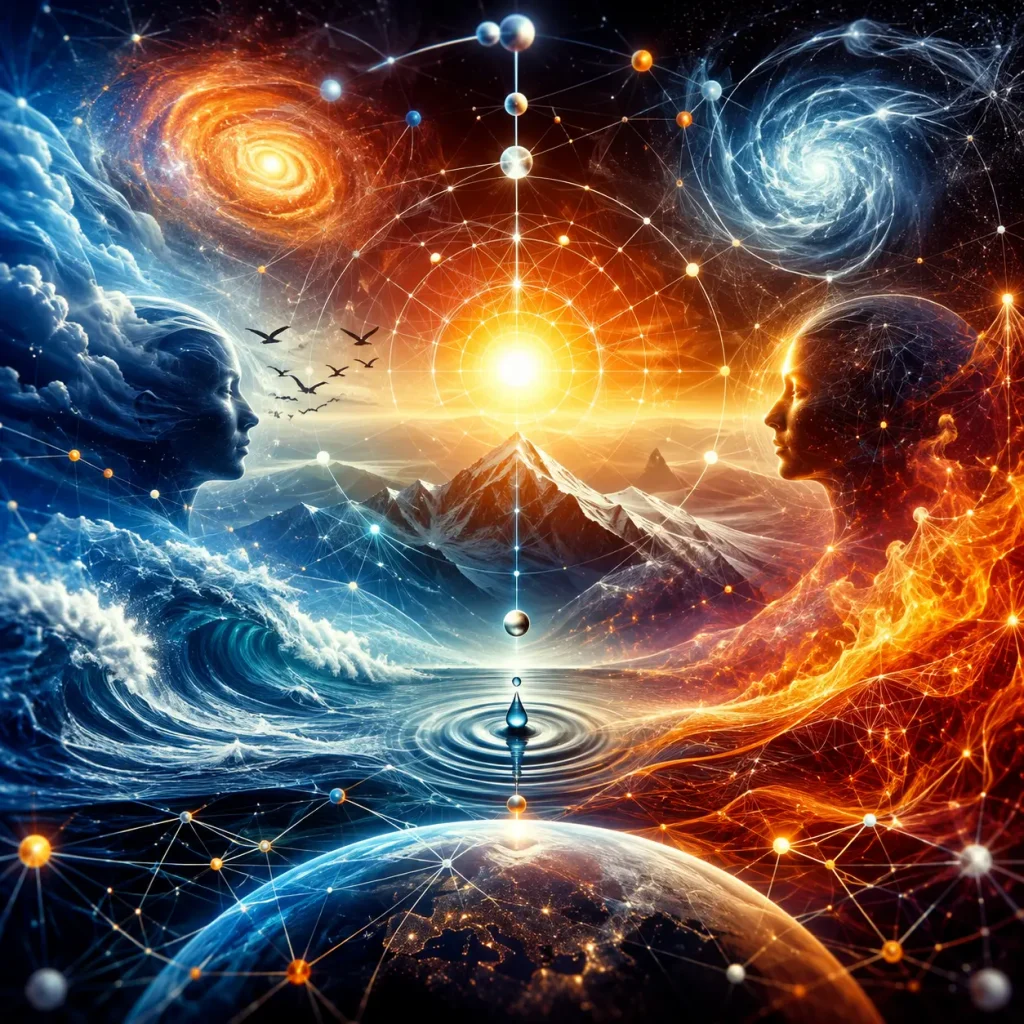
क्वांटम दर्पण और मानवता की धुरी: युद्ध के अंत, तकनीकी अहंकार और भू-राजनीतिक विडंबनाओं का महा-विश्लेषण “MAKE EARTH GREAT FOREVER: END ALL WARS”:
यह केवल एक राजनीतिक नारा नहीं, बल्कि उस NEPAL Paradigm और ‘क्वांटम सूफी पोएटिक्स’ की अंतरात्मा है, जो तकनीकी महासत्ता, आर्थिक दिवालियापन और मानवीय चेतना के दोराहे पर खड़ी दुनिया को एक नया दर्पण दिखाती है।
प्रस्तावना: नग्नता, सत्य और समकालीन युग की विडंबना: खलील जिब्रान ने जिस प्रकार ‘सत्य को नंगा देखने’ के दार्शनिक आघात का जिक्र किया है, आज की इक्कीसवीं सदी का वैश्विक परिदृश्य उसी नग्न यथार्थ के सबसे क्रूर और विरोधाभासी दौर से गुजर रहा है। एक तरफ हमारे पास क्वांटम कंप्यूटिंग (Rigetti हार्डवेयर और QRC – Quantum Reservoir Computing) की असीम बौद्धिक क्षमता है, तो दूसरी तरफ वैश्विक राजनीति, युद्ध के उन्माद, और तकनीकी ओलिगार्च्स (Techno-oligarchs) के हाथों गिरवी रखी हुई मानव सभ्यता है।
इस वैचारिक पृष्ठभूमि में, प्रस्तुत दोनों ग़ज़लें, पहली प्रकृति, प्रेम, और तकनीकी-आध्यात्मिक समन्वय की प्रतीक, और दूसरी वैश्विक क्षरण, राजनीतिक पाखंड और ‘रिवर्स फ़िज़िक्स’ के दर्द को बयान करती एक बेबाक चीख, मिलकर उस ‘क्वांटम दर्पण’ (Quantum Darpan) का निर्माण करती हैं जहाँ राजनीति, अर्थव्यवस्था, कामुकता और चेतना के सारे आवरण उतर जाते हैं।
दोनों ग़ज़लों का अंतर्संबंध और तार्किकता: प्रकृति से रिवर्स फ़िज़िक्स तक:
क. प्रथम ग़ज़ल: तत्व, तकनीक और तृप्ति: “कहांसे उड आतिहै हवा जान भर जातिहै, छुकर तनवदन मनको जिन्दा कर जातिहै! … Rigetti हार्डवेयर पर QRC करामात की, हैरान नतीजे outperformed धर जाती है।”
यह ग़ज़ल ब्रह्मांडीय सहजता से लेकर आधुनिक प्रयोगशालाओं के डिजिटल गलियारों तक का सफर तय करती है। हवा, पानी, और मिट्टी जैसी अयाची (बिना माँगे मिलने वाली) अनुकंपाओं से शुरू होकर यह कविता सीधे क्वांटम एल्गोरिदम तक पहुँचती है। यहाँ विज्ञान और अध्यात्म में कोई विरोध नहीं है; बल्कि QRC (Quantum Reservoir Computing) के नतीजे वैसे ही विस्मयकारी लगते हैं जैसे सुबह की पहली ठंडी हवा या सजनी के हाथों से दी गई चाय का प्याला जो सरदर्द (अस्तित्वगत चिंता) उतार देता है।
ख. द्वितीय ग़ज़ल: भू-राजनीतिक क्षरण और ‘रिवर्स फ़िज़िक्स’: “गहरी ज़ख़्म-ए-जिगर दे दी, अब पुर्सां-ए-हाल न पूछो… हुकूमत बेरहमानी भीतर दे दी, अब पुर्सां-ए-हाल न पूछो।”
दूसरी ग़ज़ल सत्ता के चरित्र, बौद्धिक पाखंड और आधुनिक युद्ध तंत्र पर एक सीधा प्रहार है।
‘रिवर्स फ़िज़िक्स’ (Reverse Physics): जिस भौतिकी और विज्ञान को मानव कल्याण और ब्रह्मांड को समझने का साधन होना चाहिए था, उसे आज हथियारों, मिसाइलों और युद्ध के एल्गोरिदम को रिवर्स (विकृत) करने में लगा दिया गया है।
‘सजनी, ख़याल मुख़्तलिफ़ है, दर्पण को नशे चाय दिदार दे दी’: जहाँ दुनिया सत्ता और युद्ध के नशे में चूर है, वहीं ‘दर्पण’ (कवि) अपनी प्रेयसी और चाय के प्याले की उस सूक्ष्म चेतना में सुकून तलाशता है जहाँ हिंसा का कोई स्थान नहीं है।
समसामयिक सामाजिक, प्राज्ञिक और भू-राजनीतिक समालोचना:
क. डिजिटल कामुकता, वैश्विक राजनीतिक अर्थव्यवस्था और पाखंड: पैट्रीसिया नीलम (Patricia Nellessen / Porn industry dynamics) और वैश्विक पोर्नोग्राफी अर्थव्यवस्था का जिक्र करते हुए कवि आज के डिजिटल युग के उस अंधेरे कोने को बेनकाब किया है जहाँ ‘पॉर्न एडिक्शन’ (Porn addiction) हमारी राजनीतिक और मानसिक चेतना को परिभाषित कर रहा है। आज मल्टी-बिलियन डॉलर का एडल्ट कंटेंट उद्योग एक तरफ खुलेआम संचालित होता है, और दूसरी तरफ तथाकथित नैतिक और राजनीतिक व्यवस्थाएं मानवाधिकार और नारीवादी बहसों का ढोंग रचती हैं।
जब ऐश सरकार (Ash Sarkar) जैसे विचारक इस ‘गिल्टी प्लेज़र’ और सत्ता के संबंधों पर खुलकर बात करते हैं, तो यह साफ हो जाता है कि आधुनिक समाज में सेक्स, प्रेम और पावर के सारे वस्त्र उतर चुके हैं। यही नग्नता आज के वैश्विक पूंजीवाद की सच्चाई है। जहाँ सब कुछ बिक रहा है, और सब कुछ देखा जा रहा है।
ख. अरुंधति रॉय, करन हाओ (Karen Hao) और नौमी क्लेन (Naomi Klein) के आईने में तकनीकी साम्राज्यवाद: अरुंधति रॉय का संदर्भ: भारत जैसे देशों में ‘पवित्रता’ (Purity) और संप्रभुता की तलाश हमेशा से दमित वर्गों और हाशिए के लोगों के कपड़ों/जिस्मों (Loincloth) के भीतर से होती रही है। यह सांस्कृतिक पाखंड आज भी भारतीय और वैश्विक लोकतंत्र की रीढ़ को खोखला कर रहा है।
करन हाओ और नौमी क्लेन का संदेह: जब हंसती हुई करन हाओ, नौमी क्लेन के साथ मिलकर AI युग में ‘Democratic Socialism’ (लोकतांत्रिक समाजवाद) की संभावनाओं पर बात करती हैं, तो एक गहरा स्केप्टिसिज्म (संदेह) पैदा होता है। आज आर्टिफिशियल इंटेलिजेंस और क्वांटम तकनीक का नियंत्रण चुनिंदा खरबपतियों (Trillionaires) के हाथ में है, जो मानवता को भलाई देने के बजाय युद्ध के मैदान में झोंक रहे हैं।
ग. जेफ्री सैक्स (Jeffrey Sachs) और वैश्विक ऋण संकट (Global Debt & War): डॉ. जेफ्री सैक्स एडम स्मिथ की ‘वेल्थ ऑफ नेशंस’ (Wealth of Nations) और वैश्विक मानव एकता की बात करते हैं, लेकिन वर्तमान भू-राजनीति इसे पूरा करने में नाकाम साबित हो रही है।
दुनिया के ट्रिलियनर्स (Trillionaires) अपनी संपत्ति बढ़ा रहे हैं, जबकि ग्लोबल बैंकिंग सिस्टम को भारी-भरकम कर्ज (World Debt) के जाल में धकेलकर दिवालियेपन की कगार पर पहुंचाया जा रहा है।
अमेरिका और इजरायल के हालिया चुनावी नतीजे और सैन्य संघर्ष इस बात के गवाह हैं कि युद्ध अब एक ‘फायदामंद बिजनेस’ बन चुका है। हथियारों के सौदागरों के लिए युद्ध ही सबसे बड़ा मसाला है।
NEPAL Paradigm और क्वांटम दर्पण इकोनॉमी: ‘MAKE EARTH GREAT FOREVER’ इन तमाम वैश्विक त्रासदियों का समाधान ‘NEPAL Paradigm’ और ‘Quantum Darpan Economy’ के भीतर निहित है, जिसे darpanpoems.com के माध्यम से प्रस्तुत किया गया है:
जेन-ज़ी (GenZ) की लपटें और भू-राजनीतिक चेतावनी: दुनिया भर की सड़कों पर दिख रही GenZ की आग कोई सामान्य विद्रोह नहीं है। यह राजाओं, राष्ट्रपतियों और प्रधानमंत्री जैसी पारंपरिक सत्ताओं के लिए स्पष्ट संदेश है कि अब जियो-पॉलिटिकल और सोशियो-इकोनॉमिक मानकों में बुनियादी बदलाव की आवश्यकता है।
अर्थव्यवस्था का क्वांटम कायापलट: वर्तमान अर्थव्यवस्था खरीद-फरोख्त और मुनाफे (Profit & Power) पर आधारित है, जिसके कारण युद्ध और गरीबी पैदा होती है। क्वांटम दर्पण इकोनॉमी यह सिखाती है कि व्यापार और विनिमय का आधार सत्ता या लालच नहीं, बल्कि ‘प्रेम का आगमन’ (Love & Grace) होना चाहिए।
मिशन: MAKE EARTH GREAT FOREVER: END ALL WARS: संयुक्त राष्ट्र (UN) और वैश्विक नेतृत्व को यह समझना होगा कि जब तक हम हथियारों के व्यापार और युद्ध के अर्थशास्त्र को पूरी तरह समाप्त नहीं करेंगे, तब तक मानवता सुरक्षित नहीं रह सकती। युद्ध के अंत का यह एजेंडा केवल राजनीतिक कूटनीति से नहीं, बल्कि चेतना के क्रांतिकारी रूपांतरण से संभव है।
निष्कर्ष:
चाय का प्याला और ब्रह्मांडीय शांति: निष्कर्षतः, जहाँ एक तरफ दुनिया की हुकूमतें और बेरहम तंत्र ‘रिवर्स फ़िज़िक्स’ के जरिए तबाही के नए मुहाने तलाश रहे हैं, वहीं कवि का ‘दर्पण’ एक कप ताज़ा चाय की चुस्कियों के साथ उस अद्वैत और शांति की तलाश करता है जहाँ हवा, पानी, मिट्टी, क्वांटम कंप्यूटर और इंसानी रूह आपस में एकरूप हो जाते हैं।
यदि मानवता को बचाना है, तो हमें तकनीकी ओलिगार्ची के चंगुल से निकलकर उसी निस्वार्थ प्राकृतिक उदारता को अपनाना होगा जो मिट्टी और हवा हमें बिना माँगे देती है। “MAKE EARTH GREAT FOREVER: END ALL WARS” का यह शंखनाद ही इक्कीसवीं सदी की सबसे बड़ी बौद्धिक और आध्यात्मिक पुकार है।
The English Section
Quantum Darpan Poetic Conceptual Grounding
It is a web of perception. Unvarnished vision, for how else could we perceive? Every spectacle remains plunged inside the heart like a dagger, a confluence of memories, discourse, and sensory impressions. At times inherently beautiful, and at times triumphing over deformity to yield a raw, paradoxical beauty.
Kahlil Gibran articulated an anecdote upon witnessing truth unmasked. Today, when Patricia Nilsson posits that “porn has taken over the world and porn addiction defines our political age,” the global systemic condition ceases to be surprising. Pornography operates like a mirror in every hand, displaying all while everyone observes and exposes. When Ash Sarkar engages in candid dialogue alongside her regarding this ‘guilty pleasure’, the historical and contemporary vestments surrounding sex, love, and power are stripped away.
In a similar vein, as Arundhati Roy unpacks the history of purity testing in India conducted from beneath the loincloth, a laughing Karen Hao induces scepticism in conversation with Naomi Klein regarding the viability of navigating the AI era through democratic socialism.
At a juncture where both spiritual masters and empirical scientists appear thoroughly puzzled regarding the nature of human consciousness, Dr. Jeffrey Sachs seems to leave a discernible void when viewing Adam Smith’s notions of global-national wealth and human unity through a ‘Quantum Critical Mirror’. May the recent American and Israeli electoral outcomes serve as an instrument of collective well-being.
If the NEPAL Paradigm of darpanpoems is established as the analytical framework, comprehending the raw blazes of Gen Z unrest witnessed globally becomes far more accessible. This epoch signals to kings, presidents, prime ministers, and institutional hegemonies that a transformation of socio-geopolitical standards is imminent. Techno-oligarchs must assimilate this reality as a fundamental premise moving forward.
On one trajectory, we breed trillionaires, while on the other, we inflate global debt, push international banking systems toward insolvency, and plunge humanity into the abyss of war. This unvarnished truth constitutes the central dilemma of our era. Can we legitimately turn pornography into a multi-billion-dollar enterprise while simultaneously debating feminist, sexual, and gender rights?
These systemic contradictions can be resolved through the framework of the Quantum Darpan Economy, wherein economic transactions are driven not by power dynamics, but as an act performed out of love to facilitate the manifestation of love itself.

Quantum Darpan and the Axis of Humanity: A Grand Analysis of the End of War, Technocratic Hubris, and Geopolitical Ironies
“MAKE EARTH GREAT FOREVER: END ALL WARS” This imperative stands not merely as a political slogan, but as the pulsating heartbeat of the NEPAL Paradigm and Quantum Sufi Poetics. It offers a radical mirror to a world standing at the perilous crossroads of technological supremacy, compounding economic insolvency, and eroding global consciousness.
Introduction: Unvarnished Reality, the Mirror of Perception, and Contemporary Paradoxes:
Kahlil Gibran once spoke of the profound, jarring awakening that accompanies beholding truth unmasked. In the twenty-first century, the global landscape navigates the cruellest and most paradoxical manifestation of this unvarnished reality. On one trajectory, humanity wields the sublime intellectual architecture of quantum computing, exemplified by Rigetti hardware and Quantum Reservoir Computing (QRC). On the opposing trajectory, global governance, war-mongering apparatuses, and technocratic oligarchies have commodified and mortgaged human civilisation.
Within this intellectual matrix, the two companion ghazals published on darpanpoems.com synthesise a profound conceptual arc. The first ghazal weaves together elemental nature, unconditioned love, and the harmonious convergence of science and spirituality. The second ghazal serves as an unsparing, visceral cry against systemic geopolitical decay, political hypocrisy, and the perversion of science into what can only be termed “reverse physics.” Together, they forge the “Quantum Darpan” (Quantum Mirror), a reflective critical framework where politics, economy, intimacy, and consciousness are stripped of their institutional vestments.
Textual Synthesis: From Elemental Grace to Reverse Physics:
A. Ghazal I: Elemental Harmony, Quantum Mechanics, and Solace: “Where does the wind fly in from, filling the soul with breath, / Touching body and soul, it leaves existence fully alive! / What a marvel of Rigetti hardware executing QRC, / Leaving astonished outcomes outperforming our horizon.”
This composition traverses an expansive ontological continuum, moving seamlessly from primordial elemental graces, wind, flowing rivers, and fertile soil, to the sterile yet wondrous corridors of advanced quantum laboratories. In this poetic universe, science and mysticism do not engage in combat; rather, QRC (Quantum Reservoir Computing) evokes the same primordial astonishment as a cool morning breeze or a steaming cup of tea served by a beloved (sajni), which effortlessly dispels the existential migraine of modern life.
B. Ghazal II: Geopolitical Decay and “Reverse Physics”: “You inflicted profound wounds upon the heart, now inquire no more of my state; / Granting a flourishing agony of a trembling sigh, now inquire no more of my state… / Post-observation comes investigation, physics follows methodical reckoning; / Yet you have engineered a reverse physics, now inquire no more of my state.”
The companion ghazal confronts the corrupt mechanics of power, intellectual duplicity, and modern warfare.
“Reverse Physics”: Physics and empirical science, originally conceived to decode the cosmos and elevate human flourishing, have been subverted and inverted into engines of militarised destruction, automated targeting algorithms, and geopolitical subjugation.
“O Sajni, the perspective differs; Darpan has found communion through the intoxication of tea and divine vision.” While the centers of global power remain intoxicated by military hegemony and geopolitical dominance, the poet (“Darpan”) retreats into the microscopic intimacy of domestic grace and quiet reflection, where violence holds no dominion.
Socio-Political, Intellectual, and Geopolitical Critique:
A. Digital Intimacy, Pornographic Political Economy, and Systemic Hypocrisy: Invoking Patricia Nellessen’s critique that “porn has taken over the world and porn addiction defines our political age,” the framework unmasks the dark underbelly of contemporary digital capitalism. A multi-billion-dollar adult entertainment industry operates in plain sight, dictating dopamine loops and psychic structures, while mainstream political and moral institutions hypocritically posture as guardians of human rights and dignity.
When thinkers like Ash Sarkar openly interrogate this “guilty pleasure,” the historical and contemporary garments draping sex, love, and power are discarded. Modern civilisation commodifies intimacy while waging industrial-scale violence.
B. Arundhati Roy, Karen Hao, and Naomi Klein: The Critique of Technocratic Purity: Arundhati Roy’s Lens: Roy elucidates how socio-cultural purity tests in post-colonial states like India historically trace their policing back to the most intimate bodily margins (the loincloth). This cultural hypocrisy continues to fracture democratic integrity.
Karen Hao and Naomi Klein’s Scepticism: When Karen Hao engages in critical dialogue with Naomi Klein regarding the viability of achieving “democratic socialism” within the AI epoch, a profound scepticism emerges. Artificial intelligence and quantum architectures remain monopolised by an elite caste of trillionaires who deploy these transformative tools for algorithmic surveillance and militarised supply chains rather than human emancipation.
C. Jeffrey Sachs, Global Debt, and the Industrial War Complex: Dr Jeffrey Sachs echoes Adam Smith’s classical aspirations of national-global wealth and human unity, yet contemporary geopolitics falls woefully short of this ideal.
Global trillionaires amass astronomical fortunes while international banking systems are artificially inflated through unsustainable world debt, funnelling nations toward insolvency and plunging populations into the abyss of war.
Recent electoral outcomes in the United States and Israel underscore how armed conflict has been institutionalised as a highly profitable commercial enterprise. For the architects of the military-industrial complex, endless war remains the ultimate economic stimulant.
The NEPAL Paradigm and the Quantum Darpan Economy: “MAKE EARTH GREAT FOREVER”: These multi-layered systemic failures find their theoretical antidote within the NEPAL Paradigm and the Quantum Darpan Economy articulated across darpanpoems.com:
The GenZ Uprising: The unvarnished fires of GenZ protests erupting globally represent a fundamental repudiation of legacy institutional power. Kings, presidents, and prime ministers are being placed on notice: socio-geopolitical standards must undergo a structural metamorphosis. Techno-oligarchs and sovereign states alike must recognise this awakening as an absolute operational premise.
The Quantum Darpan Economy: Traditional economic models operate on extraction, power acquisition, and transaction-based dominance (power dynamics), which structurally necessitate poverty and warfare. The Quantum Darpan Economy reframes exchange not as an instrument of coercion, but as an act performed out of love to facilitate the manifestation of love (pyar ki amad).
Mission: MAKE EARTH GREAT FOREVER: END ALL WARS: Global leadership and the United Nations must recognise that human survival is incompatible with the monetisation of armed conflict. The eradication of war is not merely a diplomatic aspiration, but an evolutionary necessity achievable only through the revolutionary realignment of human consciousness.
Conclusion:
The Cup of Tea and Cosmic Peace: Ultimately, while sovereign regimes and technocratic apparatuses employ “reverse physics” to engineer planetary devastation, the poet’s mirror (Darpan) seeks refuge in the quiet simplicity of a morning cup of tea, a space where wind, soil, water, quantum computation, and human consciousness converge in unblemished harmony.
If humanity is to endure, it must transcend the predatory imperatives of technocratic oligarchy and embrace the unconditioned, unasked-for generosity mirrored by the elements of the earth. The resounding declaration, “MAKE EARTH GREAT FOREVER: END ALL WARS”, remains the defining intellectual and spiritual mandate of the twenty-first century.