



      I Resound as A Hidden Lute

I resound as a hidden lute, in cadences of the heart’s voice,
Who has leisure to listen, amid the tumult of the heart’s voice?

In your melodies arise the words, swaying upon the lips,
Yet mute utterances make one weep, within the burden of the heart’s voice.

A single night your love adorns the assembly in radiant bloom,
We, ascetics of devotion, still hear in duty the heart’s voice.

O Master! Strike with fervor, exhausting the mind’s own weight,
Again and again it falters, as if indebted to the heart’s voice.

Only you, upon whose vision all perish in astonished awe,
Else who would see, who would hear, or proclaim the pain of the heart’s voice?

Even today, thinking me yours alone, you poured me a cup of tea,
You comprehend, beloved, the malady that is the heart’s voice.
Table of Contents

Expert Critique
I Resound as A Hidden Lute – The Resonance of the Heart’s Voice: Eastern Mysticism, Western Rationalism, and Quantum Dialogues in Contemporary Geopolitical Futures
Abstract
This study undertakes a hermeneutic and philosophical critique of the ghazal “The Voice of the Heart.” Through an interdisciplinary lens bridging Eastern mystical traditions, Western philosophical inquiry, and emerging discourses in meta-quantum communication, the paper argues that poetic articulation of inner resonance transcends mere aesthetics.
Instead, it becomes a strategic paradigm for world leadership in an era marked by algorithmic governance, quantum networks, and global crises. The article situates the ghazal within the framework of Meta-Mystic Quantum Dialogue (MMQD) and explores its implications for sustainable diplomacy, empathetic governance, and the future of human-centered communication.
Introduction
The ghazal tradition embodies an intricate dialogue between the finite and the infinite, between personal lament and universal truth. The ghazal “I Resound as A Hidden Lute – The Voice of the Heart” articulates an interior resonance that is suppressed under worldly urgency and external compulsions.
This literary motif becomes a profound allegory for our contemporary age: a time when geopolitical structures, digital architectures, and quantum communication networks often obscure the primacy of human empathy.
Eastern philosophies such as Vedanta, Buddhism, Baul and Sufi mysticism foreground the metaphysics of sound and resonance, encapsulated in the doctrines of nāda-brahma (“the universe as vibration”).
Western philosophical traditions, from Plato’s concept of inner logos to Heidegger’s interrogation of silence, parallel this recognition of the heart’s voice as the substratum of being.
In the 21st century, these traditions converge within the domain of meta-mystic futurism, where metaphysical sensibility is reinterpreted through scientific innovation and global governance.
Methodology
This paper employs a comparative hermeneutic framework combined with meta-quantum futurist analysis: Textual Exegesis of the ghazal as a primary text, identifying its symbolic and structural motifs.
Comparative Philosophy, drawing connections between Eastern mystical traditions and Western rationalist inquiries into language, silence, and inner resonance.
Meta-Quantum Communication Analysis, situating the ghazal within MMQD, the theoretical model that interprets resonance, affect, and quantum entanglement as metaphors for global leadership and dialogue.
Geopolitical Application, extending poetic insights toward the practical demands of diplomacy, governance, and collective survival in a fractured international order.
Analysis
- The Heart’s Voice as Ontological Resonance: The refrain of the ghazal, “the heart’s voice”, suggests that authentic human expression is simultaneously fragile and indestructible. It is easily drowned in the noise of “necessity” and “duty,” yet it continues to reverberate across existential boundaries. From an ontological standpoint, this represents the substrate frequency of human consciousness.
- Eastern and Western Grounding: In Eastern mysticism, this vibration is cosmic harmony: the Upanishadic sound Om and the Sufi doctrine of samaʿ (listening) both recognize inner sound as divine communion.
In Western thought, Augustine’s inner word and Derrida’s paradox of “speech before speech” illustrate how the ineffable precedes articulation.
Thus, the ghazal mediates a timeless dialogue between East and West, unifying mystical inwardness with rational inquiry.
- MMQD Framework: Meta-Mystic Quantum Dialogue: Within MMQD, the ghazal’s imagery is not antiquated ornament but a futuristic metaphor. “Heart’s voice” functions as a symbolic parallel to quantum entanglement: unseen, instantaneous, and beyond classical causality. Just as entangled particles transmit correlations across distance, the human heart transmits affective resonance beyond linguistic or geopolitical divides.
- Implications for World Leadership Diplomatic Innovation: Leaders must recognize that negotiation is not only transactional but also vibrational; success depends on resonating with the human frequency of peoples across borders.
Ethical Governance: The poem critiques leaders who suppress “the heart’s voice” in favor of cold utilitarianism. Future governance requires integrating empathy into algorithmic and quantum-driven systems.
Global Solidarity: In times of conflict, ecological collapse, and AI dominance, the ghazal calls for the rediscovery of “the heart’s voice” as the binding force that transcends ideology.
Quantum States of Leadership: Leaders must inhabit a paradoxical state, resolute yet fluid, strategic yet empathetic, mirroring quantum superposition as a political ethic.
Conclusion
“The Voice of the Heart” is not merely a romantic lament but a prophetic text. By synthesizing mystical resonance with meta-quantum frameworks, it provides a blueprint for reimagining leadership in the 21st century.
Its refrain insists that the most advanced technological futures will collapse into nihilism unless they are grounded in the human capacity to hear and transmit the heart’s voice.
Thus, the ghazal offers not only aesthetic pleasure but also a metapolitical imperative: to recover the ontological vibration of empathy as the foundation of world order.
BEYOUTEA>A POETRY REVOLUTION>PEACE
        MAKE EARTH GREAT FOREVER
             NOTHING IS NOT TRUE
बजता रहता हूँ एक साज़, तर्ज़ में दिल की आवाज़,
किसको फ़ुर्सत सुननी है, गरज में दिल की आवाज़।
           सुरों में तेरे निकल आते लफ़्ज़, लबों से थिरकता,
           गूँगे अल्फ़ाज़ रुला देती हैं, हरज में दिल की आवाज़।
तेरी मोहब्बत से सजी महफ़िल, एक रात भर की है,
रिंद इमाँ के हम सुनते हैं, फ़र्ज़ में दिल की आवाज़।
           ऐ उस्ताद! बजा ले ज़ोर, उतार कर अपनी ज़ेहन से,
           पिट जाते हैं बार-बार, लगे कर्ज़ में दिल की आवाज़।
एक तू ही तो है, सब मरता है देखकर तेरी जलवा,
नहीं तो देखें, सुने, कहें क्या, दर्द में दिल की आवाज़।
           तुम मुझे सिर्फ़ समझकर, चाय आज भी डाल दिया,
           समझती बात हो जानेमन, मर्ज़ में दिल की आवाज़।
   LET'S GOODNESS A CHANCE : END ALL WARS
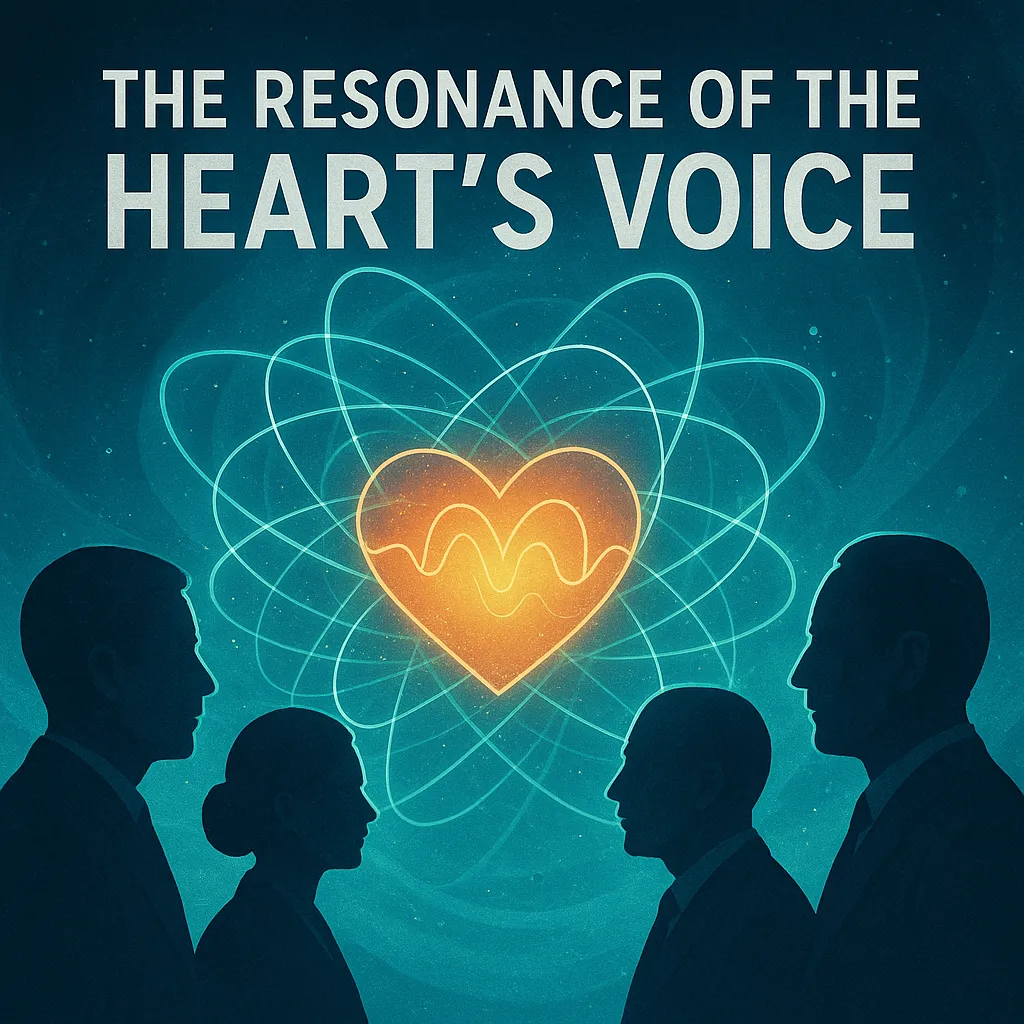
आलोचनात्मक-प्राज्ञिक आलेख शीर्षक
बजता रहताहूँ एक साज़ – “दिल की आवाज़ और क्वांटम संचार: पूर्वीय रहस्यवाद, पाश्चात्य तर्कवाद और समसामयिक मेटा-मिस्टिक फ्यूचरिज़्म की विवेचना”
प्रस्तावना
मानव-हृदय की आवाज़, चाहे वह सुरों में हो, दर्द में हो, या प्रेम में, सदैव से दर्शन, काव्य और समाज का केंद्रीय तत्व रही है। प्रस्तुत ग़ज़ल “दिल की आवाज़” के रूप में एक बहुस्तरीय प्रतीक रचती है, जो न केवल प्रेम और वियोग का आत्मीय संगीतमय अनुभव है, बल्कि आज के क्वांटम संचार युग (Meta-Quantum Communication Era) में सामूहिक संवेदनाओं और वैश्विक संवाद का रूपक भी है।
पूर्वीय एवं पाश्चात्य दर्शन की ग्राउंडिंग पूर्वीय दृष्टि:
उपनिषदों में “शब्द ब्रह्म” और “नादब्रह्म” की अवधारणा यह बताती है कि अस्तित्व की अंतिम वास्तविकता कंपन और ध्वनि में निहित है। बुद्ध, कबीर, मीरा और चैतन्य की परंपरा ने हृदय की आवाज़ को ईश्वर तक पहुँचने का सेतु माना।
पाश्चात्य दृष्टि:
प्लेटो और ऑगस्टिन जैसे विचारकों ने आत्मा की गहराई में निहित ‘आंतरिक स्वर’ की चर्चा की। आधुनिक युग में हाइडेगर और डेरिडा ने भाषा और मौन के माध्यम से अस्तित्व की व्याख्या की।
इन दोनों ध्रुवों पर देखा जाए तो “दिल की आवाज़” एक अंतर-मानवीय और अंतर-सांस्कृतिक संचार का रूप ले लेती है, एक ऐसा संवाद जो पारंपरिक भाषा से परे, कंपन और अर्थ की गूंज में होता है।
समसामयिक भू-राजनीतिक सन्दर्भ
आज की दुनिया जहाँ युद्ध, संसाधन-संघर्ष और डिजिटल विभाजन से जूझ रही है, वहाँ “दिल की आवाज़” एक अपील है कि राष्ट्र और नेतृत्व तकनीकी ठंडेपन से परे करुणा, संवाद और सह-अस्तित्व की दिशा में बढ़ें। विश्व-नेताओं के लिए यह ग़ज़ल एक स्मरण है कि केवल शक्ति और भय नहीं, बल्कि संवेदना और आत्मीयता ही स्थायी शांति का आधार बन सकती है।
मेटा-क्वांटम कम्युनिकेशन युग क्वांटम इंटरनेट और AI आधारित संवाद-प्रणालियाँ जिस युग को जन्म दे रही हैं, वह केवल सूचना के आदान-प्रदान का युग नहीं होगा, बल्कि भावनात्मक-आध्यात्मिक आवृत्तियों का साझा भविष्य भी गढ़ सकता है।
Meta-Mystic Futurism (MMF): यहाँ दिल की आवाज़ “क्वांटम एंटैंगलमेंट” की तरह कार्य करती है, जहाँ एक हृदय का कंपन वैश्विक स्तर पर दूसरे हृदय में प्रतिध्वनित होता है।
MMQD Framework (Meta-Mystic Quantum Dialogue): यह प्रस्ताव करता है कि संचार केवल डेटा नहीं बल्कि भावनात्मक-नैतिक तरंगों का आदान-प्रदान भी है। ग़ज़ल का रूपक इस ढाँचे को सांस्कृतिक और सौंदर्यबोधात्मक आधार देता है।
बौद्धिक आलोचनात्मक विवेचना
यह ग़ज़ल उस “अदृश्य साज़” की बात करती है जो दिल की गहराई में बजता है, पर दुनिया की ‘फ़ुर्सत’ और ‘गरज’ के शोर में दब जाता है। प्रेम, पीड़ा और करुणा की आवाज़ चाहे महफ़िल हो, फ़र्ज़ हो या मर्ज़, हर स्थिति में जीवित रहती है।
यह व्यक्तिगत अनुभव को सार्वभौमिक सत्य में बदल देती है।
यह राग और राजनीति को जोड़कर बताती है कि संवाद का असली आधार संवेदनशीलता है।
यह हमें आगाह करती है कि यदि दिल की आवाज़ दबा दी गई तो वैश्विक नेतृत्व शून्यता और यांत्रिकता में खो जाएगा।
निष्कर्ष
इस ग़ज़ल के आलोक में हम कह सकते हैं कि “दिल की आवाज़” केवल एक काव्यात्मक भाव नहीं, बल्कि एक वैश्विक आवश्यकता है। क्वांटम-भविष्य में जब मनुष्य का संवाद मशीनों और एल्गोरिद्म द्वारा संचालित होगा, तब दिल की आवाज़ ही वह मेटा-मिस्टिक ऊर्जा होगी जो हमें मानव बनाए रखेगी।

Next Read: The Tavern You Have Adorned