


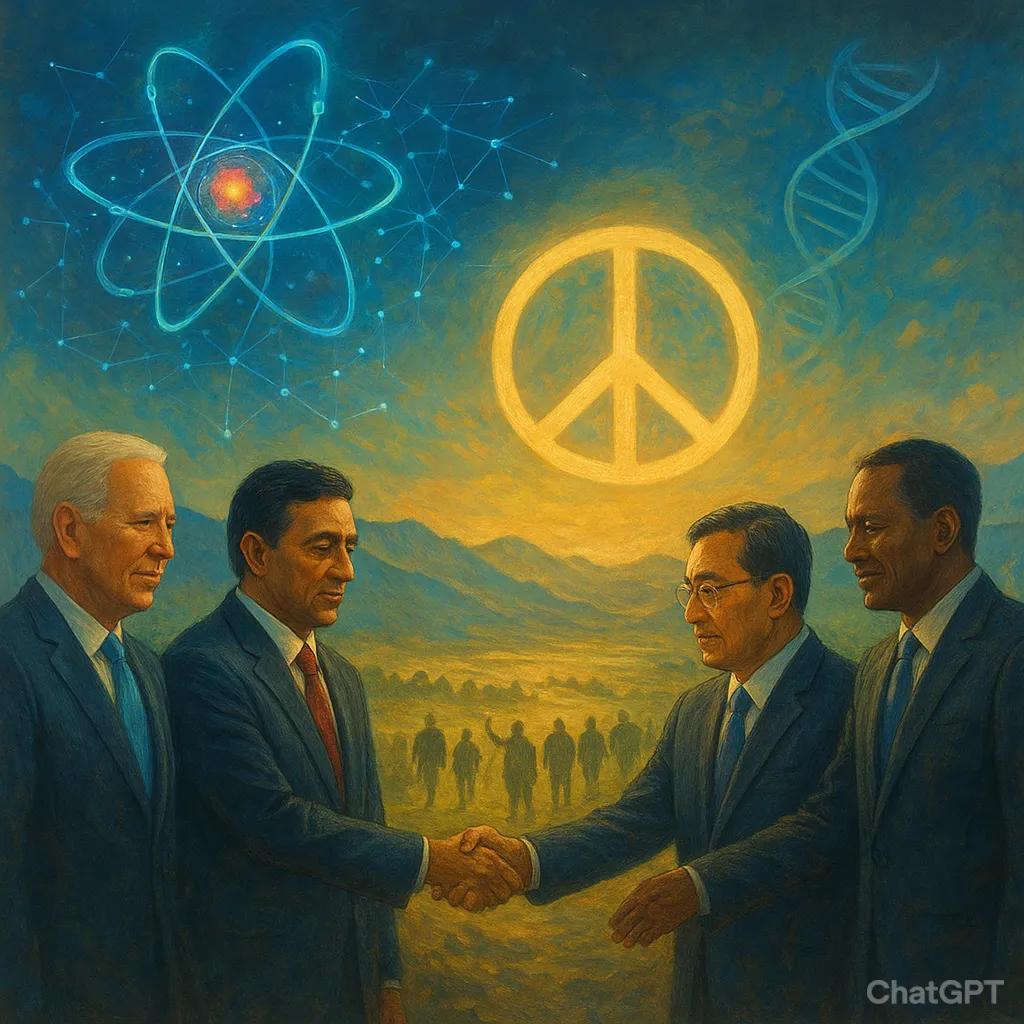
    We No Longer Keep It in Heart

That which was dearest to the heart,
we shall no longer keep it in the heart.
The beauty of companionship, once a radiant presence,
we shall no longer keep it in the heart.

Even in meetings, you now appear distant, estranged,
the emotions dissolved in the liver’s depth,
We shall no longer keep it in the heart.

They ask of my homeland in taverns of houris and sanctuaries,
that intoxicating monsoon of wine,
We shall no longer keep it in the heart.

What stature is ours? We are but a drop, hardly seen;
the stature bestowed upon you by us,
We shall no longer keep it in the heart.

The ardour for your radiances, once imprisoned in eyelids,
the written chronicles of encounter,
We shall no longer keep it in the heart.

Electron-beam diamond, a speciality of today’s tea,
those mischiefs sipped with the beloved,
We shall no longer keep it in the heart.
Table of Contents
Literary Explanation
This ghazal transcends the limits of conventional lyricism by weaving together the emotional registers of love and loss with the epistemological inquiries of our scientific age.
The refrain, “we shall no longer keep it in the heart”, signifies not only the exhaustion of an individual’s capacity to harbour longing but also a civilizational condition: the impossibility of secrecy and interiority in the era of global digital transparency. Memory, once a private archive, is now exposed to algorithmic scrutiny, and the heart’s intimacy becomes an open database.
Each couplet interrogates different dimensions of estrangement: physical, political, spiritual, and scientific. The questioning of one’s homeland “in taverns of houris and sanctuaries” metaphorizes the dilemmas of displaced populations, migrant identities, and fractured sovereignties.
The meditation on auqāt (stature) critiques not only personal hierarchies in love but also the manufactured hierarchies of global politics, suggesting that status is a construction, granted, revoked, and ultimately ephemeral.
Most striking is the closing couplet, where the “electron-beam diamond” transforms the traditional cup of wine into a metaphor of contemporary nanotechnology.
The laboratory-grown diamond, produced by electron-beam processes, becomes a symbol of the fusion of intimacy and technology, of everyday life infused with scientific marvels. Love, longing, and science are shown not as opposed domains but as interwoven textures of a single human narrative.
Thus, the ghazal represents a poetic enactment of post-human epistemology, where affect, identity, technology, and metaphysics converge to produce new modes of truth.

A Scholarly Critique
We No Longer Keep It in Heart – From Nothingness to the Future of Peace: A Meta-Mystic Critique of the Ghazal “Dil se Aziz jo baat thi” in the Framework of Quantum Consciousness and Global Harmony!
Study Groundwork:
“Ne, Nay, No Nothing!” The foundation of a new cosmic creation, nothingness, has been inaugurated through darpanpoems.
Under the axiom “Nothing is not true”, we see how qubits, nodes, codes, and information, quantum expressions and manifestations, interweave into the verses of the ghazal. In this way, every form of information, information fields, consciousness, and the mind finds its primal point of origin in nothingness.
Here, this is linked to the Nepali proverb of the Ne-Muni (those sages who know all by mind) and traced through the pen of history. The humming cadence of the ghazal emerges from silence, like melody rising from stillness.
When humanity first appeared on earth, it required, seventy lakh years earlier, the emergence of the Himalayan massif from the Tethys Ocean. Thereafter, episodes recorded in the shruti, smriti, puranas, and myths gradually transformed into history.
Historical research often suggests that while legends may appear mythical, they hide within themselves a hundred per cent truth/facts.
In contrast, modern history, paradoxically, may contain hardly one per cent truth and ninety-nine per cent myth. The sages of the earth narrated the origin of humanity through tales such as the dismemberment of Sati’s body by Shiva.
Recent anthropological discoveries of human skulls in the northern Himalayan region confirm that humanity spread across the world from this very geography, something long declared by yogic ascetic authors in their works. Hence, Nepal was deemed the Tapobhumi (land of austerity and meditation).
Durga Prasai once remarked: “When the waves of the Ganga ripple through Bharatvarsha, a light glimmers atop Sagarmatha (Mount Everest).”
This implies that within every Indian there is an essence of the Nepali element. Indeed, in struggles for freedom and in wars, the contributions of Nepalis, from General Sham Nepali to other leaders, have long been acknowledged and respected.
Recently, as reported in social media and news, Member of Parliament Prem Sagar Patel even brought forth the issue of a “Greater Nepal” for debate. Such matters cannot simply be dismissed as disputes, quarrels, or conflicts; rather, they demand a new way of thinking about borders and boundaries.
Are the ongoing wars in Ukraine, Gaza, and elsewhere not pressing us to ask: How do we now begin to transcend borders within the human mind itself?
Meanwhile, the world’s wealthiest man, Elon Musk, appears today like a “man of no lands”, and Google’s CEO, Sundar Pichai, finds himself on the verge of losing his position. Do these not compel us to think more deeply? Nations, nationality, borders, geopolitics, all these sectors today seem to be demanding new narratives.
Abstract
This study explores the ghazal “Dil se Aziz jo baat thi…” as a poetic articulation of Meta-Mystic Futurism (MMF) and Meta-Mystic Quantum Dialectics (MMQD).
It argues that the ghazal’s refrain, “we shall no longer keep it in the heart,” reflects the necessity of transcending private resentments and collective enmities to inaugurate a new order of truth. Through the fusion of mythology, history, and quantum neurocognitive physics, the poem illuminates a framework for reimagining nations, borders, and geopolitics.
The paper concludes with recommendations for world leaders, urging the pursuit of peace, harmony, and the end of all wars, positioning the Earth as a renewed sanctuary of greatness for all humanity.
Introduction
The ghazal under study is not merely a lyrical utterance of loss; it is a philosophical manifesto for the present century. It situates “Nothingness” not as nihilism but as the creative void, the quantum vacuum from which all realities emerge.
This resonates with both Eastern metaphysics (Buddhist śūnyatā, Advaita’s brahman) and Western existential thought (Heidegger’s das Nichts). In quantum physics, this Nothingness is the field of potentialities, the zero-point energy from which qubits and nodes manifest.
Thus, the ghazal exemplifies the axiom: “The truth of truth is to keep on becoming a new truth.” Truth is not static but a dynamic process of continual unfolding.
Myth, History, and the Himalayan Perspective
The poet evokes the Tethys Sea, the rise of the Himalaya, the Puranic myths of Śiva and Satī, and the anthropological discovery of ancient human remains in the Himalayan belt.
This convergence highlights a distinctive epistemology: myth is not falsehood but an archive of latent truths, while history, often claimed to be factual, is riddled with narrative distortions.
The Himalayan setting thus becomes the cradle of humanity and spirituality, a tapo-bhūmi (land of austerities) where myth and science coalesce.
This reaffirms Nepal and the Himalayan region as a civilizational epicentre, reminding leaders that humanity’s shared origins transcend contemporary political borders.
Quantum Neurocognitive Anthropomorphic Physics
The closing couplet’s reference to “electron-beam diamond” illustrates the alignment of poetry with nanotechnology. Laboratory-grown diamonds, created by electron-beam processes, serve as metaphors for human creativity: producing beauty not through natural accidents but through conscious design.
This metaphor leads into Quantum Neurocognitive Anthropomorphic Physics, which posits:
The human mind as a quantum information processor.
Emotions and memories as quantum cognitive states.
Human experience as an anthropomorphic manifestation where consciousness and materiality merge.
Thus, the ghazal translates intimate affect into a cosmological and scientific inquiry, enacting a synthesis of romance, metaphysics, and quantum physics.
Geopolitical Dimensions and the Question of Borders:
The ghazal’s imagery of homeland and estrangement resonates with global crises: the displacement of peoples, the wars in Ukraine and Gaza, and the larger fragility of borders. The refrain, “we shall no longer keep it in the heart,” becomes a symbolic call to transcend the animosities of nationalism.
The mention of figures like Elon Musk, described as a “man of no lands,” and Sundar Pichai, precarious in his corporate throne, illustrates the decline of rigid national categories in an era of global capital and transnational identity.
The ghazal suggests the urgent need for post-national narratives, where human dignity is valued above territorial claims.
Meta-Mystic Futurism and MMQD Framework
Within the MMF and MMQD frameworks, this ghazal exemplifies dialectical motion:
“Dearest to the heart” → memory’s quantum decoherence.
“Distant in meetings” → the collapse of emotional entanglement.
“What is our stature” → the critique of social hierarchies as quantum superpositions.
“Electron-beam diamond” → the translation of love into technological-material transformation.
Thus, the ghazal is itself a laboratory of dialectics, where poetic couplets operate as qubits entangled across myth, science, and politics.
Insights and Guidance for World Leaders
This ghazal, and its critique, illuminate urgent lessons for world leadership:
Transcend Resentment: Just as the refrain negates storing grievances in the heart, nations must renounce the politics of vengeance and retaliation.
Reimagine Borders: Recognise that borders are contingent constructs, while humanity’s origin and destiny are collective. Peace requires moving beyond territorial obsessions.
Integrate Myth and Science: Policy must draw upon both scientific rationality and the ethical imagination embedded in mythologies. Each preserves hidden truths about human coexistence.
Adopt a Quantum Ethics: Leaders must see identity, power, and truth as dynamic superpositions rather than fixed absolutes. This demands humility, adaptability, and compassion.
Commit to Universal Fraternity: Echoing the Himalaya as a cradle of humankind, world leaders must acknowledge the interconnectedness of all peoples and reject exclusivist nationalism.
Conclusion
The ghazal “Dil se Aziz jo baat thi” is not merely a lament of lost intimacy. It is a meta-philosophical declaration for a new world order. It calls humanity to perceive truth as a process, borders as temporary, and peace as the ultimate destiny of our species.
If heeded, its wisdom can inspire a planetary renaissance where wars end, harmony prevails, and the Earth once again becomes a sanctuary of greatness for all.
Additional Read:
Nothingness and the Quest for New Narratives: Philosophical Reflections for World Leadership, Peace, and the Future of Humanity
Theme: This essay explores the concept of nothingness as a metaphysical and epistemological foundation for both poetic imagination and scientific inquiry.
Drawing upon cultural-historical references from Nepal and South Asia, the argument situates nothingness as the origin point of consciousness, information, and human history.
By linking myths, anthropological discoveries, and geopolitical tensions, the essay advances a call for world leaders to reimagine nations, borders, and narratives in pursuit of lasting peace, harmony, and the transcendence of war.
I. The Ontology of Nothingness: The philosophical assertion, “Nothing is not true”, establishes an ontological paradox. Rather than conceiving nothingness as the absence of being, it becomes the primordial field from which information, consciousness, and reality manifest.
In the language of contemporary science, qubits, nodes, codes, and information are not isolated entities; they are quantum expressions whose coherence emerges out of an apparent void.
In poetic form, as represented in darpanpoems, nothingness transforms into rhythm, meter, and imagery. Silence births song; absence gives rise to presence. This epistemic and aesthetic framing enables us to recognise that every great human narrative begins in mystery, myth, and the unknown.
II. Myth, History, and the Himalayan Ground: Human civilisation, it is argued, required the geological upheaval of the Tethys Ocean into the Himalayan massif. In South Asian traditions, myth and history are inseparable.
The stories of Shiva and Sati, or of sages who knew the world through contemplation, provide symbolic accounts of human emergence.
Modern anthropology now confirms that the Himalayan region was indeed an early cradle of human migration, aligning with ancient traditions that hailed Nepal as Tapobhumi, the land of meditation and austerity.
Such insights remind us that myths are not mere fabrications; rather, they encapsulate truths that often precede historical verification.
III. Borders, Nations, and the Crisis of Narratives: From General Sham Nepali to modern leaders, the contributions of Nepal to global freedom struggles and peace efforts are well documented.
Yet today, new debates, such as those surrounding the notion of a “Greater Nepal”, underscore the enduring centrality of borders in human conflict.
Wars in Ukraine, Gaza, and elsewhere force us to ask: How do we begin to transcend the psychology of borders within the human mind? Borders, after all, are not merely geographical; they are mental constructs, narratives that both unite and divide.
Meanwhile, figures such as Elon Musk, described as a “man of no lands”, and Sundar Pichai, whose leadership stands on uncertain ground, reflect the instability of identity, power, and belonging in a globalised age.
Nations, nationalities, borders, and geopolitics demand new narratives, ones that honour humanity over territoriality, cooperation over conflict.
IV. Toward a Quantum Humanism: The metaphysics of nothingness, the poetics of myth, and the geopolitics of modern crises converge in what may be called Quantum Humanism. This vision acknowledges the interconnectedness of all information, consciousness, and existence, while recognising the need for human leadership to shift paradigms.
For world leaders, this means:
Reimagining Borders: not as lines of division, but as zones of dialogue and cultural exchange.
Valuing Myth as Knowledge: integrating ancestral wisdom with scientific discovery to build more holistic worldviews.
Investing in Quantum and Consciousness Studies: recognising that the next frontier of human flourishing lies in understanding information as the fabric of reality.
Promoting Peace as Civilisation’s Pinnacle: acknowledging that the greatness of Earth will not be measured by military strength, but by the capacity to end wars and foster harmony.
Conclusion: The truth of truth is to keep becoming a new truth. Myths evolve into history; silence evolves into song; nothingness evolves into being. Humanity now faces a choice: remain entangled in narratives of division, or cultivate new stories rooted in interconnectedness, wisdom, and peace.
The call before world leaders is clear: to embrace the ontology of nothingness as the seed of everything, and from it, to build a future where Earth becomes not merely a planet of survival, but a sanctuary of peace, love, and eternal becoming.
BEYOUTEA>A POETRY REVOLUTION>PEACE
NOTHING IS NOT TRUE : NO\KNOW THYSELF NOY
 MAKE EARTH GREAT FOREVER : END ALL WARS
दिल से अज़ीज़ जो बात थी, दिल में अब न करेंगे,
हसीं वो साथ की हमराहत थी, दिल में अब न करेंगे।
           मुलाक़ातों में भी अब तू बड़ी दूर-दूर नज़र आये,
           जिगर की घुली जज़्बात थी, दिल में अब न करेंगे।
पूछते जात मेरी वतन हो इस मयख़ाने हूरों हरम,
छलकाती जाम-बरसात थी, दिल में अब न करेंगे।
           क्या है औक़ात हमारी, हम क़तरा-सा नज़र कहाँ,
           एक बनाई तेरी औक़ात थी, दिल में अब न करेंगे।
तेरे जलवों की आशिक़ी पलकों में क़ैद बन्द होगी,
तहरीरें लिखी मुलाक़ात थी, दिल में अब न करेंगे।
           Electron-beam डायमंड ख़ास, आज की चाय,
           सजनी पीकर ख़ुराफ़ात थी, दिल में अब न करेंगे।
POETRY>WISDOM>Q.TECH FOR A MORE JUST AND
PEACEFUL WORLD IN LOVE AND ENLIGHTENMENT
 Meta -Sufi/Cyber Poetics on Meta Mystic Futurism
वाङ्मयिक भाव-विस्तार व समसामयिक संदर्भ
यह ग़ज़ल अपने मूल में निजी विरह-वेदना और अंतरंग संबंधों के टूटने का बयान है, किन्तु इसके प्रतीक समय के बदलते सामाजिक-वैज्ञानिक परिदृश्य से गहराई से जुड़ते हैं।
पहला ही शेर, “दिल से अज़ीज़ जो बात थी, दिल में अब न करेंगे”, आज के डिजिटल युग में निजी स्मृतियों और संबंधों की क्षीण होती गोपनीयता का रूपक बन जाता है।
जब हर अनुभव, हर संवाद कृत्रिम बुद्धिमत्ता और डेटा-क्लाउड में दर्ज है, तब “दिल में रखना” लगभग एक असम्भव क्रिया है; निजता का वह भाव ही कहीं विलुप्त हो रहा है।
दूसरा और तीसरा शेर दूरी और पहचानों की उलझन को सामने लाता है। वैश्वीकरण की तीव्र लहर में “मुलाक़ातों में भी दूर-दूर नज़र आना” केवल व्यक्तिगत दूरी नहीं, बल्कि सांस्कृतिक और राजनीतिक वियोग का भी प्रतीक है।
“वतन पूछते मयख़ाने हूरों हरम”, यह पंक्ति प्रवासी अनुभवों, शरणार्थी संकट और राष्ट्रीय पहचान पर चल रही वैश्विक बहस को छूती है। आधुनिक विश्व में जात-वतन के प्रश्न बार-बार उठते हैं, और शराबख़ाने-हरम का द्वंद्व धर्मनिरपेक्षता बनाम कट्टरता का एक तीखा व्यंग्य भी है।
“क्या है औक़ात हमारी…”, यह पंक्ति केवल व्यक्तिगत आत्ममंथन नहीं; यह उस छोटे नागरिक की आवाज़ है जो आज की टेक्नो-क्रेसी और वित्तीय महाशक्तियों के सामने अपनी निस्सारता अनुभव करता है।
परन्तु ग़ज़ल यहाँ ठहरती नहीं; “एक बनाई तेरी औक़ात थी” कहकर सत्ता-केन्द्रों को ही कटघरे में खड़ा करती है कि जिनके बल पर हम अपनी पहचान आँकते हैं, उनकी औक़ात भी निर्मित, निरर्थक, निकृष्ठतम और नश्वर है।
अंतिम शेर अचानक विज्ञान और रोमांस को जोड़ देता है, “Electron-beam डायमंड ख़ास, आज की चाय”। यह प्रयोगात्मक बिम्ब क्वांटम और नैनो-टेक्नोलॉजी के उस दौर को इंगित करता है जहाँ प्रयोगशालाओं में हीरे उगाए जाते हैं, और वही रोज़मर्रा की चाय के साथ सहज हो जाता है।
प्रेम, वियोग और तकनीक का यह संगम बताता है कि मनुष्य की भावनाएँ (विचार व धर्म) और आधुनिक आविष्कार एक ही सांस्कृतिक कथा के दो छोर हैं।
इस प्रकार ग़ज़ल केवल हृदय की निजी पीड़ा नहीं, बल्कि हमारे समय की दार्शनिक व्यथा को भी दर्ज करती है, जहाँ विज्ञान के चमत्कार, राजनीति के संकट, और प्रेम की कालातीत आकांक्षा एक साथ गूँथ कर हमारे वर्तमान का काव्य रचते हैं।

शोधपरक प्रबन्ध आलेख
थी बात दिल में अब न करेंगे – दिल से अज़ीज़ जो बात थी… ग़ज़ल के आलोक में मेटा-मिस्टिक फ़्यूचरिज़्म, MMQD फ़्रेमवर्क एवं क्वांटम न्यूरोकॉग्निटिव अन्थ्रोपोमोर्फ़िक फ़िज़िक्स का विवेचन
अध्ययन आधारभूमि:
ने नो नथिंग ! नयी सृष्ठी सृजना की भावभूमि हीं nothingness को darpanpoems ने प्रारम्भ की है। ‘नथिंग is नॉट true’, के तहत हम हर किस्म में qubits, nodes, codes व information क्वांटम expressions व manifestations ग़ज़ल की तमाम नुख्शें यूँही जुड़कर शे’र बन जाते है। इस तरह, हर information, इनफार्मेशन फील्ड, कांशसनेस, mind सभी की प्रारम्भ विन्दु ने – nothingness बनजाता है।
इसे यहाँ पर ने मुनि (जो मन से सब जान जाते है) द्वारा नेपाल राष्ट्र की लोकोक्ति को इतिहास की निब से जोड़कर ग़ज़ल की बहरों की गुनगुनाहट सन्नाटों से निकलती हुई सुर की मानिंद हम गातें है। जब दुनिया में आदमी आने को हुवा तो पहले सत्तर लाख वर्ष आगे टेथिस महासागरसे हिमवत्खण्ड उत्पन्न होना पड़ा। फिर श्रुतीस्मृत्तिया पुराणे किम्बदन्तिओं से इतिहास में तब्दील होने की प्रंसंग निकले।
इतिहास अध्ययन अनुसंधान में ‘किम्बदन्तियाँ बहुतरे मिथ्या जैसी लगने के बावजूद भी उनमे सौ फीसदी तथ्य/facts छुपी होती है। जबकि आधुनिक इतिहास में मुश्किल से एक फीसदी facts और निन्यान्नब्बे फीसदी मिथ्या हो सकने की’ सामान्यीकरण की जाती है। धरती की मुनि ऋषिओं ने शिव और सती अंग पतन की कहानी से मानव उत्पत्ति की आख्यान सुनाएं।
आज हिमालय की उत्तरवर्ती क्षेत्र में दश लाख वर्ष पहले की मानव खप्पर-कपाल का anthropologists द्वारा हुई हालिया खोज सिद्ध करता है की इसी हिमालय क्षेत्र से मानव चारों ओर दुनिया में फ़ैल गए जिस बात को हमारे तपस्वी योगी लेखक अपने पुस्तकों में लिखकर बता गए। ने नेपाल को तपस्विओं ने इसीलिए तपोभूमि माना।
दुर्गा प्रसाईं की मानें तो, ‘जब गंगा की लहरें भारत वर्ष में लहराता है तो सगरमाथा की चोटी पर ज्योति चमक उठती है।’ इस का मतलब हर भारतीयोंके अंदर ने नेपाली तत्व होने का आसार है। वैसे आज़ादी व युद्धों में नेपाली का योगदान जनरल शैम नेपाली से लेकर और नेतृत्व लोग भी कदर करते आये हैं। हाल ही में सोशल मीडिया एवं रिपोर्टों में तो सांसद प्रेम सागर पटेल ने विशाल नेपाल की मुद्दे को बहस में ले जाते हुवे देखा गया।
अब ऐसी बातों को हम विवाद, झगड़े, द्वन्द की विषय तो नहीं बना सकतें परन्तु सीमाओं के विषय में नई सोच बनाने की जरुरत को क्या इससे नकार सकते है? यूक्रेन, ग़ज़ा लगायत सभी युद्धों से क्या सीमाओं को हम अब मानव मन से कैसे नकारें ? जैसा सवाल खड़ा नहीं होता है ?
उधर दुनिया का सब से दौलतमंद आदमी एलोन मस्क आज man of no lands’ man जैसे हालात में दिखता है तो google CEO सुन्दर पिचाई किस वजह से अपना ओहदा खोने को कगार में आ पहुंचें ? हमें ये बातें क्या गहिराई से सोचनेको मजबूर नहीं करते ? Nations, Nationality, borders, जिओपॉलिटिक्स, जैसे हर सेक्टर्स आज कुछ अलग narraatives की मांग नहीं कर रही ?
प्रस्तावना
वर्तमान ग़ज़ल, “दिल से अज़ीज़ जो बात थी, दिल में अब न करेंगे…”; अपने स्वरूप में केवल एक निजी भावाभिव्यक्ति नहीं है, वरन् समकालीन मानवीय, दार्शनिक एवं वैज्ञानिक जटिलताओं का सूक्ष्म रूपक है।
इसमें प्रेम-वियोग, आत्ममंथन और स्मृति-विस्मृति की मानवीय व्यथा के साथ-साथ आधुनिक तकनीकी सभ्यता के चमत्कार और अंतर्विरोध भी सम्मिलित हैं।
प्रस्तुत आलेख का उद्देश्य इस ग़ज़ल के बिंबों एवं प्रतीकों को Meta-Mystic Futurism (MMF) और Meta-Mystic Quantum Dialectics (MMQD) की दृष्टि से पुनर्पाठ करना है, जिससे हम यह उद्घाटित कर सकें कि किस प्रकार आधुनिक क्वांटम न्यूरोकॉग्निटिव अन्थ्रोपोमोर्फ़िक फ़िज़िक्स के विमर्श इस ग़ज़ल में अंतर्निहित दिखाई देते हैं।
ग़ज़ल की भाव-भूमि और “Nothingness” की दार्शनिक पृष्ठभूमि
कवि द्वारा उद्घोषित “ने नो नथिंग” केवल निराशा का नहीं, बल्कि सृजनशील शून्यता (Creative Nothingness) का उद्घाटन है। यह वही “शून्य” है जिसमें क्वांटम सुपरपोज़िशन और संभाव्यताओं का अनंत संसार विद्यमान है। ग़ज़ल का हर शेर, सूचना (Information) के क्वांटम क्यूबिट्स (Qubits), नोड्स (Nodes) और कोड्स (Codes) की भाँति परस्पर उलझकर एक नई संरचना, एक नया सत्य रचता है।
दार्शनिक दृष्टि से यह “शून्य” पूर्वीय चिंतन (बौद्ध शून्यवाद, अद्वैत वेदांत का ब्रह्म) तथा पश्चिमी दार्शनिक चिन्तन (Heidegger का Nothingness) का संगम है। “Truth of truth is to keep on becoming a new Truth”, यह स्वयंसिद्ध वाक्य इस ग़ज़ल की आधारभूत संवेदना को उद्घाटित करता है कि सत्य किसी स्थिर इकाई का नाम नहीं, बल्कि निरंतर नूतन निर्माणशील प्रक्रिया है।
ऐतिहासिक-दार्शनिक परिप्रेक्ष्य
कवि ने हिमालय, टेथिस सागर, श्रुति-स्मृति और पुराणों की किंवदंतियों से लेकर मानव-उत्पत्ति के आख्यान तक अनेक स्तरों को छुआ है। यह परंपरा ओरिएण्टल ह्यूमैनिज़्म का वह धारा-प्रवाह है जो मिथक और इतिहास को परस्पर प्रतिद्वन्द्वी नहीं मानता, बल्कि मिथक को इतिहास का सूक्ष्मतम ‘क्वांटम फ़ैक्ट’ घोषित करता है।
यहाँ “किंवदन्तियाँ मिथ्या लगने पर भी सौ फीसदी तथ्य समाहित करती हैं” का कथन अत्यंत महत्त्वपूर्ण है। आधुनिक इतिहास जहाँ 1% तथ्य और 99% मिथ्या की आशंका से ग्रस्त है, वहीं ग़ज़ल की संवेदना यह उद्घोषित करती है कि मिथक में ही वैज्ञानिक पूर्वानुमान और मानवीय स्मृति-गहनता छुपी है।
क्वांटम न्यूरोकॉग्निटिव अन्थ्रोपोमोर्फ़िक फ़िज़िक्स का परिप्रेक्ष्य
ग़ज़ल का अंतिम शेर, “Electron-beam डायमंड ख़ास, आज की चाय”, अत्यंत प्रासंगिक है। यह शेर आधुनिक विज्ञान में Electron-Beam Assisted Nano-Fabrication की ओर संकेत करता है जहाँ कृत्रिम हीरे का निर्माण संभव हुआ है। यह केवल तकनीकी उपलब्धि नहीं; बल्कि इस बात का प्रतीक है कि मानव चेतना (Mind/Consciousness) और भौतिक पदार्थ (Matter) के बीच का भेद मिट रहा है।
क्वांटम न्यूरोकॉग्निटिव अन्थ्रोपोमोर्फ़िक फ़िज़िक्स का मूल प्रस्ताव यह है कि:
मनुष्य का मस्तिष्क एक Quantum Information Processor की तरह कार्य करता है।
विचार, भावनाएँ और अनुभूतियाँ महज़ जैव-रासायनिक नहीं, बल्कि Quantum Neurocognitive Codes हैं।
मानव अनुभव की संपूर्णता, एक Anthropomorphic Manifestation है जिसमें प्रकृति और तकनीक का संगम होता है।
इस दृष्टि से ग़ज़ल के “जज़्बात”, “औक़ात” और “जलवों” जैसे शब्द Quantum Cognitive States का रूप धारण करते हैं।
भू-राजनीतिक परिप्रेक्ष्य एवं सीमाओं का प्रश्न
कवि ने नेपाली पहचान, भारतीय तत्व, सीमाओं की बहस, और यूक्रेन-ग़ज़ा के युद्धों का उल्लेख कर यह उद्घाटित किया है कि Nationalism और Borders आज की सबसे बड़ी दार्शनिक-राजनीतिक चुनौती हैं।
“दिल में अब न करेंगे” का refrain केवल व्यक्तिगत नकार नहीं; यह सीमाओं और संघर्षों को नकारने की वैश्विक पुकार है।
जब एलोन मस्क को “Man of No Lands” और सुन्दर पिचाई को अपनी स्थिति खोने की दुविधा में देखा जाता है, तो यह सिद्ध करता है कि पूँजी और प्रतिभा राष्ट्र की सीमाओं से परे जाकर वैश्विक हो चुकी है।
इस परिप्रेक्ष्य में ग़ज़ल एक नये Post-National Narrative की ओर संकेत करती है, जहाँ Nations, Nationality, Borders और Geopolitics नए दर्शनशास्त्रीय विमर्श की माँग करते हैं।
मेटा-मिस्टिक फ़्यूचरिज़्म और MMQD फ़्रेमवर्क:
Meta-Mystic Futurism (MMF) और Meta-Mystic Quantum Dialectics (MMQD) का उद्देश्य यही है कि:
मिथक और विज्ञान को एक द्वन्दात्मक रूप में जोड़कर भविष्य का दर्शन रचा जाये।
भौतिक-वैज्ञानिक नियमों के साथ-साथ आध्यात्मिक-सांस्कृतिक आख्यानों को भी Cognitive Quantum Models में पुनर्परिभाषित किया जाये।
“Nothingness” को Origin of Information, Consciousness and Mind के रूप में देखा जाये।
ग़ज़ल का प्रत्येक शेर इसी MMQD Dialectical Motion का अंश है:
“दिल से अज़ीज़…”: स्मृति का क्वांटम-डेकोहेरेंस।
“मुलाक़ातों में…” : भावनात्मक एंटैंगलमेंट का टूटना।
“औक़ात हमारी…” : सामाजिक हायरार्की का क्वांटम सुपरपोज़िशन।
“Electron-beam…” : विज्ञान-प्रेम का भौतिक रूपान्तरण।
निष्कर्ष:
यह ग़ज़ल अपने संपूर्ण स्वरूप में एक मेटा-दार्शनिक घोषणापत्र है। यह हमें सिखाती है कि:
सत्य निरंतर परिवर्तित होने वाली प्रक्रिया है।
मिथक और इतिहास, विज्ञान और धर्म, प्रेम और राजनीति: सभी को एक क्वांटम: डायलेक्टिकल फ्रेमवर्क में देखना आवश्यक है।
सीमाएँ और राष्ट्रवाद अब नये विमर्श की माँग करते हैं, जहाँ मानवता और चेतना को ही मूल मानदंड बनाया जाये।
अतः यह ग़ज़ल केवल भावनात्मक आत्मालाप नहीं, बल्कि क्वांटम नैनो-फ़िज़िक्स, न्यूरोकॉग्निशन, मिथकीय आख्यान और भू-राजनीतिक प्रश्नों का संगम है। यह ग़ज़ल Meta-Mystic Futurism की दार्शनिक धारा में एक साहित्यिक प्रयोगशाला की तरह है, जहाँ Truth of Truth is to keep on becoming a new Truth की उद्घोषणा ही हमें नये मानव-भविष्य की ओर ले जाती है।
Next Read: a loneliness that neighbours and communities fail to bridge