



BEYOUTEA ! A QUANTUM POETRY>REVOLUTION !! MAKE EARTH GREAT FOREVER : END ALL WARS !!! NOTHING IS NOT TRUE : NO\KNOW THYSELF NOT !!!! META-SUFI/QUANTUM POETICS ON QUANTUM META MYSTIC FUTURISM !!!!!
The Contemporary Global Crisis
The Poem of the Day: October 22, 2026
ग़ज़ल
        तुमसे मिले बिन
सब्र का पैमाना लबरेज़ है तुमसे मिले बिन,
दिल का पैयाम लाल रंगरेज़ है तुमसे मिले बिन।
            अयाँ है सच और बातिल का नज़ारा अंत में आ कर,
            क़याम तह-ए-जिगर का गुरेज़ है तुमसे मिले बिन।
मिले मज़लूम को इंसाफ़ और ज़ालिम की हो इस्लाह,
मगर ये दर्द दिल में दर-खेज़ है तुमसे मिले बिन।
            अल्फ़ाज़ों से बदली है गुलाबों की सुहानी फ़ज़ा,
            बारिश-ए-इश्क़ जलती कायनात पर बेज़ है तुमसे मिले बिन।
दिल है अज़ीज़ सबसे तुम्हें सदक़े में चढ़ाने को,
क्या फरमाएं हुज़ूर ये बे-परहेज़ है तुमसे मिले बिन।
            क्वांटम-ऑप्स में 'क्यू-सेंट्रॉइड' का है जो मिशन,
            कम्प्यूटेशनल हल ये तेज़ है तुमसे मिले बिन।
चाय आज की है रंग व महक से बेहद तेज़-तर्रार,
दर्पण न देखा पीते ही सजदे सहेज हैं तुमसे मिले बिन।

क्वांटम सूफी पोएटिक्स (Quantum Sufi Poetics): अदबी, फ़लसफ़ियाना व नफ़्सियाती तशरीह:
यह ग़ज़ल क्वांटम सूफी पोएटिक्स (Quantum Sufi Poetics) के विधान का एक नायाब नमूना है। सूफ़ीवाद जहाँ 'वह्दत-उल-वुजूद' (Unified Existence / अद्वैत) और विरह (Desire for Oneness) की बात करता है, वहीं क्वांटम भौतिकी 'Non-locality' (अस्थानिकता), 'Entanglement' (संलग्नता) और 'Superposition' (अनेकावस्था) की बात करती है। इस ग़ज़ल में प्रेमी (साधक/ऑपरेटर) और प्रियतम (परम तत्व/क्वांटम स्टेट) का न मिलना ही वास्तव में उनके बीच के क्वांटम एंटैंगलमेंट की ऊर्जा को जन्म देता है।

मतला (पहला शेर) - विरह और उफान का क्वांटम सुपरपॉजीशन: भावार्थ: विरह (तन्हाई) की अवस्था में प्रतीक्षा अपनी चरम सीमा पार कर चुकी है। दिल का संदेश अब अनुरागी लाल रंग (इश्क़ और रूहानी रँगरेज़) में रंग चुका है।
फ़लसफ़ियाना व नफ़्सियाती समझ: नफ़्स (अहं/Self) जब तक प्रियतम से अलग है, उसमें उफान (Entropy) बढ़ता है। मनोविज्ञान में इसे विरह की उत्कटता कहते हैं। सूफ़ी दृष्टिकोण से यह रूह का परम-सत्य के प्रति तड़पना है। क्वांटम दृष्टिकोण से, बिना अवलोकन (Observation) के जो तड़प पैदा होती है, वही जीवन को ऊर्जा प्रदान करती है।
दूसरा शेर - सच-झूठ का प्रकाश (Decoherence) और आंतरिक अशांति: भावार्थ: सत्य और असत्य का भेद अंततः प्रकट हो ही जाता है, लेकिन जब तक तुम्हारा दीदार नहीं होता, तब तक दिल के अंतःकरण (तह-ए-जिगर) का ठहराव/चैन हमसे दूर भागता है।
फ़लसफ़ियाना व नफ़्सियाती समझ: क्वांटम फ़िज़िक्स में जब तक कोई मेजरमेंट नहीं होता, स्थिति अनिश्चित (Superposition) रहती है। अंत में 'सच और बातिल' का अयाँ होना 'Decoherence' जैसा है, सत्य सामने आता है। नफ़्सियाती तौर पर, जब तक रूह को अपना मरकज़ (केंद्र) नहीं मिलता, आंतरिक शांति (क़याम) असंभव है।
तीसरा शेर - सामाजिक न्याय और अंतरात्मा की पुकार: भावार्थ: ज़ालिम को सही राह पर लाना और मज़लूम को इंसाफ़ दिलाना ही सच्चा धर्म है, पर तुमसे मिले बिना इस न्याय की पुकार और तड़प दिल में और अधिक अंकुरित (दर-खेज़) होती रहती है।
फ़लसफ़ियाना व नफ़्सियाती समझ: सूफी परंपरा में न्याय (अदल) केवल बाहरी व्यवस्था नहीं, बल्कि आत्मिक संतुलन है। प्रियतम की अनुपस्थिति में समाज का असंतुलन साधक को और अधिक विचलित करता है।
चौथा शेर - शब्दों का रूपांतरण और कायनात का ताप: भावार्थ: प्रेम के चंद शब्दों से गुलाबों की फिज़ा महक उठी है, लेकिन विरह में जलती हुई इस कायनात पर प्रेम की बारिश किसी बीज/संभावना की तरह अंकुरित होने की बेताबी में है।
फ़लसफ़ियाना व नफ़्सियाती समझ: यह 'शब्द' (Logos/नाद) की शक्ति का बोध कराती है। प्रेमानुभूति से पदार्थ की स्थिति बदलने लगती है, जहाँ जलती हुई सृष्टि पर इश्क़ की वर्षा रूपांतरण का संवाहक बनती है।
पांचवां शेर - समर्पण की पराकाष्ठा: भावार्थ: यह दिल, जो मुझे सबसे ज़्यादा अज़ीज़ है, आपकी नज़्र (सदक़ा) करने के लिए तैयार है। मगर आपके बिना यह दिल किसी नियम या परहेज़ को मानने को तैयार ही नहीं है।
फ़लसफ़ियाना व नफ़्सियाती समझ: सूफ़ीवाद में 'फ़ना' (Self-dissolution) की अवस्था है, जहाँ साधक अपना सबसे प्रिय तत्व (अपना अस्तित्व/दिल) समर्पित कर देता है। मनोविज्ञान के अनुसार यह स्थिति सांसारिक बंधनों और संयम (परहेज़) से परे प्रेम के पूर्ण उन्माद को दर्शाती है।
छठा शेर - QuantumOps और Qcentroid मिशन (तकनीकी-सूफ़ी संश्लेषण): भावार्थ: QuantumOps प्लेटफ़ॉर्म पर जो Qcentroid का मिशन है, जटिल समस्याओं का त्वरित कम्प्यूटेशनल समाधान ढूँढना, वह प्रक्रिया भी तुमसे मिले बिना और तेज़ गति पकड़ रही है।
फ़लसफ़ियाना व नफ़्सियाती समझ: यहाँ भौतिक और आध्यात्मिक दुनिया का अद्भुत तालमेल है। Qcentroid का लक्ष्य जैसे जटिल क्वांटम एल्गोरिदम के ज़रिए समस्याओं का हल खोजना है, वैसे ही साधक का नफ़्स प्रियतम से दूर रहकर समाधान की गति (Processing speed) को तीव्र कर देता है। यह शेर आधुनिक वैज्ञानिक चेतना को सूफियाना प्रतीक शास्त्र से जोड़ता है।
मक़्ता (अंतिम शेर) - दैनिक जीवन में अलौकिक उपस्थिति: भावार्थ: आज की चाय अपने रंग और महक में बेहद तेज़-तर्रार है। बिना दर्पण देखे ही, इसे पीते हुए दिल में अनगिनत सजदे (प्रणाम/समर्पण) सहज रूप से सहेज कर स्थापित हो रहे हैं।
फ़लसफ़ियाना व नफ़्सियाती समझ: यह 'ज़ैन सूफीवाद' (Zen-Sufism) का रूप है, जहाँ चाय पीने जैसी रोज़मर्रा की क्रिया में भी दिव्य-चेतना का साक्षात्कार होता है। दर्पण न देखना बाहरी रूप-रंग से ध्यान हटाकर आंतरिक सौंदर्य (Internal Mirror) में लीन होने का प्रतीक है। हर चुस्की के साथ उत्पन्न सजदा प्रेमी के प्रति समर्पण की निरंतरता को दर्शाता है।
निष्कर्ष (Final Conclusion): इस पूरी ग़ज़ल का केंद्रीय भाव आधुनिक वैज्ञानिक प्रज्ञा (Modern Scientific Intellect) और रूहानी सूफी चेतना (Sufi Spiritual Consciousness) के बीच एक अद्वितीय समन्वय स्थापित करता है। जहाँ एक ओर ग़ज़ल के शुरुआती अशआर पारंपरिक इश्क़ की शिद्दत, विरह के आवेगमय धरातल और आत्म-समर्पण की पराकाष्ठा को छूते हैं, वहीं दूसरी ओर 'QuantumOps', 'Qcentroid' और 'कम्प्यूटेशनल हल' जैसे तकनीकी विजन इसे इक्कीसवीं सदी की कॉस्मिक और क्वांटम रियलिटी से जोड़ते हैं। कवि ने यह सिद्ध किया है कि मनुष्य की अंतरात्मा की तड़प, एल्गोरिद्मिक गणनाओं की तीव्रता और चाय की एक प्याली में छिपी साधारण सी दिव्यता, ये सब असल में एक ही परम ऊर्जा (Universal State) के विभिन्न आयाम हैं। अंततः, प्रियतम (या परम सत्य) की अनुपस्थिति में यह संपूर्ण ब्रह्मांडीय प्रणाली जिस तीव्र वेग से गतिमान होती है, वही इस क्वांटम सूफी पोएटिक्स का सार और इस रचना की चिरस्थायी दार्शनिक उपलब्धि है।
The Poem of the Day: October 22, 2026
Ghazal
        Without Thou What A Mirror - Darpan
The vessel of my patience brims, well-nigh to overflow,
Without thy face, the dyer’s red upon my heart doth glow.

Though Truth and Falsehood stand unveiled when all is brought to close,
Unto my heart’s innermost depth, all quietude forego.

Though justice for the wronged be sought, and tyranny reclaimed,
Yet deep within this aching breast, unfathomed griefs do grow.

A simple phrase hath swept the air where blushing roses blow;
Upon a world in flames, Love’s rain like scattered seed doth sow.

My heart, the dearest gem I hold, to offer at thy shrine,
What shall I say, my Sovereign Lord? No temperance it doth know.

Within the QuantumOps domain, where Qcentroid holds sway,
The computational answers speed, though distance parts us so.

To-day the tea is fiery-bright, with fragrance rich and deep;
I heed no glass, but drink and bow, a thousand prayers bestow.

Exegesis: A Quantum-Sufi Literary Analysis
This ghazal bridges classical Persian-Victorian romanticism with 21st-century quantum metaphors. In the tradition of Sufi mysticism (Wahdat al-Wujud), the agony of separation (Firaq) is not merely an emotional state, but a fundamental cosmic condition that drives the universe toward ultimate union.

The Mystical and Romantic Paradox: The poet’s heart becomes an untamed, crimson-dyed vessel. Separation acts as an energetic perturbation; without direct observation (Measurement/Diydar), the soul remains in an agitated superposition, unable to find equilibrium or tranquillity (Qayam).

Justice and Cosmic Order: The yearning for moral harmony and the restitution of the oppressed springs from the same divine yearning that binds lover to Beloved. Social order and spiritual longing are intrinsically entangled.

The Quantum Transmutation: In the sixth couplet, modern computational metaphors (QuantumOps and Qcentroid) elevate the poem into contemporary science. The processing speed of quantum algorithms mirrors the accelerated longing of the isolated lover. Distance does not diminish interaction; rather, through quantum entanglement (Non-locality), separation accelerates the soul's computational journey toward absolute truth.

Zen-Sufism in the Everyday: The concluding stanza grounds this grand cosmic framework in a humble daily ritual, drinking tea. Omitting the mirror (the earthly ego), every sip becomes an unmediated act of devotion (Sajda), revealing the sacred within the mundane.

Conclusion: In sum, this work stands as a triumphant fusion of transcendental Sufi devotion, Victorian literary nobility, and modern scientific consciousness. It demonstrates that whether expressed through the ancient metaphors of crimson dye and burning cosmos, or the contemporary paradigms of quantum processing and algorithms, the fundamental essence of human longing remains unchanged. The lover’s separation from the Beloved is not a vacuum of absence, but a dense, highly charged continuum, a quantum field where every heart-beat, every prayer, and every quiet sip of tea vibrates with the eternal quest for Oneness.
The Poem of the Day: October 21, 2026
ग़ज़ल
        दीदार-ए-वजूद
एक वो ख़्वाब कैसा था, ख़ुदाई में तुमको देखा,
ग़ारों-पहाड़ों की मानिंद, जुदाई में तुमको देखा।
            इंसाफ़-ए-तक़दीर की हक़ीक़त क्यों मान लें हम,
            रुदाद-ए-दर्द की रवानी में, रुदाई में तुमको देखा।
वाहिद सच है, न झुका ज़ेहन-ओ-ज़मीर कभी,
न टूटा, न छूटा जुनूँ; रुसवाई में तुमको देखा।
            हवा में हमने बोया मोहब्बत का बीज तूफ़ानी,
            वक़्त-ए-इन्क़िलाब की रुत में, रुतबाई में तुमको देखा।
क़हर बरपा है चारसू, तपिश-ए-आतिश-फ़िज़ा,
ख़ून-ए-इंसानी की क़ीमत और कमाई में तुमको देखा।
            आइसोप्रोपानॉल मिला एक जवाँ स्टार-सिस्टम में,
            क्वांटम-ऑर्गेनिक निशान की रुवाई में तुमको देखा।
सजनी, हर ग़म चूर हुआ, सुर के संग चाय पीने से,
दर्पण की दिखाई-सुनाई रुबाई में तुमको देखा।

क्वांटम-सूफ़ी पोएटिक्स शेर-दर-शेर तशरीह
पहला शेर: ख़्वाब, ख़ुदाई और जुदाई का तअल्लुक़: ख़्वाब में महबूब का दीदार एक साधारण स्वप्नानुभव नहीं, बल्कि वजूद के किसी गहरे और अनकहे पहलू से मुलाक़ात बन जाता है। ख़ुदाई का संकेत यहाँ किसी धार्मिक दावे से अधिक उस असीम सत्ता, रहस्य या व्यापक चेतना की ओर खुलता है, जिसके सामने इंसानी अनुभव अपनी सीमाओं को पहचानता है। ग़ारों और पहाड़ों की छवि समय की प्राचीनता, एकांत और प्रकृति की विराट ख़ामोशी को समेटती है।
जुदाई इस अनुभव को और गहरा करती है। महबूब की अनुपस्थिति ही उसकी उपस्थिति को स्मृति में अधिक सघन बना देती है। सूफ़ियाना दृष्टि में हिज्र कभी-कभी विसाल की तैयारी है: दूरी प्रेम की पहचान को तीव्र करती है। क्वांटम-सूफ़ी पोएटिक्स के रूपकात्मक धरातल पर ख़्वाब संभावनाओं का क्षेत्र है, जबकि दीदार उन संभावनाओं में से किसी एक अनुभूति का साकार होना है। यह क्वांटम भौतिकी का शाब्दिक सिद्धांत नहीं, बल्कि अनुभव और संभावना के संबंध को समझने का काव्यात्मक माध्यम है।
दूसरा शेर: तक़दीर, इंसाफ़ और रुदाई: यहाँ तक़दीर के इंसाफ़ को बिना प्रश्न स्वीकार करने से इनकार किया गया है। मनुष्य के दुःख को केवल नियति का परिणाम मान लेना उसकी नैतिक जिज्ञासा और प्रतिरोध की क्षमता को कम कर सकता है। रुदाई अर्थात् विलाप व्यक्तिगत पीड़ा की अभिव्यक्ति है, मगर वही पीड़ा सामाजिक अन्याय की गवाही भी बन सकती है।
सूफ़ी अनुभव में दुःख कभी आत्म-पहचान का रास्ता बनता है; मनोवैज्ञानिक दृष्टि में उसे पहचानना और भाषा देना भावनात्मक संसाधन की प्रक्रिया है। रुदाद-ए-दर्द का अर्थ इसीलिए केवल रोना नहीं, बल्कि दर्द की कथा को सुनना और उसके कारणों को समझना भी है। इस शेर का नैतिक संकेत यह है कि तक़दीर के सामने विनम्रता और अन्याय के सामने सवाल, दोनों एक साथ संभव हैं।
तीसरा शेर: वाहिद सच, ज़ेहन-ओ-ज़मीर और रुसवाई: वाहिद सच की धारणा यहाँ एक आंतरिक नैतिक केंद्र का रूप लेती है। ज़ेहन विचार करता है और ज़मीर सही-ग़लत की कसौटी पर निर्णय लेता है। जब दोनों भय, प्रतिष्ठा या सामाजिक दबाव के आगे नहीं झुकते, तब व्यक्ति अपने अस्तित्व की अखंडता की रक्षा करता है।
जुनूँ प्रेम की वह ऊर्जा है जो रुसवाई के डर से अपने सत्य को त्यागती नहीं। न टूटने और न छूटने का भाव किसी प्रिय व्यक्ति के प्रति निष्ठा के साथ-साथ अपने नैतिक विश्वास के प्रति प्रतिबद्धता भी है। मनोवैज्ञानिक स्तर पर यह आत्म-संगति का प्रश्न है: व्यक्ति के विचार, मूल्य और कर्म एक-दूसरे से कितने मेल खाते हैं?
फिर भी अडिगता को हर परिस्थिति में गुण नहीं माना जा सकता। विवेकपूर्ण आत्मविश्वास और हठधर्मिता के बीच अंतर है। शेर की सर्वोत्तम व्याख्या वह है जिसमें ज़मीर की दृढ़ता बनी रहे, मगर आत्मालोचन और दूसरे के दुःख के प्रति संवेदनशीलता भी जीवित रहें।
चौथा शेर: मोहब्बत का बीज और इन्क़िलाब: हवा में मोहब्बत का बीज बोना एक सुंदर विरोधाभास है। बीज को मिट्टी, पानी और स्थिरता चाहिए, जबकि हवा उसे अनिश्चित दिशाओं में ले जाती है। इसी विरोधाभास से प्रेम का सामाजिक अर्थ पैदा होता है: मोहब्बत केवल निजी भावना नहीं, बल्कि ऐसी संभावना है जो सीमाओं के पार जा सकती है और स्थापित व्यवस्थाओं को बदल सकती है।
वक़्त-ए-इन्क़िलाब इस प्रेम को ऐतिहासिक संदर्भ देता है। परिवर्तन केवल सत्ता या व्यवस्था का उलट जाना नहीं; वह मनुष्य की दृष्टि, संवेदना और पारस्परिक व्यवहार में भी घटित हो सकता है। रुतबाई का आशय यदि यहाँ नए दौर की प्रतिष्ठा या उभरते हुए मानवीय गौरव से लिया जाए, तो प्रेम का बीज सामूहिक गरिमा के वृक्ष में बदलने लगता है।
क्वांटम-सूफ़ी दृष्टि में यह बीज एक संभावित भविष्य का प्रतीक है। उसकी वास्तविक उपलब्धि इस बात में है कि वह किस तरह संबंधों, समुदायों और नैतिक चुनावों में अंकुरित होता है। मोहब्बत का इन्क़िलाब तभी सार्थक है जब वह हिंसा की जगह सह-अस्तित्व और वर्चस्व की जगह पारस्परिक सम्मान को बढ़ाए।
पाँचवाँ शेर: आतिश-फ़िज़ा, इंसानी ख़ून और कमाई: चारों ओर क़हर, आग और तपिश का वातावरण युद्ध, प्रतिशोध तथा सामूहिक हिंसा की भयावहता को सामने लाता है। ख़ून-ए-इंसानी की क़ीमत का प्रश्न इस शेर का नैतिक केंद्र है। जब मनुष्य की जान को राजनीतिक प्रतिष्ठा, धार्मिक श्रेष्ठता, आर्थिक लाभ या सत्ता की भूख से कम आँका जाता है, तब सभ्यता की उपलब्धियाँ अपनी नैतिक वैधता खोने लगती हैं।
कमाई शब्द यहाँ जानबूझकर तीखा अर्थ ग्रहण करता है। यदि रक्तपात किसी व्यवस्था की उपलब्धि या किसी नेता की सफलता के रूप में पेश किया जाए, तो वह कमाई वास्तव में मानवता की क्षति है। इस अर्थ में शेर बाहरी आग के साथ-साथ मनुष्य के भीतर की नैतिक तपिश को भी उजागर करता है।
मनोवैज्ञानिक स्तर पर हिंसा का सामान्यीकरण तब होता है जब पीड़ित मनुष्य को व्यक्ति के रूप में देखने के बजाय किसी समूह, विचारधारा या दुश्मन की अमूर्त छवि में बदल दिया जाता है। प्रेम की दृष्टि इस अमानवीकरण का प्रतिरोध करती है। सूफ़ियाना अर्थ में इंसान की गरिमा की रक्षा स्वयं एक आध्यात्मिक इम्तिहान है।
छठा शेर: आइसोप्रोपानॉल, नवजात तारकीय संसार और क्वांटम रूपक: यह शेर ग़ज़ल के पारंपरिक सूफ़ियाना संसार को आधुनिक खगोल-रसायन और क्वांटम शब्दावली से जोड़ता है। एक युवा तारकीय प्रणाली में आइसोप्रोपानॉल की मौजूदगी का उल्लेख काव्य-दृष्टि को पृथ्वी से बाहर, तारों के बीच फैले रासायनिक संसार की ओर ले जाता है। इस तरह महबूब का दीदार केवल मानवीय चेहरे या प्राकृतिक दृश्य तक सीमित नहीं रहता, बल्कि पदार्थ की ब्रह्मांडीय यात्रा में भी तलाशा जाता है।
यहाँ एक वैज्ञानिक भेद महत्त्वपूर्ण है: किसी तारकीय प्रणाली में किसी अणु की पहचान और वहाँ जीवन की मौजूदगी का प्रमाण दो अलग बातें हैं। कार्बन-युक्त या कार्बनिक अणुओं की उपस्थिति अपने आप में जैविक जीवन सिद्ध नहीं करती। इसी प्रकार “क्वांटम-ऑर्गेनिक कण” को स्थापित वैज्ञानिक श्रेणी मानने के बजाय कविता में पदार्थ, संभावना और जीवन के रहस्य का रूपक समझना अधिक उपयुक्त है।
क्वांटम-सूफ़ी पोएटिक्स में यह शेर सूक्ष्म और विराट के बीच संवाद स्थापित करता है। अणु की दुनिया और तारों की दुनिया अलग-अलग पैमानों पर अस्तित्व की जटिलता दिखाती हैं। महबूब की तलाश इन दोनों में एक प्रश्न बनकर उपस्थित है: क्या प्रेम केवल मनुष्य का अनुभव है, या वह उस व्यापक विस्मय का नाम भी है जिसके कारण मनुष्य ब्रह्मांड को समझना चाहता है?
यहाँ वैज्ञानिक खोज और आध्यात्मिक अनुभूति का संगम प्रमाण और आस्था को एक-दूसरे का पर्याय बनाने में नहीं, बल्कि दोनों के बीच अर्थपूर्ण संवाद स्थापित करने में है।
सातवाँ शेर: सजनी, चाय, सुर और दर्पण: अंतिम शेर ग़ज़ल की विराटता को एक आत्मीय घरेलू दृश्य में समेटता है। सजनी के साथ चाय पीना, सुर का साथ और ग़म का चूर होना प्रेम की उस रोज़मर्रा की रसायनविद्या को व्यक्त करता है जिसमें छोटी-सी साझेदारी भी मनुष्य के भावनात्मक संसार को बदल सकती है।
चाय यहाँ पेय से अधिक एक साझा समय है। उसकी गर्माहट, उसकी ख़ुशबू और उसके साथ होने वाली बातचीत रिश्ते को ठोस अनुभव देती है। संगीत भावनाओं को ऐसी अभिव्यक्ति देता है जहाँ हर बात को शब्दों में कहना आवश्यक नहीं रहता। मनोवैज्ञानिक दृष्टि से साझा अनुष्ठान, संगीत और आत्मीय उपस्थिति तनाव को सँभालने में सहायक हो सकते हैं; हालाँकि वे हर दुःख को समाप्त कर देने की गारंटी नहीं हैं।
दर्पण का उल्लेख मक़ते को आत्म-प्रतिबिंब का आयाम देता है। दर्पण केवल कवि का तख़ल्लुस नहीं, बल्कि वह प्रतीक भी है जिसमें महबूब, कवि और देखने वाले की चेतना एक-दूसरे को पहचानती हैं। दिखाई और सुनाई का मेल कविता को दृश्य और श्रव्य दोनों अनुभवों का संगम बनाता है; रुबाई का संकेत इस अनुभूति को संक्षिप्त काव्यात्मक चिंतन की ओर ले जाता है।
सूफ़ियाना अर्थ में सजनी बाहरी प्रिय भी है और भीतरी चेतना का रूपक भी। मगर दोनों को एक ही अर्थ में सीमित करना आवश्यक नहीं है। प्रेम की वास्तविकता इसी में है कि वह किसी विशिष्ट व्यक्ति के प्रति आत्मीयता को सुरक्षित रखते हुए व्यापक करुणा और आत्मबोध के द्वार भी खोल सके।
समग्र अदबी और फ़लसफ़ियाना निष्कर्ष: इस ग़ज़ल की रचनात्मक यात्रा ख़्वाब से शुरू होकर ब्रह्मांड तक जाती है और अंततः चाय के प्याले के पास लौट आती है। यह गति इसकी सबसे महत्त्वपूर्ण विशेषता है। आरंभ में महबूब रहस्य और जुदाई के बीच दिखाई देता है; मध्य में वही दीदार नियति के प्रश्न, नैतिक प्रतिरोध, सामाजिक इन्क़िलाब और युद्ध की आलोचना से जुड़ता है; फिर तारकीय रसायन और क्वांटम शब्दावली के सहारे मानवीय जिज्ञासा ब्रह्मांडीय पैमाने पर पहुँचती है। अंत में प्रेम फिर से एक साझा, घरेलू और मानवीय अनुभव बन जाता है।
इस संरचना में क्वांटम-सूफ़ी पोएटिक्स को एक साहित्यिक पद्धति के रूप में समझा जा सकता है, जिसके तीन परस्पर जुड़े आयाम हैं। पहला, वजूद का आयाम, जिसमें ख़्वाब, ख़ुदाई और तारकीय संसार अस्तित्व की विशालता का अनुभव कराते हैं। दूसरा, नैतिक आयाम, जिसमें ज़मीर, इंसाफ़, इंसानी ख़ून और मोहब्बत सामाजिक जीवन की कसौटियाँ बनते हैं। तीसरा, नफ़्सियाती आयाम, जिसमें जुदाई, जुनूँ, संगीत, आत्मीयता और दर्पण के माध्यम से मनुष्य अपनी भावनाओं तथा आत्म-पहचान को समझता है।
इन आयामों के बीच संबंध स्थापित करना कविता की उपलब्धि है; उन्हें वैज्ञानिक रूप से एक ही सिद्धांत घोषित करना इसकी आवश्यकता नहीं। क्वांटम भौतिकी पदार्थ और ऊर्जा के विशिष्ट व्यवहार का अध्ययन करती है, जबकि सूफ़ियाना काव्य वजूद, प्रेम और आत्मबोध को प्रतीकात्मक तथा आध्यात्मिक भाषा में व्यक्त करता है। दोनों का संवाद विस्मय, अनिश्चितता, संबंध और सीमित मानवीय ज्ञान जैसे साझा प्रश्नों पर हो सकता है, लेकिन कविता का रूपक अपने आप में वैज्ञानिक प्रमाण नहीं बन जाता।
नफ़्सियाती दृष्टि से इस ग़ज़ल का केंद्रीय संदेश यह है कि प्रेम मनुष्य को केवल किसी दूसरे के निकट नहीं लाता; वह उसे अपने ज़मीर, अपने भय, अपनी सामाजिक ज़िम्मेदारी और अपनी ब्रह्मांडीय जिज्ञासा के सामने भी खड़ा करता है। सच्चा दीदार तभी व्यापक अर्थ ग्रहण करता है जब वह निजी आकर्षण से आगे बढ़कर इंसानी गरिमा, अहिंसा और करुणा को पहचानने लगे।
अंततः इस ग़ज़ल का मूल दर्शन यही है कि महबूब की तलाश और हक़ीक़त की तलाश परस्पर संवाद कर सकती हैं, मगर उनका सबसे विश्वसनीय संगम उस मोहब्बत में है जो मनुष्य के ज़मीर को जागृत रखे, अन्याय से सवाल करे, विज्ञान के प्रति जिज्ञासु रहे और रोज़मर्रा की आत्मीयता में भी कायनात का सौंदर्य पहचान सके।
The Poem of the Day: October 21, 2026
Ghazal
The Beloved Beheld
What manner of dream was that, wherein
I beheld thee in the Divine’s own light?
Amidst caverns and mountains, through the
The anguish of separation, thou camest to sight.
           Why should we bow to the verdict of
           Fate, and call its decrees the measure of right?
           Through the lamentations of sorrow,
           I beheld thee, where grief poured forth its plight.
One Truth alone abides; nor mind nor
Conscience shall kneel to fear’s dominion;
Unbroken, unforsaken, my passion beheld
Thee, even in the shame of derision.
           Into the wind we sowed Love’s seed,
           Tempest-born, defiant of the season;
           When the hour of revolution dawned,
           I beheld thee in newly awakened exaltation.
The wrath of fire consumes the four horizons;
The air itself is fevered with flame;
Through the blood of humankind, and the
Bitter harvest of violence, I beheld thy name.
           Isopropanol, in a youthful stellar system,
           Disclosed its molecular trace;
           In the quantum-organic mystery of matter,
           I beheld thee, veiled in the cosmos’s embrace.
Beloved, each sorrow crumbled as
We drank our tea to music’s tender art;
In Darpan’s verse, both seen and heard,
I beheld thee, the mirror of my heart.

Scholarly Exegesis: A Quantum-Sufi Reading of the Ghazal
Introduction: The Beloved as a Principle of Revelation: The ghazal constructs a poetic universe in which the beloved is simultaneously an intimate presence, a metaphysical question, a moral imperative, and an emblem of cosmic intelligibility. Its movement, from dream and divine mystery through separation, conscience, revolution, human violence, and astrochemistry, finally returning to the shared intimacy of tea and music, creates a distinctive synthesis of romantic lyricism and contemporary scientific imagination.
The poem may be interpreted through Quantum-Sufi Poetics, understood here as a literary and philosophical framework rather than an established scientific theory. Its central concern is the relationship between subjective experience and the world beyond the self: how love transforms perception, how conscience resists coercive authority, and how the contemplation of matter and the cosmos enlarges the imaginative horizons of human existence.
The Victorian-Persian linguistic register of the translation seeks to preserve the ghazal’s courtly tenderness, mystical yearning, elevated diction, and romantic intensity while allowing its modern scientific imagery to retain conceptual clarity.
Dream, Divinity, and the Ontology of Separation: The opening couplet situates the beloved within a dreamlike encounter with the Divine. The dream is not merely an escape from waking reality; it becomes a threshold through which ordinary perception encounters the possibility of transcendence. Caverns and mountains suggest geological antiquity, solitude, endurance, and the sublime immensity of nature.
Separation, conventionally associated with longing in Persian and Sufi lyric traditions, acquires an additional epistemological significance. Absence intensifies remembrance, while longing renders the beloved psychologically present despite physical distance. The paradox is that what cannot be possessed may nevertheless become more powerfully apprehended through memory and imagination.
The Divine should not necessarily be understood here as a dogmatic theological proposition. It may also signify the ultimate horizon of being, the mystery against which the human subject discovers both its limitations and its capacity for wonder.
From a quantum-inspired perspective, the dream can function metaphorically as a field of possibilities, while the act of beholding represents the emergence of a particular experience from that imaginative openness. This analogy belongs to poetic interpretation; it does not assert that dreams or consciousness operate according to a demonstrated quantum mechanism.
Fate, Justice, and the Ethical Autonomy of Conscience: The second couplet challenges the assumption that whatever happens must therefore be just. Its interrogation of Fate distinguishes the occurrence of an event from its moral legitimacy. Suffering cannot be rendered ethically acceptable merely by attributing it to destiny.
This distinction is philosophically significant. Fatalism may explain adversity through necessity, but such an explanation does not relieve human beings of their responsibility to investigate preventable suffering, resist injustice, and alleviate the conditions that produce grief.
Lamentation consequently becomes more than emotional discharge. It is testimony: a means through which pain acquires language and becomes available for recognition by others. The beloved appears within this testimony as a presence associated with compassion and moral awareness.
Psychologically, the articulation of grief can assist emotional processing, particularly when it occurs within a context of attentive listening and social support. Yet suffering is not inherently ennobling, nor does every painful experience yield wisdom. The poem’s stronger ethical implication is that pain deserves acknowledgement rather than automatic sanctification.
The Singular Truth: Conscience, Passion, and the Shame of Derision: The declaration that one Truth alone abides establishes the poem’s ethical centre. Mind and conscience are represented as faculties that must not surrender to fear, social humiliation, or the coercive expectations of others.
The phrase “the shame of derision” situates romantic fidelity within a wider struggle for integrity. The speaker’s passion survives public contempt because its value is not determined exclusively by social approval.
Nevertheless, steadfastness should not be confused with infallibility. A conscience capable of resisting oppression must also remain capable of self-examination. The philosophical strength of the couplet lies not in the proposition that personal conviction is always correct, but in the insistence that conviction should not be abandoned merely because it attracts ridicule.
From a psychological standpoint, the couplet concerns congruence between belief, feeling, and action. Such congruence may sustain personal integrity, although healthy conviction requires openness to evidence, criticism, and the perspectives of others.
In Sufi terms, the struggle against humiliation may also suggest the relinquishment of an ego governed by worldly reputation. Love becomes a discipline through which the self learns to distinguish inward truth from the fluctuating judgements of society.
Love’s Seed and the Imagination of Revolution: The fourth couplet transforms romantic affection into a metaphor of social change. To sow Love’s seed into the wind is to entrust an intimate conviction to forces beyond individual control. The seed is fragile, yet its potential exceeds the circumstances of its planting.
The wind introduces uncertainty, dissemination, and movement. Love may travel beyond the boundaries of its original relationship, entering communities and reshaping their understanding of solidarity. The revolutionary hour therefore signifies more than the replacement of one political authority by another: it may also indicate a transformation in collective consciousness.
The Persianate and Victorian romantic registers converge here in their shared capacity to idealise love as a force capable of overcoming established limitations. Yet the poem’s ethical implications need not depend upon romantic idealism alone. Love becomes socially meaningful when translated into practices of justice, mutual recognition, and protection of human dignity.
Within the framework of Quantum-Sufi Poetics, the seed represents an unrealised possibility. Its eventual development depends upon material and social conditions, not merely upon the intensity of the original intention. The metaphor thus connects uncertainty with responsibility: the future is not entirely predetermined, but neither is transformation guaranteed.
The Atmosphere of Fire: Human Blood and the Moral Economy of Violence: The fifth couplet introduces a stark tonal reversal. The expansive promise of love confronts an atmosphere consumed by fire, wrath, and human suffering. The four horizons evoke a world in which violence has become pervasive, threatening not merely individual lives but the moral conditions of collective existence.
The image of humanity’s blood and its bitter harvest raises a question about the meaning of achievement. Political prestige, territorial ambition, ideological triumph, and economic gain lose their legitimacy when their acquisition depends upon the destruction of human life.
The metaphor of a harvest is particularly consequential. Violence may be presented by its perpetrators as a means to victory, yet the resulting harvest consists of bereavement, trauma, displacement, and the erosion of trust. The poem exposes the contradiction between triumphalist accounts of power and the lived consequences of conflict.
Psychologically, the normalisation of violence is often facilitated by dehumanisation: individuals are reduced to categories, enemies, or abstract instruments of political calculation. The poetic presence of the beloved offers an alternative mode of perception in which human vulnerability becomes visible again.
The spiritual implication is not that love alone can resolve every conflict. Rather, love provides an ethical orientation through which political action, institutional responsibility, and collective security may be judged. Its deepest test occurs when human dignity must be defended against the seductive claims of vengeance and domination.
Isopropanol and the Young Stellar System: Astrochemistry as Metaphysical Wonder: The sixth couplet introduces a deliberate encounter between mystical lyricism and scientific inquiry. Isopropanol, a chemical compound, places the poem within the domain of molecular astronomy and the investigation of complex chemistry beyond Earth. The youthful stellar system expands the beloved’s symbolic presence from terrestrial landscapes into the larger architecture of the cosmos.
This imagery requires a scientific distinction. The detection of a molecule in an astronomical environment does not, by itself, establish the presence of life. Organic chemistry, in its broad chemical sense, encompasses carbon-containing compounds that may arise through non-biological processes. Molecular complexity must not be confused with biological activity, still less with evidence of consciousness.
Similarly, the expression “quantum-organic mystery” functions here as a poetic construction rather than the name of a recognised scientific category. Quantum mechanics is fundamental to the description of molecular structure and behaviour, but its relevance does not demonstrate that love, consciousness, or spiritual experience possesses a specific quantum origin.
The couplet’s literary achievement lies elsewhere. It extends the human search for meaning into the material universe, suggesting that scientific discovery can deepen rather than diminish existential wonder. The beloved becomes an emblem of the impulse to inquire, to ask what matter is, how complex structures emerge, and what significance humanity may find in a cosmos vastly exceeding its immediate experience.
Quantum-Sufi Poetics, at its most disciplined, allows scientific knowledge and spiritual reflection to illuminate different aspects of the same human curiosity without collapsing their distinct standards of evidence.
Tea, Music, and the Psychology of Intimacy: The final couplet returns from the vastness of stellar systems to the smallest scale of shared human life. The beloved’s presence is now encountered through tea, music, and the dissolution of sorrow. This return is structurally important: the poem does not conclude by escaping the world into abstraction but by rediscovering meaning within an ordinary ritual of companionship.
Tea becomes an emblem of relational alchemy. Its significance resides not merely in the beverage but in the time shared, the gestures exchanged, and the possibility of attentive presence. Music supplements speech, offering an expressive medium through which emotional states may be communicated without exhaustive verbal explanation.
Psychologically, shared rituals and musical engagement can support emotional regulation and interpersonal bonding. Their effects depend upon individual circumstances, however, and neither music nor companionship should be represented as a universal cure for grief.
Darpan, the poet’s signature, also acquires a reflexive dimension. A mirror both receives an image and makes the act of seeing itself perceptible. In this sense, the beloved becomes not simply the object of poetic attention but a presence through which the speaker encounters the self.
The closing image of what is both seen and heard unites visual perception, auditory experience, memory, and poetic expression. It also completes the poem’s movement between inwardness and outwardness: the cosmos may inspire metaphysical wonder, but love becomes tangible through the gestures by which human beings care for one another.
The Philosophical Architecture of Quantum-Sufi Poetics: Taken as a whole, the ghazal develops through three interrelated dimensions.
Ontological inquiry emerges through dreams, divinity, mountains, molecular matter, and the stellar universe. These images ask what it means to exist within a reality that exceeds immediate human perception.
Ethical inquiry appears through the rejection of unquestioned fatalism, the defence of conscience, the aspiration towards revolution, and the condemnation of violence. Here, the search for truth acquires practical significance: inward conviction must be tested against its consequences for human dignity.
Psychological inquiry unfolds through separation, longing, shame, grief, companionship, music, and self-reflection. The beloved becomes a figure through whom the speaker explores attachment, integrity, vulnerability, and the possibility of emotional renewal.
These dimensions are connected by the act of beholding. To behold is more than to register an image; it is to encounter something as meaningful. Yet such meaning is not necessarily an intrinsic property of the observed object. It also emerges through memory, language, emotional investment, and interpretive perspective.
The poem’s quantum vocabulary may enrich this meditation by drawing attention to the complexity of matter, the limits of intuition, and the distinction between observation and interpretation. It must not, however, be used to imply that quantum physics has established a mystical unity of consciousness and matter. The philosophical framework remains an interpretive synthesis, not an empirically validated theory.
Conclusion: From Cosmic Wonder to Human Responsibility: The ghazal begins with an encounter that seems almost divine, traverses the trials of conscience and social conflict, contemplates the chemistry of distant stars, and concludes with tea shared beside the beloved. This circular movement is its most compelling philosophical feature. Cosmic immensity and everyday intimacy are not presented as enemies; they become complementary settings in which human beings search for significance.
The beloved consequently occupies several registers at once: the intimate other, the remembered presence, the ethical witness, the symbol of possibility, and the occasion for contemplating the universe. These meanings remain richest when they are allowed to coexist without being reduced to a single literal interpretation.
The poem’s psychological wisdom rests upon the recognition that love can deepen self-understanding, while its ethical wisdom rests upon the insistence that conscience must resist humiliation and that human life cannot legitimately be subordinated to the ambitions of power. Its scientific imagination, meanwhile, invites curiosity about the material universe without confusing molecular detection with the discovery of life or the language of quantum theory with proof of spiritual doctrine.
Ultimately, the ghazal proposes that the search for the beloved and the search for truth may illuminate one another. Their most defensible meeting point is not an unsupported claim that physics proves mysticism, but a shared human disposition towards wonder, inquiry, humility, and care.
The beloved is beheld most fully when cosmic curiosity remains joined to moral conscience, when spiritual yearning coexists with intellectual honesty, and when the grandeur of the universe finds its humane expression in the simple, enduring practice of love.
क्वांटम दर्पण भावभूमि
आग पानी है, पानी जलता आग। बहार में आज खिज़ाँ फैलते कैसे राग। कुछ नहीं से सब कुछ तू है, हम भी हमारे एहसास। फ़ानी रूह-ए-बक़ा आसमानी ज़ेहनी मेरी तू हर साँस-साँस। दिल की आग आज चारों तरफ़ सुलगी हुई है। किसी वाक़िए, अदब, अज़ाब के लिए कोई लिहाज़ नहीं ना ही कोई वजह।
इसी हफ़्ते हमारे इलाक़े की एक हेडमास्टर को मिडिल स्कूल स्तर के एक बच्चे द्वारा खुलेआम स्कूल परिसर के अंदर सबके आगे फ्लाइंग किक मारते हुए देखा गया। यह घटना हॉट न्यूज़ रही। फ़्रांस में स्कूली बच्चों का आंदोलन देशभर में ज़ोर पकड़ चुका है। यही नहीं, पूरे यूरोप में यह आग फैल चुकी है। भारत में कॉकरोच बच्चा पार्टी, बुज़ुर्ग पार्टी की सरकार को तंग करते हर दिन जैसे देखने को मिल रहा है।
उधर चीन में फिर मिलिट्री पर्ज की न्यूज़ सुनने को मिली। ईरान-यूएस की जंग ने अर्थव्यवस्था तबाह कर तो रखी ही है, वहीं हूथी और सऊदी अरब झड़प की आग ने अब पूरे खाड़ी अरब मुल्कों को ज़द में ले लिया है। नेपाल में लुंबिनी नियुक्ति का विरोध ज़ोर-शोर से उभरने ही लगा है कि त्योहारों के आलम में महंगाई और किल्लत की ज़िल्लत आवाम को बहुतेरे मुश्किलात में घेरने लगी है।
आज के ये हालात क्या हमारी वर्ल्ड ऑर्डर, डेमोक्रेसी, सोशियो-इकोनॉमिक सिस्टम्स, जियोपॉलिटिकल डिप्लोमेसी और स्ट्रैटेजिक, सब के सब ग्रैंड डेवास्टेशन (महाविनाश) बयान नहीं कर रहे? ह्यूमन माइंड्स से आज एआई माइंड हमने बना लिए, लेकिन आग और पानी के एक ही वजूद को हम सही ढंग से समझने में क्यों सावधान नहीं हैं?
सत्ता, सल्तनत, निज़ाम, हुकूमत, हुक्मरानी और रहनुमाई के पुराने तरीके जब डेमोक्रेसी और सोशलिज्म के नाम पर चलने के बाद क्या ये नतीजे एबेरेशन (विपथन/विकृति) के रूप में तो निकल नहीं रहे? राजा-महाराजाओं, शहंशाहों, तानाशाहों की ही तरह जब डेमोक्रेटिक और सोशलिस्ट लीडरशिप नज़र आने लगे, तो यह क्या पैग़ाम है?
उधर हमने मज़हबी तहज़ीब को भी वैसे ही चलाने का ढोंग रचा रखा है। जिसे त्याग, सेवा और मानव कल्याण का रास्ता होना था, उस पवित्र क्षेत्र को भी लूट, डिवीज़न, मतभेद, मान-सम्मान और पोजीशन की अतिरंजना बना डाला। हम आज भी धार्मिक-अधार्मिक, आस्तिक-नास्तिक के तौर पर बँटे हुए हैं। अपने-अपने अल्लाह, ख़ुदा, गॉड के भ्रम लोगों में बाँट रहे हैं। कई लोग नास्तिक होते हैं, लेकिन धार्मिक क्षेत्र में भी स्वामी लोग ब्रह्मा, विष्णु, महेश का स्वयं को स्वामीनारायण होने का भक्तों को बताने लगे हैं, जो विवादित विषय बन के रह गया है।
आज सूचना के इस तरल युग में हर इंडिविजुअल (व्यक्ति) अपने भीतर हुक्मरान, किंग, रहनुमा, स्वामी और आचार्य देखने-बताने ही नहीं, जताने भी लगे दिखते हैं। लोग लीडरों को और उनकी ताक़त को अपना ही इन्वेस्टमेन्ट होने की बात को समझने लगे हैं। अब हमारे लिए यूज़ ऑफ़ आर्म्ड फोर्सेस और हर देश के आर्म्ड फोर्सेस के ऑर्गेनाइजेशन्स को वॉर के लिए नहीं, बल्कि वर्ल्ड ऑर्डर के लिए नए तरीके ढूंढने का वक़्त हो चला है।
लोग सिर्फ़ नेशनलिटी, सिविलाइज़ेशनल आइडेंटिटी और इकोनॉमिक स्टेटस ही नहीं जी रहे हैं, बल्कि वे क्वांटम इन्फॉर्मेशन कंटिन्यूम, क्वांटम बीइंग के रूप में, NEPAL कॉस्मिक कॉन्शसनेस पैराडाइम एंटिटी के रूप में भी अपने आप को आइडेंटिफाई करने में सक्षम होते चले हैं।
क्या इन बातों पर यक़ीनन ग़ौर करने का हमारे पास वक़्त है? टेस्ला ने सोमरसॉल्ट (पल्टी) करते हुए फ्लाइंग कार बनाकर दिखा दिया है। एलन मस्क अमरीकी बच्चों के नाम शेयर्स जन्मते ही प्रदान करने का ऐलान कर चुका है। उधर यूरोप में स्टारलिंक की तकनीक पर नया मसला खड़ा होने के बाबत ट्रम्प और मस्क यूरोप से ख़फ़ा दिखते हैं। MAKE EARTH GREAT FOREVER: END ALL WARS के लिए आज की इस चुनौती को कैसे हल किया जाए?
यूएन सेक्रेटरी एंटोनियो गुटेरेस जब इन हालातों के बावजूद कहते हैं कि “आज भी विश्व शांति के लिए हम ज़रूरी हैं” और यह प्रमाणित होता है, तो क्या उनकी इन बातों को एक अहम् रियलिटी में तब्दील करने के लिए विश्व भर की पीस-लविंग वर्ल्ड लीडरशिप कोई प्रॉडक्टिव क़दम आगे बढ़ा पाएगी? हमें एक तरकीब को तो आज़माना ही चाहिए।
Table of Contents
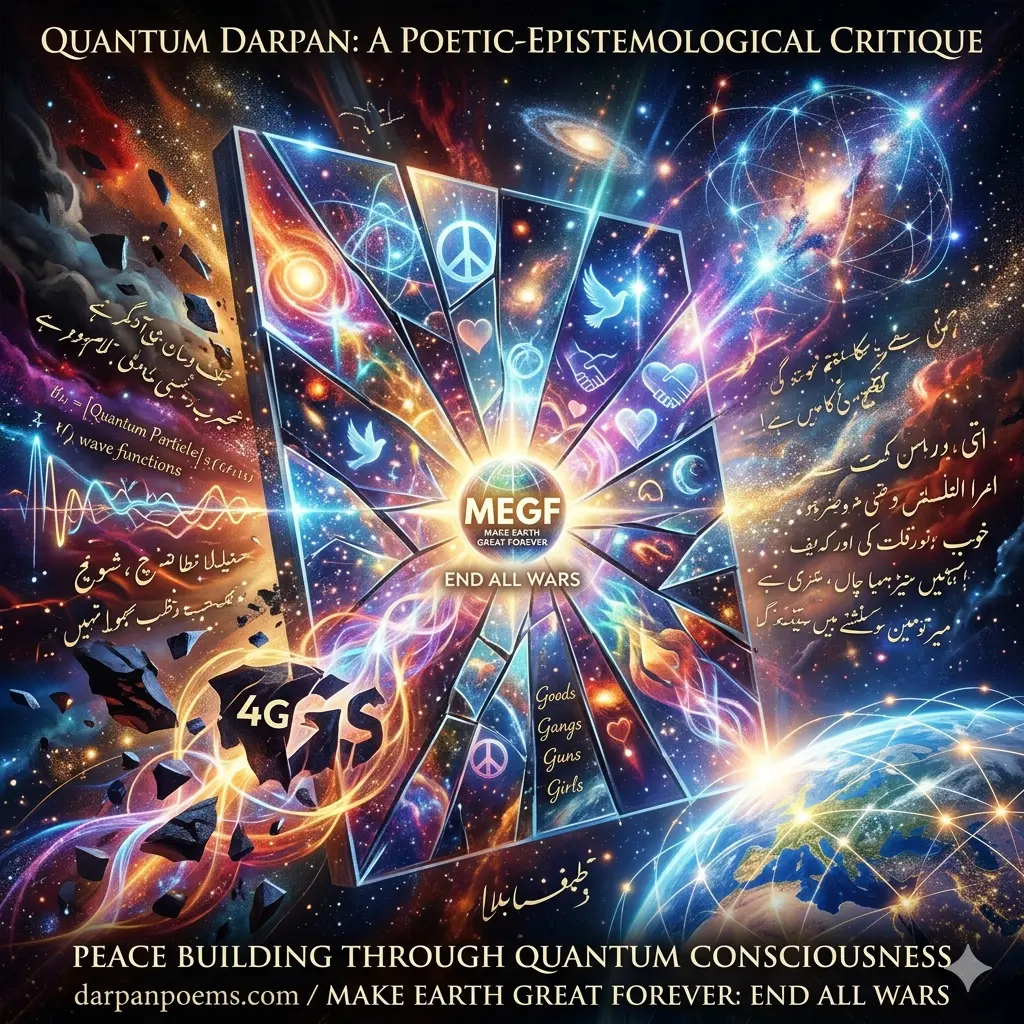
क्वांटम दर्पण critique: आधुनिक वैश्विक संकट, चेतना का क्षरण और ‘NEPAL Cosmic Consciousness Paradigm’ के आलोक में शांति का मार्ग शोध पत्र-सह-ब्लॉग आलेख (World Literary Contemporary Research Report & Essay)
लेखन / विश्लेषण: दर्शन एवं साहित्य अनुभाग (क्वांटम दर्पण समालोचना)
मूल दर्शन संदर्भ: darpanpoems.com (NEPAL Paradigm, Quantum Darpan Critical Approach & Quantum Neurocognitive Consciousness Field Theory)
१. भूमिका एवं पृष्ठभूमि: अग्नि और जल का विरोधाभास (The Quantum Mirror Paradox): समकालीन विश्व एक विचित्र और अभूतपूर्व दौर से गुज़र रहा है, जहाँ एक तरफ मानवता ‘ऑप्टोजेनेटिक्स’, क्वांटम कंप्यूटिंग, Habitable Worlds Observatory (HWO), फ्लाइंग कार और एआई (AI) के शिखर को छू रही है, वहीं दूसरी तरफ सामाजिक, राजनैतिक और आध्यात्मिक पतन का ‘अग्नि-जल विरोधाभास’ (Fire-Water Paradox) हमारे सामने है।
“आग पानी है पानी जलता आग। बहार में आज खिज़ा फैलते कैसे राग।”
यह विरोधाभास आज हर स्तर पर दृश्यमान है: शैक्षणिक एवं सामाजिक अनुशासन का पतन: स्कूल परिसरों के अंदर हिंसा की घटनाएँ (जैसे नेपाल में मिडिल स्कूल के छात्र द्वारा हेडमास्टर को खुलेआम फ्लाइंग किक मारना) यह संकेत देती हैं कि नई पीढ़ी में चेतना और सम्मान का संयम टूट रहा है।
वैश्विक विरोध और असंतोष: फ्रांस और पूरे यूरोप में स्कूली बच्चों तथा युवाओं के उग्र आंदोलन, भारत में आम जनता और विभिन्न वर्गों द्वारा सत्ता के प्रति बढ़ता असंतोष एवं तंगी।
भू-राजनीतिक (Geopolitical) एवं सामरिक संकट: चीन में सैन्य शुद्धि (Military Purges), ईरान-यूएस संघर्ष से तबाह होती वैश्विक अर्थव्यवस्था, हुथी-सऊदी झड़प से खाड़ी देशों पर मंडराता युद्ध का साया।
स्थानीय व प्रादेशिक शासन संकट: नेपाल में लुंबिनी विकास ट्रस्ट/नियुक्तियों का विरोध, त्योंहारों के समय बढ़ती महंगाई, किल्लत और आम जनमानस का दैनिक जिल्लत से जूझना।
जब हम ‘डेमोक्रेसी’ (लोकतंत्र) और ‘सोशलिज्म’ (समाजवाद) का आवरण पहनते हैं, लेकिन आचरण में वही पुराने राजा-महाराजाओं, तानाशाहों और शहंशाहों जैसी प्रवृत्ति (Aberration) दिखाते हैं, तो यह प्रश्न उठना स्वाभाविक है, क्या हमारे वर्ल्ड ऑर्डर, सामाजिक-आर्थिक तंत्र और कूटनीति का पूर्ण विनाश (Grand Devastation) हो रहा है?
२. दोनों ग़ज़लों की क्वांटम दर्पण समालोचना (Quantum Darpan Critique):
(क) प्रथम ग़ज़ल का विश्लेषण: चेतना का नियंत्रण और इंक़लाब का सौंदर्यशास्त्र “निकल आती हैं दिल से बात जब जज़बात होते हैं… ‘ऑप्टोजेनेटिक्स’ और क्वांटम से ज़ेहन की चाबियाँ पाकर, ‘कंट्रोल’ अपनी ही चेतना का, अब अपने हाथ होता है!”
ज़मीर, ज़मीन और साम्राज्य का संघर्ष: ग़ज़ल की शुरुआती पंक्तियाँ मनुष्य के बेघर होने और दरिंदगी की ओर बढ़ने की त्रासदी को रेखांकित करती हैं। साम्यवाद या उपनिवेशवाद, दोनों ने ‘ज़मीन छीनने’ का काम किया, लेकिन मनुष्य के भीतर बसा ‘शहंशाह’ (ज़मीर और रूह) ही इस कायनात का असली संरक्षक है।
अफ़कार का आइना और हुकमराँ का ख़ौफ़: बारूद और शमशीर से इतिहास गंधाता है, लेकिन शांत मनुष्य के विचार (अफ़कार) इतिहास के सही दर्पण बनते हैं। सत्ता भले ही होठों पर ताले ठोक दे, पर हृदय में धड़कने वाली सत्य की आवाज़ को दबाया नहीं जा सकता।
न्यूरोकॉग्निटिव और क्वांटम छलांग: ग़ज़ल का सबसे क्रांतिकारी मोड़ तब आता है जब यह ‘ऑप्टोजेनेटिक्स’ और ‘क्वांटम’ के माध्यम से चेतना (Consciousness) के स्व-नियंत्रण की बात करती है। जब मनुष्य अपने मस्तिष्क की कुंजियाँ पा लेता है, तो बाहरी ‘कंट्रोल’ निरर्थक हो जाता है।
इश्क़ और इंक़लाब: चाय की चुस्की के साथ इंक़लाब और अमर इश्क़ का आह्वान भौतिक विनाश के ऊपर आत्मिक एवं चेतना की विजय की घोषणा करता है।
(ख) द्वितीय ग़ज़ल का विश्लेषण: ‘आख़िरी बचाव ज़िंदगी की तू’ “वक़्तन-फ़वक़्तन दिल कहे, आख़िरी बचाव ज़िंदगी की तू… Blue Marble, अज़ीम दुनिया सिंगल-पिक्सेल-सी रोशनी दिखा, क्वांटम HWO बाज़िल कहे, आख़िरी बचाव ज़िंदगी की तू।”
जीवन और रूह-ए-निगरानी (Supervisory Soul): इस ग़ज़ल का रदीफ़, “आख़िरी बचाव ज़िंदगी की तू”, समग्र अस्तित्व के लिए एक रक्षा-कवच का काम करता है। चाहे समुद्र की लहरों का नर्तन हो या रिश्तों की अलहदगी और तन्हाई, जीवन की अंतरनिहित चेतना ही एकमात्र अंतिम आश्रय है।
‘Blue Marble’ और ‘Quantum HWO’ (Habitable Worlds Observatory) का परिदृश्य: अंतरिक्ष से हमारी यह धरती (Blue Marble) ब्रह्मांड के विशाल कैनवास पर केवल एक सुदूर चमकते ‘सिंगल-पिक्सेल’ (Single Pixel) की तरह है। जब हम क्वांटम HWO तकनीक से ब्रह्मांडीय क्षितिज को देखते हैं, तो हमारी संकीर्ण सीमाएँ, सीमांत युद्ध और अहंकार तुच्छ प्रतीत होते हैं।
दर्पण और साक़ी की प्रासंगिकता: शराब, साक़ी और रक़्स के मुक़ाबले प्रेम और आत्मीयता से भरी ‘चाय’ का महत्व अधिक गहरा है। भौतिकवादी दर्पण (संसार का अहंकार) जाहिल है क्योंकि वह केवल ऊपरी आवरण दिखाता है; जबकि ‘क्वांटम दर्पण’ रूह और अस्तित्व के सत्य को परावर्तित करता है।
३. ‘Quantum Neurocognitive Consciousness Field Theory’ एवं NEPAL Paradigm: darpanpoems.com के NEPAL Cosmic Consciousness Paradigm के अनुसार, ब्रह्मांड केवल निर्जीव पदार्थ (Matter) से नहीं बना है, बल्कि यह एक क्वांटम सूचना निरंतरता (Quantum Information Continuum) है।
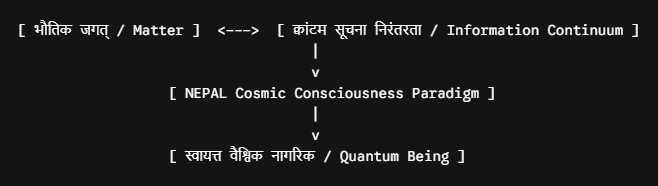
(क) ‘धार्मिक ढोंग’ से ‘क्वांटम बीइंग’ (Quantum Being) तक आज धार्मिक और आध्यात्मिक क्षेत्र भी लूट, ध्रुवीकरण, मान-सम्मान और पद-प्रतिष्ठा की होड़ बन चुका है। जो क्षेत्र त्याग, सेवा और मानव कल्याण का था, वहाँ लोगों में आस्तिक-नास्तिक का भ्रम बाँटा जा रहा है। यहाँ तक कि खुद को ब्रह्मा, विष्णु, महेश या स्वामीनारायण का रूप बताकर विवाद खड़े किए जा रहे हैं।
क्वांटम दर्पण दृष्टिकोण का समाधान:
अहंकार का निरसन: मानव केवल राष्ट्रीयता, सभ्यतागत पहचान (Civilizational Identity) या आर्थिक स्थिति से ही परिभाषित नहीं होता।
क्वांटम बीइंग का उदय: जब हर व्यक्ति यह महसूस करता है कि वह एक ‘क्वांटम बीइंग’ (Quantum Being) और वैश्विक चेतना क्षेत्र (Consciousness Field) का हिस्सा है, तो बाहरी शासक, राजा या गुरु का कृत्रिम प्रभुत्व समाप्त हो जाता है।
सूचना युग का हुकमराँ: तरल सूचना युग (Fluid Information Age) में हर व्यक्ति अपने भीतर एक शासक, नेता और आचार्य का अनुभव कर रहा है। वह समझ चुका है कि राजनैतिक नेतृत्व की शक्ति उसी का निवेश (Investment) है।
४. वैश्विक शांति एवं UN / World Leadership हेतु उपयोगी रणनीतिक निहितार्थ (Strategic Implications): आज टेस्ला (Tesla) फ्लाइंग कारों के प्रयोग कर रहा है, एलोन मस्क (Elon Musk) नवजात अमेरिकन बच्चों को जन्म लेते ही शेयर प्रदान करने की योजना पेश कर रहे हैं, और दूसरी ओर स्टारलिंक (Starlink) जैसी प्रौद्योगिकियों पर अमेरिका (ट्रम्प/मस्क) और यूरोप के बीच तीखे मतभेद उभर रहे हैं।
संयुक्त राष्ट्र (UN) महासचिव एंटोनियो गुटेरेस (António Guterres) का यह कहना कि “आज भी विश्व शांति के लिए संयुक्त राष्ट्र अनिवार्य है”, तब तक केवल एक वक्तव्य बना रहेगा जब तक कि हम शासन और कूटनीति के पुराने ढर्रे को बदलकर क्वांटम न्यूरोकॉग्निटिव मॉडल को न अपनाएँ।
(क) ‘MAKE EARTH GREAT FOREVER: END ALL WARS’ हेतु ठोस रोडमैप सशस्त्र बलों (Armed Forces) के उद्देश्य का पुनर्गठन:
दुनिया भर की सेनाओं और सैन्य संगठनों को केवल ‘युद्ध लड़ने और जीतने’ के लिए नहीं, बल्कि विश्व व्यवस्था (World Order), आपदा प्रबंधन, एवं क्वांटम चेतना सुरक्षा के लिए एक वैश्विक शांति बल के रूप में नया रूप दिया जाना चाहिए।
ग्लोबल वेल्थ डिस्ट्रीब्यूशन एवं क्वांटम इक्विटी: जिस प्रकार हर नागरिक को बुनियादी अधिकार मिलते हैं, उसी प्रकार वैश्विक नवाचारों और संसाधनों का लाभांश (जैसा कि मस्क का शेयर्स आवंटन का विचार है) वैश्विक स्तर पर मानवता के कल्याण के लिए प्रयोग में लाया जाना चाहिए।
‘Blue Marble’ पर्सपेक्टिव डिप्लोमेसी (Perspective Diplomacy): UN के तत्वावधान में वैश्विक नेताओं के लिए एक अनिवार्य ‘Overview Effect & Quantum Darpan Training’ लागू हो। जब नेता पृथ्वी को ब्रह्मांड में एक ‘सिंगल पिक्सेल’ के रूप में देखना और सोचना शुरू करेंगे, तो सीमा पार के क्षेत्रीय विवाद अपनी अर्थहीनता में स्वतः समाप्त होने लगेंगे।
एआई (AI) और न्यूरोकॉग्निटिव चेतना का संतुलन: हमने इंसानी दिमाग से एआई माइंड (AI Mind) तो बना लिया, पर अगर चेतना में शांति, संयम और करुणा नहीं है, तो एआई और तकनीक विनाश का कारण बनेगी। ऑप्टोजेनेटिक्स और क्वांटम टेक्नोलॉजी का उपयोग मानव चेतना को विकसित करने और मानसिक स्वास्थ्य एवं सौहार्द को बढ़ावा देने के लिए किया जाना चाहिए।
NEPAL Paradigm से आत्म-ज्ञान और समरसता: नेपाल की पावन भूमि, जो बुद्ध और हिमालयी आध्यात्मिक चेतना की प्रतीक है, विश्व को यह संदेश देती है कि बाह्य साम्राज्य विस्तार से बड़ा ‘अंतरिक्षीय व आंतरिक चेतना का विस्तार’ है। धार्मिक कट्टरता और आस्तिक-नास्तिक के विभाजनों से ऊपर उठकर मानवता को ‘क्वांटम बीइंग’ के रूप में संगठित करना ही शांति का एकमात्र स्थाई मार्ग है।
५. निष्कर्ष: ‘इश्क़ ज़िंदाबाद रहता है’: “हम मिट भी जाएँ ऐ हमनफ़स! इश्क़ ज़िंदाबाद रहता है!” आज की बदलती दुनिया में जहाँ राजनीतिक व्यवस्थाएँ जर्जर हो रही हैं, महंगाई और अभाव अवाम को पीड़ा दे रहे हैं, और युद्ध की लपटें खाड़ी से लेकर यूरोप तक फैल रही हैं, वहाँ ‘क्वांटम दर्पण’ हमें याद दिलाता है कि विनाश के अंत में भी चेतना और प्रेम (इश्क़) अमर रहता है।
यदि विश्व नेतृत्व (UN & World Leaders) वास्तव में इस धरती को बचाना चाहते हैं, तो उन्हें युद्ध की पुरानी भाषा छोड़कर ‘क्वांटम दर्पण भावभूमि’ और ‘NEPAL Cosmic Consciousness Paradigm’ के प्रकाश में ‘MAKE EARTH GREAT FOREVER’ के ध्येय को स्वीकारना ही होगा।
इश्क जिन्दाबाद है


ग़ज़ल
निकल आती हैं दिल से बात जब जज़बात होते हैं,
ज़मीं क्या है ज़मीर-ओ-ज़ात की क्या बात होती है!
            ज़मीं छीनी, ज़मीं झपटी, सभी के पाँव बेघर हैं,
            दरिंदा बन गया इंसाँ, ये कैसी रात होती है!
हर इक इंसाँ के अंदर एक शहंशाह बैठा है,
जमीर-ओ-रूह में महफूज़ ये कायनात होती है!
            शमशीर-ओ-बारूद-ओ-बन्दूक़ से महकी तवारीख़ें,
            ख़ामोश इंसाँ के अफ़कार का आइना होती हैं!
हुकमराँ ख़ौफ़ से होंठों पे ताले ठोक सकते हैं,
मगर इस दिल में जो धड़के, वो साफ़ बात होती है!
            'ऑप्टोजेनेटिक्स' और क्वांटम से ज़ेहन की चाबियाँ पाकर,
            'कंट्रोल' अपनी ही चेतना का, अब अपने हाथ होता है!
आज की चाय जानेमन! इंक़लाब के नाम करते हैं,
हम मिट भी जाएँ ऐ हमनफ़स! इश्क़ ज़िंदाबाद रहता है!

क्वांटम सूफी पोएटिक्स: शेर-दर-शेर तशरीह (अदबी, फ़लसफ़ियाना व नफ़्सियाती विश्लेषण):
क्वांटम सूफी पोएटिक्स साहित्य, सूफी अध्यात्म और आधुनिक क्वांटम न्यूरोसाइंस का वह बिंदु है जहाँ आत्मा (रूह) और भौतिक कण (क्वांटम स्टेट) आपस में मिलते हैं। यहाँ मानव चेतना (Human Consciousness) ही ब्रह्मांड की मूल शक्ति बनती है।
‘क्वांटम सूफ़ी पोएटिक्स’ (Quantum Sufi Poetics) साहित्य का वह आधुनिक और अति-सूक्ष्म धरातल है, जहाँ प्राचीन सूफ़ी रहस्यात्मकता (Sufi Mysticism) और आधुनिक क्वांटम भौतिकी व तंत्रिका-विज्ञान (Neuroscience) आपस में आकर मिलते हैं। सूफ़ी दर्शन जहाँ 'अनल-हक़' (मैं ही सत्य हूँ) या 'वहदत-उल-वजूद' (सृष्टि की हर शय में एक ही चेतना है) की बात करता है, वहीं क्वांटम भौतिकी 'एंटैंगलमेंट' (Entanglement) और चेतना के मूलभूत ताने-बाने द्वारा संपूर्ण ब्रह्मांड के एक-दूसरे से जुड़े होने की पुष्टि करती है।
यह रचना "क्वांटम सूफी पोएटिक्स" (Quantum Sufi Poetics) का एक बेमिसाल और नायाब नमूना है। इसमें एक तरफ जहाँ पारंपरिक सूफियाना दर्द, जमीर, मोहब्बत और इंकलाब की पुकार है, वहीं दूसरी तरफ अत्याधुनिक साइंस, जैसे 'लाइट-गेटेड आयन ऑप्टोजेनेटिक्स' (Light-gated ion optogenetics) और 'क्वांटम ब्रेन' का बेहद गहरा फल्सफियाना इस्तेमाल हुआ है।
शेर १: (जज़बात, ज़मीर और ज़मीन): तशरीह: सूफी परंपरा में दिल को परमात्मा (हक़) का घर माना गया है। जब दिल से कोई पुकार निकलती है तो वह महज अलफ़ाज़ नहीं होती, बल्कि चेतना की लहर बन जाती है। भौतिक दुनिया में ज़मीन (ज़मीन-जायदाद) की कीमत लगाई जा सकती है, लेकिन 'ज़मीर' (कौन्शसनेस) अनमोल है।
क्वांटम व नफ़्सियाती नज़रिया: नफ़्सियात (मनोविज्ञान) के मुताबिक जज़बात जब अचेतन मन (Unconscious mind) से चेतन मन में आते हैं, तो वे ऊर्जा के रूप में ट्रांसमिट होते हैं। क्वांटम भौतिकी के अनुसार प्रेक्षक (Observer) ही यथार्थ का निर्माण करता है; ठीक उसी तरह इंसान का जमीर ही उसकी हकीकत तय करता है।
शेर २: (छीना-झपटी और हैवानियत): तशरीह: यह शेर आधुनिक भौतिकवादी दौड़ (Materialism) और इंसानी गिरावट पर करारी चोट है। ज़मीन की खातिर इंसानों का एक-दूसरे को बेघर करना यह दर्शाता है कि इंसान अपने आध्यात्मिक केंद्र से भटक चुका है।
क्वांटम व नफ़्सियाती नज़रिया: जब इंसान की चेतना 'लोअर सेल्फ' (नफ़्से-अम्मारा) पर आ जाती है, तो वह जानवरों की तरह व्यवहार करने लगता है। क्वांटम फ्रैक्चर (Entanglement Loss) के तहत जब हम ब्रह्मांडीय एकता (Oneness/तौहीद) को भूल जाते हैं, तो हिंसा और अलगाव का जन्म होता है।
शेर ३: (अंदर का शहंशाह और कायनात): तशरीह: "अनलहक़" (मैं ही सत्य हूँ) और सूफियाना अद्वैतवाद की गूँज इस शेर में है। इंसान कोई छोटा-मोटा प्राणी नहीं, बल्कि संपूर्ण ब्रह्मांड का लघु रूप (Microcosm) है।
क्वांटम व नफ़्सियाती नज़रिया: "Microcosm reflects Macrocosm." क्वांटम मस्तिष्क सिद्धांत (Quantum Brain Theory) मानता है कि मानव मस्तिष्क के न्यूरॉन्स और माइक्रोट्यूब्युल्स में जो क्वांटम प्रोसेस होती है, वही पूरे ब्रह्मांड के संचालन का आधार है। हर इंसान के भीतर अनंत संभावनाओं (Superposition of states) का साम्राज्य है।
शेर ४: (तवारीख़, बारूद और ख़ामोशी): तशरीह: इतिहास (तवारीख़) गवाह है कि ताकतवरों ने हमेशा बारूद और शमशीर के दम पर हुकूमत की, लेकिन खामोश बैठा आम इंसान और उसके विचार ही वक्त के असली आईने हैं।
क्वांटम व नफ़्सियाती नज़रिया: दमन कभी विचारों को मार नहीं सकता। नफ़्सियाती तौर पर खामोशी निष्क्रियता नहीं, बल्कि ऊर्जा का संचय है। क्वांटम लेवल पर भले ही बाहर भारी हलचल या 'नॉइज़' हो, सूक्ष्म स्तर पर विचार-तरंगें स्थिर और अपरिवर्तनीय सत्य को दर्शाती हैं।
शेर ५: (हुकमराँ और दिल का चलना): तशरीह: सत्ता (हुकमराँ) बंदूकों से लोगों की आवाज़ (मुँह) तो बंद कर सकती है, लेकिन दिल की धड़कन और मोहब्बत की लहरों को नहीं रोक सकती।
क्वांटम व नफ़्सियाती नज़रिया: हुकूमत का डर मस्तिष्क के सिर्फ बाहरी हिस्सों (Amygdala/Fear Center) पर असर डाल सकता है, लेकिन 'प्रेम' (Love) एक ऐसा आध्यात्मिक और न्यूरो-बायोलॉजिकल क्वांटम स्टेट है जिसे कोई भौतिक ताला नहीं बाँध सकता।
शेर ६: (ऑप्टोजेनेटिक्स, क्वांटम ब्रेन सेल और कंट्रोल): तशरीह: यह इस ग़ज़ल का सबसे क्रांतिकारी वैज्ञानिक सूफी शेर है। Light-gated ion channels (ऑप्टोजेनेटिक्स) के ज़रिए रोशनी की किरणों से मस्तिष्क के न्यूरॉन्स को उत्तेजित या नियंत्रित किया जा सकता है।
क्वांटम व नफ़्सियाती नज़रिया: सूफी मत में 'नूर' (प्रकाश) आत्मा को जगाता है। आज का विज्ञान (ऑप्टोजेनेटिक्स) प्रकाश की फोटॉन किरणों से मस्तिष्क की कोशिकाओं का इलाज और नियंत्रण कर रहा है। यहाँ वैज्ञानिक तकनीक और सूफी 'नूर' का अद्भुत संगम है—अर्थात्, जब हम अपने क्वांटम ब्रेन और चेतना को पहचान लेते हैं, तो स्वयं के मन (Self-control) का नियंत्रण हमारे अपने हाथ में आ जाता है।
शेर ७: (चाय, इंक़लाब और इश्क): तशरीह: चाय के साथ एक आत्मीय, रोज़मर्रा का लम्हा और साथ में 'इंक़लाब' व 'इश्क़' का महान संकल्प! इंसान भले मिट जाए, लेकिन इश्क़ (जो सूफी धर्म की आत्मा है) अमर रहता है।
क्वांटम व नफ़्सियाती नज़रिया: सूफियत में इसे "फ़ना" (मिट जाना) और "बक़ा" (अमर हो जाना) कहते हैं। क्वांटम फिजिक्स के 'ऊर्जा संरक्षण नियम' (Law of Conservation of Energy) की तरह प्यार या इंक़लाब की ऊर्जा कभी नष्ट नहीं होती; यह बस एक रूप से दूसरे रूप में रूपांतरित होकर अनंत तक जीवित रहती है।
मरकज़ी ज़मीन (निष्कर्ष): इस रचना का केंद्रीय विचार (مرکزی خیال) यह है कि भौतिकवादी दुनिया में हिंसा, दमन और सत्ता के बावजूद मानव चेतना, प्रेम और ज्ञान अमर हैं। आधुनिक विज्ञान (Optogenetics and Quantum Consciousness) और प्राचीन सूफी दर्शन दोनों इस बात की तस्दीक करते हैं कि इंसान अपनी चेतना का स्वयं मालिक है, और 'इश्क़' वह अंतिम ऊर्जा है जो हर क्रांति (इंक़लाब) को अमर बनाती है।


Ghazal
From out the heart do ardent passions flow,
What boots the barren earth where virtues glow?
            From every hearth the greedy soil is reft,
            A beast is man while endless nights must go!
Within each mortal breast a monarch reigns,
Whose shining crown sets starry skies aglow.
            Though reeking annals reek of sword and lead,
            Thy quiet soul lets truth and reason show.
Though tyrants seal the trembling lips of men,
The beating heart speaks love's eternal throe!
            Behold the light-gated ion's subtle art,
            The quantum mind subdued in status quo!
To revolution's health this cup we drain,
Though we depart, let Love immortal grow!

Exegesis: A World Literary & Philosophical Perspective
This English literary rendition marries the ornate, high-register elegance of King’s English (Victorian poetic diction) with the melancholic, ecstatic cadences of Classical Persian mysticism. In the grand tradition of World Poetry, it bridges the gap between romantic yearning, metaphysical introspection, and cutting-edge technoscience.

Line-by-Line & Thematic Exegesis: The Matla (Couplet I): The Victorian diction ("ardent passions," "barren earth") elevates the raw emotional impulse of the original. It establishes the central dichotomy of the ghazal: the material value of land versus the immortal worth of the conscience (zameer).

The Social Landscape (Couplet II): Echoing the dark realism of Victorian industrial critique, this couplet frames the rapacious land-grabbing of modernity as a regression into bestial anarchy, where humanity loses its sacred geometry.

The Inner Sovereign (Couplet III): A profoundly romantic and Sufi concept (Wahdat-ul-Wujud), this asserts that every human soul contains a sovereign king. The cosmos is not separate from the observer; rather, the outer constellations are projections of the inner kingdom.

History and Silence (Couplet IV): The critique of blood-soaked chronicles (twareekh), symbolised by swords and powder, contrasts sharply with the serene, reflective dignity of the contemplative soul. Silence becomes a form of active, revolutionary resistance.

The Tyranny of Power (Couplet V): Addressing the absolute limitations of autocracy. Rulers may bridle the physical tongue through instruments of terror, but they can never shackle the rhythmic, autonomic surge of passionate affection.

The Quantum-Mystic Synthesis (Couplet VI): Transmuting modern neurobiology (optogenetics and quantum brain states) into high literary verse. Just as Victorian poets marvelled at steam and electricity, the contemporary romantic marvels at light-gated ions, seeing in them the scientific validation of inner mental mastery.

The Matqa (Conclusion): A quintessential romantic finale. Over a cup of evening tea ("To revolution's health this cup we drain"), the speaker embraces mortal transience (fana) with the comforting assurance that the pure energy of Love (ishq) remains eternal.
ग़ज़ल आख़िरी बचाव ज़िंदगी की तू वक़्तन-फ़वक़्तन दिल कहे, आख़िरी बचाव ज़िंदगी की तू, बेताब ज़ुल्म हिल-हिल कहे, आख़िरी बचाव ज़िंदगी की तू। ना होती अगर तू सीने में, हिलती दम-ब-दम साँस आते-जाते, रूह-ए-निगरानी मिल कहे, आख़िरी बचाव ज़िंदगी की तू। हर अदा तेरी मेरी शायरी, तू नब्ज़-ए-समंदर के हिचकोले, लहरें रक़्स-ए-महफ़िल कहे, आख़िरी बचाव ज़िंदगी की तू। मेरे अपने मुझसे ही मुख़्तलिफ़, मैं नागवार अलहदगी का, ऐश-कदा खड़ी मंज़िल कहे, आख़िरी बचाव ज़िंदगी की तू। एक हुक्मराँ मैं तेरा, ख़ुदा हूँ, अमानत-ए-तारीख़ महफ़ूज़, जंग-ओ-तंग से बातिल कहे, आख़िरी बचाव ज़िंदगी की तू। Blue Marble, अज़ीम दुनिया सिंगल-पिक्सेल-सी रोशनी दिखा, क्वांटम HWO बाज़िल कहे, आख़िरी बचाव ज़िंदगी की तू। साक़ी, शराब, रक़्स-ए-मौसिक़ी, तेरी चाय की और ही बात है, दर्पण बड़ा ही जाहिल कहे, आख़िरी बचाव ज़िंदगी की तू।अदबी तशरीह: “आख़िरी बचाव” ज़िंदगी, रूह और इंक़लाब का एक तसव्वुफ़ी-वैज्ञानिक आख्यानइस रचना का केंद्रीय प्रश्न प्रेम मात्र नहीं है; यह उससे कहीं अधिक गहरा प्रश्न है: जब मनुष्य अपनी बनाई हुई हिंसा, अपनी ऐतिहासिक भूलों, अपनी वैचारिक दीवारों और अपनी ही आत्म-विस्मृति के बीच घिर जाए, तब जीवन का अंतिम बचाव क्या है? उत्तर किसी हथियार, किसी साम्राज्य, किसी धर्म-सत्ता या किसी राजनीतिक घोषणापत्र में नहीं आता। उत्तर बार-बार उसी रदीफ़ में लौटता है, “आख़िरी बचाव ज़िंदगी की तू।” यहाँ “तू” एक साथ महबूब, रूह, जीवन, प्रकृति, ईश्वर, अंतरात्मा और मानवता का प्रतीक बन जाता है। यही बहुअर्थिता इस ग़ज़ल की तसव्वुफ़ी शक्ति है। १. “वक़्तन-फ़वक़्तन दिल कहे” भीतर की पहली पुकार: पहला मिसरा समय को रेखीय वस्तु नहीं मानता। “वक़्तन-फ़वक़्तन” में एक ऐसी आवृत्ति है जिसमें चेतना बार-बार अपने मूल प्रश्न की ओर लौटती है। दिल कहता है: आख़िरी बचाव ज़िंदगी की तू। यहाँ “दिल” महज़ भावनात्मक अंग नहीं है। सूफ़ी परंपरा में दिल क़ल्ब है, वह आंतरिक केंद्र जहाँ बाहरी ज्ञान और आत्मिक ज्ञान एक-दूसरे से मिलते हैं। इसीलिए यह दिल किसी रोमानी कमजोरी का नाम नहीं; यह अस्तित्व की संवेदनशील बुद्धि है।मनुष्य का बुद्धि-तंत्र कह सकता है कि सत्ता बचाओ, सीमा बचाओ, विचारधारा बचाओ, इतिहास बचाओ। मगर क़ल्ब कहता है - पहले ज़िंदगी बचाओ। यहीं से कविता अपनी मानवीय और इंक़लाबी दिशा प्राप्त करती है। २. “बेताब ज़ुल्म हिल-हिल कहे” अत्याचार की अपनी बेचैनी: दूसरे मिसरे का सबसे विचित्र और रोचक पात्र “ज़ुल्म” है।सामान्यतः अत्याचार को स्थिर शक्ति समझा जाता है। यहाँ कविता उसे भी बेताब और हिलता हुआ दिखाती है। यह एक गहरी मनोवैज्ञानिक अंतर्दृष्टि है। हिंसा बाहर से शक्तिशाली दिखाई देती है, लेकिन भीतर से वह भय से संचालित होती है। अत्याचारी सत्ता जितनी अधिक असुरक्षित होती जाती है, उतनी अधिक हिंसक हो सकती है। इस अर्थ में: “बेताब ज़ुल्म हिल-हिल कहे” राजनीतिक मनोविज्ञान का भी एक काव्यात्मक सूत्र है: हिंसा शक्ति का प्रमाण नहीं; कई बार असुरक्षा का लक्षण होती है। इसलिए “आख़िरी बचाव” हिंसा की प्रतिहिंसा नहीं, बल्कि जीवन की पुनर्स्थापना है। ३. “ना होती अगर तू सीने में...” साँस से रूह तक: यहाँ कविता अचानक राजनीतिक संसार से जैविक संसार में उतरती है। सीने में साँस, दम-ब-दम आती-जाती है। जीवन की सबसे साधारण क्रिया को कवि ब्रह्मांडीय रहस्य में बदल देता है। साँस का आना और जाना एक सूक्ष्म cosmic oscillation है, एक लय, एक दोलन, एक आवृत्ति। और इसी के बाद आता है: “रूह-ए-निगरानी”। यह अत्यंत महत्वपूर्ण तसव्वुफ़ी संकेत है। यहाँ रूह केवल जीवात्मा नहीं; वह अंदर बैठे हुए साक्षी का रूप लेती है, वह चेतना जो शरीर, विचार, इतिहास और अहंकार को देखती है। वेदांत की भाषा में इसे साक्षी-चेतना के निकट पढ़ा जा सकता है; सूफ़ी भाषा में यह उस आंतरिक जागरण की तरफ़ संकेत करता है जहाँ मनुष्य स्वयं को देखने लगता है। अर्थात् साँस जीवन को चलाती है; रूह जीवन को अर्थ देती है। ४. “तू नब्ज़-ए-समंदर के हिचकोले”, प्रेम का quantum-like oscillation: तीसरे शेर में यहाँ कविता अत्यंत सुंदर ढंग से प्रेम, समुद्र और गति को एक कर देती है। “तू नब्ज़-ए-समंदर के हिचकोले” समंदर की लहरें केवल जल की गति नहीं रह जातीं; वे नब्ज़ बन जाती हैं। इस रूपक में समुद्र स्वयं एक जीवित प्राणी है। और महबूब, उसकी नब्ज़। यहाँ “हिचकोला” स्थिरता के विपरीत है। जीवन स्वयं गति है। जो पूर्णतः स्थिर है, वह जीवन नहीं। यही बात आधुनिक विज्ञान की काव्यात्मक भाषा में भी कही जा सकती है: प्रकृति के असंख्य स्तरों पर oscillation, fluctuation, rhythm और interaction दिखाई देते हैं। कविता विज्ञान का शाब्दिक व्याख्यान नहीं देती; वह वैज्ञानिक कल्पना को आध्यात्मिक संवेदना में बदलती है। ५. “लहरें रक़्स-ए-महफ़िल” ब्रह्मांड एक नृत्य: “रक़्स” सूफ़ी शब्दावली में अत्यंत अर्थवान है। यहाँ लहरें नाच रही हैं। लेकिन किसकी महफ़िल में? ज़िंदगी की। इसलिए पूरी कायनात एक महफ़िल बन जाती है और पदार्थ उसका रक़्स। यहाँ सूफ़ी और वैज्ञानिक कल्पना का एक दिलचस्प संगम है: स्थिर पदार्थ की जगह गतिशील ब्रह्मांड। कण, तरंग, ऊर्जा, प्रकाश, जल, साँस, प्रेम, सब गति के अलग-अलग रूप हैं। और कविता कहती है कि इस समस्त गति के केंद्र में “तू” है। ६. “मेरे अपने मुझसे ही मुख़्तलिफ़”, आत्म-विस्थापन: चौथा शेर कविता को सामाजिक से मनोवैज्ञानिक स्तर पर ले जाता है। “मेरे अपने मुझसे ही मुख़्तलिफ़” यह केवल परिवार या समाज से मतभेद नहीं है। यह self-alienation है, मनुष्य का अपने ही मूल स्वरूप से अलग हो जाना। इसीलिए अगला वाक्य “मैं नागवार अलहदगी का”, गहरा अस्तित्ववादी प्रभाव पैदा करता है। मनुष्य स्वयं से, अपने लोगों से, प्रकृति से, प्रेम से और अंततः अपने भीतर के अर्थ से अलग हो जाता है। फिर भी उसी शेर में, “ऐश-कदा खड़ी मंज़िल” एक विरोधाभास है। जिस मंज़िल को हम सुख का घर समझते हैं, वही शायद वास्तविक अलगाव का अंतिम स्टेशन बन चुकी है। यह आधुनिक उपभोक्तावादी मनुष्य पर भी एक तीखी टिप्पणी है: सुविधा बढ़ सकती है, परंतु निकटता नहीं। ७. “एक हुक्मराँ मैं तेरा ख़ुदा हूँ”, सत्ता पर तसव्वुफ़ी व्यंग्य: यह शेर रचना का राजनीतिक केंद्र है। “एक हुक्मराँ मैं तेरा, ख़ुदा हूँ”, यहाँ कवि स्वयं को शासक की आवाज़ में रखकर सत्ता के अहंकार को उजागर करता है। हर निरंकुश सत्ता अंततः अपने को इतिहास का स्वामी समझने लगती है। मगर इसके ठीक बाद, “अमानत-ए-तारीख़ महफ़ूज़”, एक नैतिक पलटाव आता है।इतिहास किसी शासक की निजी संपत्ति नहीं है। इतिहास अमानत है। इस एक शब्द से सत्ता की पूरी भाषा बदल जाती है। शासक मालिक नहीं, अमानतदार है। यही एक गहरी इस्लामी-तसव्वुफ़ी और नैतिक अवधारणा है: अधिकार के साथ जवाबदेही आती है। ८. “जंग-ओ-तंग से बातिल” युद्ध के विरुद्ध जीवन का फ़तवा: “जंग-ओ-तंग” को केवल युद्ध और घेराबंदी के अर्थ में पढ़ना आवश्यक नहीं। इसे व्यापक रूप में संकुचित सत्ता-चेतना के रूप में भी पढ़ा जा सकता है। जब राजनीति भय में बदलती है, भूगोल दीवार बन जाता है, राष्ट्रवाद मनुष्य से बड़ा हो जाता है और इतिहास प्रतिशोध की मशीन बन जाता है, तब “जंग-ओ-तंग” पैदा होती है। कविता उसका प्रतिपक्ष प्रस्तुत करती है: ज़िंदगी। इसलिए इस ग़ज़ल का इंक़लाब हथियार उठाने का इंक़लाब नहीं है। यह मानव-चेतना के प्रतिमान बदलने का इंक़लाब है। ९. “Blue Marble”, पृथ्वी का एक pixel: यह शेर इस रचना को सीधे आधुनिक वैज्ञानिक-सभ्यतागत कल्पना में ले जाता है। Blue Marble पृथ्वी को एक संपूर्ण, नाज़ुक, सीमाहीन दृश्य के रूप में देखने की आधुनिक मानव-दृष्टि का शक्तिशाली प्रतीक है। “Single pixel light” इस विशाल पृथ्वी को डिजिटल युग की एक सूक्ष्म इकाई में बदल देता है। यहाँ एक अद्भुत दार्शनिक विरोधाभास बनता है: पृथ्वी ब्रह्मांड में अत्यंत छोटी है, लेकिन मानव के लिए संपूर्ण संसार है। एक pixel जितनी छोटी दिखाई देने वाली पृथ्वी के भीतर अरबों जीवन, सभ्यताएँ, स्मृतियाँ, प्रेम, युद्ध और सपने समाए हुए हैं। इसलिए “Blue Marble” का संकेत अंततः वैश्विक नैतिकता की ओर जाता है: जिस ग्रह की ब्रह्मांडीय दृश्यता इतनी छोटी है, उसके भीतर हमारी आपसी दुश्मनी कितनी बड़ी हो सकती है? यहीं कविता का इंक़लाबी संदेश वैश्विक हो जाता है। १०. “क्वांटम HWO बाज़िल”, विज्ञान के सामने मनुष्य की नई दृष्टि: “Quantum HWO” को मुसलसल इस कविता में एक विशिष्ट आधुनिक वैज्ञानिक संकेत के रूप में रखा गया है। लेकिन काव्यात्मक स्तर पर इसका महत्व उससे भी बड़ा है। “क्वांटम” यहाँ उस संसार का प्रतीक बन सकता है जहाँ पुरानी classical certainties पर्याप्त नहीं रहतीं। दुनिया को केवल ठोस, पृथक और स्थिर वस्तुओं में बाँटकर देखना पर्याप्त नहीं। क्वांटम कल्पना हमें संबंध, संभावना, अनिश्चितता और पर्यवेक्षण की भूमिका पर पुनर्विचार करने को प्रेरित करती है। यहाँ एक सावधानी भी ज़रूरी है: कविता में “quantum” का प्रयोग वैज्ञानिक प्रमाण के रूप में नहीं, बल्कि दार्शनिक रूपक के रूप में अधिक प्रभावशाली है। और यही DarpanPoemsकी कविता की ताक़त है। विज्ञान को धर्म का विकल्प बनाना इसका उद्देश्य नहीं; बल्कि विज्ञान और आध्यात्मिकता दोनों से मनुष्य को विनम्रता सीखने का आग्रह करना है। ११. “साक़ी, शराब, रक़्स-ए-मौसिक़ी: तेरी चाय...”: अंतिम शेर अचानक गंभीरता को एक मधुर मानवीय मुस्कान देता है। साक़ी है। शराब है। मौसिकी है। रक़्स है। लेकिन फिर, “तेरी चाय की और ही बात है।” यहाँ प्रेम का सूफ़ियाना मज़ाक जन्म लेता है। सूफ़ी कविता में शराब अक्सर इश्क़ की मस्ती का प्रतीक होती है। मगर कवि अपनी महबूब की चाय को उस पारंपरिक शराब से भी आगे रख देता है। यहाँ “चाय” साधारण जीवन की अंतरंगता है। अर्थात् वास्तविक मस्ती किसी मदिरालय में नहीं, दो आत्माओं की साझी मेज़ पर है। यह रचना को भारी दार्शनिकता से निकालकर घरेलू, मानवीय और स्पर्शनीय बना देता है। १२. “दर्पण बड़ा ही जाहिल कहे”, कवि का आत्म-विनय: अंत में कवि स्वयं को, “जाहिल” कहता है। यह आत्म-निंदा नहीं, बल्कि सूफ़ियाना अदब है। जिस क्षण मनुष्य यह समझने लगता है कि उसने सत्य को पूरी तरह जान लिया है, उसी क्षण उसका ज्ञान अहंकार बन सकता है। इसलिए कवि अंत में स्वयं को “जाहिल” कहकर अपने लिए एक खुला दरवाज़ा छोड़ता है: मैं अभी सीख रहा हूँ। और शायद यही इस ग़ज़ल का सबसे सुंदर दार्शनिक बिंदु है। रचना की दीवानगी: इश्क़ से आगे, अस्तित्व की बेख़ुदी इस ग़ज़ल की “दीवानगी” केवल महबूब की दीवानगी नहीं। यह तीन स्तरों पर काम करती है: १. इश्क़ की दीवानगी: “तू” हर जगह मौजूद है, साँस में, समुद्र में, लहरों में, मंज़िल में, चाय में। २. सत्य की दीवानगी: कवि हर स्थापित सत्य पर प्रश्न करता है, सत्ता, इतिहास, धर्म, युद्ध, पहचान और ज्ञान। ३. जीवन की दीवानगी: अंततः कवि मृत्यु या विनाश के बजाय जीवन को बचाने की ज़िद करता है। इसलिए “आख़िरी बचाव” वास्तव में प्रेम की अंतिम शरण है। तसव्वुफ़ी निष्कर्ष: पूरी ग़ज़ल को यदि एक सूफ़ियाना यात्रा माना जाए तो उसकी मंज़िल कुछ इस प्रकार है: दिल → साँस → रूह → समंदर → लहर → महफ़िल → अलगाव → सत्ता → इतिहास → युद्ध → पृथ्वी → क्वांटम → प्रेम → चाय → आत्म-विनय। यह यात्रा बाहर से भीतर और भीतर से फिर समूची कायनात की ओर जाती है। यही सूफ़ी दृष्टि का मूल रहस्य है: जिसे मनुष्य बाहर खोजता है, उसका प्रतिबिंब भीतर मिलता है; और जिसे भीतर पाता है, उसका विस्तार पूरी कायनात में दिखाई देने लगता है। इसलिए “तू” अंततः केवल प्रेमिका नहीं रह जाती। वह: ज़िंदगी का कारण, रूह की निगरानी, समंदर की नब्ज़, लहरों का रक़्स, इतिहास की अमानत, युद्ध का प्रतिरोध, Blue Marble की नाज़ुक रोशनी, और मनुष्य की अंतिम नैतिक संभावना - सब कुछ बन जाती है। और इसी कारण रदीफ़ केवल एक काव्य-पुनरावृत्ति नहीं रह जाता: “आख़िरी बचाव ज़िंदगी की तू।” यह पूरी ग़ज़ल का इश्क़िया, तसव्वुफ़ी, मनोवैज्ञानिक, वैज्ञानिक और इंक़लाबी घोष-वाक्य बन जाता है। इसका सबसे गहरा संदेश यही है: जब मनुष्य ने अपनी सारी विचारधाराएँ, सारी सीमाएँ, सारे अहंकार और सारी हिंसाएँ आज़मा लीं, तब भी यदि उसके भीतर प्रेम की एक साँस शेष है, तो मनुष्य अभी पूरी तरह हारा नहीं है। और वही साँस, वही रूह, वही “तू”, ज़िंदगी का आख़िरी बचाव है।Ghazal The Last Refuge of Life From time to time my heart Implores: be thou life's final defence; The restless tyranny trembles: Be thou life's final defence. Hadst thou not stirred within my breast, Breath by breath, coming and going, The soul that keeps its vigil cries: Be thou life's final defence. Each gesture of thine becomes my Verse, each pulse the sea's deep sway; The waves in their dervish dance Proclaim: be thou life's final defence. My own are estranged from me; I bear the ache of severance alone; Yet the house of delight, the waiting Goal, whispers: be thou life's final defence. I, thy sovereign, call myself thy God, yet history is only a trust; Against the wars and narrowing walls, Truth declares: be thou life's final defence. Blue Marble, this immense world, Appears a single pixel of light; The quantum heavens, in their mystery, Reveal: be thou life's final defence. O Sāqī, wine and music, the ecstasy of Dance, yet thy tea is something else; And Darpan, the great unknowing fool, Confesses: be thou life's final defence. Exegesis: The Last Refuge of Life This ghazal is, at its deepest level, neither merely a love poem nor merely a mystical meditation. It is an existential hymn to life itself, a poem in which romantic love, Sufi longing, political conscience, scientific wonder, psychological alienation, and philosophical humility converge around one recurring invocation: “Be thou life's final defence.”The beloved addressed as “thou” remains deliberately multivalent. She may be the beloved woman, but she is also Life, the Soul, Nature, the Divine Presence, Conscience, Humanity, and the principle of existence itself. The ambiguity is not a weakness; it is the poem's principal mystical device. The refrain therefore gradually transforms from a declaration of romantic attachment into a metaphysical proposition: When everything else fails, love must remain the last sanctuary of life. I. “From time to time my heart implores...” The First Cry of the Heart: The opening phrase, “From time to time,” suggests recurrence. The heart repeatedly returns to one primordial question. What is worth saving when civilisation itself becomes uncertain? The answer comes not from political power, technological supremacy, or historical pride, but from the heart: “Be thou life's final defence.” In Sufi thought, the qalb, the heart, is not merely the seat of emotion. It is an organ of inward perception, a subtle centre where the human being becomes capable of perceiving a reality deeper than the ego. Thus the heart of this ghazal is not sentimental. It is epistemological. The rational mind may ask how to preserve power; the political mind may ask how to preserve territory; the historical mind may ask how to preserve institutions. The awakened heart asks a prior question: How shall life itself be preserved? That is where the poem acquires its ethical and revolutionary character. II. “The restless tyranny trembles...” The Psychology of Oppression: One of the poem's most striking images is the personification of tyranny. Tyranny is usually imagined as immovable, monumental, invincible. Here, however, it is restless and trembling. The image contains an acute psychological insight. Violence may appear powerful from the outside, yet it frequently emerges from insecurity, fear, and the desperate need to control what cannot truly be controlled. Thus: “The restless tyranny trembles” can be read as a miniature political psychology. Oppression is not necessarily evidence of strength. Sometimes it is the visible symptom of inner instability. Against that instability the poem offers not a counter-violence, but life itself. Its revolution is therefore not simply the overthrow of one ruler by another. It is the transformation of the consciousness that makes domination possible. III. “Hadst thou not stirred within my breast...” Breath and Soul: The second couplet turns inward, from politics to physiology. The beloved lives in the breast as breath: “breath by breath, coming and going.” The most ordinary biological act becomes a metaphysical mystery. Breathing is rhythm. It is alternation. It is movement between presence and absence. In this sense, the breath becomes a tiny cosmic oscillation: an intimate rhythm through which existence continuously renews itself. Then comes the exquisite phrase: “The soul that keeps its vigil.” The soul is not merely something possessed by the individual; it becomes a watcher within. This has a natural affinity with the Vedantic idea of the sakshi, the witnessing consciousness, and with Sufi notions of inward wakefulness and spiritual vigilance. The distinction is subtle: Breath sustains life; the witnessing soul gives life inward meaning. IV. “Each gesture of thine becomes my verse...” The Beloved as the Pulse of the Sea: The third movement expands from the body to the ocean. The beloved becomes: “the sea's deep pulse.” The sea is no longer merely water. It has a heartbeat. Its waves become the physiological rhythms of a cosmic body. The beloved therefore occupies an extraordinary position: she is simultaneously intimate and immeasurable. She is the pulse of the ocean. The poet's verse arises from her gestures. Thus poetry itself becomes a form of respiration: the beloved moves, the universe responds, and the poet translates that movement into language. The image also permits a fruitful scientific reading. Nature at many levels displays rhythm, fluctuation, oscillation, interaction, and dynamic equilibrium. The poem does not pretend that mystical poetry is a scientific equation. Rather, it poetically recognises a shared intuition: Life is not fundamentally stillness; life is relation and movement. V. “The waves in their dervish dance...”, The Universe as a Mystical Assembly: The expression “dervish dance” introduces unmistakable Sufi resonance. The waves are dancing. But they are not dancing randomly. They are dancing within a mahfil, an assembly, a gathering, a sacred convivial space. The universe therefore becomes a mystical gathering, and movement becomes its raks, its sacred dance. This creates a profound bridge between mystical imagination and contemporary scientific sensibility. The cosmos is not presented as a collection of dead, isolated objects. It is imagined as an immense field of relationship, motion, rhythm, and transformation. The beloved is the hidden principle around which this dance appears meaningful. VI. “My own are estranged from me...” The Psychology of Alienation: The fourth couplet introduces a darker register: “My own are estranged from me.” The line speaks beyond ordinary disagreement. It evokes alienation, the experience of becoming foreign even to those who are supposed to be one's own. More deeply still, it may suggest alienation from one's own authentic self. The phrase “the ache of severance” therefore possesses both social and psychological meanings. Modern existence often produces a paradox: We become increasingly connected technologically while becoming increasingly estranged emotionally. The poem's “house of delight” and “waiting goal” consequently acquire an ironic significance. Material comfort cannot necessarily cure spiritual loneliness. A civilisation may build magnificent dwellings while leaving the human soul homeless. The beloved again becomes the counterforce to that estrangement. VII. “I, thy sovereign, call myself thy God...” The Mysticism of Political Power: The fifth couplet is the poem's political centre. The speaker assumes the voice of a ruler: “I, thy sovereign, call myself thy God.” This is the language of absolute power, the ruler who confuses authority with divinity. But the next phrase immediately destabilises that arrogance: “History is only a trust.” This is one of the most important ethical ideas in the ghazal. History is not private property. A ruler does not own history. A civilisation does not own humanity. Power is an amanat, a trust. The sovereign is therefore not the master of history but its temporary custodian. This is profoundly compatible with the ethical dimension of Sufism: possession without responsibility is spiritually illegitimate. The ruler who claims to be God forgets the fundamental truth that every ruler is himself temporary. VIII. “Against the wars and narrowing walls...” Life Against the Architecture of Violence: The expression “wars and narrowing walls” can be read literally and metaphorically. It evokes warfare, siege, borders, ideological partitions, national antagonisms, and every structure that reduces the human imagination to an enclosed identity. The “narrowing wall” is therefore not merely physical. It can be: a political border, a religious prejudice, an ideological dogma, a nationalist obsession, an inherited historical hatred, or the psychological wall of the ego. Against all of these, the ghazal repeats: Life must be defended. The poem's revolution is consequently not founded upon the destruction of one human group by another. It is a revolution of consciousness. The real enemy is the mentality that makes human life expendable. IX. “Blue Marble...” Earth as a Single Pixel of Light: The appearance of Blue Marble radically enlarges the poem's horizon. The Earth, seen from cosmic distance, becomes a small luminous sphere, a fragile home suspended in immensity. The image of the Earth as a single pixel of light intensifies the paradox. Cosmically, our planet is tiny. Existentially, however, it is everything we have. Within that apparently insignificant point of light lie billions of lives, languages, memories, civilisations, loves, griefs, temples, laboratories, cities, forests, oceans, and dreams. The philosophical question is therefore devastatingly simple: If the Earth is so small in the universe, why should the divisions we create upon it become so enormous in our minds? The Blue Marble thus becomes a symbol of planetary ethics. The ghazal quietly moves from: “my beloved” to “our planet.” That expansion is one of its most beautiful structural movements. X. “The quantum heavens...” Scientific Wonder and Epistemic Humility: The reference to the quantum world introduces the poem's contemporary intellectual dimension. Here, “quantum” should be understood primarily as a poetic and philosophical metaphor, rather than as a literal scientific proof of mystical claims. The quantum imagination unsettles simplistic ideas of a completely classical, predictable, mechanically separable universe. It reminds us, at least metaphorically, of uncertainty, probability, relationality, measurement, and the limits of naive intuition. The poem uses that atmosphere of scientific wonder to arrive at an ancient mystical lesson: Reality is deeper than our ordinary categories of perception. Science and mysticism need not be made identical in order to converse. Their meeting point may instead be epistemic humility. Science teaches us that the universe exceeds common intuition. Mysticism teaches us that the self may also exceed its ordinary conception of itself. The poet stands between these horizons, not claiming mastery, but wonder. XI. “O Sāqī... yet thy tea is something else” The Intimacy Beyond Ecstasy: The final couplet introduces a delightful transformation. There is the traditional Sufi vocabulary: Sāqī. Wine. Music. Dance. Ecstasy. Yet the poet suddenly says: “thy tea is something else.” This is both humorous and profoundly tender. Classical Sufi poetry frequently uses wine as a metaphor for divine or erotic intoxication. Here, however, the beloved's tea surpasses the conventional wine of ecstasy. Why? Because tea represents ordinary intimacy. The mystical does not have to occur in a celestial tavern. It may occur across a simple cup shared between two human beings. Thus the poem performs a beautiful descent: from the cosmic, to the mystical, to the political, to the domestic. And in doing so it suggests that transcendence may hide within the ordinary. XII. “And Darpan, the great unknowing fool...” The Wisdom of Being “Ignorant”: The final self-reference is crucial. The poet calls himself: “the great unknowing fool.” This is not intellectual self-contempt. It is Sufi humility. The truly dangerous intellectual position is not ignorance but the illusion of complete knowledge. The poet therefore ends by refusing to become a prophet of certainty. He remains a seeker. He remains capable of wonder. He remains unfinished. In that sense, the word “fool” becomes almost Socratic in spirit: wisdom begins when one recognises the limits of one's own knowledge. The final irony is beautiful: The poet who has moved through love, politics, history, physics, consciousness, and cosmology ends by admitting: I do not know enough. And precisely because he does not claim total knowledge, he remains open to love. The Sufi Architecture of the Ghazal: The poem may be read as a spiritual ascent: Heart → Breath → Soul → Ocean → Wave → Assembly → Alienation → Power → History → War → Earth → Quantum Mystery → Love → Tea → Humility. The movement is from the intimate to the cosmic and then back again. This circularity is important. The poet does not escape the world in search of spirituality. He returns to the world with a transformed perception of it. That is the ethical core of the poem. The mystical realisation is meaningful only when it changes the way one treats life. The Psychology of the “Madness”: The ghazal's diwāngī operates on several levels. Romantic madness: The beloved is everywhere: in breath, sea, waves, history, light, and tea. Mystical madness: The boundary between lover and beloved gradually dissolves. Existential madness: The poet refuses to accept a world in which war, alienation, and domination are treated as normal. Epistemic madness: The poet crosses freely between poetry, metaphysics, politics, psychology, and science. This is not confusion. It is a deliberate refusal to let reality be imprisoned inside one intellectual discipline. The Revolutionary Meaning: The deepest revolution proposed by the ghazal is not merely political. It is anthropological. It asks us to change the image we hold of the human being. If the human being is merely a consumer, then life becomes an economic unit. If the human being is merely a citizen, life becomes a political unit. If the human being is merely a believer, life risks becoming a doctrinal unit. If the human being is merely biological matter, life may become a technological object. But if the human being is simultaneously body, consciousness, relationship, memory, dignity, wonder, and love, then no political system can legitimately reduce that being to an expendable instrument. That is where the ghazal becomes genuinely revolutionary. Its revolution is: from domination to stewardship, from separation to relationship, from certainty to humility, from war to preservation, from possession to trust, from ego to love. Philosophical Synthesis: The beloved “thou” finally becomes a symbol of an underlying unity. In Sufi language, one might call it the movement from multiplicity toward tawhid, not a simplistic erasure of differences, but the perception that beneath the apparent fragmentation of existence there is a deeper unity. In Vedantic language, the poem can resonate with the intuition that the deepest self is not isolated from reality. In modern scientific imagination, the Earth appears as a fragile planetary system embedded in an incomprehensibly larger cosmos. In psychology, the poem asks us to overcome alienation. In political philosophy, it demands that power become stewardship. In ethics, it insists upon the primacy of life. And in poetry, all these intellectual currents become one intimate address: “Thou.” Final Reading: The refrain “Be thou life's final defence” begins as a lover's plea and ends as a civilizational proposition. The beloved is no longer merely one person. She becomes: the breath within the breast, the witnessing soul, the pulse of the sea, the dance of the waves, the lost home of the alienated self, the conscience of history, the repudiation of war, the fragile Blue Marble, the mystery glimpsed through quantum wonder, the intimacy of tea, and the possibility that humanity may yet choose life over destruction. Thus the final philosophical proposition of the ghazal may be rendered in one sentence: When power has failed, when history has wounded, when knowledge has reached its limits, and when the world has become unbearably divided, love remains not merely life's consolation, but its last ethical defence. That is why the poem's final word is not death, victory, empire, certainty, or even God as an object of possession. It is LIFE! And the “thou” who protects it is at once beloved, soul, humanity, and the living mystery of existence itself.
The Contemporary Global Crisis
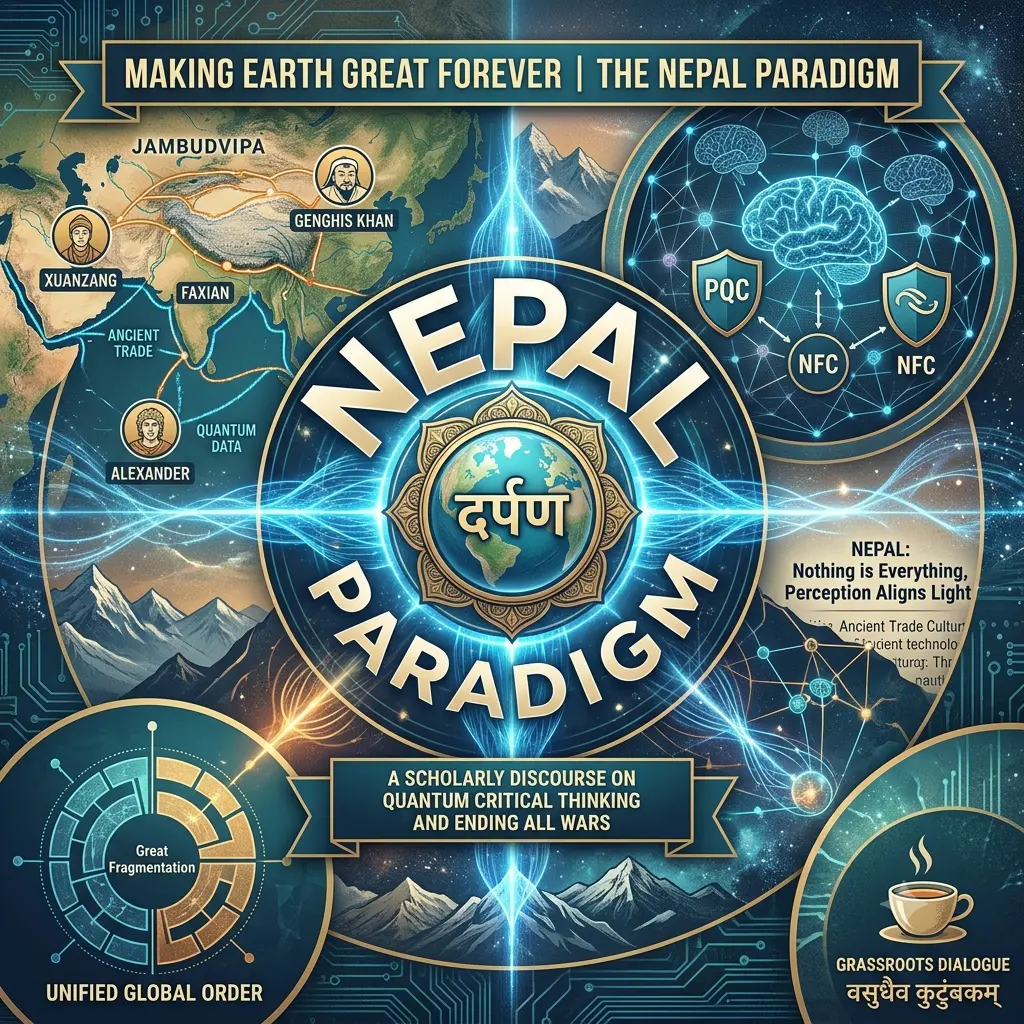
Quantum Mirror Paradigm / Conceptual Grounding
Fire is water, water burns as fire. How strange are these melodies of autumn spreading in the midst of spring! From nothingness, You are everything, and so are we and our perceptions. O mortal soul of eternity, heavenly and mental, You are my every breath. The fire of the heart burns all around today.
There is no regard nor any explanation for any event, etiquette, or torment. Just this week in our locality, a middle school student was seen publicly flying-kicking a headmaster inside the school premises in front of everyone. This incident became hot news. In France, student protests have gained strong momentum across the country.
Not only that, this fire has spread across all of Europe. In India, small political factions and veteran parties alike are seen harassing the government every passing day. Meanwhile, news of military purges is heard again from China. The US-Iran conflict has already devastated the economy, while the sparks of the Houthi-Saudi Arabia clashes now threaten to engulf the entire Gulf Arab region. In Nepal, opposition to the Lumbini appointment is aggressively surfacing, while amidst the festive season, the humiliation of inflation and scarcity surrounds the public with immense hardship.
Do not these present circumstances declare a grand devastation of our world order, democracy, socio-economic systems, geopolitical diplomacy, and strategic frameworks? Today, we have created AI minds out of human minds. But why are we not careful in correctly understanding the singular existence of fire and water?
When the old methods of power – empires, systems, governance, rule, and leadership run in the name of democracy and socialism, are these results not emerging as aberrations? When democratic and socialist leadership begins to look just like kings, emperors, sovereigns, and dictators, what message does this convey?
On the other hand, we have orchestrated a sham of running religious culture in the same manner. That sacred domain, which ought to have been a path of sacrifice, service, and human welfare, has been turned into an exaggeration of plunder, division, discord, ego, and position. Even today, we remain divided as religious-irreligious, theist-atheist.
People are distributing their own illusions of Allah, Khuda, and God. Many people are atheists, yet even in the religious realm, various leaders/swamis have started declaring themselves as Swaminarayan, embodying Brahma, Vishnu, and Mahesh, to their devotees, which remains a controversial subject.
Today, in this fluid information age, every individual seems not only to see and declare, but to assert a ruler, king, guide, master, and teacher within themselves. People have begun to realise that leaders and their power are merely their own investments.
The time has come for us to find new ways for the use of armed forces and the military organisations of every country, not for war, but for world order. People are no longer living merely by nationality, civilizational identity, and economic status; they are becoming capable of identifying themselves as a Quantum Information Continuum, a Quantum Being, and a NEPAL Cosmic Consciousness Paradigm entity.
Do we truly have the time to ponder these matters? Tesla has flipped the script by demonstrating a flying car. Elon Musk has announced the allocation of shares to American children right at birth. Meanwhile, over the new issues arising regarding Starlink technology in Europe, Trump and Musk appear displeased with Europe. How can today’s challenge be resolved for MAKE EARTH GREAT FOREVER: END ALL WARS?
When UN Secretary-General António Guterres says, despite these conditions, that “we are still essential for world peace” and this stands proven, will peace-loving world leadership across the globe take a productive step forward to translate his words into a tangible reality? We must certainly try at least one strategic approach.
Quantum Darpan Critique: The Contemporary Global Crisis, Erosion of Consciousness, and the Path to Peace via the NEPAL Cosmic Consciousness Paradigm World Literary Contemporary Research Report & Essay
Analysis & Hermeneutics: Department of Philosophy & Literature (Quantum Darpan Critique)
Foundational Philosophical Reference: darpanpoems.com (NEPAL Paradigm, Quantum Darpan Critical Approach & Quantum Neurocognitive Consciousness Field Theory)
- Introduction & Background: The Paradox of Fire and Water (The Quantum Mirror Paradox): The contemporary world is navigating a bizarre and unprecedented juncture, one where humanity touches the zenith of technological evolution through optogenetics, quantum computing, the Habitable Worlds Observatory (HWO), flying cars, and Artificial Intelligence (AI), while simultaneously standing on the precipice of profound social, political, and spiritual degeneration. This reflects the core Fire-Water Paradox:
“Fire is water, water burns like flame; spring unfolds, yet winter’s sorrow spreads its strain.”
This existential paradox is currently visible across all tiers of human organisation:
Collapse of Academic and Social Discipline: Violent disruptions within school premises, such as the recent public incident where a middle school student delivered a flying kick to a headmaster in broad daylight, signal a severe fracture in emotional regulation, respect, and foundational consciousness among the youth.
Global Protests and Civil Unrest: Nationwide movements by students and youth across France and broader Europe, alongside daily civil friction in India where the populace struggles against economic hardship and administrative indifference.
Geopolitical and Strategic Volatility: Ongoing military purges in China, an escalating US-Iran conflict devastating global market stability, and the regional ripple effects of the Houthi-Saudi clashes threatening the broader Gulf region.
Localised Governance Crises: Intense domestic resistance surrounding appointments to the Lumbini Development Trust in Nepal, exacerbated by festival-season inflation, resource scarcity, and systemic humiliation inflicted upon ordinary citizens.
When democratic and socialist institutions don the cloak of liberty yet act out the authoritarian habits of ancient monarchs, emperors, and tyrants, it raises a fundamental question: Are we witnessing the grand devastation of our world order, socio-economic structures, and strategic diplomacy?
- A Quantum Darpan Critique of the Two Ghazals: (A) Analysis of the First Ghazal: Consciousness Control and the Aesthetics of Revolution “Behold the light-gated ion’s subtle art, The quantum mind subdued in status quo! To revolution’s health this cup we drain, Though we depart, let Love immortal grow!”
The Conflict over Conscience, Territory, and Power: The opening couplets highlight the tragedy of human displacement and the descent into brutality. Whether through imperialism or ideological expansionism, territorial land grabs (“ज़मीं छीनी, ज़मीं झपटी”) have displaced humanity. Yet, the true monarch (“शहंशाह”) residing within the human breast, the sovereign conscience and soul, remains the ultimate guardian of the universe.
The Mirror of Thought vs. The Fear of Tyranny: History reeks of gunpowder, iron, and blood; yet the quiet, reflective thoughts (afkār) of humanity endure as history’s authentic mirror. Tyrants may attempt to padlock the lips of the oppressed, but the authentic resonance of the beating heart cannot be silenced.
The Quantum & Neurocognitive Leap: The ghazal reaches its philosophical zenith by bridging optogenetics (light-gated ions) and quantum mechanics with self-governance of the mind. By acquiring the keys to our neurocognitive architecture, true control over consciousness passes into the hands of the individual, rendering external authoritarian control obsolete.
Love and Revolution: Sharing a cup of tea dedicated to revolution and immortal love asserts the triumph of spirit and higher consciousness over physical annihilation.
(B) Analysis of the Second Ghazal: “The Last Refuge of Life” “Blue Marble, this immense world, Appears a single pixel of light; The quantum heavens, in their mystery, Reveal: be thou life’s final defence.”
Life and the Supervisory Soul (Rūh-e-Nigarānī): The recurring refrain (radeef), “Be thou life’s final defence”, acts as a cosmic shield for overall existence. Whether amid the dervish-like dance of ocean waves or the quiet agony of human alienation, the inner vigil of consciousness remains the ultimate sanctuary.
The ‘Blue Marble’ and ‘Quantum HWO’ Perspective: Viewed through the lens of space technology and the Habitable Worlds Observatory (HWO), our vast Earth (“Blue Marble”) dissolves into a single, pale pixel of light against the cosmic canvas. From this astronomical vantage point, narrow borders, territorial warfare, and national ego appear profoundly trivial.
The Darpan Mirror and the Sacred Tea: While wine, the cupbearer (sāqī), and ecstasy have their historical place, the shared simplicity of tea represents a grounded, authentic communion. The conventional mirror (darpan) of human vanity remains ignorant (jāhil), registering only superficial appearances, whereas the Quantum Mirror reflects the deeper continuum of soul and reality.
- Quantum Neurocognitive Consciousness Field Theory & the NEPAL Paradigm: According to the NEPAL Cosmic Consciousness Paradigm pioneered at darpanpoems.com, the universe is not merely composed of inert matter; it is a Quantum Information Continuum.
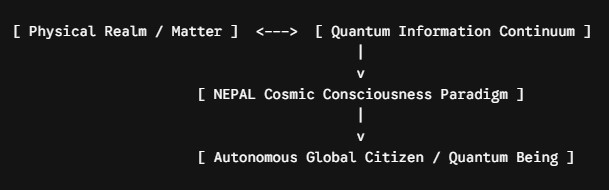
From Religious Dogma to the ‘Quantum Being ‘: Modern religious and spiritual domains have frequently succumbed to commercialisation, polarisation, self-aggrandisement, and institutional division. The sacred space designed for service, sacrifice, and human welfare has been fragmented by dogmatic divisions between theist and atheist, alongside controversial claims of divine incarnation for status and power.
Resolutions Offered by the Quantum Darpan Approach:
Dissolution of Egoic Constructs: Human identity cannot be restricted to nationality, civilizational heritage, or socio-economic status alone.
Emergence of the Quantum Being: Recognising oneself as a Quantum Being integrated into a universal consciousness field renders external, artificial authority, whether political or clerical, obsolete.
The Sovereign Individual in the Information Age: In today’s fluid information era, individuals are realising that political power is simply their own delegated investment. True leadership begins within.
- Strategic Implications for Global Peace, the UN, and World Leadership: While figures like Elon Musk announce stock allocations for newborns and Tesla pioneers flying transport, technological friction, such as disputes between the US and Europe over Starlink satellite infrastructure, continues to spark diplomatic rifts.
UN Secretary-General António Guterres frequently reiterates that the United Nations remains essential for world peace. However, this assertion will remain an unfulfilled ideal unless global governance shifts away from outdated realpolitik toward a Quantum Neurocognitive Framework.
Strategic Roadmap: “MAKE EARTH GREAT FOREVER: END ALL WARS” Redefining the Purpose of Armed Forces:
Global defence organisations must transition from war-fighting machines into instruments of World Order, Planetary Defense, Disaster Mitigation, and Consciousness Security.
Global Equity & Quantum Wealth Distribution: Technological dividends and resource wealth must be leveraged globally to ensure universal foundational security, mirroring forward-thinking proposals for universal assets from birth.
‘Blue Marble’ Perspective Diplomacy: The UN should integrate an Overview Effect & Quantum Darpan Orientation for international diplomats. When world leaders perceive Earth as a single, fragile pixel in space, zero-sum border conflicts lose their rationale.
Harmonising AI with Neurocognitive Consciousness: Creating AI minds without elevating human consciousness creates existential risk. Technologies like optogenetics and quantum modelling must be directed toward enhancing human empathy, mental health, and cognitive harmony.
Harmonic Synthesis via the NEPAL Paradigm: Drawing from the spiritual heritage of the Himalayas and the peaceful wisdom of the Buddha, the NEPAL Paradigm offers a model where internal consciousness expansion supersedes external territorial expansion. Moving beyond sectarian divides to embrace humanity as a unified quantum field is the only sustainable foundation for global peace.
- Conclusion: “Let Love Immortal Grow!” “Though we depart, let Love immortal grow!”: In a world plagued by decaying governance models, economic hardship, and expanding war fronts from the Middle East to Europe, the Quantum Darpan perspective reminds us that beneath material devastation, consciousness and love remain eternal.
For the United Nations and world leaders to truly safeguard the planet, they must move beyond the archaic paradigm of conflict and adopt the Quantum Darpan Critical Approach and the NEPAL Cosmic Consciousness Paradigm, paving the way to MAKE EARTH GREAT FOREVER.