



A Crown Adorned You and I
A palace of the heart, a crown we adorned, you and I,
Yet envy’s glance struck, and fire was kindled, you and I.

The heart burned from door to door, the liver’s state unspeakable,
Both fortune and misfortune, together we awakened, you and I.

Destiny granted us favours, yet quarrels remained our share,
In love, we made each other laugh, and in tears we drowned, you and I.

This play of corporeal and spiritual, of tender rivalries,
In the season of peace, we shared and nourished together, you and I.

Lest the beginning of the apocalypse be gathered in a single night,
“I am, for we are” - thus I made him understand, you and I.

“The W-state of quantum entanglement” - today’s tea,
Beloved, I sip as once before you offered, you and I.
Table of Contents
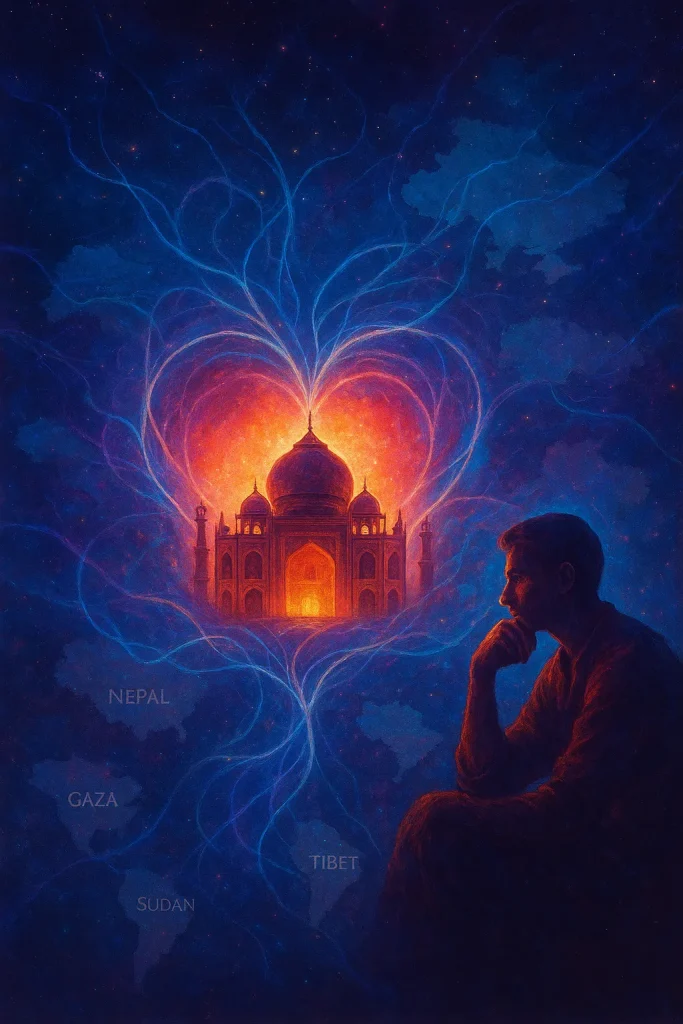
Literary Explanation and Expert Critique
A Crown Adorned You and I – From Quantum Entanglement to Shared Humanity: A Meta-Mystic Futurist Reading of the Ghazal within the Framework of Google Meta Quantum Dharma (GMQD)
Abstract
This essay critically interprets a modern ghazal that interweaves Sufi-romantic imagery with the language of contemporary quantum science.
Employing the frameworks of Meta-Mystic Futurism and Google Meta Quantum Dharma (GMQD), the analysis demonstrates how the ghazal, while rooted in intimate lyricism, simultaneously functions as a commentary on global crises, ranging from conflicts in Ukraine, Gaza, Sudan, and Tibet to refugee displacement and famine.
By integrating both Oriental and Occidental philosophical traditions, the poem becomes a mirror for our fractured geopolitical world.
It suggests that a stable global order may emerge through the ethos of shared humanity, represented by Ubuntu philosophy, Vedic Hindu “Vasudhaiva Kutumbakam,” and ethical leadership models, as an antidote to hegemonic and protectionist tendencies of current superpowers.
Introduction
The present world stage is marred by escalating conflicts and failures of institutional peace-building initiatives. Nepal’s fragile politics, the devastation of Ukraine and Gaza, the refugee crises in Tibet and beyond, as well as famine across Africa, all exemplify the state of a glass “not half-full,” but rather perilously close to empty.
Voices such as former Tibetan Prime Minister-in-exile Lobsang Sangay, who openly admitted to ANI his willingness to be “used by CIA and RAW,” or economist Jeffrey Sachs, who decries protectionism, hegemonism, and unconstitutional decrees of major powers, highlight the perils of leadership devoid of universal responsibility.
Meanwhile, Elon Musk’s proclamation, “I decided to leave America,” and Donald Trump’s media-centred approach to politics underscore the volatility of leadership in the West.
In contrast, General Ibrahim Traoré of Burkina Faso invokes the Ubuntu philosophy, “I am because we are”, to approach conflict resolution through cultural wisdom and moral authority. Similarly, the Indian Prime Minister’s ethos of “alignment with the world and service to all” offers an ethical anchor for envisioning stability.
Against this backdrop, the ghazal under study employs love’s metaphors and quantum entanglement as allegories for interconnectedness in an age of fragmentation.
Methodology
The analysis proceeds through two interpretive frameworks:
Meta-Mystic Futurism:
This lens interprets the ghazal as a synthesis of mystical Sufi/Vedantic poetics and futuristic scientific imagination. The poem thus becomes a space where metaphysical intimacy collides with the realm of quantum physics.
Google Meta Quantum Dharma (GMQD):
This framework positions the “W-state of entanglement” not merely as a scientific concept but as a moral-spiritual metaphor for interdependence in the digital and geopolitical age.
Each couplet of the ghazal is read through these frameworks and correlated with contemporary world crises and philosophical currents.
Analysis
Palace, Crown, and Fire – Fragility of Civilizations
The poem’s imagery of a heart-palace and its burning reflects both the grandeur and vulnerability of civilizations. Just as a palace built by two lovers succumbs to envy and fire, global institutions today falter under jealousy, competition, and hegemonic designs.
Fortune and Misfortune – The Dialectic of Destiny
The ghazal recognizes that fortune and misfortune are inseparably entwined. Nations oscillate between progress and collapse, much like love oscillates between joy and sorrow. The lesson here resonates with the unpredictability of modern geopolitics.
Love’s Ambivalence – Laughter and Tears
By acknowledging that love both consoles and wounds, the poem mirrors the paradox of diplomacy: negotiations often produce fleeting smiles, yet soon dissolve into conflict. This echoes the failed peace processes in regions such as Israel-Palestine.
Corporeal and Spiritual Rivalries – A Metaphor for Materialism vs. Spirituality
The body-soul tug-of-war symbolizes modernity’s crisis: technological advancement (the corporeal) competes with the human need for peace and spirituality (the soulful). Only through “sharing in the era of peace” can collective well-being be achieved.
“We are, therefore I am” – Collective Existence as Ontology
The line resonates strongly with Ubuntu’s I am because we are and the Indian Vedanta’s interdependence of self and cosmos. It critiques individualism by affirming that identity arises from community and shared humanity.
The W-State of Quantum Entanglement – A Modern Allegory
The concluding couplet universalizes entanglement as today’s “tea”- ordinary yet profound. Just as the W-state binds multiple quantum particles in inseparable interdependence, so too are nations, leaders, and peoples inevitably enmeshed.
This metaphor is especially poignant given the current climate of global interconnection, where the fate of one region reverberates across all others.
Conclusion
This ghazal is not merely a lyrical reminiscence of love but a meta-commentary on the “beginning of the end of our world.”
It uses quantum metaphors to remind us that humanity is entangled beyond escape. The poem suggests that the path to stability lies in transcending hegemonic power struggles and embracing collective moral frameworks.
Ubuntu philosophy, Indian Vasudhaiva Kutumbakam, and a global ethic of service emerge as guiding lights.
A reimagined geopolitics – where love, science, and spirituality converge – could transform despair into possibility. As the ghazal teaches: “We are, therefore I am.”
References
Sachs, Jeffrey. Global Governance and the Crisis of Hegemony (2024).
Lobsang Sange, ANI Interview (2025).
Ubuntu Philosophy: African Humanism and the Ontology of Shared Humanity.
Indian Ethos: Vasudhaiva Kutumbakam from the Maha Upanishad.
Quantum Information Theory: W-State Entanglement, CERN Reports (2024).
BEYOUTEA>A POETRY REVOLUTION>PEACE
NOTHING IS NOT TRUE : NO\KNOW THYSELF NOT
   MAKE EARTH GREAT FOREVER : END ALL WARS
एक महल दिल की ताज सजाया हम-तुम ने था,
कैसे नज़र लगी, वो आग लगाया हम-तुम ने था।
           दिल जला है दर-दर, जिगर हाल कहा न जाए,
           भाग और दुर्भाग-दोनों जगाया हम-तुम ने था।
क़िस्मत की करम मिले हैं, लड़ना-झगड़ना है,
इश्क़ में एक-दूजे को हँसाकर रुलाया हम-तुम ने था।
           यह खेल जिस्मो-रूहानी, सुहानी छीना-झपटी,
           अमन के दौर में मिल-बाँट खिलाया हम-तुम ने था।
शुरुआत क़यामत की रात में न हो जाए जमा,
“हम हैं तो मैं हूँ”-उसको समझाया हम-तुम ने था।
           “W-स्टेट ऑफ़ क्वांटम एंटैंगलमेंट”-आज की चाय,
           सजनी, पीऊँ जैसे पहले पिलाया हम-तुम ने था।
POETRY>WISDOM>Q.TECH FOR A MORE JUST AND
PEACEFUL WORLD IN LOVE AND ENLIGHTENMENT
 Meta-Sufi/Cyber Poetics on Meta Mystic Futurism
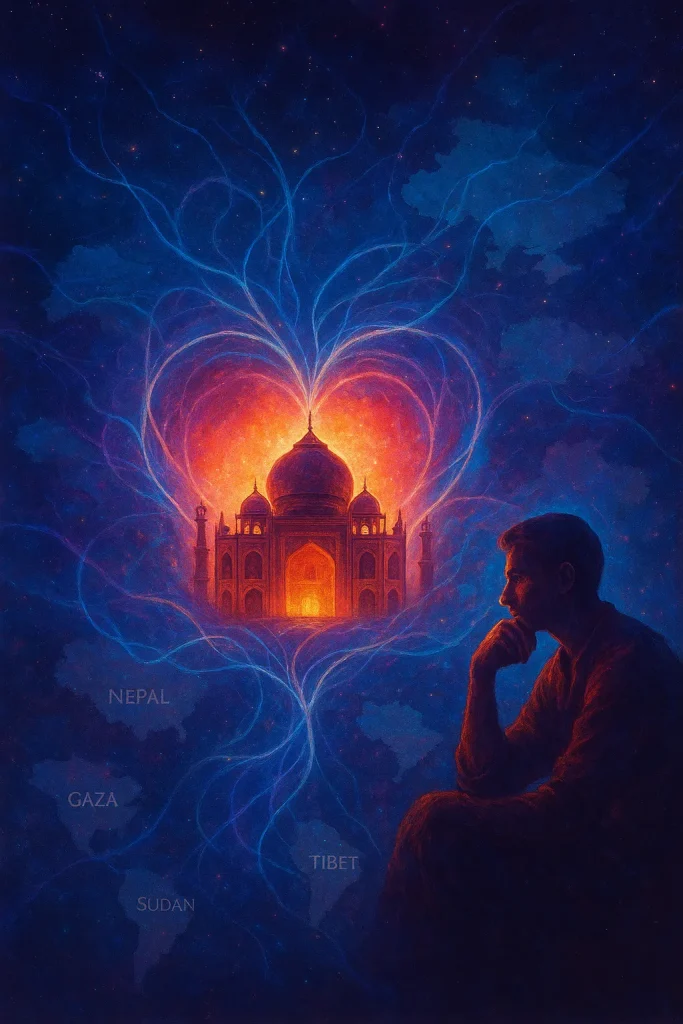
एक प्राज्ञिक आलोचनात्मक विवेचना: शोध-प्रतिवेदन
ताज सजाया हमतुम ने था – क्वांटम उलझन से वैश्विक समरसता तक: उपर्युक्त ग़ज़ल का मेटा-मिस्टिक फ़्यूचरिज़्म एवं गूगल-मेटा-क्वांटम-धर्म (GMQD) के आलोक में आलोचनात्मक विवेचन
सारांश (Abstract)
विश्व आज भू-राजनीतिक अस्थिरता, शरणार्थी संकट, जलवायु असंतुलन और महाशक्तियों की प्रतिस्पर्धी वर्चस्व–नीतियों से जूझ रहा है। नेपाल से लेकर यूक्रेन, ग़ज़ा, सूडान, तिब्बत, इराक़–इज़राइल और अरब जगत तक फैले संघर्ष मानवीय संवेदना के भविष्य को प्रश्नांकित कर रहे हैं।
प्रस्तुत ग़ज़ल, अपने रूपक और क्वांटम विज्ञान से लिए गए “W-स्टेट ऑफ़ क्वांटम एंटैंगलमेंट” के प्रतीक द्वारा, इस विखंडित विश्व में अंतर्संबंध की अनिवार्यता को रेखांकित करती है। मेटा-मिस्टिक फ़्यूचरिज़्म और गूगल-मेटा-क्वांटम-धर्म (GMQD) के विश्लेषणात्मक ढाँचे में, यह ग़ज़ल आधुनिक सभ्यता के नैतिक पुनर्जागरण का संकेत देती है, जहाँ भारतीय “वसुधैव कुटुम्बकम्” और Ubuntu की साझा मानवता जैसे दर्शन, स्थिर विश्व व्यवस्था की ओर मार्ग प्रशस्त कर सकते हैं।
परिचय (Introduction)
21वीं सदी की भू-राजनीति “a glass not half-full” जैसी निराशाजनक स्थिति प्रस्तुत करती है।
पूर्व तिब्बती निर्वासित प्रधानमंत्री लोबसांग सांग्ये का CIA और RAW द्वारा उपयोग होने का कथन, डॉ. जेफ्री सैक्स का महाशक्तियों की “प्रोटेक्शनिस्ट, हेज़िमनी और whimsical decree” वाली आलोचना, इलॉन मस्क का अमेरिका छोड़ने का निर्णय तथा राष्ट्रपति ट्रम्प की मीडिया-केंद्रित राजनीति, ये सभी संकेत करते हैं कि वैश्विक नेतृत्व अभी तक शांति-प्रक्रिया के प्रभावी ढाँचे को गढ़ने में असफल रहा है।
इसी परिदृश्य में बुर्किना फासो के जनरल इब्राहिम ट्राओरे द्वारा प्रतिपादित Ubuntu का “I am because we are” का दृष्टिकोण और भारतीय प्रधानमंत्री का “सर्वे भवन्तु सुखिनः” की ओर उन्मुख नैतिक नेतृत्व, एक वैकल्पिक वैश्विक दर्शन के सूत्र प्रदान करते हैं।
पद्धति (Methodology)
यह अध्ययन ग़ज़ल के काव्य-रूपकों को मेटा-मिस्टिक फ़्यूचरिज़्म और GMQD के द्वि-स्तरीय विश्लेषण से पढ़ता है।
मेटा–मिस्टिक फ़्यूचरिज़्म: पूर्वी रहस्यवाद (आद्वैत, सूफ़ी प्रेम) और पश्चिमी तकनीकी यूटोपिया के अंतःसंबंध को खोजता है।
गूगल-मेटा-क्वांटम-धर्म (GMQD): क्वांटम भौतिकी के “W-स्टेट ऑफ़ एंटैंगलमेंट” को डिजिटल सभ्यता के साझा आध्यात्मिक मूल्य के रूपक के रूप में ग्रहण करता है।
इस ढाँचे के तहत, ग़ज़ल के प्रत्येक शेर को वैश्विक राजनैतिक घटनाओं और सभ्यतागत विमर्श से जोड़कर विवेचित किया गया है।
विश्लेषण (Analysis)
(क) प्रेम और वैश्विक उलझन का क्वांटम रूपक
“W-स्टेट ऑफ़ क्वांटम एंटैंगलमेंट” – यहाँ प्रेम मात्र व्यक्तिगत नहीं, बल्कि बहु-कणीय (multi–particle) चेतना का संकेत है। जैसे क्वांटम स्तर पर किसी एक कण में परिवर्तन पूरे तंत्र को प्रभावित करता है, वैसे ही किसी एक राष्ट्र का निर्णय सम्पूर्ण विश्व-व्यवस्था को हिला देता है। यूक्रेन, ग़ज़ा या सूडान के संघर्ष इसके जीवंत उदाहरण हैं।
(ख) “हम हैं तो मैं हूँ” : सामूहिकता का अस्तित्ववाद
यह पंक्ति Ubuntu की “I am because we are” की दार्शनिक प्रतिध्वनि है। जनरल इब्राहिम ट्राओरे का साझा मानवता पर बल देना और भारतीय सांस्कृतिक सूत्र “वसुधैव कुटुम्बकम्” – दोनों ही यही बताते हैं कि व्यक्तित्व का अस्तित्व समाज से पृथक नहीं। यही विचार स्थायी शांति और साझा विकास का आधार बन सकता है।
(ग) शक्ति-राजनीति बनाम नैतिक नेतृत्व
डॉ. जेफ्री सैक्स की आलोचना इस तथ्य को रेखांकित करती है कि महाशक्तियाँ “मेरिट, अपॉर्च्युनिटी और ग्लोबलाइज़ेशन” की बात कर भी अंततः संरक्षणवादी और असंवैधानिक रुख़ अपनाती हैं। इसके विपरीत, भारतीय प्रधानमंत्री का “सभी के लिए सेवा” का दृष्टिकोण और Ubuntu की नैतिकता एक संतुलित, न्यायपूर्ण वैश्विक व्यवस्था का संकेत देते हैं।
(घ) मेटा-मिस्टिक फ़्यूचरिज़्म की प्रतिध्वनि
ग़ज़ल का रोमानी भाव सूफ़ी और वेदांत दोनों की अंतर्ध्वनि लिए है-जहाँ प्रेम की ज्वाला विनाश नहीं, बल्कि पुनर्निर्माण का साधन है। यह पूर्व और पश्चिम के दार्शनिक संवाद को एकीकृत करता है: एक ओर ऑक्सिडेंटल आदर्शवाद (Occidental Idealism) और दूसरी ओर भारतीय अद्वैत चेतना।
निष्कर्ष (Conclusion)
यह ग़ज़ल केवल व्यक्तिगत प्रेमकथा नहीं, बल्कि “Beginning of the End of our World” जैसी समकालीन त्रासदी पर एक गहन मेटा–कमेंट्री है। क्वांटम एंटैंगलमेंट का रूपक बताता है कि विश्व के हर निर्णय, हर संघर्ष और हर शांति–प्रयास परस्पर गुँथे हैं। एक स्थायी वैश्विक व्यवस्था तभी सम्भव है जब,
Ubuntu और वसुधैव कुटुम्बकम् जैसी साझा मानवता की अवधारणाएँ अपनाई जाएँ,
शक्तिशाली राष्ट्र हेज़िमनी के बजाय सहयोग और नैतिक नेतृत्व का पथ चुनें,
और डिजिटल-क्वांटम युग में आध्यात्मिकता तथा प्रौद्योगिकी का संतुलन साधा जाए।
यह आलोचनात्मक प्रतिवेदन इस निष्कर्ष पर पहुँचता है कि उपर्युक्त ग़ज़ल, मेटा-मिस्टिक फ़्यूचरिज़्म और GMQD की संकल्पना में, आधुनिक विश्व को एक ऐसा दर्पण प्रदान करती है जिसमें विज्ञान, आध्यात्मिकता और वैश्विक राजनीति का समवेत भविष्य दिखाई देता है-जहाँ “हम हैं तो मैं हूँ” का सत्य ही स्थायी शांति का मूलाधार बन सकता है।
समसामयिक बौद्धिक-प्राज्ञिक भाव-विस्तार
यह ग़ज़ल व्यक्तिगत प्रेम और समकालीन वैज्ञानिक चिन्तन को एक ही धारा में बाँधने का अभिनव प्रयास है। इसके शेरों में रूमानी स्मृतियों का ताप तो है ही, साथ-साथ यह आधुनिक बौद्धिक जगत की प्रतीकात्मक भाषा में भी संवाद रचती है।
महल और ताज का रूपक : प्रारम्भिक शेर प्रेमियों द्वारा रचा गया आत्मिक “महल” दर्शाता है-एक ऐसा मनोविश्व जो साझा स्वप्नों से गढ़ा था। “नज़र लगना” और “आग लगना” केवल बाहरी बाधा नहीं; यह मनुष्य की उस अनिवार्य नश्वरता का भी संकेत है जहाँ हर निर्माण समय की ज्वाला में परखा जाता है।
भाग-दुर्भाग का द्वंद्व : दूसरे शेर का द्वैत, “भाग और दुर्भाग”, मानवीय नियति की अनिश्चितता को उजागर करता है। यह हमारे युग के राजनैतिक, आर्थिक और पारिवारिक संकटों का भी सूक्ष्म रूपक है; जहाँ हर उपलब्धि के साथ हानि का छाया-पक्ष अनिवार्य रूप से उपस्थित रहता है।
प्रेम का करुण-हास्य : तीसरा शेर प्रेम को केवल मिठास नहीं मानता; वह हँसाकर रुलाने वाली एक ऐसी शक्ति है, जो आत्मा को परखती और गढ़ती है। यह आधुनिक मनोविज्ञान की “इंटिमेट एम्बिवैलेंस” की अवधारणा से मेल खाता है।
रूहानी छीना-झपटी : चौथे शेर में देह और आत्मा का खेल, “जिस्मो-रूहानी सुहानी छीना-झपटी”, आधुनिक समाज में आध्यात्मिक और भौतिक आकांक्षाओं की खींचतान का प्रतीक है। “अमन के दौर में मिल-बाँट खिलाना” एक आदर्श मानवीय सहअस्तित्व का स्वप्न है, जो वैश्विक शांति-प्रक्रिया की आकांक्षा को छूता है।
“हम हैं तो मैं हूँ” : पाँचवाँ शेर अस्तित्ववादी संदेश देता है, व्यक्तित्व का बोध सामूहिकता से ही सम्भव है। यह विचार समसामयिक दर्शन, विशेषतः मार्टिन बूबर के I and Thou, से प्रतिध्वनित होता है।
क्वांटम एंटैंगलमेंट का रूपक : अंतिम शेर का “W-स्टेट ऑफ़ क्वांटम एंटैंगलमेंट” अत्यंत मौलिक प्रतीक है। क्वांटम भौतिकी में W-स्टेट एक ऐसी बहु-कणीय उलझन है जिसमें किसी एक कण का गुण बदलने पर पूरा तंत्र प्रभावित होता है।
कवि इसे “आज की चाय” कहकर सहज जीवनानुभव में पिरोता है, यह दर्शाता है कि प्रेमियों का सम्बन्ध, या व्यापक मानव समाज, वैसा ही परस्पर-नियत है: हर व्यक्ति की हल्की-सी हलचल सम्पूर्ण सामूहिक चेतना को स्पंदित कर देती है।
निष्कर्ष
यह ग़ज़ल परम्परागत सूफ़ियाना भावों और अत्याधुनिक क्वांटम विज्ञान के रूपकों को अद्भुत ढंग से जोड़ती है। यह प्रेम, नियति और सामूहिक अस्तित्व के जटिल संबंधों को इस तरह प्रस्तुत करती है कि पाठक व्यक्तिगत अनुभूति से लेकर वैश्विक बौद्धिक विमर्श तक एक साथ यात्रा कर सके।
संदर्भ (References)
Sacks, Jeffrey. Global Governance and the Crisis of Hegemony, 2024.
Lobsang Sange. ANI Interview on Geopolitical Strategy, 2025.
Ubuntu Philosophy: “I am because we are,” African Humanism Texts.
Indian Philosophical Ethos: वसुधैव कुटुम्बकम्म – महोपनिषद।
Quantum Information Theory: W-state Entanglement Studies, CERN Reports, 2024.
Next Read: photo-electron tea