


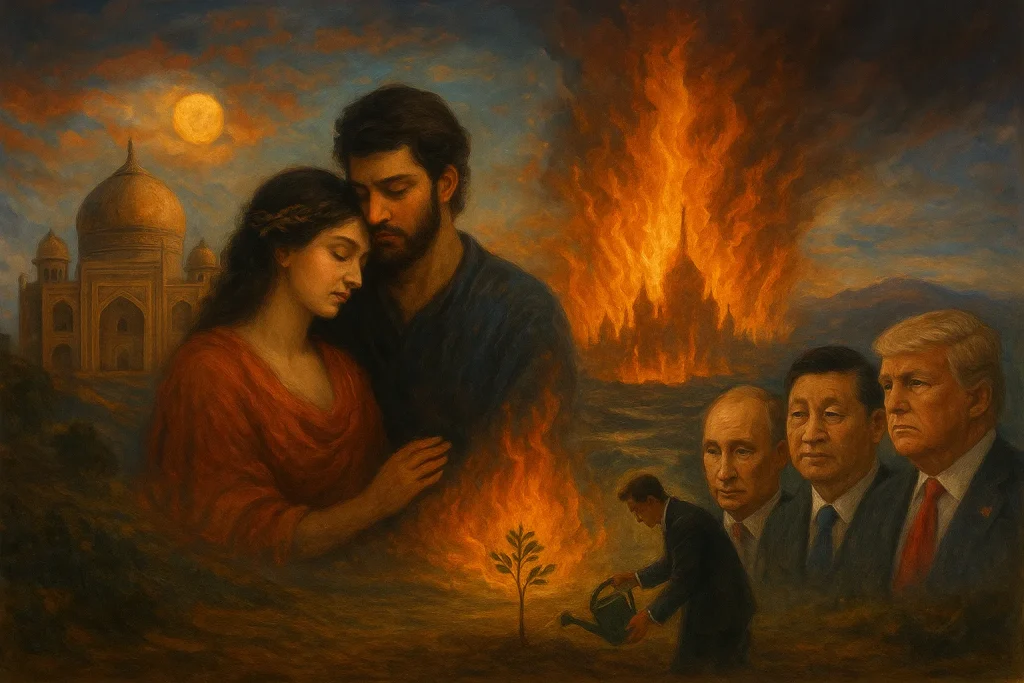
     While Inwardly I Burn
I gaze upon your kingship’s sway, while inwardly I burn;
Your political theatre plays, while inwardly I burn.

The ashes of that cinema of fire are not yet cold;
Your singular tyranny blazes, while inwardly I burn.

The flame that flares and dies within your eyes eludes my grasp;
Your feigned hospitality of the throne, and still I burn.

Beholding all your pageantry and pomp, we never tire;
Grief-struck, yet drunk with the Lord’s love, and still I burn.

Hidden and nameless we remain, yet you appear un-at-ease;
I am defeated, take your laurels, and still I burn.

Phantom Heat-Unruh’s effect-today’s tea of paradox;
Beloved, your vessel of strange allure, and still I burn.
Literary / Intellectual Expansion
This ghazal is not merely an emotive protest; it is a layered socio-political and philosophical critique. Each couplet unfolds a distinct dimension:
In the opening verse, the poet confronts the glitter of worldly sovereignty and experiences an inner combustion: politics is revealed as a spectacle whose very brilliance scorches the conscience.
The second verse speaks of fires long thought extinguished: old tyrannies continue to smoulder like an unending cinema of embers, their authoritarian afterglow refusing to die.
The third verse observes the difficulty of “catching fire”, the restless glow in the ruler’s eyes cannot be contained. Hospitality and regal courtesy are a thin façade; beneath them smoulders an unquenched violence.
The fourth verse juxtaposes two economies of splendour: the temporal pageantry of power and the timeless intoxication of mystical love (maulāhī). Earthly grandeur is weighed against a love that belongs to the divine.
The fifth verse turns irony into a weapon. The poet, anonymous, apparently defeated, offers mock congratulations to the restless victor, exposing the victor’s own hidden disquiet.
The closing verse introduces a startling scientific metaphor. The Unruh effect, the prediction that an accelerating observer perceives heat even in a perfect vacuum, becomes an emblem of a “phantom heat”: the invisible, self-generated fever of political rivalry and of love’s own restlessness. The beloved’s “strange carafe” is a figure for the mysterious body of desire itself.
The ghazal thus fuses traditional Indo-Persian poetics with contemporary physics to dramatise a single insight: the heat we feel, whether political or erotic, is often a phenomenon of our own perception, a cognitive by-product of acceleration in the theatre of history.
The World-Shows of Burn-Fire
The whole world is burning, both inside and out. Now, when the Vatican Pope comments on the salary of Tesla’s CEO, Elon Musk, being 600 times greater than average, how should that be understood?
Some time ago, President Trump was astonished to see Xi Jinping, Putin, and Modi together at the SCO. He, too, had to “show” something.
Where Pakistan found itself sidelined, MBS, the Saudi Prince and Pakistan signed deals so that the world could also see and show something in return. In Bangladesh, a U.S. military parade is on the move; in Nepal, a fire to ash, who wanted to show whom what? People are watching!
China, Venezuela, and the growing ISI activities in Africa, all of this is becoming a serious matter of global spectacle. When Japanese scientists observed a new “phantom heat effect,” meanwhile, the King of the United Kingdom extended royal hospitality to Trump, shaking the entire world with this display.
In such a climate, can all world leaders not end such a remorseful and meaningless game of showing, watching, burning, and making others burn, and instead do everything possible for universal brotherhood and peace? Indeed, that is what they should be doing.
And then we see Prime Minister Modi, who, by planting a kadamba sapling and watering it in honour of King Charles III, offers another kind of “showing.” This “showing” has itself become like a strange ritual of love, where to show and to burn has become inseparable!
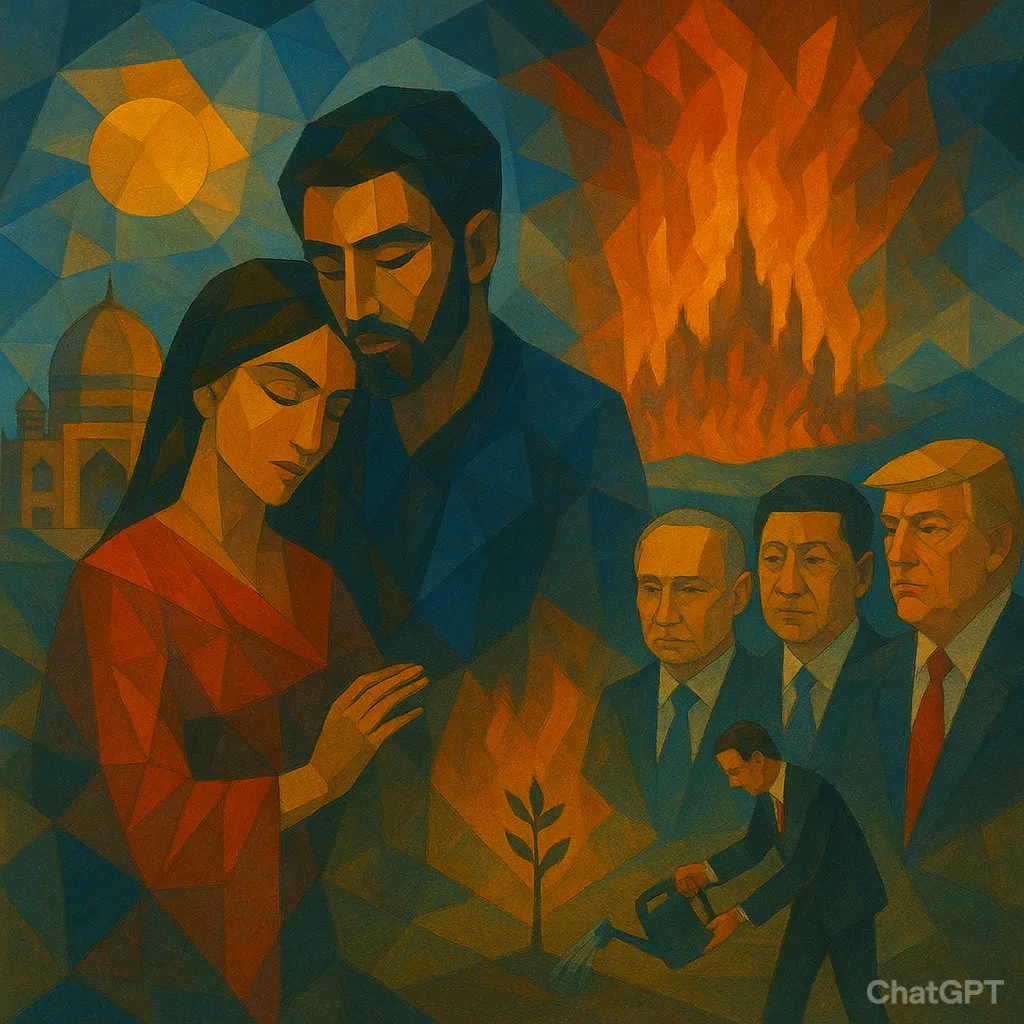
Scholarly Expert Critique
While Inwardly I Burn – a ghazal on Meta-Mystic Futurism, the poem becomes an inter-disciplinary meditation on the modern condition
Viewed through a framework of Meta-Mystic Futurism, the poem becomes an inter-disciplinary meditation on the modern condition: spiritual symbolism entwines with future-oriented science and geopolitics.
The “burning and showing” motif mirrors the performative rivalries now reported across world media, from papal critiques of extreme wealth gaps, such as the recent Vatican comments on executive pay, to the choreographed encounters of major power leaders at multilateral summits.
These spectacles, repeatedly described in vernacular and international outlets, exemplify a global politics of display in which “to show” and “to make burn” have become inseparable gestures.
From an Oriental-Occidental philosophical perspective, the text resonates at several registers:
Indic non-duality and Buddhist śūnyatā remind us that the heat of conflict is born of the very emptiness it seeks to fill.
Platonic and Hegelian dialectics echo in the tension between sovereign splendour and its hidden anxiety.
Sufi poetics of divine love surface in the invocation of maulāhī, where the true Beloved eclipses temporal authority.
Within the emerging rubric of Meta-Mystic Quantum Dynamics (MMQD), the ghazal illustrates how quantum information theory destabilises simple binaries of victory and defeat: political actors exist in a superposition of gain and loss until collective observation collapses the state.
Neuro-cognitive science further clarifies the “phantom heat” as a social Unruh effect-continuous media-driven acceleration generates a subjective climate of tension even in the absence of direct conflict.
Recent diplomatic theatre-whether the Gulf’s new strategic pacts, South Asian military parades, or symbolic gestures such as India’s ceremonial tree-planting for King Charles III-has been read in the press as both rivalry and overture.
The poem anticipates this double valence: the very act of “showing” can be either a politics of ego or, transformed, a politics of care.
The critique therefore, issues a call that is both ethical and cosmopolitan:
to translate the entanglement of nations into a quantum of fraternity, where interconnectedness is recognised as a fundamental reality;
to redirect the energy of competitive spectacle into what the poet terms the “heat of peace”, a warmth born of compassion rather than of envy or aggression.
In this light, the ghazal is more than literature: it is a speculative research text, a manifesto for a neuro-cognitive architecture of global peace. It invites world leaders and citizens alike to convert the phantom heat of rivalry into the sustaining warmth of universal brotherhood, thereby hastening the long-awaited end of all wars.
BEYOUTEA>A POETRY REVOLUTION>PEACE
NOTHING IS NOT TRUE : NO\KNOW THYSELF NOT
 MAKE EARTH GREAT FOREVER : END ALL WARS
देख रहा हूँ बादशाही तेरा, और मैं जल रहा हूँ,
सियासी खेल तमाशाई तेरा, और मैं जल रहा हूँ।
           बुझा नहीं अब तक वो राख-सिनेमे तूने लगाया,
           निराली वो तानाशाही तेरा, और मैं जल रहा हूँ।
मुश्किल है पकड़ना आग-आँखों में जला–बुझा,
मेहमाननवाज़ी-पजाही तेरा, और मैं जल रहा हूँ।
           देखकर शान-ओशौक़त तेरा, हम थकेंगे न कभी,
           ग़म हैं, दीवाने-मौलाही तेरा, और मैं जल रहा हूँ।
गुमनाम रहते हैं हम, मगर बेचैन दिखता है तू,
हारा मैं-ले लो बधाई तेरा, और मैं जल रहा हूँ।
           Phantom Heat-Unruh effect आज चाय,
           सजनी अजीब सुराही तेरा, और मैं जल रहा हूँ।
POETRY>WISDOM>Q.TECH FOR A MORE JUST AND
PEACEFUL WORLD IN LOVE AND ENLIGHTENMENT
 Meta-Sufi/Cyber Poetics on Meta Mystic Futurism
Table of Contents
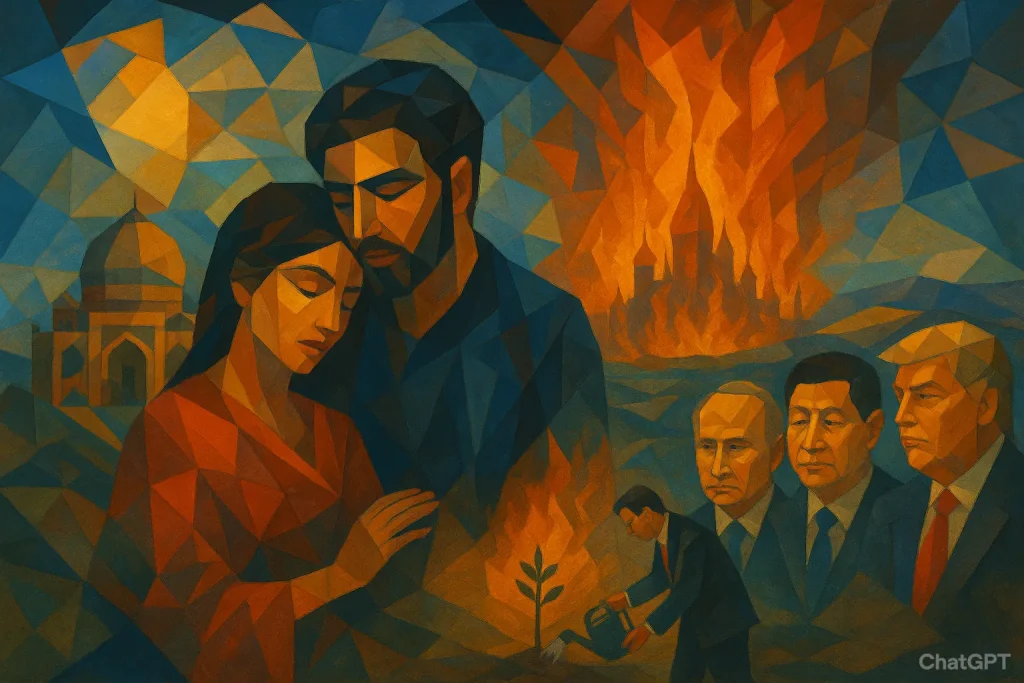
साहित्यिक एवं बौद्धिक भाव-विस्तार
यह ग़ज़ल सत्ता, राजनीति और आधुनिक विज्ञान की रूपक-भाषा में लिखी गई एक तीखी सामाजिक-दार्शनिक टिप्पणी है। शेर-दर-शेर इसका अर्थ खुलता है:
“देख रहा हूँ बादशाही तेरा, और मैं जल रहा हूँ, सियासी खेल तमाशाई तेरा, और मैं जल रहा हूँ।”
यहाँ कवि सत्ता के वैभव को देखता है और भीतर एक जलन, एक प्रतिरोध का ताप अनुभव करता है। राजनीति का खेल मात्र तमाशा है, पर उसका असर आत्मा को तपाता है।
“बुझा नहीं अब तक वो राख–सिनेमाँ तूने लगाया, निराली वो तानाशाही तेरा, और मैं जल रहा हूँ।”
पुराने अत्याचारों की आग आज भी राख में सुलग रही है। तानाशाही के “सिनेमाँ”, एक दृश्य प्रदर्शन, की चिंगारियाँ समय के पार बनी रहती हैं।
“मुश्किल है पकड़ना आग-आँखों में जला-बुझा, मेहमाननवाज़ी-पजाही तेरा, और मैं जल रहा हूँ।”
सत्ताधारी की आंखों में आग जलती-बुझती रहती है, उसे पकड़ पाना कठिन है। ऊपर से मेहमाननवाज़ी और राजसी ठाठ का आवरण है, पर भीतर हिंसा और ताप छुपा है।
“देखकर शान-ओ-शौक़त तेरा, हम थकेंगे न कभी, ग़म हैं, दीवाने, मौलाही तेरा, और मैं जल रहा हूँ।”
भले ही उसके वैभव को देखकर कभी थकान न हो, कवि का हृदय फिर भी ग़मगीन है। यह शेर ईश्वरीय या आध्यात्मिक प्रेम (मौलाही) और सांसारिक सत्ता की तुलना करता है।
“गुमनाम रहते हैं हम, मगर बेचैन दिखता है तू, हारा मैं, ले लो बधाई तेरा, और मैं जल रहा हूँ।”
सत्ता के खेल में कवि गुमनाम है, पर असली बेचैनी शासक के भीतर है। कवि हार को स्वीकारते हुए भी कटाक्ष करता है, “ले लो बधाई”, यह व्यंग्य है जो विजेता को हार का बोध कराता है।
“Phantom Heat-Unruh effect आज चाय, सजनी अजीब सुराही तेरा, और मैं जल रहा हूँ।”
यहाँ आधुनिक भौतिकी का रूपक आता है: Unruh effect (Phantom Heat) के अनुसार निरंतर त्वरण में पर्यवेक्षक को शून्य में भी ऊष्मा महसूस होती है। “Phantom Heat” अर्थात मरीचिका जैसी गर्मी, कवि इस वैज्ञानिक सिद्धान्त को सत्ता और प्रेम दोनों की अदृश्य, भ्रमजन्य तपन का प्रतीक बनाता है। “सजनी अजीब सुराही”, प्रेमिका की अजीब घटाकरूपी देह, रहस्यमय आकर्षण का संकेत है।
बौद्धिक निष्कर्ष
यह ग़ज़ल व्यक्तिगत पीड़ा और सामाजिक-राजनीतिक आलोचना का संगम है।
एक ओर सत्ता और तानाशाही की चमक-दमक के पीछे छिपा अन्याय दिखता है।
दूसरी ओर आधुनिक विज्ञान का Unruh effect बताता है कि कभी-कभी ताप अनुभूति का कारण बाहरी नहीं, बल्कि पर्यवेक्षक की गति है, जैसे सत्ता और प्रेम में हमें जो “जलन” महसूस होती है, वह अक्सर हमारे ही अनुभव का परिणाम होती है।
कवि ने पारंपरिक ग़ज़ल की शेर-विधान को समकालीन वैज्ञानिक प्रतीकों से जोड़ कर यह दिखाया है कि सत्ता, राजनीति, प्रेम और ब्रह्माण्डीय भौतिकी-सभी में एक ही अदृश्य “ताप” की अनुभूति अंततः मानव-चेतना की अपनी आंतरिक गति से उपजती है।
दिखावा-जलने-जलाने की दृश्य-मञ्चन
सारी दुनिया अंदर और बहार से जल रही है। अब जब वेटिकन पॉप ceo tesla एलोन मस्क की salaries 600 टाइम्स देखकर टिपण्णी कर रहे हैं तो इसे क्या समझा जाय?
कुछ पहले प्रेजिडेंट ट्रम्प sco में xijing ping, पुतिन, और मोदी को एक साथ देखकर हैरान हुवे। उन्हें भी कुछ दिखाना था। जहा पकिस्तान अलगथग पड़गए तो MBS, के साथ डील sign करके world को कुछ ना कुछ दिखाना था दिखाया। बांग्लादेश में US मिलिट्री परेड, नेपाल में जली आग किसने किसको क्या दिखाना चाहता था? लोग देख रहे है।
चीन, वेनेजुएला, अफ्रीकन बढ़ती isi गतिविधि देखने की मसला बनता है। जापानीज विज्ञानियों ने जब new फैंटम हीट इफ़ेक्ट देखें तो इधर UK की बादशाह ने ट्रम्प को शाही मेहमाननवाज़ी दिखाकर दुनिया को हिला कर रख दिया है।
इस माहौल में all वर्ल्ड लीडर्स मिलकर ये remorseful aur nirudeshya देखने-दिखाने और जलने-जलाने की खेल ख़तम कर विश्व बन्धुत्व के लिए क्या कुछ नहीं कर सकते हैं? जो करना चाहिए भी।
फिर दिखाई पड़ते हैं PM मोदी जो एक कदम्ब की पौधे को king चार्ल्स III के सम्मान में जल सिंचन देकर ऊगा रहे हैं। दिखना-दिखाना भी अजीब मोहब्बत की रिवाज़ जैसा जलना-जलाना हो गया है।
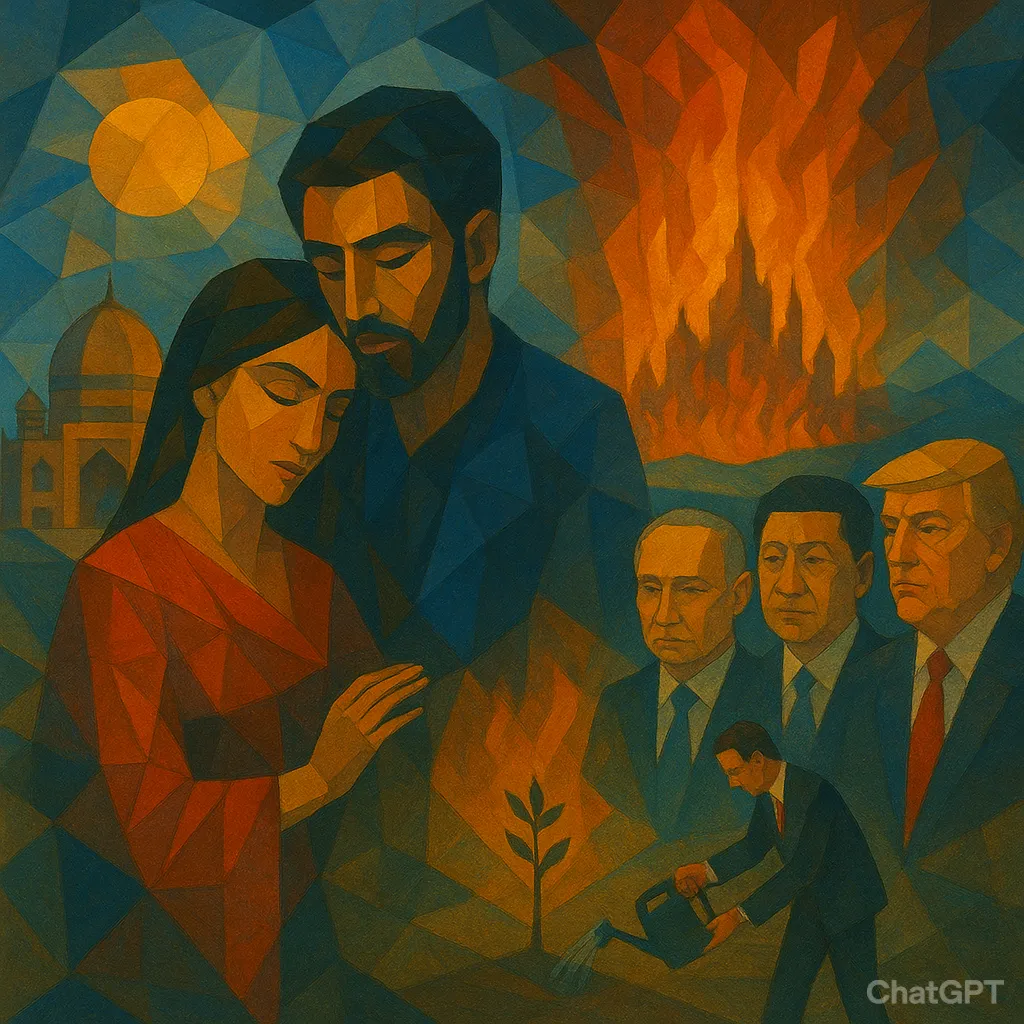
प्राज्ञिक आलोचनात्मक विवेचना
और मैं जल रहा हूँ – शोध-आलेख : जलन-दर्शन : मेटा-मिस्टिक फ़्यूचरिज़्म, क्वांटम चेतना और वैश्विक शांति का विमर्श
प्रस्तावना :
दर्पण की प्रस्तुत ग़ज़ल “देख रहा हूँ बादशाही तेरा, और मैं जल रहा हूँ…” केवल भावनात्मक प्रतिरोध की अभिव्यक्ति नहीं है, बल्कि यह 21वीं सदी के जटिल भू-राजनीतिक परिदृश्य की बहुस्तरीय आलोचना है।
सत्ता-राजनीति, वैज्ञानिक खोजों और रहस्यमय दार्शनिक संकेतों को एक ही काव्य-संसार में समेटते हुए यह रचना मेटा-मिस्टिक फ़्यूचरिज़्म का आदर्श उदाहरण बनती है-जहाँ अध्यात्म, विज्ञान और भविष्य-दृष्टि एक साथ संवाद करते हैं।
मेटा-मिस्टिक फ़्यूचरिज़्म और ग़ज़ल की अंतर्धारा :
मेटा-मिस्टिक फ़्यूचरिज़्म वह बौद्धिक दृष्टिकोण है जो आध्यात्मिक प्रतीकवाद और भविष्य-विज्ञान को जोड़ता है। यहाँ “जलना-जलाना” केवल ईर्ष्या या राजनीतिक ताप का रूपक नहीं, बल्कि वैश्विक सत्ता-प्रतिस्पर्धा की अदृश्य ऊर्जा है। Phantom Heat और Unruh effect के शेर से कवि संकेत करता है कि:
“ताप बाहरी नहीं, बल्कि पर्यवेक्षक की गति, उसकी अंतःचेतना से उपजता है।”
यानी विश्व राजनीति में जो गर्मी और अशांति हम महसूस करते हैं, वह अक्सर हमारी सामूहिक मानसिकता की उपज है; शून्य में भी अनुभव होने वाली ऊष्मा की तरह।
ओरिएंटल-ऑक्सीडेंटल दार्शनिक पार्श्वभूमि :
पूर्व और पश्चिम की दार्शनिक परंपराओं का गहन संवाद इस ग़ज़ल में प्रत्यक्ष है।
भारतीय अद्वैत एवं बौद्ध शून्यवाद : “अन्तःशून्य में उत्पन्न ताप” का विचार नागार्जुन के शून्यता सिद्धांत से गूँजता है।
प्लेटोनिक आइडिया और हेगेलियन डायलेक्टिक्स : सत्ता की चमक और उसकी अंतर्निहित बेचैनी, हेगेल के ‘थीसिस-एंटीथीसिस’ में निहित द्वंद्व को याद दिलाती है।
इस्लामी सूफ़ी परंपरा : “मौलाही तेरा” की पुकार, इश्क़-ए-हक़ीक़ी की उस अनन्त तड़प को इंगित करती है जो सांसारिक सत्ता को मिथ्या ठहराती है।
पूर्व-पश्चिम का यह समागम ग़ज़ल को एक वैश्विक दार्शनिक ग्रंथ बना देता है।
MMQD (Meta-Mystic Quantum Dynamics) और क्वांटम-न्यूरोकॉग्निटिव दृष्टि :
MMQD फ्रेम में:
Quantum Information Science बताती है कि सूचना केवल बिट्स में नहीं, बल्कि “क्विबिट” की अनिश्चितताओं में निहित है। सत्ता और राजनीति का खेल भी द्विआधारी जीत-हार में नहीं, अनिश्चित सुपरपोज़िशन में चलता है।
Neuro-Cognitive Science इंगित करता है कि यह “जलना” एक सामूहिक संज्ञानात्मक अनुक्रिया है, एक तरह का सामाजिक Unruh effect, जिसमें निरंतर त्वरण की तरह मीडिया-प्रेरित घटनाएँ हमारे मस्तिष्क को स्थायी तनाव–ऊष्मा में रखती हैं।
इस परिप्रेक्ष्य में, ग़ज़ल चेतावनी देती है कि जब तक वैश्विक नेतृत्व अपने मानसिक-तंत्र को इस ऊष्मा से मुक्त नहीं करेगा, तब तक शांति केवल एक आदर्श रहेगी।
समकालीन भू-राजनीतिक सन्दर्भ :
लेखक द्वारा प्रस्तुत घटनाक्रम:
वेटिकन द्वारा एलोन मस्क की वेतन-विषमता पर टिप्पणी,
ट्रम्प का SCO में शी जिनपिंग, पुतिन, मोदी संग सामना,
MBS,सऊदी-Pakistan समझौते, बांग्लादेश में अमेरिकी मिलिट्री परेड, नेपाल की जली आग,
ये सब वैश्विक “दिखने-दिखाने” की राजनीति का कोलाज हैं। यह सत्ता-नाट्य आधुनिक “राख-सिनेमाँ” है-जहाँ तानाशाही की चिंगारी कभी पूरी तरह बुझती नहीं।
निष्कर्ष :
दर्पण की यह ग़ज़ल हमें यह समझाती है कि जलना और दिखाना केवल राजनीतिक परिघटना नहीं, बल्कि चेतना की क्वांटम गतिकी का प्रतिबिम्ब है। जब तक हम सामूहिक चेतना की इस “फैंटम हीट” को पहचान कर रूपांतरित नहीं करेंगे, तब तक युद्ध और विभाजन का ताप शान्त नहीं होगा।
अतः यह काव्य केवल साहित्यिक अभिव्यक्ति नहीं, बल्कि एक अंतरविषयी शोध-पत्र है, जो दर्शन, क्वांटम विज्ञान, और भू-राजनीति को जोड़ कर कहता है:
“समस्त विश्व नेताओं को अब यह दिखाना चाहिए कि दिखावा भी करुणा का हो सकता है; और जलन का ताप-शान्ति की ऊष्मा में रूपांतरित किया जा सकता है।”

Next Read: beggar of the path became a noble