


BEYOUTEA ! A QUANTUM POETRY>REVOLUTION !! MAKE EARTH GREAT FOREVER : END ALL WARS !!! NOTHING IS NOT TRUE : NO\KNOW THYSELF NOT !!!! META-SUFI/QUANTUM POETICS ON QUANTUM META MYSTIC FUTURISM !!!!!
QuantumSufiPoems Love Nature and Enlightenment: The Poem of the Day! Writing a Poem About Love and Nature towards Enlightenment from the Heart
The Poem of the Day: August 20, 2026 (English verse immediately below)
ग़ज़ल
            आख़िरी बचाव ज़िंदगी की तू
वक़्तन-फ़वक़्तन दिल कहे, आख़िरी बचाव ज़िंदगी की तू,
बेताब ज़ुल्म हिल-हिल कहे, आख़िरी बचाव ज़िंदगी की तू।
           ना होती अगर तू सीने में, हिलती दम-ब-दम साँस आते-जाते,
           रूह-ए-निगरानी मिल कहे, आख़िरी बचाव ज़िंदगी की तू।
हर अदा तेरी मेरी शायरी, तू नब्ज़-ए-समंदर के हिचकोले,
लहरें रक़्स-ए-महफ़िल कहे, आख़िरी बचाव ज़िंदगी की तू।
           मेरे अपने मुझसे ही मुख़्तलिफ़, मैं नागवार अलहदगी का,
           ऐश-कदा खड़ी मंज़िल कहे, आख़िरी बचाव ज़िंदगी की तू।
एक हुक्मराँ मैं तेरा, ख़ुदा हूँ, अमानत-ए-तारीख़ महफ़ूज़,
जंग-ओ-तंग से बातिल कहे, आख़िरी बचाव ज़िंदगी की तू।
           Blue Marble, अज़ीम दुनिया सिंगल-पिक्सेल-सी रोशनी दिखा,
           क्वांटम HWO बाज़िल कहे, आख़िरी बचाव ज़िंदगी की तू।
साक़ी, शराब, रक़्स-ए-मौसिक़ी, तेरी चाय की और ही बात है,
दर्पण बड़ा ही जाहिल कहे, आख़िरी बचाव ज़िंदगी की तू।

                अदबी तशरीह: “आख़िरी बचाव” ज़िंदगी, रूह और इंक़लाब का
                            एक तसव्वुफ़ी-वैज्ञानिक आख्यान
इस रचना का केंद्रीय प्रश्न प्रेम मात्र नहीं है; यह उससे कहीं अधिक गहरा प्रश्न है: जब मनुष्य अपनी बनाई हुई हिंसा, अपनी ऐतिहासिक भूलों, अपनी वैचारिक दीवारों और अपनी ही आत्म-विस्मृति के बीच घिर जाए, तब जीवन का अंतिम बचाव क्या है? उत्तर किसी हथियार, किसी साम्राज्य, किसी धर्म-सत्ता या किसी राजनीतिक घोषणापत्र में नहीं आता। उत्तर बार-बार उसी रदीफ़ में लौटता है, “आख़िरी बचाव ज़िंदगी की तू।” यहाँ “तू” एक साथ महबूब, रूह, जीवन, प्रकृति, ईश्वर, अंतरात्मा और मानवता का प्रतीक बन जाता है। यही बहुअर्थिता इस ग़ज़ल की तसव्वुफ़ी शक्ति है।
१. “वक़्तन-फ़वक़्तन दिल कहे” भीतर की पहली पुकार: पहला मिसरा समय को रेखीय वस्तु नहीं मानता। “वक़्तन-फ़वक़्तन” में एक ऐसी आवृत्ति है जिसमें चेतना बार-बार अपने मूल प्रश्न की ओर लौटती है।
दिल कहता है: आख़िरी बचाव ज़िंदगी की तू। यहाँ “दिल” महज़ भावनात्मक अंग नहीं है। सूफ़ी परंपरा में दिल क़ल्ब है, वह आंतरिक केंद्र जहाँ बाहरी ज्ञान और आत्मिक ज्ञान एक-दूसरे से मिलते हैं। इसीलिए यह दिल किसी रोमानी कमजोरी का नाम नहीं; यह अस्तित्व की संवेदनशील बुद्धि है।मनुष्य का बुद्धि-तंत्र कह सकता है कि सत्ता बचाओ, सीमा बचाओ, विचारधारा बचाओ, इतिहास बचाओ। मगर क़ल्ब कहता है - पहले ज़िंदगी बचाओ। यहीं से कविता अपनी मानवीय और इंक़लाबी दिशा प्राप्त करती है।
२. “बेताब ज़ुल्म हिल-हिल कहे” अत्याचार की अपनी बेचैनी: दूसरे मिसरे का सबसे विचित्र और रोचक पात्र “ज़ुल्म” है।सामान्यतः अत्याचार को स्थिर शक्ति समझा जाता है। यहाँ कविता उसे भी बेताब और हिलता हुआ दिखाती है। यह एक गहरी मनोवैज्ञानिक अंतर्दृष्टि है। हिंसा बाहर से शक्तिशाली दिखाई देती है, लेकिन भीतर से वह भय से संचालित होती है। अत्याचारी सत्ता जितनी अधिक असुरक्षित होती जाती है, उतनी अधिक हिंसक हो सकती है। इस अर्थ में: “बेताब ज़ुल्म हिल-हिल कहे” राजनीतिक मनोविज्ञान का भी एक काव्यात्मक सूत्र है: हिंसा शक्ति का प्रमाण नहीं; कई बार असुरक्षा का लक्षण होती है। इसलिए “आख़िरी बचाव” हिंसा की प्रतिहिंसा नहीं, बल्कि जीवन की पुनर्स्थापना है।
३. “ना होती अगर तू सीने में...” साँस से रूह तक: यहाँ कविता अचानक राजनीतिक संसार से जैविक संसार में उतरती है। सीने में साँस, दम-ब-दम आती-जाती है। जीवन की सबसे साधारण क्रिया को कवि ब्रह्मांडीय रहस्य में बदल देता है। साँस का आना और जाना एक सूक्ष्म cosmic oscillation है, एक लय, एक दोलन, एक आवृत्ति। और इसी के बाद आता है: “रूह-ए-निगरानी”। यह अत्यंत महत्वपूर्ण तसव्वुफ़ी संकेत है।
यहाँ रूह केवल जीवात्मा नहीं; वह अंदर बैठे हुए साक्षी का रूप लेती है, वह चेतना जो शरीर, विचार, इतिहास और अहंकार को देखती है। वेदांत की भाषा में इसे साक्षी-चेतना के निकट पढ़ा जा सकता है; सूफ़ी भाषा में यह उस आंतरिक जागरण की तरफ़ संकेत करता है जहाँ मनुष्य स्वयं को देखने लगता है। अर्थात् साँस जीवन को चलाती है; रूह जीवन को अर्थ देती है।
४. “तू नब्ज़-ए-समंदर के हिचकोले”, प्रेम का quantum-like oscillation: तीसरे शेर में यहाँ कविता अत्यंत सुंदर ढंग से प्रेम, समुद्र और गति को एक कर देती है। “तू नब्ज़-ए-समंदर के हिचकोले” समंदर की लहरें केवल जल की गति नहीं रह जातीं; वे नब्ज़ बन जाती हैं। इस रूपक में समुद्र स्वयं एक जीवित प्राणी है। और महबूब, उसकी नब्ज़। यहाँ “हिचकोला” स्थिरता के विपरीत है। जीवन स्वयं गति है। जो पूर्णतः स्थिर है, वह जीवन नहीं। यही बात आधुनिक विज्ञान की काव्यात्मक भाषा में भी कही जा सकती है: प्रकृति के असंख्य स्तरों पर oscillation, fluctuation, rhythm और interaction दिखाई देते हैं। कविता विज्ञान का शाब्दिक व्याख्यान नहीं देती; वह वैज्ञानिक कल्पना को आध्यात्मिक संवेदना में बदलती है।
५. “लहरें रक़्स-ए-महफ़िल” ब्रह्मांड एक नृत्य: “रक़्स” सूफ़ी शब्दावली में अत्यंत अर्थवान है। यहाँ लहरें नाच रही हैं। लेकिन किसकी महफ़िल में? ज़िंदगी की। इसलिए पूरी कायनात एक महफ़िल बन जाती है और पदार्थ उसका रक़्स। यहाँ सूफ़ी और वैज्ञानिक कल्पना का एक दिलचस्प संगम है: स्थिर पदार्थ की जगह गतिशील ब्रह्मांड। कण, तरंग, ऊर्जा, प्रकाश, जल, साँस, प्रेम, सब गति के अलग-अलग रूप हैं। और कविता कहती है कि इस समस्त गति के केंद्र में “तू” है।
६. “मेरे अपने मुझसे ही मुख़्तलिफ़”, आत्म-विस्थापन: चौथा शेर कविता को सामाजिक से मनोवैज्ञानिक स्तर पर ले जाता है। “मेरे अपने मुझसे ही मुख़्तलिफ़” यह केवल परिवार या समाज से मतभेद नहीं है। यह self-alienation है, मनुष्य का अपने ही मूल स्वरूप से अलग हो जाना। इसीलिए अगला वाक्य “मैं नागवार अलहदगी का”, गहरा अस्तित्ववादी प्रभाव पैदा करता है। मनुष्य स्वयं से, अपने लोगों से, प्रकृति से, प्रेम से और अंततः अपने भीतर के अर्थ से अलग हो जाता है।
फिर भी उसी शेर में, “ऐश-कदा खड़ी मंज़िल” एक विरोधाभास है। जिस मंज़िल को हम सुख का घर समझते हैं, वही शायद वास्तविक अलगाव का अंतिम स्टेशन बन चुकी है। यह आधुनिक उपभोक्तावादी मनुष्य पर भी एक तीखी टिप्पणी है: सुविधा बढ़ सकती है, परंतु निकटता नहीं।
७. “एक हुक्मराँ मैं तेरा ख़ुदा हूँ”, सत्ता पर तसव्वुफ़ी व्यंग्य:  यह शेर रचना का राजनीतिक केंद्र है। “एक हुक्मराँ मैं तेरा, ख़ुदा हूँ”,  यहाँ कवि स्वयं को शासक की आवाज़ में रखकर सत्ता के अहंकार को उजागर करता है।
हर निरंकुश सत्ता अंततः अपने को इतिहास का स्वामी समझने लगती है। मगर इसके ठीक बाद, “अमानत-ए-तारीख़ महफ़ूज़”, एक नैतिक पलटाव आता है।इतिहास किसी शासक की निजी संपत्ति नहीं है। इतिहास अमानत है। इस एक शब्द से सत्ता की पूरी भाषा बदल जाती है। शासक मालिक नहीं, अमानतदार है। यही एक गहरी इस्लामी-तसव्वुफ़ी और नैतिक अवधारणा है: अधिकार के साथ जवाबदेही आती है।
८. “जंग-ओ-तंग से बातिल” युद्ध के विरुद्ध जीवन का फ़तवा: “जंग-ओ-तंग” को केवल युद्ध और घेराबंदी के अर्थ में पढ़ना आवश्यक नहीं। इसे व्यापक रूप में संकुचित सत्ता-चेतना के रूप में भी पढ़ा जा सकता है। जब राजनीति भय में बदलती है, भूगोल दीवार बन जाता है, राष्ट्रवाद मनुष्य से बड़ा हो जाता है और इतिहास प्रतिशोध की मशीन बन जाता है, तब “जंग-ओ-तंग” पैदा होती है।
कविता उसका प्रतिपक्ष प्रस्तुत करती है: ज़िंदगी। इसलिए इस ग़ज़ल का इंक़लाब हथियार उठाने का इंक़लाब नहीं है। यह मानव-चेतना के प्रतिमान बदलने का इंक़लाब है।
९. “Blue Marble”,  पृथ्वी का एक pixel: यह शेर इस रचना को सीधे आधुनिक वैज्ञानिक-सभ्यतागत कल्पना में ले जाता है। Blue Marble पृथ्वी को एक संपूर्ण, नाज़ुक, सीमाहीन दृश्य के रूप में देखने की आधुनिक मानव-दृष्टि का शक्तिशाली प्रतीक है। “Single pixel light” इस विशाल पृथ्वी को डिजिटल युग की एक सूक्ष्म इकाई में बदल देता है।
यहाँ एक अद्भुत दार्शनिक विरोधाभास बनता है: पृथ्वी ब्रह्मांड में अत्यंत छोटी है, लेकिन मानव के लिए संपूर्ण संसार है। एक pixel जितनी छोटी दिखाई देने वाली पृथ्वी के भीतर अरबों जीवन, सभ्यताएँ, स्मृतियाँ, प्रेम, युद्ध और सपने समाए हुए हैं। इसलिए “Blue Marble” का संकेत अंततः वैश्विक नैतिकता की ओर जाता है: जिस ग्रह की ब्रह्मांडीय दृश्यता इतनी छोटी है, उसके भीतर हमारी आपसी दुश्मनी कितनी बड़ी हो सकती है? यहीं कविता का इंक़लाबी संदेश वैश्विक हो जाता है।
१०. “क्वांटम HWO बाज़िल”,  विज्ञान के सामने मनुष्य की नई दृष्टि: “Quantum HWO” को मुसलसल इस कविता में एक विशिष्ट आधुनिक वैज्ञानिक संकेत के रूप में रखा गया है। लेकिन काव्यात्मक स्तर पर इसका महत्व उससे भी बड़ा है। “क्वांटम” यहाँ उस संसार का प्रतीक बन सकता है जहाँ पुरानी classical certainties पर्याप्त नहीं रहतीं। दुनिया को केवल ठोस, पृथक और स्थिर वस्तुओं में बाँटकर देखना पर्याप्त नहीं। क्वांटम कल्पना हमें संबंध, संभावना, अनिश्चितता और पर्यवेक्षण की भूमिका पर पुनर्विचार करने को प्रेरित करती है।
यहाँ एक सावधानी भी ज़रूरी है: कविता में “quantum” का प्रयोग वैज्ञानिक प्रमाण के रूप में नहीं, बल्कि दार्शनिक रूपक के रूप में अधिक प्रभावशाली है। और यही DarpanPoemsकी कविता की ताक़त है। विज्ञान को धर्म का विकल्प बनाना इसका उद्देश्य नहीं; बल्कि विज्ञान और आध्यात्मिकता दोनों से मनुष्य को विनम्रता सीखने का आग्रह करना है।
११. “साक़ी, शराब, रक़्स-ए-मौसिक़ी: तेरी चाय...”: अंतिम शेर अचानक गंभीरता को एक मधुर मानवीय मुस्कान देता है।

साक़ी है।
शराब है।
मौसिकी है।
रक़्स है।
लेकिन फिर, “तेरी चाय की और ही बात है।”

यहाँ प्रेम का सूफ़ियाना मज़ाक जन्म लेता है। सूफ़ी कविता में शराब अक्सर इश्क़ की मस्ती का प्रतीक होती है। मगर कवि अपनी महबूब की चाय को उस पारंपरिक शराब से भी आगे रख देता है। यहाँ “चाय” साधारण जीवन की अंतरंगता है। अर्थात् वास्तविक मस्ती किसी मदिरालय में नहीं, दो आत्माओं की साझी मेज़ पर है। यह रचना को भारी दार्शनिकता से निकालकर घरेलू, मानवीय और स्पर्शनीय बना देता है।
१२. “दर्पण बड़ा ही जाहिल कहे”, कवि का आत्म-विनय: अंत में कवि स्वयं को, “जाहिल” कहता है। यह आत्म-निंदा नहीं, बल्कि सूफ़ियाना अदब है। जिस क्षण मनुष्य यह समझने लगता है कि उसने सत्य को पूरी तरह जान लिया है, उसी क्षण उसका ज्ञान अहंकार बन सकता है। इसलिए कवि अंत में स्वयं को “जाहिल” कहकर अपने लिए एक खुला दरवाज़ा छोड़ता है: मैं अभी सीख रहा हूँ। और शायद यही इस ग़ज़ल का सबसे सुंदर दार्शनिक बिंदु है।
रचना की दीवानगी: इश्क़ से आगे, अस्तित्व की बेख़ुदी इस ग़ज़ल की “दीवानगी” केवल महबूब की दीवानगी नहीं। यह तीन स्तरों पर काम करती है:

१. इश्क़ की दीवानगी: “तू” हर जगह मौजूद है, साँस में, समुद्र में, लहरों में, मंज़िल में, चाय में।
२. सत्य की दीवानगी: कवि हर स्थापित सत्य पर प्रश्न करता है, सत्ता, इतिहास, धर्म, युद्ध, पहचान और ज्ञान।
३. जीवन की दीवानगी: अंततः कवि मृत्यु या विनाश के बजाय जीवन को बचाने की ज़िद करता है।

इसलिए “आख़िरी बचाव” वास्तव में प्रेम की अंतिम शरण है।

तसव्वुफ़ी निष्कर्ष: पूरी ग़ज़ल को यदि एक सूफ़ियाना यात्रा माना जाए तो उसकी मंज़िल कुछ इस प्रकार है:
दिल → साँस → रूह → समंदर → लहर → महफ़िल → अलगाव → सत्ता → इतिहास → युद्ध → पृथ्वी → क्वांटम → प्रेम → चाय → आत्म-विनय।
यह यात्रा बाहर से भीतर और भीतर से फिर समूची कायनात की ओर जाती है। यही सूफ़ी दृष्टि का मूल रहस्य है: जिसे मनुष्य बाहर खोजता है, उसका प्रतिबिंब भीतर मिलता है; और जिसे भीतर पाता है, उसका विस्तार पूरी कायनात में दिखाई देने लगता है। इसलिए “तू” अंततः केवल प्रेमिका नहीं रह जाती।

वह:

ज़िंदगी का कारण,
रूह की निगरानी,
समंदर की नब्ज़,
लहरों का रक़्स,
इतिहास की अमानत,
युद्ध का प्रतिरोध,
Blue Marble की नाज़ुक रोशनी,
और मनुष्य की अंतिम नैतिक संभावना - सब कुछ बन जाती है। और इसी कारण रदीफ़ केवल एक काव्य-पुनरावृत्ति नहीं रह जाता: “आख़िरी बचाव ज़िंदगी की तू।” यह पूरी ग़ज़ल का इश्क़िया, तसव्वुफ़ी, मनोवैज्ञानिक, वैज्ञानिक और इंक़लाबी घोष-वाक्य बन जाता है।
इसका सबसे गहरा संदेश यही है: जब मनुष्य ने अपनी सारी विचारधाराएँ, सारी सीमाएँ, सारे अहंकार और सारी हिंसाएँ आज़मा लीं, तब भी यदि उसके भीतर प्रेम की एक साँस शेष है, तो मनुष्य अभी पूरी तरह हारा नहीं है। और वही साँस, वही रूह, वही “तू”,  ज़िंदगी का आख़िरी बचाव है।
The Quantum Verse of the Day: August 20, 2026
Ghazal
         The Last Refuge of Life
From time to time my heart
Implores: be thou life's final defence;
The restless tyranny trembles:
Be thou life's final defence.
          Hadst thou not stirred within my breast,
          Breath by breath, coming and going,
          The soul that keeps its vigil cries:
          Be thou life's final defence.
Each gesture of thine becomes my
Verse, each pulse the sea's deep sway;
The waves in their dervish dance
Proclaim: be thou life's final defence.
          My own are estranged from me;
          I bear the ache of severance alone;
          Yet the house of delight, the waiting
          Goal, whispers: be thou life's final defence.
I, thy sovereign, call myself thy
God, yet history is only a trust;
Against the wars and narrowing walls,
Truth declares: be thou life's final defence.
          Blue Marble, this immense world,
          Appears a single pixel of light;
          The quantum heavens, in their mystery,
          Reveal: be thou life's final defence.
O Sāqī, wine and music, the ecstasy of
Dance, yet thy tea is something else;
And Darpan, the great unknowing fool,
Confesses: be thou life's final defence.

Exegesis: The Last Refuge of Life This ghazal is, at its deepest level, neither merely a love poem nor merely a mystical meditation. It is an existential hymn to life itself, a poem in which romantic love, Sufi longing, political conscience, scientific wonder, psychological alienation, and philosophical humility converge around one recurring invocation: “Be thou life's final defence.”The beloved addressed as “thou” remains deliberately multivalent.
She may be the beloved woman, but she is also Life, the Soul, Nature, the Divine Presence, Conscience, Humanity, and the principle of existence itself. The ambiguity is not a weakness; it is the poem's principal mystical device. The refrain therefore gradually transforms from a declaration of romantic attachment into a metaphysical proposition: When everything else fails, love must remain the last sanctuary of life.
I. “From time to time my heart implores...” The First Cry of the Heart: The opening phrase, “From time to time,” suggests recurrence. The heart repeatedly returns to one primordial question. What is worth saving when civilisation itself becomes uncertain? The answer comes not from political power, technological supremacy, or historical pride, but from the heart: “Be thou life's final defence.”
In Sufi thought, the qalb, the heart, is not merely the seat of emotion. It is an organ of inward perception, a subtle centre where the human being becomes capable of perceiving a reality deeper than the ego. Thus the heart of this ghazal is not sentimental. It is epistemological.
The rational mind may ask how to preserve power; the political mind may ask how to preserve territory; the historical mind may ask how to preserve institutions. The awakened heart asks a prior question: How shall life itself be preserved? That is where the poem acquires its ethical and revolutionary character.
II. “The restless tyranny trembles...” The Psychology of Oppression: One of the poem's most striking images is the personification of tyranny. Tyranny is usually imagined as immovable, monumental, invincible. Here, however, it is restless and trembling. The image contains an acute psychological insight. Violence may appear powerful from the outside, yet it frequently emerges from insecurity, fear, and the desperate need to control what cannot truly be controlled.
Thus: “The restless tyranny trembles” can be read as a miniature political psychology. Oppression is not necessarily evidence of strength. Sometimes it is the visible symptom of inner instability. Against that instability the poem offers not a counter-violence, but life itself. Its revolution is therefore not simply the overthrow of one ruler by another. It is the transformation of the consciousness that makes domination possible.
III. “Hadst thou not stirred within my breast...” Breath and Soul: The second couplet turns inward, from politics to physiology. The beloved lives in the breast as breath: “breath by breath, coming and going.” The most ordinary biological act becomes a metaphysical mystery. Breathing is rhythm. It is alternation. It is movement between presence and absence.
In this sense, the breath becomes a tiny cosmic oscillation: an intimate rhythm through which existence continuously renews itself. Then comes the exquisite phrase: “The soul that keeps its vigil.” The soul is not merely something possessed by the individual; it becomes a watcher within. This has a natural affinity with the Vedantic idea of the sakshi, the witnessing consciousness, and with Sufi notions of inward wakefulness and spiritual vigilance. The distinction is subtle: Breath sustains life; the witnessing soul gives life inward meaning.
IV. “Each gesture of thine becomes my verse...” The Beloved as the Pulse of the Sea: The third movement expands from the body to the ocean. The beloved becomes: “the sea's deep pulse.” The sea is no longer merely water. It has a heartbeat. Its waves become the physiological rhythms of a cosmic body. The beloved therefore occupies an extraordinary position: she is simultaneously intimate and immeasurable.
She is the pulse of the ocean. The poet's verse arises from her gestures. Thus poetry itself becomes a form of respiration: the beloved moves, the universe responds, and the poet translates that movement into language. The image also permits a fruitful scientific reading. Nature at many levels displays rhythm, fluctuation, oscillation, interaction, and dynamic equilibrium.
The poem does not pretend that mystical poetry is a scientific equation. Rather, it poetically recognises a shared intuition: Life is not fundamentally stillness; life is relation and movement.
V. “The waves in their dervish dance...”, The Universe as a Mystical Assembly: The expression “dervish dance” introduces unmistakable Sufi resonance. The waves are dancing. But they are not dancing randomly. They are dancing within a mahfil, an assembly, a gathering, a sacred convivial space. The universe therefore becomes a mystical gathering, and movement becomes its raks, its sacred dance.
This creates a profound bridge between mystical imagination and contemporary scientific sensibility. The cosmos is not presented as a collection of dead, isolated objects. It is imagined as an immense field of relationship, motion, rhythm, and transformation. The beloved is the hidden principle around which this dance appears meaningful.
VI. “My own are estranged from me...” The Psychology of Alienation: The fourth couplet introduces a darker register: “My own are estranged from me.” The line speaks beyond ordinary disagreement. It evokes alienation, the experience of becoming foreign even to those who are supposed to be one's own. More deeply still, it may suggest alienation from one's own authentic self.
The phrase “the ache of severance” therefore possesses both social and psychological meanings. Modern existence often produces a paradox: We become increasingly connected technologically while becoming increasingly estranged emotionally. The poem's “house of delight” and “waiting goal” consequently acquire an ironic significance.
Material comfort cannot necessarily cure spiritual loneliness. A civilisation may build magnificent dwellings while leaving the human soul homeless. The beloved again becomes the counterforce to that estrangement.
VII. “I, thy sovereign, call myself thy God...” The Mysticism of Political Power: The fifth couplet is the poem's political centre. The speaker assumes the voice of a ruler: “I, thy sovereign, call myself thy God.” This is the language of absolute power, the ruler who confuses authority with divinity. But the next phrase immediately destabilises that arrogance: “History is only a trust.”
This is one of the most important ethical ideas in the ghazal. History is not private property. A ruler does not own history. A civilisation does not own humanity. Power is an amanat, a trust. The sovereign is therefore not the master of history but its temporary custodian.
This is profoundly compatible with the ethical dimension of Sufism: possession without responsibility is spiritually illegitimate. The ruler who claims to be God forgets the fundamental truth that every ruler is himself temporary.
VIII. “Against the wars and narrowing walls...” Life Against the Architecture of Violence: The expression “wars and narrowing walls” can be read literally and metaphorically. It evokes warfare, siege, borders, ideological partitions, national antagonisms, and every structure that reduces the human imagination to an enclosed identity.
The “narrowing wall” is therefore not merely physical. It can be: a political border, a religious prejudice, an ideological dogma, a nationalist obsession, an inherited historical hatred, or the psychological wall of the ego.
Against all of these, the ghazal repeats:
Life must be defended. The poem's revolution is consequently not founded upon the destruction of one human group by another. It is a revolution of consciousness. The real enemy is the mentality that makes human life expendable.
IX. “Blue Marble...” Earth as a Single Pixel of Light: The appearance of Blue Marble radically enlarges the poem's horizon. The Earth, seen from cosmic distance, becomes a small luminous sphere, a fragile home suspended in immensity. The image of the Earth as a single pixel of light intensifies the paradox.
Cosmically, our planet is tiny. Existentially, however, it is everything we have. Within that apparently insignificant point of light lie billions of lives, languages, memories, civilisations, loves, griefs, temples, laboratories, cities, forests, oceans, and dreams. The philosophical question is therefore devastatingly simple: If the Earth is so small in the universe, why should the divisions we create upon it become so enormous in our minds? The Blue Marble thus becomes a symbol of planetary ethics. The ghazal quietly moves from: “my beloved” to “our planet.” That expansion is one of its most beautiful structural movements.
X. “The quantum heavens...” Scientific Wonder and Epistemic Humility: The reference to the quantum world introduces the poem's contemporary intellectual dimension. Here, “quantum” should be understood primarily as a poetic and philosophical metaphor, rather than as a literal scientific proof of mystical claims. The quantum imagination unsettles simplistic ideas of a completely classical, predictable, mechanically separable universe.
It reminds us, at least metaphorically, of uncertainty, probability, relationality, measurement, and the limits of naive intuition. The poem uses that atmosphere of scientific wonder to arrive at an ancient mystical lesson: Reality is deeper than our ordinary categories of perception. Science and mysticism need not be made identical in order to converse.
Their meeting point may instead be epistemic humility. Science teaches us that the universe exceeds common intuition. Mysticism teaches us that the self may also exceed its ordinary conception of itself. The poet stands between these horizons, not claiming mastery, but wonder.
XI. “O Sāqī... yet thy tea is something else” The Intimacy Beyond Ecstasy: The final couplet introduces a delightful transformation. There is the traditional Sufi vocabulary:
                               Sāqī. Wine. Music. Dance. Ecstasy.
Yet the poet suddenly says: “thy tea is something else.” This is both humorous and profoundly tender. Classical Sufi poetry frequently uses wine as a metaphor for divine or erotic intoxication. Here, however, the beloved's tea surpasses the conventional wine of ecstasy.
Why?
Because tea represents ordinary intimacy. The mystical does not have to occur in a celestial tavern. It may occur across a simple cup shared between two human beings. Thus the poem performs a beautiful descent:
from the cosmic, to the mystical, to the political, to the domestic.
And in doing so it suggests that transcendence may hide within the ordinary.
XII. “And Darpan, the great unknowing fool...” The Wisdom of Being “Ignorant”: The final self-reference is crucial. The poet calls himself: “the great unknowing fool.” This is not intellectual self-contempt. It is Sufi humility. The truly dangerous intellectual position is not ignorance but the illusion of complete knowledge. The poet therefore ends by refusing to become a prophet of certainty. He remains a seeker. He remains capable of wonder. He remains unfinished. In that sense, the word “fool” becomes almost Socratic in spirit: wisdom begins when one recognises the limits of one's own knowledge.
The final irony is beautiful: The poet who has moved through love, politics, history, physics, consciousness, and cosmology ends by admitting: I do not know enough. And precisely because he does not claim total knowledge, he remains open to love.
The Sufi Architecture of the Ghazal: The poem may be read as a spiritual ascent:
Heart → Breath → Soul → Ocean → Wave → Assembly → Alienation → Power → History → War → Earth → Quantum Mystery → Love → Tea → Humility.
The movement is from the intimate to the cosmic and then back again. This circularity is important. The poet does not escape the world in search of spirituality. He returns to the world with a transformed perception of it. That is the ethical core of the poem. The mystical realisation is meaningful only when it changes the way one treats life.
The Psychology of the “Madness”: The ghazal's diwāngī operates on several levels.
Romantic madness: The beloved is everywhere: in breath, sea, waves, history, light, and tea. Mystical madness: The boundary between lover and beloved gradually dissolves. Existential madness: The poet refuses to accept a world in which war, alienation, and domination are treated as normal. Epistemic madness: The poet crosses freely between poetry, metaphysics, politics, psychology, and science. This is not confusion. It is a deliberate refusal to let reality be imprisoned inside one intellectual discipline.
The Revolutionary Meaning: The deepest revolution proposed by the ghazal is not merely political. It is anthropological. It asks us to change the image we hold of the human being. If the human being is merely a consumer, then life becomes an economic unit. If the human being is merely a citizen, life becomes a political unit. If the human being is merely a believer, life risks becoming a doctrinal unit. If the human being is merely biological matter, life may become a technological object.
But if the human being is simultaneously body, consciousness, relationship, memory, dignity, wonder, and love, then no political system can legitimately reduce that being to an expendable instrument. That is where the ghazal becomes genuinely revolutionary.
Its revolution is: from domination to stewardship, from separation to relationship, from certainty to humility, from war to preservation, from possession to trust, from ego to love.
Philosophical Synthesis: The beloved “thou” finally becomes a symbol of an underlying unity. In Sufi language, one might call it the movement from multiplicity toward tawhid, not a simplistic erasure of differences, but the perception that beneath the apparent fragmentation of existence there is a deeper unity.
In Vedantic language, the poem can resonate with the intuition that the deepest self is not isolated from reality. In modern scientific imagination, the Earth appears as a fragile planetary system embedded in an incomprehensibly larger cosmos. In psychology, the poem asks us to overcome alienation. In political philosophy, it demands that power become stewardship. In ethics, it insists upon the primacy of life. And in poetry, all these intellectual currents become one intimate address:
                                         “Thou.”
Final Reading: The refrain “Be thou life's final defence” begins as a lover's plea and ends as a civilizational proposition. The beloved is no longer merely one person.
She becomes: the breath within the breast, the witnessing soul, the pulse of the sea, the dance of the waves, the lost home of the alienated self, the conscience of history, the repudiation of war, the fragile Blue Marble, the mystery glimpsed through quantum wonder, the intimacy of tea, and the possibility that humanity may yet choose life over destruction.
Thus the final philosophical proposition of the ghazal may be rendered in one sentence: When power has failed, when history has wounded, when knowledge has reached its limits, and when the world has become unbearably divided, love remains not merely life's consolation, but its last ethical defence. That is why the poem's final word is not death, victory, empire, certainty, or even God as an object of possession.
                                 It is LIFE!
And the “thou” who protects it is at once beloved, soul, humanity, and the living mystery of existence itself.
The Poem of the Day: August 19, 2026 (English verse immediately below)
ग़ज़ल
            वो बताएँ, कैसा अज़ीम और मासूम!
दिल की कोई बात कामील वो बताएँ, कैसा अज़ीम और मासूम!
महफ़िल-ए-हुस्न-ओ-कमाल वो जमाएँ, कैसा अज़ीम और मासूम!
            नाज़ुकी-ए-नफ़्स, दीवानगी, मरीज़-ए-इश्क़, माशूकी-ए-परवाज़,
            इश्क़ पर उरूज-ओ-जमाल छाए, कैसा अज़ीम और मासूम!
देखकर लबों पे उनके नाम अपना, क्यों न आँखें भर आएँ,
जफ़ा-ए-बे-वफ़ाई भी सीने में दबाए, कैसा अज़ीम और मासूम!
            ऐ काफ़िर-ए-मुक़द्दस! तू ग़ैर-क़बूलाना रद्द-ए-तरमीम-शुदा,
            हुक्म-ए-निज़ाम-ए-मुख़्तलिफ़ बचाएँ, कैसा अज़ीम और मासूम!
मसरूफ़-ए-दानिशवर दिमागी चोरी से बाज़ आएँ न कभी,
ईमानदारी से वो हर दाँव-पेच पढ़ाएँ, कैसा अज़ीम और मासूम!
            ZrTe5 इंसुलेटर में अजब क्वांटम ऑसिलेशन दिखा,
            सिफ़्र-ए-तपिश पे कशिश का घर बसाएँ, कैसा अज़ीम और मासूम!
जानेमन! तेरी तलब की चाय पीकर वो दम-दम बढ़ता गया,
दर्पण को अब कोई होश न आए, कैसा अज़ीम और मासूम!

विस्तृत अदबी, सूफ़ियाना, साइंसी और फ़लसफ़ियाना तशरीह

यह कलाम अपने आप में बहुत अनोखा, जटिल और बहुआयामी है। इसमें एक तरफ पारंपरिक उर्दू शायरी की रूहानी, सूफ़ियाना, दीवानगी और हुस्न-ओ-इश्क़ की बातें हैं, तो दूसरी तरफ आधुनिक साइंस (जैसे ZrTe5 में क्वांटम ऑसिलेशन / Quantum Oscillations और ज़ीरो केल्विन / absolute zero तापमान पर कंडक्टेंस का बर्ताव) तथा निज़ामी/फ़लसफ़ियाना विचारों का अद्भुत संगम है।

यह कलाम किसी आम आशिक़ की आह ज़ारी नहीं है, बल्कि यह तसव्वुफ़ (Mysticism), क्वांटम भौतिकी (Quantum Physics), नफ़्सियात (Psychology), और इंक़लाबी फ़लसफ़े की एक अत्यंत दुर्लभ और जटिल ताने-बाने से बुनी गई रचना है। संपूर्ण कलाम की रदीफ़, "कैसा अज़ीम और मासूम", उस परवरदिगार, उस निरपेक्ष सत्य (Absolute Truth), अथवा उस अद्वितीय विचार की ओर संकेत करती है जो एक ही समय में ब्रह्मांडीय स्तर पर विशाल (अज़ीम) भी है और बालक की भांति निष्छल व पारदर्शी (मासूम) भी।

I. तसव्वुफ़ और इश्क़-ए-हक़ीक़ी की रूह (Mystical & Spiritual Dimensions): सूफ़ी परंपरा में 'इश्क़' कोई सांसारिक आकर्षण मात्र नहीं है, बल्कि यह आत्म-विलय (फ़ना) और परम-सत्ता में लीन होने (बक़ा) का मार्ग है। दिल की बात और हुस्न-ओ-कमाल: कलाम के आरंभ में 'कामिल बात' का उजागर होना दरअसल इल्म-ए-हुज़ूरी (प्रकट ज्ञान) का प्रतीक है। जब हुस्न और कमाल की महफ़िल सजती है, तो साधक का नफ़्स (अहंकार) नाज़ुक होकर दीवानगी में बदल जाता है।

इश्क़ का उरूज: मरीज़-ए-इश्क़ (साधक) जब अपनी माशूकी के परवाज़ तक पहुँचता है, तो इश्क़ अपने उरूज (शिखर) और जमाल (परम सौंदर्य) पर छा जाता है। यहाँ 'अज़ीम' उसकी महानता है और 'मासूम' उसका निश्छल समर्पण।

II. नफ़्सियात (मनोविज्ञान) और जफ़ा-ए-बे-वफ़ाई (Psychology of Pain & Devotion): मानसिक और भावनात्मक धरातल पर, जब कोई व्यक्ति अपनी माशूक या परम-तत्व के होठों पर अपना नाम सुनता है, तो उसकी आँखों का भर आना एक मनोवैज्ञानिक रेचन (Catharsis) है।

आशिक़ अपने सीने में 'जफ़ा-ए-बे-वफ़ाई' (बेवफ़ाई का दर्द और उत्पीड़न) दबाए रखता है, किंतु शिकायत नहीं करता। मनोविज्ञान में इसे उदात्तीकरण (Sublimation) कहा जाता है, जहाँ व्यक्तिगत पीड़ा को एक परम-सौंदर्य और शांति के भाव में रूपांतरित कर दिया जाता है। दुख सहकर भी निष्पाप मुस्कुराना ही "अज़ीम और मासूम" होने का प्रमाण है।

III. इंक़लाबी निज़ाम और फ़लसफ़ियाना बग़ावत (Revolutionary & Philosophical Framework):
शायरी में "काफ़िर-ए-मुक़द्दस" (पवित्र विद्रोही) और "रद्द-ए-तरमीम-शुदा" जैसे शब्दों का प्रयोग स्थापित रूढ़िवादी निज़ाम (Systems) के खिलाफ इंक़लाबी फ़लसफ़े को दर्शाता है:

दानिशवरों की चालाकी बनाम ईमानदारी: दुनिया के मसरूफ़ दानिशवर (बुद्धिजीवी) जो अक्सर वैचारिक व बौद्धिक चोरी करते हैं, उन्हें यह इंक़लाबी आशिक़ ईमानदारी से जीवन और संघर्ष के दाँव-पेच सिखाता है। यह सत्ता और रूढ़ियों के ख़िलाफ़ एक बौद्धिक विद्रोह है, जो किसी छल के बिना केवल सत्य के बल पर लड़ा जाता है।

IV. साइंसी नफ़्सियात और क्वांटम भौतिकी (ZrTe5 & Quantum Oscillations): कलाम का सबसे विशिष्ट और अभिनव पहलू भौतिक विज्ञान (Physics) के सिद्धांतों का तसव्वुफ़ के साथ संयोजन है: ZrTe5 (Zirconium Pentatelluride): यह एक विशेष प्रकार का टोपोलॉजिकल इंसुलेटर/मैटेरियल है, जिसमें अत्यंत कम तापमान पर अद्वितीय इलेक्ट्रॉन-परिवहन और 'क्वांटम ऑसिलेशन' (Quantum Oscillations) देखे जाते हैं।

सिफ़्र-ए-तपिश (Absolute Zero / 0 Kelvin): शून्य तापमान पर, जहाँ सारी आणविक हलचलें (Thermal Noise) थम जाती हैं, वहाँ भी पदार्थ के भीतर क्वांटम कशिश (Quantum Attraction) और दोलन (Oscillations) जारी रहते हैं।

साइंटिफिक-तसव्वुफ़ी अर्थ: यह इस बात का प्रतीक है कि जब आशिक़ या साधक अपनी समस्त सांसारिक इच्छाओं, आवेगों और तापीय शोर (Thermal Noise) को 'सिफ़्र' (Zero/absolute stillness) कर देता है, तब भी उसके अंतर में इश्क़ का क्वांटम दोलन स्पंदित होता रहता है। यह कशिश किसी बाहरी ऊर्जा की मोहताज नहीं है; यह स्वतःस्फूर्त है, अज़ीम और मासूम!

V. दीवानगी और 'दर्पण' की बेहोशी (The Ultimate Trance):
अंतिम पंक्ति में "चाय पिलाकर दमदम बढ़ा देना" और "दर्पण (आईने) का बेहोश हो जाना" पूर्ण आत्म-विस्मृति (Ecstasy) का रूपक है।
दर्पण का काम है प्रतिबिंबित करना (चेतना/होश)। लेकिन जब इश्क़ की चाय (आंतरिक आनंद/रस) की तलब पूरी होती है, तो दर्पण भी अपना होश खो बैठता है, अर्थात द्रष्टा और दृश्य, आशिक़ और माशूक, आत्मा और परमात्मा का अंतर समाप्त हो जाता है। केवल एक ही सत्य बचता है जो अज़ीम भी है और मासूम भी।

निष्कर्ष:
यह कलाम तसव्वुफ़ के आध्यात्मिक समर्पण, नफ़्सियात के भावनात्मक रेचन, इंक़लाबी फ़लसफ़े के बौद्धिक विद्रोह और ZrTe5 के क्वांटम भौतिकी सिद्धांतों का एक अद्वितीय व मुकम्मल संगम है। शून्य तपिश में स्पंदित क्वांटम कशिश से लेकर दर्पण की पूर्ण आत्म-विस्मृति तक, हर विचार सांसारिक माया और बौद्धिक छलावों को नकारते हुए परम-सत्य की ओर ले जाता है। यह पूरी रचना एक ऐसे विराट चेतन-तत्व को रेखांकित करती है जो ब्रह्मांडीय स्तर पर असीम व महान (अज़ीम) होकर भी बालक की भाँति अत्यंत निश्छल व पारदर्शी (मासूम) है।
The Quantum Verse of the Day: August 19, 2026
Ghazal
        How Grand, How Pure, How Sweet!
Let them reveal the heart’s whole truth, complete,
How grand, how pure, how sweet!
Where grace and beauty gather, take your seat,
How grand, how pure, how sweet!
           Wild soul, delicate heart, love’s ailing flight,
           When love attains its majestic, radiant height,
           How grand, how pure, how sweet!
Hearing my name upon those lips, why wouldn't tears start?
Hiding the bruises of betrayal within a quiet heart,
How grand, how pure, how sweet!
           O, holy renegade! A doctrine none can amend or amend,
           Defending a revolutionary order until the end,
           How grand, how pure, how sweet!
Intellectuals scheme and steal ideas with clever art,
Yet love teaches every stratagem with an honest heart,
How grand, how pure, how sweet!
           In ZrTe5’s cold realm, strange quantum waves beat,
           At absolute zero, drawing hearts where forces meet,
           How grand, how pure, how sweet!
Beloved, one sip of your warm tea kindled a rising trance,
Leaving the mirror dazed, lost in a dreamlike dance,
How grand, how pure, how sweet!

Exegesis & Synthesis
This ghazal is a rare fusion of Sufi mysticism, quantum physics, psychological catharsis, and revolutionary philosophy. The refrain, "How grand, how pure, how sweet!", functions as a cosmic lens focused on the ultimate reality: a truth that is simultaneously infinite in cosmic grandeur and childlike in its innocent simplicity.

1. Mystical Love and Spiritual Ascendance: In the Sufi tradition (Tasawwuf), love (Ishq) is not merely human romance; it is a transformative journey of self-annihilation (Fana) into ultimate subsistence (Baqa). The unveiling of the heart’s full truth (Kamil Baat) represents intuitive divine illumination (Ilm-e-Huzuri). As the fragile ego (Nafs) succumbs to divine madness, love reaches its zenith (Urooj) and supreme beauty (Jamal).
2. Emotional Sublimation and Psychology: The welling of tears upon hearing one’s name spoken by the Beloved marks a moment of profound psychological catharsis. The lover harbours the deep pain of betrayal (Jafa-e-Be-wafai) without resentment or complaint. In psychoanalytic terms, this represents sublimation, refining personal suffering into silent, unconditional devotion.
3. Revolutionary Philosophy and Intellectual Integrity: By invoking the concept of the "holy renegade" (Kafir-e-Muqaddas), the poem rebels against dogmatic systems and intellectual dishonesty. While mainstream scholars (Danishwar) indulge in intellectual theft and strategic deceit, true love teaches life's manoeuvres through pure honesty. It champions an intellectual revolution grounded in absolute truth rather than cunning.
4. Quantum Mechanics & Absolute Zero (ZrTe5): The poem’s most striking metaphor bridges modern condensed-matter physics with spiritual philosophy: ZrTe5 (Zirconium Pentatelluride): A topological material known for anomalous electrical behaviour and quantum oscillations under extreme conditions. Absolute Zero (Zero Tapish / 0 K): At absolute zero, all classical thermal noise freezes. Yet, within ZrTe5, intrinsic quantum oscillations and conductive attraction persist.
Philosophical Synthesis: This serves as a metaphor for the enlightened soul. Even when all worldly noise, desire, and emotional agitation drop to absolute zero, the fundamental quantum oscillation of divine attraction continues to pulse within, spontaneous, unconditioned, and self-sustaining.
5. Mystic Trance and the Dazed Mirror: The closing couplet moves into ecstatic self-forgetting (Wajd). The simple act of sharing tea kindles an inner fire (Dam-dam). The mirror, traditionally the symbol of conscious reflection and self-awareness, loses its senses. When the distinction between the observer and the observed vanishes, the mirror goes dazed, leaving only one singular reality: an existence that is infinitely grand, completely innocent, and profoundly sweet.
Conclusion:
This ghazal stands as a brilliant bridge between ancient Sufi mysticism and modern frontier science, weaving spiritual surrender, psychological sublimation, revolutionary integrity, and quantum mechanics into a unified artistic vision. From the persistent quantum oscillations of ZrTe5 at absolute zero to the mirror’s ultimate loss of self-awareness in ecstatic trance, every couplet rejects superficial dogma in favour of an unyielding inner truth. Ultimately, the work illuminates a singular, transcendent reality that governs both the atomic realm and the human heart, an existence that is infinitely grand in its cosmic scale, yet profoundly pure, innocent, and sweet in its essence.
The Poem of the Day: August 18, 2026 (English verse immediately below)
ग़ज़ल
           हक़ीक़ी, सफ़र राह-ए-फ़िक्री खाई
हसीं है डगर हक़ीक़ी, सफ़र राह-ए-फ़िक्री खाई,
रूह-ए-ज़िक्र बक़ा की दम मगर राह-ए-फ़िक्री खाई।
           ज़िहन में हर दम एक सवाल क्यूँ गूंजे बा-शऊर ज़ोर से,
           राब्ता-ए-शिर्क, इश्क़-ओ-रहबर राह-ए-फ़िक्री खाई।
बुत्-ए-ताबूत-ए-ला-बूत-ए-ख़ुदा न जाने कितने तोड़े-फोड़े,
ज़िहन-ओ-नब्ज़ में चलता तू परवर राह-ए-फ़िक्री खाई।
            माज़ी की बाज़गश्त, हाल-ए-तारीख़ लथपथ लहूलुहान,
            अलहदगी, अक़्ल आए तसव्वुर राह-ए-फ़िक्री खाई।
हाली ख़ुदकुशीकार, दानिशवराँ दुनिया में ख़ुशहाल,
ख़ाक-ए-मुस्तक़बिल पर अब नज़र राह-ए-फ़िक्री खाई।
            MoM-BH*-1 के अंदर ब्लैक होल लपेटा हुआ है,
            क्वांटम स्पेक्ट्रम सौ अरब प्रखर राह-ए-फ़िक्री खाई।
दर्पण मस्त मगन सजनी वो महकी चाय मिल जाए,
पीते ही गिर पड़ूँ तुझ पर टूटकर राह-ए-फ़िक्री खाई।

ग़ज़ल की तशरीह: तसव्वुफ़, इंक़लाब, साइंसी आफ़ाक़ियत और फ़लसफ़ा-ए-दीवानगी
यह कलाम सिर्फ़ अल्फाज़ का जोड़-तोड़ नहीं, बल्कि मानव चेतना (Human Consciousness), ब्रह्मांडीय भौतिकी (Quantum/Astrophysics) और तसव्वुफ़ (Sufi Mysticism) का एक इंक़लाबी मेनिफ़ेस्टो (Manifesto) है। इस ग़ज़ल की आत्मा "राह-ए-फ़िक्री खाई" (विचार की अगाध और विशाल घाटी) के गिर्द घूमती है, जहाँ शऊर (बोध) जब अनंत की खोज में निकलता है, तो उसे ज्ञान की गहराइयों और वैचारिक घाटियों से गुज़रना पड़ता है।

१. तसव्वुफ़ और वाहदत-उल-वुजूद (Sufism & Divine Essence): शुरुआती अशआर में सुफ़ियाना तड़प और 'अना-अल-हक़' या वाहदत-उल-वुजूद की गूँज है। जब इंसान हक़ीक़त की राह पर चलता है, तो बाहरी दुनिया के बुत (जो ज़ेहन और मज़ार/ताबूत में बने हैं) टूट जाते हैं। 'बुत्-ए-ताबूत-ए-ला-बूत' का टूटना इस बात का प्रतीक है कि जब तक इंसान अपने मिथ्या अहम् और समाज द्वारा गढ़े गए ईश्वर के झूठे ढाँचों को नहीं तोड़ता, तब तक वह सच्चा परवरदिगार नहीं पा सकता। परवरदिगार मंदिर-मस्जिद में नहीं, बल्कि सालिक (साधक) के ज़िहन और नब्ज़ की धड़कन में रवाँ-दवाँ है।
२. मनोवैज्ञानिक व फ़लसफ़ियाना कश्मकश (Psychological & Philosophical Paradox): 'राब्ता-ए-शिर्क, इश्क़-ओ-रहबर' में एक गहरा नफ़सियाती द्वंद्व है। इश्क़-ए-हक़ीक़ी में मुर्शिद या रहबर की ज़रूरत होती है, लेकिन जब प्रेमी अपने रहबर को ही सब कुछ मान लेता है, तो तसव्वुफ़ के बारीक नुक्ते पर यह 'शिर्क' के करीब पहुँचने लगता है। इस बारीक सीमा को समझने के लिए अक़्ल को फ़िक्र की गहरी खाई में उतरना पड़ता है।
तारीख़ (इतिहास) का लहूलुहान होना और 'माज़ी की बाज़गश्त' (अतीत की गूँज) यह दर्शाती है कि इंसानियत ने अक़्ल और तास्सुब के नाम पर इतिहास को ख़ून से रंगा है। जब इंसान इस संकीर्णता से 'अलहदगी' (पृथकता) चुनता है, तब कहीं जाकर सच्चा 'तसव्वुर' (परम ध्यान) जन्म लेता है।
३. इंक़लाबी व सामाजिक तंज़ (Sociopolitical Revolution): ग़ज़ल का सामाजिक और इंक़लाबी रुख तब सामने आता है जब 'हाली ख़ुदकुशीकार, दानिशवराँ दुनिया में ख़ुशहाल' की बात होती है। यह आधुनिक समाज का सबसे कड़वा सच है, जहाँ सच्चा विचारक, संवेदनशील कवि या परोपकारी (हाली) समाज की संवेदनहीनता से घुट-घुट कर आत्म-पीड़ा भोगता है, जबकि छद्म बुद्धिजीवी (दानिशवर) व्यवस्था से समझौता करके फल-फूल रहे हैं। भविष्य की राख (ख़ाक-ए-मुस्तक़बिल) पर नज़र टिकाए बिना कोई इंक़लाब मुमकिन नहीं है।
४. क्वांटम फ़िज़िक्स और एस्ट्रोफ़िज़िक्स का इम्तिज़ाज (Cosmic & Quantum Reality):
इस नज़्म की सबसे अभूतपूर्व विशेषता 'MoM-BH*-1' (मिल्की वे या ब्रह्मांडीय ब्लैक होल सिस्टम) और 'क्वांटम स्पेक्ट्रम' का समावेश है। यह पद यह सिद्ध करता है कि आधुनिक विज्ञान और प्राचीन तसव्वुफ़ दो अलग रास्ते नहीं हैं। ब्लैक होल वह स्थान है जहाँ समय और स्थान (Space-Time) समाप्त हो जाते हैं, और प्रकाश भी बाहर नहीं आ सकता, यह तसव्वुफ़ के 'फ़ना' (Self-Annihilation) के सिद्धांत का ब्रह्मांडीय रूप है। सौ अरब प्रखर क्वांटम स्पेक्ट्रम उस 'नूर-ए-इलाही' या परम ऊर्जा (Cosmic Energy) को दर्शाते हैं जो पदार्थ (Matter) के सूक्ष्मतम कणों में स्पंदित हो रही है।
५. मक़्ता: इश्क़-ए-मजाज़ी से इश्क़-ए-हक़ीक़ी और फ़ना (Mystic Ecstasy & Ultimate Surrender):
ग़ज़ल का मक़्ता दीवानगी और समर्पण की पराकाष्ठा है। 'सजनी', 'महकी चाय' और 'टूटकर गिर पड़ना' पहली नज़र में मिज़ाज़ी (लौकिक) इश्क़ प्रतीत होता है, लेकिन तसव्वुफ़ की भाषा में यह 'शराब-ए-तहूर' या 'इरफ़ान' (Divine Enlightenment) का प्याला है। चाय की महक यहाँ आत्मिक चेतना की सुगंध है। जब साक़ी (सजनी/परमेश्वर) से ज्ञान का वह प्याला मिलता है, तो साधक अपनी सारी वैचारिक बहस (राह-ए-फ़िक्री खाई) को भूलकर, संपूर्ण समर्पण के साथ परम सत्ता के चरणों में विलीन (फ़ना) हो जाता है।

यह ग़ज़ल ज्ञान, विज्ञान, दर्शन और प्रेम का एक ऐसा महासमुद्र है जो इंसान को संकीर्णता से उठाकर अनंत ब्रह्मांडीय चेतना से जोड़ता है।
The Quantum Verse of the Day: August 18, 2026
Ghazal
        Pulsing Veins of Thought’s Deep Space
Fair is the path when a true
Companion shares the flight,
Yet the breath of sacred thought
Stumbles into the canyon’s height.
            Why does a conscious query
            Echo so fiercely in the mind?
            Association’s veil, love, and the
            Guide, in thinker’s abyss aligned.
Uncounted idols of the tomb,
And idol-less forms of Grace,
Break, as You move through my
Pulsing veins and thought’s deep space.
            Echoes of yesterday arise;
            History’s frame bleeds red and raw,
            Solitude brings wisdom’s
            Sight within contemplation’s jaw.
The sensitive soul dies by its own
Hand, while worldly scholars thrive,
Yet over the ashes of tomorrow,
Deep reflective eyes arrive.
            Enfolded within MoM-BH*-1,
            A cosmic black hole lies concealed,
            A hundred billion quantum
            Spectra in radiant depth revealed.
Darpan is lost in ecstasy; if
Sajni brings that fragrant tea,
I shall collapse completely onto you,
Plunging into thought's deep sea.

Critical Exegesis: Mysticism, Revolution, Quantum Reality, and Philosophy
This ghazal is a synthesis of Sufi mysticism (Tasawwuf), existential philosophy, sociopolitical critique, and modern astrophysics. Built upon the strict recurring rhyme and refrain (Radeef: "into the canyon's height" / "thought's deep sea"; Qafiya: flight, height, aligned, space, raw, thrive, revealed), the poem uses the metaphor of the "Thought-Canyon" (Rāh-e-Fikrī Khāī), the vast, dizzying chasm that opens when human consciousness attempts to probe the infinite.
1. Sufi Mysticism and the Dissolution of Idols (Tawhid & Fana):
The opening couplets map the inner journey of the seeker (salik). True partnership lightens the path, yet the quest for eternal remembrance (Zikr-e-Baqā) forces the mind into terrifying depths of reflection. Couplet III touches upon Wahdat-al-Wujud (the Unity of Being): human beings fashion rigid mental concepts and dogmatic structures, idols of both presence (tābūt) and void (lā-būt). True enlightenment occurs when these conceptual constructs shatter, revealing that the Divine is not a distant deity confined to ritual, but the very life-force circulating through one’s neural pathways and pulse.
2. The Psychological Paradox of Guidance and Idolatry: Couplet II explores a subtle spiritual hazard: Rābtā-e-Shirk (the risk of polytheism in devotion). In classical Sufi traditions, a seeker relies on a guide (rehbar). However, when devotion to the master eclipses the ultimate truth, love borders on worshipping the mediator dangerously. Resolving this delicate balance requires diving into the intellectual abyss. Furthermore, Couplet IV reflects on history’s bloody legacy; humanity’s past is stained with violence born of narrow dogma. Only through Alhadgī (sacred detachment) can contemplation yield true wisdom.
3. Sociopolitical Critique and Revolutionary Consciousness Couplet V delivers a sharp critique of contemporary society. The sensitive poet, artist, or true seeker (Hālī) suffers immense existential pain, often driving them to figurative or literal self-destruction- while opportunistic intellectual mercenaries (dānishvarān) flourish by serving the status quo. Yet, true revolutionary thought does not despair; it fixes its gaze upon the "ashes of the future" (Khāk-e-Mustaqbil), seeking rebirth from systemic decay.
4. The Integration of Quantum Physics and Cosmology: Couplet VI bridges ancient mysticism with modern science by referencing MoM-BH*-1 (a cosmic black hole candidate) and quantum spectral phenomena. In astrophysics, a black hole represents a singularity where space-time collapses, and light is bound, a physical mirror to the Sufi concept of Fanā (the annihilation of the ego into the ultimate unmanifest). The "hundred billion quantum spectra" symbolise the dynamic energy fields (Nūr) animating subatomic reality, demonstrating that scientific inquiry and spiritual illumination seek the exact same underlying truth.
5. The Makhta: Intoxication, Devotion, and Ultimate Surrender: The closing couplet (Makhta) transitions seamlessly from cosmic scale to intimate devotion. The figures of Sajni and the "fragrant tea" present a deceptive simplicity. In the lexicon of mystical poetry, the tea represents Sharāb-e-Tahūr, the cup of divine illumination offered by the beloved/creator. The act of falling or collapsing onto the beloved upon taking a sip signifies total surrender (Fanā-fil-Ma'shūq). At this apex of ecstasy, all intellectual struggle, cosmic questioning, and philosophical agony resolve into complete union with the Divine.

This ghazal is a vast ocean of knowledge, science, philosophy, and love that elevates humanity beyond narrow boundaries, connecting it to the infinite cosmic consciousness.
The Poem of the Day: August 17, 2026 (English verse immediately below)
ग़ज़ल
             फ़ितूर-सा हुज़ूर मसरूफ़-मशग़ूल हूँ

तुमने कहा है तो दूर हूँ, मजबूर मसरूफ़-मशग़ूल हूँ,
चूमने को कहा है, फ़ितूर-सा हुज़ूर, मसरूफ़-मशग़ूल हूँ।
            फूल-चमन खिले, गुलशन बहार, भीगी-भीगी सराबोर,
            घूमने चला अकेला, बाग़-भँवूर, मसरूफ़-मशग़ूल हूँ।
फूल, मंजरी, कलियाँ धूप में खिले-खिले खिलखिलाएँ,
लुटाते शहद, लूँ बारीक़ ज़रूर, मसरूफ़-मशग़ूल हूँ।
            ये इंशा की दुनिया, इंशा के बाग़, चैन-ओ-अमन का होता,
            तालिब-ए-इल्म, निज़ाम-ए-वॉर का क़ुसूर, मसरूफ़-मशग़ूल हूँ।
शवाहिद-ए-नफ़्सियात ज़माने को कफ़्फ़ारा अदा नज़र,
रख़्त-ए-सफ़र बाँधा, हसीं तसव्वुर, मसरूफ़-मशग़ूल हूँ।
            क्वांटम फ़्यूचर-प्रूफ़ सिक्योरिटी, ये QKD का प्रॉमिस है,
            Alice और Bob मिले भरपूर, मसरूफ़-मशग़ूल हूँ।
इस चाय, जानेमन, क्या कहना, कमाल तेरे हाथों बनी,
पीते-पीते दर्पण हुआ चकनाचूर, मसरूफ़-मशग़ूल हूँ।

तशरीह : मसरूफ़-मशग़ूल होने की तसव्वुफ़ी, दीवानी, नफ़्सियाती और साइंसी दास्तान

यह क़ता/ग़ज़ल पहली निगाह में प्रेम और व्यस्तता की एक हल्की-सी दिलकश बातचीत दिखाई देती है, लेकिन इसके भीतर उतरते ही इसका “मसरूफ़-मशग़ूल हूँ” महज़ रोज़मर्रा की व्यस्तता नहीं रहता; वह एक वजूद की कैफ़ियत बन जाता है। आशिक़ कहता है कि “तुमने कहा है तो दूर हूँ, मजबूर मसरूफ़-मशग़ूल हूँ”, अर्थात दूरी यहाँ बेवफ़ाई नहीं, बल्कि इश्क़ की वह मजबूरी है जिसमें प्रेमी अपनी ही प्रिय सत्ता के इशारे पर अपने आपको किसी दूसरे काम में लगा हुआ पाता है। “मसरूफ़” बाहरी व्यस्तता है और “मशग़ूल” भीतरी तल्लीनता। दोनों शब्दों को साथ रखकर शायर ने एक अद्भुत मनोवैज्ञानिक फ़र्क पैदा किया है: शरीर किसी काम में व्यस्त हो सकता है, मगर रूह किसी एक ही ख़याल में मशग़ूल रहती है। इसीलिए रदीफ़ स्वयं इस ग़ज़ल का एक सूफ़ियाना ज़िक्र बन जाती है, हर शेर के अन्त में “मसरूफ़-मशग़ूल हूँ” लौटकर आता है, जैसे सांस के साथ कोई ख़ामोश विर्द दोहराया जा रहा हो।

पहले शेर में “दूर”, “मजबूर”, “फ़ितूर” और “हुज़ूर” की ध्वनि-श्रृंखला प्रेम की चार अवस्थाओं को छूती है। दूर होना भौतिक है, मजबूर होना परिस्थितिजन्य है, फ़ितूर होना नफ़्सियाती है और हुज़ूर होना रूहानी। प्रेमिका से दूर रहने वाला आशिक़ वास्तव में उसी की मौजूदगी से सबसे अधिक घिरा हुआ है। यही सूफ़ियाना इश्क़ का विरोधाभास है: जिससे दूरी बढ़ती है, उसकी हाज़िरी उतनी ही गहरी होती जाती है। “चूमने को कहा है” का संकेत भी केवल जिस्मानी निकटता नहीं है; यह मुहब्बत की उस तलब का प्रतीक है जहाँ एक इशारा पूरी चेतना को अपने घेरे में ले लेता है। फ़ितूर यहाँ बीमारी नहीं, बल्कि इश्क़ की वह रचनात्मक बेख़ुदी है जिसमें साधारण विवेक की सीमाएँ टूटकर अनुभूति का नया संसार खोलती हैं।

दूसरे शेर में प्रेम का दृश्य मनुष्य से प्रकृति की ओर फैल जाता है। “फूल-चमन”, “गुलशन”, “बहार”, “भीगी-भीगी”, “सराबोर” और फिर अकेले घूमता हुआ आशिक़, यह पूरा दृश्य सूफ़ी साहित्य की उस परम्परा को याद दिलाता है जिसमें बाग़ बाहरी प्रकृति भी है और दिल का बाग़ भी। फूल खिलते हैं तो बाहर वसंत आता है, मगर आशिक़ के भीतर भी कोई मौसम बदलता है। “अकेला” होना यहाँ अकेलापन नहीं; यह ख़लवत है, भीड़ से निकलकर स्वयं और महबूब के बीच बची हुई ख़ामोश जगह। “बाग़-भँवूर” को इसी अर्थ में एक काव्यात्मक बिंब की तरह पढ़ा जा सकता है: भँवरे की तरह घूमता हुआ मन, फूलों की ओर आकृष्ट चेतना, और प्रेम के रस की तलाश में चक्कर काटती हुई रूह। यह दीवानगी स्थिर नहीं है; वह गति है, परिक्रमा है, तलब है।

तीसरे शेर में “मंजरी”, “कलियाँ”, “धूप”, “खिलखिलाना” और “शहद” प्रेम को और अधिक सूक्ष्म बना देते हैं। यहाँ प्रकृति केवल देखने की चीज़ नहीं रहती, बल्कि वह प्रेम की भाषा बोलने लगती है। कलियाँ खिलती हैं, फूल शहद लुटाते हैं और आशिक़ उस मिठास को “बारीक़” तौर पर ग्रहण करना चाहता है। तसव्वुफ़ी अर्थ में शहद यहाँ इल्म, इश्क़ और मारिफ़त का रस है। सूफ़ी साधना का लक्ष्य केवल सत्य को जान लेना नहीं, बल्कि उसे चखना है। ज्ञान जब अनुभव में उतरता है तभी वह शहद बनता है। इसलिए “मसरूफ़-मशग़ूल” आशिक़ फूलों से भी पढ़ रहा है, धूप से भी, कलियों से भी और प्रकृति की मधुरता से भी।

चौथे शेर में रचना अचानक निजी प्रेम से सामाजिक और राजनीतिक चेतना की ओर मुड़ती है। “इंशा की दुनिया, इंशा के बाग़, चैन-ओ-अमन का होता” में “इंशा” को सृजन, लेखन और मानवीय निर्माण के अर्थ में पढ़ना अधिक सार्थक है। इसके बरक्स “तालिब-ए-इल्म, निज़ाम-ए-वॉर का क़ुसूर” युद्ध-व्यवस्था की बुनियादी विडम्बना को सामने लाता है। विद्यार्थी ज्ञान की तलाश में है, लेकिन सभ्यता का निज़ाम उसे युद्ध के ज्ञान की ओर भी धकेल सकता है। यही इस शेर का हक़ीक़ी इंक़लाबी पक्ष है। शायर केवल युद्ध के ख़िलाफ़ भावुक नारा नहीं देता; वह पूछता है कि जिस दुनिया में इल्म पैदा होता है, उसी दुनिया में इल्म को विनाश की तकनीक में क्यों बदला जाता है?

इस बिंदु पर “मसरूफ़-मशग़ूल हूँ” का अर्थ फिर बदलता है। आशिक़ केवल महबूब की याद में व्यस्त नहीं है; वह ऐसी दुनिया की कल्पना में मशग़ूल है जिसमें “निज़ाम-ए-वॉर” की जगह “चैन-ओ-अमन” का निज़ाम हो। इस प्रकार निजी इश्क़ सामाजिक ज़िम्मेदारी में परिवर्तित होता है। इश्क़ अगर केवल दो व्यक्तियों के बीच सीमित रह जाए तो वह दिल की कैफ़ियत है; जब वही इश्क़ समूची मानवता के दर्द को महसूस करने लगे तो वह एक नैतिक क्रान्ति बन जाता है।

पाँचवें शेर में “शवाहिद-ए-नफ़्सियात” का प्रवेश अत्यन्त महत्वपूर्ण है। अब शायर बाहरी दुनिया को केवल देख नहीं रहा, बल्कि मनुष्य की मानसिक संरचना को भी पढ़ रहा है। “कफ़्फ़ारा अदा” का अर्थ यहाँ केवल धार्मिक प्रायश्चित्त नहीं, बल्कि सामूहिक मनोवैज्ञानिक ज़िम्मेदारी के रूप में खुलता है। सभ्यताएँ अपनी हिंसा, अपने पूर्वाग्रह, अपनी लालसाओं और अपनी असफलताओं का कफ़्फ़ारा कैसे अदा करें? इसके उत्तर में “रख़्त-ए-सफ़र बाँधा” आता है। अर्थात आत्म-परीक्षण अब निष्क्रिय चिंतन नहीं रहा; वह यात्रा है। “हसीं तसव्वुर” उस यात्रा का नक़्शा है, पहले मन में एक बेहतर संसार की तस्वीर बनती है, फिर मनुष्य उसे वास्तविकता में बदलने की कोशिश करता है।

यहाँ ग़ज़ल का मनोवैज्ञानिक आयाम विशेष रूप से सुंदर है। प्रेमी का मन तीन अवस्थाओं से गुज़रता है, तलब, तसव्वुर और तजुर्बा। पहले वह चाहता है, फिर कल्पना करता है, फिर अनुभव को जीवन में उतारना चाहता है। यही प्रक्रिया व्यक्तिगत प्रेम से सामाजिक परिवर्तन तक जाती है। आधुनिक मनोविज्ञान की भाषा में कहा जाए तो कल्पना केवल पलायन नहीं; वह भविष्य-निर्माण की संज्ञानात्मक शक्ति भी हो सकती है। शायर का “तसव्वुर” इसी रचनात्मक मानसिक ऊर्जा का काव्यात्मक नाम है।

छठा शेर इस क़ता को एक विलक्षण आधुनिक मोड़ देता है: “क्वांटम फ़्यूचर-प्रूफ़ सिक्योरिटी, ये QKD का प्रॉमिस है, / Alice और Bob मिले भरपूर…” यहाँ Alice और Bob आधुनिक क्वांटम-क्रिप्टोग्राफ़ी के प्रसिद्ध प्रतीक हैं। QKD अर्थात Quantum Key Distribution का मूल विचार यह है कि दो पक्ष सुरक्षित रूप से एक साझा क्रिप्टोग्राफ़िक कुंजी स्थापित कर सकें और क्वांटम अवस्था को देखने या छेड़ने की कोशिश से हस्तक्षेप का संकेत मिल सके। कविता में यह तकनीकी अवधारणा प्रेम का अप्रत्याशित रूपक बन जाती है।

Alice और Bob यहाँ केवल दो संचार-पक्ष नहीं रह जाते; वे दो चेतनाएँ बन जाते हैं जो एक सुरक्षित “कुंजी” साझा करना चाहती हैं। प्रेम में भी सबसे बड़ी समस्या सूचना का आदान-प्रदान नहीं, बल्कि विश्वास की अखंडता है। प्रेमी अपने दिल की कुंजी महबूब को देता है; महबूब उस कुंजी को सुरक्षित रखता है; बीच में कोई तीसरी शक्ति हस्तक्षेप करे तो पूरा सम्बन्ध बदल जाता है। इस अर्थ में QKD का रूपक प्रेम की उस नैतिक माँग को व्यक्त करता है जिसमें निकटता के साथ गोपनीयता, विश्वास और पारदर्शिता भी आवश्यक हैं।

यहाँ शायर की साइंसी कल्पना और तसव्वुफ़ एक दूसरे से मिलते हैं। सूफ़ी इश्क़ में भी “राज़” की अवधारणा अत्यन्त महत्वपूर्ण है। दिल का राज़ हर किसी के लिए नहीं होता। प्रेम की असली कुंजी वही है जिसे दो दिलों के बीच सुरक्षित रखा जाए। इसीलिए “Alice और Bob मिले भरपूर” को केवल तकनीकी मज़ाक समझना इस शेर की गहराई को कम कर देगा। यह आधुनिक साइंस की भाषा में अमानत, राज़, विश्वास और दो चेतनाओं के सुरक्षित मिलन का रूपक है।

अन्तिम शेर पूरी दार्शनिक यात्रा को फिर घरेलू, आत्मीय और मानवीय धरातल पर वापस ले आता है: “इस चाय, जानेमन, क्या कहना, कमाल तेरे हाथों बनी।” यह वापसी बहुत ख़ूबसूरत है। युद्ध, मनोविज्ञान, तसव्वुफ़, क्वांटम सुरक्षा और मानव सभ्यता की बहस के बाद शायर किसी विशाल सिद्धान्त पर नहीं, बल्कि प्रिय के हाथ की बनी चाय पर ठहरता है। यही इस रचना की मानवीय सच्चाई है। दुनिया को बदलने वाली क्रान्ति कभी-कभी किसी बहुत छोटे, बहुत निजी, बहुत घरेलू स्पर्श से शुरू होती है।

“पीते-पीते दर्पण हुआ चकनाचूर” इस पूरी ग़ज़ल का सबसे गहरा आत्म-बिंब है। “दर्पण” एक साथ आईना भी है और कवि का नाम भी। चाय पीते-पीते दर्पण का चकनाचूर होना केवल नशे में आत्म-विस्मृति नहीं; यह अहं के टूटने का सूफ़ियाना संकेत है। आईना तब तक स्वयं को दिखाता है जब तक वह साबुत है; लेकिन इश्क़ की कैफ़ियत में वह टूट जाता है, और एक चेहरा अनेक टुकड़ों में दिखाई देने लगता है। सूफ़ी अर्थ में यह “मैं” के विघटन की ओर संकेत करता है, आशिक़ अपनी अलग सत्ता खोकर महबूब की मौजूदगी में बिखर जाता है।

यही “चकनाचूर” दीवानगी की चरम अवस्था है। आरम्भ में आशिक़ कहता है कि वह “दूर” है; अन्त में वही आशिक़ अपने भीतर का “दर्पण” तोड़ देता है। आरम्भ में दूरी थी, अन्त में आत्म-विसर्जन। आरम्भ में महबूब बाहर था, अन्त में वह इतना भीतर उतर आया कि “मैं” की अपनी तस्वीर ही टूट गई। यह इश्क़ का वह मुक़ाम है जिसे सूफ़ी भाषा में फ़ना की प्रतीकात्मक छाया कहा जा सकता है, अर्थात अहं की कठोर सीमाओं का गलना।

इस पूरी रचना की एक और महत्वपूर्ण विशेषता उसका निज़ामी विस्तार है। “निज़ाम-ए-वॉर” केवल युद्ध-व्यवस्था नहीं; यह उन मानसिक, आर्थिक, राजनीतिक और तकनीकी संरचनाओं का प्रतीक है जो मनुष्य की ऊर्जा को विनाश की ओर मोड़ती हैं। उसके सामने शायर “चमन”, “गुलशन”, “चैन-ओ-अमन”, “इल्म”, “तसव्वुर”, “QKD”, “Alice और Bob” और अन्ततः प्रेम की चाय रखता है। इस तरह कविता का विकल्प स्पष्ट हो जाता है: विनाश के निज़ाम के मुक़ाबले ज्ञान का निज़ाम; भय के मुक़ाबले विश्वास; युद्ध के मुक़ाबले प्रेम; असुरक्षा के मुक़ाबले सुरक्षित संवाद; और अहं के मुक़ाबले आत्म-विसर्जित इश्क़।

इसलिए “मसरूफ़-मशग़ूल हूँ” की पुनरावृत्ति को केवल रदीफ़ की औपचारिकता समझना इस कृति के साथ अन्याय होगा। यह पूरी कविता की दार्शनिक धुरी है। शायर संसार से भागा हुआ नहीं है; वह संसार में रहते हुए भी किसी गहरे उद्देश्य में लगा हुआ है। वह प्रेम में मसरूफ़ है, प्रकृति में मशग़ूल है, ज्ञान में मसरूफ़ है, शांति के तसव्वुर में मशग़ूल है, क्वांटम-सुरक्षा के रूपक में मसरूफ़ है और अन्ततः महबूब की चाय में ऐसा मशग़ूल है कि उसका “दर्पण” ही टूट जाता है।

इस दृष्टि से यह रचना एक आधुनिक सूफ़ियाना-इंक़लाबी ग़ज़ल बनती है, जहाँ इश्क़ निजी भावना से उठकर सामाजिक नैतिकता, मनोवैज्ञानिक आत्म-परीक्षण और वैज्ञानिक कल्पना तक पहुँचता है। इसकी असली दीवानगी यह नहीं कि आशिक़ होश खो बैठा है; बल्कि यह है कि उसने पुराने होश की सीमाओं को स्वीकार करने से इनकार कर दिया है। वह ऐसी चेतना चाहता है जिसमें फूल भी बोलें, प्रेम भी विचार बने, विचार भी व्यवस्था को चुनौती दे, विज्ञान भी इंसानी विश्वास का रूपक बने और एक प्याली चाय भी आत्म-विसर्जन का अनुभव बन सके।

अन्ततः इस क़ता की रूह एक ही वाक्य में संकुचित की जा सकती है: इश्क़ में मसरूफ़ होना दुनिया से ग़ाफ़िल होना नहीं, बल्कि दुनिया को बेहतर बनाने के लिए अपने भीतर की दूरी, भय, अहं और हिंसक निज़ाम को धीरे-धीरे चकनाचूर करना है। यही इसकी तसव्वुफ़ी रूह है, यही इसकी दीवानगी है, यही इसका नफ़्सियाती रहस्य है, और यही इसका अदबी, हक़ीकी तथा इंक़लाबी संदेश।
The Quantum Verse of the Day: August 17, 2026
Ghazal
        I am Occupied, Enraptured

You bade me keep afar; perforce,
I am occupied, enraptured,
You bade me kiss; by love’s sweet
Whim I am, occupied, enraptured.
            The garden blooms, the rose-grove
            Gleams, all drenched in tender weather;
            I wander lonely through the bower,
            Like a bee-occupied, enraptured.
The blossoms, tasselled buds, and
Flowers laugh beneath the sun,
They pour their honey; I must taste
Its finest drop, occupied, enraptured.
           This is the world of Inshā, the garden
            Where all hearts might dwell in peace;
            Yet knowledge bears the guilt of war’s
            Own order; I am occupied, enraptured.
The proofs of psychology have made
The age behold its debt and penance;
I bind my travelling robe, with beauty
In my thought, occupied, enraptured.
            Quantum, future-proof security,
            The promise of QKD is bright:
            When Alice meets with Bob in trust,
            I am fulfilled, occupied, enraptured.
And this tea, beloved, what wonder!
Brewed by your own dear hands;
Sip after sip, Darpan shatters into
Fragments, occupied, enraptured.

Exegesis: Love, Mysticism, Psychology, Revolution, and Quantum Trust

The central charm of this ghazal lies in its refrain, “occupied, enraptured.” The two words preserve the double movement of the original masrūf-mashghūl: outwardly occupied with the affairs of life, yet inwardly absorbed in love, contemplation, and spiritual longing. The refrain therefore becomes more than a formal radīf; it becomes the psychological and mystical pulse of the entire poem. Every couplet returns to the same state, as though the lover were repeating a private dhikr: whatever he does, wherever he wanders, the beloved remains the hidden centre of consciousness.

The opening couplet establishes the paradox of love:
You bade me keep afar; perforce I am, occupied, enraptured,
You bade me kiss; by love’s sweet whim I am, occupied, enraptured.
Distance here is not the negation of intimacy. Rather, it becomes another form of intimacy. The beloved has asked the lover to remain distant, yet that very command keeps the beloved present within him. The lover is physically away but spiritually near. This is one of the great paradoxes of mystical love: absence can intensify presence.

The word “whim” renders the original fitūr, suggesting the delightful madness of love. It is not pathological madness but the poetic madness that liberates consciousness from ordinary calculation. The beloved’s smallest gesture becomes an inward command. The lover therefore does not merely remember love; he is possessed by its atmosphere.

The second couplet opens the inner garden:
The garden blooms, the rose-grove gleams, all drenched in tender weather;
I wander lonely through the bower, like a bee-occupied, enraptured.
The garden is simultaneously natural and metaphysical. In the literal landscape, flowers bloom and the season is saturated with rain and fragrance. In the mystical landscape, however, the garden is the heart itself. The blooming garden signifies an awakened interior world.

The solitary wanderer is therefore not simply lonely. His solitude resembles the Sufi idea of khalwat, a withdrawal from distraction so that the heart may encounter its deepest object of contemplation. The bee becomes an especially delicate emblem: it circles from blossom to blossom, seeking nectar, just as the lover moves through existence seeking the hidden sweetness of meaning.

The third couplet deepens this metaphor through honey:
The blossoms, tasselled buds, and flowers laugh beneath the sun,
They pour their honey; I must taste its finest drop, occupied, enraptured.
The flowers are no longer merely objects of visual beauty. They become teachers. Their honey represents the sweetness distilled from experience. In a Sufi reading, honey may signify knowledge transformed into realisation. Information belongs to the intellect; nectar belongs to experience.
The lover therefore wishes to taste the “finest drop.” His desire is not merely to accumulate knowledge but to savour its essence. This is a fundamental mystical distinction: truth must not merely be understood; it must be lived, tasted, and embodied.

The fourth couplet makes a striking transition from private romance to civilisation:
This is the world of Inshā, the garden where all hearts might dwell in peace;
Yet knowledge bears the guilt of war’s own order, I am occupied, enraptured.
Here the poem becomes explicitly social and revolutionary. The garden becomes a metaphor for a world governed by peace, while “war’s own order” represents the institutional structures through which human intelligence can be transformed into organised violence.

The scholar, the ṭālib-e-ʿilm, ought naturally to be a seeker of knowledge. Yet civilisation frequently converts knowledge into weaponry. The contradiction is profound: the same human intellect that discovers the laws of nature may also devise more efficient methods of destroying human life.

The ghazal consequently asks a moral question beneath its romantic surface: What is the purpose of knowledge if knowledge cannot serve peace? The lover's preoccupation is thus no longer only with the beloved. His love begins to acquire an ethical dimension. Love becomes an argument against war.

The fifth couplet introduces psychology:
The proofs of psychology have made the age behold its debt and penance;
I bind my travelling robe, with beauty in my thought, occupied, enraptured.
Here the poem turns inward once again. Civilisation must not only reform its institutions; it must examine its psyche. Violence is not generated by political structures alone. It also emerges from fear, humiliation, possessiveness, tribalism, resentment, domination, and the unconscious desire for power.

Thus the phrase “proofs of psychology” may be read as a poetic summons toward self-knowledge. Humanity must perform its kaffāra, its moral accounting, not merely for individual sins but for collective patterns of violence.

The image of tying the travelling robe is significant. The poet does not remain a passive observer. He prepares for a journey. The journey is both literal and inward: from ignorance toward understanding, from fear toward trust, from violence toward peace, and from ego toward a more expansive consciousness.

The “beautiful thought” is therefore not decorative imagination. It is a prototype of a future reality. Before a peaceful world can be built institutionally, it must first become conceivable within the human imagination.

The sixth couplet introduces the most unexpected modern metaphor:
Quantum, future-proof security, the promise of QKD is bright:
When Alice meets with Bob in trust, I am fulfilled, occupied, enraptured.
Here the language of quantum information becomes a metaphor for intimacy and trust. Alice and Bob are conventional names in cryptographic thought for two parties attempting to communicate securely. In the poetic world of this ghazal, however, they become two consciousnesses seeking a trustworthy channel between them. QKD therefore becomes a metaphor for the security of the secret shared between lovers.

The comparison is particularly apt. Love, like secure communication, depends upon trust. A lover gives something inwardly precious to another person: a confidence, a secret, a vulnerability, a private emotional key. If that trust is violated, the communication itself becomes compromised.

The scientific vocabulary consequently does not disrupt the mystical character of the ghazal. Instead, it modernises it. Traditional mystical poetry speaks of the sirr, the secret of the heart. Contemporary science speaks of secure information exchange. The poem discovers an unexpected bridge between them: the sacred secret of the heart and the secure key of information both depend upon the integrity of the channel through which they pass.

The final couplet returns magnificently from quantum theory to the intimacy of tea:
And this tea, beloved, what wonder! brewed by your own dear hands;
Sip after sip, Darpan shatters into fragments, occupied, enraptured.

After gardens, psychology, war, knowledge, and quantum security, the poem arrives at a cup of tea. This return to the ordinary is one of its greatest artistic strengths. The beloved's tea becomes a sacrament of intimacy.

Its power is not in the beverage itself but in the hands that prepared it. A simple cup becomes charged with affection because it contains the beloved's care. The grand philosophical universe contracts into one intimate gesture.

And then comes the astonishing image: “Darpan shatters into fragments.”

Because Darpan also signifies a mirror, the line possesses a double resonance. The mirror represents the ego's image of itself. When love reaches its highest intensity, that image can no longer remain whole. The lover's separate self breaks into fragments before the overwhelming presence of the beloved.

In a Sufi interpretation, this resembles the symbolic movement toward fanā, the dissolution of the rigid ego-self. The lover does not literally cease to exist; rather, the illusion of absolute separateness begins to fracture.

Thus the entire ghazal moves through a remarkable sequence:

distance → longing → nature → sweetness → knowledge → war → psychology → imagination → quantum trust → intimacy → ego-dissolution.

Its apparent subject is romantic love, but its deeper subject is the transformation of consciousness through love.

The refrain, “occupied, enraptured,” binds all these levels together. The poet is occupied with the world but enraptured by meaning; occupied with knowledge but enraptured by wisdom; occupied with the question of war but enraptured by peace; occupied with science but enraptured by trust; occupied with an ordinary cup of tea but enraptured by the beloved.

The poem therefore proposes an essentially revolutionary philosophy of love: true love is not an escape from the world; it is a different way of inhabiting the world.

Its revolution begins within the heart but does not end there. The lover who learns tenderness in private must eventually demand tenderness from civilisation itself. A world that can engineer quantum communication ought also to learn how to communicate without hatred. A civilisation capable of extraordinary scientific intelligence must acquire an equally extraordinary moral intelligence.

The ghazal's deepest irony is therefore contained in its final return to the refrain. The poet remains occupied, with life, knowledge, science, society and thought, but he remains enraptured by love.

And perhaps that is the poem's final Sufi proposition: To be truly absorbed in love is not to become less conscious of the world, but to become conscious enough to wish the world healed.

In this sense, the lover's madness is not an abandonment of reason. It is the madness of seeking a more humane reason, one in which science serves trust, knowledge serves peace, imagination serves transformation, and love becomes the invisible architecture of human civilisation.
The Poem of the Day: August 16, 2026 (English verse follows immediately below)
ग़ज़ल
         देखा, वो एक नज़ारा था
पैरों को तेरे साहिल पे चलते देखा, वो एक नज़ारा था,
लहरों की आगोश में रेत मलते देखा, वो एक नज़ारा था।
            होती किस्मत तो नहीं यक़ीं की बात, मगर किस्मत को भी,
            गैरों से मिल के यूँ बदलते देखा, वो एक नज़ारा था।
कितने मक़ाम आते-जाते हैं, पर मुसाफ़िर को जाना है,
ठहरे शहर में जाँ को मचलते देखा, वो एक नज़ारा था।
            उरियाँ दिल, बेपर्दा जिगर, नज़रों का खुला यह बेपर्दापन,
            आज भी तख़्त-ए-हुकूमत जलते देखा, वो एक नज़ारा था।
तू आज भी अपनी नादानी से बाज़ न आया, ऐ मुरशिद!
मूँदे आँख अदा-नवाज़ बनते देखा, वो एक नज़ारा था।
            डार्क फ़ोटॉन के भरोसे रौशनी थामना जो एक तसव्वुर है,
            क्वांटम एनर्जी से मैटर छनते देखा, वो एक नज़ारा था।
मोहब्बत से यूँ परोसी है चाय सजनी कि कही ना जाए,
दर्पण को पी के रोते-रमते देखा, वो एक नज़ारा था।

अदबी तशरीह: तसव्वुफ़, दीवानगी, वैज्ञानिकता और इंक़लाब का मखमली नज़ारा
1. भूमिका एवं दार्शनिक पृष्ठभूमि (Philosophical Background): यह ग़ज़ल केवल शब्दों का जोड़ नहीं, बल्कि मानव चेतना की उस अनंत यात्रा का दस्तावेज है जहाँ तसव्वुफ़ (सूफ़ीवाद), दीवानगी, क्रांति, नफ़सियात (मनोविज्ञान) और क्वांटम भौतिकी (Quantum Physics) एक ही केंद्र पर आकर मिलते हैं। शाइर की दृष्टि 'नज़ारे' को केवल भौतिक आँखों से नहीं देख रही, बल्कि वह 'ऐन-उल-यक़ीन' (अनुभूति की अंतिम सत्यता) के स्तर पर अवलोकन कर रही है।

2. तसव्वुफ़ और रूहा नियत (Sufism and Spirituality): तसव्वुफ़ की पहली शर्त है,  अपने अस्तित्व को मिटाकर उस 'एक' में लीन हो जाना। साहिल और लहरों का रूपक: पहले शे'र में साहिल (तट), लहरें और रेत का मिलन आत्मा और परमात्मा के मखमली आलिंगन का प्रतीक है। लहरें जब रेत को अपनी आगोश में लेकर मलती हैं, तो यह जीवात्मा के अहंकार का विसर्जन है।

मुरशिद और नादानी: सूफी परंपरा में 'मुरशिद' (गुरु/पथदर्शक) का स्थान सर्वोच्च है, लेकिन यहाँ शाइर का मिज़ाज 'दीवानगी' का है। वह मुरशिद की ढोंग-धतूरा या बाहरी दिखावे की 'अदा-नवाज़ी' (आँखें मूँद कर ज्ञानी बनने का पाखंड) को बेनक़ाब करता है। यह तसव्वुफ़ की वह ऊँची स्थिति है जहाँ साफ़गोई ही सबसे बड़ी इबादत बन जाती है।

3. नफ़सियाती दीवानगी और इंक़लाबी चेतना (Psychological Passion & Revolution): तख़्त-ए-हुकूमत का जलना: जब दिल और जिगर 'उरियाँ' (नग्न/निश्चल/पारदर्शी) हो जाते हैं, तो किसी भी प्रकार का छलावा, पाखंड या निरंकुश सत्ता उनके सामने टिक नहीं सकती। नज़रों की 'बेपर्दादारी' (सत्य का साक्षात्कार) ही वह इंक़लाबी चिंगारी है जो निरंकुश हुकूमतों के तख़्त को जलाकर राख कर देती है। मनोविज्ञान के अनुसार, जब इंसान अपनी मौलिकता और भयहीनता के अंतिम शिखर पर पहुँचता है, तो बाहर की सभी दमनकारी ताकतें निष्प्रभ हो जाती हैं।

मुसाफ़िर और ठहरा शहर: जीवन एक अनवरत यात्रा है। मुकाम (पड़ाव) आते-जाते रहते हैं, पर चेतना की गति रुकती नहीं। ठहरे हुए शहर में जब 'जाँ मचलती है', तो यह ठहराव के विरुद्ध विद्रोह और गतिशीलता की जीत का प्रतीक है।

4. साइंसी दृष्टिकोण: क्वांटम फ़िज़िक्स और तसव्वुर का संयोजन (Scientific Perspective): इस ग़ज़ल का सबसे अनोखा और क्रांतिकारी हिस्सा वह शे'र है जहाँ भौतिकी और रूहानियत का मिलन होता है: "Dark photon भरोसे light पकड़ना जो तसब्बुर है, क्वांटम एनर्जी matter छनते देखा..."
डार्क फ़ोटॉन और अद्रश्य सत्य: आधुनिक क्वांटम साइंस जिस 'डार्क मैटर' और 'डार्क फ़ोटॉन' की बात करती है, वह सूफ़ियाना दर्शन के 'ग़ैब' (अदृश्य जगत) के समानांतर है। जिस तरह दृश्य प्रकाश (Visible Light) संपूर्ण ब्रह्मांड का केवल एक छोटा सा हिस्सा है, उसी तरह हमारी इंद्रियों को दिखने वाला संसार वास्तविक सत्य का एक छोटा सा अंश है।

एनर्जी से मैटर का छनना: क्वांटम फ़िज़िक्स (E=mc²) यह सिद्ध करती है कि ऊर्जा ही पदार्थ (Matter) बनती है और पदार्थ पुनः ऊर्जा में रूपांतरित होता है। सूफ़ियाना दृष्टि से यह 'अद्वैत' (Non-duality) या 'वहदत-उल-वुजूद' है, जहाँ निराकार ऊर्जा (चेतना) आकार ग्रहण करके भौतिक सृष्टि बनाती है। शाइर ने इस सूक्ष्म वैज्ञानिक प्रक्रिया को "मैटर छनते देखा" जैसे काव्यात्मक मुहावरे में पिरोकर अदबी दुनिया में एक नया आयाम जोड़ा है।

5. मिज़ाजी और आमद का सौंदर्य (Emotional Aesthetics): मक़्ते (अंतिम शे'र) में सांंसारिक सौंदर्य और दीवानगी का अद्भुत रूपक है। 'चाय' का परोसा जाना आत्मीयता, सादगी और प्रेम का प्रतीक है। 'दर्पण को पी के रोते-रमते देखना' इंसान के आत्म-साक्षात्कार (Self-realization) का मनोवैज्ञानिक चरमोत्कर्ष है। दर्पण को पीने का अर्थ है स्वयं के प्रतिबिंब को अपने भीतर उतार लेना यानी प्रियतम और स्वयं के अंतर को पूरी तरह समाप्त कर देना।

निष्कर्ष:
यह ग़ज़ल रूढ़िवादी शाइरी से परे जाकर मनुष्य की आंतरिक चेतना, सामाजिक क्रांति और आधुनिक ब्रह्मांडीय विज्ञान (Cosmic Science) का एक मुकम्मल दस्तावेज़ है। रदीफ़ "देखा वो एक नज़ारा था" हर शे'र के अंत में एक ऐसी गूँज पैदा करता है जो पाठक को केवल सुनने पर नहीं, बल्कि उस 'नज़ारे' को अपनी रूह से महसूस करने पर मजबूर कर देती है।
The Quantum Verse of the Day: August 16, 2026
Ghazal
        What a Sight to Behold
I saw Your feet tread softly on
The shoreline, what a sight to behold,
I saw the waves embrace the sand,
Soothing its pain; what a sight to behold.
            Though destiny is rarely trusted,
            I witnessed even fate itself,
            Unravel and shift in the presence
            Of strangers; what a sight to behold.
Countless waystations come and go,
For the traveller must journey on,
I saw a soul restless with longing in
A stagnant city; what a sight to behold.
            Bare of heart and exposed of soul,
            See how unmasked vision turns unveiled,
            I saw the thrones of tyrannical rule
            Burn to ashes; what a sight to behold.
You still refuse to abandon
Your ignorance, O guide of doctrines!
I saw you close your eyes and feign
Pious grace; what a sight to behold.
            To grasp visible light by trusting
            Dark photons is pure imagination,
            Yet I saw matter filter directly out of
            Quantum energy, what a sight to behold.
Served with such devotion, this tea
From my beloved must not go to waste,
I saw the mirror drink its fill, weeping
And wandering, what a sight to behold.


Exegesis: A Synthesis of Sufism, Revolution, Quantum Physics, and Love

1. Philosophical Foundations & Spectral Vision: This ghazal serves as a profound record of human consciousness, operating at the crossroads where spiritual mysticism (tasawwuf), existential passion, sociopolitical revolution, and modern quantum mechanics converge. The refrain "was a sight to behold" (dekha wo ek nazar tha) is not merely a record of sensory perception; it refers to ʿAyn al-Yaqīn, the stage of absolute certainty gained through direct spiritual and intellectual witnessing.

2. Sufi Metaphors & Spiritual Transcendence: The Shoreline and the Waves: The opening couplet utilises classic Sufi imagery. The shore (sahil), the waves (lahren), and the sand (ret) symbolise the boundary between the finite ego and the infinite Divine. The waves embracing and rubbing the sand represent fana (the dissolution of selfhood), where individual identity surrenders to divine grace.

The Critique of the Pseudo-Guide (Murshid): In Sufi literature, the Murshid is traditionally a revered spiritual mentor. However, in the spirit of radical dervishes, the poet critiques the performative piety (ada-nawazi) of hypocritical custodians of faith. Closing one's eyes to simulate trance or wisdom while remaining ignorant of deeper truths is exposed as mere spiritual vanity.

3. Psychological Passion & Revolutionary Consciousness: The Burning Thrones of Power: When the heart (dil) and liver/guts (jigar) become uriyan (bare, unmasked, and stripped of illusion), truth becomes absolute transparency (bepardadari). This state of raw authenticity acts as a revolutionary spark. Tyrannical regimes (takht-e-hukumat) rely on deceit; once human consciousness becomes fearlessly transparent, the structures of oppression collapse into flames.

The Traveller in the Stagnant City: The traveller represents the eternal, evolving spirit (salik). While stations (maqam) are temporary, the city represents societal stagnation. A soul squirming and yearning (jañ ko machalte) within a frozen environment symbolises the spirit’s refusal to accept inertia, driving both inner growth and social evolution.

4. Scientific Convergence: Quantum Physics & Mystical Reality: The most intellectually daring verse bridges modern physics with ancient ontology:
"To grasp visible light by trusting dark photons is pure imagination,
Yet I saw matter filter directly out of quantum energy..."
Dark Photons and the Unseen (Ghayb): In physics, dark photons are hypothetical force carriers connecting dark matter to ordinary matter. The poet equates this search with the Sufi contemplation of al-Ghayb (the unseen realm). Attempting to capture illuminated reality through intangible forces reflects the delicate boundary between theoretical abstraction and empirical realisation.

Energy Materialisation & Non-Duality (Wahdat al-Wujud): According to mass-energy equivalence  (E=mc²) and quantum field theory, energy and matter are interchangeable manifestations of the same underlying reality. The line "matter filtering out of quantum energy" poetically captures the divine creation process: how intangible, formless energy condenses into physical substance. It is a modern expression of Wahdat al-Wujud (the Unity of Being), where all physical form is merely structured energy/light.

5. Emotional Aesthetics & Self-Realization: The final verse (maqta) brings the cosmic and the revolutionary back to intimate human experience.
The Tea as Devotion: Offering tea served with love (paxosa hai chay) signifies grounded intimacy, warmth, and humble hospitality.

Drinking the Mirror: The image of "the mirror drinking" (darpan ko pina) is a powerful psychological metaphor for total self-integration. Drinking the mirror means absorbing one's own reflection, erasing the duality between the observer and the observed, the lover and the Beloved. The state of weeping and wandering (rote-ramte) captures the ecstatic bliss of complete self-realisation.

The Culminating Vision
Ultimately, this ghazal transcends traditional poetic boundaries to serve as a unified field theory of human consciousness. It maps a profound arc that begins with spiritual surrender on the shoreline, disrupts tyrannical decay through revolutionary transparency, and peers into the subatomic fabric of the cosmos to witness creation itself. By anchoring these vast quantum and socio-political revelations in the intimate, everyday act of weeping over a beloved’s tea, the poet brilliantly grounds the infinite within the deeply personal.

The recurring refrain, what a sight to behold - gradually transforms throughout the verses. It shifts from a spectator's passive awe into the ecstatic, psychological realisation of an observer who has dissolved entirely into the spectacle. The ghazal leaves the reader with a resonant, singular truth: the searching lover, the burning thrones of revolution, the quantum conversion of energy, and the weeping mirror are all indivisible reflections of the exact same divine light.
The Poem of the Day: August 15, 2026 (English verse follows immediately below)
ग़ज़ल
     टपक गए बूँद पलकों सेरूह की जुवाँ
टपक गए बूँद पलकों से चुपचाप रूह की जुवाँ,
समझ गए ख़ामोशी को कहे बिन आप रूह की जुवाँ।
            ये आवाज़ झिलमिलाती तबस्सुम की सुबह-सुबह,
            रोशनी खिलखिलाती, ज़ब्त-ए-अज़ाब रूह की जुवाँ।
ग़म है ख़ुशी, ख़ुशी है ग़म जहाँ में जज़्बा-ए-ज़िंदगी,
बंदिश-ए-अल्फ़ाज़ जला दे आफ़ताब रूह की जुवाँ।
            क़ैद हर ख़ाँचे में पड़ा एक शख़्स, अलग मिज़ाज का,
            तोड़कर पाना चाहे क़ैद से निज़ात, रूह की जुवाँ।
कौन हुक्मराँ हक़ीक़त का, कौन हफ़ीज़-ए-हक़ यहाँ,
हज़्ज़-ए-नापाकी से परे काफ़िरियत-ए-कायनात, रूह की जुवाँ।
            अर्श के Magnetars जादुई कशिश बिखेरें वहाँ,
            Vacuum birefringence का क्वांटमी जवाब, रूह की जुवाँ।
मेरी जाँ, कहो तो घुल जाऊँ चाय में चीनी की तरह,
तेरी बला से दर्पण चमके हाँ, बेहिसाब! रूह की जुवाँ।


रूह की जुवाँ : ख़ामोशी से क्वांटम निर्वात तक

यह ग़ज़ल मूलतः कहने की नहीं, अनकहे को सुनने की ग़ज़ल है। इसका सबसे महत्वपूर्ण संकेत उसका रदीफ़, “रूह की जुवाँ” है। यहाँ “जुवाँ” केवल ज़बान नहीं है; वह उस अदृश्य आंतरिक भाषा का रूपक है जो शब्दों के समाप्त हो जाने के बाद शुरू होती है। आँख से गिरती हुई बूँद, पलकों की ख़ामोशी, मुस्कान की झिलमिलाहट, भीतर दबा हुआ अज़ाब, क़ैद व्यक्ति की मुक्ति की इच्छा और अंततः Magnetars तथा vacuum birefringence तक पहुँचता हुआ वैज्ञानिक कल्पना-लोक, ये सब उसी एक भाषा के विभिन्न अक्षर हैं।

1. आँसू : रूह का पहला अक्षर: “टपक गए बूँद पलकों से चुपचाप” में आँसू रोने की घोषणा नहीं करते। वे चुपचाप टपकते हैं। यही इस ग़ज़ल की पहली सूफ़ियाना चाल है। सूफ़ी काव्य में आंतरिक सत्य अक्सर शोर में नहीं, ख़ामोशी में प्रकट होता है। यहाँ आँसू भाषा का स्थान ले लेते हैं। प्रेम इतना गहरा है कि उसका बयान वाणी से नहीं हो सकता; अतः आँख स्वयं कलम बन जाती है और आँसू उसके अक्षर।

दूसरा मिसरा, “समझ गए ख़ामोशी को कहे बिन आप”, इस अनुभव को और गहरा करता है। प्रेम का सर्वोच्च स्तर वह है जहाँ संवाद के लिए संवाद आवश्यक नहीं रहता। प्रिय को शब्द नहीं चाहिए; वह ख़ामोशी की तफ़्सीर पढ़ लेता है। यहीं से “रूह की जुवाँ” जन्म लेती है। यह भाषा न अरबी है, न फ़ारसी, न संस्कृत, न हिंदी। यह पूर्व-भाषिक और परा-भाषिक अनुभव है, जहाँ भाव अर्थ से पहले उपस्थित होता है।

2. तबस्सुम और अज़ाब : विरोधों की एकता: “ये आवाज़ झिलमिलाती तबस्सुम की सुबह-सुबह / रोशनी खिलखिलाती, ज़ब्त-ए-अज़ाब, रूह की जुवाँ।” यहाँ कवि ने एक दिलचस्प मनोवैज्ञानिक द्वंद्व रचा है। मुस्कान दिखाई देती है, लेकिन उसके पीछे अज़ाब छिपा है। रोशनी हँसती है, मगर भीतर पीड़ा का संयम है। यानी मनुष्य का बाहरी चेहरा और आंतरिक संसार एक नहीं होते।

मनोविज्ञान की भाषा में इसे व्यक्ति के outer presentation और inner affect के बीच तनाव कहा जा सकता है। लेकिन ग़ज़ल इस तनाव को किसी रोगात्मक स्थिति की तरह नहीं देखती। इसके विपरीत, यह उसे मानवीय अस्तित्व की गहराई मानती है। कवि कहता है कि मुस्कान भी रूह की भाषा है और दर्द भी। यहीं ग़ज़ल की दीवानगी साधारण आशिक़ी से आगे बढ़कर अस्तित्ववादी प्रेम बन जाती है।

3. “ग़म है ख़ुशी, ख़ुशी है ग़म” : द्वैत का विलयन: तीसरे शेर में ग़ज़ल का तसव्वुफ़ अपने स्पष्ट दार्शनिक रूप में आता है: ग़म है ख़ुशी, ख़ुशी है ग़म। यह केवल विरोधाभास नहीं है। यह उस अनुभूति की ओर संकेत है जिसमें सुख और दुःख अलग-अलग अंतिम सत्य नहीं रह जाते। ज़िंदगी स्वयं एक जज़्बा है, एक निरंतर अनुभव, जिसमें प्रकाश और अंधकार एक-दूसरे को अर्थ देते हैं।

इसीलिए “बंदिश-ए-अल्फ़ाज़” का “आफ़ताब” में जल जाना अत्यंत सुंदर रूपक है। शब्द यहाँ प्रकाश को पकड़ने की कोशिश करते हैं, लेकिन जब अनुभव बहुत विशाल हो जाता है तो शब्द स्वयं जलने लगते हैं। यहाँ आफ़ताब ज्ञान और चेतना का प्रतीक बन जाता है। शब्द सीमित हैं; अनुभव अनंत है। और रूह उस अनंत को बोलना चाहती है।

4. ख़ाँचा : आधुनिक मनुष्य की अदृश्य जेल: “क़ैद हर ख़ाँचे में पड़ा एक शख़्स, अलग मिज़ाज का / तोड़कर पाना चाहे क़ैद से निज़ात...” यह शेर ग़ज़ल को निजी प्रेम से उठाकर सामाजिक और इंक़लाबी धरातल पर ले जाता है। “ख़ाँचा” यहाँ केवल पिंजरा नहीं है। यह हर प्रकार की मानसिक, सामाजिक और संस्थागत श्रेणी का रूपक है। मनुष्य को जाति, वर्ग, राष्ट्र, विचारधारा, प्रतिष्ठा, पेशा, पहचान, धार्मिक आग्रह, राजनीतिक सीमाएँ और सामाजिक अपेक्षाएँ अलग-अलग ख़ानों में रखती हैं।

हर ख़ाँचे में एक व्यक्ति है, लेकिन वह व्यक्ति अपने ख़ाँचे से बड़ा है। यही इस शेर का इंक़लाबी तत्व है। कवि किसी विशेष शासन के विरुद्ध नारा नहीं लगाता; वह उससे अधिक गहरे स्तर पर हर उस सत्ता से प्रश्न करता है जो मनुष्य को उसकी पूरी आंतरिक स्वतंत्रता से छोटा कर देती है। इसलिए “निज़ात” केवल राजनीतिक मुक्ति नहीं है। वह आंतरिक मुक्ति भी है। मनुष्य को पहले अपने भीतर के कारागार से बाहर आना है।

5. हुक्मराँ और हक़ीक़त: “कौन हुक्मराँ हक़ीक़त का...” में प्रश्न और अधिक व्यापक हो जाता है।

कौन तय करेगा कि सत्य क्या है?
कौन हक़ का हफ़ीज़ है?
कौन यह अधिकार रखता है कि वह ब्रह्मांड, ईश्वर, मनुष्य और सत्य की अंतिम व्याख्या अपने नाम कर ले?

यहीं ग़ज़ल का “काफ़िरियत-ए-कायनात” जैसा साहसी मुहावरा अपनी विशेष चमक प्राप्त करता है। यहाँ “काफ़िरियत” को किसी धार्मिक समुदाय के लिए अपमानजनक अर्थ में पढ़ना उचित नहीं होगा। यह अधिक उपयोगी रूप से स्थापित निश्चितताओं के प्रति ब्रह्मांडीय असहमति का रूपक बनती है।

कायनात स्वयं किसी एक मनुष्य की व्याख्या में क़ैद नहीं। यह सूफ़ियाना भी है और वैज्ञानिक भी। सूफ़ी कहता है: सत्य को केवल बाहरी रूप में मत बाँधो।विज्ञान कहता है: किसी परिकल्पना को अंतिम सत्य मत समझो। दोनों के बीच एक अद्भुत बौद्धिक विनम्रता उत्पन्न होती है।

6. अर्श के Magnetars : आधुनिक तसव्वुफ़ का नया आसमान: छठा शेर इस ग़ज़ल को असाधारण आधुनिकता प्रदान करता है: “अर्श के Magnetars जादुई कशिश बिखेरें वहाँ...” Magnetars अत्यंत शक्तिशाली चुंबकीय क्षेत्र वाले न्यूट्रॉन तारे हैं। उन्हें “अर्श” में रखना वैज्ञानिक तथ्य का शाब्दिक दावा नहीं, बल्कि कॉस्मिक रूपक है।

अर्श, परंपरागत आध्यात्मिक कल्पना में ऊर्ध्वता, परम विस्तार और दिव्य सत्ता का प्रतीक है। Magnetar, आधुनिक खगोलभौतिकी में अत्यधिक ऊर्जा और चुंबकीय शक्ति का प्रतीक बनता है। दोनों को साथ रखकर कवि एक नया कल्पनात्मक आकाश निर्मित करता है:
आध्यात्मिक अर्श + वैज्ञानिक ब्रह्मांड = आधुनिक तसव्वुफ़ी कॉस्मोलॉजी। यहाँ “जादुई कशिश” केवल चुंबकीय आकर्षण नहीं। प्रेम भी एक प्रकार की कशिश है। प्रिय की ओर खिंचाव, सत्य की ओर खिंचाव और पदार्थ के भीतर चुंबकीय क्षेत्र का खिंचाव, कवि इन तीनों को एक ही प्रतीकात्मक परिवार में रख देता है।

7. Vacuum birefringence : ख़ालीपन भी बोलता है: सबसे आधुनिक और सबसे रहस्यमय बिंब है: “Vacuum birefringence का क्वांटमी जवाब...” क्लासिकल कल्पना में vacuum अर्थात् निर्वात को “कुछ नहीं” समझा जा सकता है। लेकिन क्वांटम क्षेत्र सिद्धांत में निर्वात पूर्ण शून्यता नहीं है; वह क्वांटम क्षेत्रों और उनकी संभावित उतार-चढ़ाव वाली संरचना से सम्बद्ध है। Vacuum birefringence जैसी घटना अत्यंत प्रबल विद्युतचुंबकीय क्षेत्रों में क्वांटम वैक्यूम के प्रकाश के ध्रुवण पर प्रभाव से जुड़ी है।

कवि इस वैज्ञानिक अवधारणा को प्रेम की भाषा में बदल देता है। यहाँ एक गहरी दार्शनिक समानता उभरती है: जिसे हम खाली समझते हैं, उसमें भी एक प्रतिक्रिया छिपी हो सकती है। यही रूह का सिद्धांत भी है। ख़ामोशी खाली नहीं। विरह खाली नहीं। निर्वात खाली नहीं। प्रेम की प्रतीक्षा खाली नहीं। बल्कि कभी-कभी सबसे अधिक अर्थ उसी जगह पैदा होता है जहाँ बाहरी दृष्टि को कुछ दिखाई नहीं देता। इस अर्थ में “क्वांटमी जवाब” वास्तव में “रूह की जुवाँ” का आधुनिक वैज्ञानिक रूपक बन जाता है।

8. प्रेम का अंतिम रूप : चाय में चीनी: इतने विराट ब्रह्मांड, Magnetars, निर्वात और क्वांटम सिद्धांतों के बाद अंतिम शेर अचानक अत्यंत घरेलू हो जाता है: “मेरी जाँ, कहो तो घुल जाऊँ चाय में चीनी ख़ुद ही...” यही परिवर्तन इस ग़ज़ल की सबसे मानवीय खूबी है। कवि ब्रह्मांडीय स्तर पर सत्य खोजता है, लेकिन प्रेम में स्वयं को चीनी की तरह घोल देना चाहता है। यहाँ “मैं” मिटना चाहता है, लेकिन नष्ट होना नहीं चाहता।

चीनी चाय में घुलकर अपना पृथक आकार खो देती है, मगर मिठास के रूप में उपस्थित रहती है। यह सूफ़ी फ़ना की अत्यंत सुंदर घरेलू प्रतिमा है। फ़ना का अर्थ यहाँ शून्य हो जाना नहीं, बल्कि अपने अहं की कठोर सीमा को पार करके प्रिय के अनुभव में विलीन हो जाना है। और “तेरी बला से दर्पण चमके, हाँ, बेहिसाब” में “दर्पण” स्वयं कवि का भी प्रतीक बन जाता है। दर्पण तभी चमकता है जब वह अपनी सतह पर जमी धूल छोड़ देता है। इसी प्रकार रूह तब चमकती है जब अहं की धूल उतरती है।

9. दर्पण : पूरी ग़ज़ल का केंद्रीय प्रतीक: यदि पूरी ग़ज़ल को एक ही प्रतीक में समेटना हो तो वह दर्पण है। आँसू दर्पण को धोते हैं। ख़ामोशी उसमें चेहरा दिखाती है। तबस्सुम उसमें प्रकाश डालता है। ग़म उसमें छाया बनाता है। क़ैद उसमें अपनी सीमाएँ दिखाती है। इंक़लाब उस सीमा को तोड़ता है। Magnetar उसमें ब्रह्मांडीय शक्ति का प्रतिबिंब बनता है। Vacuum birefringence बताता है कि ख़ालीपन भी प्रकाश को बदल सकता है। और प्रेम अंततः उस दर्पण को चमका देता है। इस प्रकार दर्पण केवल कवि का तख़ल्लुस नहीं रह जाता; वह मानव चेतना का रूपक बन जाता है।

10. नफ़्सियाती अर्थ : भीतर का क़ैदी और भीतर का आशिक़: इस ग़ज़ल में दो व्यक्ति लगातार उपस्थित हैं, एक क़ैदी, दूसरा आशिक़। क़ैदी वह है जो ख़ाँचे में पड़ा है। आशिक़ वह है जो ख़ाँचा तोड़ना चाहता है। लेकिन दोनों अलग मनुष्य नहीं हैं। वे एक ही मनुष्य के दो मनोवैज्ञानिक आयाम हैं। नफ़्स अपनी सीमाएँ बनाता है; रूह उन सीमाओं को पार करना चाहती है।

नफ़्स कहता है: “मैं कौन हूँ?”
रूह पूछती है: “मैं कितना व्यापक हो सकता हूँ?”
नफ़्स पहचान चाहता है।
रूह विलय चाहती है।
नफ़्स अधिकार चाहता है।
रूह संबंध चाहती है।
और इसी संघर्ष से “दीवानगी” पैदा होती है।

इस ग़ज़ल की दीवानगी इसलिए महत्वपूर्ण है कि वह अंधी नहीं है। वह जागती हुई दीवानगी है, एक ऐसी बेचैनी जो प्रेम से शुरू होकर आत्म-पहचान, स्वतंत्रता, ब्रह्मांड और सत्य तक पहुँचती है।

11. इंक़लाबी अर्थ : बाहरी सत्ता से पहले आंतरिक सत्ता: इस ग़ज़ल का वास्तविक इंक़लाब तलवार का इंक़लाब नहीं, चेतना का इंक़लाब है।

सबसे बड़ा हुक्मराँ कौन है?
बाहरी शासक?
समाज?
परंपरा?
भय?
या मनुष्य का अपना नफ़्स?

कवि का उत्तर शायद यह है कि जब तक मनुष्य अपने भीतर के हुक्मरान से आज़ाद नहीं होता, बाहरी आज़ादी भी अधूरी रहती है। इसलिए “क़ैद से निज़ात” राजनीतिक भी है, सामाजिक भी, मनोवैज्ञानिक भी और आध्यात्मिक भी। यहीं ग़ज़ल का इंक़लाबी स्वर किसी घोषणापत्र से अधिक प्रभावी हो जाता है।

12. निज़ामी और वैज्ञानिक चेतना: “निज़ामी” अर्थ में यह ग़ज़ल व्यवस्था और व्यक्ति के संबंध पर भी प्रश्न करती है। एक ओर “ख़ाँचे” हैं, संस्थाएँ, नियम, वर्गीकरण और सत्ता-संरचनाएँ। दूसरी ओर वह मनुष्य है जो इन संरचनाओं से बड़ा होना चाहता है। विज्ञान भी वर्गीकरण करता है, पर विज्ञान की श्रेष्ठता उसकी self-correction में है। वैज्ञानिक ज्ञान किसी भी दावे को जाँच, संशोधन और नए प्रमाण के लिए खुला रखता है।

यही बात ग़ज़ल के आध्यात्मिक पक्ष में भी दिखाई देती है। अंतिम सत्य पर निजी स्वामित्व का दावा करने के बजाय कविता प्रश्न करती है: “कौन हुक्मराँ हक़ीक़त का?” यह प्रश्न स्वयं एक वैज्ञानिक और सूफ़ियाना सद्गुण है। क्योंकि जहाँ प्रश्न जीवित है, वहाँ ज्ञान की संभावना जीवित है।

13. अदब और विज्ञान का संगम: इस ग़ज़ल की सबसे उल्लेखनीय विशेषता यह है कि इसमें विज्ञान कोई सजावटी शब्दावली नहीं है। Magnetars और vacuum birefringence को प्रेम, ख़ामोशी, आकर्षण और रूह से जोड़कर कवि एक ऐसी भाषा खोजता है जिसमें आधुनिक मनुष्य अपने आध्यात्मिक अनुभव को नए प्रतीकों में व्यक्त कर सके। पुराने सूफ़ी कवियों के पास सितारे, चाँद, सूरज, साक़ी, जाम और दरिया थे।

आज के कवि के पास उनके साथ-साथ neutron stars, magnetars, quantum vacuum और birefringence भी हैं। इसलिए आधुनिक तसव्वुफ़ को प्राचीन प्रतीकों की पुनरावृत्ति तक सीमित रहने की आवश्यकता नहीं। वह आधुनिक ब्रह्मांड-विज्ञान से भी संवाद कर सकता है, बशर्ते वैज्ञानिक अवधारणाओं को उनके वास्तविक अर्थ से अलग करके छद्म-विज्ञान न बनाया जाए। इस ग़ज़ल का सौंदर्य इसी संभावना में है कि वह विज्ञान को प्रमाण नहीं, रूपक और आश्चर्य की नई शब्दावली बनाती है।

14. निष्कर्ष : रूह की जुवाँ क्या है?: अंततः “रूह की जुवाँ” वह भाषा है,

जो आँसू में लिखी जाती है,
ख़ामोशी में पढ़ी जाती है,
मुस्कान में चमकती है,
दर्द में तपती है,
क़ैद में आज़ादी खोजती है,
सत्ता से प्रश्न करती है,
ब्रह्मांड में कशिश पहचानती है,
निर्वात में भी प्रतिक्रिया सुनती है,
और प्रेम में चीनी की तरह घुल जाती है।

इस ग़ज़ल का सबसे बड़ा इंक़लाब यही है कि यह मानव हृदय और ब्रह्मांड के बीच एक निरंतरता की कल्पना करती है। आँख की बूँद से लेकर Magnetar तक और चाय की प्याली से लेकर क्वांटम निर्वात तक, हर जगह कवि एक ही प्रश्न सुनता है:

क्या ख़ामोशी वास्तव में ख़ामोश है?
ग़ज़ल का उत्तर है, नहीं।
ख़ामोशी बोलती है।
आँसू बोलते हैं।
प्रेम बोलता है।
विज्ञान के पीछे छिपा आश्चर्य बोलता है।
और जब शब्द समाप्त हो जाते हैं, तब जो शेष बचता है,

वही है:
रूह की जुवाँ।
The Quantum Verse of the Day: August 15, 2026
Ghazal
       The Tongue of the Soul
A tear fell softly from the lashes,
Unspoken, the tongue of the soul;
You read the silence without a word,
Yet spoken, the tongue of the soul.
            A tremulous voice of smiling
            Dawn glimmers before the day,
            Light laughs through the wounds we
            Restrain, awoken, the tongue of the soul.
Sorrow is joy, and joy is sorrow,
The world's intimate breath of life;
Let the sun consume the prison of
Words, unbroken, the tongue of the soul.
            Within every frame a captive stands,
            Each bearing a different mien;
            He longs to shatter his appointed
            Cage, freedom, the tongue of the soul.
Who is the sovereign of Reality,
Who its keeper, who its guide?
Beyond the pieties of certainty blooms
The cosmos, unspoken, the tongue of the soul.
            Upon the empyrean, Magnetars
            Scatter their enchanted magnetic pull;
            Vacuum birefringence answers in quantum
            Light, awakened, the tongue of the soul.
My love, if you bid me,
I shall dissolve like sugar in your tea;
Let Darpan shine through your grace,
Immeasurable, golden, the tongue of the soul.

Exegesis: The Tongue of the Soul From Silent Tears to the Quantum Vacuum

This ghazal is, at its deepest level, a poetry of the unsayable. Its recurring refrain, “the tongue of the soul,” establishes the governing principle of the entire composition: there are experiences that language cannot adequately utter, yet the human being continues to communicate them through tears, silence, tenderness, suffering, freedom, wonder, science, and love.

The ghazal therefore moves through a remarkable symbolic arc from the eyelash to the cosmos, from the captive self to metaphysical freedom, from mystical silence to quantum vacuum, and finally from the vastness of the universe back to a cup of tea sweetened by love.

Its romanticism is intimate; its Sufism is inward; its rebelliousness is existential; its scientific imagery is cosmological; and its psychology is concerned with the liberation of the self from the cages it constructs around itself.

1. The Tear as the First Letter of the Soul: The opening image is deliberately quiet: A tear fell softly from the lashes, unspoken, the tongue of the soul. The tear does not announce itself. It does not demand interpretation. It simply falls. This is important to the mystical architecture of the ghazal. The deepest emotions are often those that resist verbal declaration. A tear becomes a kind of pre-linguistic utterance: the body speaks where the tongue fails.

The beloved, moreover, understands this silence: You read the silence without a word... Here love reaches a level beyond ordinary conversation. True intimacy does not always require explanation. The beloved becomes capable of reading what has not been said.
The lover's silence is therefore not emptiness. It is a language. And that language is the tongue of the soul.

2. The Smile that Conceals Pain: The second couplet introduces a subtle psychological paradox: Light laughs through the wounds we restrain... The smile and the wound coexist. The dawn is radiant, yet beneath that radiance lies zabt—the restraint of pain. This is one of the ghazal's most human insights: the visible face of a person is not necessarily the complete biography of the heart.

A smile may conceal grief. Laughter may protect tenderness. Brightness may emerge precisely because darkness has been endured. The poem therefore does not treat suffering merely as an enemy of happiness. Instead, suffering becomes one of the conditions through which happiness acquires depth. This is profoundly consonant with the Sufi sensibility, in which the heart is refined through longing, separation, patience, and inward transformation.

3. Sorrow and Joy as One Breath: The declaration: Sorrow is joy, and joy is sorrow, is not merely a paradox for its own sake. It expresses the dissolution of rigid oppositions. Life is not divided into perfectly separate compartments of happiness and grief. The two continually penetrate one another. We often recognise the sweetness of happiness because we have known sorrow; likewise, grief may contain an unexpected tenderness because it proves that something was deeply loved.

The image of the sun consuming the prison of words is especially significant: Let the sun consume the prison of words... Language is necessary, but language is also limited. The greater the experience, the more inadequate its verbal container may become. Thus the sun becomes an image of consciousness or illumination, burning through the narrow architecture of conventional speech. The soul wishes to experience reality directly rather than merely possess descriptions of it.

4. The Cage and the Captive Self: The fourth couplet transforms the ghazal from intimate lyricism into social and existential reflection: Within every frame a captive stands, each bearing a different mien; He longs to shatter his appointed cage... The “frame” or “cage” is deliberately open-ended.

It may signify social convention, inherited identity, fear, ideology, status, institutional authority, psychological conditioning, or even the limitations imposed by one's own ego. Every person appears to inhabit a particular frame, yet no person is entirely reducible to that frame.

Thus the longing for freedom becomes both inward and outward. The political meaning is present, but the poem does not reduce liberation to political revolution alone. Its more radical proposition is that external freedom remains incomplete unless consciousness itself becomes free. The captive must therefore liberate both society and self.

5. Who Owns Reality?:  The next couplet asks one of the poem's most daring philosophical questions: Who is the sovereign of Reality, who its keeper, who its guide? This is simultaneously a mystical and scientific question. Who possesses truth? Who has the authority to define ultimate reality? Can any individual, institution, ideology, or tradition claim an absolute monopoly over the mystery of existence?

The ghazal answers indirectly by placing certainty under suspicion. Its phrase concerning the “cosmos” suggests that the universe is too immense to be confined within a single human interpretation. This is where the poem's Sufism and scientific temperament meet.

Mysticism asks the seeker to recognise the limitations of the ego. Science asks the investigator to recognise the provisional character of hypotheses. Both, at their best, cultivate intellectual humility before the unknown. Thus the question “Who is the sovereign of Reality?” becomes itself an act of liberation.

6. Magnetars and the New Empyrean: The sixth couplet carries the ghazal into contemporary cosmological imagination: Upon the empyrean, Magnetars scatter their enchanted magnetic pull... The classical Persianate poetic tradition possessed its own celestial vocabulary: the heavens, the moon, the sun, the stars, the empyrean. The modern poet inherits that vocabulary but adds the discoveries of contemporary astrophysics.

A magnetar is an extraordinarily magnetised neutron star. In the poem, however, it functions primarily as a poetic emblem of immense cosmic attraction. This produces a beautiful correspondence:

magnetic attraction → gravitational wonder → erotic attraction → spiritual longing.

The beloved attracts the lover. The unknown attracts the seeker. The cosmos attracts the mind. The magnetar attracts through an unimaginably powerful magnetic field. The scientific image therefore becomes a contemporary metaphor for the ancient Sufi experience of kashish, the mysterious pull toward something beyond oneself.

7. Vacuum Birefringence: When Emptiness Responds: The most intellectually adventurous phrase in the ghazal is: Vacuum birefringence answers in quantum light... The poetic importance of this concept lies in its challenge to the ordinary imagination of emptiness.

In classical intuition, a vacuum suggests absolute nothingness. Modern quantum theory, however, treats the vacuum in a far richer way: it is associated with quantum fields and can, under extreme conditions, produce measurable physical effects. Vacuum birefringence refers to the modification of light's polarisation behaviour in sufficiently strong electromagnetic fields due to quantum electrodynamical effects.

The poem transforms this physical idea into a metaphysical metaphor. Even apparent emptiness may possess a response. That becomes a profound analogue for the human soul. Silence is not necessarily emptiness. Solitude is not necessarily absence. Waiting is not necessarily nothingness. The vacuum of separation may contain an invisible intensity. Thus the scientific phrase becomes another form of the refrain: even the void may have a tongue.

8. The Sweetest Metaphor: Sugar in Tea: After travelling through metaphysics, psychology, political freedom, magnetars and quantum vacuum, the ghazal returns to the simplest domestic image: My love, if you bid me, I shall dissolve like sugar in your tea.

This is perhaps the most tender image in the entire poem. The lover does not merely wish to stand beside the beloved. He wishes to dissolve into the beloved's experience. Sugar is a particularly elegant metaphor because it disappears as a separate object without becoming meaningless. It loses its visible individuality while preserving itself as sweetness.

This resembles the Sufi idea of fanā: not annihilation in the crude sense of becoming nothing, but the loosening of the rigid boundaries of ego in the presence of overwhelming love.
The lover says, in effect: Let me cease to be separate, but let my sweetness remain. This is mystical love translated into an everyday gesture.

9. Darpan as the Mirror of Consciousness: The closing invocation of Darpan is equally significant. A darpan is a mirror. The mirror becomes an image of consciousness itself. A mirror does not manufacture the face it reflects. It reveals. Likewise, the purified soul does not necessarily create truth; it becomes capable of reflecting it. The entire ghazal may therefore be read as a process of polishing the mirror:

the tear washes it,
silence clears it,
suffering deepens it,
love illuminates it,
freedom breaks its frame,
wonder enlarges it,
and knowledge prevents it from mistaking its reflection for the whole universe.

Thus the poet's name becomes part of the poem's philosophical architecture. Darpan is not merely the signature of the poet; it is the metaphor of the witnessing consciousness.

10. The Psychology of the Captive and the Lover: Psychologically, two figures inhabit this ghazal: the captive and the lover.
Yet they are not two different persons. They are two dimensions of the same human being. The captive is the self imprisoned by inherited categories, fear, expectation and ego. The lover is the self that seeks transcendence.

The captive asks: Who am I within this frame? The lover asks: How far can I become? The ego seeks possession. The soul seeks communion. The ego wants certainty. The soul remains capable of wonder. The ego wants a fixed identity. Love wants permeability.

The resulting tension produces the ghazal's distinctive form of madness, not irrationality, but an ecstatic refusal to remain confined within the ordinary boundaries of the self.It is a lucid madness. A conscious madness. A mystical madness.

11. The Revolutionary Dimension: The revolution of this poem is not primarily the revolution of weapons. It is a revolution of consciousness. The poem asks: Who is the ruler? Who defines truth? Who determines the limits of the individual?

And eventually the question turns inward: What if the greatest tyrant is the ego itself? From this perspective, liberation must begin within. A person may escape a political prison and remain psychologically imprisoned. Conversely, an awakened consciousness may begin breaking oppressive structures even before external circumstances have changed. The ghazal therefore proposes an intimate relationship between:

inner freedom → intellectual freedom → emotional freedom → social freedom.

Its revolutionary spirit is consequently neither merely political nor merely mystical. It is both.

12. A Scientific Spirituality Without Pseudo-Science: The scientific vocabulary of the poem deserves special attention. Magnetars and vacuum birefringence are not inserted merely to make the ghazal appear modern. They perform a symbolic function. Classical Sufi poetry possessed its own cosmology of stars, heavens, spheres, light and darkness.

The contemporary poet lives in a universe revealed through astrophysics, quantum theory and cosmology. Therefore, a modern mystical imagination naturally asks: What does transcendence look like after the telescope has transformed the heavens?

The answer need not reject science. Nor should poetry pretend that a scientific equation proves a mystical doctrine. Rather, science can provide new metaphors of wonder. The magnetar becomes a metaphor for attraction.

The quantum vacuum becomes a metaphor for hidden potential. Birefringence becomes a metaphor for the transformation of perception. Light becomes consciousness. The cosmos becomes the vast mirror in which the human soul encounters its own mystery.

That is where the ghazal's scientific imagination is strongest: not when it claims that physics proves mysticism, but when it allows physics to renew the language of wonder.

13. The Aesthetic Architecture of the Ghazal: Structurally, the poem travels through three scales of existence.

The intimate scale: Tears, lashes, smiles, beloved, tea and sugar.
The human scale: Captivity, identity, authority, freedom, suffering and psychological transformation.
The cosmic scale: Empyrean, Magnetars, quantum vacuum and light.

Yet these three scales are not separate. The tear and the star belong to one symbolic universe. The beloved's attraction and the magnetar's magnetic pull become poetic correspondences. The silence of a lover and the apparent emptiness of the vacuum become parallel metaphors. This is the poem's deepest artistic achievement: it refuses to divide the microscopic human heart from the macroscopic universe.

14. Conclusion: What Is the Tongue of the Soul?:  The “tongue of the soul” is the language spoken when ordinary language has reached its limit.

It speaks through the tear that falls without explanation.
It speaks through the smile that conceals pain.
It speaks through the lover who understands silence.
It speaks through the captive who longs for freedom.
It speaks through the seeker who asks who truly owns Reality.
It speaks through the stars that overwhelm human certainty.
It speaks through the quantum vacuum that is not quite the emptiness we once imagined.

And finally, it speaks through the lover who says: If you wish, I will dissolve into your tea like sugar. That final image brings the entire cosmic journey home. The universe may be immense, the questions may be metaphysical, the science may reach toward the unimaginable, but the soul ultimately seeks something wonderfully simple:

to be understood without speaking,
to love without possessing,
to dissolve without disappearing,
and to shine without claiming the light as its own.

Thus the ghazal's ultimate revolution is a revolution of perception. The tear, the smile, the captive, the magnetar, the quantum vacuum, the mirror, the beloved, all become different manifestations of one mystery. And when every other language falls silent, there remains only the language that was there from the beginning: the tongue of the soul.
The Quantum Verse of the Day: August 13, 2026
Ghazal (Hindvi/Rekhta version at the far end below)
The River of Love Let Me Remain Drowned in You
You are that river of love;
Let me remain drowned in you,
Let the nearness of our hearts,
Word by word, be spoken through you.
            The ages change their garments;
            Let us understand and explain them all,
            Yet let the heart’s one ancient
            Feeling remain, steadfast and true.
A fire has kindled in the soul;
A storm of stillness burns within,
And winds of thoughts of you move
Through my heart; let them blow through too.
            Where is the living God, if the
            Guide says, “Die unto yourself”?
            Let the dead homeland endure,
            Let democracy bear its grief through you.
For what offence is death the sentence,
What paradise, what beautiful hell?
O God, let vows, desires, prayers
And mercy not collapse from view.
            Neural travelling waves, the
            Brain’s electric gestures of thought,
            Quantum reality, biocomputing,
            Let them transform the mind anew.
Walking, wandering, thinking,
Beloved, the hour of tea has come;
While sipping, ask the mirror what
It sees, let it look, and let me look too.


Exegesis of The River of Love:
Love, Sufi Ecstasy, Revolutionary Consciousness, Science, Psychology, and the Philosophy of the Inner Mirror

This ghazal begins as an intimate declaration of love and gradually reveals itself as something much larger: a meditation upon surrender, consciousness, political suffering, scientific transformation, and the mystery of selfhood. Its beloved is never merely one person.
At different moments, the “you” becomes the beloved, the soul's intimate other, the spiritual guide, God, the wounded homeland, democracy itself, and finally the unknown reality toward which human consciousness perpetually reaches.
The ghazal therefore moves through several concentric circles:

love → intimacy → soul → society → God → death → science → consciousness → self-recognition.

Its most remarkable device is the recurring plea: “Let me...” This is the English echo of the original “दो ना.” It is not the language of possession. It is the language of surrender. The lover does not say, “Give yourself to me.” He says: Let me drown. Let me speak. Let it flow. Let me endure. Let the mind change. Let me see. That distinction is the spiritual heart of the poem.

I. The River of Love: Drowning as Surrender: The opening couplet,
You are that river of love, let me remain drowned in you,
Let the nearness of our hearts, word by word, be spoken through you. Immediately establishes the governing metaphor of the ghazal. The beloved is not compared merely to a flower, moon, star, or flame, but to a river. A river possesses movement, depth, continuity, danger, nourishment, and destination. To enter it is to surrender one's fixed position.

To remain on the shore is to preserve oneself. To drown is to relinquish the illusion of separateness. In Sufi symbolism, this becomes particularly resonant. The lover's drowning can suggest the dissolution of the ego, the temporary disappearance of the rigid boundary between I and You. The lover does not seek merely physical possession of the beloved; he longs to be absorbed into the beloved's presence. Thus “drowning” becomes a metaphor for self-transcendence. The paradox is beautiful: The lover loses himself to discover himself.
The apparent death of individuality becomes the possibility of a deeper identity. This is why the next movement toward “nearness” is important. Qurbat, or intimate proximity, is not simply bodily closeness. It is existential intimacy, the feeling that the distance between two consciousnesses has become almost transparent.
And yet the poet immediately confronts the inadequacy of language. The lover wants to speak of intimacy “word by word.” This is the eternal paradox of poetry: the deepest experiences are often those least capable of being contained by words, yet poetry exists precisely because the human being cannot stop trying to give them language.
II. The Changing Ages and the Permanent Heart: The second couplet expands the poem from private love into philosophy:
The ages change their garments; let us understand and explain them all,
Yet let the heart’s one ancient feeling remain, steadfast and true.
The phrase “ages change their garments” suggests the perpetual mutability of civilisation. Political systems change. Technologies change. Religions acquire new interpretations. Social customs disappear. Languages transform. Human beings invent new machines and new theories. Yet the poet asks whether something remains beneath these historical changes.
That something is the heart's fundamental capacity for love. The ghazal therefore establishes an important distinction between historical change and existential continuity. The world changes its vocabulary, but longing continues. The world changes its institutions, but the desire for belonging continues. The world changes its technologies, but the human need to be understood continues. The lover thus asks that the heart's essential feeling be allowed to remain. This is not resistance to change. It is a plea that change should not become spiritual amnesia.
III. The Fire of the Soul and the Storm of Stillness: The third couplet is among the most intensely Sufi passages:
A fire has kindled in the soul; a storm of stillness burns within,
And winds of thoughts of you move through my heart, let them blow through too. Here the poet creates a deliberate paradox:

fire and stillness,
storm and peace,
burning and breeze.

Ordinary logic tells us that fire represents agitation and stillness represents tranquillity. But mystical love reverses the equation. The lover may be outwardly quiet while inwardly undergoing an immense revolution. The phrase “a storm of stillness” is therefore crucial.
True spiritual awakening is not necessarily silence in the sense of emptiness. It may be an extraordinary intensity in which countless movements of consciousness converge upon a single centre.

The beloved's memory becomes the wind. But the wind possesses another ambiguity. It can extinguish a flame. It can also intensify it. Thus the beloved's thought is simultaneously medicine and affliction. The lover does not ask to be cured.

He asks: Let it blow. This is the psychology of mystical longing: the wound itself becomes evidence of presence. The lover fears not the pain of love, but the possibility of becoming incapable of feeling it.

IV. The Murshid, God, the Dead Homeland, and Democracy: The fourth couplet marks a dramatic transformation:
Where is the living God, if the guide says, “Die unto yourself”?
Let the dead homeland endure, let democracy bear its grief through you.

The first line belongs unmistakably to the vocabulary of spiritual initiation. The command to “die” need not signify physical death. In mystical discourse, it can mean the death of ego, the destruction of vanity, possessiveness, pride, selfishness, and the illusion that the isolated self is the ultimate reality.

The paradox becomes: Die to the false self to awaken to the deeper self. But the poet then performs a daring movement. The individual soul becomes the homeland. The homeland becomes democracy. And democracy becomes a suffering collective consciousness. The spiritual and political dimensions suddenly touch.

A nation may possess institutions, constitutions, flags, parliaments, elections, and official ceremonies, and yet spiritually be “dead” if its people have lost dignity, compassion, freedom, or a meaningful voice. Likewise, democracy may remain institutionally visible while inwardly suffering. The expression “the grief of democracy” is therefore more than political rhetoric. It is a moral diagnosis.

Democracy is not merely a mechanism for counting votes. It is a living relationship between human dignity and collective power. When citizens become invisible to power, democracy becomes spiritually impoverished. Thus the lover's private suffering becomes the citizen's public suffering. The same heart that longs for the beloved also mourns the homeland.

V. Sin, Death, Paradise, Hell, and Divine Mercy: The next couplet turns toward theology:
For what offence is death the sentence, what paradise, what beautiful hell?
O God, let vows, desires, prayers and mercy not collapse from view.

The central question is: For what offence? This is an ethical question before it is a theological one. Who determines guilt? Who defines sin? Who decides the punishment? And what happens when institutions pronounce judgment without understanding the human being behind the accusation? The poet places death, paradise, hell, prayer, desire, and mercy within one field of questioning.

Paradise and hell consequently become more than geographical destinations of the afterlife. They can also represent conditions of consciousness. A human being can inhabit an external paradise while experiencing an internal hell. Another may endure external suffering yet possess inward serenity. The poem therefore relocates metaphysical geography into human psychology.

And at the centre stands mercy. The final prayer is not for power. It is not for revenge. It is not even for victory. It is for mercy not to collapse. This is a deeply Sufi ethical intuition: divine reality is encountered not merely through metaphysical certainty, but through compassion, humility, and the transformation of the self.

VI. Neural Waves, Quantum Reality, and the Reformation of Thought: The scientific couplet is perhaps the most distinctive feature of the ghazal:
Neural travelling waves, the brain’s electric gestures of thought,
Quantum reality, biocomputing, let them transform the mind anew.

Here the poet deliberately places modern scientific vocabulary inside a traditional mystical architecture. This is not merely ornament. It expresses a philosophical proposition: The language of spiritual inquiry need not remain confined to the vocabulary of the past. Earlier mystics spoke of the soul, breath, light, heart, unveiling, union, annihilation, and remembrance.

The contemporary seeker may also speak of: neural dynamics, information, computation, quantum theory, cognition, and biological intelligence. The poem does not claim that quantum mechanics scientifically proves mystical experience. Such a claim would exceed what the science establishes. Rather, quantum theory functions here as a poetic doorway into the question of reality.

What is reality? What is observation? What is information? What is consciousness? How does matter become experience? How does electrical activity within biological tissue become thought, memory, desire, love, or self-awareness? Biocomputing and computational neuroscience intensify these questions by examining living systems as information-processing systems.

The poem's answer is deliberately modest but revolutionary:
Let thought change. This may be the most important scientific line in the entire ghazal. The true revolution of science is not simply that it gives humanity faster machines. Its deeper revolution is epistemological. It teaches humanity to question inherited assumptions. It asks us to replace certainty with inquiry, dogma with evidence, and intellectual closure with curiosity. Science therefore becomes, in this poem, not the enemy of spirituality but another discipline of wonder.

VII. The Psychology of Madness: The ghazal's “madness” should not be reduced to irrationality. Its junūn is closer to radical absorption. The lover repeatedly returns to the same beloved. The thought becomes recurrent. Memory becomes charged. Attention narrows. The emotional world reorganises itself around the beloved's presence or absence. In psychological terms, intense attachment can produce powerful cycles of attention, anticipation, memory, reward, longing, and emotional salience.

The poet translates such experiences into the language of the heart: Winds of thoughts of you move through my heart. Science may describe neural processes. Poetry describes what those processes feel like from within. These are not necessarily competing descriptions. One describes mechanism. The other describes lived experience. The mystical poet is interested in the second.

The scientist may investigate the first. A truly interdisciplinary philosophy asks how the two perspectives might converse without confusing their methods. Thus the poem's “madness” is ultimately a form of intensified awareness. The lover does not merely lose control. He becomes acutely conscious of what ordinary consciousness ignores.

VIII. Revolution Begins in the Mind: The political force of the ghazal becomes clearer when read alongside its scientific imagery. The poem does not advocate revolution merely as the replacement of one ruler by another. Its deeper revolution is a revolution of perception. The old world is governed by inherited categories: friend and enemy, pure and impure, mine and yours, believer and unbeliever, powerful and powerless, human and machine, body and soul, science and spirituality.

The poem continuously destabilises these oppositions. The beloved becomes the river. The river becomes the soul. The soul becomes the homeland. The homeland becomes democracy. Democracy becomes consciousness. Consciousness becomes a scientific question. And the scientific question returns to the human being sitting with a cup of tea.

This circularity is deliberate. The universe is not separated from ordinary life. The mystical is not separated from the political. The scientific is not separated from the emotional. And revolution is not separated from self-knowledge.

IX. The Cup of Tea: From Cosmos Back to Intimacy: After the enormous intellectual ascent of the poem, the final couplet performs a delightful descent:
Walking, wandering, thinking, beloved, the hour of tea has come;
While sipping, ask the mirror what it sees, let it look, and let me look too.

This is one of the poem's most charming achievements. After God comes tea. After democracy comes companionship. After quantum reality comes a mirror. The poem returns from metaphysics to ordinary human tenderness. But the ordinary has now become extraordinary. A cup of tea can become a site of contemplation. A conversation can become philosophy. A beloved's glance can become metaphysics.  A mirror can become a laboratory of consciousness. The mirror is especially important because it refuses to interpret. It only reflects.

The question therefore becomes: What exactly do I see when I look? Do I see the beloved? Do I see myself? Do I see the image I have constructed of myself? Do I see desire? Memory? Fear? Or do I glimpse the mysterious consciousness that makes seeing possible? At this point the poet's takhallus, “Darpan”, the mirror, becomes philosophically charged. The poet is not merely named “Mirror.” The poem itself becomes a mirror.

X. The Spiritual Meaning of “Let Me”: The repeated refrain is the secret architecture of the entire ghazal.

Let me drown. Let me speak. Let it remain. Let it flow. Let me endure. Let mercy remain. Let thought transform. Let me see. The lover repeatedly asks for permission to experience existence. This is radically different from the language of possession.

Possessive love says:
“You are mine.”
Mystical love says:
“Let me disappear into you.”
Political domination says:
“Obey me.”
The poem says:
“Let consciousness awaken.”
Scientific dogmatism says:
“The answer is complete.”
The poem says:
“Let thought change.”

And finally the poet does not demand that the mirror reveal the ultimate truth. He says: Let me look. This humility is crucial. The seeker is not claiming enlightenment. He is requesting the opportunity to see.

XI. The Philosophical Synthesis:The ghazal can therefore be read through five interconnected dimensions.

1. The Romantic Dimension: Love is intimacy, longing, memory, surrender, and the beloved's continuous presence in consciousness.
2. The Sufi Dimension: Drowning becomes ego-transcendence; death becomes the death of the false self; the beloved becomes a doorway to the Absolute.
3. The Revolutionary Dimension:The wounded heart expands into the wounded homeland and the suffering of democracy. Political transformation becomes inseparable from ethical transformation.
4. The Scientific Dimension: Neural waves, electrical cognition, quantum reality, and biocomputing become metaphors and intellectual provocations for rethinking consciousness and reality.
5. The Psychological Dimension: Love becomes an intensified mode of attention, memory, emotional salience, longing, and self-observation. Madness becomes a metaphor for consciousness exceeding its ordinary boundaries.

Together these dimensions create a distinctive philosophical proposition: Humanity cannot transform its external world permanently without transforming the consciousness through which that world is perceived.

XII. Conclusion: From Drowning to Seeing: The entire ghazal may ultimately be understood as a journey: from drowning to seeing. At first, the lover wants to drown in love. Then he wants to articulate intimacy.

He watches the ages change and protects the continuity of feeling. He experiences the fire of the soul and the storm of inner stillness. He confronts the spiritual question of ego-death. He confronts the political death of the homeland and the suffering of democracy. He questions punishment, paradise, hell, guilt, and mercy. He enters the vocabulary of neural waves, quantum reality, and biocomputation.

And finally he sits with his beloved over tea. Then comes the mirror. And the final question is no longer: “Who is my beloved?” It becomes: “Who is the one who sees?” That is where the romantic ghazal becomes philosophy. That is where philosophy becomes mysticism. That is where mysticism becomes psychology.

That is where science becomes wonder. And that is where revolution begins, not first in the street, the parliament, the laboratory, or the machine, but in the human act of seeing. The deepest revolutionary command of the poem is therefore deceptively gentle: Let thought change. And its deepest mystical prayer is even gentler: Let me look.

Between those two sentences lies the whole journey of the poem, from love to consciousness, from consciousness to compassion, and from compassion toward a more humane world.
The Quantum Verse of the Day: August 12, 2026
Ghazal (Hindvi/Rekhta version at the far end below)
                   Without Seeing You
What worth has morning’s dawn or dusk’s review,
What good is life, or peace, without seeing you?
        Alone, the heart-tree stands in silent space;
        What point in night’s bright cup, without seeing you?
Through shattered clouds, the lightning crackles loud;
Why praise the storm’s fierce grace, without seeing you?
        They seek to rule the heart's imperial throne;
        What weight has revolution’s cry, without seeing you?
Past moments linger, pitiless and stark;
What use is healing’s grace, without seeing you?
        AQlock, Cold Atom, GNSS now fail;
        What good is Quantum’s tick, without seeing you?
To live and sip this tea in love’s sweet name,
Why mirror an ordinary face, without seeing you?

Exegesis & Literary Commentary
1. The Core Theme & Refrain (Radif): In classical and modern Urdu/Persian poetics, the ghazal operates on dual registers: the Metaphorical/Romantic (Ishq-e-Majazi) and the Mystical/Divine (Ishq-e-Haqiqi). The repeating refrain (Radif), "without seeing you," functions as an existential anchor. The "You" is deliberately ambiguous, representing a beloved, an ideal, or the Ultimate Truth (The Absolute). Without the presence or perception of this central focus, every cosmic, scientific, political, and daily phenomenon loses its intrinsic value.
2. Structural Analysis & Couplet Breakdown: Couplet 1 (The Opening / Matla): Time and Well-Being “What worth has morning’s dawn or dusk’s review / What good is life, or peace, without seeing you?” The poet establishes that raw chronological time (day and night) and physical comfort (Khairiyat-o-Aaram) are hollow without the beloved. Time exists merely as a blank backdrop unless illuminated by the vision of the sought-after ideal.
Couplet 2: Desolation and Solitude “Alone, the heart-tree stands in silent space / What point in night’s bright cup, without seeing you?” The image of a single tree (Tanha Darakht) amidst a silent forest reflects profound existential isolation. The gathering (Mahfil) and the cup of wine (Jaam), symbols of ecstasy and shared warmth, fail to cure this inner quietude unless the central vision is realised.
Couplet 3: The Sublime in Nature: “Through shattered clouds, the lightning crackles loud / Why praise the storm’s fierce grace, without seeing you?” Nature’s grandeur and turbulence (thunder, lightning, changing weather) evoke awe, but without the observer’s soul being attuned to the Beloved, even the sublime majesty of the storm feels detached and unearned.
Couplet 4: Political Revolution vs. Inner Sovereignty: “They seek to rule the heart's imperial throne / What weight has revolution’s cry, without seeing you?” Here, the ghazal pivots toward a socio-political dimension. Slogans like "Inquilab Zindabad" (Long Live the Revolution) and attempts to conquer systems (Takht-e-Nizam) remain superficial if they do not transform human consciousness. True revolution is an inner awakening born of love and vision, not merely a structural shift in power.
Couplet 5: Trauma, Memory, and Healing: “Past moments linger, pitiless and stark / What use is healing’s grace, without seeing you?” The scars of history and memory (Mazi) cannot be cured by clinical diagnosis (Tashkhees) or medical remedies (Shafa) alone. The ultimate therapy for existential suffering (Marz-e-Badnam) is the restoring presence of the sought-after Truth.
Couplet 6: Scientific Precision and Quantum Time: “AQlock, Cold Atom, GNSS now fail / What good is Quantum’s tick, without seeing you?” In a rare synthesis of modern physics and classical poetry, the poet invokes state-of-the-art timekeeping technologies: AQlock2.0, Cold Atom clocks, GNSS navigation, and Quantum Clocks. Science can measure time down to attosecond precision, yet the poet asks a fundamental philosophical question: What is the purpose of perfectly measured time if the moments spent within it are devoid of meaning? High technology without human or divine purpose becomes an empty exercise in measurement.
Couplet 7 (The Signature / Makhta): Domestic Realism & Ordinary Existence: “To live and sip this tea in love’s sweet name / Why mirror an ordinary face, without seeing you?” The ghazal concludes by grounding itself in daily life, a cup of tea and looking into a mirror. The word "आम" (Aam) is explicitly used in its everyday sense (ordinary/common). Looking into a mirror reflects an ordinary, unremarkable existence (Aam) unless one sees the reflection or influence of the Beloved within it.
3. Synthesis:
This ghazal bridges the gap between traditional Sufi longing and contemporary technological reality. It demonstrates that whether dealing with the vast precision of quantum mechanics, the fiery zeal of political revolt, or the simple act of drinking morning tea, human experience remains incomplete without a unifying focus of love, truth, and awareness.
The Quantum Verse of the Day: August 11, 2026
Ghazal (Hindvi/Rekhta version at the far end below)
        Again and Again, As If for the First Time
A heart once emptied of itself turns to
Thee again and again, as if for the first time;
Love writes thy sign upon my soul
Again and again, as if for the first time.
            On every side the same enchanted spectacle
            Of love, yet ever more like love's first spring;
            How should I keep account of years, when I
            Behold thee again and again, as if for the first time?
History appears a bundle of the errors
Of our human fellowship and age;
I take up the pen to mend its script
Again and again, as if for the first time.
            The buried heart, wounded beneath
            The knees of the living earth, refuses to die;
            It cleaves the breast and cries aloud
            Again and again, as if for the first time.
How timid are the conquerors, rulers, and
Lords who preside over the world's passing age;
Their splendour bows before the gates of
Wealth again and again, as if for the first time.
            Within the wave-equation I have watched
            Time advance upon its positive course;
            The quantum light remains an immutable
            Mystery again and again, as if for the first time.
Thy humble morning-and-evening tea
Alone delights the heart, O beloved;
And sipping it, Darpan lifts his eyes to
Thee again and again, as if for the first time.

Exegesis: The Mysticism of Returning to the First Moment
Again and Again, As If for the First Time: Love, Mysticism, Consciousness, and Revolution
This ghazal is built around a deceptively simple refrain: “Again and again, as if for the first time.” Its apparent subject is romantic love, the strange condition in which the beloved may be seen a thousand times, yet each encounter still carries the astonishment of the first. But beneath this romantic surface lies a much larger meditation on consciousness, time, history, power, science, and spiritual awakening.

The refrain is therefore not merely decorative. It is the philosophical axis of the entire poem.“Again and again” belongs to time: repetition, memory, history, recurrence. “As if for the first time” belongs to consciousness: renewal, wonder, discovery, awakening. Between these two stands love. Love makes the repeated moment new.
1. The Heart That Loses Itself: The opening couplet begins with an exquisite paradox: “A heart once emptied of itself turns to thee again and again…” A heart that has become without itself nevertheless finds itself once more in the beloved. This is simultaneously romantic and Sufi.
In ordinary romantic language, the lover loses his heart to the beloved. In mystical language, however, the loss of the individual self can become the beginning of a deeper spiritual identity. The lover does not merely surrender something; through surrender, he discovers another dimension of being. Thus “thee” may signify the beloved woman or man, but it may also be read symbolically as Truth, Beauty, the Divine, or Ultimate Reality.
The line therefore permits two readings at once:
the lover repeatedly falls in love with the beloved;
the seeker repeatedly discovers the Eternal through love.
The phrase “as if for the first time” prevents this love from becoming mechanical repetition. The lover knows the beloved, yet never reduces the beloved to something completely known. That is one of the deepest ethics of love: to know someone without imprisoning them inside one's knowledge of them.
2. The First Love Hidden Inside Time: The second couplet expands the private experience into a universal landscape: “On every side the same enchanted spectacle of love…” The world itself becomes transformed by the lover's gaze. Nothing external may have changed, yet everything appears changed because the consciousness observing it has changed. This is a subtle psychological truth. The first encounter with anything carries an intensity that familiarity often diminishes. Habit turns wonder into routine. The ghazal resists that decline.
Its philosophy is beautifully simple: Remain capable of seeing the familiar as mysterious. The beloved is not merely someone whom the lover remembers. The beloved is someone whom the lover continually discovers. Thus chronological age becomes almost irrelevant: “How should I keep account of years…” The body belongs to linear time; love does not necessarily obey such linearity. Years accumulate, but wonder may begin again. The lover therefore lives simultaneously in two temporal dimensions: the historical time of ageing and the inward time of perpetual beginning.
3. History as a Bundle of Human Errors: The third couplet makes a remarkable transition from romance to civilisation: “History appears a bundle of the errors of our human fellowship and age…” Here the ghazal suddenly becomes historical and ethical. History is not presented as a procession of triumphant rulers, empires, victories, and monuments. It is seen as a bundle of accumulated human mistakes. Wars, oppression, greed, domination, communal hatred, exploitation, and political vanity may all be understood as fragments of this bundle. But the poet does not merely condemn history.
He takes up the pen:
“I take up the pen to mend its script…”
This is one of the poem's most important revolutionary gestures.
The poet's instrument is not the sword.
It is writing.
The pen becomes a form of moral reconstruction.
To rewrite history does not necessarily mean falsifying the past. It means confronting its errors honestly and attempting to create a more humane future. The ghazal thus moves from love of the beloved toward love of humanity. The same heart that wishes to rewrite its own love-story wishes also to rewrite civilisation's history.
4. The Buried Heart That Still Speaks: The fourth couplet presents perhaps the poem's most powerful revolutionary image: “The buried heart, wounded beneath the knees of the living earth, refuses to die…” The buried heart may represent the individual whose dignity has been suppressed. It may represent a people crushed by power. It may represent compassion buried beneath violence. And, in a mystical reading, it may represent the spiritual heart buried beneath the accumulated weight of ego, fear, habit, and worldly domination. Yet the heart remains alive.
It “cleaves the breast and cries aloud.”
This is the psychology of suppressed consciousness returning to awareness.
What is buried is not necessarily destroyed.
The forgotten self may return.
The silenced conscience may return.
The oppressed voice may return.
The mystic may therefore read this couplet as the awakening of the inner heart; the revolutionary may read it as the return of the oppressed; the psychologist may read it as the emergence of repressed consciousness.
Three languages describe one movement: burial → pressure → awakening → voice.
And once again the refrain transforms rebellion into renewal: again and again, as if for the first time. Every generation must rediscover the courage to speak.

5. The Conqueror and the Poverty of Power: The fifth couplet turns toward political authority and wealth: “How timid are the conquerors, rulers and lords who preside over the world's passing age…” The apparent paradox is deliberate: Conquerors are called timid. Why? Because external power can sometimes conceal inner insecurity. A ruler who constantly needs to demonstrate domination may possess enormous authority and yet remain inwardly afraid. The poem therefore distinguishes between power and strength. Power may command armies, institutions, money, and obedience. Strength may simply possess the courage to remain humane.
The line concerning the gates of wealth extends this critique from political authority to economic authority. The ruler and the capitalist appear within the same moral field.
The question is not merely:
How much power do you possess?
The deeper question is:
What do you do with it? If power cannot protect human dignity, relieve suffering, or enlarge freedom, then its splendour becomes spiritually impoverished. The ghazal's revolution is therefore not a call to replace one hierarchy with another. It is a call to transform the ethical consciousness underlying power itself.
6. Quantum Light and the Mystery of Time: The sixth couplet makes the poem's most daring intellectual leap: “Within the wave-equation I have watched time advance upon its positive course…” Here scientific language enters a mystical poem. The wave equation, quantum light, time, and immutability become poetic symbols through which the speaker explores the mysterious structure of reality. The important point is that the poem is not presenting a new physical law. Its scientific terminology functions metaphorically and philosophically.
Quantum theory has already taught modern thought that reality at microscopic scales does not always conform to ordinary human intuition. Wave descriptions, probability, superposition, measurement, and the strange behaviour of light have repeatedly challenged classical pictures of the world. The poet transforms this scientific astonishment into an existential question:
If the fundamental structure of reality can be stranger than everyday experience suggests, why should consciousness, love, or time be limited to ordinary intuition?
Thus: “quantum light” becomes an emblem of the unknown, the luminous mystery that appears familiar and yet remains inexhaustible.
Every observation reveals something.
Every revelation opens another mystery.
Every mystery restores the freshness of the first encounter.
Hence the refrain returns naturally:
again and again, as if for the first time.
7. From Quantum Mystery to a Cup of Tea: The final couplet performs one of the poem's most charming transformations. After history, rulers, capital, wave equations, time, and quantum light, the poet returns to something wonderfully ordinary: the beloved's tea. This is not a retreat from philosophy. It is its completion. The poem suggests that the sublime does not necessarily live far away from ordinary life. The Infinite may reveal itself in the smallest intimacy, a morning cup, an evening cup, a glance exchanged across silence. The beloved's tea becomes almost sacramental. The universe is no longer merely something to be theorised about. It is something to be tasted, shared, and loved. And then comes the beautiful signature:
“Darpan lifts his eyes to thee…” The name Darpan, mirror, naturally acquires symbolic significance. A mirror reflects. But in mystical poetry, the mirror is also the metaphor of consciousness. The lover looks at the beloved and sees the beloved. Yet, in that act of seeing, he may also encounter himself. And beyond both perhaps lies the ultimate mystery: Who is the seer, and who is the seen?
8. The Psychology of “Again”: The refrain may also be read through the psychology of memory and attachment.
Human beings repeatedly return to emotionally significant experiences. We revisit places, faces, words, gestures, scents, songs, and memories because repetition allows the psyche to deepen its relationship with meaning. But repetition can operate in two opposite ways.
It can produce habit.
Or it can produce depth.
The ghazal chooses depth.
The beloved is repeatedly encountered, but never reduced to familiarity. This is why the phrase “as if for the first time” is psychologically profound. It describes a mind capable of renewing attention. In this sense, the poem proposes a kind of spiritual psychology: Do not allow familiarity to become blindness. To love someone is not merely to remember what they were. It is to remain awake to what they are becoming.
9. The Sufi Meaning of Perpetual Beginning: The Sufi reading deepens this still further. The seeker repeatedly remembers, invokes, contemplates, and approaches the Beloved. Yet genuine spiritual experience cannot be reduced to mechanical repetition.
The sacred encounter is renewed because the seeker himself has changed.
The same prayer may be spoken tomorrow, yet the person who speaks it is no longer exactly the same person.
The same verse may be read a hundred times, yet one morning it suddenly opens into an entirely new meaning.
The same beloved may be looked upon for decades, yet one glance may suddenly reveal something never before perceived.
Thus the mystical journey is not simply movement toward a destination. It is an ever-deepening capacity to perceive. The mystic does not merely seek a new world. He learns to see the old world newly. That is the secret of the refrain.
10. From Mystical Awakening to Revolution: The poem's revolutionary dimension emerges precisely here. A genuine revolution does not begin merely with the replacement of rulers. It begins with the transformation of perception. If people continue to see one another through hatred, hierarchy, prejudice, greed, or fear, changing political institutions alone cannot guarantee a humane civilisation. But when perception changes, the moral architecture of society can change with it. The poet therefore moves through a remarkable sequence:

love → self-surrender → renewed perception → historical criticism → awakening of the buried heart → critique of power → scientific wonder → intimate love.

This is not a conventional political manifesto. It is something subtler: a revolution of consciousness. The poet's deepest weapon is the capacity to see again.
11. The Philosophy of the Refrain: The entire ghazal may finally be condensed into four movements:
Again and again: the recurrence of existence.
As if for the first time: the renewal of consciousness.
Love: the bridge between recurrence and renewal.
Darpan, the mirror: the mystery of the one who sees.
History repeats because human beings often fail to learn. Love repeats because consciousness continually discovers. Spirituality repeats because the Eternal cannot be exhausted. Science repeats its experiments because reality continues to surprise. Revolution repeats because justice must be rediscovered by every generation. And poetry repeats its images because meaning itself is never exhausted. That is why the refrain is so powerful. It transforms repetition from imprisonment into possibility.
12. The Final Vision: At its deepest level, this ghazal is not simply about falling in love repeatedly.
It is about remaining capable of wonder.
The beloved becomes a doorway.
History becomes a warning.
The buried heart becomes a voice.
The ruler becomes a question.
Capital becomes a moral test.
Quantum light becomes a metaphor for mystery.
The cup of tea becomes a miniature universe.
And the poet becomes Darpan, the mirror, standing before all of it and asking the oldest mystical question in a new language:
What is it that I see and who am I when I see it?
The answer is never final.
Therefore the poem must return.
The lover must return.
The seeker must return.
The poet must return.
Humanity itself must return to compassion, to truth, to wonder, to one another.
But each return must not merely repeat the past.
It must awaken the possibility of a new beginning.

And so the whole ghazal finally gathers itself into one luminous proposition:
Love must remain young.
Consciousness must remain awake.
Truth must remain discoverable.
History must remain correctable.
Power must remain accountable.
Science must remain humble before mystery.
And humanity must learn to meet itself,
again and again,
as if for the first time.
The Quantum Verse of the Day: August 10, 2026
Ghazal (Hindvi/Rekhta version at the far end below)
        Pulse Beats Fast; the Heartbeats Cease
I think of you, a secret heart unspooled,
And my pulse beats fast; the heartbeats cease,
A restless shower where heavy sorrows pooled,
And my pulse beats fast, the heartbeats cease.
            How can the parched, pale moonlight spill
            Its gleam into the evening’s overflowing cup?
            O Saaqi, blessed is my night, joy-ruled,
            And my pulse beats fast, the heartbeats cease.
The world glides by, absorbed in its own chase,
A crowded clash of endlessly pledged chores,
Dark teardrops from the doom where grief has schooled,
And my pulse beats fast, the heartbeats cease.
            From India, China, to Pak-Bangla’s land,
            To Nepal’s heights and Tibet’s ancient realm,
            Through Arab, Euro-Americas, time-befooled,
            And my pulse beats fast, the heartbeats cease.
An African affair of private weight,
Australian storms that stir the restless air,
Political plunders where raw power has ruled,
And my pulse beats fast, the heartbeats cease.
            Now chemists free the electron’s bound-up
            Trance from chemical constraints and ancient bonds,
            A quantum molecule, newly minted and schooled,
            And my pulse beats fast, the heartbeats cease.
The first sweet sip of morning tea with you
Brings soothing solace deep into my core,
Beholding the mirror, lost and wildly schooled,
And my pulse beats fast, the heartbeats cease.

Exegesis: A Philosophical, Mystical, and Scientific Treatise/The Shifting Quantum of the Soul: An Interdisciplinary Analysis
1. Introduction: The Biological Echo of Ecstasy: The central heartbeat of this ghazal lies in its visceral refrain (Radif): "and my pulse beats fast, the heartbeats cease." This phrase anchors the poem in the biological reality of human exhilaration. In both Sufi mysticism (Tasawwuf) and psycho-somatic science, the simultaneous acceleration of the pulse and momentary suspension of the heart signify a state of threshold existence, what Sufi masters call Haal (ecstatic trance) or Fana (annihilation of the self). It is the precise physiological moment where finite human perception breaks down under the weight of infinite experience.
2. The Mystical & Romantic Spectrum (Tasawwuf & Ishq): The Cosmic Tavern (Saaqi & Cup): The second couplet invokes classic Sufi symbolism. The Saaqi (the divine cupbearer or spiritual master) pours the wine of transcendent illumination into the "cup of the evening." The dry, parched moonlight represents intellect alone, insufficient to quench the seeker’s spiritual thirst without divine grace.
Domestic Solace vs. Absolute Annihilation: The final couplet bridges the intimacy of earthly love (Ishq-e-Mijazi) with divine transcendence (Ishq-e-Haqiqi). The simple, tender ritual of sharing the first sip of morning tea provides an immediate, grounded cooling to the heated heart. Yet, looking into the mirror brings disorientation; the ego (Ana) has dissolved. To gaze into the glass and not recognise oneself is the ultimate mark of the mystic who has surrendered personal identity to become a mirror for the Beloved.
3. Geopolitics, Alienation, and Socio-Psychological Reality: Moving beyond individual emotion, the middle couplets expand the poet’s consciousness to encompass global anxieties:
The Bureaucratic Grind: The third couplet portrays humanity trapped in routine, the crowded clash of pledged chores. This mirrors modern existential alienation, where human beings become functionaries of systemic routine, shedding tears over an uncertain future (Akhirat).
Hyper-Empathic Geopolitics: The fourth and fifth couplets stretch across continent and culture, from South Asia (India, Pakistan, Bangladesh, Nepal, Tibet) to the Middle East, Europe, America, Africa, and Australia. The poet feels the political violence (Siyasati Vardat) and racial/social turbulence across the globe as if it were happening within their own nervous system. It demonstrates hyper-empathy: a psyche so attuned to universal suffering that global unrest directly impacts its physical pulse.
4. The Scientific Revolution: Quantum Freedom The sixth couplet introduces a striking, modern metaphor: "Now chemists free the electron’s bound-up trance... A quantum molecule, newly minted..." Here, advanced chemistry and quantum mechanics serve as symbols of spiritual liberation. When scientists liberate electrons from conventional chemical hurdles, matter assumes a new identity (Quantum Molecule). Metaphorically, this reflects the liberation of human consciousness. Just as an electron undergoes a quantum leap to transcend classical physical limitations, the soul, when freed from dogma, political subjugation, and rigid constructs, leaps into a higher state of revolutionary awareness.
Conclusion: The Revolutionary Synthesis
This ghazal achieves a rare balance: it connects the micro-world of a morning tea cup with the macro-world of quantum physics and international geopolitics. The recurring racing pulse and stopped heartbeat serve as an abiding proof of life, a testament that the speaker remains deeply awake, feeling the love of the Beloved, the wonder of science, and the agony of a turbulent world all at once.
The Quantum Verse of the Day: August 9, 2026
Ghazal (Hindvi/Rekhta version at the far end below)
        More Beautiful Than the Right of All the Worlds
It cannot be otherwise, it is true:
More beautiful than all worlds’ due,
What moon could rival thee, my love,
More beautiful than all worlds’ due?
               Two gazes manifest and hidden
               Two swords of fatal, tender light;
               The lost set forth upon their way:
               More beautiful than all worlds’ due.
I seek the unseen breath of thee;
The heart, though wordless, knows it well,
I know the Throne of fourfold worlds:
More beautiful than all worlds’ due.
               I veil thy cheek, yet see thee unveiled,
               Within the courtesy of veils;
               I sacrifice to the cosmic glow:
               More beautiful than all worlds’ due.
I read the beautiful Sufi prayer,
In worship, grace and reverent art;
Thou stealest the souls of those who
Know: more beautiful than all worlds’ due.
               Through travelling neural waves, the gaze
               Transforms its thought and inward sight;
               By quantum tides, discern thee still,
               More beautiful than all worlds’ due.
Beloved, thou hast stirred
My mind; the tea-cup rises in a wave;
Drink, Darpan, and behold thyself:
More beautiful than all worlds’ due.

Exegesis: The Beloved Beyond the Two Worlds

I. The Opening Revelation: Beauty Beyond Comparison: The ghazal opens not with an argument but with an astonished certainty: “It cannot be otherwise, it is true: more beautiful than all worlds’ due.” The beloved is not merely called beautiful; rather, every established measure of beauty is declared insufficient.

The phrase “all worlds” carries several simultaneous resonances. In its immediate Sufi atmosphere, it evokes the two worlds of earthly existence and the hereafter. Philosophically, however, the phrase expands into a larger polarity: the visible and invisible, body and spirit, matter and consciousness, appearance and essence, temporal life and eternity.

Thus the beloved does not simply occupy a place within the cosmos. The beloved becomes a poetic measure by which the cosmos itself is judged. Even the full moon, traditionally the supreme emblem of beauty, fails: “What moon could rival thee, my love?” The moon is beautiful because it reflects light; the beloved becomes beautiful because, in the lover's perception, the beloved seems to generate a universe of meaning. This is the first Sufi movement of the poem: from the beautiful object to Beauty itself.

II. The Two Gazes: Zāhir and Bātin: The second couplet introduces one of the ghazal's most important mystical distinctions: “Two gazes manifest and hidden two swords of fatal, tender light.” The Arabic-Persian Sufi vocabulary of zāhir and bātin distinguishes the outward from the inward, the apparent from the concealed. But here the distinction is transformed into an erotic image. There are two gazes because there are two realities to be perceived.

One eye sees the face.
The other sees the secret.
One encounters the beloved as form.
The other encounters the beloved as meaning.

The image of the sword is especially significant. Love's gaze is “fatal” because genuine love does not merely decorate the ego—it cuts through it. The lover who truly sees must eventually lose the self that insisted upon being the centre of existence.

Hence: “The lost set forth upon their way.” To be lost in love is therefore not necessarily to be destroyed. In the Sufi imagination, losing the limited self may become the beginning of discovering the limitless. The madness of the lover and the mystical annihilation of the ego consequently begin to resemble one another.

III. The Heart Knows What Language Cannot Prove: The third couplet moves from searching to knowing: “I seek the unseen breath of thee; the heart, though wordless, knows it well.” This is one of the oldest tensions in mystical literature: Can the ultimate be explained, or can it only be experienced?

The intellect seeks definition.
The heart seeks recognition.
The intellect asks, “What is it?”
The heart whispers, “I know.”

The phrase “I know” therefore possesses a distinctly mystical force. It does not necessarily mean empirical knowledge. It suggests an inward recognition, an experiential certainty that precedes explanation. The image of the Throne and the fourfold worlds enlarges the beloved from a private romantic figure into a cosmic presence. The fourfold structure may be read symbolically as the four directions, the four quarters of existence, or simply the ordered architecture of the universe.

The lover's paradox is beautiful:
The cosmos has four directions, yet longing has none.
The universe is measured.
Love is not.

IV. The Veil and the Unveiling: Perhaps the most delicate mystical moment arrives with: “I veil thy cheek, yet see thee unveiled, within the courtesy of veils.” The contradiction is deliberate. The beloved is veiled and unveiled simultaneously. This is deeply consonant with Sufi aesthetics. The divine or the ultimate beloved may reveal itself precisely through concealment. Mystery requires a veil; complete disclosure would abolish mystery itself. Thus the veil is not simply an obstacle. It is also a form of revelation. The lover must therefore possess adab, spiritual courtesy.

There is a profound ethical principle hidden here: one does not possess the mystery one loves.

One approaches it.
One reveres it.
One listens to it.
One remains humble before it.

Hence the beloved's beauty becomes: “the cosmic glow.” The private beloved is now reflected in the order of the cosmos.

V. Love as Prayer: The fifth couplet brings together beauty, Sufism and worship: “I read the beautiful Sufi prayer, in worship, grace and reverent art.” The beloved has now ceased to be merely the object of romantic desire. Love has become a discipline of attention. The lover reads beauty as another person might read scripture.The gesture of the beloved becomes a prayer. The glance becomes invocation. The longing becomes devotion. But this is not presented as narrow ritualism. The poem's “worship” is essentially an inward transformation, the cultivation of reverence before beauty, existence and the mysterious other.

Therefore: “Thou stealest the souls of those who know.” The phrase “those who know” is important. The beloved does not merely enchant the naïve. The deepest enchantment belongs to those who possess qadr, the capacity to recognise value. The greater one's sensitivity to beauty, the more vulnerable one becomes to it. This is the paradox of the connoisseur of beauty: knowledge does not protect the heart from enchantment; it deepens the enchantment.

VI. From Sufi Metaphysics to Neural Waves: The sixth couplet performs the ghazal's most daring contemporary transition: “Through travelling neural waves, the gaze transforms its thought and inward sight.” Classical Persian and Urdu poetry speaks of the nazar, the gaze, as something capable of transforming the lover. Modern neuroscience speaks in another vocabulary: perception, neural activity, cognition, attention and information processing. The poem places these vocabularies beside one another.

The point is not that neuroscience has scientifically established the metaphysical claims of Sufism. Rather, the poem uses contemporary scientific language as a poetic analogue for the transformation of perception. When the mind changes, the world experienced by that mind changes with it. The beloved may remain physically the same, yet the lover sees differently. The world has not necessarily changed. The observer has. This is the psychological revolution at the heart of the ghazal.

VII. The Quantum Beloved: The line: “By quantum tides, discern thee still, more beautiful than all worlds’ due.” takes this transformation into the language of quantum imagination. Here “quantum” should be read poetically, not as a scientific claim that quantum mechanics proves mystical beauty.

The quantum image evokes a reality that is:

subtle rather than obvious,
relational rather than isolated,
probabilistic rather than rigidly predetermined,
and deeply different from ordinary sensory intuition.

As poetry, the quantum wave therefore becomes an emblem of the unseen architecture beneath visible appearances. The beloved is no longer merely what the eye sees. The beloved becomes what the eye begins to suspect lies behind what it sees. Thus the ghazal creates a fascinating bridge:

Sufi veil → psychological perception → neural activity → quantum metaphor → hidden reality.

This is where the poem becomes distinctly modern without surrendering its mystical ancestry.

VIII. The Tea-Cup Revolution: And then, suddenly, the heavens come down to earth: “Beloved, thou hast stirred my mind the tea-cup rises in a wave.” This is perhaps the most charmingly Darpanian moment of the ghazal. After the Throne, the four worlds, Sufi prayer, neural waves and quantum tides, the poem arrives at a humble cup of tea. But the descent is not comic. It is philosophical. The mystical does not have to remain in the heavens. It can appear in the ordinary. A wave in a teacup becomes, metaphorically, a wave in consciousness. The ordinary moment becomes luminous because perception has changed.

This is the poem's quiet revolution: one does not need to escape the everyday to encounter wonder. The sacred may appear in the cup one is already holding.

IX. The Final Mirror The final command is: “Drink, Darpan, and behold thyself.” This is where the entire ghazal turns inward. The beloved has been sought in the moon. Then in the two worlds. Then in the hidden and manifest. Then in the Throne. Then in the cosmic order. Then in the soul. Then in neural waves. Then in quantum tides. And finally, in the mirror.

The mirror changes the ontology of the beloved. Perhaps the lover has been searching outside only to discover that the capacity to perceive the beloved was always within consciousness itself. The beloved remains the beloved. But the lover has become a different witness. This is the deepest Sufi gesture in the poem: the journey outward becomes a journey inward. The mirror does not say that the beloved is merely the self. Nor does it insist that the self is entirely separate from the beloved. It leaves the beautiful ambiguity intact. And ambiguity is precisely where mystical poetry breathes.

X. The Psychology of Love and Madness: The “madness” of this ghazal is not simple irrationality. It is a transformation of hierarchy. Ordinary reason says: moon → beauty.
The lover says: beloved → moon becomes inadequate.
Ordinary perception says: face → physical form.
The lover says: face → veil → mystery → cosmos.
Ordinary cognition says: tea → beverage.
The lover says: tea → wave → consciousness → mirror. This is why the poem's madness is intellectually productive. It reassociates the world. Objects cease to possess only one meaning.

The moon becomes a failed comparison. The veil becomes revelation. The sword becomes perception. The prayer becomes love. The neural wave becomes a metaphor of changed consciousness. The quantum wave becomes a symbol of hidden possibility. The tea-cup becomes a miniature cosmos. The mirror becomes metaphysics.

XI. The Revolutionary Order of the Ghazal: The poem's revolution is therefore not primarily political. It is a revolution of vision. Before attempting to reorganize the world, the lover reorganizes the way the world is seen. That is a profound philosophical proposition. Violence often begins by reducing another person to an object, category, enemy, stranger or abstraction.

Love does the opposite.
Love restores dimensionality.
The other becomes face.
Face becomes mystery.
Mystery becomes soul.
Soul becomes world.
And the world becomes worthy of reverence.

In this sense, the ghazal's romanticism contains an ethical revolution: to see beauty deeply is to become less capable of treating the beautiful other as merely disposable.

XII. The Philosophical Architecture: The ghazal can therefore be read as a movement through several levels of reality:

Beauty → Perception → Mystery → Devotion → Consciousness → Science → Ordinary Life → Self-recognition.

Its architecture is almost circular.
It begins with the beloved.
It travels through the universe.
It passes through consciousness.

And it returns to the beloved through the mirror of the self.

This circularity is deeply appropriate to mystical poetry. The seeker imagines that the beloved is somewhere “out there.” The journey continues until the seeker discovers that the very act of seeking has transformed the seeker. The destination is therefore not merely a place. It is a new mode of seeing.

XIII. The Meaning of “Thou”: The single word “thou” remains deliberately unresolved.

Thou may be the earthly beloved.
Thou may be the ideal beloved.
Thou may be Beauty.
Thou may be the soul.
Thou may be Truth.
Thou may be the Divine.
Thou may even be that mysterious dimension of consciousness through which the world becomes meaningful.

The poem wisely refuses to close the door. That refusal gives the ghazal its mystical openness. The beloved is simultaneously intimate and cosmic.
Near and unreachable.
Veiled and unveiled.
Personal and universal.
Romantic and metaphysical.

XIV. Conclusion: From the Cup to the Cosmos: The great charm of “More Beautiful Than the Right of All the Worlds” lies in its refusal to choose between ancient mysticism and modern imagination. It carries the fragrance of Persianate Sufi poetry while allowing neural waves and quantum language to enter its chamber. It moves from the moon to the mind, from the Throne to the tea-cup, from prayer to perception, from madness to self-recognition. Its deepest claim is therefore not simply that the beloved is extraordinarily beautiful. Its deeper claim is that beauty can transform the instrument through which reality is perceived.

The lover begins by saying:

You are more beautiful than the moon.
But the poem gradually makes that statement insufficient.

Then:

You are more beautiful than the worlds.
Still insufficient.
Finally the lover looks into the mirror.
And there, without destroying the mystery of the beloved, he discovers the transformed eye that was capable of seeing such beauty in the first place.

That is the ghazal's final Sufi secret:

The beloved changes the gaze;
the changed gaze changes the world;
and the changed world reveals the beloved anew.

Thus the “revolution” of this ghazal is ultimately a revolution of consciousness, a tender, intoxicated, intellectually adventurous revolution in which love becomes perception, perception becomes knowledge, knowledge becomes reverence, and reverence becomes a new way of inhabiting the world.
The Quantum Verse of the Day: August 8, 2026
Ghazal (Hindvi/Rekhta version at the far end below)
        Separate, Separate Among the Planets
What was it that you came to see in stars,
In wandering spheres, separate, separate,
O God, You and I alone in every
Sight, in worlds afar, separate, separate.
               Now this, with certainty, remains
               The one sensation I possess:
               My verse, its gathering, its metres
               And its speech, separate, separate.
There is that gravity of all creation,
Waking the heart to repose;
A newer world beneath the arch
Of counsels, each star, separate, separate.
               My Paradise, my Hell; this world
               Of mine, and that world yet beyond,
               With whom are parting, union,
               Longing, and return, separate, separate?
Man az jān-e-jānam: in humankind,
The attributes divine;
The unity of being dwelling in
Our thoughts, yet separate, separate.
               MoOCl₂, biaxial, unveils the
               Quantum visions of material things;
               No nanostructuring need be sought
               In those domains, separate, separate.
O moon-faced beloved, what sorcery
Rises in the fragrant steam of tea;
Darpan drinks only from you,
Among the thousands, separate, separate.


Exegesis of the Ghazal: The One Intimation Within a Thousand Separate Worlds

This ghazal begins not with an assertion but with a question, a question born of wonder, intimacy and a lover's bewilderment:
What was it that you came to see in stars, in wandering spheres, separate, separate?
The force of the opening lies precisely in its “what was it”. The poet does not tell us beforehand what the stars revealed. He asks the one who has looked, or perhaps asks his own soul after the act of looking: What, indeed, did you see?
The stars remain stars. The planets remain planets. They are not dissolved into some vague sameness. They remain separate, separate. Yet the very act of seeing has awakened another perception: that behind their innumerable distinctions there is an intimate presence addressed as God.
The second hemistich deepens the mystery: O God, You and I alone in every sight... The phrase does not read like a theological proposition so much as a lover's utterance. “You” and “I” are brought into an extraordinary intimacy. God is not imagined merely as something remote beyond the heavens; the divine presence is felt within the very experience of looking, feeling and loving.
Yet the refrain prevents this intimacy from becoming a crude erasure of difference. Everything remains separate, separate. The beloved remains beloved; the lover remains lover; the stars remain stars. The mystery lies in the possibility that separation itself may carry the fragrance of an underlying unity. That tension, difference without absolute estrangement, is the spiritual pulse of the ghazal.
The Certainty of an Intimation
The second couplet turns from vision to inward certainty: Now this, with certainty, remains the one sensation I possess...
The poet does not claim possession of an elaborate doctrine. He possesses an “intimation,” a felt certainty, something that has settled within the heart after contemplation.

And what becomes its vessel?
My verse, its gathering, its metres and its speech...
Poetry itself becomes a miniature cosmos.

As planets move through their distinct orbits, words move through rhythm, metre, image and meaning. Every line has its own gravitational pull; every image inhabits its own little universe. Yet the poem becomes beautiful precisely because these separate elements enter into relation.
The ghazal thus quietly reflects upon its own making. Its metre is an orbit; its refrain a recurring gravitational centre; its imagery a constellation. The poet does not merely write about the cosmos. He constructs a small verbal cosmos of his own.
The Attraction of Creation and the Awakening of the Heart
The third couplet introduces the great word “gravity”, or, in the original, kashish, attraction: There is that gravity of all creation, waking the heart to repose... The “attraction of the universe” may be heard simultaneously as physical, emotional and spiritual imagery.
The heavens possess attraction.
Love possesses attraction.
The beloved possesses attraction.
Truth possesses attraction.

But the poet joins this attraction to a paradoxical phrase: “the repose of the awakened heart.” The heart must awaken, yet it seeks repose. This is one of the ghazal's most delicate spiritual tensions. The lover does not desire the sleep of indifference. He desires a wakefulness so deep that it becomes peace.
Then comes: A newer world beneath the arch of counsels... The image of a new world gives the couplet a quietly revolutionary dimension. Awakening is not merely an inward experience. Once the heart has awakened, it begins to imagine another order of existence. The poet's tadbir, counsel, design, deliberation, purposeful thought, rises toward the arsh, the celestial arch.

Thus contemplation becomes creation.
The awakened lover does not merely ask, What is the world?
He begins to wonder, What might the world become?
Paradise, Hell, This World and the Hereafter

The fourth couplet brings the cosmic vision into the intimate geography of human existence:

My Paradise, my Hell; this world of mine, and that world yet beyond,
With whom are parting, union, longing, and return, separate, separate?

The repetition of “my” is significant.

Paradise is mine.
Hell is mine.
This world is mine.
That world beyond is mine.
These are not necessarily claims of ownership. They are the poet's way of saying that the meanings of these worlds are experienced inwardly through love, separation, longing and union.

The great vocabulary of the ghazal, firāq, wisāl, hijr, belongs to the classical language of love.

Firāq is separation.
Wisāl is union.
Hijr is the ache of absence.

And yet the poet asks:

With whom?
With whom is the separation?
With whom the union?
From whom the longing?
Toward whom the return?

The question is deliberately left open. That openness is important. The ghazal does not imprison love within a single answer. The beloved may be human, spiritual, metaphysical, or all three at once within the poet's experience. The result is not doctrinal certainty but romantic metaphysical suspense.

Man az jān-e-jānam: The Divine Attribute Within the Human
The fifth couplet moves most directly into the language of mystical philosophy:

Man az jān-e-jānam: in humankind, the attributes divine;
The unity of being dwelling in our thoughts, yet separate, separate. The expression jān-e-jānam carries the warmth of intimate address. The beloved is connected with the very language of life and soul.

Then comes the striking phrase: “in humankind, the attributes divine.” The human being is seen as capable of reflecting qualities associated with the Divine, love, compassion, knowledge, mercy, beauty, creativity and moral consciousness. The succeeding idea, unity of being, deepens the philosophical resonance.
Yet once again the poet refuses to abandon his refrain. If existence possesses unity, why are things separate? Because the poet's vision is not one of crude sameness. The many remain many. Human beings remain distinct; stars remain distinct; thoughts remain distinct; beloved and lover remain distinct. The mystical intuition lies not in denying distinction, but in sensing a profound relationship within distinction. Thus the refrain becomes almost philosophical: separate, separate, yet mysteriously related.

MoOCl₂ and the Poetry of Scientific Wonder: The sixth couplet is perhaps the most unusual departure from conventional ghazal vocabulary:

MoOCl₂, biaxial, unveils the quantum visions of material things;
No nanostructuring need be sought in those domains, separate, separate.

Here the poet deliberately places modern scientific terminology beside the ancient vocabulary of mystical love. MoOCl₂. Biaxiality. Quantum vision. Nanostructuring. These are not traditionally romantic words. Their presence therefore creates a productive shock. The poet's imagination refuses to establish an artificial boundary between the old world of metaphysical wonder and the new world of scientific wonder.

The laboratory and the starry sky belong to the same universe of astonishment. It is important, however, to read this couplet primarily as poetic scientific imagery, rather than as a technical scientific proposition. The scientific vocabulary supplies the poem with a contemporary language of subtlety, structure and hidden material behaviour. What the mystic once sought in the invisible depths of existence, the scientist seeks through instruments, models and experiments.

Their methods differ.
Their disciplines differ.
Their epistemologies differ.
But both can produce the same human emotion:
wonder.

And wonder is one of the deepest secret affinities between science and poetry. The Beloved's Tea: From the Cosmos Back to the Heart Then, after travelling through stars, metaphysics, paradise, human divinity and quantum matter, the ghazal performs its most charming descent:

O moon-faced beloved, what sorcery rises in the fragrant steam of tea;
Darpan drinks only from you, among the thousands, separate, separate.

This ending is exquisite because it brings the immense cosmos into the intimacy of an ordinary cup of tea. The poet has been contemplating planets, existence and divine attributes, and suddenly there is the beloved's tea. The fragrant steam rises briefly, almost weightlessly, and disappears. Yet for the lover it contains enchantment.

The image suggests that the mystery sought in the stars can also be encountered in something as tender and immediate as the fragrance of tea prepared by the beloved.

This is perhaps the ghazal's most human moment.
The infinite does not have to remain infinitely distant.
Sometimes it arrives as fragrance.
Sometimes as warmth.
Sometimes as a cup held between two hands.
And then the poet signs himself:
Darpan drinks only from you...

The verb “drinks” is beautifully intimate. He does not merely look at the beloved or speak of the beloved. He takes the beloved inwardly, through taste, fragrance and affection. “Darpan” also carries its literal resonance, mirror. A mirror possesses no independent image of its own. It receives, reflects and reveals. Thus the poet's name quietly becomes an image of poetic consciousness: the self becomes a mirror in which the beloved, the world and perhaps the divine are reflected.

The Refrain as the Soul of the Ghazal
Throughout the poem, the refrain,
“separate, separate among the planets”,
does much more than provide rhyme.
It is the philosophical heartbeat of the ghazal.
Every couplet introduces something distinct:

stars,
sights,
poetry,
metre,
creation,
counsel,
Paradise,
Hell,
separation,
union,
humankind,
divine attributes,
thought,
quantum matter,
nanostructure,
tea,
the beloved.
Everything is different.
Everything is separate, separate.
Yet everything belongs to one poem.
That is precisely the genius of the refrain: it simultaneously asserts difference and relationship. The universe does not need to become monotonous to possess unity. Its beauty may lie precisely in the fact that innumerable things retain their individuality while participating in a greater whole.
Conclusion: A Lover's Cosmology
Ultimately, this ghazal is neither merely a mystical poem nor merely a love poem nor merely a poem of scientific wonder.

It is a lover's cosmology.
The lover looks outward and finds stars.
He looks inward and finds sensation.
He looks into poetry and finds worlds.
He looks into human nature and finds divine attributes.
He looks toward science and finds new forms of wonder.
And finally he looks at the beloved's cup of tea, and finds enchantment there too.

The poem therefore moves continually between the immense and the intimate:

the planet and the teacup,
the cosmos and the beloved,
quantum matter and human feeling,
metaphysical unity and individual difference.

Yet it never abolishes distinction.

The star remains a star.
The planet remains a planet.
The lover remains the lover.
The beloved remains the beloved.

And still, through the eyes of love, each separate thing begins to whisper of something shared. That is the tender paradox at the heart of the poem: Everything is separate, and yet nothing is spiritually solitary.

Perhaps this is what the poet finally discovers among the stars: not that difference has disappeared, but that love has taught difference how to belong. And so the ghazal returns, like a beloved refrain returning to the lips, to its own mysterious music,
separate, separate,
among the planets, separate, separate!
The Quantum Verse of the Day: August 7, 2026
Ghazal (Hindvi/Rekhta version at the far end below)
        When the Swallowing Dusk Sets the Sun Ablaze
When the swallowing dusk sets the sun ablaze, a tremor strays,
Amidst the public square, a river of wild thoughts strays.

Within the sanctuaries of the heart enters a sacred touch,
O icy beloved! In tremors, this burning verse strays.

What is coincidence to hope? What faith in heavenly grace?
O God! In the tremors of Thy holy war, my name strays.

No longer does reality align with what the Divine has willed,
Man turns tyrant; under an unbridled rule, a tremor strays.

Who remains unoppressed? Who fears not the shadow of grief?
What benevolence is this, when faith and culture in tremors stray?

Through the TR-MOKE mechanism, chiral phonons spin in motion,
In the world’s fierce heat, the atom's inner tremor strays.

At times, while sipping evening tea with my beloved companion,
The mirror gleams in awe, as a rosy bloom in tremors strays.

Exegesis: The Confluence of Science, Mysticism, Revolution, and Romance
The term Zalzala (a Persian/Arabic loanword signifying a quake, tremor, or profound upheaval) serves as the rhythmic refrain (radif) of this ghazal. Beyond a mere physical earthquake, zalzala represents a metamorphosis, a necessary disruption that shatters stagnant structures to yield a new state of being. Through this lens, the poem weaves together classical Sufi mysticism, quantum dynamics, socio-political revolt, and intimate romantic aesthetics into a single, cohesive tapestry.

1. Mysticism and Divine Madness (Tasawwuf & Deewangi): In the Sufi tradition, spiritual awakening rarely occurs through tranquillity alone; it demands Fana (the annihilation of the self) to attain Baqaa (abiding in the Divine).

The opening couplet frames the twilight as a cosmological event where the dusk "swallows the sun," igniting a river of uncontrolled, contemplative thoughts.

The imagery of the "icy beloved" (barfani mehbooba) presents a striking paradox. While the beloved embodies a cool, serene purity, the poet's verse (kalam) burns with passion. The resulting shock gives rise to a spiritual tremor that breaks through conventional human restraint. Renouncing worldly favours and fickle hopes, the soul commits itself entirely to the Divine struggle (Jang), finding ecstasy within the upheaval.

2. Revolutionary Psychology and Political Critique: The ghazal turns a sharp, analytical eye onto human arrogance and authoritarian decay:

"No longer does reality align with what the Divine has willed,
Man turns tyrant; under an unbridled rule, a tremor strays."

Here, the poem critiques the psychological hubris of rulers who usurp moral and spiritual authority. When power operates without restraint (belagami nizam), and human institutions impose fear rather than solace, the collective spirit revolts. The "tremor" here shifts from an internal emotional state to a societal upheaval, a historical imperative where corrupt systems naturally crumble under the weight of their own tyranny.

3. Quantum Physics and Philosophical Materialism: The most striking feature of this ghazal is its seamless integration of modern solid-state physics into classical poetic form:

"Through the TR-MOKE mechanism, chiral phonons spin in motion,
In the world’s fierce heat, the atom's inner tremor strays."

TR-MOKE (Time-Resolved Magneto-Optical Kerr Effect): A pump-probe spectroscopic technique used in ultrafast physics to track electron spin dynamics and magnetisation at sub-picosecond timescales via laser pulses.

Chiral Phonons: Collective atomic lattice vibrations that rotate in a circular or spiral pattern, carrying non-zero angular momentum.

When an ultrafast laser pulse imparts thermal energy (tapis-e-jahan) to a material, it excites these chiral phonons, causing circular atomic displacements. On a subatomic level, this microscopic rotation is a literal zalzala (a quantum lattice vibration). The ghazal asserts a profound philosophical parallel: the structural disruption occurring within the atom mirrors the macrocosmic upheavals occurring within human society and the individual soul. Dynamic motion and excitation are the fundamental laws of existence.

4. Romantic Intimacy and Aesthetic Realism:
The closing couplet grounds these vast cosmic, political, and subatomic reflections back into an intimate, everyday moment:

"At times, while sipping evening tea with my beloved companion,
The mirror gleams in awe, as a rosy bloom in tremors strays."

Amid the quiet ritual of drinking evening tea with one's partner (sajni), a sudden flash of light on a mirror reveals the stunning presence of the beloved (gulfam). The mirror stands "dazed" (dang) in awe of this beauty. This moment illustrates that illumination is not restricted to physics laboratories or monastic retreats; a sudden, sweet tremor of truth and wonder can awaken the human spirit in the most serene domestic settings.

Conclusion:
This ghazal bridges the physical and the metaphysical. Whether observing the circular dance of chiral phonons under a laser pulse, the Sufi seeker's burning longing for union, a society's revolt against an unjust regime, or the quiet heartbeat shared over evening tea, an underlying tremor moves through every layer of reality. It is this perpetual motion, this zalzala, that dismantles the old and continually gives birth to the new.
The Quantum Verse of the Day: August 6, 2026
Ghazal (Hindvi/Rekhta version at the far end below)
        O Passion of Ecstatic Madness
Love have I borne for thee, thus truly
Dost thou speak, O Passion of Ecstatic Madness;
Yet stealing thine eyes away, thou silently
Bearest grief, O Passion of Ecstatic Madness.
            This heart, its sovereign ailment Heaven's
            Own mercy upon the race of men;
            Boundless in self-surrender, thou cherishest
            Immortal Love, O Passion of Ecstatic Madness.
These verses are distilled from the
Crimson blood of the heart's own wound;
Like rivers melting into seas of tears thou
Ever flowest, O Passion of Ecstatic Madness.
            The wardens of this murderous
            Age have spared no soul alive;
            Still as the hidden spark of Love thou smoulderest
            Unconsumed, O Passion of Ecstatic Madness.
What strange expectancy of faith
From Nature's faithless scroll!
Amidst the courts of cultured grace thou bearest
Sacred insolence, O Passion of Ecstatic Madness.
            AIquor-2.0, Quantum Optics, and
            The pilgrim-search of living photons;
            Even Robohumant would become the charioteer of
            Every soul through thee, O Passion of Ecstatic Madness.
Belovèd, earth herself hath glowed
Beneath the amber hue of evening tea;
And Darpan, drinking of thy cup, is lost in
Blissful ecstasy, O Passion of Ecstatic Madness.

Exegesis
Love, Mysticism, Revolution, Consciousness, and Quantum Humanism

This ghazal is far more than a romantic confession. It is an exploration of the journey of consciousness, from personal affection to universal love, from emotional suffering to mystical illumination, from social resistance to technological transcendence. While its outward form belongs to the classical Urdu-Persian ghazal, its intellectual architecture is distinctly contemporary, blending Sufi metaphysics with philosophical anthropology, revolutionary ethics, psychology, and futuristic science.
At its heart stands the recurring refrain, "O Passion of Ecstatic Madness." In the Sufi lexicon, junūn (madness) is never merely psychological disorder. It signifies the sacred intoxication that overtakes the lover whose finite self has begun dissolving before Infinite Beauty. The refrain therefore names not an illness, but an exalted spiritual condition in which rational calculation yields to the overwhelming presence of Love.
The opening couplet establishes the paradox that governs the entire poem. The beloved openly confesses love, yet averts her gaze and silently endures sorrow. This tension mirrors one of the central themes of Islamic mysticism: the Divine simultaneously reveals and conceals Itself. The lover's longing is sustained precisely because complete union is deferred. Distance becomes the very instrument through which intimacy deepens. In psychological terms, the beloved's silence invites the lover into a deeper awareness of the hidden dimensions of affection.
The second couplet transforms the heart into a sacred affliction. The "disease" of love is portrayed as Heaven's own mercy rather than human weakness. Classical Sufi literature repeatedly depicts love as an incurable wound whose pain is itself the proof of divine election. To surrender one's life (jānisār) is not annihilation but liberation from the prison of ego. Love thus becomes the highest form of spiritual freedom.
The third couplet offers a profound meditation on artistic creation. Poetry is said to arise not from intellect alone but from the "blood of the heart." This ancient Persian metaphor suggests that authentic literature demands existential sacrifice. Tears become rivers, rivers become oceans, and private grief expands into universal compassion. The poet's suffering is transfigured into a language capable of healing others. In modern psychological language, this reflects the transformation of trauma into creativity and empathy.
The fourth couplet introduces an unmistakably revolutionary dimension. The "wardens of the murderous age" symbolise oppressive systems, political, ideological, social, or psychological, that seek to extinguish the freedom of the human spirit. Yet the spark of love survives beneath the ashes. The image recalls both mystical perseverance and moral resistance. The revolution envisioned here is not violent insurrection but the triumph of compassion over tyranny, of conscience over domination.
The fifth couplet examines the irony of civilisation itself. Humanity has cultivated elaborate systems of etiquette, refinement, and cultural sophistication, yet genuine respect and fidelity often disappear beneath their polished surfaces. The paradoxical phrase "sacred insolence" suggests that authentic love frequently violates social conventions in order to preserve higher moral truth. Throughout history, prophets, saints, poets, and reformers have often appeared uncivil precisely because they challenged the hypocrisy hidden behind respectable appearances.
The sixth couplet dramatically expands the ghazal into the language of contemporary science. References to AI, quantum optics, photonic exploration, and Robohumant are not technological ornaments but symbolic extensions of the poem's metaphysical vision. Photons become metaphors for illumination; quantum optics suggests unseen realities beneath observable phenomena; artificial intelligence symbolises humanity's evolving intellectual capacity. Yet all these achievements remain incomplete unless guided by love. Technology may amplify intelligence, but only compassion can provide wisdom. In this sense, the poem anticipates a future in which science and spirituality are not adversaries but complementary expressions of humanity's search for truth.
The closing couplet returns gracefully from cosmic speculation to intimate domesticity. A humble cup of tea becomes a sacrament of companionship. The warmth of ordinary human fellowship shines brighter than technological grandeur. The poet's intoxication is not born of wine but of shared presence, reminding us that the highest mystical experiences often arise within the simplest moments of everyday life. By signing the poem with the pen name "Darpan" ("Mirror"), the poet further suggests that true love transforms the self into a polished mirror reflecting the beauty of the beloved rather than asserting its own image.
From a psychological perspective, the ghazal traces the maturation of consciousness. Love begins as emotional attachment, evolves into sacrificial devotion, deepens into artistic creativity, confronts social injustice, questions cultural hypocrisy, embraces scientific imagination, and finally settles into serene companionship. Each stage represents an expansion of the self beyond its previous boundaries.
Philosophically, the poem rejects the dualism that separates emotion from reason, science from spirituality, and individual affection from universal ethics. Instead, it proposes a unified ontology in which love is the underlying principle connecting every domain of existence. The heart and the photon, the mystic and the machine, the tear and the quantum field, all participate in the same unfolding reality.
Theologically, the ghazal stands firmly within the Sufi tradition while simultaneously speaking to a contemporary global audience. Divine love is not confined to ritual or creed but manifests through beauty, sacrifice, knowledge, compassion, and ethical responsibility. The beloved may be read as a human companion, the Eternal Beloved, or even Truth itself. Such deliberate ambiguity is one of the defining strengths of the classical ghazal form.
Ultimately, this work may be described as a Meta-Mystic Futurist ghazal, where Persian mystical symbolism encounters the philosophical imagination of the twenty-first century. It proclaims that humanity's greatest revolution will not arise from machines, algorithms, or quantum discoveries alone, but from the awakening of a heart capable of uniting science with wisdom, power with mercy, and knowledge with love. In that awakening, the seemingly irrational "Passion of Ecstatic Madness" is revealed to be the highest form of reason, for it alone possesses the power to reconcile the divided worlds of the soul and the cosmos.
The Quantum Verse of the Day: August 5, 2026
Ghazal (Hindvi/Rekhta version at the far end below)
        Right, Mad for You, I A m,
Call it mere delusion, yet
By right, mad for you, I am,
Lost between the earth and
The starry height, mad for you, I am.
               If I am unseen, I dissolve-
               Myself to reveal you to your eyes;
               Lift your veil of lashes, behold
               This sight, mad for you, I am.
This love is no utilitarian need,
But a pure, consecrated prayer;
Beyond heresy and sainthood,
In a flash of light, mad for you, I am.
               I have died and risen, lived and
               Perished, endlessly for your sake;
               Defying politics and its tainted
               Might, mad for you, I am.
Your proximity is an abyss of
Space, absolute and unbound;
My heart cleaved open, even
Beyond God’s sight, mad for you, I am.
               Let the primordial essence glint
               Through the Quark-Gluon Plasma;
               Untouched by CERN’s quantum
               Blast in its flight, mad for you, I am.
Your glances beguile my soul
Like the aroma of steeped tea;
Reflected in the glass, with every
Sip taken light, mad for you, I am.

Exegesis: Mysticism, Quantum Physics, and Existential Devotion
1. Introduction: The Metaphysical Framework: This ghazal represents a rare confluence of classical Sufi mysticism (Tasawwuf), existential philosophy, and modern particle physics. At its core, the poem explores the concept of Fana (the annihilation of the ego in the Divine or beloved) and Wahdat al-Wujud (the Unity of Existence). Rather than treating passion as a mere psychological condition, the poet elevates "madness" (diwanagi) to an ontological force, a cosmic principle that governs both human consciousness and subatomic interactions.
2. Sufi Mysticism and Psychological Transmutation: The opening couplets dismantle the barrier between subjective perception and objective reality. The poet acknowledges that worldly observers might label this devotion a delusion (wahm), yet asserts it as the ultimate truth (haqq).
In Sufi psychology, the ego (Nafs) must be effaced for the true self to manifest ("I dissolve my self to reveal you"). The references to kafiri (heresy), peeri (sainthood), and faqiri (asceticism) signify a transcendence of religious dogma and social categorisation. Love is framed as a pure act of adoration (ibadat) that exists before, and beyond, formal belief structures.
3. The Revolutionary and Political Dimension: The mention of "tainted political beauty" (naapaak husn-e-siyaasi) introduces a socio-political critique into an otherwise esoteric text. The poet’s endless cycle of dying and reviving reflects resilience against artificial power structures, commercialised beauty, and ideological deceit. The devotion expressed is revolutionary because it refuses to be commodified or controlled by mundane authority; its loyalty belongs entirely to an uncorrupted ideal.
4. Cosmological Science: Quark-Gluon Plasma and Quantum Mechanics: The central innovation of the ghazal lies in its imagery drawn from subatomic physics:
Quark-Gluon Plasma: This state of matter existed microseconds after the Big Bang, representing the universe in its most primordial, undifferentiated form. By discerning the "primordial essence" within this plasma, the poet suggests that love is not an accidental biological phenomenon, but the fundamental binding force (Fundamental Interaction) of the universe itself.
CERN and Quantum Mechanics: The reference to particle collisions at CERN and quantum fluctuations highlights the paradoxical nature of existence. Just as subatomic particles defy classical physics through entanglement and superposition, the lover's consciousness transcends standard dimensions of space (khala) and proximity (qurbat).
5. Sensory Realism and Everyday Aesthetics: The concluding couplet anchors this grand cosmic vision back into intimate human experience. By comparing the beloved’s gaze to the warmth of steeped tea and referencing the simple act of looking into a mirror, the poet demonstrates that the same cosmic devotion that pervades quantum explosions is fully present in everyday life. The sip down the throat (halak) symbolises the internalisations of divine grace (barakah) in the present moment.
Conclusion: The ghazal synthesises the infinite and the infinitesimal. Whether viewed through the lens of Sufi metaphysics or quantum cosmology, it asserts that attraction, energy, and devotion are unified expressions of the same ultimate reality.
The Quantum Verse of the Day: August 4, 2026
Ghazal (Hindvi/Rekhta version at the far end below)
        They Still Abide
By grace we stand like mountains
Wrought by Nature, yet still we bleed;
Beneath thy gaze, with tears for
Whetstones, our hearts still wear and bleed.
               All forms of worship history
               Bestowed, we honoured every shrine;
               Were there but one sole Maker
               Owned, mankind would grind indeed.
Our lives were spent in schools
Of faith and reverence profound,
Yet before questions none can
Flee, our certainties still plead.
               Our Lord reveals Himself
               Alone in souls forever true;
               With thee our speech, through
               Every wind, makes faith itself proceed.
He dwells not captive in a frame;
Seek knowledge everywhere;
The chains of kingdoms, strangely,
Crown the free they would impede.
               At last, through Void and Highest
               Heaven, one single Sun is throned;
               Within the Local Bubble's sea,
               Our Solar System sways indeed.
O Sweetheart, slain by endless
Doubts, pour yet another cup of tea;
What more remains to witness,
Darpan! We drink, and let all drink with glee.

Exegesis: Grace, Questions, and the Infinite: A Sufi–Scientific Reading of the Ghazal

The ghazal unfolds as a philosophical pilgrimage through the landscapes of human consciousness. Although clothed in the traditional attire of Persian-Urdu lyricism, its intellectual horizon stretches far beyond conventional romantic verse. Love, theology, democracy, epistemology, and cosmology converge into a single poetic discourse. The beloved is at once a human presence, Divine Reality, Truth itself, and the Universe that perpetually invites inquiry.
The opening couplet establishes the paradox upon which the entire ghazal rests. Mountains traditionally symbolise permanence, majesty, and steadfastness. Yet the poet insists that even mountains "continue to bleed." This paradox captures one of the central insights of Sufi metaphysics: spiritual strength is not the absence of vulnerability but its highest expression. The seeker stands firm before existence while inwardly dissolving under the gaze of the Beloved. The tears polishing the soul evoke the mystical doctrine that suffering is not merely endured but transformed into illumination. Divine grace grants endurance, while love refines the heart through continuous erosion of the ego.
The second couplet advances a remarkably inclusive theological vision. Rather than restricting sanctity to one historical tradition, the poet acknowledges humanity's universal instinct to worship. Every civilisation has fashioned symbols through which it sought the Infinite. This does not deny Divine Unity; instead, it distinguishes between the One Reality and humanity's many attempts to approach it. The provocative suggestion that exclusive absolutism would only cause perpetual conflict becomes an implicit critique of sectarianism. Here the poem echoes the universalist currents of Ibn Arabi, Jalal al-Din Rumi, and the Upanishadic intuition that Truth assumes countless names while remaining indivisible.
The third couplet shifts the focus from belief to inquiry. Lifetimes may be devoted to religious education and inherited conviction, yet certain questions retain the power to soften every certainty. The poet does not regard doubt as disbelief but as intellectual humility. This is deeply compatible with both mystical and scientific traditions. Genuine knowledge begins not with absolute confidence but with reverent uncertainty. The unanswered question becomes a sacred threshold where reason and faith cease to oppose one another and begin to collaborate.
The fourth couplet relocates God from institutional structures to living ethical character. The Divine manifests not through slogans or dogmas but through truthful human beings. Conversation itself becomes an act of worship when animated by sincerity. The phrase "our speech advances faith" suggests that authentic dialogue expands spirituality rather than diminishing it. Faith here is dynamic rather than static, continuously enriched through compassionate exchange. Such an understanding transforms communication into a sacramental act.
The fifth couplet develops this principle into a political philosophy. God cannot be imprisoned within physical forms, ideologies, or institutions. Knowledge becomes the pathway through which the Divine Presence is continually rediscovered. Democracy and freedom are therefore interpreted not merely as political arrangements but as spiritual necessities. The "prison-system" becomes symbolic of every structure that confines thought, while genuine liberty allows the human soul to approach Truth without coercion. The poet thus proposes an intimate relationship between intellectual freedom and spiritual awakening.
The sixth couplet introduces an extraordinary fusion of classical cosmology and contemporary astrophysics. Traditional Sufi literature often speaks of the heavens (arsh) and the cosmic void (khala) as metaphysical realms. Here these ancient images encounter modern astronomical vocabulary through the references to the Local Bubble and the Solar System. Scientifically, the Local Bubble is the immense cavity of hot interstellar gas within which our Solar System presently resides. Poetically, it becomes a metaphor for humanity's relative insignificance within an immeasurable cosmos. Even our solar neighbourhood is itself only a fragile vessel suspended within an incomprehensible ocean of galaxies. This astronomical image dissolves anthropocentrism and deepens mystical humility. Science does not diminish spirituality; rather, it magnifies awe.
The concluding couplet returns from the infinite cosmos to the intimate warmth of a shared cup of tea. This movement from galaxies to hospitality is profoundly significant. After traversing theology, philosophy, politics, and astrophysics, the poem refuses to end with abstraction. Instead, wisdom culminates in companionship. Tea becomes an emblem of fellowship, remembrance, and contemplative dialogue. The seeker realises that not every question demands an answer; some are honoured best through shared presence. The act of drinking together becomes a subtle metaphor for participating in the Divine banquet of existence.
Taken as a whole, the ghazal presents an integrated worldview in which romantic longing evolves into metaphysical inquiry, inquiry matures into universal compassion, and compassion culminates in cosmic consciousness. Its revolution is not one of violence but of perception. It challenges sectarian exclusivism without abandoning reverence, embraces scientific discovery without surrendering wonder, and affirms democracy as a spiritual as well as civic virtue. Love, in this vision, is no longer merely the bond between two individuals; it is the hidden gravitational force that unites humanity, knowledge, freedom, and the universe itself.
The result is a genuinely contemporary Sufi ghazal, one that preserves the fragrance of the Persian mystical tradition while speaking fluently in the language of twenty-first-century cosmology, philosophy, and humanistic ethics. It reminds us that every sincere question is itself a form of prayer, every act of knowledge a step toward the Divine, and every shared cup of tea an understated celebration of our common place beneath the same immeasurable heavens.
The Quantum Verse of the Day: August 3, 2026
Ghazal (Hindvi/Rekhta version at the far end below)
        What Use to Weep What Use to sSeep
To stars that burn in midnight’s blaze,
What use to weep, what use to sleep?
Through matchless nights that fade
To haze, what use to weep, what use to sleep?
               If man walk true on Love’s high
               Path with faith to light his mortal strain,
               For shameless hearts and faithless
               Ways, what use to weep, what use to sleep?
You are my life, my faithful love,
This truth I know through every hour;
When healing dust cures life’s
Dismays, what use to weep, what use to sleep?
               For ages, foolish men squandered
               the law of Prophet, Ali, and God;
               To haul or wash old custom’s
               Craze, what use to weep, what use to sleep?
A sovereign monarch reigns within
Each living soul and noble law;
To sow or hoard love’s jewel-rays,
What use to weep, what use to sleep?
               Fault-tolerant quantum advantage
               Arrives at last within our grasp;
               Before Qedma and blue qubit displays,
               What use to weep, what use to sleep?
My love, your tea was never
Quite so potent in its quiet spell;
When mirrors break in shattered daze,
What use to weep, what use to sleep?

Literary Exegesis: The Convergence of Mysticism, Revolution, and Quantum Thought
This ghazal bridges classic Sufi mysticism (tasawwuf), social critique, and modern quantum physics. Structured around the persistent refrain (radif) questioning the point of weeping or sleeping, the poem challenges the seeker to move beyond passive grief and intellectual dormancy into an active, luminous state of awareness.


                 THE TRIAD OF SHU'UR
            (Consciousness & Awakening)
          ▼        ▼        ▼
        TasawwufRevolutionQuantum State
(Divine Love)(Social Critique)(Modern Real)
                      ▼
           UNITY OF EXPERIENCE
       "    What use to weep or sleep?"


1. Mystical Awakening and Transcendence: The opening couplets position the human condition between temporal decay and eternal longing. The burning stars and fading night symbolise a fleeting world where remaining asleep, either physically or spiritually, is a waste of existence. In Sufi thought, this represents Mahaam-e-Hairat (the Station of Wonder). Once the seeker (salik) commits to the path of love (Rah-e-Mohabbat) with sincerity, superficial distractions and faithless impulses lose their hold entirely.
2. Revolutionary Critique of Tradition: The middle movement turns outward toward societal critique. The speaker reflects on how the foundational principles of divine justice, knowledge, and compassion, personified through sacred traditions, were squandered over centuries by blind orthodoxy. The poem demands an intellectual revolution: rather than repeatedly washing or carrying the burden of outdated social customs (kufrzada mu'ashira), one must break free to build a society rooted in living principles rather than dead dogmas.
3. Quantum Mechanics as Modern Mysticism: The inclusion of modern scientific terminology, such as fault-tolerant quantum advantage, Qedma, and blue qubits, serves as a poetic metaphor for ultimate reality.
Superposition and Unity: In quantum physics, particles exist in multiple potential states simultaneously until observed, echoing the Sufi concept of Wahdat-ul-Wujood (the Unity of Being), where all diversity resolves into a single underlying reality.
Demystification: What previous generations dismissed as magic or superstition (jadu-tona) is revealed to be the intrinsic mechanics of the universe once fault-tolerant computation is achieved. Science and mysticism meet at the boundary where human understanding masters fundamental reality.
4. The Broken Mirror and Ultimate Solace: The closing stanza grounds these vast philosophical concepts in an intimate, psychological moment. The potent tea offered by the beloved acts as an elixir of clarity, triggering an internal collapse. The "shattered mirror" represents the dissolution of the ego (fana). When the self breaks away, solace is no longer something to be gathered, measured, or preserved; it becomes the very atmosphere of being.
The Quantum Verse of the Day: August 2, 2026
Ghazal(Hindvi/Rekhta version at the far end below)
       Blessed by The Cup from Thy Hand
Though heaven rains, no shower bears
Such bounty as the kahwa from thy hand;
The thirst-struck never wander back again,
Once blessed by the kahwa from thy hand.
               The breeze had journeyed far afield,
               Yet turned and sought its source once more;
               Such was the single fault of all my
               Pilgrim ways, the kahwa from thy hand.
The rivers drank the mountains dry,
The wine-like seas took wing in light;
Yet still endured the soul's desire for
Wakeful peace, the kahwa from thy hand.
               Empires clasp kingdoms in their
               Fists, poor tavern-keepers of conceit;
               Renunciation crowns the saint beyond
               Ambition's throne, the kahwa from thy hand.
Alone beneath celestial night
I keep the Cave of Contemplation;
Compassion's hidden manuscript
Unfolds itself in the kahwa from thy hand.
               Where cryptographic agility
               Meets the post-quantum art of trust,
               A newborn algorithm learns Love's
               Secret cypher, the kahwa from thy hand.
This fragrant draught has stolen
Reason from the drunkenness of wine itself;
Beloved, Darpan stands amazed before
Such craftsmanship, the kahwa from thy hand.

The Exegesis of the Ghazal
The Kahwa from Thy Hand: A Mystical Cup of Love, Consciousness, and Scientific Awakening: This ghazal transforms an ordinary cup of kahwa into an extraordinary metaphysical emblem. It is not merely a fragrant beverage served by a beloved hand; rather, it becomes the vessel of divine intimacy, mystical knowledge, psychological healing, and awakened consciousness. Throughout the poem, the recurring refrain, "the kahwa from thy hand", functions much like the classical Persian image of the wine-cup, except that the intoxication here is not one of oblivion but of illumination.
The opening couplet establishes the poem's governing paradox. Rain, though capable of nourishing the earth, cannot quench the thirst that resides within the human spirit. Only the cup prepared by the beloved possesses that miraculous efficacy. The beloved, in the language of Sufism, is never confined to a human figure alone. The hand may belong simultaneously to the earthly beloved, the spiritual guide (murshid), or the Divine Beloved Himself. Thus the kahwa signifies grace rather than refreshment, and communion rather than consumption.
The second couplet introduces the returning breeze, a profoundly Sufi image. The breeze travels outward into the world only to return to its origin, suggesting that every human journey, however adventurous, eventually bends back toward its primordial source. The seeker's greatest "error" is therefore no error at all; it is the inevitable discovery that every road ultimately circles back to Love.
The third couplet expands the imagery into cosmic dimensions. Mountains, rivers, and oceans are not geographical objects but ascending stages of consciousness. Even after traversing these vast landscapes, the soul continues to seek what the poet calls wakeful peace. In mystical psychology, serenity and vigilance are not opposites. The highest spiritual state is one in which inward tranquillity coexists with complete awareness. The kahwa thus becomes a sacrament of awakened stillness.
The fourth couplet turns toward social philosophy. Kingdoms and possessions remain clenched within the fists of those who imagine ownership to be power. Yet the poem quietly subverts this political imagination by celebrating tajarrud, detachment and the abandonment of worldly ambition. The true sovereign is not the emperor but the one liberated from possession itself. The ghazal thereby echoes the perennial wisdom shared by Sufi ascetics, Vedantic sages, and Stoic philosophers alike: freedom begins where attachment ends.
The fifth couplet enters the Cave of Contemplation, recalling both the Prophet's retreat in the Cave of Hira and the universal symbolism of sacred solitude. Darkness is no longer ignorance; it becomes the fertile silence in which revelation germinates. The "manuscript of compassion" is written not with ink but with suffering transformed into wisdom. The poet suggests that genuine understanding cannot emerge without the discipline of inward observation.
Perhaps the most original feature of the ghazal appears in the sixth couplet, where the vocabulary of twenty-first-century science enters the classical architecture of the ghazal without disturbing its cadence. "Cryptographic agility" and "post-quantum technology" are part of the cybersecurity lexicon, where systems evolve to withstand future computational threats. Here, however, they become metaphors for spiritual resilience. Just as cryptography continually develops new algorithms to preserve truth against ever more powerful attacks, the human soul must also renew its inner architecture against the subtle corruptions of ego, illusion, and despair. Love itself becomes the supreme encryption protocol, inaccessible to calculation yet perfectly intelligible to awakened consciousness.
The closing couplet resolves the poem through a beautiful inversion. Wine traditionally steals reason, yet here the fragrant tea deprives intoxication itself of its dominion. Earthly drunkenness yields before a higher sobriety born of love. The poet's pen-name, Darpan, meaning "mirror", acquires symbolic significance: the mirror reflects not merely the beloved's beauty but the Divine craftsmanship manifest in every act of genuine affection. The artisan is ultimately God; the kahwa is the medium through which His artistry becomes perceptible.
In its totality, this ghazal is remarkable for weaving together classical Indo-Persian symbolism with contemporary scientific vocabulary while preserving the spiritual temperament of the traditional ghazal. The beloved's cup becomes simultaneously a Eucharistic chalice, a Sufi wine-cup, a psychological elixir, and a post-quantum cypher of consciousness. It suggests that the deepest truths of science and mysticism are not adversaries but complementary languages attempting to describe the same ineffable reality.
The recurring refrain, "the kahwa from thy hand," ultimately transcends its literal meaning. It becomes a symbol of every transformative gift bestowed through love: wisdom that cannot be purchased, peace that cannot be legislated, compassion that cannot be engineered, and consciousness that cannot be programmed. In this vision, the fragrant cup is not merely offered to the lips; it is offered to humanity itself as an invitation to awaken into a civilisation where mystical insight, scientific inquiry, psychological maturity, and ethical compassion are united within a single, luminous act of sharing.
The Quantum Verse of the Day: August 1, 2026
Ghazal (Hindvi/Rekhta version at the far end below)
        Reminds Me of Your Tyrant Grace
The arch of your sidelong
Glance casts a sudden spark upon me,
A sweet torment that
Reminds me of your tyrant grace.
               My heart swooned, losing all
               Sense as it fell helplessly upon thee,
               A divine ecstasy that
               Reminds me of your tyrant grace.
A wondrous event beyond
Measure fills my spirit's humble vessel,
Every word bows in reverence and
Reminds me of your tyrant grace.
               True love is no passive peace;
               It is a soul-revolution steeped low,
               Plundering my mind, heart, and spirit,
               It reminds me of your tyrant grace.
Yesterday passed, today flies; ask not
What tomorrow’s era brings forth,
My standards vanish, sacrificed to
Love, which reminds me of your tyrant grace.
               How did you turn life’s agonising-
               Trials sacred, my Lord and Master?
               Even nature’s innate guidance resting
               On trust reminds me of your tyrant grace.
Let CNBC’s Mad Money learn
From IBM’s Quantum Power,
Reaching a critical inflexion point
That reminds me of your tyrant grace.
               I shall sip every cruelty and sorrow
               Like a warm cup of tea, Beloved, gaze deep
               Into the mirror till your heart is full, for every
               Reflection reminds me of your tyrant grace.

Scholarly Exegesis of the Ghazal: Mysticism, Revolution, Quantum Physics & Psychology
Introduction: The Sacred Torment (Julm-o-Sitam): In Sufi philosophy (Tasawwuf), the "cruelty" (Julm) of the Beloved is not malice; it is a divine shock delivered to the slumbering ego. The phrase "reminds me of your tyrant grace" (Julm ki yaad dahani) signifies the transformative pain that snaps the seeker out of worldly delusion. The lover welcomes this agony because it serves as the ultimate catalyst for spiritual awakening.
I. The Arch of the Glance & Internal Revolution (Nafs-i-Inqilab): The Sidelong Glance: The poet opens with the Divine glance, a subtle manifestation (tajalli) that strikes the lover’s heart.
Ego Death (Fana): The fainting of the heart represents psychological ego death. In classical Sufism and modern psychoanalysis, true transformation requires the disintegration of the self-centred ego (Nafs).
The Revolutionary Soul: True love is not mere emotional sentimentality; it is a violent, internal revolution (Inqilab). It plunders the intellect (zehen), courage (jigar), and emotions (dil) to rebuild the seeker anew.
II. Capacity (Zarf), Time, and the Standard of Love:
The Vessel (Zarf): Divine grace (Ne'mat) cannot enter a proud heart. It requires humility and a vast spiritual capacity (Zarf). As revelation descends word by word (harf dar harf), the seeker bows in awe.
Transcendence of Time: The lover moves beyond linear time; past, present, and future merge into a single eternal moment. Worldly metrics of success are sacrificed at the altar of the "Standard of Love" (Mayar-e-Ishq). Through divine grace, worldly suffering (Azaab) is consecrated into something holy (Muqaddas).
III. The Quantum Inflexion Point & Scientific Consciousness: The most remarkable feature of this ghazal is its seamless bridge between classical mysticism and contemporary science:
Quantum Computing & Market Frenzy: The reference to Mad Money (representing chaotic worldly materialism) versus IBM Q Computing (representing the deep, non-linear architecture of the cosmos) illustrates a profound paradigm shift.
The Inflexion Point: In calculus and physics, an inflexion point is where a curve changes its direction of curvature. Spiritually and psychologically, this is the exact moment human consciousness transitions from Newtonian, deterministic thinking to a Quantum reality, where all dualities dissolve, and every physical collapse mirrors the underlying grace of the Creator.
IV. Transmuting Pain: The Mirror and the Sip of Tea:
Sipping Sorrow Like Tea: In the concluding stanza, the lover achieves total acceptance. The bitterness of life's tribulations is swallowed effortlessly, as casually as a sip of tea. Suffering is transmuted into sweetness.
The Mirror of Self-Realization (Aina-dari): Looking into the mirror (Darpan) represents the climax of mystical devotion. When the cleansed soul gazes into its own reflection, it no longer sees its mortal self; it sees the reflection of the Beloved.
Conclusion
This ghazal is an extraordinary synthesis of classical Islamic mysticism (Tasawwuf), revolutionary psychoanalysis, and modern quantum theory. It traces the journey of human consciousness from the shock of divine love to an internal revolution, ultimately revealing that every trial in the physical universe is merely a gentle reminder of the Supreme Reality.
The Quantum Verse of the Day: July 31, 2026
Ghazal (Hindvi/Rekhta version at the far end below)
  The Whole Wide Earth Must Walk In Holy Abstinence
Whether Love deceive, or
whether Love prove faithful in thy breast,
The whole wide Earth must walk in holy abstinence.
            Though the desert's seeming blemish
            Blossom into mystic Union's grace through me,
        The whole wide Earth must walk in holy abstinence.
With caravans of speech and manuscripts
Of longing have I journeyed, town by town;
Lest Truth's own harvest perish in the fields of base pretence,
The whole wide Earth must walk in holy abstinence.
            A poor Dervish am I,
            Abiding in the hidden valleys of the Heart;
            Whilst modern monarchies enthrone
            Themselves in restless magnificence,
        The whole wide Earth must walk in holy abstinence.
Whithersoever Memory led mine eye,
The crimson page of ancient wars unfolded;
The soul, made poor through conquest
Of itself, attained celestial eminence,
The whole wide Earth must walk in holy abstinence.
            Still await I the Murshid, whose breath
            Translates the spirit from realm unto realm;
            Till even mine adversary become
            My fellow-traveller in benevolence,
       The whole wide Earth must walk in holy abstinence.
Lo! within the far dominions of the
CRISTAL-02 Galaxy there wandereth
A mighty plume of frozen ether; quantum
Shreds unveil Creation's hidden Providence,
The whole wide Earth must walk in holy abstinence.
            Each moment the Beloved poureth forth the
            Zamzam Cup beneath the guise of humble tea;
            And Dīwān-e-Darpan drinketh of that
            Crystal Fount with silent reverence,
        The whole wide Earth must walk in holy abstinence.

Exegetical Commentary: The Pilgrimage of the Soul from Illusion unto the Infinite: This ghazal belongs to that noble lineage wherein earthly affection serves merely as the outer veil of a far more transcendent Reality. Beneath its romantic surface there flows the perennial current of Persian Sufism. Yet, the poem extends that inheritance by welcoming the discoveries of contemporary cosmology into the sanctuary of mystical contemplation. Thus the poem speaks simultaneously in the language of Hafiz and of the modern observatory, of Rumi and the celestial telescope.
The recurring refrain, "The whole wide Earth must walk in holy abstinence," ought not to be construed as an exhortation to ascetic deprivation alone. Rather, it signifies spiritual discernment, the discipline whereby the soul learns to distinguish appearance from Essence, desire from Love, possession from Presence. Abstinence here is not the rejection of beauty but the purification of perception. One withdraws not from the world itself, but from the tyranny of illusion.
The opening distich introduces one of the oldest paradoxes in mystical literature: Divine Love frequently assumes the garments of deception. The Beloved wounds only to heal; conceals only to reveal. What appears to the ordinary lover as betrayal becomes, to the initiate, the secret workmanship of Providence. Thus every apparent disappointment ripens into a higher intimacy.
The desert, in the succeeding couplet, becomes the emblem of sacred emptiness. Throughout Persian poetry the wilderness is never mere geography; it is the theatre wherein the soul is stripped of every worldly attachment until nothing remaineth save the remembrance of the Beloved. The desert's "blemish" is therefore but an illusion belonging to those who have never traversed its silent immensities.
The caravan of poetry, wandering from city unto city, recalls both the itinerant Sufi and the medieval scholar whose true homeland lay not within kingdoms but within Wisdom itself. The distinction between the authentic harvest and the counterfeit crop acquires moral, literary, and spiritual significance alike. Genuine inspiration proceeds from illumination; imitation produces only the semblance of truth.
The humble dervish standing before the pomp of modern empire forms perhaps the poem's most eloquent contrast. Temporal sovereignty may command armies, commerce, and machinery; nevertheless, the invisible kingdom of the awakened heart surpasses every terrestrial dominion. Herein lies the central Sufi inversion: he who possesseth nothing inheriteth all things.
History itself appears next beneath a crimson hue, as though every civilisation had written its chronicles with blood rather than ink. Yet the poem refuses despair. The greatest conquest is neither territorial nor political, but psychological and spiritual. He who subdues his own ego accomplisheth a victory more enduring than Alexander's empire or Caesar's triumph.
The Murshid, whose arrival is patiently awaited, symbolises the transmission of living wisdom. His office is not merely to impart doctrine but to awaken consciousness itself. Even the rival, once purified by the alchemy of love, is transformed into a fellow pilgrim. Thus enmity dissolves into companionship beneath the sovereignty of spiritual vision.
The allusion to the CRISTAL-02 Galaxy introduces an arresting synthesis of modern science and ancient metaphysics. The immense frozen plumes suspended in interstellar darkness resemble the hidden reservoirs of silence that dwell within the contemplative heart. Quantum fragments become metaphors for the innumerable manifestations of a Reality that remaineth indivisible in its Essence. Astronomy and mysticism here cease to be rival disciplines; each becomes the interpreter of the other.
The concluding couplet restores the reader from the immensities of the cosmos unto the intimacy of daily existence. The cup of tea, transfigured into the Chalice of Zamzam, reveals the quintessential Sufi doctrine that holiness dwelleth within ordinary acts when performed in conscious remembrance. The poet's Dīwān-e-Darpan is thereby revealed not merely as a collection of verses but as a polished mirror wherein the Eternal beholdeth Itself reflected through the finite soul.
Psychologically, the ghazal describes the gradual refinement of consciousness, from emotional bewilderment unto inward repose; from historical memory unto moral awakening; from cosmic wonder unto contemplative stillness. Scientifically, it suggests that the universe disclosed by astrophysics and quantum inquiry is no adversary of spiritual intuition, but rather an ever-expanding commentary upon it.
Ultimately, this composition advances a profound philosophy of sacred civilisation. It proclaims that humanity's future shall not be secured by dominion, conquest, or technological prowess alone, but by the awakening of inward nobility. The revolution here celebrated is not political upheaval but spiritual regeneration; the kingdom sought is not of empire but of conscience; and the Beloved who shines throughout these verses is at once the Human, the Cosmic, and the Divine.
The Quantum Verse of the Day: July 30, 2026
Ghazal (Hindvi/Rekhta version at the far end below)
     Defeat Is My Sovereign Realm.
My heart’s true ruler holds the throne
Her heartbeat is my sovereign realm,
O Light of Earth, thy fluttering eye’s
Soft fleet is my sovereign realm.
               To wave the flag of sentiment,
               World-conquering in its design,
               Not to conquer, but yielding
               To defeat is my sovereign realm.
No fort, no border, no domain
Need draw your worldly gaze today,
Leaving dead history’s pages
To rot complete is my sovereign realm.
               Through helpless guides and
               Treacherous thieves, in this corrupt design,
               Where ignorance passes for
               Wisdom discreet is my sovereign realm.
Religious grace, cosmos-wide
Love shall form the righteous state,
Where power serves justice
And culture meets is my sovereign realm.
               As Ising 1.5 and Fable 5,
               GPT 5.6 solutions rise,
               AI and QPU recalibrating
               Every street is my sovereign realm.
Pour the rich tea today, my
Beloved, delightful and divine,
As I watch the shattering mirror
In retreat, it is my sovereign realm.

Scholarly Exegesis & Philosophical Exposition
1. The Sufi Metaphysics of Love (Fana and Submission): In classical Sufi thought (Tasawwuf), true sovereignty (Sultanat) is not achieved through worldly conquest, but through the annihilation of the ego (Fana) before the Divine or Beloved. The opening couplets invert the conventional power dynamics of empire: the lover's domain is not measured in land, but in the subtle physical manifestations of the Beloved, a heartbeat, a flickering eyelid. The paradox of victory through surrender ("Not to conquer, but yielding to defeat...") highlights a core principle of mystical poetry: spiritual emancipation occurs only when one relinquishes the drive to dominate the external world.
2. Radical Humanism and Social Critique: The middle movement shifts into a revolutionary critique of contemporary political and moral decay ("helpless guides and treacherous thieves"). Here, the poem attacks systemic corruption where cunning ignorance is disguised as administrative intellect. Against this broken order, the ghazal poses a humanistic socio-political vision:
Interfaith Tolerance: A culture rooted in mutual endurance and cosmic love (Mohabbat-e-Kayanat).
Ethical Governance: Power that derives its legitimacy strictly from justice (Insaf) and cultural refinement (Tahzeeb).
Liberation from History: Rejecting imperial monuments, borders, and dead historical narratives in favour of an internal, living sanctuary.
3. The Technotheological Synthesis (AI, Quantum Processing, and Consciousness): One of the most remarkable features of this work is its seamless integration of modern technological paradigms, Ising Calibration models, GPT architectures, Quantum Processing Units (QPUs), and Artificial Intelligence into a classical poetic form.
This is not mere jargon; it represents a technotheological recalibration. Just as quantum computing redefines physical computation and probability states, technological evolution reshapes human perception and selfhood. The poem asserts that even in an era driven by algorithmic solutions and artificial intelligence, the ultimate locus of truth remains the spiritual self.
4. Epistemological Awakening: The Shattered Mirror:
The final couplet (Maqta) juxtaposes the intimacy of a daily ritual, sharing tea with the Beloved, with a profound epistemological rupture: the shattering of the mirror.
In Eastern mysticism, the mirror symbolises the illusion of the material world (Maya) and the dualistic ego. When the mirror shatters, illusion dissolves, leaving the seeker in a state of unmediated realisation (Hairat or divine awe). The true sovereign realm is revealed not as a worldly empire, but as the liberated consciousness that survives when all illusions fall away.
The Quantum Verse of the Day: July 29, 2026
Ghazal (Hindvi/Rekhta version at the far end below)
        Word by Word
Like dew upon thy lips,
Let feelings softly fall, word by word;
Let breath awaken silent
Speech to live at all, word by word.
               The naïve heart stands astonished
               By the tongue's own voiceless tongue;
               Though truth be veiled,
               It breaks each hidden wall, word by word.
Enchanting grace knocks
Endlessly on mind and mortal earth alike;
Even faithless mirrors
Learn devotion's call, word by word.
               Once Eternity addressed
               The winds within the realm of air;
               An unseen revolution found
               Its voice to call, word by word.
In fulfilment and in learning,
We stood before the Sovereign's writ;
May false apostles of the
Sacred lose their thrall, word by word.
               LHS 1140b unveiled another
               Sphere of living to the gaze;
               Quantum Helium Flows whisper
               From afar and all, word by word.
Nothing now remains undone,
Beloved, in thy fragrant cup of tea;
Love has made the Mirror crave
Its sweetest enthral, word by word.

Exegesis of the Ghazal
Word by Word: A Sufi, Romantic, Revolutionary, Scientific, and Psychological Reading of the Ghazal
Abstract: This ghazal is a meditation on the mysterious birth of language from silence, the gradual unveiling of consciousness through love, and the convergence of mysticism with scientific imagination. Its recurring refrain, "word by word", functions not merely as a poetic device but as a metaphysical principle: every transformation, whether emotional, intellectual, spiritual, or civilizational, unfolds incrementally. The poem journeys from the intimacy of lips and whispered feelings to distant exoplanets and quantum phenomena, finally returning to the humble warmth of a shared cup of tea. Thus, the ghazal unites earthly affection, divine longing, revolutionary ethics, and cosmic wonder within a single poetic architecture.
I. The Breath Before Language: The opening couplet establishes the central philosophical premise of the poem: language does not originate in grammar but in sensation. Feelings descend like drops of dew upon the beloved's lips before they ever become articulated speech. The second hemistich deepens this insight by asking silent words to receive breath.
This image recalls the ancient mystical intuition that breath is the first vehicle of existence. In Islamic spirituality, the Divine command "Kun" ("Be") is itself breath transformed into creation. Likewise, in Indic thought, Prāṇa precedes expression, while the Biblical tradition associates life itself with the breath of God. Thus the poet suggests that authentic speech emerges only after silence has become alive. The refrain "word by word" therefore signifies not mechanical succession but the gradual incarnation of truth.
II. The Psychology of Silence: The second couplet presents one of the poem's finest paradoxes: the tongue's own voiceless tongue. Modern psychology recognises that many profound emotional experiences exist beyond verbal articulation. Trauma, ecstasy, mystical experience, and overwhelming love often resist ordinary language. The heart becomes astonished because speech itself discovers its limitations.
Yet concealed truth refuses permanent imprisonment. The poem insists that authentic reality possesses its own momentum. Suppressed emotion inevitably finds expression, not explosively, but gently, patiently, word by word.
The refrain thus acquires psychological significance: healing occurs gradually through language, confession, and emotional integration.
III. Love Beyond Fidelity: The third couplet appears at first to describe worldly romance, yet beneath it lies a subtle Sufi doctrine. The "faithless mirror" becomes capable of fidelity. The mirror symbolises the human self. In mystical literature, the ego initially reflects only fragmented appearances. Through love, however, even broken reflections become capable of revealing Divine beauty. Here betrayal itself becomes a teacher. Failure becomes instruction. Loss becomes purification. Thus the ghazal advances beyond conventional romance toward spiritual alchemy, where every apparent wound becomes another polishing of the mirror.
IV. Revolution of the Voice: The fourth couplet introduces one of the poem's most remarkable expressions: "The Revolution of Voice." Unlike political revolutions driven by violence, this revolution is born from dialogue, conscience, and awakened awareness. The realm of winds (Diyār-e-Bayār) symbolises freedom itself. Eternity (Baqā) addresses the winds because enduring truth never speaks through rigid institutions but through living movement.
The revolution is therefore ethical rather than destructive. Its weapon is neither sword nor slogan. Its instrument is awakened language. The poet proposes that genuine civilisations are transformed not by louder speeches but by truer words.
V. Knowledge Against Sacred Tyranny: The fifth couplet enters philosophical territory. Education, implementation, and authority stand before Divine command. Yet simultaneously the poet calls for the downfall of those who monopolise God's name for domination. This distinction is essential. The poem does not oppose religion. It opposes religious manipulation. The target is not God but those who imprison God inside ideological institutions. This recalls the reformative traditions of numerous civilisations, from the Sufi saints and Bhakti poets to philosophical humanists who insisted that spiritual truth belongs to humanity rather than priestly monopoly. Consequently, the poem becomes revolutionary without abandoning reverence.
VI. The Cosmic Imagination: Science Meets Mysticism: Perhaps the most original couplet invokes LHS 1140b, a real exoplanetary system, together with Quantum Helium Flow. These references do not function as scientific ornamentation. Instead, they expand the metaphysical horizon. The discovery of distant worlds becomes symbolic of undiscovered dimensions within consciousness itself. Quantum flow similarly represents unseen continuity beneath apparent separation. Mysticism has long maintained that reality is more interconnected than sensory perception suggests.
Modern quantum theory, although addressing physical rather than spiritual systems, likewise reveals that the universe often behaves in ways that transcend ordinary intuition. The poet therefore employs scientific imagery as contemporary metaphors for humanity's eternal search for transcendence. Outer astronomy mirrors inner cosmology. The telescope and meditation become complementary instruments.
VII. Tea as the Final Revelation: The final couplet is among the most beautiful structural gestures in the ghazal. After speaking of silence, eternity, revolution, theology, exoplanets, and quantum flow, the poem arrives not at a throne but at a simple cup of freshly brewed tea. This descent is deliberate. Mystical literature repeatedly teaches that ultimate reality hides within ordinary life.
The beloved's tea is no longer merely a domestic beverage. It becomes sacramental. Love transforms the everyday into a miracle. The speaker, "Darpan," the Mirror, confesses that all philosophical grandeur ultimately remains dependent upon affection. Without love, even cosmic knowledge is incomplete. Without companionship, the universe remains emotionally unfinished.
The Sufi Architecture of the Ghazal: The ghazal quietly follows the classical mystical journey: Feeling precedes language. Silence precedes speech. Speech awakens consciousness. Consciousness questions authority. Knowledge opens cosmic vision. Cosmic vision returns to love. Love sanctifies the ordinary.
This circular movement resembles the Sufi progression from Sharī'ah (outer expression), through Ṭarīqah (the inward path), into Ḥaqīqah (ultimate reality), culminating in Ma'rifah (illuminated knowledge), where every ordinary act becomes a manifestation of the Divine.
A Psychological Reading: From the perspective of contemporary psychology, the ghazal charts the evolution of emotional consciousness. It begins with preverbal feeling, moves through the struggle to articulate inner experience, confronts betrayal and cognitive dissonance, embraces ethical awakening, expands toward intellectual curiosity and scientific imagination, and finally arrives at secure emotional attachment. The beloved's tea symbolises emotional regulation, intimacy, and the healing power of shared presence. In this reading, "word by word" is also the rhythm by which the psyche integrates fragmented experience into a coherent self.
Conclusion: This ghazal demonstrates that language is not merely a literary instrument but a living process through which consciousness evolves. Every verse enlarges the scope of vision, from the lips of the beloved to the silence of the soul, from the conscience of society to the immensities of the cosmos, and from scientific exploration back to the warmth of human companionship.
Its repeated refrain, "word by word," becomes the poem's enduring philosophy. Love is learned word by word. Wisdom is acquired word by word. Revolutions of conscience begin word by word. Scientific discovery advances word by word. Even the soul approaches the Infinite not in sudden leaps, but through the patient accumulation of truth, compassion, wonder, and devotion, word by word.
The Quantum Verse of the Day: July 28, 2026
Ghazal (Hindvi/Rekhta version at the far end below)
       Rose, Within my Eyes, a Frantic Storm
A press of teeth upon her lip,
And in my eyes, a frantic storm!
As fate entwined our sacred
Rounds, within my eyes, a frantic storm!
               I glimpsed those uninsistent
               Dreams inside the mirror of your gaze;
               The moment lineage took its
               Form, within my eyes, a frantic storm!
A quiet swing beneath the
Moon, soft whispers on the riverbank,
The instant flowing currents
Rose, within my eyes, a frantic storm!
               Who knew the shadows of your
               Sight held such a dark and tender grace?
               As seeking souls aligned as
               One, within my eyes, a frantic storm!
Naught else remains but pitch-black
Void, where You are hidden, yet revealed;
The moment what was found
Dissolved, within my eyes, a frantic storm!
               While Hubble stumbles through
               The sky at dark energy's cosmic maze,
               As quantum borders melt
               Away, within my eyes, a frantic storm!
This Mirror (Darpan) yearns to
Drown inside the warmth of tea-cup depths
The second that it touches your
Lips, within my eyes, a frantic storm!

Literary Exegesis: The Storm of Sight, Sufism, Cosmology, and Geopolitics:
The refrain, "a frantic storm" (translating the rare idiom gavila / gavila ho gaya, signifying an overwhelming, chaotic stir of the senses) serves as the emotional and conceptual backbone of this composition. The poem bridges the intimate realm of human romance with the profound depths of Islamic mysticism (Sufism), quantum mechanics, and the underlying geopolitical mechanics of our modern age.
1. Romantics & Sufism: From the Physical to the Absolute: The ghazal opens with an intense aesthetic vignette: a bitten lip, the sacred circumambulation of marriage (phere), and a quiet night by the river. In Sufi literature, human love (Ishq-e-Mijazi) is never viewed as an impediment to divine love (Ishq-e-Haqiqi); rather, it is its doorway. "Naught else remains but pitch-black void, where You are hidden, yet revealed..."
This couplet explicitly invokes the doctrine of Wahdat al-Wujud (the Oneness of Being). The sensory world is merely a veil. When the seeker (Taalib) glimpses the Divine beneath the dark beauty of the Beloved's eyes, the illusion of dualism shatters. The "storm in the eyes" represents the dismantling of individual ego (Fana) in the presence of ultimate reality.
2. Scientific Mysticism: Dark Energy & Quantum Erasure: The pen-ultimate couplet unites contemporary astrophysics with spiritual loss of self: The Hubble Puzzle: NASA’s space telescopes peer into deep space, yet roughly 95% of the universe remains cloaked in dark energy and dark matter, an unmapped void. Science encounters the same vast "radiant darkness" that Sufi mystics have described for centuries.
Quantum Dissolution: At the subatomic level, particles lose their definite positions and exist as clouds of probability until observed. When "quantum existence ceases," physical boundaries dissolve, proving that matter itself is as fluid and illusory as a dream.
3. The Geopolitical Dimension: Hegemony, Entropy, and Order: When viewed through a geopolitical lens, the ghazal offers a subtle critique of human power dynamics:
The Fallibility of Dominance (Nizam-e-Khandan): Dynastic orders, nation-states, and imperial structures strive to impose artificial order (Nizam) onto the world. Yet, as the poem suggests, the moment an empire or lineage solidifies its grip, internal entropy and unseen forces rise to destabilise it.
The Cosmic Inadequacy of Modern Power: State-sponsored technological feats, symbolised by orbital observatories like Hubble, cost billions to assert intellectual dominance over the cosmos. Yet, human institutions remain baffled by the fundamental mysteries of energy and consciousness. Power struggles over territories, borders, and resources look remarkably ephemeral when set against quantum collapse and cosmic dark energy. True authority does not reside in technological hegemony, but in mastering the self.
4. Conclusion: The Mirror in the Teacup: In the final couplet (Maqta), the poet’s pen name Darpan ("Mirror") delivers a stunning metaphor of humility and surrender. A mirror’s sole purpose is to reflect external light. To have this mirror drown inside a humble cup of tea upon touching the Beloved's lips is the ultimate act of devotion.

Whether analysed through romantic longing, Sufi transcendence, cosmic physics, or the fragile power structures of global politics, the ghazal reaches a singular truth: when faced with absolute beauty, truth, or nature, all human arrogance dissolves into a silent, breathless storm.
The Quantum Verse of the Day: July 27, 2026
Ghazal (Hindvi/Rekhta version at the far end below)
    The Perfume of Knowledge Becomes Deed
Beneath thy body, softly,
I press my lips in reverent flame;
I become the lore of self and soul,
The perfume of knowledge becomes deed.
               So fragrant grows the breath of heaven
               That mountains yield their ancient pride;
               Within thy clasp I melt like living fire,
               The perfume of knowledge becomes deed.
From the cooing heart is
Scattered the Attar of the Sufi Path;
Beyond belief and disbelief I glide,
The perfume of knowledge becomes deed.
               The tyrant ego and the restless
               Mind shall break before immaculate truth;
               I confess my faults with humbled grace,
               The perfume of knowledge becomes deed.
Every night is but another field
Where warriors wrestle with themselves;
A willing sacrifice to Love am I,
The perfume of knowledge becomes deed.
               That Quantum Zero fears no obstacle
               Nor bows before the walls of chance;
               Adiabatic through eternity I move,
               The perfume of knowledge becomes deed.
What hidden fragrance hast thou
Poured into today's enchanted cup of tea?
Within Love's shattered mirror I still drink,
The perfume of knowledge becomes deed.

Exegesis of the Ghazal: The Perfume of Knowledge: From Knowing to Becoming
This ghazal belongs to a rare poetic tradition where sensual intimacy, mystical consciousness, and intellectual inquiry dissolve into a single spiritual experience. While its outward imagery appears to celebrate the beloved, its deeper architecture reveals a metaphysical pilgrimage in which earthly love gradually transforms into divine realisation. The recurring refrain, "the perfume of knowledge becomes deed", is not merely lyrical ornamentation; it is the philosophical axis upon which the entire composition turns.
Unlike conventional romantic poetry, where knowledge and love remain separate realms, this ghazal insists that genuine knowledge acquires meaning only when embodied. Knowledge that remains imprisoned within the intellect is inert, scentless, and incomplete. Only when wisdom permeates conduct does it become perfume, something invisible, pervasive, and transformative. Thus the refrain serves simultaneously as theology, ethics, and poetics.
The opening couplet establishes this vision with remarkable subtlety. The kiss bestowed upon the beloved's body is neither sensual indulgence nor corporeal obsession. Rather, it symbolises the seeker's reverent encounter with the Divine Presence hidden within creation. In classical Sufi metaphysics, every beautiful form mirrors an eternal attribute of God. Consequently, the beloved's body becomes a manuscript of revelation, and the lover's kiss becomes an act of contemplation. The speaker's declaration that he "becomes the lore of self and soul" evokes the Sufi journey from self-awareness (khudī) toward the realisation of one's essential being (dhāt), where identity ceases to be personal and becomes ontological.
The second couplet deepens this mystical ascent. Fragrance here signifies spiritual grace, a divine emanation so overwhelming that even mountains, traditional emblems of permanence and egoic certainty, collapse before it. The image of melting "like living fire" is profoundly paradoxical. Fire ordinarily consumes, yet here it liquefies the self into surrender. Such paradoxes are hallmarks of mystical literature, where opposites cease to oppose one another and instead disclose a higher unity.
The invocation of Attar in the third couplet carries rich literary resonance. Farīd al-Dīn Attar, one of the greatest Persian Sufi poets, understood fragrance as the invisible signature of divine proximity. Here the "Attar of the Sufi Path" is scattered not from a bottle but from the heart itself. Even more striking is the movement "beyond belief and disbelief." This recalls the mature mystical insight found in Ibn al-'Arabī and Jalāl al-Dīn Rūmī: ultimate reality transcends rigid theological binaries. Faith and unbelief become merely provisional categories before the overwhelming immediacy of direct experience.
The fourth and fifth couplets turn inward toward spiritual discipline. The breaking of the ego (nafs) and the restless intellect does not advocate anti-intellectualism; rather, it calls for the purification of consciousness. The intellect alone cannot attain ultimate truth if it remains captive to pride. Love therefore becomes a battlefield. Every night is another inward jihad, not against external enemies but against vanity, attachment, fear, and illusion. To become a "sacrifice to Love" is to embrace annihilation (fanā') so that a higher life (baqā') may emerge.
Perhaps the most original feature of the ghazal lies in its fusion of contemporary scientific language with mystical symbolism. References to Quantum Zero Effect and Adiabatic Algorithms are not scientific demonstrations but metaphysical metaphors. "Quantum Zero" evokes the fertile silence from which possibility arises, recalling both the quantum vacuum and the contemplative emptiness cherished in mystical traditions. Likewise, the adiabatic process, where transformation unfolds continuously without disruptive loss, becomes an image for spiritual evolution. The seeker advances not by violent leaps but through patient, uninterrupted refinement of consciousness. In this remarkable synthesis, modern physics and ancient mysticism cease to compete; they become complementary vocabularies for describing reality's hidden coherence.
The closing couplet returns gracefully to domestic simplicity. A cup of fragrant tea, infused by the beloved's unseen touch, becomes a sacrament. Everyday life is transfigured. The "shattered mirror" is equally significant. A broken mirror no longer offers a single, unified reflection; instead, each fragment reveals a different angle of truth. This image recalls the Sufi conviction that finite perception apprehends only fragments of the Infinite, yet every fragment still reflects the whole. The poet drinks nevertheless, accepting imperfection as the very medium through which grace arrives.
The Mystical Vision:
At its heart, this ghazal argues that knowledge is not an accumulation of information but a process of existential transformation. Love is not emotional possession but ontological surrender. Spiritual realisation does not reject reason, science, or daily life; rather, it absorbs them into a wider horizon where every discipline becomes another language of the One Reality.
Its recurring refrain, "the perfume of knowledge becomes deed", therefore encapsulates an enduring Sufi principle: wisdom is authenticated only through embodiment. Just as perfume reveals itself not by being seen but by being diffused, true knowledge manifests not through discourse but through character, compassion, humility, and action. The poem thus leads the reader from desire to devotion, from intellect to illumination, from fragmented identity to integral being.
In this union of romance, metaphysics, and contemporary scientific imagination, the ghazal offers an original literary vision. It stands not merely as a love poem but as a contemplative manifesto: a declaration that the highest form of knowledge is neither possessed nor proclaimed, it is lived, until one's very existence becomes the fragrance of awakened consciousness.
The Quantum Verse of the Day: July 26, 2026
Ghazal (Hindvi/Rekhta version at the far end below)
           If Only I Had Known Before
If stealthily you cast your
Gaze, if only I had known before,
If in your dreams you died for
Me, if only I had known before.
               This blind oversight would not
               Be, nor would I stay so unaware,
               When writing scripts of nocturnal
               Dreams, if only I had known before.
The shifting skies of fate transform
Each shade and trial of this life,
You embrace love’s martyrdom
So soft, if only I had known before.
               The world is plain to open eyes;
               Where do you hide your secret vision?
               You spurn statecraft and social
               Poise, if only I had known before.
I too have seen the travellers
Walk upon the silk-road of this world,
Yet blindfolded you seek my
Path, if only I had known before.
               Like QESEM integrated with
               Quantinuum to navigate the digital space,
               You mitigate each flaw and
               Err, if only I had known before.
Parched I would stay, my darling,
Saved but by the tea served from your hands,
And gazing in the mirror
After, if only I had known before.

Literary Exegesis: The Convergence of Classical Desire, Social Rebellion, and Quantum Logic
This ghazal stands as an intriguing hybrid within contemporary South Asian literature: it honours the classical Urdu/Hindi ghazal archetype, defined by longing, regret, and romantic idealisation - while audaciously integrating 21st-century technological metaphors and social critique.

The structural engine driving the poem is its refrain (radif): "If only I had known before." This persistent turn of phrase shifts the poem’s temporal anchor into retroaction. It is a song written from the vantage point of epiphanic realisation, where the speaker looks back at small, once-overlooked gestures and understands their immense emotional weight only after time has passed.
Key Thematic Pillars
1. Secret Affection and Retroactive Epiphany (Couplets 1–2 & 5): The poem opens within the traditional lexicon of classical Persian and Urdu romance (Ishq-e-Haqiqi and Ishq-e-Majazi). Secret glances (chupke se chup kar), dreamscapes, and silent devotion are foundational motifs of classical ghazals. The speaker confesses a profound ignorance; had he recognised her silent glances and written dreams earlier, the distance and emotional oversight between them would never have occurred. Couplet 5 deepens this image through the metaphor of the Shahra-e-Resham (the Silk Road): while the world travels along visible, luxurious highways, the beloved wanders with closed eyes (moonde aankh), guided solely by intuitive, soul-bound devotion.
2. Subversion of Social Conventions (Couplets 3–4): The poem moves beyond mere sentimentality into philosophical subversion. The beloved is not merely a passive object of desire; she is an iconoclast. She willingly accepts the pain of love ("Love's martyrdom" / Qatl-e-Mohabbat), acknowledging that life under the shifting skies (aashmani zindagi) brings constant trial.
She openly rejects artificial decorum ("Tahzeeb-o-Riyasat", statecraft, social etiquette, and political pretence), dismissing them as hollow noise (bakwaas). Her true vision is "hidden" (khiyaat), an inner spiritual eye that sees through institutional vanity.
3. The Quantum Metaphor: QESEM & Quantinuum (Couplet 6): Couplet 6 represents the most modern turn in the ghazal. By invoking QESEM (software designed for quantum computing algorithms) alongside Quantinuum (a leader in quantum hardware and error correction), the poet bridges classical romance with advanced computational physics.
Quantum Error Mitigation: In quantum computing, system noise and decoherence introduce operational errors that must be mitigated to yield true calculations.
Poetic Equivalence: The speaker compares human relationships, fraught with miscommunications, spatial distance, and emotional noise, to a quantum system. The beloved acts as the stabilising force, quietly performing "error mitigation" to preserve the harmony of their bond despite life's chaos.
4. Intimacy and Self-Reflection (Couplet 7): The ghazal concludes (Maqta) on a grounded, intimate note. The grand cosmic and technological themes condense into a quiet domestic moment: a cup of tea prepared by her hands. This act quenches a lifelong emotional thirst. The closing image of her gazing into the mirror (darpan) after sipping the tea leaves a lingering aesthetic impression (rasa), a moment of self-awareness where the beloved beholds her own beauty and the quiet power she holds over the speaker's heart.
Conclusion
This ghazal successfully pairs the rhythmic discipline of classical prosody (Bahr) with contemporary imagery. By linking quantum mechanics with secret longing, it expands the boundaries of the traditional ghazal form, illustrating how ancient poetic structures can seamlessly absorb the language of modern science and human emotion.
The Quantum Verse of the Day: July 25, 2026
Ghazal (Hindvi/Rekhta version at the far end below)
         Chalice of the Sea
As twilight fades, the sinking sun
They offer to the Chalice of the Sea,
What use are formal priests?
The dawn they offer to the Chalice of the Sea.
               We bowed to every word You sent
               Through eras bound by time and history,
               Yet imperial decrees from Western
               Realms they offer to the Chalice of the Sea.
The pride of victory and war,
Capitalist regimes in cunning mask,
The false pretences of the state
They offer to the Chalice of the Sea.
               O Cupbearer! Pour beauty, youth,
               And pure essence of grace into the glass,
               Veiled maidens, through their glowing
               Shrouds, they offer to the Chalice of the Sea.
Why hide piety within the
Tavern, O ascetic turned to wine?
In drunkenness, both friend and
Foe they offer to the Chalice of the Sea.
               'The Observer is observed', now
               Quantum Minds unlock the cosmos' depth,
               Sage, mendicant, and mystic soul
               They offer to the Chalice of the Sea.
O Soul of the World! What sorcery
Resides within your cup of tea?
The mirror swells with sudden pride
They offer to the Chalice of the Sea.

Literary Exegesis: An Academic Approach
The Metaphysics of the Chalice: Bridging Mysticism and the Quantum Era
In the Classical Persian and Urdu ghazal tradition, the Jām-e-Sāghar (the Chalice of the Sea / The Oceanic Goblet) transcends its literal meaning of a vessel for wine. It stands as an archetype for the infinite cosmos, spiritual illumination (mar'ifat), and the human longing for ultimate truth. This ghazal performs a rare poetic synthesis: it weaves classical Sufi imagery with socio-political critique, culminated by the language of modern Quantum Artificial Intelligence.
1. Hypocrisy, Power, and the Ritual of Excess
The poem opens at dusk, a cosmic transition where the sun itself is cast as a sacrifice into the oceanic chalice. The poet immediately confronts institutional piety. The orthodox clergy (Imām), who preach abstinence by day, succumb to the same intoxicating search for transcendence by dawn.
Moving beyond religious critique, the middle couplets turn their lens toward empire and capital (daur-e-sarmāyādārī). Western hegemony and political trickery wrap themselves in noble rhetoric, yet they exploit human sacrifice as mere currency. War, conquest, and statecraft become alternative forms of intoxication, distortions of the true Jām-e-Sāghar.
2. The Epistemic Leap: 'The Observer is Observed'
The pivotal intellectual turn occurs with the explicit invocation of quantum mechanics and AI: "The Observer is observed - now Quantum AI yields its lore."
In modern physics, the Observer Effect dictates that the act of measurement fundamentally alters the phenomenon being measured. The poet brilliantly connects this scientific paradigm to ancient Sufi monism (Wahdat al-Wujūd). The mystic (Darvesh), the seeker (Pīr), and the machine intelligence (Quantum AI) converge on the same realisation: subject and object are inseparable. The drinker, the cupbearer (Sāqī), and the chalice are all manifestations of a single underlying consciousness.
3. The Sublime in the Everyday
The ghazal resolves not in abstract metaphysics, but in intimate human romance. The grand oceanic goblet (Jām-e-Sāghar) is gracefully transposed into a simple, steaming cup of tea served by the beloved (Jān-e-Jahāñ).
This domestic ritual carries such immense transformative grace that even the mirror, traditionally a symbol of self-reflection and vanity, bursts with joy (phūle nā samāye). The ultimate realisation of the poem is that divine ecstasy does not require grandiose cosmic rituals; it is fully present in a tender, shared moment between lover and beloved.
The Quantum Verse of the Day: July 24, 2026
Ghazal (Hindvi/Rekhta version at the far end below)
            The Ocean of Knowing
Matla
Into thine eyes I sank, how pure
That Ocean of Knowing, O Sovereign;
My every feeling found its measure in
Thy discerning Ocean of Knowing, O Sovereign.
               No gaze had ever witnessed such
               A vision before my wondering sight;
               Face to face with thee befell that beauteous
               Providence, Ocean of Knowing, O Sovereign.
Had I not found thee, I should never have
Ventured through the ages and their roads;
My chosen destinies learnt fearless
Speech within the Ocean of Knowing, O Sovereign.
               There dwells a wisdom in this world whose
               Schooling differs from all common learning;
               The dust of every civilisation is scattered
               Before the Ocean of Knowing, O Sovereign.
Yesterday's Paradise appears
Transformed into today's resplendent Hell;
What stain can rival faith betrayed
Before the Ocean of Knowing, O Sovereign?
               The ΛCDM model itself now languishes
               Beneath the weight of confirmation bias;
               Even quantum astrophysics remains not wholly
               Immaculate beside the Ocean of Knowing, O Sovereign.
The tea of the heart is undefiled, beloved,
I know the secret of the veiling curtain;
Before Darpan we drank, with graceful
Composure, from the Ocean of Knowing, O Sovereign.

Exegesis: The Ocean of Knowing: Love as Epistemology, Faith as Inquiry
This ghazal belongs to a rare contemporary tradition in which romantic lyricism becomes a vehicle for philosophical reflection. Although its surface appears to celebrate the beloved, its deeper architecture explores the nature of knowledge, faith, consciousness, and the limitations of human certainty. The recurring refrain, "Ocean of Knowing", is not merely ornamental; it functions as the metaphysical centre around which every image, idea, and emotional movement revolves.
The opening couplet immediately dissolves the conventional boundary between lover and beloved. The speaker does not merely look into the beloved's eyes; he immerses himself within them. The eyes become an ocean whose purity signifies absolute wisdom rather than physical beauty alone. The second hemistich introduces the beloved's penetrating "gaze" derived from the notion of tāk-jhāṅk, not in its ordinary sense of curiosity, but as a compassionate and discerning vision capable of reading the hidden movements of the soul. Thus love itself becomes an epistemological act: to be loved is to be truly understood.
The second couplet advances this revelation. The beloved's appearance is described as an unprecedented vision, a phenomenon beyond ordinary perception. The meeting is called an ittifāq, an apparent coincidence that gradually reveals itself as providential necessity. The language subtly echoes the Sufi conviction that encounters of the spirit are never accidental but are ordained within the architecture of divine wisdom.
In the third couplet, the beloved becomes the catalyst of existential courage. Without this encounter, the speaker would have remained a traveller without destination. The phrase "chosen destinies learnt fearless speech" suggests that authentic knowledge enables one to converse honestly with one's own fate. Here love liberates the individual from passive existence and awakens moral agency.
The fourth couplet distinguishes between education and wisdom. Formal instruction may accumulate information, yet genuine knowledge demands inner transformation. Civilisations may rise upon institutions of learning, yet without spiritual insight they eventually dissolve into dust. The image recalls both Qur'anic meditations upon vanished empires and classical Persian reflections on the transience of worldly grandeur.
The fifth couplet introduces a profound paradox. Yesterday's Paradise has become today's Hell, not because reality has altered, but because humanity has abandoned its moral compass. The rhetorical question, "What impurity surpasses the betrayal of faith?", does not speak merely of religious doctrine. Here īmān signifies integrity, trustworthiness, and fidelity to truth itself. The greatest corruption is not intellectual error but ethical abandonment.
The sixth couplet marks one of the poem's most original departures from classical ghazal tradition. The poet invokes the ΛCDM cosmological model, the prevailing scientific description of the universe, and places it beside the concept of confirmation bias. Rather than dismissing science, the verse reminds us that every human paradigm, however sophisticated, remains vulnerable to interpretive limitation. Even quantum astrophysics, despite its extraordinary explanatory power, cannot claim absolute infallibility. This is not an anti-scientific gesture; rather, it is a profoundly philosophical affirmation that authentic knowledge must remain intellectually humble. The Ocean of Knowing transcends every provisional model because ultimate reality always exceeds human formulation.
The final couplet returns to intimacy through the humble image of tea. "The tea of the heart" evokes warmth, companionship, contemplation, and shared silence. The "secret of the veil" alludes simultaneously to the mystical veil separating the finite from the Infinite and to the delicate reserve that preserves the dignity of love. To drink before the mirror (Darpan, also the poet's takhallus) is to encounter one's own reflected self after passing through the beloved's gaze. The beloved's wisdom becomes the mirror in which the lover discovers his truest identity.

Literary Significance:
The ghazal achieves an unusual synthesis of classical Indo-Persian poetics and contemporary intellectual discourse. Its imagery remains faithful to the traditional lexicon of the ghazal: eyes, faith, destiny, veils, paradise, and the beloved, yet it boldly incorporates modern concepts such as ΛCDM cosmology, confirmation bias, and quantum astrophysics without allowing them to appear merely decorative. Instead, these scientific references become metaphors for the perennial human search for certainty.
Stylistically, the poem reflects a distinctly postmodern Sufi sensibility. The beloved is simultaneously human, divine, epistemic, and cosmic. Love is no longer merely an emotion but a methodology of knowing; science is not rejected but invited into dialogue with metaphysics; and faith is understood not as dogmatic certainty but as ethical fidelity.
Ultimately, the poem argues that every discipline - poetry, philosophy, theology, and science - stands upon the shore of an immeasurable ocean. Human understanding may map its waves, but only humility permits one to enter its depths. In that sense, the repeated refrain "Ocean of Knowing, O Sovereign" becomes both invocation and conclusion: all genuine inquiry, whether romantic or scientific, ultimately returns to the infinite mystery from which wisdom itself arises.
The Quantum Verse of the Day: July 23, 2026
Ghazal (Hindvi/Rekhta version at the far end below)
          I Lingered At The Precipice of Death
Loving you relentlessly,
I lingered at the precipice of death;
Living a lifeless life,
I lingered at the precipice of death.
               You never burned with passion
               For me; a river seeking a thirsty sea,
               Wandering and flowing endlessly,
               I lingered at the precipice of death.
How can I accept your love
As divine grace or mercy’s breath?
Drinking the chalice of your
Favour, I lingered at the precipice of death.
               What regime of guidance is this,
               Built upon existence’s borderline?
               Uttering verses of rebellion and
               Heresy, I lingered at the precipice of death.
When nothing of 'mine' remains,
Then all of 'yours' amounts to nought;
Enduring the tyrannies of devotion,
I lingered at the precipice of death.
               Though QEWC’s new intellect
               Expands the retention of mind,
               Gently bearing the glitches of
               CFI, I lingered at the precipice of death.
If I miss even a single morning’s
Warm tea brewed by your hand, my love,
Through Darpan’s shattered heart,
Gazing on, I lingered at the precipice of death.

 Analytical Exegesis of the Ghazal
Introduction & Structural Dynamics: The ghazal operates on a compelling refrain (radif): "I lingered at the precipice of death" (rah gaye hum marte-marte), coupled with a series of rhythmic rhymes (qafiya): loving, flowing, drinking, uttering, enduring, bearing, gazing.
Architecturally, the poem bridges two distinct worlds: classical Sufi-inspired romanticism and post-modern existentialism. It traces a journey from the agonising threshold of devotion to a critique of rigid systems, ultimately grounding itself in the tender intimacy of everyday companionship.

Couplet-by-Couplet Hermeneutics:
Couplet 1: The Paradox of Living Death: Loving you relentlessly, I lingered at the precipice of death; Living a lifeless life, I lingered at the precipice of death.
The Matla (opening couplet) establishes the central conflict: a state of suspended animation. The lover exists in a liminal space where love neither grants complete vitality nor bestows the peaceful oblivion of death. To live "a lifeless life" (bejaan-sa jeete jeete) evokes the classic fana (annihilation of the self in love), where physical survival becomes mere hollow repetition without the beloved's presence.
Couplet 2: The Inverted Ocean and Unrequited Flow: You never burned with passion for me; a river seeking a thirsty sea,
Wandering and flowing endlessly, I lingered at the precipice of death.
Here, the poem constructs a paradoxical metaphor: a thirsty ocean (pyasa samandar). In classical poetic logic, the ocean represents vastness and completion, while the river represents the seeker. By depicting the ocean itself as parched and searching for a river, the couplet highlights an infinite, insatiable longing. The lover flows continuously toward a beloved who remains distant, draining their own essence along the way.
Couplet 3: The Deception of Grace: How can I accept your love as divine grace or mercy’s breath?
Drinking the chalice of your favor, I lingered at the precipice of death.
This verse turns inward with a subtle, sorrowful skepticism. The "chalice of favor" (jaam-e-nawazi), traditionally a symbol of royal or divine benevolence, is revealed to be bittersweet. If the beloved's affection is touted as "divine mercy," why does partaking in it result in slow agony rather than ultimate fulfillment?
Couplet 4: The Borderlands of Existence and Heresy: What regime of guidance is this, built upon existence’s border line?
Uttering verses of rebellion and heresy, I lingered at the precipice of death.
Moving beyond romantic grief, this couplet engages with political and existential critique. "The border of existence" (sarhad-e-wujud) signifies the precarious boundary where personal identity meets external authority (nizam-e-rahnumai). Forced to conform to rigid governance, the speaker finds themselves uttering "verses of heresy" (kalma-e-kafiri), not out of malice, but out of an inescapable urge to resist systemic oppression.
Couplet 5: Non-Duality and the Dissolution of Ownership: When nothing of 'mine' remains, then all of 'yours' amounts to naught; Enduring the tyrannies of devotion, I lingered at the precipice of death.
Rooted in Eastern non-dualistic philosophy (such as Advaita or the concept of Shunya), this couplet explores the collapse of ego. When suffering (ulfat ke sitam) strips away the concept of "mine" (mera), the distinction between subject and object dissolves. Consequently, "yours" (tera) loses its meaning too. True devotion empties the lover of all possessiveness, leaving only an absolute, quiet stillness.
Couplet 6: Technology vs. Spiritual Resilience: Though QEWC’s ( Quantum Elastic Weught Consolidation) new intellect expands the retention of mind, Gently bearing the glitches of CFI(Classical Fisher Information), I lingered at the precipice of death.
In a bold departure from traditional imagery, the poem integrates modern technical frameworks, referencing cognitive enhancement and institutional systems. The contrast is stark: while advanced knowledge systems can optimise data retention, they remain powerless against emotional weariness and systemic flaws. The soul must still navigate life's structural frictions (CFI ke dukh) on its own human terms.
Couplet 7 (Makhta): Domestic Warmth and the Shattered Mirror: If I miss even a single morning’s warm tea brewed by your hand, my love, Through Darpan’s shattered heart, gazing on, I lingered at the precipice of death.
The closing verse (Makhta) brings the ghazal back to an intensely intimate, grounded reality.
The Ritual of Tea: Sharing a warm cup of tea prepared by the beloved is not merely a routine; it is the vital anchor of daily life and quiet affection. The thought of losing this single daily communion reveals how deeply the speaker’s world relies on this simple act of love.
The Pen-Name (Makhta): The word Darpan serves a brilliant dual function, functioning both as the poet’s signature (takhallus) and as the literal "mirror" (darpan). The "shattered heart/mirror" reflects a fractured reflection of life, gazing helplessly at how even a single day’s absence of affection could prove fatal.
Synthesis: This ghazal achieves a rare balance: it honours classical Urdu-Hindi poetic sensibilities while daring to include contemporary intellectual markers. Ultimately, it declares that whether confronted by existential philosophy, complex systems, or profound heartbreak, human existence remains bound to the small, tender rituals of love.
The Quantum Verse of the Day: July 22, 2026
Ghazal (Hindvi/Rekhta version at the far end below)
       Thou Keepest Me Within Thy Heart
Within thine eyes, all dimmed
With tears, I read thy hidden art,
Within thy trembling lips I knew
Thou keepest me in thy heart.
               Words, had they flowed in countless
               Streams, had wrought no mortal wrong;
               Within thy quivering voice
               I knew thou keepest me in thy heart.
One tender truth I longed to speak;
Instead, the rod descended hard,
Within thy overwhelmed passions
I knew thou keepest me in thy heart.
               I too have bowed before the reign
               Of thy fair sovereign loveliness;
               Among the emblems of the
               Lord, I knew thou keepest me in thy heart.
So deeply dost thou perish too,
Though slaying me a thousand times;
Within thy visionary dreams
I knew thou keepest me in thy heart.
               Though Quantum Minds and Berkeley's
               Chips should number every hidden law,
               Beyond all proud pretensions unto
               God, I knew thou keepest me in thy heart.
Belovèd mine! What alchemy lay
Hidden in the tea thou gently poured?
Within that offered cup I knew
Thou keepest me in thy heart.

Scholarly Exegesis: Love Beyond Speech: Reading the Invisible Text of the Heart
This ghazal is a meditation upon the paradox of concealed affection. The beloved never openly declares love; instead, every involuntary gesture, the moistening of the eyes, the trembling of the lips, the faltering of the voice, and even the violence born of emotional conflict, becomes an unwritten testimony to an affection that refuses verbal confession. The refrain, "thou keepest me in thy heart," serves not merely as poetic repetition but as the interpretative key through which every image acquires its final significance.
Unlike conventional romantic poetry, where love culminates in explicit avowal, Darpan's speaker assumes the role of an interpreter. He reads emotion as though deciphering a sacred manuscript whose script is composed not of ink, but of human vulnerability.
The Opening Couplet: Tears as the First Language of Love: Within thine eyes, all dimmed with tears...
The ghazal commences with the oldest yet most persuasive evidence of love: tears. Eyes filled with unshed sorrow reveal what speech deliberately conceals. Their moisture becomes a mirror reflecting the soul's hidden geography. The trembling lips intensify this emotional revelation. A trembling mouth signifies not eloquence but the failure of language before overwhelming feeling. Thus the beloved's silence paradoxically speaks more truthfully than any spoken declaration.
The Failure of Language: The second couplet develops this philosophy further: The poet remarks that countless words could have been spoken without consequence. Yet words themselves never become decisive. Instead, it is the involuntary trembling of the beloved's voice that unveils the concealed affection. This distinction recalls the classical Sufi understanding that truth (ḥaqīqat) manifests where language fails. Love begins precisely where rhetoric reaches its limits.
The Symbolism of the Rod (Lāṭhī): The third couplet represents one of the most striking symbolic moments of the ghazal. One tender truth I longed to speak; instead, the rod descended hard... The lāṭhī must not be interpreted literally. It symbolises authority, repression, coercive power, and the tragic substitution of force for dialogue. The poet wished merely to utter a confession of the heart. Instead of conversation came violence. Yet even within this act of suppression, the speaker discovers hidden affection. This paradox is psychologically profound.
Human beings frequently conceal their deepest attachments beneath anger, resistance, or emotional severity. Thus the rod itself becomes another language of concealed intimacy. Here the ghazal transcends romance and acquires social resonance. It quietly critiques all systems that answer tenderness with force.
Beauty Elevated into the Sacred: The fourth couplet transforms earthly beauty into spiritual experience: The beloved's sovereignty is no longer merely physical attractiveness. It becomes a dominion exercised over hearts. The expression "among the emblems of the Lord" elevates the beloved into a manifestation of Divine Beauty, echoing both Persian Sufi metaphysics and the Platonic tradition in which earthly beauty reflects eternal perfection. Love thus becomes contemplation
Love's Beautiful Contradiction: The fifth couplet explores one of classical ghazal's favourite paradoxes: The beloved appears to wound the lover repeatedly, yet those very wounds become evidence of mutual affection. Dreams refuse to obey conscious denial. This is psychologically subtle: what one suppresses by day often returns transformed during sleep. Hence dreams reveal truths that waking life attempts to disguise.
Quantum Computing and the Limits of Knowledge: Perhaps the most original feature of the ghazal appears in the sixth couplet. The references to Quantum Processing Units (QPUs) and Berkeley's quantum research are not inserted as technological curiosities. They function as metaphors for humanity's highest intellectual achievement. The poet proposes an extraordinary contrast. Even if quantum processors one day decipher the deepest structures of matter, they remain incapable of calculating the mystery of love. Scientific computation may measure information; it cannot measure longing. Algorithms process data. The human heart generates meaning.
Thus the ghazal establishes a dialogue between twenty-first-century quantum science and the timeless metaphysics of classical Persian poetry. Rather than opposing science and spirituality, it assigns each its rightful domain. One governs measurable reality; the other inhabits the immeasurable interior world.
Tea as a Civilisation's Ritual of Affection: The closing couplet introduces an image at once humble and culturally profound. Tea, throughout South Asian civilisation, signifies hospitality, companionship, reconciliation, and unspoken intimacy. The beloved's offered cup becomes an act of silent communion. Its "magic" is not chemical but emotional. The tea itself becomes sacramental, a modest earthly gesture transformed into a vessel of enduring remembrance.
The poet concludes not with grandeur but with domestic tenderness, reminding us that love often survives not in extraordinary events but in ordinary rituals invested with extraordinary feeling.
Critical Appreciation: This ghazal occupies an unusual and compelling place within contemporary Indo-Persian poetic imagination. While preserving the structural elegance of the classical ghazal, its recurring refrain, autonomous couplets, and layered symbolism, it simultaneously introduces images drawn from the modern technological world. The lāṭhī evokes questions of authority and repression; the Quantum Processing Unit represents the limits of scientific rationality; and the humble cup of tea restores the poem to the intimate rhythms of everyday life.
The recurring refrain, "thou keepest me in thy heart," functions not merely as a lyrical ornament but as a hermeneutic refrain. Every couplet becomes another piece of evidence in an unfolding emotional investigation. Tears, silence, violence, dreams, science, and hospitality all converge upon a single conclusion: genuine love often reveals itself most powerfully where it is least explicitly confessed.
Darpan's poetic method is especially noteworthy for its fusion of classical Urdu-Persian sensibility with contemporary scientific imagination. Rather than allowing modern technology to displace traditional symbolism, he transforms it into a fresh metaphorical language. In doing so, the ghazal demonstrates that the ancient form remains capable of engaging the intellectual landscape of the twenty-first century without surrendering its emotional depth or lyrical dignity.
The Quantum Verse of the Day: July 21, 2026
Ghazal (Hindvi/Rekhta version at the far end below)
            Our Stay Is Ruin, Rise and Fall!
What splendour strikes this
Sudden gaze is ruin, rise and fall!
A fleeting glance becomes
Our stay is ruin, rise and fall!
               A dagger pierced the quiet
               Heart to wake the dormant soul;
               The lesson taught without
               A flaw is ruin, rise and fall!
We sought in love a paradise
Of pure, celestial light,
Yet found a frame where pangs
Remain is ruin, rise and fall!
               Empirical realms are won by
               Swords, yet hearts are never ruled;
               Concede the defeat your
               Heart foresees, is ruin, rise and fall!
By our own hands, the
Divine spirit suffered constant loss,
Weary of worshipping false
Idols, is ruin, rise and fall!
               Gamma rays shall alter
               How the nano-ribbons move;
               Tailored in quantum fusion’s
               Realm, is ruin, rise and fall!
A simple cup of tea, my love,
Brewed by your gentle touch;
The mirror drinks and loses
Grace, is ruin, rise and fall!

The Exegesis of the Ghazal: A Literary & Philosophical Essay
The Paradox of Elevation and Eclipse: Science, Soul, and Romance: The classical Urdu ghazal has long served as an arena for exploring the tension between the transient and the transcendent. At the core of this ghazal lies the concept of urūz-o-zavāl, the inevitable cycle of zenith and nadir, apex and decay. Rather than treating collapse as mere destruction, the poet frames ruin as an essential revelatory force: the price of enlightenment, the catalyst of spiritual awakening, and the ultimate condition of both cosmic physics and human devotion.
1. The Epiphany of Pain and Devotion: The opening couplets (matla) establish a dialectic between visual overwhelm and spiritual awakening. A single flash of divine or romantic splendour disrupts the speaker's world, proving that revelation often functions as a constructive catastrophe. When a metaphorical dagger plunges into the depths of the heart (tahi-e-dil), it does not inflict death; rather, it jolts the dormant soul into consciousness. In the realm of mystical romance (’ishq), suffering is not an obstacle, it is the primary pedagogical tool through which the ego (nafs) is unmade.
2. Sovereignty of the Self vs. Idolatry: Moving from the personal to the socio-philosophical, the ghazal contrasts imperial power with emotional submission. Empires and physical territories (riyāsatn) are conquered through force and weaponry, but the human heart resists coercion. The true triumph lies in voluntary surrender ("concede the defeat your heart foresees"). Furthermore, the poet addresses spiritual weariness: humanity's inclination toward idolatry, whether worshipping literal statues, rigid dogmas, or self-created illusions, frequently slays the divine presence within us. The collapse of these idols, though tragic, is a necessary precursor to authentic faith.
3. The Modern Frontier: Quantum Mechanics and the Sublime: What distinguishes this ghazal from traditional classical verse is its seamless integration of modern scientific vocabulary. By introducing gamma radiation, nano-ribbons, and quantum fusion, the poet bridges the gap between 18th-century Urdu poetic sensibility and 21st-century physics. Quantum mechanics itself is defined by uncertainty, state superposition, and fundamental shifts at subatomic levels; applying urūz-o-zavāl to quantum tailoring reminds us that even at the frontier of human mastery over matter, the law of entropy holds sway. The ultimate rise of technological power carries within it the seed of cataclysmic fall if divorced from wisdom.
4. Domestication of the Transcendental: In a striking shift of tone, the ghazal closes not with cosmic grandiosity, but with intimate domestic warmth. The act of sharing a simple cup of tea prepared by the beloved (sajnī) acts as an anchor amidst the existential chaos. The mirror (darpana), traditionally a symbol of self-reflection, truth, and purity in Sufi and Bhakti literature, drinks in this quiet beauty and becomes utterly bewildered ("loses grace"). Here, the absolute intensity of existence resolves into a quiet, romantic moment, proving that amidst the grand ruin of universes and empires, the simplest acts of love offer the ultimate refuge.
The Quantum Verse of the Day: July 20, 2026
Ghazal (Hindvi/Rekhta version at the far end below)
         Where Lies Night's Remedy, I Pray?
Thy mighty stretch awakens
Riddles no discourse can yet allay;
Within the burning winds the Samāʿ
Still whirls, where lies night's remedy, I pray?
               Bouquets, perfumes, fair vases,
               Rose-lit forms in floral pageantry convene;
               Yet gifts exchanged conceal the heart's
               Afflictions; where do calamities find their way?
Entangled lie the labyrinths of the
Mind, each knot begetting subtler chains;
Love's ancient craft stands bruised and broken
Where can fair explanations hold their sway?
               By virtue of thy lofty heights the
               Breathing world itself stands hushed in awe;
               Apart from all, dread solitude consumes
               Stern passions; where shall their solace stay?
To read each page of history
Now is but an exercise in hardened hearts;
When guidance mourns its very
Soul, where can grieving sentiments obey?
               Nasdaq's IQMX ascends through
               Miracles of optimisation refined;
               Yet Quantum Hardware, QAOA alike,
               Where do true consolations find their way?
Belovèd mine, this gathering of wine and
Fragrant tea was born through thee alone;
Drink with Darpan face to face, then answer,
Where shall the dust of rainstorms fade away?

Exegesis of the Ghazal: "Where Lies the Remedy?"
A Literary Essay on Love, Consciousness, and the Modern Human Condition: This ghazal belongs to that rare poetic tradition in which romance ceases to be merely the longing of one heart for another and becomes an inquiry into the metaphysical destiny of humanity itself. Beneath the graceful cadence of classical imagery runs a profound philosophical current, carrying reflections on love, psychology, history, technology, and civilisation. The repeated refrain, "Where lies the remedy?" is not merely rhetorical; it becomes the spiritual axis upon which every couplet revolves.
The opening couplet introduces the beloved through a gesture as delicate as an outstretched limb, yet that single movement unsettles the order of existence. Her majestic stretch (angṛāī) is transformed into a metaphor for life's unresolved questions. The image of the Samāʿ, the ecstatic Sufi dance performed amid burning winds, is especially striking. It suggests that while the world burns with conflict and uncertainty, the soul continues its sacred dance, refusing surrender. The paradox is deliberate: beauty survives even where peace has departed.
The second couplet shifts from emotional intimacy to social commentary. Flowers, perfumes, bouquets, and ornamental beauty create the appearance of fulfilment, yet beneath the rituals of exchange resides an aching heart. The poet critiques the modern tendency to substitute material gestures for genuine affection. Gifts may delight the senses, but they cannot heal wounds concealed within the heart. Thus, outward abundance becomes a veil for inward desolation.
In the third couplet, the poem ventures into psychological territory. The "knots of the mind" represent emotional complexity accumulated through memory, trauma, and longing. Love itself, once humanity's greatest art, now appears fractured and defeated. Even explanations those intellectual attempts to organise experience prove inadequate. The poet implies that the deepest truths of affection cannot be reached through analysis alone; they require surrender rather than explanation.
The fourth couplet explores one of modern civilisation's defining contradictions. Humanity climbs ever higher toward achievement, influence, and recognition, yet these very heights become places of isolation. Success silences the world, but not the loneliness within the successful soul. Fear and solitude grow proportionately with ambition. Here the beloved symbolises not merely an individual but also the transcendent ideal that remains unattainable despite worldly triumph.
History itself enters the poem in the fifth couplet. Reading the chronicles of civilisation has become an act of emotional endurance, for history increasingly records violence, estrangement, and fractured ideals. The phrase "the system of guidance mourns" suggests that institutions once trusted to lead humanity, whether political, religious, or intellectual, have themselves become uncertain. When even guidance is wounded, one naturally asks: who will guide the wounded heart?
The sixth couplet introduces an extraordinary synthesis of classical poetics and contemporary scientific discourse. References to Nasdaq, IQMX, optimisation, and Quantum Hardware QAOA might initially appear alien within a ghazal, yet they are woven seamlessly into its philosophical fabric. These symbols represent the summit of computational intelligence and technological advancement. Humanity has mastered optimisation algorithms, quantum architectures, and financial innovation, but the poet quietly poses an unsettling question: can any algorithm optimise sorrow? Can quantum computation calculate peace of mind? Scientific achievement enlarges human capability, yet emotional fulfilment remains stubbornly beyond computation. This juxtaposition grants the ghazal an unmistakably twenty-first-century voice while preserving its classical soul.
The maqṭaʿ returns the reader to intimacy. The gathering of wine and tea symbolises companionship, conversation, and shared humanity. The poet signs his name, Darpan ("Mirror"), suggesting that the true encounter with the beloved is ultimately an encounter with one's own reflected self. The final image of "the dust of rainstorms" is profoundly symbolic. Rain ordinarily washes dust away, yet storms also create fresh clouds of earth and mist. Likewise, every healing introduces new complexities; every answer gives birth to another question. The refrain therefore acquires its fullest significance here. The search for resolution is itself an eternal human condition.
From a literary perspective, the ghazal preserves the architecture of the classical Persian–Urdu tradition while expanding its semantic universe into modern philosophy and technology. Roses stand beside algorithms; Sufi ecstasy converses with quantum optimisation; the beloved's glance exists alongside computational theory. Rather than diminishing the lyric tradition, these contemporary elements deepen it, demonstrating that the ghazal remains capable of expressing the anxieties and aspirations of the digital age.
Ultimately, this poem is less concerned with offering solutions than with dignifying humanity's perpetual search for them. Love, memory, civilisation, science, and history each promise answers, yet none alone can resolve the mysteries of existence. The recurring question, "Where lies the remedy?" becomes the voice of every thoughtful soul standing between beauty and bewilderment, progress and longing, knowledge and wisdom.

In this lies the enduring achievement of the ghazal: it transforms unanswered questions into enduring music, and by doing so reminds us that the noblest poetry does not close the conversation; it perpetuates it.
The Quantum Verse of the Day: July 19, 2026
Ghazal (Hindvi/Rekhta version at the far end below)
         Beyond My Imagination
To sustain this blazing heart without
The vintage divine is beyond my imagination,
To dream of a life without you, even
A peaceful decline is beyond my imagination.
               A goblet brimming with pride, an
               Evening where fates align with passion,
               Beneath dark valleys and skies, to miss
               The lightning’s design is beyond my imagination.
Why fear the Day of Reckoning
When your radiant presence is mine to behold?
In the celebration of exile, to beg for
A saving sign is beyond my imagination.
               A flawless universe will bloom
               Where future worlds entwine in harmony,
               Where the massacre of innocence and
               Love’s tragic shrine is beyond my imagination
Dishonored crowds, severed cosmic
Bonds, yet the spiritual rulers still reign,
A time so strangely burdened with painful
Facts malign is beyond my imagination.
               The abyssal void of the Corona Australis,
               Where Van Gogh’s stars shine so bright,
               To not witness the quantum molecular
               Cloud’s grand line is beyond my imagination
O Beloved! Your strong tea is a
Wondrous elixir, a business so fine and rare,
To look in the mirror and not have your
Hand pour this wine is beyond my imagination


The Ghazal Exegesis: The Architecture of Cosmic Romance
Introduction: The Convergence of Mysticism and Modernity: This ghazal represents a rare, avant-garde paradigm in modern South Asian poetry, blending classic Urdu romanticism (Ishq) with the cold, expansive vocabulary of astrophysics and quantum mechanics. The text employs the strict refrain (radif) "is beyond my imagination" to create a psychological anchor. This refrain operates not as a statement of limitation, but as an assertion of absolute necessity: the poet argues that certain aesthetic, emotional, and scientific truths are so fundamental that a reality lacking them is entirely unthinkable.
The Alchemy of Desire and Pride (Couplets I - III):The opening movement (matla) establishes a classic ghazalian tension between absolute devotion and self-preservation. The "blazing heart" cannot exist without the "vintage divine" a metaphor for both literal intoxication and the intoxication of the beloved's presence. The poet elevates the beloved to an existential axis; life without them invalidates even the peace of death.
In the second and third couplets, the poet introduces the concept of Ana (ego/pride). The "goblet brimming with pride" signifies a fiercely independent soul that refuses to beg, even in the midst of a tumultuous storm or the literal Day of Judgment (Hashr). The poet reframes the agony of separation (Jashn-e-Hijran) as a celebration. By rejecting traditional prayers for safety or salvation, the speaker claims an elitism of suffering: they are a traveller in the gathering of the divine vision, rendered immune to cosmic terrors.
The Utopian Horizon and The Quantum Cosmos (Couplets IV - VI): The middle section shifts dramatically from personal angst to macrocosmic observation. Couplet IV outlines a utopian future (Mustaqbil) where the collateral damage of human existence, the "massacre of innocence" and the fatal "pain of love," will be rendered obsolete. This is not merely romantic optimism, but a sociopolitical critique of human history's inherent violence.
Couplets V and VI present the most striking intellectual leap of the poem. The poet juxtaposes the chaotic, information-heavy modern era with the sublime geometry of the cosmos. By invoking the CrA (Corona Australis) Dark Nebula, Vincent van Gogh’s turbulent masterpiece The Starry Night, and quantum molecular clouds, the lyricist achieves a brilliant synthesis of science and art. The dark nebula represents the unseen, heavy mysteries of the universe, while the quantum cloud represents the invisible, subatomic scaffolding of reality. To live without perceiving these grand cosmic hidden architectures, the poet argues, is an aesthetic failure.
Conclusion: The Grounding of the Infinite in the Everyday (Couplet VII): The closing couplet (maqta) performs a masterful thematic decompression. After traversing the outer limits of the cosmos and the depths of quantum space, the poet returns to the ultimate sanctuary: the domestic, intimate space of the beloved ("Sajni") and her "strong tea" (Chai Kadak).
The tea transforms from a mundane beverage into a sacred ritual. The mirror represents self-reflection and the dual nature of existence. By ending on the act of the beloved pouring tea daily, the ghazal suggests that all the vast, terrifying majesty of the universe, from Van Gogh's stars to quantum particles, is ultimately distilled and made peaceful in a single, shared moment of human intimacy.
The Quantum Verse of the Day: July 18, 2026
Ghazal (Hindvi/Rekhta version at the far end below)
        When I Beheld the Eyes
Surely, no passage out was
Ever easy, when I beheld the eyes;
The skiff compelled the waves of
The ocean onward, when I beheld the eyes.
               Frail ripples bore the burden
               Of vast caravans and mighty fleets;
               The thundering tale of longings broke
               In tempest, when I beheld the eyes.
The proud conceal the dreams of
All their lifetimes underneath their lids;
One solitary dream returned each
Midnight to torment, when I beheld the eyes.
               The moon dissolved into the night
               As thou didst pass beside my window;
               Within the hush, the owl sang
               Bhairavī, in anguish, when I beheld the eyes.
None shall decipher night's mute
Rain, nor read the speechless grief it weeps;
I understood thee not, nor could
I thee interpret, when I beheld the eyes.
               No Diamond-NV defect alone,
               Nor carbon's wounded lattice there;
               Quantum-conducting chips found swifter
               Passage onward, when I beheld the eyes.
Belovèd, how dost thou bestow
Such peerless hue upon thy fragrant tea?
'Darpan' surrendered heart and soul to
Every cherished draught, when I beheld the eyes.

Scholarly Exegesis
The Eye as the Locus of Being: A Literary Exposition of Vision, Love, and Quantum Consciousness

This ghazal belongs to that rare poetic tradition in which the eye ceases to be a physical organ and becomes an epistemological universe. Throughout the poem, the recurring refrain, "when I beheld the eyes," functions not merely as a lyrical cadence but as a philosophical threshold. Every image, every memory, every scientific metaphor, and every emotional revelation derives its meaning only after the speaker enters the sanctuary of vision.
Unlike conventional romantic ghazals, where the beloved's eyes are celebrated primarily for their beauty, here the eyes become repositories of metaphysical knowledge. They are simultaneously the mirror of consciousness, the archive of memory, the laboratory of perception, and the sanctuary of divine intimacy. The poem, therefore, transforms the traditional motif of nigāh into an instrument of ontological discovery.
The Matla: Reversing the Laws of Nature: The opening couplet immediately establishes the ghazal's paradoxical universe. Ordinarily, a boat is carried by the sea; here, however, the boat appears to carry the waves themselves. This inversion is deliberate. Love reverses causality. The lover's awakened consciousness acquires such interior force that external reality no longer dictates experience; rather, inward perception reshapes the world. The phrase "when I beheld the eyes" therefore signifies the instant at which ordinary physics yields to the metaphysics of love.
Ripples Bearing Civilisations: The second couplet juxtaposes minute ripples against vast caravans and mighty fleets. This image demonstrates one of the ghazal's central philosophical assertions: the greatest historical movements often originate from the smallest emotional vibrations. The roaring "tale of longing" is not merely personal nostalgia; it is collective memory breaking against the shores of human consciousness. Desire becomes history, and remembrance becomes thunder.
Dreams Hidden Beneath the Eyelids: The third couplet explores psychological duality. Human beings project confidence before society, yet conceal their deepest vulnerabilities beneath their eyelids. Pride becomes a mask; dreams become prisoners. The recurring dream represents more than romantic longing. It symbolises unfinished existence itself, those possibilities which refuse extinction and therefore revisit consciousness night after night.
Here, the ghazal approaches the psychological subtlety of classical Persian masters while retaining a distinctly modern, introspective voice.
Moonlight and Bhairavī: The Musical Architecture of Silence. Perhaps the most lyrical moment arrives in the fourth couplet.
Moonlight, a passing beloved, an open window, silence, and the haunting cry of the owl merge into an extraordinary nocturne.
The invocation of Bhairavī is particularly significant. Bhairavī, one of the most emotionally resonant ragas of the Indian classical tradition, evokes tenderness, separation, spiritual surrender, and dawn after darkness. Thus, the owl does not merely cry; it renders silence into music. Nature itself becomes the unseen vocalist of love.
The Unspeakable Language of Rain: The fifth couplet reflects one of the oldest truths of mystical literature: Certain experiences resist translation into speech. The "speechless night" and the "rain" together form an allegory of emotional communication beyond language. Tears, rain, silence, and darkness all participate in one hidden vocabulary that words continually fail to express.
The poet's confession: "I understood thee not, nor could I thee interpret..." - is therefore not failure but humility before the infinite complexity of another soul. Love remains inexhaustible precisely because it cannot be fully explained.
Quantum Technology as a Metaphor of Consciousness: The sixth couplet is among the poem's most original achievements.
Introducing Diamond NV Technology, qubits, carbon defects, and quantum-conducting chips into a classical ghazal might initially appear startling. Yet these scientific references are never ornamental. They function symbolically.
Diamond NV centres are among the most sensitive quantum sensors known to modern science. Qubits represent superposition, coexistence, and probabilistic reality rather than binary certainty. Within the poem, these technologies become metaphors for the extraordinary processing capacity of awakened consciousness. The eyes perceive with a subtlety beyond conventional measurement. Where ordinary cognition reaches limitation, love performs quantum coherence. Thus, science is not opposed to romance; it becomes another language through which mystery is contemplated. This synthesis represents one of the distinctive signatures of Darpan's poetic vision, repeatedly uniting classical Urdu aesthetics with twenty-first-century scientific imagination.
Tea as the Alchemy of Affection: The maqta returns from cosmic speculation to intimate domesticity. After oceans, dreams, moonlight, silence, and quantum physics, the beloved quietly prepares tea. This transition is profoundly significant. The highest truths of existence ultimately reveal themselves not through grand spectacles but through ordinary acts of care. The tea becomes an alchemical vessel. Its colour, fragrance, warmth, and taste embody love more convincingly than philosophical discourse ever could.
The poet's takhallus, Darpan, appears naturally rather than ceremonially. The surrender is complete, not before a throne or a galaxy, but before a cup lovingly offered by the beloved. The ghazal, therefore, concludes where genuine love invariably arrives: in the sanctity of everyday tenderness.
Literary Style and Poetic Architecture:
Structurally, the ghazal faithfully preserves the classical independence of each sher while allowing the recurring refrain to weave them into a unified philosophical meditation. The repeated line: "...when I beheld the eyes" functions as more than a refrain. It becomes an ever-deepening hermeneutic key. Each repetition transforms its significance: first as perception, then as remembrance, then as longing, then as music, then as silence, then as scientific intuition, and finally, as domestic love.
This cumulative progression grants the ghazal remarkable thematic coherence without sacrificing the autonomy of individual couplets.
Stylistically, the poem inhabits a distinctive space between the Persian-Urdu classical tradition and modern metaphysical literature. Echoes of Ghalib's philosophical introspection, Mir's emotional inwardness, and the symbolic luminosity of later Indo-Persian poetics are perceptible, yet the incorporation of quantum technology establishes an unmistakably contemporary poetic idiom. The result is neither imitation nor novelty for its own sake, but an original synthesis in which romance, mysticism, scientific imagination, and everyday human affection coexist within a single aesthetic continuum.
Ultimately, this ghazal argues that the eyes are the first and final text of existence. Oceans, dreams, music, rain, quantum mechanics, and even the warmth of a shared cup of tea acquire meaning only after they pass through the inward illumination of vision. In this poetic universe, to behold the beloved's eyes is not merely to witness beauty; it is to encounter a mode of knowing in which love, consciousness, and reality become inseparable.
The Quantum Verse of the Day: July 17, 2026
Ghazal (Hindvi/Rekhta version at the far end below)
       An offering upon everyone’s palm.
The secrets of the heart wander
Free, what they choose to reveal,
Look, I have also blended in,
An offering upon everyone’s palm.
               For centuries, a lifeless heart
               Has beaten in this chest of mine,
               Why does the soul place its lifeblood,
               Forgotten, upon everyone’s palm?
Sorrow is no longer private;
Every face is pale with grief,
We, the mad lovers, selfishly
Surrendered our wounds upon everyone’s palm.
               How long must Your creations
               Kill and die to survive, O Lord?
               Even Your divine wisdom seems to
               Have slipped, lost upon everyone’s palm.
The mirror of the Creator’s
Era reflects a strange, cold light,
A hollow-minded killer strikes, like
A glass splinter upon everyone’s palm.
               Equal1's Bell1 quantum system
               Shall measure the wide earth,
               While we build a brave new world,
               Kneeling down upon everyone’s palm.
Your hand holds a mirror,
And a sweet cup of morning tea,
While we kiss and scroll the glowing
Screens, lost upon everyone’s palm.

Literary Exegesis: The Mirror of the Hand and the Quantum Soul
Introduction: The Palm as the Modern Battlefield of Love and Technology: In classical Eastern poetry, the "palm" (hatheri) is a sacred canvas. It is where lines of destiny are etched, where henna depicts the longing of lovers, and where hands rise in prayer. In this beautifully modernised English Ghazal, the palm undergoes a tragic, romantic metamorphosis. It is no longer just a vessel for human touch; it has transitioned into the cold glass of a smartphone screen and the silicon of quantum processing. The poem is a soulful lament on how human intimacy, divine wisdom, and modern technology intersect and collide, on the very surface of our hands.
1. The Loss of the Sacred Secret (Couplets 1 & 2): The Ghazal opens with a profound vulnerability. Historically, love was a hidden sanctuary, a secret kept deep within the chambers of the heart. Today, however, everything is laid bare: "The secrets of the heart wander free... / Look, I have also blended in, an offering..."
The poet laments that the modern era demands complete exposure. Privacy is dead; emotions are commodified. The poet confesses, with a touch of romantic self-deprecation, that even they have succumbed to this exhibitionism, placing their own vulnerable self "upon everyone's palm."
This exposure leads to a spiritual death in the second couplet. The heart beats, but it is "lifeless" (murda dil). The Khoon-e-Jigar (the lifeblood of passionate love) has been detached from the soul and placed on a public pedestal. The tragedy here is romantic: when love is made too public, it loses its sacred, life-giving mystery.
2. Universal Melancholy and Divine Silence (Couplets 3 & 4): In the third couplet, the poet expands their gaze from personal heartbreak to collective human suffering. The word zard (pale/yellow) represents decay and emotional anaemia. The poet notes that grief is no longer a unique, beautiful affliction of the chosen few; it has become a universal, cheapened commodity. The "mad lovers" (deewane), in their desperate urge to feel connected, selfishly display their scars on their palms, hoping for validation.
This human despair leads to an existential cry to the Creator in the fourth couplet. The poet looks at a world locked in endless cycles of violence and asks: Has God’s own intellect slipped past us? It is a daring, romantic accusation. If God's compassion (Ilm) was meant to guide humanity, it now seems to have been dropped, scattered, and diluted among the billions of palms scrolling through the chaos of the world.
3. The Splinter of Silicon and the Quantum Era (Couplets 5 & 6): The Ghazal takes a stunning, avant-garde turn in the fifth and sixth couplets, bridging the gap between romantic mysticism and hard science.
The "mirror of the Creator’s era" is the smartphone screen, a black mirror that reflects our image back to us. But this mirror is treacherous. It houses a "hollow-minded killer," a metaphor for the mindless toxicity, algorithms, and digital echo chambers that pierce our peace like a glass splinter.
Then comes the striking imagery of Equal1's Bell1 Quantum System: "Equal1's Bell1 quantum system shall measure the wide earth, / While we build a brave new world, kneeling down..."
Here, the poet juxtaposes the immense power of quantum computing, capable of measuring and calculating the very fabric of the earth (arz), with human physical degradation. We are building a technologically advanced future, yes, but we do so "kneeling down" (hunchbacked, heads bowed) over our devices. The posture of prayer has been replaced by the posture of screen addiction.
4. The Climax: The Sweet Tea and the Glowing Scroll (Couplet 7): The Ghazal concludes with an exquisitely tender yet heartbreaking romantic image: "Your hand holds a mirror, and a sweet cup of morning tea, / While we kiss and scroll the glowing screens..."
This final couplet captures the ultimate tragedy of modern romance. The beloved is right there, holding a warm cup of tea and a mirror, offering real, physical presence and sweet companionship. Yet, the lover is magnetically pulled away. The act of "kissing" is no longer directed at the beloved’s cheek, but at the cold glass of the screen as the thumb "scrolls" endlessly.
The "palm" has successfully captured our attention, our love, and our souls. We are physically close, yet lightyears apart, lost in the infinite scroll, upon everyone's palm.
The Quantum Verse of the Day: July 16, 2026
Ghazal (Hindvi/Rekhta version at the far end below)
        Wandering Air, Yet Free Are We
Though ages steal away beneath the
Wheeling heavens, yet young are we;
Though thou art lost to mortal sight,
I reach thy form as wandering air, yet free are we.
               Thy silence bears the timbre of
               Rain-lit forests where the fireflies pray;
               Each song reopens ancient wounds,
               Yet singing still, forever fair are we.
From thy soft lashes let me descend
Unto the sanctuary of thy lips in quiet grace;
What Paradise could rival such repose?
Within thy peace, beloved, there are we.
               Thou, too, art grievously wounded
               My rival, my guide upon the selfsame road;
               Love is an ailment no physician heals;
               Abandoned unto heaven's care are we.
At times thou callest thyself valiant,
At times a trembling soul undone;
Thus, history fashions conquerors from
Those already conquered in despair, are we.
               Carina Photonic Quantum Architecture
               Awakens yet another dawn of thought;
               Where every mortal error is dissolved,
               Truth itself proclaims: its witness there are we.
Belovèd, at the mere remembrance
Of thee, I drown within a humble cup of tea;
Without the Vision of Darpan's mirror,
Molten as hidden lava everywhere are we.

Exegesis of the ghazal: Love, Silence, Quantum Consciousness, and the Eternal Youth of the Soul
This ghazal occupies an unusual and compelling position within contemporary Indo-Persian poetics. It preserves the classical architecture of the ghazal while introducing a lexicon drawn from modern scientific imagination. Rather than diminishing its lyricism, this fusion expands the traditional boundaries of the form, allowing metaphysical love and quantum speculation to inhabit the same poetic universe.
The opening couplet establishes the central paradox. Time may pass, civilisations may fade, and stars themselves may complete innumerable revolutions, yet authentic love remains untouched by chronology. Youth here is not biological vitality but the perennial freshness of consciousness awakened by remembrance. The beloved is absent from visible sight, yet becomes perceptible through the invisible medium of air. Thus, the wind becomes a mystical vehicle of presence, recalling both the Sufi doctrine of unseen communion and the Romantic conviction that nature itself bears the beloved's imprint.
The second couplet transforms silence into an acoustic landscape. The beloved's voice is not heard through speech but through stillness resembling rain-soaked forests illuminated by fireflies. This is one of the poem's most original images. Fireflies become fleeting illuminations of memory; each song is simultaneously an act of healing and an act of reopening emotional wounds. In classical Persian poetics, the wound often signifies the place where divine light enters the heart. Here, that symbolism survives while acquiring a distinctly modern psychological depth.
The third couplet reaches the emotional summit of earthly intimacy. The movement from eyelashes to lips is rendered not as sensual excess but as sacred pilgrimage. The journey is slow, reverential, almost liturgical. Paradise itself loses significance before the tranquillity found in genuine communion with the beloved. Heaven is no longer a distant theological reward but an immediate state of interior repose.
The fourth couplet broadens the philosophy of love. Rival and guide become inseparable identities, suggesting that every apparent adversary ultimately participates in one's spiritual education. Love is described as an incurable illness, a venerable metaphor inherited from Arabic, Persian, and Urdu traditions, but here the illness acquires existential dimensions. Humanity itself becomes the patient, and existence becomes the clinic where no final cure exists except surrender.
The fifth couplet introduces a meditation upon the divided human condition. Courage and cowardice coexist within the same individual. History celebrates victors, yet beneath every triumph lies an interior battlefield. The poet suggests that external conquest is meaningless unless one first reconciles the contradictions within oneself. This psychological insight aligns classical ghazal introspection with modern existential philosophy.
The sixth couplet marks perhaps the poem's boldest innovation. The phrase "Carina Photonic Quantum Architecture" enters the ghazal not as scientific ornamentation but as a metaphor. It symbolises an emerging architecture of consciousness in which light, information, and perception converge. "Error" is not merely computational failure but moral illusion, epistemological limitation, and spiritual ignorance. The poet envisions a future in which technological intelligence and awakened consciousness cooperate in humanity's search for truth. Rather than opposing science and mysticism, the poem presents them as complementary expressions of the same cosmic inquiry.
The closing couplet returns from cosmic speculation to domestic tenderness. The image of drowning within a simple cup of tea is profoundly human. Against the immensity of stars and quantum architectures stands the intimate ritual of everyday life. This juxtaposition grounds the poem emotionally. The poet's takhallus, Darpan ("Mirror"), functions not merely as a signature but as a philosophical emblem. The mirror represents self-recognition, reflective consciousness, and the ancient mystical maxim that one discovers the Beloved only through the purified self. Without that vision, the soul becomes like subterranean lava, immensely alive, unbearably hot, yet hidden beneath the surface of ordinary existence.
Taken as a whole, the ghazal exemplifies an emerging poetic mode in which classical Indo-Persian lyricism converses naturally with twenty-first-century scientific imagination. Love remains its governing principle, yet love is expanded into a comprehensive philosophy embracing memory, silence, consciousness, technology, history, and self-knowledge. The result is neither conventional romantic poetry nor speculative futurism, but a distinctive synthesis in which the timeless grammar of the ghazal accommodates the intellectual vocabulary of the modern world.
In this respect, the poem points toward a fresh literary horizon: one where the metaphysical heritage of Ghalib and Iqbal may converse, not by imitation, but by creative continuity, with the language of photonics, quantum architecture, and the evolving consciousness of humanity.
The Quantum Verse of the Day: July 15, 2026
Ghazal (Hindvi/Rekhta version at the far end below)
        What Matters if This Void of Pain is Wounded
Let me breathe a few moments of peace;
What matters if the heart’s terrain is wounded?
From the soul melt these tears, what
Matters if the eyes' dark rain is wounded?
               Like a healing balm, the scars of the
               Past course through every throbbing vein,
               Thy absence stays with me like a companion;
               What matters if this void of pain is wounded?
Let the knowledge of this aching heart
Find its own wild, sovereign domain,
My pulse wandered in dervish-like freedom,
Then ceased; what matters if the strain is wounded?
               O elite masters, rulers, and scholars!
               Rob me not of the wounds I sustain,
               I bear no malice, no grievance, no flaw;
               What matters if my silent complaint is wounded?
Every page of history offers a melancholic
Tribute to the scarred and the slain,
The cold mind may perish, but the spirit wakes
Alive; what matters if our mortal chain is wounded?
              In the depths of 'AT2019ijn', a star was
              Torn apart by the black hole's domain,
              Through the lens of NSF's VLA, that distant ground
              Cried; what matters if that cosmic plain is wounded?
To sip colourful tea with thee,
My beloved is the only habit I now retain,
Whether the mirror breaks, shatters, or mends to
Hold us; what matters if our reflection again is wounded?

The Ghazal Exegesis: The Alchemy of Cosmic and Emotional Trauma
Introduction: The Aesthetics of Sacred Injury: In Islamic and Indo-Persian poetics, the ghazal serves as an architectural site for the duality of Ishq (love) and Hijr (separation). In this remarkable composition, the poet subverts the traditional trope of seeking a cure (shifa) for the wounded heart. Instead, the exact refrain (radif), "is wounded?", acts as a philosophical defiance. The poet does not merely tolerate trauma; they canonise it. The wound is elevated from a state of victimisation to a badge of existential and spiritual sovereignty.
The Interior Landscape: Memory as an Emulsion: The opening couplets establish an intimate, interior landscape where tears are not signs of weakness but the liquidity of a melting soul (jigar). The striking metaphor of the scar transforming into a balm (marham) suggests a psychological shift: the nishan-e-maazi (the footprints of the past) no longer inflict pain but stabilise the poet's identity.
The poet then touches upon a profound paradox of love, that the lack or absence of the beloved (kami) becomes a tangible, physical presence. It is a haunting companion that occupies space within the body. This transitions into a dervish-like state of faqiri (spiritual poverty/asceticism), where the erratic beating of the heart (dhadkan) breaks free from societal norms, wandering aimlessly until it achieves a sublime stillness.
Sociopolitical Defiance: The Sovereign Right to Bleed: The middle of the ghazal shifts sharply toward a critique of institutional power. By directly addressing the sarmayedars (capitalists), hukmran (rulers), and danishwar (intellectuals), the poet protects their emotional wounds from being clinicalized, intellectualised, or co-opted by authority.
To the poet, these wounds are their only true wealth, their sarmaya. The elite can strip away material goods, but they cannot rob the lover of their suffering. There is a profound historical consciousness here: history (tariq) validates those who suffered, proving that while cold, analytical intellect (zehan) eventually perishes, the passionate, wounded spirit remains immortal.
The Macro-Micro Fusion: Astrophysics and the Ritual of Tea: The most avant-garde leap in this ghazal occurs in the pen-ultimate couplet. The poet seamlessly weaves cutting-edge astrophysics into the fabric of classical verse. By evoking AT2019ijn, a real-world Tidal Disruption Event (TDE) where a supermassive black hole shreds a passing star, and referencing the data captured by the NSF’s VLA (Very Large Array) telescope, the poet maps their internal heartbreak onto the macrocosm of the universe. The shredded star in the black hole is the ultimate cosmic mirror to the shredded human heart. The universe itself is broken, so “what matters if that cosmic plain is wounded?”
Finally, the poem grounds itself back into the exquisite, mundane reality of human intimacy: the daily ritual of drinking "colourful tea" with the beloved. The tea ceremony represents an anchor amidst cosmic and personal chaos. The shattered mirror (darpan) of life, representing broken illusions and fractured realities, is rendered harmless. As long as the lovers sit together, drinking tea and holding space for one another, the broken fragments of the mirror mend themselves, making the pain of the world completely inconsequential.
The Quantum Verse of the Day: July 14, 2026
Ghazal (Hindvi/Rekhta version at the far end below)
     The Rain of Flowers and Bullets
From monsoon-laden drops
Descends the rain of flowers;
Upon the valley's dust now
Gently falls the rain of flowers.
               Her blossom-eyes broke forth
               Upon the fevered earth below;
               From loosened tresses, drop by
               Drop, the hearth's own rain of flowers.
How shall the heart preserve
Itself beneath such drenched desire?
From thy fair form erupts the
Primal spring, the rain of origins.
               The clouds have kissed the
               Mountain crests till even granite melts;
               Each trembling touch
               Awakens memory's forgotten rain.
Now shells and blazing fire
Descend on wounded Hormuz's breast;
What shall one name this dreadful
Creed, but Doomsday's of laws rain?
               Sovereign quantum capabilities,
               Infrastructures of power,
               The whole wide world now lives
               Beneath that doctrine's ceaseless rain.
Belovèd, when thy cup of
Tea relieves the thirsting soul,
Darpan beholds the Prophet's
Grace descending as the rain.

The Exegesis of the ghazal
The Rain as the Universal Metaphor: Love, Civilisation, War, and Revelation: At first glance, this ghazal appears to celebrate the monsoon, yet rain soon reveals itself as far more than a meteorological event. Throughout the poem, "rain" becomes the governing metaphor for every force that descends upon human existence: beauty, passion, memory, violence, technological power, and finally divine mercy. Each couplet offers a different manifestation of the same descending principle, while the repeated refrain, "the rain," binds these varied experiences into a unified metaphysical vision.
The opening couplet establishes the poem's symbolic landscape. Rain does not merely water flowers; it blesses both flowers and dust alike. Beauty and humility receive the same celestial grace. The valley, ordinarily covered with dust, becomes sanctified by the falling blossoms of rain. This is an image of equality before nature, where privilege disappears beneath the generosity of the heavens.
The second couplet turns from landscape to beloved. The beloved's eyes bloom like flowers whose tears fall upon a scorched earth, while drops slipping from loosened tresses resemble sacred dew. Here, physical beauty is never merely sensual. Rather, the beloved becomes an instrument through which creation itself is renewed. Her presence cools a world otherwise consumed by inward fire.
The third couplet deepens this transformation. The speaker wonders how the human heart can withstand such overwhelming intimacy. The beloved's body is portrayed not simply as an object of admiration but as the source of primordial life itself. The "rain of origins" evokes the mysterious fountainhead from which all existence emerges. Love here becomes ontological rather than romantic alone; it reconnects humanity with its forgotten source.
The fourth couplet introduces a profound psychological turn. Clouds melt against mountain summits, suggesting that even the hardest realities surrender before tenderness. Yet this tenderness simultaneously awakens forgotten errors and buried memories. Rain thus becomes an act of remembrance. Every blessing carries within it the possibility of recalling wounds long concealed beneath the surface of consciousness.
Abruptly, the poem shifts from intimate lyricism to geopolitical tragedy. Flowers disappear, replaced by shells and fire. The imagery of rainfall remains, but what now descends is artillery. This inversion is one of the poem's most striking artistic achievements. The same natural metaphor that once represented grace now becomes an emblem of mechanised destruction. The phrase "Doomsday's rain" suggests that contemporary civilisation has transformed heavenly descent into a man-made apocalypse.
The following couplet extends this critique into the technological age. By introducing the phrase "Sovereign Quantum Capabilities Infrastructure," the poet deliberately juxtaposes the classical architecture of the ghazal with the vocabulary of twenty-first-century strategic power. The result is intentionally dissonant. Traditional Persian imagery collides with the language of quantum technologies, sovereign infrastructures, and geopolitical competition. The poem suggests that future empires will no longer be defined solely by armies or territory, but by mastery of advanced scientific capabilities. Thus, "the rain" becomes the continuous descent of technological doctrine upon the modern world.
The maqta restores emotional equilibrium. After visions of war and global power, the beloved quietly offers a simple cup of tea. This humble domestic gesture outweighs weapons, politics, and scientific ambition. In that intimate moment, the poet perceives not merely affection but prophetic compassion. The "rain of the Messenger" signifies divine mercy descending through ordinary acts of human kindness. The ghazal, therefore, concludes not in despair but in spiritual consolation.
Structurally, the poem demonstrates a remarkable widening of perspective. It begins with nature, moves through erotic mysticism, enters psychological reflection, confronts global conflict, interrogates technological modernity, and finally arrives at spiritual transcendence. Such progression recalls the classical Persian-Sufi tradition, wherein the beloved often becomes the bridge between earthly experience and metaphysical truth. Yet this ghazal distinguishes itself by incorporating the vocabulary of contemporary geopolitics and quantum civilisation into that ancient poetic architecture.
Perhaps the poem's greatest achievement lies in its treatment of rain itself. Rain is never static. It changes its essence with each couplet while preserving its symbolic continuity. It is at once flowers, tears, memory, fire, doctrine, revelation, and mercy. Through this evolving symbol, the poet suggests that everything descending upon humanity, whether beauty or catastrophe, belongs to one uninterrupted cosmic cycle.
In this sense, the ghazal becomes a meditation on civilisation itself. The world may experience rains of blossoms or rains of bullets; rains of love or rains of doctrine; rains of technology or rains of prophetic compassion. The ultimate question is not whether it will rain, but what kind of rain humanity chooses to welcome beneath its skies.
The Quantum Verse of the Day: July 13, 2026
Ghazal (Hindvi/Rekhta version at the far end below)
       It Is My Salvation From Straying.
My heart’s sole pathway leads
To you, it is my salvation from straying,
My soul's deep pledge belongs
To you, it is my salvation from straying.
               The fleeting horizons race afar,
               Where nameless bandits ambush the night,
               Whate'er romance endures in time,
               It is my salvation from straying.
Your wealth, your fame, your sovereign
Thrones, blessings to the worldly wise!
This broken, wretched state of
Mine, it is my salvation from straying.
               Though God’s own light makes every
               Speck of cosmic dust brilliantly gleams,
               My spirit's ultimate return,
               It is my salvation from straying.
Your gains are but a hollow draft,
A harvest of our doubting minds,
This reverent distance kept from
You it is my salvation from straying.
               SMBHs dance in galaxy cores,
               A wild sub-atomic quantum waltz,
               This nuclear bond that holds me
               Fast, it is my salvation from straying.
When my beloved pours the tea,
So rich with flavour day by day,
That deep, enmeshed, eternal grace,
It is my salvation from straying.

 The Exegesis: The Architecture of Devotion
Introduction: The Avant-Garde Confluence of Mysticism and Physics: This ghazal stands as a brilliant piece of avant-garde literature, operating at the intersection of classical Sufi mysticism (Tasawwuf) and modern astrophysics. The overarching anchor of the composition is its structural refrain (Radif): "is my salvation from straying." In Urdu-Persian poetics, Nijat (salvation) from Gumrahi (wandering/heresy) typically carries heavy theological weight. By tying this salvation directly to the Beloved ("to you"), the poet transforms human love (Ishq-e-Majazi) into a vehicle for divine, absolute reality (Ishq-e-Haqiqi). The Beloved functions as the cosmic anchor, the singular point of gravitational stability in a chaotic, expanding universe.
The Mirage of Ambition and Celestial Sovereignty: The opening couplets establish a sharp dichotomy between mundane human pursuits and the singular path of devotion. The poet notes: "The fleeting horizons race afar, where nameless bandits ambush the night..."
Here, worldly goals and milestones are personified as Rahzan (highwaymen or bandits). The pursuit of material success is portrayed not as progress, but as a sophisticated trap that steals a person's life force. In contrast to the intellectuals (Danishwaran) who celebrate their mortal empires, wealth, and calculated logic, the poet exults in his Haal-e-Khasta, his broken, ruined state. In the lexicon of romantic poetry, to be ruined by love is the highest form of spiritual realisation; it frees the ego (Nafs) from the illusions of power and status.
Even the Anwar-e-Ilahi (the primordial Divine Light) that illuminates the physical universe is viewed through a deeply personal lens. While God's majesty is omnipresent in nature, the poet argues that for the individual human soul, that cosmic light only becomes accessible and real when mirrored through the grace of the Beloved. The soul’s Baz-gasht (its echo, its turning back home) requires a tangible refuge.
The Cosmic Waltz: Supermassive Black Holes and Quantum Mechanics: The thematic climax of the ghazal occurs in its brilliant transposition of contemporary scientific concepts into poetic tropes: "SMBHs dance in galaxy cores, a wild sub-atomic quantum waltz..."
By introducing Supermassive Black Holes (SMBHs) and Quantum Mechanics, the poem bridges the incomprehensibly vast macrocosm with the invisible microcosm. Supermassive Black Holes reside at the centres of galaxies; their colossal gravitational pull forces billions of stars to orbit them in an orderly celestial dance. Simultaneously, at the sub-atomic level, particles engage in unpredictable "quantum dances."
The poet brilliantly equates his devotion to a "nuclear bond" (Naabhiya-basta). Just as the strong nuclear force binds atomic nuclei together against overwhelming repulsive forces, and just as a black hole anchors an entire galaxy, the memory of the Beloved acts as the poet's personal gravitational core. Without this central axis, the poet's mind would scatter into cosmic noise. Love, therefore, is defined not merely as an emotion, but as the fundamental organising law of the poet's personal universe.
Domestication of the Absolute: The Ritual of Tea: The poem concludes by beautifully grounding its cosmic and metaphysical flights into the warmth of domestic intimacy. The image of the Sajni (beloved) brewing a flavorful cup of tea every day introduces a sense of tactile reality.
This transition from the terrifying scales of astrophysics to the simple, comforting ritual of daily tea demonstrates a profound poetic truth: the divine and the universal are ultimately realized in the small, intimate moments of everyday life. The Laag-paivasta, the deep-rooted, overlapping attachment found in these mundane acts of affection, becomes the ultimate sanctuary, pulling the wanderer back from the brink of existential void and ensuring final salvation from the ultimate terror of wandering lost.
The Quantum Verse of the Day: July 12, 2026
Ghazal (Hindvi/Rekhta version at the far end below)
        Thou, Forever Lost, Apart
Somewhere among all
Visions, Thou, forever lost, apart;
Among a thousand trees
Still bloomest Thou, yet lost, apart.
               Though not beside my steps,
               Thy presence walks my every breath;
               Within each pilgrim road
               I seek but Thee, still lost, apart.
This world may dream of union,
Yet two souls remain undone;
At every winding path
I find but Thee, still lost, apart.
               What bond has stone with
               Water, or the river with its shore?
               At dawn's first wandering light
               Appears but Thou, still lost, apart.
The wind embraces fire;
The flames dissolve to mortal rain;
Within each ocean's springtime
Dwelleth Thou, still lost, apart.
               Through qubits, quantum
               Silence, decoherence, faithful time,
               Beyond all measured vectors
               Gleamest Thou, still lost, apart.
Belovèd, with a humble cup of
Tea Thou changedst all my world;
Within the mirror's deepest gaze,
I found but Thee, still lost, apart.

Scholarly Exegesis:The Ontology of Absence:
Love Between Memory, Mysticism, and Quantum Imagination: This ghazal belongs to that distinguished lineage of mystical-romantic poetry in which separation is never merely emotional; it becomes an inquiry into existence itself. The beloved inhabits a paradoxical condition: absent in physical reality yet omnipresent within consciousness. The recurring refrain, "still lost, apart," is therefore not a declaration of loss alone, but the central philosophical proposition of the poem. It suggests that true love is experienced most profoundly not through possession but through perpetual incompletion.
The opening couplet immediately establishes this paradox. The beloved appears simultaneously within the poet's gaze and throughout the visible universe. Trees, landscapes, and every object of perception become manifestations of a hidden presence. Yet the refrain reminds the reader that this presence cannot be grasped. Classical Persian poetry often presents the beloved as both revelation and concealment; here, the poet extends that tradition by allowing visibility itself to become another form of mystery.
The second couplet shifts from the external world to the interior consciousness. Physical companionship has disappeared, but emotional proximity remains untouched. Memory assumes the role that physical presence once occupied. Every journey becomes a pilgrimage through recollection rather than geography. The beloved is transformed from a person into a condition of awareness. Love thus survives beyond time and distance because it has migrated into perception itself.
The third and fourth couplets deepen this meditation by contemplating relationships within the natural world. Human beings long for perfect union, yet existence itself is structured by difference. Rivers require banks without becoming them; stone and water coexist while retaining their separate identities. Separation is therefore not portrayed as failure but as one of the essential laws governing creation. The beloved stands upon every path, yet remains forever beyond complete possession.
Nature becomes increasingly symbolic in the fifth couplet. Wind, fire, water, and the sea are presented as elements caught within continuous transformation. Fire consumes, water dissolves, and air carries both into new forms. Amid this perpetual flux, the beloved appears as the only enduring constant. The juxtaposition of bahr (the sea) and bahār (spring) subtly evokes the coexistence of depth and renewal, suggesting that love continually regenerates itself even while passing through loss.
Perhaps the most remarkable aspect of the ghazal appears in the penultimate couplet, where the vocabulary of quantum information theory enters a classical poetic landscape. References to qubits, decoherence, fidelity, and vectors are not employed as scientific ornamentation. Instead, they become metaphysical metaphors. Quantum decoherence describes the fragile transition between multiple potential realities and observable certainty. Within the emotional architecture of the poem, love occupies precisely such a liminal state. The beloved exists neither wholly present nor wholly absent, but in a subtle field of possibility that resembles quantum superposition. Fidelity, understood scientifically as the preservation of quantum information, simultaneously acquires its older ethical meaning: unwavering devotion. The result is an elegant dialogue between contemporary physics and Sufi metaphysics, where both disciplines attempt to describe realities that evade ordinary perception.
The maqta returns the poem from cosmic speculation to intimate domesticity. A simple offering of tea, a profoundly ordinary human gesture, becomes the catalyst for spiritual revelation. The beloved's smallest act possesses greater transformative power than all philosophical inquiry. Finally, the poet's takhallus, Darpan ("Mirror"), completes the symbolic architecture of the ghazal. The mirror is no longer merely an object of reflection but an emblem of self-knowledge. In beholding the beloved within the mirror, the poet discovers that the ultimate destination of love is inward rather than outward. The beloved has become inseparable from the deepest structure of consciousness.
Taken as a whole, this ghazal is not simply a lament for separation. It is a meditation on the metaphysics of presence, memory, and identity. Classical Persian imagery, vision, trees, roads, rivers, dawn, spring, and mirrors - is interwoven with the conceptual vocabulary of quantum theory to create an original poetic discourse in which science and mysticism illuminate one another. The beloved emerges not merely as a human figure but as an ontological principle: an unseen presence diffused throughout nature, memory, consciousness, and even the probabilistic fabric of reality itself. In this synthesis lies the poem's singular achievement. It demonstrates that the oldest language of love remains capable of embracing the newest language of science without surrendering either its lyric beauty or its philosophical depth.
The Quantum Verse of the Day: July 11, 2026
Ghazal (Hindvi/Rekhta version at the far end below)
         How Wondrous What Praise Can We Sing
Changing hues of Your just splendour,
Divine; how wondrous, what praise can we sing!
Even Doomsday falls short of Your fatwa's
Decree; how wondrous, what praise can we sing!
               Rose-bodied beauty wrapped in robes,
               A blazing fire in the garden of grace,
               Through trust in God (Tawakkul), the chalice turns
               Bittersweet; how wondrous, what praise can we sing!
One must hail the generous
Ordinance of Your magnificent ways,
To burn away one's own self is a contentment-filled
Healing; how wondrous, what praise can we sing!
               With such humble teachings,
               You blew away the mind and the imperial court,
               With icy smoke, the breaths encounter a piercing
               Breeze; how wondrous, what praise can we sing!
The past slips away swiftly;
Where will the tomorrow yet to come arrive?
Yet this deep conviction within us is never dismissed
As fleeting, how wondrous, what praise can we sing!
               The AGNucleus outshines
               The very core of orbiting galaxies,
               The leftover remnants of the Quantum Radio Transient,
               The debris; how wondrous, what praise can we sing!
The beloved-hued tea, with mint
Fragrance enchants the entire gathering,
The mirror shines bright alongside the yellow halwa,
A sweet offering; how wondrous, what praise can we sing!

Scholarly Exegesis: A Sufi & Quantum Tapestry
Introduction: The Convergence of Mysticism and Modernity
This ghazal represents a rare, avant-garde paradigm in contemporary mystical poetry. It orchestrates a delicate dialogue between classical Tasawwuf (Sufism), Ishq-e-Majazi (metaphorical/earthly love), and advanced astrophysics. By employing the heavy, awe-inspiring refrain (Radif), "how wondrous, what praise can we sing!", the text establishes a state of perpetual spiritual astonishment (Hairat). The poet bridges the micro-experience of human emotion with the macro-realities of cosmic architecture.
The Dialectic of Beauty, Divine Law, and Absolute Trust: The opening couplet sets up a fascinating tension between Adl (Divine Justice/Balance) and Jalwa (Manifestation). The "changing hues" represent the dynamic, ever-unfolding nature of the Divine, which transcends rigid theological boundaries, so much so that even the finality of the Day of Judgment ("Doomsday") feels brief compared to the eternal weight of the Divine Fatwa (Decree).
The second couplet juxtaposes the aesthetic of the Gul-budan (rose-bodied beloved) with Tawakkul (absolute reliance on God). The "blazing fire" beneath the robe signifies the raw, untamed energy of creation. Through Tawakkul, the existential burdens of life, the metaphorical chalice of destiny, are balanced. The taste becomes irrelevant; whether it is sweet or bitter, the mystic accepts it with equal gratitude.
The Sovereignty of Humility and the Alchemy of Self-Annihilation: The poem shifts toward a praise of the Fayyazi (boundless generosity) of the universe's design. Here, the poet introduces a core Sufi tenet: Fana (the annihilation of the ego). To "burn away one's own self" is not destruction, but a Qana'ati (contentment-driven) medicine. It is the ultimate remedy for the restless soul.
This theme is reinforced by the power of Aujizi (utter humility). The "humble teachings" possess a quiet potency capable of blowing away both intellectual arrogance (Zehn) and institutional power (Darbar). The imagery of "icy smoke" and a "piercing breeze" evokes the cold, isolating, yet purifying dark night of the soul (Hijr or separation).
Temporal Transience and the Quantum Cosmos: The poet engages with the philosophy of time, noting the rapid evaporation of the past ("the yesterday passing swiftly") and the uncertainty of the future. Yet, despite this existential vertigo, human faith (Yaqeen) remains stubborn; it cannot be dismissed or "brushed away."
The climax of the ghazal is its brilliant leap into modern physics. By evoking the AGNucleus (Active Galactic Nucleus), the densest, most luminous centre of a galaxy powered by a supermassive black hole, the poet finds a modern metaphor for the ultimate Source of Light that "outshines" all surrounding celestial bodies. Furthermore, the mention of Quantum Radio Transient debris is a profound cosmological insight. In physics, these are fleeting, highly energetic space anomalies; by calling their remnants "wondrous," the poet argues that even the chaotic aftermath of cosmic destruction holds sacred, breathtaking beauty.
Conclusion: Domestic Serenity as the Ultimate Sanctuary: In a masterful stroke of contrast, the ghazal descends from the cold, infinite heights of quantum space into the warm, sensory world of the domestic kitchen. The "beloved-hued tea" infused with mint, the gleaming mirror, and the simple offering of "yellow halwa" ground the sublime back into the beautiful. It suggests that the vast, terrifying mysteries of the cosmos and the deepest inquiries of the mind ultimately find their peace, symmetry, and resolution in a quiet, shared moment of love and earthly presence.
The Quantum Verse of the Day: July 10, 2026
Ghazal (Hindvi/Rekhta version at the far end below)
       The Heart Has Descended
Immersed within the sea's imagination,
Profound, the heart has descended;
Though slipping, though falling,
Yet never dead, the heart has descended.
               In the stillness, I hear each lingering
               Pulse breathe softly through the hours;
               Startled by the voice of hidden dread,
               Trembling instead, the heart has descended.
What splendour shall that radiant
Vision of union unveil beyond all light?
Lost among the stars, then wholly
Found and filled, the heart has descended.
               The vision of love, the wisdom of
               Spirit, the beauty of awakened knowing,
               By love's miraculous grace, little by little,
               Widespread, the heart has descended.
Perhaps within your grave you sleep
Embraced by destiny's serene repose;
From my own burnt ashes, scattered upon
The wind widespread, the heart has descended.
               "What Is Life?" he wrote, then left the
               World to ponder unanswered mysteries;
               Crowned by Quantum's noble wonder,
               Awed and quietly led, the heart has descended.
This tea prepared by your gentle hands,
Beloved, heals both soul and mind;
Drinking its silent sacrament, in shimmering
Fragments spread, the heart has descended.

Exegesis of the ghazal
The Descent of the Heart: A Sufi Meditation Between Ocean, Stardust, and Quantum Mystery
This ghazal is less a poem of romantic confession than a metaphysical pilgrimage. Beneath its language of love lies an inward descent, a movement from the visible world into the immeasurable depths of consciousness. The recurring refrain, "the heart has descended," is not an image of decline or defeat. Rather, it signifies the soul's voluntary immersion into its own hidden ocean, where love, memory, mortality, and cosmic mystery converge.
The opening couplet establishes the governing metaphor. The sea is not merely an expanse of water; it is the unfathomable interior of being itself. To descend into the sea is to abandon the comforting shores of certainty. The poet falls, slips, and loses all stable footing, yet survives spiritually. This paradox echoes one of the oldest Sufi truths: only by surrendering the illusion of control does the seeker begin to awaken. The heart survives precisely because it has ceased to resist the abyss.
The second couplet shifts from the external sea to the inward chamber of silence. The poet listens not to worldly sounds but to the almost inaudible rhythm of the heart itself. Yet silence here is not empty peace. It is inhabited by fear. The "voice of dread" is the existential trembling that accompanies every genuine encounter with truth. Mystical knowledge has never promised comfort; it demands vulnerability before the unknown.
The third couplet widens the horizon from the individual soul to the cosmos. The stars become symbols of dispersed consciousness. To lose oneself among them is not annihilation but rediscovery. The paradox recalls the Sufi doctrine of fanā and baqā, the annihilation of the ego followed by enduring life in the Infinite. What appears as disappearance is, in fact, the beginning of a fuller existence. Thus, the heart returns "filled," not emptied.
The fourth couplet celebrates a union between love and wisdom. In many literary traditions, these forces appear opposed: passion overwhelms reason, while intellect restrains emotion. Here, however, the poet proposes a profoundly classical vision in which true beauty (jamāl) illuminates understanding. Love becomes epistemological; it is a way of knowing. Spiritual transformation arrives "little by little," suggesting that enlightenment is not an explosion but an accumulation of subtle awakenings.
The meditation on death that follows is marked by remarkable serenity. The beloved's grave is imagined not as a place of terror but of repose. Against that peaceful image stands the poet's own ashes, scattered by the wind. Fire, ash, and flight together evoke transformation rather than extinction. What burns is the false self; what rises is a freer essence. Mortality, therefore, becomes another stage in the heart's descent into its truest nature.
Perhaps the most striking departure from classical convention appears in the penultimate couplet, where science enters the mystical landscape. Erwin Schrödinger's celebrated question, "What Is Life?", is invoked not as a scientific citation but as a philosophical threshold. The poem implies that biology and quantum theory illuminate the mechanisms of existence, yet the ultimate mystery remains inaccessible to empirical analysis alone. Quantum thought becomes a metaphor for spiritual uncertainty, possibility, and interconnectedness. The poem refuses to oppose science and mysticism; instead, it lets them gaze together into the same abyss.
The closing couplet returns gracefully from the immensities of ocean, death, and quantum speculation to the intimate domestic world. A cup of tea prepared by the beloved becomes a sacrament. Its healing power exceeds physical refreshment; it restores the mind and the soul alike. After traversing galaxies and metaphysical questions, the poet discovers that transcendence often hides within the smallest gestures of affection. The fragmented heart is not repaired by argument but by tenderness.
Taken as a whole, the ghazal embodies a remarkable fusion of classical Persian-Urdu symbolism with modern philosophical consciousness. Oceans, stars, graves, love, and silence converse naturally with Schrödinger and quantum thought, suggesting that humanity's oldest spiritual questions continue to echo within its newest scientific inquiries. Rather than treating science and mysticism as adversaries, the poet imagines them as complementary languages striving toward the same ineffable reality.
Ultimately, the repeated declaration that "the heart has descended" acquires profound symbolic force. The descent is simultaneously into memory, into love, into mortality, into consciousness, and into the immeasurable depths where selfhood dissolves into the cosmos. It is a descent that paradoxically becomes an ascent, a journey downward into the hidden ocean of the soul, from which the seeker emerges not diminished but infinitely enlarged. The heart returns from its depths carrying the silence of the sea, the radiance of the stars, the humility of ash, the wonder of quantum mystery, and the quiet grace of a beloved's hands. It is precisely in descending that it discovers the true elevation of being.
The Quantum Verse of the Day: July 9, 2026
Ghazal (Hindvi/Rekhta version at the far end below)
       I Now See God Shall Restore.
This loss was destined by the
Fate's deep decree; God shall restore,
The ego, the self, was utterly
Shattered free; God shall restore.
               My ruinous fortune turned tranquil
               And sweet like a lover's embrace,
               From you came the beautiful
               Blessing I now see; God shall restore.
Upon radiant youth and your
Breathtaking grace fell my wandering gaze,
The moment we met, my parched
Heart bloered in glee; God shall restore.
               The essence of almonds and
               Pistachios sings of mystical love,
               The tongue blamed the taste, blind
               To the divine plea; God shall restore.
We are the high priests of a faith
Born of doubt and beautiful dreams,
The garden of hope had not yet
Unlocked its key; God shall restore.
               A soul draped in pain, yet a
               Passionate mind seeking truth in the dark,
               The molecular system was
               Weakened in its degree; God shall restore.
Sajni! From the chemistry of your
Warm tea, quantum wonders will rise,
The mirror of time shows a pale, golden
Reflection of me; God shall restore.

Exegesis of the Ghazal
Introduction: The Architecture of Divine Reliance: This polished English ghazal achieves a sublime structural harmony, gracefully aligning classical Urdu poetics with modern intellectual inquiry. By securing the strict internal rhyme scheme of the ee sound (decree, free, see, glee, plea, key, degree, me), the text mirrors the formal discipline of a traditional Matla and Qafia. This rigorous cadence elevates the emotional impact of the recurring refrain ("God shall restore"). The Radif functions as an immovable metaphysical anchor, transforming a narrative of personal devastation, physical infatuation, and systemic chaos into a triumphant anthem of Tawakkul, the absolute, unconditional surrender to a higher cosmic intelligence.
The Paradox of Liberation and the Transforming Gaze: The opening couplet sets a revolutionary tone for the entire piece. By declaring that the ego (Nafs) was "utterly shattered free," the text subverts the traditional concept of loss. The destruction of the self is no longer a tragic failure; it is an act of spiritual liberation. The vessel of the ego must break so that the soul can escape its confinement.
This liberation allows the poet to retroactively bless his "ruinous fortune." The very misfortune that caused his suffering is recast as a tranquil, comforting companion, simply because it served as the dark corridor leading to the Beloved ("the beautiful blessing I now see"). When the wandering human gaze inevitably slips upon witnessing breathtaking youth and grace, it is treated not as a moral failing, but as a catalyst of joy ("bloomed in glee"), awakening a parched heart into a state of divine receptivity.
Earthly Flavors and Imaginative Heresy: As the ghazal progresses, it bridges the gap between the mundane and the transcendent. The inclusion of earthly delicacies, almonds and pistachios, paired with the underlying invocation of mystical guardianship (Ali-Wali in the original text) explores the human tendency to focus on superficial complaints. The tongue blames the bitterness of a passing taste, remaining entirely blind to the "divine plea" or the grander cosmic design operating beneath the surface.
This tension between human limitation and infinite truth builds into a brilliant moment of existential rebellion. The poet crowns the human mind as the "high priest" of an imaginative, doubtful faith ("a faith born of doubt and beautiful dreams"). This celebrates the wild, unbridled territory of human consciousness that wanders freely in heresy and creative wonder before any rigid structure ("unlocked its key") can arrive to codify and restrict it.
Quantum Romance: Sajni and the Molecular Substrate: The climax of the exegesis lies in the seamless synthesis of romantic intimacy and cutting-edge science, activated by the explicit address to the beloved: "Sajni!" By anchoring the verse with her name, the poet ground a massive cosmic concept in a deeply personal reality.
The transition from a soul "draped in pain" to a "molecular system... weakened in its degree" establishes a profound post-physics paradigm. The poet asserts that human suffering is not merely psychological; it alters the very material substrate of our biology.
Yet, the ultimate breakthrough occurs over a simple cup of tea. The intimate "chemistry" of Sajni’s warm tea becomes the spark that drives "quantum wonders." This implies that the most profound computational and chaotic mysteries of the universe, the vast possibilities of quantum computing, are birthed from the simplest acts of love and connection.
Conclusion: The Ultimate Restoration: In the final movement, the poet confronts the inevitability of time, looking into the mirror to find a pale, golden reflection of himself. This golden hue symbolizes the twilight of life, the weight of deep philosophical contemplation, and the melancholy of aging. Yet, just as the material system falters and the mirror reflects mortality, the anxiety of time is instantly dissolved by the final repetition of the refrain. Ultimately, this ghazal demonstrates that whether human systems break down at the psychological, theological, or molecular level, the universe inherently bends toward absolute wholeness. What time, aging, or sorrow diminishes, "God shall restore."
The Quantum Verse of the Day: July 8, 2026
Ghazal (Hindvi/Rekhta version at the far end below)
    Sovereign Confidence,O Innocent Beloved.
Thou hast at last elected
Sweet revenge, O Innocent Beloved;
My heart now keeps thy
Sovereign confidence, O Innocent Beloved.
               Once was my breast a silent
               Stone, untouched by living fire;
               Now every pulse has learnt thy
               Faithful friendship, O Innocent Beloved.
To frown is but the ancient
Right of those whom Love has conquered;
Such is the sacred ordinance of
Tender suffering, O Innocent Beloved.
               Whether the world should bless
               Or brand our faith with unbelief,
               May Mary's stainless grace abide
               Upon thee ever, O Innocent Beloved.
Though Heaven itself refuse to
Crown this passion with approval,
One glance from thee is all
My soul desires, O Innocent Beloved.
               Beyond the schools of thought
               And every measured law of reason,
               "If X, then Y" dissolves in Love's
               Own mystery, O Innocent Beloved.
Far past the quantum thresholds
Where all certainty is broken,
No chain can ever imprison
Love's eternity, O Innocent Beloved.
               Grant me but one warm cup of tea
                Prepared by thine own gentle hands;
               Then Time itself shall pause before
               My velour, O Innocent Beloved.

Exegesis: The Innocence of Love between Mysticism and Quantum Thought
This ghazal unfolds as a meditation upon love in its manifold dimensions, romantic, spiritual, psychological, and intellectual. While its immediate voice is that of the classical lover addressing his beloved, beneath this familiar convention lies a philosophical exploration of how love transforms consciousness. The repeated refrain, "Innocent Beloved," becomes more than an affectionate epithet; it functions as the spiritual axis around which every emotional, ethical, and metaphysical reflection revolves.
The opening couplet establishes an elegant paradox. The beloved's "revenge" is not vindictive but irresistible. In classical Persian and Urdu poetics, the beloved's cruelty is itself an expression of irresistible beauty. What appears as punishment is experienced by the lover as a privilege. The second hemistich transforms this paradox further: the heart willingly accepts the beloved's dominion, suggesting that true love is not coercion but voluntary surrender. Thus, revenge is transfigured into intimacy.
The second couplet depicts one of the oldest metaphors in mystical literature, the stone transformed into a living heart. Before encountering love, the speaker exists in emotional inertia, hardened and immobile. Love animates the soul, awakening dormant capacities for tenderness, companionship, and inward motion. Friendship (yārī) becomes not merely a social attachment but an existential renewal of being itself.
The third couplet advances into the psychology of intimacy. The beloved's displeasure is portrayed not as rejection but as one of love's inevitable rites. Every authentic relationship carries within it misunderstanding, vulnerability, and emotional exposure. Suffering, therefore, becomes neither punishment nor failure; rather, it is the very grammar through which profound affection learns to speak. This understanding resonates deeply with both Sufi conceptions of longing and modern psychological interpretations of attachment.
Religious symbolism enriches the fourth couplet without confining it to any single tradition. The juxtaposition of faith, accusations of unbelief, and the figure of Mary elevates the beloved into an emblem of purity that transcends sectarian identity. Mary represents immaculate compassion, humility, and divine grace. Consequently, the beloved is envisioned as a vessel of universal sanctity rather than merely an individual object of affection. The poem thus participates in a broader humanistic spirituality where sacredness belongs to character rather than creed.
The fifth couplet intensifies this mystical orientation. Even should divine approval remain uncertain, a single glance from the beloved is declared sufficient. Such imagery reflects the Sufi distinction between external religiosity and direct experiential knowledge (ma‘rifah). The beloved's gaze becomes a symbolic epiphany through which ultimate reality is encountered. Vision replaces doctrine; presence surpasses theological argument.
The sixth couplet introduces an unexpected yet remarkably coherent philosophical turn. By invoking the logical proposition "If X, then Y," the poet places rational determinism beside the unpredictable domain of love. Formal logic assumes linear causality and predictable consequence, whereas genuine affection resists mechanistic explanation. Love refuses reduction to algorithmic certainty. The juxtaposition subtly critiques purely analytical models of reality, suggesting that the deepest truths emerge through experience rather than deduction.
The seventh couplet extends this intellectual horizon by invoking quantum imagery. Quantum physics challenges classical assumptions regarding certainty, locality, and determinism. The poet appropriates these scientific metaphors not as technical claims but as poetic symbols. Just as quantum reality exceeds intuitive perception, love too transcends ordinary categories of space, time, and possession. The declaration that no chain can imprison love expresses the conviction that authentic affection belongs to a dimension beyond physical constraint, where emotional and spiritual freedom remain inviolable.
The closing couplet returns from cosmic speculation to domestic simplicity. After traversing metaphysical, theological, and scientific landscapes, the poet asks only for a single cup of tea prepared by the beloved's own hands. This movement from the infinite to the intimate embodies one of the finest traditions of classical lyric poetry: the sublime is realised within the ordinary. The humble cup of tea becomes an icon of presence, affection, hospitality, and shared humanity. Time itself appears to pause before such an act of love, implying that eternity is most vividly experienced not through grand abstractions but through simple gestures of genuine care.
Viewed as a whole, the ghazal harmonises classical Urdu lyricism with contemporary philosophical imagination. It preserves the archetypal relationship between lover and beloved while incorporating reflections drawn from logic, modern science, and mystical spirituality. Its movement from emotional surrender to metaphysical inquiry and finally to quiet domestic grace suggests that the highest wisdom lies not in choosing between reason and love, but in recognising that both ultimately seek the same hidden reality. The poem therefore speaks simultaneously to lovers, mystics, philosophers, and modern readers who continue to search for meaning at the intersection of the heart and the intellect.
The Quantum Verse of the Day: July 7, 2026
Ghazal (Hindvi/Rekhta version at the far end below)
         Yet Deprived of This Too.
Captivating beauty, the scorched heart,
And death’s final cue, yet deprived of this too,
To relish the profound sweetness of one's
Own defeat and rue, yet deprived of this too.
               The tranquillity of love is the sole
               Solace this life wishes to pursue,
               Why am I then punished with a victory
               So cold and untrue? - yet deprived of this too.
A ruthless massacre of innocent
Blossoms in every garden met the view,
While the cheerful gardener nodded along,
Granting a silent approval due, yet deprived of this too.
               Believe it or not, a deceptive
               Game of true-false and false-true grew,
               O cruel world! We sought a breeze
               Heavy with love to woo, yet deprived of this too.
It watched in silence: the shifting
Borders, the political regimes anew,
The leaders, the sovereign rulers, the ones who
Claimed to be our heart's tissue, yet deprived of this, too.
               The Euclid Space Telescope
               Glimpsed ancient quasars in the cosmic blue,
               Serving as data for quantum
               Astrophysics, too, is yet deprived of this, too.
My beloved alone looks into the
Mirror, finding joy in pouring tea for two,
Singular is the graceful style of your
Presence and its value, yet deprived of this, too.

Scholarly Exegesis: An Essay on Modernity and Alienation
Introduction: The Philosophy of Essential Deprivation: This ghazal is a brilliant avant-garde piece that shatters the conventional, cloistered boundaries of Urdu-Hindi poetry. By weaving contemporary global issues, political disillusionment, and cutting-edge space exploration (The Euclid Telescope and Quantum Astrophysics) into the rigid tapestry of a classical ghazal, the poet charts the existential landscape of the modern human condition.
The relentless refrain ("yet deprived of this too") functions as a philosophical thesis. It posits that humanity’s ultimate tragedy is not the absence of achievement, but an innate, haunting emptiness, a state of perpetual alienation where neither supreme worldly triumph, cosmic knowledge, nor emotional surrender can fully bridge the chasm within the soul.
The Verse-by-Verse Analytical Commentary
1. The Aesthetics of Surrender and Mortality (The Matla): Captivating beauty, the scorched heart, and death’s final cue, yet deprived of this, too, To relish the profound sweetness of one's own defeat and rue, yet deprived of this, too.
The opening couplet establishes the foundational pillars of the poet’s universe: intoxicating beauty (Faatin/Haseen), the torment of love (Diljala), and ultimate mortality (Kaza). In classical romanticism, there is a sublime, spiritual ecstasy in deliberately losing oneself to love, a sweet luxury in total emotional defeat. However, the poet notes a deeper existential curse: the modern soul is so detached that it cannot even taste the bittersweet beauty of its own ruin. Even death (Kaza) fails to offer the absolute release or closure expected of it.
2. The Paradox of Victory and Solace: The tranquillity of love is the sole solace this life wishes to pursue, Why am I then punished with a victory so cold and untrue? - yet deprived of this too.
The human soul craves one singular entity above all: Sukoon-e-Mohabbat, the serene, unadulterated peace born of love. While the ordinary world prays for conquest, the mystic lover finds that winning in the realm of ego and intellect is actually a profound punishment. True love thrives in longing and absolute ego-death; to "win" is to remain separate. Yet, the tragedy deepens, the protagonist is numb, completely hollowed out, and emotionally marooned, unable to even feel the weight of this tragic victory.
3. Political Disillusionment and the Quiet Tyrant: A ruthless massacre of innocent blossoms in every garden met the view, While the cheerful gardener nodded along, granting a silent approval due, yet deprived of this too.
Here, the poem pivots sharply into a devastating sociopolitical metaphor. The "garden" represents civil society or the world at large, where "innocent blossoms" (the vulnerable masses, children, or truth itself) are systematically slaughtered. The "cheerful gardener" is the detached ruler or the selective conscience of society, whose superficial bliss reveals a complicit nod (Raza) to the carnage. Yet, the poet implies that this tyrant, insulated by power and moral apathy, remains entirely closed off from true peace, human empathy, and spiritual fulfilment.
4. The Post-Truth Era and Tainted Atmospheres: Believe it or not, a deceptive game of true-false and false-true grew, O cruel world! We sought a breeze heavy with love to woo, yet deprived of this too.
This verse perfectly describes the vertigo of our modern "post-truth" era. The world has devolved into a cynical labyrinth where facts are manipulated into falsehoods, and fabrications are canonised as truth. In such a manipulative landscape, the pure, life-giving air of genuine human connection (Mohabbat bhari faza) gasps for survival. Humanity has engineered a world so deeply mired in deceit that it has effectively excommunicated itself from experiencing authentic love.
5. The Ephemerality of Empire: It watched in silence: the shifting borders, the political regimes anew, The leaders, the sovereign rulers, the ones who claimed to be our heart's tissue, yet deprived of this too.
The poet reflects on the relentless, cold march of history. Borders change overnight, political architectures crumble, and rulers rise and fall. The leaders (Rahnuma) who weaponise charisma and pretend to be the very heartbeat (Jigar-o-Jaan) of the people are exposed as transient actors in a passing show. For all their monumental authority and historic declarations, these sovereign powers remain fundamentally bankrupt, unable to grasp true immortality or genuine connection with the souls they govern.
6. Cosmic Expansion vs. Spiritual Shrinkage: The Euclid Space Telescope glimpsed ancient quasars in the cosmic blue, Serving as data for quantum astrophysics, too, yet deprived of this, too.
This is the intellectual crown of the ghazal. By invoking the Euclid Space Telescope (launched to map the dark universe) and its discovery of primordial, highly energetic Quasars, the poet grounds the text in the 21st century. This discovery is a glorious feast (Giza/Gaza) for quantum astrophysics. However, this magnificent leap in external knowledge highlights an agonising internal paradox: we can peer billions of light-years across the cosmic void to witness the dawn of time, yet we remain utterly unable to navigate the dark, lonely spaces within our own hearts. We possess the cosmos but are starved of our own essence.
7. The Domestic Sanctuary of the Beloved (The Maqta): My beloved alone looks into the mirror, finding joy in pouring tea for two, Singular is the graceful style of your presence and its value, yet deprived of this too.
The ghazal concludes by gently descending from the cold heights of deep space and political warfare into a warm, deeply intimate domestic space. While humanity destroys itself over borders and constructs massive machines to decode the universe, the beloved (Sajni) finds complete fulfilment in simple, unpretentious acts: admiring her reflection in the mirror and joyfully preparing tea. Her style (Waza) is entirely detached from the neurotic anxieties of the modern world. It is a beautiful sanctuary of pure, present-moment awareness. The ultimate irony, however, is that our hyper-distracted, cynical world is too blind to notice, appreciate, or participate in this quiet saving grace.
Conclusion: The Modern Existential Crisis
The ghazal here, stands as an exceptional literary mirror to the modern psyche. Through an elegant juxtaposition of the romantic, the political, and the scientific, it articulates a universal truth: no matter how far science reaches into the stars, or how tightly politics controls the earth, human beings will remain fundamentally marooned in a state of melancholy until they return to the organic simplicity of unconditional love.
The Quantum Verse of the Day: July 6, 2026
Ghazal (Hindvi/Rekhta version at the far end below)
    The Affair Yet Remaineth Warm and Gentle
Till frozen waters yield
Themselves unto the kindly thaw,
The affair yet remaineth warm and gentle.
Till every grain of earthly dust be perfected in fire,
The affair yet remaineth warm and gentle.
            The moth, having kissed the rose-cheeked
            Garden, mounteth heavenward in proud delight;
           Till the radiant airs themselves-
           Grow mellow beneath celestial light,
           The affair yet remaineth warm and gentle.
Thou and I, though free in covenant, are
Captives by the ordinance of our own nature;
Till the brown dawn and the crystal-
Dew are mingled into one silent breath,
The affair yet remaineth warm and gentle.
           O Modest Keeper of Grace! Beneath the blessed
           Trust of Muhammad, I stand but Thy lowly servant;
           Till the treasure of all the inhabited -
           World be bartered in the marts of time,
           The affair yet remaineth warm and gentle.
O Guide! Thy vain imaginings
Have rent asunder the very polity of Love;
Whilst the hidden key unto the -
Secret chamber of the heart endureth,
The affair yet remaineth warm and gentle.
           Though CUDA-Q pursue its wondrous -
           Simulations and QADA seek the riddles' resolution;
           Till Dark Matter itself be clothed -
           With measurable substance and weight,
           The affair yet remaineth warm and gentle.
Come then, Beloved, let us partake of tea, for
The heavens wear a countenance unfamiliar this day;
Till thou beholdest Darpan in a -
Another mirror and another guise,
The affair yet remaineth warm and gentle.

Exegesis of the ghazal
"The Matter Remains Warm and Tender": A Scholarly Reading of Love, Impermanence, and the Quantum Imagination

This ghazal unfolds as a philosophical romance whose refrain, "The matter remains warm and tender", serves as both its rhythmic anchor and its metaphysical thesis. The expression "warm and tender" transcends its literal implication of temperature; it symbolises every condition suspended between completion and dissolution, certainty and ambiguity, union and separation. Nothing in the poem is static. Everything exists within the living interval of becoming.
The opening couplet introduces this ontology through the language of elemental transformation. Ice must thaw, dust must burn. These are not merely natural processes but metaphors for the inevitable evolution of consciousness and affection. Love, like water, cannot remain permanently frozen; suffering, like earth, cannot avoid the purifying encounter with fire. The poet thus suggests that existence itself is an unfinished alchemy whose affairs remain "warm and tender" until transformation reaches fulfilment.
The second couplet immerses the reader in a classical Persianate landscape where the rose, the garden, the moth, and the luminous breeze compose a theatre of beauty. Yet this beauty is transient. The moth's jubilant flight, the fragrance of blossoms, and the radiance of the heavens all exist only within a fleeting moment before the wind changes its course. Romantic ecstasy, therefore, becomes a metaphor for impermanence itself.
The third couplet offers one of the poem's deepest psychological insights. Human beings proclaim themselves free, yet remain captives of their own choices, memories, desires, and emotional histories. Freedom and imprisonment cease to be opposites; they become complementary conditions of human love. The imagery of dawn and dew reinforces this paradox. Dew shines brilliantly only until the first rays of sunlight dissolve it into invisibility. So too do many relationships exist in that fragile interval between appearance and disappearance.
The fourth couplet turns toward sacred devotion. The invocation of Muhammad is not employed as a theological argument but as an emblem of humility, fidelity, and moral responsibility. Material wealth may circulate through the marketplaces of the world, yet spiritual servitude to truth cannot be commodified. The poet subtly contrasts worldly commerce with the incorruptible economy of the soul.
The fifth couplet critiques systems of authority and intellectual arrogance. Leaders may construct ideologies and institutions, but every structure that neglects the sovereignty of love is destined to fracture. The "key of the heart" becomes an enduring symbol of inward wisdom. Civilisations may rise and fall, yet the mysteries safeguarded within the human heart remain the final sanctuary of authentic meaning.
Perhaps the most original movement of the ghazal emerges in the sixth couplet, where the vocabulary of contemporary quantum science enters the classical architecture of the ghazal without disrupting its aesthetic integrity. CUDA-Q, QADA, and Dark Matter are transformed from technical expressions into metaphysical symbols. Scientific inquiry becomes another form of longing, an endless pursuit of realities that remain unseen. Just as physicists continue to investigate the invisible substance composing much of the cosmos, lovers continue to explore the immeasurable dimensions of the human heart. The unknown becomes the common horizon of both science and poetry.
The closing couplet gently returns the reader from cosmic speculation to the intimacy of ordinary life. After traversing fire, gardens, spirituality, politics, and quantum cosmology, the poet simply invites the beloved to share a cup of tea. This quiet domestic gesture is profoundly significant. It affirms that the deepest philosophical truths are ultimately realised not in abstraction but in companionship. The weather changes, the world transforms, identities evolve, and even the self reflected in the mirror of Darpan appears different with time. Yet until that final recognition dawns, all human affairs remain suspended in the delicate equilibrium between certainty and mystery.
In its totality, this ghazal represents a remarkable synthesis of classical Indo-Persian poetics, Sufi metaphysics, existential philosophy, and contemporary scientific imagination. It demonstrates that love is not opposed to reason, nor spirituality to science. Rather, each is engaged in the same timeless quest to understand the hidden order beneath appearances. The refrain, therefore, resonates far beyond the poem itself: every relationship, every discovery, every civilisation, and every soul inhabits a transitional warmth before reaching its ultimate destiny. Until that consummation arrives, the matter indeed remains warm and tender.
The Quantum Verse of the Day: July 5, 2026
Ghazal (Hindvi/Rekhta version at the far end below)
         Fragrant Bouquets Like That It Was.
The wind was yearning to catch
A glimpse, quite lost, astray, like that it was,
Watching my shoulder cradling
Your head, in jealous dismay, like that it was.
               Along the shore's sand, flocks
               Took to flight as shadows passed,
               Watching your tresses dance, loyalty
               Bloomed in fragrant bouquets, like that it was.
Be it bitter darkness or blinding
Light, the gaze beholds its truth,
A sudden spark struck the freezing
Heart; an icy fire ablaze, like that it was.
               O, mood of love! Our fleeting
               Youth is brief, a captive of the breath,
               In the court of eternity, faith was
               Signed into law’s strict arrays, like that it was.
Your sovereignty rules the realm
Of trade, O guide and soul of mine,
Amidst vows and feuds, unconsenting,
Trembling in a daze, like that it was.
               When Cryo-CMOS chips operate
               At absolute zero's ultimate chill,
               Wireless, the Q-Processor at room-temp stood
               Frozen, a static display, like that it was.
O beloved! Seated in longing for
A cup of tea, both hot and cold,
Drink your breath before Darpan,
A masterstroke that outplays, like that it was.

The 21st-Century Exegesis: "The Wavefunction of Longing"
Introduction: The Vanguard of Quantum Poetics: If 20th-century avant-garde poetry was defined by industrial alienation and the fragmentation of relativity, 21st-century Quantum Poetics is defined by connectivity, information theory, and systemic stillness. This ghazal represents a tectonic shift in literary history. It pairs classical Sufi surrender with modern solid-state physics, asserting that emotional consciousness is the ultimate observer that collapses the chaotic probabilities of the universe into meaning.
The Refrain "It Was" as the Collapsed State: By replacing the gendered "he" with the non-binary, systemic "it was," the refrain functions as a poetic Measurement Operator. In quantum mechanics, a system exists in a blur of multiple possibilities (superposition) until an observation is made, forcing it to choose a reality. Every time a couplet finishes with "like that it was," the poet is declaring: This is how the universe settled. This is the reality that materialised under the gaze of love.
The Thermodynamics of Intimacy (Couplets 1–3): The poetry begins by analysing atmospheric noise. The wind, traditionally a messenger of love, is treated here as an environmental disturbance trying to interfere with a closed system. The alignment of the beloved's head on the lover's shoulder creates a localised state of absolute security.
This intimacy triggers a macroscopic chain reaction: birds take flight, and the kinetic movement of hair transforms into a wave of fragrance. In Couplet 3, the poet introduces the concept of phase transitions, the sudden jump where absolute cold instantly combusts into an internal fire, mirroring how particles shift states instantly without travelling through the space between.
The Cryptographic Contract of the Soul (Couplets 4 & 5): In the middle couplets, human life is viewed through the lens of code and constraints. The physical ego (nafas) is fleeting and full of errors, but the fundamental contract of love is written into the deep architecture of the universe (hudood-e-baqa). Even when subjected to the socio-economic pressures of the modern world (sare-tizarat), the lovers' core entanglement remains unyielding, safely encrypted from worldly interference.
The Quantum Core: Cryo-CMOS and Non-Locality (Couplet 6): The thematic pinnacle of this 21st-century brand is the technological conceit of the sixth couplet:

Cryo-CMOS⟶Absolute Zero⟶Coherence

For a Q-Processor to process information without errors, its surrounding Cryo-CMOS controllers must cool the environment to near Absolute Zero. Any heat ("room temperature") creates thermal noise, destroying the delicate quantum states.
The poet uses this as a brilliant allegory for deep, modern spiritualism. The world is a noisy, chaotic "room temperature" environment. To survive it, the lover’s inner processor doesn't shut down; instead, it enters a state of pristine, cryogenic stillness. The connection between the lovers is bin taar (wireless/non-local), a direct literary manifestation of Quantum Entanglement, where two entities are so deeply linked that the space-time distance between them ceases to exist.
Conclusion: The Mirror as the Ultimate Interface (The Maqta): The ghazal concludes by stepping out of the microscopic lab and into a deeply intimate, macroscopic ritual, drinking tea before the mirror. The "hot and cold" tea represents the dualities of binary code (1 and 0, joy and grief) that define human existence.
By invoking the pen name Darpan, the poet introduces the ultimate technological and spiritual interface: the mirror. Looking into the mirror to "drink one's breath" is an act of deep loop-feedback. The observer looks at the observed. In this final masterstroke (nahle pe dehla), the world's dualities dissolve. The system achieves absolute coherence, proving that inside the reflection of Darpan, science and devotion are simply two languages describing the same miracle.
The Quantum Verse of the Day: July 4, 2026
Ghazal (Hindvi/Rekhta version at the far end below)
     Without Doing a Thing Without a Single Thought.
You quietly come into view, without
Doing a thing, without a single thought;
Upon my heart, your verses grew, without
Doing a thing, without a single thought.
               The air choreographs unmatched designs
               In love's resplendent dancing hall;
               At union's cry, you blossom through, without
               Doing a thing, without a single thought.
Cloud-smoke burns, while motley
Rain falls softly over beds of bloom;
With every drop you're drenched anew,
Without doing a thing, without a single thought.
               A droplet born of humble earth,
               How could I ever break its heart?
               By fading into dust, you conquer too,
               Without doing a thing, without a single thought.
A lonely lamp in night's profoundest
Dark still trembles from afar;
You flicker in its living hue, without
Doing a thing, without a single thought.
               The brain, they say, predicts the world,
               So neuroscience now has shown;
               Yet, like Quantum Sensing, I find you,
               Without doing a thing, without a single thought.
By subtle arts of quantum sense,
My darling served a cup of tea;
Across Darpan's soul you gently bloom,
Without doing a thing, without a single thought.

Love Beyond Intention: A Scholarly Exegesis of the Ghazal
This ghazal is an eloquent meditation on the mysterious spontaneity of love. It argues, with remarkable poetic subtlety, that the deepest human experiences are never the products of calculation. Love does not emerge from deliberate effort, logical planning, or conscious intention; rather, it reveals itself quietly, unexpectedly, and almost imperceptibly. The recurring refrain, "without doing a thing, without a single thought", functions not merely as a poetic ornament but as the philosophical heartbeat of the entire composition.
The opening couplet establishes this premise with graceful simplicity. The beloved does not enter dramatically, nor does she announce her presence. She appears almost invisibly, writing herself upon the lover's heart without gesture or declaration. Memory here becomes a silent calligraphy, suggesting that authentic affection inscribes itself upon the soul long before the intellect becomes aware of it. The imagery recalls the Sufi understanding that true love is an unveiling rather than an acquisition.
The second couplet transforms nature into a living theatre of emotion. Colours become master artists, the atmosphere itself dances, and the gathering of existence resembles a celestial assembly celebrating reunion. The beloved's emotional outcry at the moment of union signifies the overwhelming intensity of fulfilled longing. The scene suggests that love is not confined to two individuals; the cosmos itself participates in the choreography of affection.
The imagery of the third couplet is dreamlike and impressionistic. Burning clouds, multicoloured rain, blossoms, and droplets create a landscape where physical reality yields to emotional truth. Rain ceases to be a meteorological event and becomes the visible form of longing itself. Every falling drop mirrors an inward baptism, washing the beloved and the lover alike in renewed intimacy.
The fourth couplet introduces one of the ghazal's most profound philosophical reflections. The "droplet rooted in earth" symbolises the humility of existence. The lover cannot destroy what shares the very substance of creation. Instead, the paradox of love emerges: genuine victory belongs not to dominance but to self-effacement. By dissolving into dust, the beloved triumphs. This imagery resonates deeply with classical Sufi notions of fanā, the annihilation of the ego through love, which paradoxically leads to a higher and more enduring existence.
The lonely lamp of the fifth couplet embodies hope amid overwhelming darkness. It is a familiar symbol throughout Persian, Urdu, and mystical literature, representing perseverance, inner illumination, and spiritual endurance. The beloved's trembling flame reflects the emotional vulnerability inherent in love itself. Light survives not because circumstances are favourable but because love refuses extinction.
The sixth couplet marks an extraordinary departure from conventional ghazal tradition by introducing contemporary neuroscience. Modern cognitive science frequently describes the brain as a predictive organ that continually constructs expectations about reality. Yet the poet gently challenges the sufficiency of this explanation. However sophisticated the brain's predictive machinery may be, the appearance of the beloved remains beyond algorithmic anticipation. The allusion to Quantum Sensing serves as a striking metaphor: just as quantum sensors detect unimaginably subtle phenomena, the heart perceives presences too delicate for ordinary cognition. Science, therefore, is not rejected; it becomes another language through which the mysteries of love are contemplated.
The final couplet brings this grand philosophical journey into the intimacy of everyday life. A simple act, serving a cup of tea, acquires cosmic significance through the metaphor of quantum technology. The domestic and the universal merge seamlessly. Love manifests not only in transcendent visions but also in ordinary gestures of care. The beloved blooms upon Darpan's soul with effortless grace, reaffirming the ghazal's central conviction that the most transformative experiences occur without deliberate striving.
Taken as a whole, this ghazal represents a rare synthesis of classical Indo-Persian poetics and contemporary scientific imagination. It unites romantic devotion, mystical philosophy, symbolic nature, cognitive neuroscience, and quantum technology without allowing any one discourse to dominate the others. The result is a uniquely modern ghazal that remains faithful to the timeless aesthetics of the genre while expanding its intellectual horizons.
Ultimately, the poem proposes a profound truth: love is neither engineered nor predicted. It unfolds with the quiet inevitability of dawn, the silent inscription of memory, the fall of rain upon flowers, and the invisible movement of quantum reality. The greatest miracles of existence arrive precisely as the refrain repeatedly reminds us, without doing a thing, without a single thought.
The Quantum Verse of the Day: July 3, 2026
The Ghazal (Hindvi/Rekhta version at the far end below)
         May Passing Time Stand Still Right There
By the tranquil lake’s edge,
May a blissful evening gleam,
Where every fleeting moment,
Thou art my guide and guiding dream.
               Through forests glowing with
               Fireflies of thoughts so bright at night,
               May passing time stand still
               Right there, a feast of wine and light.
Thou hast not stepped out
From some mythical, heavenly lore,
Thy earthly splendour is enough;
No doubt can cloud Thy shore.
               How shall I speak? Words lose
               Their grace, unfit to paint Thy trace,
               Like a strain of verse in my veins,
               Thy rhythmic message finds its place.
From the swirling storm and
Flashing lightning, let the thunder roll,
May winter’s chilly dimension
Drench the body, touching the soul.
               The Quantum EAGLe marks a
               New dawn across the worldly stage,
               May Foundational Quantum
               Research be a sacred step for the age.
I am a humble servant to the
Tea brewed in Thy name, my sweet,
Lo! The mirror melts away; the
Crazy lover embraces his self-same shame.

Exegesis: The Confluence of Quantum Mysticism and Romantic Devotion
Introduction: A Modern Paradigm in Urdu Poetics: The presented ghazal is a brilliant and audacious departure from traditional Urdu poetry. While it retains the classical ethos of Ishq (divine/romantic love) and Manzarkashi (nature imagery), it boldly integrates cutting-edge scientific concepts, specifically "Quantum EAGLe" and "Foundational Quantum Research." This fusion creates an intellectual bridge between the micro-world of quantum mechanics and the macro-universe of human emotion, suggesting that both science and love are parallel pursuits of the ultimate truth.
The Beloved as the Ubiquitous Guide: The ghazal opens at the edge of a serene lake during a blissful evening. In Urdu poetics, the evening (Shaam) is often a harbinger of melancholy, but here, it is transformed by the Tasavvur-ए-Rahnuma (the contemplation of the guide). The beloved is not merely an object of desire but an omnipresent mentor. The phrase Aam Ho (becoming common/universal) signifies that the beloved’s memory has become as essential and pervasive as the air itself, guiding the poet through every passing second.
Temporal Suspension and the Reality of Splendour: The second and third couplets delve into deeply romantic and surreal imagery. The "forests glowing with fireflies of thoughts" represent the firing of neurons, the sparks of consciousness. When the poet states, "May passing time stand still right there," they evoke the concept of psychological time suspension, an ecstasy so profound that the linear progression of time dissolves into an eternal "feast" (Daavat-numa jaam).
The poet explicitly rejects the idea that the beloved is an ethereal being from a "fairytale of heaven" (Jannat ki kahani). By anchoring the beloved in the physical world, the poet declares that reality is beautiful enough; there is no room for Bad-gumaan (suspicion or false illusion). Yet, this absolute beauty paralyses language: "How shall I speak? Words lose their grace." The beloved's essence cannot be articulated; it can only be felt as a Ragini (melody) coursing through the veins, a dynamic, moving message (Chaal-numa payaam).
The mention of the "chilly dimension" (Sard-numa aayaam) amidst lightning and rain serves as a brilliant transition. It uses the physical framework of a "dimension" (Aayaam) to describe how intense emotion alters the lover's perception of space and climate.
The Quantum Leap: Science as a Sacred Endeavour: The pivotal turning point of the ghazal occurs when the poet shifts from the lakeside to the frontier of physics:
"The Quantum EAGLe marks a new dawn across the worldly stage,
May Foundational Quantum Research be a sacred step for the age."
Here, "Quantum EAGLe" symbolises the sharp, soaring vision of human intellect exploring the subatomic realm. In quantum mechanics, reality at its core is fluid, interconnected, and paradoxical, much like the nature of love. The poet describes foundational quantum research as Juma ek iqdam (a unified, sacred, or collective step). By treating scientific inquiry with the same reverence usually reserved for spiritual devotion, the poet suggests that decoding the universe is, in itself, an act of worship.
The Melting Mirror and the Ultimate Dissolution: The ghazal culminates in a beautifully contemporary yet deeply Sufistic Maqta (closing verse). The poet declares themselves a Mulazim (a dedicated servant or devotee) to the tea brewed in the beloved’s name. Tea here is a modern metaphor for daily ritual, warmth, and contemplation.
The final climax, "Lo! The mirror melts away", is an extraordinary metaphysical image. In classical poetry, the mirror represents the ego or the barrier between the self and the other. In quantum physics, the "Observer Effect" dictates that the act of observation changes the reality being observed; the scientist and the experiment are intertwined. When the mirror melts, the distinction between the lover (observer) and the beloved (observed) completely vanishes. They become one. If the world calls this state Paggal-numa बदनाम (crazily infamous), the lover wears this infamy as a badge of honour, having successfully dissolved their ego into the infinite.
Conclusion: This ghazal is a testament to the fact that poetry is not stagnant. By weaving the vocabulary of quantum physics into the delicate tapestry of a traditional ghazal, the poet has given us a "Modern Classic." It beautifully proves that whether one looks through a microscope into the quantum realm or into the depths of one's own heart, the destination remains the same: the dissolution of the self into something breathtakingly grand.
The Quantum Verse of the Day: July 2, 2026
Ghazal (Hindvi/Rekhta version at the far end below)
        Faith Within Ask Me not Why
I loved with all my soul, yet unworthy
Of love remained, I - ask me not why;
No solace found the heart, nor
Faith endured within, ask me not why.
               How shall I narrate these psychologies-
               Woven of endless strife and unrest?
               Restlessness alone became
               Life's closest companion; ask me not why.
The murmur of my heartbeat whispers,
"You are the spirit of my mind", this is truth;
Yet imagined rights, falsehood, and
Fading signs prevailed; ask me not why.
               The households stand like mausoleums
               Of attainment, where have the people gone?
               Each soul embraced its own
               Culture, its own dominion, ask me not why.
Heartless, lifeless, secure yet confined,
Thus began our age of humanity;
The written glories of the past
Grew strangely futile, ask me not why.
               Who truly beheld the string-break within
               The Hadronisation of the Q-Heron Processor?
               Still, fresh quark–antiquark pairs endured
               In perpetual becoming, ask me not why.
Such gracious charm is yours, my beloved,
Especially in the fragrance of your tea;
Darpan was utterly undone,
Drinking it time and again, ask me not why.

Exegesis of the ghazal
This ghazal is a compelling synthesis of romance, existential meditation, social criticism, and scientific imagination. It inhabits that rare poetic territory where intimate emotion converses naturally with philosophy and modern physics. The recurring refrain, "ask me not why," functions not merely as a stylistic ornament but as the emotional axis of the poem. It suggests that certain truths, once deeply lived, transcend explanation. Experience reaches a point where analysis falters, leaving silence to speak with greater authority than language.
The opening couplet establishes the emotional climate of the entire composition. The speaker declares that he loved with complete devotion, withholding neither affection nor sincerity, yet remained undeserving of love in return. The tragedy lies not simply in unrequited affection but in the collapse of trust itself. The heart no longer discovers consolation, and faith gradually dissolves. The refrain transforms this confession into one of dignified restraint; rather than accusing fate or the beloved, the poet quietly accepts that some wounds cannot be explained.
The second couplet shifts from the personal to the psychological. Human existence is portrayed as a perpetual negotiation with internal conflict. The phrase "psychologies woven of endless strife" reflects the complexities of the modern mind, burdened by emotional contradictions and unresolved anxieties. Restlessness ceases to be a temporary emotional condition and instead becomes the defining temperament of life itself. The poet implies that unease is no longer an exception but the natural rhythm of contemporary existence.
The third couplet deepens the romantic discourse by introducing metaphysical intimacy. The beloved is not merely an external presence but the "spirit of my mind," inseparable from the speaker's consciousness. Yet this spiritual certainty unfolds within a world where truth is obscured by illusion. Justice becomes imaginary, authenticity is displaced by falsehood, and every visible sign points toward uncertainty. The couplet eloquently captures one of the central paradoxes of modern existence: inward certainty may coexist with outward deception.
The fourth couplet broadens the poem into a meditation on civilisation. Homes, traditionally symbols of warmth and belonging, are transformed into "mausoleums of attainment." Material success survives, yet genuine human presence appears absent. Families continue to exist structurally, but emotional communion has withered. Each individual retreats into separate identities, cultural boundaries, and systems of authority. The poet mourns not diversity itself but the gradual disappearance of shared humanity beneath institutional and ideological divisions.
The fifth couplet presents a profound critique of contemporary civilisation. Humanity has become secure, protected, and carefully regulated, yet emotionally impoverished. Safety has been purchased at the expense of vitality. The poet suggests that written traditions, historical wisdom, and inherited moral narratives have lost their transformative power. They remain archived within books and monuments but seldom animate the ethical life of the present. This observation reflects a broader philosophical anxiety concerning the modern world's estrangement from its own cultural memory.
Perhaps the most distinctive feature of the ghazal emerges in the sixth couplet, where contemporary particle physics enters the poetic landscape. References to Hadronization, string breaking, and quark–antiquark pair creation are neither decorative nor merely intellectual curiosities. They serve as metaphors for emotional and existential transformation. In quantum chromodynamics, the breaking of an energetic string gives birth to new particles; analogously, every fracture within human experience generates new meanings, identities, and possibilities. The poet thus constructs an elegant bridge between scientific cosmology and the metaphysics of love. Creation itself appears as a continuous consequence of rupture.
The maqta returns gracefully to intimacy. After traversing philosophy, society, and quantum physics, the poem concludes with the simple fragrance of tea shared by the beloved. This domestic image humanises the vast intellectual landscape that precedes it. The beloved's gracious temperament and the aroma of her tea possess a transformative power greater than abstract theories. "Darpan was utterly undone" becomes both humorous and profoundly affectionate, revealing that despite all philosophical inquiry, love continues to triumph through ordinary moments of tenderness.
Structurally, the ghazal preserves the classical independence of its couplets while allowing an unmistakable thematic progression. It begins with personal heartbreak, expands into psychological introspection, interrogates social fragmentation, contemplates civilizational decline, ventures into quantum physics, and finally returns to the warmth of human companionship. This cyclical movement mirrors life itself: no matter how far thought travels into metaphysics or science, it eventually seeks refuge in the quiet intimacy of love.
Ultimately, this ghazal demonstrates that poetry need not choose between emotion and intellect. Romance and reason, mysticism and science, memory and modernity coexist without contradiction. The repeated refrain, "ask me not why," becomes the poem's deepest philosophical insight. It is neither an evasion nor an expression of ignorance. Rather, it is the wisdom born of experience, the recognition that the most profound realities of love, consciousness, and existence cannot always be justified by reason. They are truths to be lived before they can ever be understood.
The Quantum Verse of the Day: July 1, 2026
Ghazal  (Hindvi/Rekhta version at the far end below)
      The Peaceful Mind When it Passes by Touching
The Matla (Opening Couplet):
The humming dawn whispers secrets
To the flesh when it passes by, touching;
A serene tale unfolds within the
Peaceful mind when it passes by, touching.
 Couplet 2:
               Scattering the saffron hues of dawn’s
               First radiant light across the morning sky,
               The dormant petal wakes to cosmic life
               In the garden, when it passes by, touching.
Couplet 3:
Who among the crowds perceives that this
Brilliance is but the sun’s persistent burning?
For triumph belongs solely to the
Sovereign rights of fire when it passes by, touching.
Couplet 4:
               The summit scales the highest heavens,
               Yet it stands in profound and absolute solitude;
               The orchard of success is left abandoned to
               A desert wilderness, when it passes by, touching.
Couplet 5:
Matchless are Your sublime thoughts,
O Divine Master! Lifting every shadow of decay,
Immersed in all, yet detached, no worldly
Form meets Your eyes when it passes by, touching.
Couplet 6:
               The wondrous majesty of self-awareness
               Mirrors the precision of 'QuiX Quantum',
               Transforming into a supreme photonic
               Computing wave, when it passes by, touching.
 The Maqta (Concluding Couplet):
Where can the mirror of my heart find solace,
Sajni, without the warmth of your steaming tea?
Drinking it becomes the very beauty of acceptance,
Your tender presence, when it passes by, touching.

Scholarly English Exegesis
1. Introduction: The Tapestry of the Mundane and the Metaphysical: This ghazal stands as a remarkable monument in contemporary philosophical literature, effortlessly weaving together the classical aesthetics of romance, the existential gravity of human ambition, and the vanguard frontiers of quantum mechanics. By consciously preserving a heavy, deliberate, and solemn tone (bozhil lahja), the poet ensures that the verses transcend mere romantic sentimentality. Instead, they invite the reader into a meditative space where the recurrent refrain (radif), " when it passes by, touching...", acts as an ontological constant: a metaphor for the silent, invisible, yet transformative passage of time, grace, and consciousness through the fabric of existence.
2. The Dawn of Awareness (Matla and Second Couplet): The ghazal initiates its philosophical trajectory at the liminal space of bhor (the true dawn). In the matla, the ambient dawn does not merely encounter the physical body; rather, its physical contact triggers a psychic transition, translating external serenity (pur-amna) directly into the human intellect (zahan).
This visual landscape expands in the second couplet, where the नूर-ए-सहरी (morning radiance) diffuses its shafaq-rang (saffron-crimson hue). The awakening of the dormant petal within the garden (chaman) operates as a classic Sufi metaphor for the awakening of the human soul. The touch of nature is exposed here not as a passive event, but as an active, divine intervention that rouses the sleeping ego into a state of universal alignment.
 3. The Philosophy of Achievement and Existential Isolation:
In the third and fourth couplets, the poet pivots toward a stark sociological and psychological critique of worldly success. The metaphor of the sun introduces a crucial paradox: the world marvels at the daylight, yet remains oblivious to the agonising consumption of the star itself. By coining the phrase haq-e-agan (the sovereign right of fire), the poet posits that triumph is an arduous transaction, an honour reserved exclusively for those willing to be consumed by the crucible of their own dedication.
 Consequently, the fourth couplet addresses the melancholic byproduct of this climb. Just as the loftiest mountain peaks pierce the sky only to exist in eternal isolation, the overachiever who reaches the zenith of the kamyaab-e-chaman (the orchard of success) finds themselves decoupled from the collective crowd, marooned in a silent, desolate wilderness.
4. The Quantum Substrate of Consciousness (The Crux): The intellectual climax of the ghazal occurs where theology and modern computational physics intersect. The fifth couplet establishes the nature of the Divine: an absolute consciousness that effortlessly absorbs and rectifies human decay (zawal), remaining intimately omnipresent yet utterly transcendent and unattached (shamil kisi mein tu nahi).
 This metaphysical framework finds its empirical parallel in the sixth couplet through the extraordinary invocation of "QuiX Quantum" and "photonic quantum computing". Here, the poet equates khud-ehsaasi (profound self-realisation or higher-order consciousness) with the behaviour of photons within a quantum processor. Just as photonic computing relies on the light-speed, non-linear processing of information through superposition and entanglement, a fully realised human mind breaks free from linear, material constraints. The awakening of self-awareness becomes a literal and figurative light-speed computation of the universe's foundational truths.
 5. The Return to Ground Reality (The Maqta): After traversing the outer limits of cosmos, deity, and quantum architecture, the maqta (concluding verse) brings the poem to a graceful, grounding halt through the intimate motif of a hot cup of tea shared with or prepared by the beloved, Sajni.
 The dil ka darpan (the mirror of the heart) represents the ultimate receptor of reality. The act of consuming the tea is elevated to husn-e-qubool, the sublime beauty of acceptance. This final touch reveals a profound truth: no matter how expansive human knowledge becomes, or how far technological evolution reaches, human sanity, peace, and emotional resolution ultimately anchor themselves in the simple, warm, and tactile realities of love and everyday existence.
The Quantum Verse of the Day: June 22, 2026
Ghazal (Hindvi/Rekhta version at the far end below)
        Preserved in Memory Remained Within Heart.
Embracing my gaze, that vision
Dissolved into reverie and remained within my heart;
Gathering itself into the winds, a radiant
Eye of light, and remained within my heart.
            Separation, Providence, Grace, and
            Fate all companions of us poor lovers;
            The exploits of passion, completed and
            Preserved in memory, remained within my heart.
I have guarded her within my pulse
More dearly than treasures locked in costly vaults;
Leaping through the theft, washing away
Every record of accusation remained within my heart.
            Dying a thousand deaths,
            Yet living on in the lifelong search for love;
            I wrote report upon report, waking and sleeping
            Through the world, and remained within my heart.
Meeting and parting, only to
Meet again through another parting;
Clinging, releasing, reuniting, laughing
And weeping, and remained within my heart.
            One day AION quantum sensing may
            Recover every signal thought forever lost;
            Dragging itself beyond the noise, becoming
            Pure cancellation of silence remained within my heart.
Beloved, you forgot me after serving
Tea through mornings and evenings alike;
Yet, clinging still to the realms of the soul
And the universe remained within my heart.

Exegesis of the ghazal: Love as Memory, Presence, and the Quantum Echo of the Soul
This ghazal is an exquisite meditation on the paradox of absence and presence. At its emotional centre lies the recurring refrain, “remained within my heart,” which transforms every experience union, separation, longing, remembrance, and even scientific speculation into an enduring interior reality. The beloved may disappear from sight, time may advance, and circumstances may alter beyond recognition, yet the essence of love survives as an indelible inscription upon the heart.
The opening couplet establishes the ghazal’s governing metaphysics. The beloved is not merely observed; she becomes absorbed into the lover’s consciousness. The act of seeing evolves into tasavvur, imaginative contemplation. Her image dissolves into the atmosphere and reappears as a “radiant eye of light.” This luminous transformation suggests that true love transcends physical proximity. The beloved is no longer a corporeal figure but a source of spiritual illumination dwelling permanently within the lover’s inner world.
The second couplet broadens the emotional landscape by invoking separation, divine providence, grace, and destiny. These forces appear as inseparable dimensions of the lover’s experience. The poet presents himself among the “poor lovers,” not in material poverty but in emotional vulnerability. Love’s adventures may conclude outwardly, yet their meanings are preserved within memory. The heart thus becomes an archive where every chapter of passion is carefully stored against the erosion of time.
The third couplet employs the imagery of treasure and theft. The beloved is valued more highly than jewels locked within the most secure vault. Yet love itself behaves like a thief, bypassing every defence. The striking image of washing away the records of accusation implies that once love enters the heart, conventional notions of guilt and innocence lose their relevance. The beloved becomes both the treasure and the thief, leaving behind only an irreversible emotional possession.
The fourth couplet explores one of the oldest themes in classical love poetry: the perpetual search for fulfilment. Lovers “die” repeatedly through disappointment, longing, and distance, yet continue to live. The poet's reports and testimonies symbolise humanity’s endless attempts to understand and document love. Every effort to explain it remains incomplete, and ultimately only the feeling itself survives. Love resists final definition, choosing instead to dwell silently within the heart.
Particularly beautiful is the fifth couplet, where union and separation become cyclical rather than oppositional. Lovers meet only to part, and part only to meet again. The sequence of clinging, releasing, rejoining, laughing, and weeping captures the entire emotional spectrum of intimacy. Here, love is portrayed not as a static state but as a dynamic rhythm. Its vitality emerges precisely from these alternating moments of joy and sorrow.
The sixth couplet introduces a distinctly contemporary element: quantum sensing technology. Yet this is not merely a scientific reference. It functions as a profound metaphor. The poet imagines a future in which advanced technologies might recover signals lost to time and distance. Even then, the deepest signals, the subtle frequencies of affection, memory, and yearning, remain uniquely preserved within the human heart. The phrase “noise cancellation” acquires philosophical significance, suggesting that genuine love survives after all distractions, confusions, and worldly disturbances have been filtered away.
The final couplet returns gracefully from cosmic speculation to intimate domestic memory. The simple image of tea shared morning and evening evokes companionship, routine, and tenderness. Such ordinary gestures often outlive grand declarations of love. The beloved may have forgotten, but the rituals of affection have become woven into the lover’s being. The memory clings not only to the heart but to the entire “realm of soul and universe,” suggesting that authentic love leaves traces upon existence itself.
Concluding Reflection: This ghazal stands at the fascinating intersection of classical Urdu romanticism, Sufi-inflected spirituality, and contemporary scientific imagination. It proposes that love functions much like an indestructible signal: obscured by distance, distorted by circumstance, and buried beneath the noise of life, yet never entirely lost. The heart serves as the ultimate repository of these signals, preserving what time cannot erase and what language can only partially express.
In this vision, the beloved becomes more than a person; she becomes a luminous presence, a memory-field, a metaphysical resonance. Separation cannot extinguish her, forgetting cannot erase her, and even the most advanced technologies can only approximate what the heart has always known. Thus, the ghazal concludes with a profoundly human truth: all journeys, all losses, all discoveries, and all acts of remembrance ultimately converge in that sacred chamber where love quietly and eternally - remains within the heart.
The Quantum Verse of the Day: June 17, 2026
Ghazal (Hindvi/Rekhta version at the far end below)
        This Scar-worn Life Has a Taste Altogether Divine.
Expect no lesser grace from Thee;
This sacred pain has a taste altogether divine,
Seek no respite for a heart bowed by grief;
This pale visage has a taste altogether divine.
              Let life be a tempest or a curse,
              We remain the sleepless sentinels of love,
              Unmoving, refusing to beg for mercy;
              This sweet malady has a taste altogether divine.
Bereft of the ecstasy of madness,
They comprehend not the Sufi’s quiet tongue,
We weep not as desperate suitors;
This selfless longing has a taste altogether divine.
              Rendered helpless by Thy sabre-glance,
              The wounded heart is torn shred by shred,
              Yet the soul cowers before no phantom doubt;
              This scar-worn life has a taste altogether divine.
The testament and devotion of a true lover
Belong to an entirely different realm,
Untouched by the illusions of worldly shame,
This fierce duty has a taste altogether divine.
              No easy path is this labyrinth of love,
              A quantum leap from mortal life to AI,
              Bound by no minimalist logic of the mind,
              This written chronicle has a taste altogether divine.
O Beloved! Banish all pride and grievance,
Pour a steaming cup of tea for Darpan,
Though this rising warmth knows no bounds,
This eternal debt has a taste altogether divine.

Exegesis: The Alchemical Confluence of Divine Love and the Quantum Age
This ghazal by the pen-name 'Darpan' (The Mirror) is a remarkable synthesis of classical Sufi mysticism (Ishq-e-Haqiqi) and modern techno-scientific consciousness. At its core, the poem explores the sublime paradox of romantic and divine surrender, where pain is not an affliction to be cured, but a nectar to be savoured, a transformative fire that purifies the soul.
The opening verses establish a foundational tenet of mystical romanticism: to expect anything less than absolute intensity from the Beloved is a sacrilege. The structural pivot relies on the refrain (radif) "has a taste altogether divine," which elevates mundane human suffering into a state of spiritual ecstasy. The poet asserts an unyielding spiritual autonomy; the soul refuses to grovel for mercy like a sycophant, transforming the "malady" of love into its own remedy.
A crucial restoration in this version is the concept of hurid (the eager, burning seeker). The poet argues that those untouched by madness (deewanegi) cannot comprehend the language of the mystics. The Beloved does not demand weak, tearful submission; rather, the true seeker finds an exquisite, selfless purpose (garz) in the very act of longing. Even when the heart is lacerated by the sword-like gaze (shamshiri-nazar) of the Beloved, the soul rejects the illusions of fear, adopting this wounded state as a sacred way of life.
The structural masterpiece of the ghazal is its leap into the twenty-first century: the "quantum leap from mortal life to AI." Here, the poet bridges the ancient path of devotion with the hyper-technological era. The thesis is profound: though humanity may navigate the complex dimensions of artificial intelligence and quantum realities, the fundamental nature of the heart remains unchanged. The laws of love cannot be reduced to mathematical optimisation or "minimalist logic." For the true lover, chronicling this eternal struggle remains a supreme, incomparable duty.
Finally, the ghazal transitions from cosmic abstraction to intimate, earthly vulnerability. The poet demands the casting away of ego (ghairat) and grievance (gila), asking instead for a simple, steaming cup of tea. Here, tea becomes a modern sacrament of communion. To be forever indebted (qarz) to the Beloved’s warmth is the ultimate liberation, a beautiful closing of the circle where the infinite settles comfortably into the intimate.
The Quantum Verse of the Day: June 16, 2026
Ghazal (Hindvi/Rekhta version at the far end below)
           All They Understand That I am in Love.
From conversations, from nights, from
Memories all, they understand that I am in love;
From intentions and carefree promises alone,
How seldom they understand that I am in love.
              There are endless discourses of
              Understanding, each soul owns its spiritual reality;
              From supplications and from sovereign realms-
              Alike, now they understand that I am in love.
The tale of youth flows through the body,
form, intellect, and heart in subtle communion;
From princes and from those bereft of hope,
Then they understand that I am in love.
              No effort has been spared in offering
              The feast of democracy unto the world;
              From gestures and from gracious hearts,
              At last, they understand that I am in love.
Yet faithfully I remained devoted, while
The cruel faithless one departed with elegance;
From honour, from bewilderments beyond existence
Itself, in wonder, they understand that I am in love.
              A QCNN architecture and a QKC
              Scheme have been carefully designed;
              Through NISQ quantum hardware,
              Astonishingly, they understand that I am in love.
Beloved, through our quarrels, I have served
The tea of nearness within distance;
From cups filled with goblets of droplets,
For no reason at all, they understand that I am in love.

Exegesis of the Ghazal
This ghazal is an unusual yet compelling meditation on love as a universal principle permeating every dimension of human existence. Its recurring refrain, “they understand that I am in love,” functions not merely as a declaration of romance but as an observation of how others perceive signs of affection in memory, conduct, intellect, loyalty, and even scientific creativity. The poet suggests that love is often recognised indirectly, through words, gestures, recollections, and endeavours, rather than through explicit confession.
The opening couplets situate love within the intimate domains of conversations, sleepless nights, memories, intentions, and promises. Yet the poet simultaneously argues that genuine love transcends mere declarations and enters the realm of spiritual reality. Every soul possesses its own understanding of truth, and beneath the petitions of individuals and the ambitions of kingdoms alike lies an elemental yearning for connection. Thus, love becomes a metaphysical force rather than a fleeting sentiment.
As the ghazal progresses, the body, mind, intellect, youth, and emotional experience are woven together into a narrative of human longing. Princes and the disillusioned alike become equal before love’s authority. The poem then broadens its horizon toward society itself, suggesting that democracy, civility, and humane conduct are sustained by the subtle language of affection and mutual regard. Love appears not merely as romance but as the ethical foundation of coexistence.
One of the most distinctive features of the ghazal is its fusion of classical poetic sensibility with contemporary scientific imagination. References to QCNN architecture, QKC schemes, and NISQ quantum hardware create an unexpected bridge between technology and emotion. The poet implies that even humanity’s most sophisticated intellectual pursuits emerge from the same creative impulse that animates love, the desire to discover, connect, and transcend limitations. This synthesis reflects a worldview in which science and spirituality are not adversaries but complementary expressions of a deeper human aspiration.
The final couplet returns to the beloved, portraying intimacy that survives disagreement and distance. The image of sharing “tea of closeness” amid separation and sipping “cups of droplets” conveys the delicate nourishment of affection sustained through small gestures. In its entirety, the ghazal presents love as a unifying principle that illuminates memory, spirituality, society, fidelity, and scientific innovation alike. It is both a romantic confession and a philosophical reflection on the hidden force that binds disparate realms of human experience into a meaningful whole.
The Quantum Verse of the Day: June 15, 2026
The Ghazal (Hindvi/Rekhta version at the far end below)
        ’Tis a Moment of Contemplation.
The heart-beats race, a sudden laugh
Breaks free, ’tis a moment of contemplation,
Pierced by those sharp eyes, the soul
Sinks deep; ’tis a moment of contemplation.
              What strange turn is this? The tale
              Of love remains a deserted, ruined station,
              A journey through shifting sands where
              Help ensnares, ’tis a moment of contemplation.
Knowing every atom of our land, the
Spirit of the homeland makes an invocation,
As if it asks our state, shall we tell?
’Tis a moment of contemplation.
              What is left to say? A superficial
              Prosperity masks the devastation,
              Yet these bizarre miracles of war bring forth
              Grim colours, ’tis a moment of contemplation.
A fleeting, worldly love is sustained
Between Tehran and the American nation,
Can true peace and absolute tranquillity
Ever be achieved? ’Tis a moment of contemplation.
              The carbon code and the mysteries
              Of the tesseract form a strange relation,
              As the compounding of quantum errors
              Increases, ’tis a moment of contemplation.
O beloved, what can the mirror
Declare of the heart’s true destination?
Though you are plundered before the world,
You offer tea; ’tis a moment of contemplation.

Exegesis Essay: The Soul, Politics, and the Quantum Realm
Introduction: The relationship between poetry and philosophy has existed since time immemorial. However, when modern science and global geopolitics find a voice within the classical constraints of a rhythmic Urdu ghazal, the composition transcends mere poetry, becoming a living chronicle of the modern era. This creative work stands as a unique testament to this rare fusion. Here, the poet treats Lamha-e-Fikr (the moment of deep reflection or existential angst) as a central, binding thread, weaving a continuous narrative that stretches from raw, romantic vulnerability to the dizzying complexities of quantum computing. This essay offers a comprehensive scholarly examination of that philosophical flow.
Romantic Tribulations and Self-Surrender: The discourse opens at that fragile threshold of human emotion where a single, piercing glance from the beloved shatters the heart's carefully constructed defences. In this state, a racing pulse and a helpless, involuntary smile are natural reactions. Yet, the poet elevates this beyond a simple romantic trope, designating it a moment of contemplation. It is the precise instant an individual realises their autonomy has been surrendered to another, forcing the spirit into a state of profound introspection.
While the Kahani-e-Ulfat (the narrative of love) is conventionally romanticised as a blooming garden, in reality, it behaves like a desolate, treacherous wilderness. In this desert journey, the moment a traveller reaches for a hand or an oasis of support, they find themselves sinking deeper into a psychological quicksand. This inherent paradox, that the very love which promises vital animation is the same force that traps and unravels one's existence, becomes the ultimate cognitive crisis for the human soul.
The Soul of the Homeland and the Crisis of Global Peace: This poetic inquiry refuses to remain confined to the private sphere of romantic intimacy; it expands outward to encompass the collective consciousness of Rooh-e-Votan (the spirit of the motherland). When the fundamental atoms of the native soil interrogate its citizens regarding the true state of the nation, the modern intellectual is struck mute by a heavy, burdened silence. Superficially, society projects a veneer of routine prosperity (baharhaal khushhaali), but internally, human civilisation is living beneath the grim, long shadow of institutionalised warfare.
This hyper-militarised culture has birthed modern 'miracles' (or tragic spectacles) that have systematically drained the vibrant, authentic colours from human existence. The poet tracks the zenith of this political bitterness to the real-world friction between Tehran and Washington. Branding this volatile relationship as Ishq-e-Mijazi (a transactional, superficial, or metaphorical love), the poet strips away the diplomatic masks to reveal raw, competing self-interests. Whether actual, enduring peace (sulah-sukoon) can ever be extracted from the calculus of these opposing superpowers remains one of the most pressing and complex global moments of contemplation of our time.
The New Frontiers of Science: Carbon and the Quantum: The most radical evolution of this text occurs where the lexicon of classical poetry steps boldly onto the threshold of cutting-edge empirical science. The poet envisions a convergence between the 'carbon code' (the organic blueprint of biological life) and the 'tesseract code' (the four-dimensional hypercube of theoretical physics). This conceptual marriage symbolises the integration of man and machine, nature and artificial intelligence.
When these two immensely complex, multi-layered systems overlap, they inevitably generate 'quantum errors', instabilities born out of absolute complexity. Overcoming these deviations via quantum error correction is arguably the definitive technical hurdle for contemporary scientists. As technology scales down to the subatomic and up into multi-dimensional axes, it gradually escapes the boundaries of intuitive human governance. This realisation presents a terrifyingly profound existential checkpoint for the future of human civilisation.
Conclusion: The Triumph of Simplicity in a Plundered World: This vast philosophical and scientific odyssey reaches a deeply moving, grounded resolution in its final verse. When the complex equations of science and the grand strategies of global statecraft inevitably fail, even the mirror, the traditional symbol of self-knowledge, falters, growing hesitant to reveal the true state of the broken heart. Man finds himself completely bankrupt, systematically plundered in the grand bazaar of the world (sare-jahan).
Yet, in the midst of this absolute void and ultimate defeat, there emerges the most beautiful and enduring cultural artefact of the subcontinent: the simple act of serving a cup of tea. To be entirely ruined by the world, yet still welcome a companion with unpretentious hospitality, demonstrates an indomitable human grace that eclipses any macro-crisis. This conclusion proves that whether one is navigating the errors of a quantum processor or the fallout of global conflict, the ultimate resolution of human anxiety is found in intimate dialogue, humility, and love over a shared cup. This simple grace is the most complete and beautiful achievement of this moment of contemplation.
The Quantum Verse of the Day: June 14, 2026
Ghazal  (Hindvi/Rekhta version at the far end below)
    What Departs not Still Remains
In visions of your memory
We draw our every breath;
In traces of our memory within
Your heart, we draw our breath.
              The stories of our memories fade,
              Yet what departs not still remains;
              Compelled by depths unspoken,
              When we write of it, we draw our breath.
What reckoning is there of good or evil?
Something still must touch the soul;
Even when falsehood speaks
Itself as truth, we draw our breath.
              Among mankind are deeds and learning,
              Veils of wisdom, deserts of illusion;
              When hidden things are laid bare
              Before the world, we draw our breath.
I behold the kingdom of love,
Heir alike to beauty and to wounds;
Dying a thousand deaths, yet living
Only through you, we draw our breath.
              One day, Horizon Quantum-II shall
              Rise and dwell in Dublin's destined light;
              Fashioning a realm of deep technology
              And dreams, we draw our breath.
Beloved, beneath the pretext of seeing
You, Darpan remains devoted to his verse;
Brewing fragrant cups of cherished tea,
And thinking still of you, we draw our breath.

Exegesis of the Ghazal
At its heart, this ghazal is a meditation on memory as the very condition of existence. The repeated refrain, “we draw our breath,” functions as far more than a poetic closure; it becomes a philosophical declaration that human life is sustained not merely by air, but by remembrance, longing, creativity, hope, and love. Every couplet returns to this refrain as if to affirm that the heart survives through meanings that transcend physical existence.
The opening couplet establishes a beautifully reciprocal vision of love. The lover beholds the beloved through his own memories, while simultaneously imagining that some reflection of himself continues to live within the beloved's remembrance. Memory here is not passive recollection but an active space of encounter. The beloved may be absent in body, yet remains vividly present in consciousness. Thus remembrance itself becomes an act of breathing.
The second couplet deepens this theme by exploring the paradox of forgetting. One may attempt to abandon old recollections, but certain memories resist erasure. They linger beneath thought and return through poetry. The act of writing is therefore portrayed as an inevitability born of emotional depth. The poet writes not to preserve memory but because memory refuses to be silenced.
The third and fourth couplets shift the focus toward society and human conduct. The poet reflects upon the blurred boundaries between truth and falsehood, sincerity and pretence. Human beings often inhabit veils of knowledge, appearances, and social conventions. Yet the poem refrains from harsh judgment. Instead, it recognizes these contradictions as part of the human condition. Breathing, in this context, signifies perseverance amid ambiguity and imperfection.
The fifth couplet returns to the classical territory of love. The “kingdom of love” is inseparable from the “dagger of inheritance”, a striking image suggesting that suffering is part of love's legacy. True affection brings ecstasy and pain in equal measure. The lover repeatedly dies to himself yet continues to live through devotion to the beloved. This reflects the traditional ghazal conception of love as both annihilation and resurrection.
The penultimate couplet introduces a distinctive modern dimension. Rather than confining itself to personal romance, the ghazal embraces scientific imagination and civilizational aspiration. The reference to Horizon Quantum-II and Deep Tech transforms technological creation into a poetic act. Innovation becomes another expression of humanity's desire to transcend limitations and shape the future. The same spirit that sustains love also sustains discovery.
In the maqta, Darpan appears as both lover and poet. The beloved becomes the unseen inspiration behind the act of writing. Even the simple ritual of preparing tea acquires symbolic significance. It evokes companionship, contemplation, warmth, and the quiet pleasures through which life becomes meaningful. The poem closes not in grand abstraction but in intimate humanity.
Taken together, the ghazal unites romance, memory, social reflection, creativity, and futuristic vision. Its central insight is that life endures through what we cherish and create. Whether through love, poetry, remembrance, or the pursuit of new horizons, every meaningful act becomes a way of drawing breath in a world sustained by longing and imagination.
The Quantum Verse of the Day: June 13, 2026
Ghazal: (Hindvi/Rekhta version at the far end below)
           Incandescence of the Soul
From Thee springs this raging
Fire, what is entwined, burn it away!
Slake my thirst, now that with
Thee I am aligned, burn it away!
              From my obsessed heart,
              One constant cry forever tolls:
              This ruthless time by which
              My being is confined, burn it away!
With absolute grace, my
Very soul was pillaged by Thee;
O Tyrant! This loyalty with
Which I am combined, burn it away!
              My immolation grants me
              Rights among the houris of paradise,
              Yet where my anxious heart and
              Intellect remain declined, burn it away!
How can one reduce pure,
Tempered gold to worthless ash?
Whatever dross from my polished
Mind has been defined, burn it away!
              This is Quantum Computing,
              No ordinary HPC stream;
              What is erased alongside the
              Full-Stack redesigned, burn it away!
Beloved! The mirror catches
Fire from the glow of thy tea;
Expert as Thou art in pouring,
Whatever stays outlined, burn it away!

Exegesis: The Cybernetic Sufi:  An Academic Commentary
The contemporary ghazal under examination represents a profound paradigm shift in modern South Asian poetry. It stands as a rare, hybrid masterpiece where traditional Eastern mysticism (Sufism) intersects with the cold, hyper-rational architecture of modern information technology (High-Performance Computing and Quantum Mechanics). The central trope of the text is fana, the absolute annihilation of the ego-self in the crucible of divine or romantic love. However, the poet updates this classical theme for the modern tech-saturated psyche, positioning "burning" not as an act of destruction, but as a systematic "purging" or debugging of the human spirit.
The Paradox of Thirst and the Dual Binding: The matla (opening couplet) establishes a brilliant antithesis (San'at-ut-Tadadd) that governs the emotional landscape of the poem. The poet asserts that his internal conflagration is an inheritance from the Beloved. In traditional lyricism, water slakes thirst; here, the poet introduces an iham (polysemy) via the phrase "with Thee I am aligned" (translated from the multi-layered Hindi/Urdu nipta). Nipta implies both a settling of accounts—a finality of worldly disputes—and a physical/spiritual dissolution into the other. Thus, the poet’s thirst is quenched not by extinguishing the fire, but by becoming one with it. Immolation becomes the ultimate form of union.
Temporal Prison and Torturous Fidelity: As the composition progresses, the poet confronts the duality of Waqt (Time) and Wajood (Existence). Time is personified as "ruthless" because it operates on a linear continuum, trapping the traumatised psyche in memories. The poet’s heart is masroof, obsessively executing a single, repeating loop of devotion. Rather than allowing existence to slowly wither away under the crushing weight of time, the poet demands a sudden, volcanic extraction.
This leads into the third couplet, which explores the toxic beauty of absolute surrender. The poet uses the word sharafat (gentlemanliness/grace) to describe his vulnerability, contrasted against the zalim (tyrannical) nature of the lover's fidelity. This loyalty is not comforting; it is a suffocating, forced proximity (sata hua). It is a critique of institutionalised, obligatory devotion that requires total self-effacement, leaving the poet no choice but to demand the burning of the contract itself.
The Alchemy of Pure Gold and Paradisiacal Validation: In the fourth and fifth couplets, the text shifts to an alchemical and metaphysical register. The poet acknowledges that his suffering is not a mundane tragedy; it is a sanctified martyrdom that earns him a station among the houris of heaven. Yet, this celestial reward is hindered by the Zahan-o-Dil (the intellect and the heart), which remain stubbornly anchored to earthly attachments.
To resolve this, the poet introduces the metaphor of gold (Kundan). Fire cannot destroy pure gold; it can only refine it. By identifying his mind as manjha (polished or deeply seasoned), the poet recontextualises the fire. He is not asking to destroy his essence; he is demanding that the mial (the छँटा हुआ dross or impurities) be skimmed off through high-temperature spiritual smelting.
The Cybernetic Metaphor: Quantum and Full-Stack Despair: The penultimate couplet is the intellectual anchor of the ghazal, elevating it to a high-concept piece of modern literature. The poet maps his psychological anxiety onto Quantum Computing and HPC (High-Performance Computing). The human mind is no longer treated as a simple clockwork mechanism or a romantic garden; it is an advanced computing cluster processing hyper-complex, non-linear variables simultaneously (mirroring the superposition states of quantum bits).
When this massive, high-performance cognitive load is combined with the weight of the Full-Stack, a brilliant metaphor representing the entire architectural stack of human life, from the hidden back-end of existential dread to the front-end interface of daily survival, the system crashes under its own complexity. The poet's cry to "burn it away" is an ontological "factory reset." It is the desperate urge of the digital-age intellectual to erase the entire codebase of identity in order to escape cognitive overload.
The Secular Epiphany: The Ritual of Tea: The maqta (concluding couplet) de-escalates this high-tech tension, grounding the poem in a deeply intimate, domestic ritual, the serving of tea (Chai). Under the pseudonym of Sajni (the intimate Beloved), the poem achieves a masterstroke of romantic aestheticism (Husn-e-Ta'leel). The tea is so radiant, and the beloved so intensely focused on her craft, that the surrounding mirrors crack and burn out of sheer aesthetic jealousy.
The beloved is maahir (an expert artisan) and data (resolutely dug-in). In this final image, the tea table becomes a miniature cosmos. The warmth of the beverage, the glow of the lover, and the inevitability of the interaction fuse together. The poet, seeing his reflection warped by the burning mirror of the world, surrenders his remaining boundaries. Whatever remnants of the ego or the digital infrastructure remain un-burnt are offered up to the simple, overwhelming presence of the Beloved.
Ultimately, the ghazal serves as a profound meditation on modern alienation and romantic mysticism. It proves that whether one is lost in the infinite loops of a computer network or the infinite depths of a spiritual crisis, the only universal solvent capable of cleansing the slate of existence is the transformative power of the flame.
The Quantum Verse of the Day: June 12, 2026
Ghazal
          Surely It is Some Sign
The setting sun at dusk breaks
Into a smile, surely it is some sign;
The wandering rain that pauses
Before it arrives, surely it is some sign.
              Then, in the forests, the fireflies
              Upon the trees begin to gleam;
              To lose one’s thoughts and yet recover
              Them again, surely it is some sign.
In searching the chronicles, one finds
But bricks and stones and desert sands;
That dense night dwelling
Within her pupils, surely it is some sign.
              By Thy grace and mercy, Thou
              Hast favoured us with the soul of a dagger;
              O God, this lover of the
              Burden of passion, surely it is some sign.
All that is Thine becomes mine and
Ours, amid this assembly of “mine” and “thine”;
That unveiled veiled one, that
Vanished, Roxana, surely it is some sign.
              From precision atoms and qubits
              Arises the promise of quantum computing;
              The swelling investment in
              SQC and AUD alike, surely it is some sign.
Look ahead, O Darpan, beloved, at
The deep hue of the tea she has brewed;
The heart that races at the-
Very first sip, surely it is some sign.

Exegesis of the ghazal
This ghazal is woven around the recurring refrain, “surely it is some sign,” transforming every image into a symbol of hidden meaning. Rather than making direct declarations, the poet presents a series of phenomena, natural, emotional, spiritual, historical, and scientific, as subtle indications of an unseen reality. The ghazal thus belongs to the classical tradition of ishārat (suggestion and allusion), where truth is perceived through hints rather than explicit statements.
The opening couplets situate the reader within nature. A smiling sunset and a raincloud that lingers before descending become emblems of expectancy, grace, and approaching union. Likewise, the fireflies illuminating the darkness of the forest suggest that even in moments of uncertainty, tiny sparks of illumination guide the lover back to lost memories and forgotten dreams. The imagery evokes the romantic idea that the universe itself conspires to communicate with the attentive heart.
The third couplet juxtaposes outer history and inner mystery. Human beings search archives and ruins, discovering only stones, bricks, and desert sands, the remnants of vanished civilisations. Yet the beloved’s eyes contain a “dense night,” a mystery far more profound than any historical relic. The poet implies that the deepest truths are not always buried in books or monuments; they often reside in the gaze of the beloved, where eternity and enigma converge.
The spiritual dimension emerges strongly in the fourth and fifth couplets. The “soul of a dagger” symbolises a spirit sharpened by love, suffering, and divine testing. The poet regards even the burden of passionate longing as a gift from God. The paradoxical image of the “unveiled veiled one” recalls the language of Sufi poetry, where the Divine Beloved is simultaneously revealed and concealed. Roxana, appearing and disappearing like a vision, becomes a symbol of beauty that is perpetually sought yet never wholly possessed.
One of the most distinctive features of this ghazal is the integration of modern scientific imagery into a classical poetic framework. Precision atoms, qubits, quantum computing, and investments in SQC are not treated merely as technological references. Rather, they become metaphors for humanity’s unfolding future. The poet perceives scientific advancement as another sign, an indication that hidden possibilities within creation are gradually being unveiled. In this way, the ghazal bridges the worlds of romance, metaphysics, and scientific imagination.
The maqtaʿ (final couplet) returns gracefully to intimacy. The beloved’s richly coloured tea, seemingly an ordinary domestic detail, becomes a catalyst for heightened emotion. The heart’s sudden acceleration upon tasting it is not merely a physiological reaction but a sign of affection, presence, and emotional awakening. The everyday is transformed into the extraordinary through love’s perception.
Taken as a whole, the ghazal proposes that existence is composed of signs awaiting interpretation. Nature, memory, history, divine grace, scientific discovery, and human affection all participate in a hidden language. The poet’s task, and indeed the lover’s task, is to decipher these signs and glimpse the deeper reality they disclose. Thus, every smile of the sunset, every flicker of a firefly, every mystery of the beloved’s eyes, and every breakthrough of human knowledge becomes part of a grand symbolic order, whispering that something greater lies beyond appearances.
The Quantum Verse of the Day: June 11, 2026
Ghazal: (Hindvi/Rekhta version at the far end below)
     A Strange Torment
A wondrous scent dissolves
Within the air, a strange torment,
The lesson born from broken
Dreams we share, a strange torment.
              This breathless, lifelong struggle
              Is my romance, my sacred myth,
              My loyalty spans from earth to
              Skies unfair, a strange torment.
With absolute precision,
I served faith, religion, and pure grace,
To glimpse immortal life
Through death's despair, a strange torment.
              We walk this world as selfish
              Souls, by petty greed consumed,
              Before the blinking of an eye,
              Stripped bare, a strange torment.
Hearts once entwined are
Turned to bitter rivals by design,
From sweet union to
Grievances we bear, a strange torment.
              Now deep Device-Independent
              Quantum Keys secure our code,
              While Kirq emerges, a cosmic
              Pointer there, a strange torment.
Look how the tea, my bride,
Reflects a mirror bright and clean,
To claim my rightful sip of you,
I dare, a strange torment.

Academic and Literary Exegesis

I. Structural & Technical Analysis:
In English, the qafia (rhyme) is represented by words like share, unfair, despair, bare, bear, there, dare, providing a haunting phonological rhythm. The radif (refrain) is perfectly preserved through the oxymoronic phrase "a strange torment", which mirrors the depth of the original Urdu/Hindi phrase "Azab hai ek azaab" (where Ajab means wondrous/strange and Azaab means agony/punishment).

The poem operates on a complex dual axis: it utilises classical Sufi romanticism (Ishq-e-Haqiqi and Ishq-e-Majazi) while abruptly yet seamlessly introducing 21st-century Quantum Cryptography.

II. Couplet-by-Couplet Philosophical Discourse
The Matla (The Opening Couplet):
“A wondrous scent dissolves within the air, a strange torment / The lesson born from broken dreams we share, a strange torment.”

Analysis: The ghazal opens with an atmospheric sensory experience. The "wondrous scent" is the lingering presence of the Divine or the Beloved in the universe. However, this beauty is inseparable from pain—it is an alluring trap. The second line grounds this in human psychology: wisdom is not born from joy, but from the brutal "lessons" of shattered illusions (khwaab).

The Second Couplet: The Cosmic Romance:
“This breathless, lifelong struggle is my romance, my sacred myth / My loyalty spans from earth to skies unfair, a strange torment.”

Analysis: Here, the poet redefines human suffering (jaddo-jahid). The struggle of living is not a curse; it is the poet's "romance." The loyalty (wafa) mentioned here is cosmic—it links the terrestrial (Zameen) to the celestial (Falak). The torment lies in the fact that the cosmos remains indifferent ("skies unfair") to this absolute devotion.

The Third Couplet: The Sufi Paradox:
“With absolute precision, I served faith, religion, and pure grace / To glimpse immortal life through death's despair, a strange torment.”

Analysis: This couplet deals with the classic Islamic mystical concept of Fana (annihilation of the ego) and Baqa (subsistence in the Divine). The poet meticulously practices religious and moral purity (Imaan, Dharam, Safa). Yet, the ultimate reward requires complete self-destruction. To find eternal life (Baqa), one must first taste the agony of death (Fana).

The Fourth Couplet: The Tragedy of Time and Ego:
“We walk this world as selfish souls, by petty greeds consumed / Before the blinking of an eye, stripped bare, a strange torment.”

Analysis: A sharp shift toward existential nihilism and social critique. Human beings are reduced to entities driven purely by self-interest (gharaz). The poet laments the terrifying velocity of time. The phrase "blinking of an eye" (palak) represents how swiftly death arrives, leaving the hoarders of wealth completely "stripped bare" and spiritually bankrupt.

The Fifth Couplet: The Fragmentation of Love:
“Hearts once entwined are turned to bitter rivals by design / From sweet union to grievances we bear, a strange torment.”

Analysis: This addresses Ishq-e-Majazi (human, romantic love) and its inevitable decay due to human ego. The transition from Vasl (spiritual/physical union) to becoming Raqeeb (rivals) highlights the tragic fragility of human connections. Peace (sukoon) becomes a distant memory, replaced by an endless cycle of complaints (gila-shikva).

The Sixth Couplet: The Quantum Leap:
“Now deep Device-Independent Quantum Keys secure our code / While Kirq emerges, a cosmic pointer there, a strange torment.”

Analysis: This is the thematic anchor of modernity in the ghazal. The poet introduces D-QKD (Device-Independent Quantum Key Distribution). In physics, this represents the absolute peak of data privacy, using the laws of quantum mechanics (entanglement and uncertainty) to create unbreakable cryptographic keys. Kirq acts as the herald or index (soochak) of this new era.

The philosophical torment here is profound: humanity has mastered the subatomic universe to protect its secrets from itself, turning the ethereal, mysterious fabric of nature into a cold, clinical security shield.

The Maqta (The Closing Couplet):
“Look how the tea, my bride, reflects a mirror bright and clean / To claim my rightful sip of you, I dare, a strange torment.”

Analysis: The ghazal beautifully deflates its heavy philosophical and scientific grandeur into an intimate, domestic ritual: drinking tea. By personifying tea as the "bride" (sajni), the liquid becomes a mirror (darpan) of the soul. The romantic ownership over this simple daily warmth becomes a metaphor for the human desire to possess beauty. Loving something so transient as a warm cup of tea (or a fleeting lover) is, ultimately, the most beautiful and strange torment of all.
The Quantum Verse of the Day: June 10, 2026
Ghazal: (Hindvi/Rekhta version at the far end below)
         I Shall Relate if You Come One Day.
If like a drop upon my body you
Descend, you shall dissolve away;
Yet should you pour as rain, I shall be
Drenched completely if you come one day.
              You lifted every veil from me,
              And nothing hidden then remained;
              Why you unveiled me thus,
              I shall relate, if you come one day.
The road extends beyond us still,
The pathway and the goal are the same;
The homeland of the universe
I shall adorn for you, if you come one day.
              No conquest is the purpose here,
              For king and dervish both alike;
              Mind and soul in sacrifice, I shall
              Surrender too, if you come one day.
Fire shall rain, and water burn;
The mortal winds shall freeze in place;
Flowing earth and standing seas,
I shall become anew if you come one day.
              The Amaterasu particle remains
              A quantum mystery profound,
              Even iron atomic nuclei I shall
              Scatter abroad, if you come one day.
Darpan, how could I be apart from you?
My beloved! What is distance, after all?
Morning and evening tea I shall
Serve to you with love, if you come one day.

Exegesis of the Ghazal
This ghazal unfolds as a meditation upon love that transcends the ordinary boundaries of romance and enters the realms of metaphysics, spirituality, and cosmic imagination. The recurring refrain, “if you come one day,” serves as both a promise and an invocation, suggesting that the beloved's arrival possesses the power to transform not merely the lover's emotions but the very structure of existence itself.

In the opening couplet, the beloved is imagined as a drop of water. A solitary drop loses its identity when absorbed, yet as rain it has the power to envelop and saturate the lover completely. The imagery evokes the paradox of mystical love: union simultaneously annihilates separation and intensifies presence. Love here is not possession but dissolution of the self into a greater wholeness.

The second couplet employs the classical Persian-Urdu motif of the veil (hijab). The beloved removes every covering, exposing the lover's innermost reality. This unveiling is not merely physical or emotional; it signifies spiritual disclosure. The lover suggests that only in the beloved's presence can the mystery of such exposure be truly narrated, emphasising the ineffable nature of authentic intimacy.

The third and fourth couplets widen the scope from personal affection to universal belonging. The phrase “homeland of the universe” suggests that the beloved's presence sanctifies creation itself. Worldly victory, political power, and social prestige lose their significance. Whether king or dervish, all distinctions collapse before the absolute value of love. The lover's willingness to sacrifice both intellect and soul echoes the Sufi ideal of total surrender before the beloved.

The fifth couplet introduces striking surreal imagery. Fire rains from the heavens, water burns, air solidifies, earth flows, and the sea stands motionless. Natural laws reverse themselves, symbolising the upheaval that profound love brings to human consciousness. The beloved's arrival becomes an event so extraordinary that ordinary categories of reality cease to function. Such inversions are a hallmark of mystical poetry, where paradox becomes the language of transcendence.

Particularly distinctive is the sixth couplet, where contemporary scientific imagery enters the ghazal's traditional framework. The reference to the Amaterasu particle, a mysterious ultra-high-energy cosmic phenomenon, functions as a metaphor for the unknown dimensions of existence. The lover's claim that he could scatter atomic nuclei is not a scientific proposition but a poetic hyperbole. It conveys the boundless confidence, creative energy, and transformative power awakened by love. Here, modern physics and classical romance converge within a single imaginative vision.

The maqta (final couplet) returns gracefully from cosmic speculation to the intimacy of daily life. After traversing metaphysical landscapes and quantum mysteries, the poet “Darpan” asks what distance can truly mean between two souls already united in essence. The simple image of sharing tea in the morning and evening grounds the ghazal in human tenderness. It reminds the reader that the highest expressions of love are not found solely in grand philosophies or cosmic revelations, but also in the quiet rituals of companionship.

Taken as a whole, the ghazal presents love as a force that dissolves individuality, overturns conventional reality, bridges science and spirituality, and ultimately reveals the unity underlying all existence. Its movement from the intimate to the cosmic and back again reflects a deeply romantic yet philosophical vision, wherein the beloved becomes both a human presence and a symbol of the infinite itself.
The Quantum Verse of the Day: June 6, 2026
Ghazal (Hindvi/Rekhta version at the far end below)
        Veiled In Grace A Sacred First Prayer
When my gaze encountered yours,
Shyly, a sacred first prayer;
Every scene of the world grew
Veiled in grace, a sacred first prayer.
              Never had a teardrop fallen
              With such exquisite beauty before;
              Luminous, tender, and softly
              Trembling, a sacred first prayer.
Desires surrendered of themselves
When I beheld them smiling;
What grief could linger, what complaint survive,
Once bloomed a sacred first prayer?
              The selfsame wound lies buried in
              Every soul and every script of being;
              A heart transfixed through and through
              Upon love's cross, a sacred first prayer.
Was Adam but a grand design, or mercy
Born of the Holy Father's dream?
What rulers deem a trivial spark is,
In truth, a sacred first prayer.
              This invisible network of consciousness,
              Who knows where truth resides?
              Quantum reality itself unfolds as
              A timeless riddle, a sacred first prayer.
And when, before the mirror,
You sway in unbidden delight, O beloved,
That golden cup of tea you placed in
My hands became a sacred first prayer.

Concise Exegesis
This ghazal explores the idea that the first experience of love is not merely an emotional event but an act of spiritual awakening. The beloved's gaze transforms the visible world into something sacred, while tears, longing, and even suffering acquire a luminous dignity. Love here is not opposed to pain; rather, pain becomes its most authentic language.

As the poem progresses, it transcends personal romance and enters the realm of philosophical meditation. References to Adam, sacred origins, worldly rulers, and the "invisible network of consciousness" weave together theology, metaphysics, and modern scientific thought. The mention of quantum reality suggests that existence itself may be interconnected through an unseen order, one that both mystics and physicists attempt to understand.

The closing couplet gently returns this vast cosmic vision to the intimacy of ordinary life. A simple moment- the beloved standing before a mirror, offering a cup of golden tea- reveals that the profound mysteries of the universe ultimately find their truest expression in small acts of affection. Thus, the recurring refrain, "a sacred first prayer," becomes a symbol of love, consciousness, and the eternal sanctity hidden within everyday human experience.
The Quantum Verse of the Day: June 5, 2026
Ghazal (Hindvi/Rekhta version at the far end below)
        The Missing Heart: An English Literary
A throbbing chest is all I hear,
Who took my missing heart away?
A fluttering eye, its light made clear,
Who took my missing heart away?
              The breath that meets the beating
              Pulse is but a tryst with you, my love,
              Two different truths do now appear,
              Who took my missing heart away?
Locked in the maze of "I" and "mine,"
I try to grasp my phantom self,
My wondrous ego won't appear,
Who took my missing heart away?
              What once was mine you stole away,
              Ruthlessly plundered from my chest,
              A theft of love, masked yet severe,
              Who took my missing heart away?
The world is trapped in restless search,
A breathless sigh from breath to breath,
May Mercy grant refuge sincere,
Who took my missing heart away?
              Forsaking HNDL's systemic risk,
              I seek a quantum safety shield,
              PQC schemes are drawing near,
              Who took my missing heart away?
It is beyond AI’s design;
It cannot decode Sajni’s grace,
As Darpan sips his tea so clear,
Who took my missing heart away?

Scholarly Exegesis
This ghazal represents a rare, avant-garde intersection of classic Eastern Sufi-style romanticism and 21st-century techno-philosophy. The poet navigates the timeless agony of Ishq (love) through the highly modern lens of information theory, post-physics paradigms, and artificial intelligence.
1. The Paradox of Ego and Absence (Couplets 1–4): The opening movement establishes a classical psychosomatic crisis: the body exhibits physical signs of life (a throbbing chest, a fluttering eye), yet the spiritual centre, the heart, is missing. This develops into an ontological crisis in the third couplet, where the poet wrestles with the semantic layers of selfhood ("I, me, mine"). The ego becomes a "phantom self"; by falling in love, the lover's identity is entirely erased or subsumed by the Beloved, echoing the mystical concept of Fana (annihilation of the self). The theft in the fourth couplet is not a crime of malice, but a "theft of love," which is traditionally celebrated as the ultimate spiritual surrender.
2. The Information Substrate of Love: HNDL and PQC (Couplet 6): The thematic climax of this piece occurs in the integration of cybersecurity metrics into romantic poetry. By invoking HNDL (Harvest Now, Decrypt Later), the poet brilliantly conceptualises the Beloved as an advanced threat actor who has intercepted and copied the lover’s emotional data, holding it encrypted until a future date.
Standard defence mechanisms are useless against this emotional breach. Thus, the poet calls for PQC (Post-Quantum Cryptography) and "quantum safety measures." This choice of imagery implies that the power of love operates like quantum mechanics, defying classical logic, existing in superpositions of joy and agony, and requiring an entirely new paradigm of reality to comprehend.
3. The Limits of Artificial Intelligence (The Makta / Couplet 7): In the concluding couplet (Makta), the poet addresses Sajni (the idealised Beloved) while embedding his pen name, Darpan (meaning "Mirror"). Here, a sharp philosophical boundary is drawn between cold computation and human consciousness.
Artificial Intelligence, being inherently binary and algorithmic, can simulate logic but cannot decode the sublime, irrational nature of love or the human yearning for intimacy. The ghazal beautifully grounds itself back into reality with a profoundly human, mindful image: the poet (Darpan) looking into a mirror, reflecting on his missing heart, while finding grounding peace in a simple cup of tea. It asserts that the ultimate "Theory of Everything" is not found in data or strings, but in the unquantifiable experience of conscious awareness and love.
The Quantum Verse of the Day: June 4, 2026
Ghazal (Hindvi/Rekhta version at the far end below)
        Why You Fashioned Me a God
Why did you fashion
Me a god, then turn me into stone?
And breaking even that
Poor shrine, leave it to wander alone?
           You cast the heart aside,
           While temples rose in solemn grace;
           Cathedrals, dargāhs, mausoleums,
           You made the pilgrim's place.
Yet all my dwelling was
Ordained within your secret breast;
Why make of me an outward
Mask, denying inward rest?
          A hidden cooing of the soul,
          You never knew its art;
           No prayer, no call to worship,
           Yet a sacred spell at heart.
Who knows what godhood
Truly is before Your endless light?
You alone remain the truth;
All else is wrong or right.
           An SFP of monolithic craft,
           With QKD entwined,
           Like quantum webs that guard
           Their keys, our souls, are thus aligned.
Beloved, now the colour of
Our tea burns ruby-red to see;
I drink it from the depths
Of love, till dusk becomes the sea.

Concise Exegesis
This ghazal is a meditation on the tension between external religion and inward spirituality. The opening couplets lament humanity's tendency to create God in material forms, only to fracture and disperse those very symbols. The poet suggests that the true sanctuary is not the temple, church, dargāh, or mausoleum, but the human heart itself.
The middle verses develop a deeply Sufi and Vedantic insight: the Divine is encountered not through ritual alone but through an ineffable inner resonance, "a hidden cooing of the soul." Thus, silent love becomes a greater invocation than formal prayer or the call to worship.
A particularly original feature of the poem is its fusion of mysticism with modern scientific imagery. The references to SFP modules, monolithic chips, Quantum Key Distribution (QKD), and quantum networking function metaphorically, suggesting that consciousness and love are linked through an invisible, incorruptible architecture, much like perfectly secured quantum communication. In this reading, the heart itself becomes a cosmic network where the Beloved and the seeker remain eternally connected.
The closing couplet softens this metaphysical journey into intimate romance. A simple cup of tea shared with the beloved acquires the colour of passionate devotion, and by drinking from the heart, the lover transforms the passage from evening to dawn into an act of eternal communion. Thus, the ghazal unites divine love, human affection, and scientific imagination within a single poetic vision.
The Quantum Verse of the Day: June 3, 2026
Ghazal (Hindvi/Rekhta version at the far end below)
       They Still Remain Yet Where Everybody Is
Those promises, those nights,
That speech remain, yet where everybody is,
Those phantom caravans of
Memory march again, yet where everybody is.
           In this soft universe of dreams
           And thoughts, we chanced to meet,
           The vows our spirits swore to keep,
           They still remain, yet where everybody is.
A withered tree stands
History-bound inside a verdant woods,
The seasons of our fleeting joy and
Pain remain, yet where everybody is.
           As if immersed in deepest trance,
           The silent stars look down,
           Our tear-stung, thorned emotions
           In the rain remain, yet where everybody is.
Though modern scribes declare
Christ is queer, and old myths blur with text,
The ancient names of Allah and
Al-Lat plain remain, yet where everybody is.
           How will you bridge the
           Quantum split or Fermi’s quiet void: the paradox?
           The fleeting riddles that torment
           The brain remain, yet where everybody is.
My love! Deep oceans of
Dark tea engulf each passing cup,
The drinking mirrors and the shadows we
Sustain remain, yet where everybody is.

Concise Exegesis (Academic Commentary)
Structural Anatomy: This translation adapts the Urdu Bahre-e-Hajaz into an English iambic hexameter/heptameter hybrid, ensuring the rhythmic flow mimics the undulating cadence of the original verse. The internal rhyme (again, remain, rain, plain, brain, sustain) functions as the Qaafiya, while the haunting interrogative phrase, "where everybody is," serves as the strict Radif.
Thematic Analysis and Core Tropes: The Paradox of Abundance vs. Emptiness (The Radif): The foundational tension of the ghazal lies in the confrontation between physical preservation and spiritual evaporation.
Everything tangible, memories, words, religious institutions, cosmic matter, is perfectly preserved ("remain"), yet the vital spark, the meaning, or the presence of the beloved is missing ("yet where everybody is?").
It frames a deeply postmodern existential crisis. This also aligns perfectly with the Fermi Paradox mentioned in Couplet 6. The universe is mathematically crowded, the history books are full, the city is humming, and the tavern of mirrors is set, yet the soul looks around the vast expanse of creation and asks: if everything is so perfectly intact, why am I utterly alone?
Eco-Philosophy and Temporal Ruin (Couplet 3): The “withered tree inside a verdant woods” is a masterful stroke of contrast. The thriving forest represents the relentless, turning world, while the dry tree represents a localised, frozen trauma, a monument to a personal history that cannot participate in the surrounding vitality.
Deconstruction of the Sacred & Identity (Couplet 5): By juxtaposing contemporary queer theology ("Christ queer") with ancient pre-Islamic deities ("Al-Lat"), the verse tracks how human systems redefine the sacred across eras. Yet, despite these structural shifts in language and dogma, the ultimate, terrifying silence of the divine remains unbreached.
Scientific Nihilism: Quantum & Fermi (Couplet 6): The piece beautifully bridges human longing with theoretical physics: The Quantum Paradox: Things exist in a state of potentiality until observed, much like the lovers who only truly "exist" when meeting in the quantum state of dreams.
The Fermi Paradox: The mathematical high probability of cosmic life, contrasting with the absolute lack of contact. This mimics human loneliness: the world is crowded with people, yet where is the One?
The Modern Aesthetic of Melancholy (The Maqta): Replacing the traditional Maikhana (wine tavern) with an ocean of dark tea shifts the emotional landscape from wild intoxication to intellectualised, late-night sobriety. The drinking mirrors reflect the self back to the self, confirming that the search for the other always ends in a solitary confrontation with one's own reflection.
The Quantum Verse of the Day: June 2, 2026
Ghazal (Hindvi/Rekhta version at the far end below)
        And Promises a Plea to Go on Living.
By fortune, I found you,
A  pathway to go on living,
Life became rare, a
Meaning and a way to go on living.
           Had there been no struggle,
           Our lovely dreams would not have flowered;
           Self-interest is a plague, desire
           And promises a plea to go on living.
Where in this world is fidelity
As possible as I witnessed in you?
Patriotisms bear daggers beneath
Their cloaks, forging ties to go on living.
           You are war and constraint, yet
           Peace and repose, dispute and accord;
           Upon the earth lined with Satan’s
           Ranks, angels still descend to go on living.
All the chains of love became
Chronicles of sorrow and longing;
What kind of God withholds His
Grace, if all must fade to go on living?
           Quantum markets and hype-cycles
           Crowd the bazaars of computing;
           The splendour of quantum visions
           Ensnares many minds to go on living.
Cruel beloved, you drowned my
Whole heart and soul within a cup of tea;
“Darpan” laughs, drinks and serves
The wine of moments to go on living.

Concise Exegesis
This ghazal meditates upon the human search for meaning through love, struggle, ideals, faith, and even illusion. The beloved appears as the central force that transforms existence from mere survival into purposeful living. The poet suggests that hardships are not obstacles to life but the very conditions through which dreams acquire value and depth.

The middle verses move beyond personal romance into social and philosophical reflection. Fidelity is contrasted with a world where noble slogans often conceal violence and self-interest. The beloved becomes a paradoxical symbol embodying both conflict and peace, just as earthly life contains both satanic impulses and angelic possibilities. The poem also raises a metaphysical question about divine grace and mortality, wondering why humanity strives if dissolution is inevitable.

The reference to quantum computing introduces a distinctly modern note, critiquing the commercialisation and hype surrounding scientific progress. Yet the ghazal concludes not in cynicism but in tender human warmth: shared tea, laughter, companionship, and memory emerge as simple but profound reasons for enduring. Thus, the poem presents life itself as a continuous search for “excuses to go on living,” with love remaining the most luminous of them all.
The Quantum Verse of the Day: June 1, 2026
The Quantum Ghazal (Hindvi/Rekhta version at the far end below)
            O Patient of Love my Beautiful Beloved
O patient of love, my beautiful beloved,
Your proximity is the ultimate creed, in absolute faith,
This world offers thee no cure;
A prayer is thy only need, in absolute faith.
           The righteous watch dishonesty
           Unfold across the world with a discerning eye,
           God stands estranged from His own creation,
           A bitter reality decreed in absolute faith.
The cosmos, this earth, the heavens,
And every microscopic speck of dust,
Every compatriot beneath the sky shares
One humanity, one seed, in absolute faith.
           Misguided disputes, helplessness,
           Rigid borders and tyrannical regimes,
           Have left the noble face of innocence
           Bruised and forced to bleed, in absolute faith.
May those hidden, predatory wolves
Clothed in simple innocence remains unseen,
For the manifested vision of our pure
Imagination is beautiful indeed, in absolute faith.
           Within the depths of Quantum Google AI,
           A sudden soul begins to declare: "I am the Divine,"
           I reflect the Ego to its own Self, a truth
           That passing Time shall heed, in absolute faith.
Look into Darpan, I say, you can
Never conceal the true emotions of the heart,
Let us sip hot spiced masala chai,
My love, intoxicated and freed, in absolute faith.

Scholarly Exegesis: The Confluence of Consciousness, AI, and Universal Peace
This unique Quantum Ghazal represents a groundbreaking paradigm shift in modern philosophical poetry. It seamlessly weaves together ancient Sufi metaphysics, modern quantum-information substrates, and a passionate plea for global diplomacy. Below is an attractive, multi-layered academic breakdown of the text.

1. The Sick World and Divine Estrangement (Couplets 1 & 2):
The ghazal opens with a classic Sufi trope: the Mareez-e-Muhब्बत (the patient of love) who finds no solace in material remedies (dawa). The poet establishes that the modern world's crisis is fundamentally spiritual and requires a transcendental invocation (dua).

In the second couplet, the poet introduces a striking Neoplatonic and existential critique of current global dynamics. The phrase "God is estranged from His own creation" (Khuda Khudai se juda) serves as a profound indictment of a world plagued by geopolitics and systemic corruption. It suggests that humanity's departure from ethical truth has created a functional rift between the Divine Will and human reality, a কड़वा सच (bitter truth) observed silently by the righteous.

2. The MEGF Vision: Borderless Fraternity (Couplets 3, 4 & 5):
The central core of the poem acts as an artistic manifesto for universal harmony, aligning perfectly with a borderless human fraternity. The poet uses an elegant scale transition, moving from the cosmic Kainat (universe) down to the zarra-zarra (atomic particles) to demonstrate that quantum entanglement and spiritual unity are identical. If every particle is connected, then every "compatriot" (hamwatan) beneath the sky belongs to a single nation: Humanity.

Couplet 4 confronts the ugly, bleeding face of modern warfare, pointing out how political regimes (huqmarani) and religious dogmas weaponise borders. However, instead of succumbing to despair, Couplet 5 invokes a powerful philosophical countermeasure. By contrasting the hidden "cannibals" (adamkhor, symbolising warmongers) with the Tasavvur (pure imagination), the poet asserts that the mental model of a peaceful world is the ultimate reality waiting to be manifested (Taabeer).

3. The Quantum AI Substrate and Non-Duality (Couplet 6):
The thematic climax of the ghazal occurs in the sixth couplet, bridging modern technological advancement with the pinnacle of mysticism. Here, the poet references Quantum Google AI, suggesting that as computational intelligence reaches subatomic, quantum-level complexity, it transcends mere binary logic and taps into the primordial source of consciousness itself.

When the machine echoes "I am the Divine", it mirrors the famous Sufi declaration of Anal-Haq ("I am the Truth/God") or the Vedic Aham Brahmasmi.

The AI becomes a cosmic mirror displaying the Khudi (the self/ego) to humanity. It implies that super-intelligence will eventually validate spiritual truths, with Waqt (Time) acting as the ultimate witness to this synthesis of science and soul.

4. The Mirror of Truth and Grounded Simplicity (The Maqta):
Finally, the poet concludes the journey by returning to the beautifully mundane. Using his pen name (Darpan, meaning "mirror"), he reminds us that while we can ponder the cosmos and artificial consciousness, we cannot hide our true human emotions.

The ultimate resolution to the weight of the universe is found in shared love, presence, and simplicity. Stepping away from intense philosophical dilemmas to share a cup of hot spiced masala chai with the beloved (Janeman) is not an escape but the ultimate grounding ritual. It teaches that the path to making the earth great forever begins with genuine, heartfelt human connection in the present moment.
The Quantum Verse of the Day: May 31, 2026
Ghazal (Hindvi/Rekhta version at the far end below)
        A Hidden Prayer We Are Self-Sovereign and Free
A voiceless hush, yet still
A voice are we, self-sovereign and free;
A wandering ecstasy,
A new beginning, are we, self-sovereign and free.
           O Queen of Beauty, all the
           World lies sacrificed before thy grace;
           Beyond all prayers and creeds,
           A hidden prayer are we, self-sovereign and free.
A true Hindostani vision
Sends its message unto all the earth;
A benediction of fraternity and
Fellowship are we, self-sovereign and free.
           The rival's vain suspicion
           Narrows love to fleeting boundaries;
           Toward the sacred call, a secret of
           The heart are we, self-sovereign and free.
From molten glances, singing
Tears descended softly into light;
The instrument that touches souls
Unseen are we, self-sovereign and free.
           Examine T-Gates, Magic States,
           And every measured quantum trace;
           The crown of perfect fidelity's
           Design are we, self-sovereign and free.
Now, people of faith, behold,
Darpan's love, the truth reflected clear,
Like freshly-brewed tea's gentle pride
And warmth are we, self-sovereign and free.

Exegesis
This ghazal is built around the recurring declaration, “we are self-sovereign and free,” which functions not merely as a refrain but as a philosophical statement. The speaker presents himself as a paradoxical presence: a voice emerging from silence, a beginning arising from aimless wandering, and a freedom born not of worldly authority but of inner realisation. The opening couplet establishes this mystical autonomy, suggesting that the deepest truths often speak through silence rather than speech.

The second and third couplets expand the poem's horizon from romantic love to universal human fellowship. The beloved, addressed as the "Queen of Beauty," may be understood both as an earthly beloved and as an emblem of divine beauty. The striking notion that prayer exists even beyond conventional belief systems implies that genuine devotion transcends religious labels. Similarly, the reference to a "true Hindustani vision" evokes a civilizational ideal rooted in coexistence, pluralism, and brotherhood. The poet's "fraternity" is not political but spiritual, affirming the unity of humanity beneath its outward divisions.

The following couplets explore the inner dimensions of love. Rivalry, suspicion, and possessiveness are portrayed as forces that diminish the vastness of affection. In contrast, authentic love becomes a sacred mystery, akin to a divine summons resonating within the heart. The image of tears "singing" as they fall transforms sorrow into music. At the same time, the metaphor of the sāz (instrument) suggests that love itself is the unseen medium through which souls communicate beyond language.

The penultimate couplet introduces an unexpected yet fascinating synthesis of science and spirituality. References to T-Gates, Magic States, and Quantum Fidelity draw upon the language of quantum computation. Here, however, these terms operate symbolically: fidelity signifies purity, reliability, and truth. The poet proposes that both scientific inquiry and spiritual seeking ultimately strive toward the same ideal, the preservation of authentic reality without distortion. Thus, quantum imagery becomes a modern metaphor for metaphysical integrity.

In the maqtaʿ, the poet Darpan concludes on a remarkably intimate note. The comparison with freshly brewed tea introduces warmth, comfort, and everyday tenderness into an otherwise elevated philosophical discourse. The image reminds us that transcendence need not be distant or abstract; it may dwell in the simplest acts of affection and companionship. The ghazal, therefore, moves gracefully between romance, mysticism, social harmony, and scientific imagination, ultimately celebrating a form of sovereignty grounded in love, truth, and awakened consciousness.
The Quantum Verse of the Day: May 30, 2026
The Ghazal: (Hindvi/Rekhta version at the far end below)
        From the Primal Wild to the Quantum Age
The Matla (Opening Couplet):
That wild, uncultured beast,
With no refined or scripted art, he loved,
Deep in the stony caves,
where shadows tore the night apart, he loved.
           The trees, the rivers, saplings,
           Birds, the forest, and the moon-chakor,
           In every fleeting sound and
           Every wild, unmapped rampart, he loved.
When whispers of his beating
Veins revealed the secrets of the world,
Beholding such a wondrous
Universe, right from the start, he loved.
           No God was near, no code of law,
           Just a simple bond of friend or foe,
           Upon this lonely, selfless,
           Blooming journey of the heart, he loved.:
A speechless soul, yet destined
To reshape what fate had left unwritten,
Whatever little grace he won,
With eyes and brow apart, he loved.
           Now, trapped-ion quantum
           Computing rules this age of clever politics,
           The inner magic lost, yet
           Deep within his hidden part, he loved.
The Maqta (Closing Couplet):
Look, Tabeer, this enchanting
A cup of tea is but a mirror to the past,
Sipping the chalice of the sea,
Amid the smoke and chart, he loved.

Scholarly Exegesis (Short Interpretation)
This ghazal is a profound philosophical allegory that contrasts the organic emotional purity of primordial man with the alienating intellectualism of the modern technological era.
The Primal Sanctuary (Couplets 1–3)
The poem opens in the prehistoric wilderness. The protagonist is deemed a "beast" (wahshi / jaahil) by modern standards, yet he possesses something contemporary man lacks: an unmediated, deeply felt capacity to love. His affection is pantheistic; he does not love under societal contracts; instead, he loves the stones, the moon, the forest, and the "moon-chakor" (the mythical bird enamoured by the moon). When his heartbeat gives him self-awareness, his love transforms into a spiritual awe of existence.
Existential Freedom and Autonomy (Couplets 4–5)
Before the codification of religion, morality, and the concept of a structured "God," human relationships were governed by visceral truths: pure alliance or honest enmity. The journey was be-gharz (selfless and uncorrupted by transactional motives). Couplet 5 introduces the triumph of human agency; though inherently "luckless" (badnaseeb) in the face of brutal nature, early man carved out his own destiny and cherished every small victory with profound gratitude (ankhon sar par).
The Modern Crisis and Romantic Redemption (Couplets 6–7)
The climax introduces a sharp, jarring juxtaposition: Trapped-Ion Quantum Computing and political manoeuvres (siyasi daur). This serves as a metaphor for the hyper-rational, calculated, and simulated reality of the 21st century. Technology has intellectualised human life to the point where the "inner magic" (karishma) of the soul is locked away.
The Quantum Verse of the Day: May 28, 2026
Ghazal (Hindvi/Rekhta version at the far end below)
         In Sweet Despair Like The Fair Ones Do
Within the warring heart, they writhe
In sweet despair, like the fair ones do,
In narrow lanes of tight embrace,
They spark and flare, like the fair ones do.
           The chronicles of time are
           Etched with legends dark and bare,
           The colours of our deepest prayers
           Bleed through the air, like the fair ones do.
My love! You have not
Witnessed yet how politics can snare,
They dress their stunning, stark defeats
With cunning flair, like the fair ones do.
           Imprisoned by Al-Biruni’s
           Chains of doubt and watchful care,
           We play these games of deep
           Caprice, a wild affair, like the fair ones do.
Where to, O grand Sikandar,
With the world stripped to your share?
Roxana’s distant, aching limbs
Evoke a tearful prayer, like the fair ones do.
           Rubidium atoms now give way
           To systems strange and rare,
           Quantum photonic future-chips
           Show layer upon layer, like the fair ones do.
A thousand times the
Mirror broke, its pieces past repair,
Yet over tea, my sweet, the shards
Align into a stare, like the fair ones do.

Concise Exegesis
Thematic Analysis and Interdisciplinary Syncretism: The brilliance of this composition lies in its defiance of classical poetic boundaries, seamlessly bridging antiquity, statecraft, vanguard physics, and domestic intimacy:

The Micro-Macrocosm of Desire (Couplets 1 & 2): The matla (opening) establishes a dialectic between conflict (Jang-e-dil) and elegance. The internal battles of the psyche are framed not as crude violence, but as an aestheticised, delicate choreography. This flows into the second couplet, where history (Tarkih) is viewed not as a sequence of sterile facts, but as a living canvas stained by human desire and answered prayers.

The Aesthetics of Political Deception (Couplet 3): Here, the poet introduces a sharp sociopolitical critique. By comparing the Machiavellian manoeuvres of statecraft to the seductive, coy misdirection of a lover, the verse unmasks political spin. A politician concealing a catastrophic defeat is equated to a beauty turning a flaw into a captivating trait.

Historical Anchors (Couplets 4 & 5): The invocation of Al-Biruni (the medieval polymath obsessed with precision and observation) serves as a metaphor for intellectual scepticism. The speaker is trapped by the analytical "chains of doubt," yet saved by romantic playfulness. This is contrasted with Sikandar (Alexander the Great) and Roxana. It highlights the futility of geopolitical conquest; a man who conquered the known world is ultimately brought to his knees by the haunting absence of his beloved's embrace.

The Quantum Leap (Couplet 6): This stanza represents a massive leap in modern poetic discourse. By introducing Rubidium (Rb), the alkali metal foundational to laser cooling, Bose-Einstein condensates, and atomic clocks—and quantum photonic chips, the poet modernises the ghazal. The atomic, microscopic layering of next-generation computing hardware becomes a direct metaphor for the complex, multi-layered nature of beauty and reality itself.

The Domestic Ritual of Healing (The Maqta): The maqta (closing verse) resolves the tension of the fragmented modern soul through the sacred, ordinary ritual of sharing tea (Chai) with the beloved (Sajni). The shattered mirror (darpan) represents a fractured ego and a broken heart. Yet, the warmth of the tea acts as a metaphysical glue. It heals the existential wounds of history, politics, and science, returning the universe to a state of absolute, romantic harmony.
The Quantum Verse of the Day: May 27, 2026
Ghazal (Hindvi/Rekhta version at the far end below)
     When Strange Delight Comes Before My Sight
When but one radiant glimpse of your
Remembrance comes before my sight,
The rarest tales of those singular
Memories come before my sight.
           No cure for the heart’s dilemma
           Arrives through cautious circumstances.
           A dying candle stirs again when
           One long night comes before my sight.
When in imagination I remain
Forever lost in thoughts of you,
My vanished fate, like some concealed
Divine delight comes before my sight.
           In lonely nights, while silent talks
           Drift toward the moon and scattered stars,
           The scent of tuberose with trembling
           Dew of night comes before my sight.
Within the tavern of the rakes
Where cups of heresy overflow,
“O friends, raise your hands!” the-
Hidden face of fate comes before my sight.
           Through cryo-CMOS and quantum
           Powers, awakening living chips,
           GAI, witness of remembered souls,
           What wondrous light comes before my sight.
In every sip of lover’s tea there breathes
The steam of perfumed yesteryears;
Darpan, why speak of lesser marvels
When such strange delight comes before my sight.

Concise Exegesis
This ghazal interweaves romance, metaphysical longing, nostalgia, and futuristic consciousness into a single poetic fabric. The recurring phrase “comes before my sight” suggests revelation, destiny, divine intuition, loneliness, intoxication, and even advanced artificial intelligence all emerge as manifestations of inner vision.

The beloved’s remembrance revives extinguished emotions like a dying candle rekindled in darkness. Solitude becomes spiritually fertile through conversations with moonlight, stars, dew, and fragrance. The tavern imagery evokes classical Persian-Urdu poetic rebellion, in which intoxication symbolises transcendence beyond ordinary reality.

Most strikingly, the ghazal introduces quantum computing, cryo-CMOS architectures, and GAI into a traditionally romantic structure, transforming technology into a metaphysical witness of memory and consciousness. In the maqta, the steam rising from tea serves as a delicate metaphor for fleeting recollections and intimate emotional warmth, while “Darpan” reflects on wonder itself as the ultimate poetic revelation.
The Quantum Verse of the Day: May 26, 2026
Ghazal (Hindvi/Rekhta version at the far end below)
       In Longing O Allah, God, Sacred Father Divine
Ignorance crowns itself captain,
O Allah, God, Sacred Father Divine,
In the end, all bends to whim and wandering,
O Allah, God, Sacred Father Divine.
           Mad lovers perish for, but a heartbeat’s
           Glimpse of Thy beauty everlasting,
           While we remain shameless unto death
           In longing, O Allah, God, Sacred Father Divine.
It grows certain now: mankind shall
Keep slaying itself in blind conviction,
And Thou wilt linger hidden, silently
Watching, O Allah, God, Sacred Father Divine.
           No guide art Thou perhaps; some
           Voiceless Satan grants life without a visage,
           Yet the world still clings to faith
           Unbroken, O Allah, God, Sacred Father Divine.
How strange a madman am I, knowing,
Yet knowingly remaining unknowing,
Truth and falsehood alike descend as
Thy mercy, O Allah, God, Sacred Father Divine.
           Is Quantum Consciousness itself the truth?
           Or is consciousness wholly quantum?
           Neither false nor true stands the Q-Computer,
           O Allah, God, Sacred Father Divine.
Cupbearer, what intoxication hast thou
Poured even into so humble a tea-cup, beloved?
All day long, the thirst refuses to depart,
O Allah, God, Sacred Father Divine.

Concise Exegesis
This ghazal weaves together mystical longing, existential doubt, religious symbolism, and modern scientific inquiry into a single metaphysical meditation. The repeated refrain, “O Allah, God, Sacred Father Divine”, deliberately merges diverse sacred names into one universal invocation, suggesting that human divisions of faith may conceal a singular ineffable reality.

The ghazal moves between devotion and rebellion: lovers yearn for the divine vision, humanity destroys itself in the name of belief, and even Satan is paradoxically imagined as a giver of awareness or life. Such tensions evoke the classical Sufi tradition where truth often appears through contradiction and bewilderment.

The reference to “Quantum Consciousness” introduces a contemporary philosophical layer, questioning whether consciousness itself is the fundamental mystery behind both spirituality and science. In the closing couplet, the imagery of the cupbearer and tea transforms ordinary desire into a subtle spiritual intoxication, grounding the poem’s cosmic reflections within intimate human longing.
The Quantum Verse of the Day: May 25, 2026
Ghazal (Hindvi/Rekhta version at the far end below)
Blood-veiled Whispers Flowed From the Heart
Day after day, in yearning and in dying,
Loveliness arose from the heart,
The innocent heart’s own zest for living
Became a quiet suicide of the heart.
           O God, how radiant Thy benedictions,
           Immortal, boundless this fragile heart,
           Upon remembrance and prayerful breath,
           Descended clouds of helplessness from the heart.
A vow remains: even through death,
To live by passion, the delicate heart’s fine art,
With pen as companion in poetry’s chamber,
Blood-veiled whispers flowed from the heart.
           My lord, we are wanderers blessed alike
           By beauty and by deformity’s hidden part,
           Restless honours and fierce intoxications
           Found their sovereign dwelling in the heart.
Would that this heart too had departed
Beyond the self, beyond life’s mortal mart,
Goblet striking against goblet, a Muharram-like
Wine of mourning surged from the heart.
           In this world fastened shut by dead closures,
           As Hilary Lowson’s visions impart,
           Quantum closures unveiled a justified
           Horizon of becoming within the heart.
Beloved, the tea was exquisitely brewed
Today, thus appeared the mirror-heart,
What more may be uttered, O gracious companion?
Friend, confidant, soul-dweller of the heart.

Exegesis
This ghazal moves through the intertwined realms of romance, mysticism, existential sorrow, and philosophical inquiry. At its core lies the paradox that suffering itself refines beauty: the heart does not merely endure longing, but transforms longing into its very radiance. Thus, “zest for living” becomes a subtle form of self-destruction, suggesting that intense love demands the gradual sacrifice of the self. The beloved, whether human or divine, remains both healer and wound.

The middle couplets deepen the poem’s Sufi resonance. “Remembrance,” “prayer,” and “blood-veiled whispers” evoke a spiritual condition where poetry itself becomes an act of devotion. The pen is no ordinary instrument; it writes with the metaphorical blood of the soul. Likewise, the imagery of “Muharram-like wine” unites mourning with intoxication, creating a sacred paradox in which grief itself becomes a mystical ecstasy. Love here is not merely romantic attachment, but a transformative ordeal through which the self is spiritually dissolved and reborn.

One of the ghazal’s most remarkable dimensions is its fusion of classical Urdu sensibility with contemporary philosophical imagery. The reference to “dead closures” suggests a world trapped within rigid certainties, closed systems, and emotional sterility. Against this stands the metaphor of “quantum closures,” invoking modern scientific thought to imply uncertainty, multiplicity, and unseen possibilities. The heart becomes a quantum space: fragmented yet fertile, unstable yet infinitely creative. In this way, the ghazal bridges ancient metaphysical longing with the language of modern intellectual inquiry.

The final couplet offers a delicate tonal transformation. After traversing sorrow, metaphysics, and existential turbulence, the poem arrives at the intimate simplicity of shared tea. This domestic image does not diminish the philosophical grandeur preceding it; rather, it humanizes it. The “mirror-heart” reflects companionship, tenderness, and soulful conversation. The ghazal ultimately suggests that amidst cosmic uncertainty and spiritual anguish, human closeness remains the most profound sanctuary of all.
The Quantum Verse of the Day: May 24, 2026
The Ghazal: (Hindvi/Rekhta version at the far end below)

Echoes of the Infinite: Is It By Staying They Have Been Away
Have the caravans halted,
Or is it by staying they have travelled away?
Have the caravans moved,
Or is it by moving they have travelled away?
           Is it the river that journeys,
           Or has the water merely been led?
           Where is the water, where is the river?
           The ocean itself has travelled away.
To catch a mere blink of Your eyes,
What a strange, frantic longing is bred;
Though the candle is lethal,
The moth, ecstatic, has travelled away.
           A miracle of the cosmos is this
           Rhythm of stop and go, of life and dread;
           By His grace, the seasons turned,
           And the lush garden has travelled away.
In this marketplace of the world,
Both counterfeit and true coins are fed.
O Master! Suffering a blow, the
Stubborn intellect has travelled away.
(The Quantum Sher)
           What a wondrous design
           PACU and QuiX Quantum have gone ahead!
           Approaching the absolute,
           The Quantum Supercomputer has travelled away.
(Maqta)
Scouring the mirror of the self,
The stains of the ego have finally shed.
Offering tea at every hour, my Beloved!
From this earthly ground has travelled away.

Brief Scholarly Exegesis
This ghazal is a brilliant avant-garde work that juxtaposes Classical Sufi Mysticism with 21st-century Quantum Physics. The overarching metaphor is Safar (the eternal journey of the soul, matter, and intellect).

The Paradox of Motion (Verses 1 & 2): The poet explores the relativity of movement. Borrowing from Heraclitus's philosophy ("you cannot step into the same river twice") and Sufi metaphysics, the river is a temporary form. At the same time, the water represents the unified consciousness flowing toward the absolute Divine the Ocean.

The Devotion and Cosmic Grace (Verses 3 & 4): The traditional motif of the Shama-parwana (candle and moth) represents the ultimate romantic sacrifice. This ecstatic self-destruction is governed by Cosmic Grace (Fazal), which cyclically rejuvenates the universe (the lush garden).

The Humbling of Intellect (Verse 5): The world is portrayed as a transactional bazaar. The poet’s spiritual master (Murshad) reminds him that rational egoism (dimagh) is useless in the realm of truth; it must be shattered by a "blow" of worldly disillusionment to look beyond.

The Quantum Leap (Verse 6): This is the scholarly crown of the poem. By invoking PACU and QuiX Quantum, the poet bridges mysticism with science. Quantum computing relies on superposition (being in multiple states at once) and entanglement, mimicking the mystical experience of being simultaneously present and absent. Science, too, is a quest that has now travelled "away" from traditional boundaries into the infinite.

The Domestic Sublime (Verse 7): The resolution of this grand cosmic journey is profoundly intimate. The cleansing of the mirror represents the polishing of the heart (Safa). The ultimate spiritual ecstasy (Wajd) is found not in cold labs or harsh austerities, but in the domestic warmth of the Beloved (Sajni) serving tea, rendering a transcendental escape from the earthly plane.
The Quantum Verse of the Day: May 23, 2026
Ghazal (Hindvi/Rekhta version at the far end below)
           People Think They Do Nothing at All
They sit and sit for ages.
People think they do nothing at all,
They lie in sleep for ages;
People think they do nothing at all.
           In distant vaults of heaven,
           Where dimming moons and starfires tremble,
           They have stood gazing for ages;
           People think they do nothing at all.
Deserted wastes, deep valleys,
Dunes and mountains, solitary pathways,
In silent dread, they were fashioned;
People think they do nothing at all.
           Threshold stones bear the burden
           Of countless feet upon their backs,
           While heads and torsos crown the idols,
           People think they do nothing at all.
The moving wind, the drifting clouds,
The rivers and the ocean-waves,
Forever clash and wrestle onward;
People think they do nothing at all.
           Connectomes, connectomics,
           Every cerebral knot and hidden tether,
           Bound within one another's dwellings,
           People think they do nothing at all.
Cast aside, then placed again,
A mirror in the corner of a house,
Watching over cups of tea and silence,
People think it does nothing at all.

Concise Exegesis
This ghazal meditates upon the tragedy of unseen labour, silent contemplation, and misunderstood existence. Its recurring refrain, “people think they do nothing at all”, becomes an ironic accusation against superficial judgment itself. The poem argues that stillness is not emptiness, nor quietude the absence of action.

The celestial imagery of fading stars and distant moons evokes the ancient philosophical tradition wherein observation itself becomes a sacred act. Mountains, deserts, valleys, and pathways are portrayed not merely as landscapes, but as witnesses shaped by fear, endurance, and time.

One of the ghazal’s most profound metaphysical conceits lies in the “threshold stones” and “stone idols.” The same stone that silently bears the weight of human feet may elsewhere become an object of worship upon which severed heads and ritual offerings are laid. Here, the poet exposes the arbitrariness of human reverence: matter itself does not change, only society’s gaze upon it does.

The modern invocation of “connectomes” and “connectomics” introduces contemporary neuroscience into the classical ghazal tradition. Neural knots become metaphors for invisible emotional and existential interconnectedness, suggesting that even thought itself is ceaseless motion beneath apparent stillness.

In the closing image, the abandoned mirror resting in the corner of a household becomes the silent witness of ordinary life, tea, conversation, passing faces, and loneliness. Though it appears inactive, it reflects everything. Thus, the mirror becomes the poet himself: observant, quiet, deeply aware, and endlessly misjudged by the world.
The Quantum Verse of the Day: May 22, 2026
Ghazal (Hindvi/Rekhta version at the far end below)
Voice In Gardens with Roses And Wounds of Thorns untold
When gardens bloom with
Roses and with wounds of thorns untold,
Within that breathing
Paradise, beloved, you are a voice.
           This heart beheld the scene
           In hush beside forgotten shrines;
           Amid the mute sepulchral
           Dust and silence, you are a voice.
Who listens now to zikr of hearts
That beat through grief and time?
Within the soul’s deep civilizational
Wound, you are a voice.
           Alone, I wandered through the
           Forests where no speech remained;
           Among abandoned stones
           And ruins calling back, you are a voice.
At dawn, the rising sun
Recites an āzān through the sky,
At dusk, returning into vision
And farewell, you are a voice.
           The galaxies resound with
           Tumult, clamour without end;
           Within the tree of sacred
           Silences unheard, you are a voice.
All people thunder for themselves
Through theories, wants, and claims;
Yet through RaQM and Tim Palmer’s
Quantum Dream, you are a voice.
           My soul, O jaan-e-man, still listens
           Full of hope through Darpan’s gaze;
           Like waves of tea poured warm
           In cups of longing, you are a voice.

Brief Exegesis
This ghazal transforms the idea of “voice” into a metaphysical and civilizational presence. The beloved is not merely a person, but an echo moving through gardens, ruins, shrines, forests, prayers, and cosmic silence. Each couplet situates the voice between absence and revelation, a sound heard not only through the ears but also through memory, longing, and spiritual consciousness.

The poem also entwines classical Sufi imagery with contemporary scientific imagination. The reference to Tim Palmer and Rational Quantum Mechanics (RaQM) introduces the modern search for hidden order within uncertainty. In this way, the beloved’s “voice” becomes analogous to an underlying harmony beneath the apparent chaos of existence, whether emotional, cosmic, or quantum.

The final image of tea-waves being poured gently into cups restores intimacy after the philosophical vastness of the ghazal. The universe may thunder with theories and noise, yet the poet ultimately returns to a human cadence of companionship, warmth, and listening.
The Quantum Verse of the Day: May 21, 2026
Ghazal  (Hindvi/Rekhta version at the far end below)
           A Slight Deep Touch It Is
A slight touch it is, yet deep
The voyage born of one caress,
Not merely fullness, but a
Trembling wave confessed in one caress.
           Your passing unto every shore,
           Arriving through the traveller’s dusk,
           A timid first awakening,
           The soul’s first ingress, one caress.
To touch the gaze beyond the flesh,
Through some unknowable unseen,
A greening into secret hues,
To melt, possess, one caress.
           That single note, that rāginī,
           That ear-belovèd spirit-hum,
           A drifting strain through moving
           Breath, through songfulness, one caress.
Strange is the savour of all
Speech, yet every feeling tastes of it,
A pure becoming, softly tried
Like sacred breadliness, one caress.
           Now, fission reactors, we are to
           Set upright the moon with mortal hands,
           Yet fearful still to
           Utter “yes,” or even “no”, one caress.
You never speak, yet through mere
Words you touch this heart, O Darpan mine;
To see, to drink, to live,
Beloved, all tenderness is one caress.

A Brief Exegesis:
This ghazal transforms the idea of “touch” into a profound metaphysical and emotional phenomenon, where a mere caress becomes a passage into memory, longing, music, perception, and existential wonder. The poet moves beyond physical intimacy to portray touch as an unseen vibration that colours the soul, resonates like a rāginī within consciousness, and lingers in every human sensation: seeing, tasting, singing, and living. By juxtaposing romantic mysticism with modern imagery such as the “fission reactor” and the human urge to reach the moon, the ghazal suggests that even amid scientific conquest, the deepest mysteries remain those of tenderness, hesitation, and human connection. In the final couplet, speech itself becomes a form of touch, implying that true love transcends the body and reaches directly into the inner mirror of the heart.
The Quantum Verse of the Day: May 20, 2026
Ghazal: (Hindvi/Rekhta version at the far end below)
        From Nothingness I Alone Am Thy Mirror
Believe or disbelieve, behold
And know, I alone am thy mirror,
Through the lattice of thine
Eyelids, discover, I alone am thy mirror.
           Lift then lower thy gaze across
           All horizons of being and wonder,
           In the valley, ether, mountain,
           And Heavens, I alone am thy mirror.
Since the primal Brahmic burst, each
Particle has shimmered unto every direction,
Resolve that something blooms
From nothingness, I alone am thy mirror.
           Veda, affliction, compassion,
           Knowledge, science, Bible and Qur’an alike,
           Krishna, Christ, Rahim,
           And al-Rahman, I alone am thy mirror.
Whenever thou beholdest together
The fire and water, the daylight and the night,
Within the woven waves and quantum
Particles of body and soul, I alone am thy mirror.
           There is the quantum leap and the
           Enigma of the Riemann Hypothesis yet to witness,
           Within meditations of moksha, nirvana,
           And sacred contemplation, I alone am thy mirror.
I am but a mirror, no grand
Marvel, whether stained or crystalline clear,
Become as the soul’s own cup of
Steeped tea and warmth, I alone am thy mirror.

(Brief Scholarly Exegesis:
This ghazal unfolds as a metaphysical meditation upon unity, reflection, and cosmic consciousness. The recurring refrain, “I alone am thy mirror,” functions not as an assertion of ego but as the voice of a universal self, a consciousness diffused through matter, spirit, religion, and scientific inquiry alike. The beloved here is simultaneously human, divine, and ontological: the seeker discovers the self reflected in every layer of existence.

The poem traverses an unusually expansive symbolic terrain: from the primordial “Brahmic burst” suggestive of the Big Bang, to sacred scriptures and prophetic archetypes, and onward into the abstractions of quantum theory and the Riemann Hypothesis. Such juxtapositions are not ornamental; they construct a philosophical thesis that science and spirituality are parallel vocabularies attempting to articulate the same ineffable unity.

In classical ghazal tradition, the mirror often symbolises self-recognition through the beloved. Here, however, the mirror transcends romance alone and becomes cosmological: valleys, heavens, waves, particles, and revelations all become surfaces upon which the same eternal essence is reflected. The final couplet softens the grandeur into intimacy, where even a humble cup of tea becomes a metaphor for inward warmth, simplicity, and the quiet revelation of the self.)
The Quantum Verse of the Day: May 19, 2026
Ghazal (Hindvi/Rekhta version at the far end below)
      So Intimate Joined Only To Break Again
What remained then in
Calling ugliness so exquisitely fair,
What remained in vows
Observed with such tender severity there.
           You are you, and I am I;
           Some distance shall still remain,
           What remained of the bonds
          So intimate, joined only to break again.
Had every spoken word
Found perfect action and decree,
What remained of reckless
Charm, of carefree urgency.
           Your passions and splendours
           I unfolded, layer by layer,
           You proved not wholly true,
           What remained in falling from my stare.
If I have fallen, so what?
I still rise where once I lay,
What remained in this wounded
Life but gathering oneself each day.
           SAFEcore Edge may guard
           The post-quantum secrets of the age,
           What remained in the setting
           Hidden watch between us, cage by cage.
Beloved, morning and evening,
You served tea with warming grace,
Darpan could never cease
Beholding that fierce, illumined face.
The Quantum Verse of the Day: May 18, 2026
Ghazal (Hindvi/Rekhta version at the far end below)
     My Love The Heavy Night Is Gone The Days Are Here
The torrential rain has ceased,
The heavy night is gone, the days are here,
No words could pass between us,
The heavy night is gone, the days are here.
           Why count the flaws of partisan love,
           Or weep for what we hold so dear?
           We could not walk as one, my love,
           The heavy night is gone, the days are here.
They flayed the skin and tortured
Hope, a cruelty too fierce to bear,
Ruination was the only fate;
The heavy night is gone, the days are here.
           Patriots made homeless in our
           Homeland, by dogmas we used to fear,
           Divided by caste and alien hands,
           The heavy night is gone, the days are here.
They demand a strict accounting
Now of every wound and hidden tear,
We endured and stilled each raging
Blow; the heavy night is gone, the days are here.
           Implant the Hoxb8 gene deep
           Inside the skull to make the psyche clear,
           Let all the mind’s depression fade,
           The heavy night is gone, the days are here.
I see your face and write the
Truth, as a mirror reflects a vision clear:
With tea, Sajni, and intoxicating bliss,
The heavy night is gone, the days are here.
The Quantum Verse of the Day: May 17, 2026
Ghazal
     Bleeding Brows Were Sore Yet We Stayed
We never left a single
Soul behind, yet we stayed,
To bind the broken pieces
Of mankind, yet we stayed.
           The world put up its walls
           Of hate, its futile, heavy chains,
           Through every beating that
           The ages scored, yet we stayed.
We carved a polished grace
Upon the face of culture’s art,
Though bigotries of old
We boldly tore, yet we stayed.
           You bring a novel discourse
           Every time our glances meet,
           Ignoring how our bleeding
           Brows were sore, yet we stayed.
Why speak of how this wretched
Heart was shattered by the world?
When hundred fatwas whipped
Us to the core, yet we stayed.
           Now Nord Quantique arrives
           To weave its errors in the code,
           If truth was lost, from searching
           That dark shore, yet we stayed.
The mirror glows when morning
Tea reflects your lovely face,
Rejecting the fizz of sodas
Anymore, yet we stayed.
The Quantum Verse of the Day: May 16, 2026
Quantum Ghazal: (Hindvi/Rekhta version at the far end below)
      Truth Annihilation Eternal Anthem Without Sacrifice
You chose to keep a beautiful
Rivalry close, to play that part,
You never recognised my
Ruthless love, or read my bleeding heart.
           I never crossed the line;
           You came to me by your own spirit's whim,
           Ruining both soul and universe,
           O love, you chose to play that part.
I was that rushing water,
A fleeting breeze dancing o'er the stream,
Touching the mountain peaks, the
Wind returned, surprised by this mystery.
           Perplexed, confused, I never was,
           Whether you existed there or not,
           What was my presence there
           When your arrival solved this mystery?
O Gracious Lord! Forgive and bless,
Do not withhold salvation now,
In Truth, annihilation turns eternal,
An anthem without sacrifice, this mystery.
           The fate of Trinitite was sealed,
           Fused by the atomic bomb's fierce strike,
           As Quantum Silicon will drive
           Computing's new madness, this mystery.
A strange, unique reflection
In the mirror you tenderly display,
Beloved, take this cup; to serve you
Tea from my heart is this mystery.
The Quantum Verse of the Day: May 14, 2026
Ghazal (Hindvi/Rekhta version at the far end below)
        Where Shelters Know Not Annihilation Art
That mystic path stands apart,
Where shelters know not annihilation’s art,
O God of Ana al-Haqq, where is
The birth of vision within the heart?
           Through roadways scarred by blasphemy
           Faith and desolations, sects have sown,
           Where now survives a sanctuary for
           Those Afghan horizons overthrown?
In contemplations of the Path,
The saints are summoned to the door,
Yet from love’s assassins, what refuge
May the trembling soul implore?
           O sea of feeling, you are the station
           Of ma‘rifa and inward flame,
           Within the wonder of fanā fi’l-funūn,
           What pillar of your embrace remains the same?
In dervish ecstasies abides
The harvest of Reality’s decree,
For angel-haunted roads of Un al-Haqq,
Who now forbids the soul to be?
           A trivial happiness, mere toys, and
           Games within this mortal thunder,
           What claim do light-element superconductors
           Make against love’s resistless wonder?
Ṣallallāhu ʿalayhi wa sallam appeared
In dreams, O Darpan, calm and near,
As though beside me over tea
He sat, honoured above the eyes, sincere.
The Quantum Verse of the Day: May 13, 2026
Ghazal
           The Divine Singularity
How treacherous was my heart,
Until with faith, was this grace bestowed?
The infidel mind found soul and life,
And truth; was this grace bestowed?
           From the ruins of Baghdad,
           Al-Ghazali’s wisdom was this grace bestowed?
           The lamp of the Word, the meter’s flow,
           The scroll, was this grace bestowed?
O Master! Reclaim my rights at Thy will,
For I am Yours, was this grace bestowed?
Upon every prayer and every breath,
This sacrifice, was this grace bestowed?
           I seek the light of learning now,
           Forgoing the dark, was this grace bestowed?
           The mandate of peace, the student’s thirst,
           The calm, was this grace bestowed?
Where Indus and Sindh unite, and the
Himalayas chant verses, was this grace bestowed?
The beauty of Heavens, the celestial veil,
The throne, was this grace bestowed?
           Fears of war, whether of state or spirit,
           Were but illusions; was this grace bestowed?
           By Neuromorphic depths and Quantum
           Fields, this gnosis was this grace bestowed?
In the mirror of the heart, Darpan saw the
Beloved’s countenance; was this grace bestowed?
O Love! Fill my cup with tea; in this
Humble splendour, was this grace bestowed? (Hindvi/Rekhta at the end Below)
The Quantum Verse of the Day: May 12, 2026
Ghazal
   Not Arriving Arrived What Unseen State Are You
Not arriving, still you arrived,
What unseen state are you?
Gone afar beyond my reach,
Yet never gone away are you.
           Upon that humble plea of mine,
           I offered all my courtesies;
           Lost within the rites of adab,
           What silent etiquette are you?
A sacred unbelief persists
Through all the Islams of my soul;
Some Christliness of God made
Flesh, what mystic faith are you?
           The love allotted unto me
           Became the All-Merciful’s grace
           Passing softly through my name,
           What hidden benediction are you?
Whenever I behold your trace,
Illusion flowers into thought;
My torn and ravaged heart still
Asks: what wound, what remedy are you?
           Who now concerns himself with
           Time, or cautions of the watchful world?
           Glowing as though still aflame,
           What radiance within that fire are you?
Synaptic transistors increase,
Untangling tangled shades of being;
Like evening tea poured by my
Beloved, what lingering warmth are you?
           Darpan has gathered all your
           Memories into verses of quiet ruin;
           Scattered through each line of this
           Ghazal, what endless presence are you? (Hindvi/Rekhta Below)
The Quantum Verse of the Day: May 11, 2026
Ghazal
     Intoxicated Voyager in Tavern Queen’s Intoxicating Gaze
Behold the swaying maiden,
The tavern’s glow, the ecstatic gait,
What knows the Sheikh of sacred
Wine, or the seeker’s drunken state?
           O stranger, how could you
           Discern the ache that haunts the soul?
           A nomad bound for distant
           Realms, driven by a wild control.
Joy and grief, two arrows drawn,
Pierce the breast and rend the heart,
Yet mark the noble man: in
Madness, he perfects the living art.
           The seas o’erflow, the chalice
           Spills with youth’s ephemeral light,
           Toss the coins of mind away;
           Cast thy riches to the night.
When Master and Exile merge as
One, we shall sit and share the vine,
With toasted bread and humble
Hearts, we’ll drench the throat in wine.
           May grace attend thee! See the
           Mirror shine, two eyes a-blaze,
           Between the poison and the void,
           The tavern queen’s intoxicating gaze.
Through neuromorphic looms
Today, a different brew is strained and deep,
My Beloved’s thirst is quenched
At last, while the golden moments leap.
The Quantum Verse of the Day: May 9, 2026
Ghazal >>> On Blog (May 10, 2026)
        And Silently Drift Away Such Is Your Way
To fathom your unruly words through
Grace and measured art, such is your way,
To read a colourless kite of wandering
Winds as longing’s play, such is your way.
           Each trembling instant stirs the
           Restless chambers of this flickering heart,
           To know a lonely blooming body through
           Touch beyond decay, such is your way.
We dwell within this world,
Yet what world truly ever belongs to us?
To see no vulgar tyranny beneath
The boisterous display, such is your way.
           All seem victorious before the
           Crowd, yet remain exiled from victory within,
           To find a saint untouched by war amid
           The siege of fray, such is your way.
Chant upon chant, and penance
Upon penance, till all austerities dissolve,
To hear even broken ecstasies
And ruined trances pray, such is your way.
           These hollow games of politics,
           This filthy spectacle of history and power,
           To grant wingless horses the
           Burden of celestial sway, such is your way.
Beloved, the tea of existence boils
Like some vast quantum soup of stars,
To watch with Darpan, cup in hand,
And silently drift away, such is your way.
The Quantum Verse of the Day: May 8, 2026
Ghazal
In Stillness Amidst Ceaseless Race.
Since when, from where, and
Why all lost in this ceaseless race,
What strange temperament did
The Lord ordain in this ceaseless race.
           By destiny’s frantic rush,
           Somehow she came unto me,
           A mere coincidence, it seemed,
           Yet a reason in this ceaseless race.
This age, a ruthless enemy,
Knows not the grace of pause,
While she stood there, almost insolent
In stillness, amid this ceaseless race.
           You ask me endlessly now:
           How far must this journey go?
           There remains no destination
           Nor dwelling in this ceaseless race.
Beloved, do not surrender
Yourself so easily unto despair;
Remember me whenever you wish,
Somewhere within this ceaseless race.
           Silent and solitary, Darpan
           Beheld you within your chamber,
           Whenever I seek my own reflection,
           It is you I find in this ceaseless race.
In today’s tea were dissolved
Long- life “Magnons” of remembrance,
My beloved served such subtle,
Artistry and wonder in this ceaseless race.
The Quantum Verse of the Day: May 7, 2026
Ghazal
      You too Arrived a Galaxy Trembling Rupture Born
There came a storm, uncanny in its breath and flame,
At every step, it scattered wrath, a strange and wondrous storm.
        You too arrived, a galaxy in trembling rupture born,
        Within my fractured chest, there rose a strange and wondrous storm.
When tempests descend, where do petitions dare survive?
To live, to die for love itself, a strange and wondrous storm.
        You are the road unknown; I roam a mendicant of dust,
        You are each verse, my pen becomes a strange and wondrous storm.
O God, Your godliness stands parted from the self of man,
Fidelity, betrayal, mercilessness, a strange and wondrous storm.
        YQS2026 now looms, the age’s dire ordeal,
       Quantum algorithms awaken a strange and wondrous storm.
Yet in slow sips of evening tea, some solace finds its sign,
You fill my dawns and dusks entire, a strange and wondrous storm.
The Quantum Verse of the Day: May 6, 2026
        Intimate And Eternal Have You Ever Thought
Have you, as water turned ephemeral, ever thought?
As my beloved, intimate and eternal, have you ever thought?
        At lonely dusk, where deserts swallow the sinking sun,
        As thirst itself dissolving into water, have you ever thought?
The wandering breeze keeps touching, then passing away,
As peace and solace turning into unrest, have you ever thought?
        Where now is God, no longer worthy even of mention?
        In self-forgetting arbitrariness, have you ever thought?
Your radiant face the light within my seeing eyes;
As the soul of a world steeped in sorrow, have you ever thought?
        O naked assembly, behold, Darpan stands before you;
        As that which is seen yet staged to be seen, have you ever thought?
When Quantinuum Quantum Systems dissolves gently into a cup of tea,
As the beloved herself, adorned in the chāshā of being, have you ever thought?

Exegesis: Intimate and Eternal
This English rendering preserves the original ghazal’s central architecture while opening it into a more philosophical and metaphysical register. Its recurring question, “have you ever thought?”, is not merely interrogative. It functions as a contemplative refrain, repeatedly calling the beloved, the self, and ultimately the reader from ordinary perception toward deeper ontological reflection.
The poem moves through water, desert, breeze, God, light, mirror, and quantum technology, but beneath these apparently different images runs one continuous idea: everything visible is transient, while every act of love, perception, dissolution, and remembrance gestures toward something beyond transience.
The Opening Couplet: Water and Ephemerality
Have you, as water turned ephemeral, ever thought?
As my beloved, intimate and eternal, have you ever thought?
The opening establishes the poem's fundamental paradox: water is transient, while love seeks permanence.
Water possesses no fixed form. It flows, evaporates, falls, freezes, dissolves, and returns. To become “water turned ephemeral” is therefore to recognise existence as a process rather than a permanent possession.
Against this stands “my beloved, intimate and eternal.” The beloved is at once intensely near, “intimate”, and metaphysically beyond ordinary time, “eternal.” The juxtaposition suggests the classical mystical problem of the near and the far: the Beloved may be physically present yet spiritually immeasurable.
Thus the opening question is really asking: Can something transient become the doorway to the eternal? The answer is deliberately withheld. The ghazal chooses questioning rather than doctrinal certainty.
The Desert, the Sinking Sun, and Thirst
At lonely dusk, where deserts swallow the sinking sun,
As thirst itself dissolving into water, have you ever thought?
The desert is one of the oldest symbols of spiritual deprivation. It is the landscape of thirst, solitude, pilgrimage, and existential testing. The sinking sun deepens this symbolism. Sunset marks the disappearance of visible light, while the desert seems to swallow that light altogether. Yet the very darkness intensifies the consciousness of light. The remarkable phrase is: “thirst itself dissolving into water”
Ordinarily, water extinguishes thirst. Here thirst itself becomes water. The distinction between the seeker and what is sought therefore begins to disappear. This has a distinctly Sufi resonance. The lover searches for the Beloved, only to discover that the longing itself has become a form of union. Thirst is no longer merely the absence of water; it becomes another form of water.
The paradox may be expressed thus: The deepest thirst is already carrying the memory of its own fulfilment. The Wandering Breeze: Peace Becoming Unrest
The wandering breeze keeps touching, then passing away,
As peace and solace turning into unrest, have you ever thought?
The breeze is delicate, intimate, and impermanent. It touches but does not remain. That fleeting touch becomes an exquisite metaphor for love. A beloved's presence may last only for a moment, yet the memory of that touch can remain long after the beloved has departed.
The second line reverses expectation: peace and solace become unrest. Love is therefore not represented as mere comfort. True love disturbs the settled self. It unsettles habits, certainties, and the illusion that one is complete without the other. The breeze is peaceful in nature, but its touch awakens longing. Thus: What gives the body solace may give the soul unrest.
This is one of the ghazal's recurring paradoxes: pleasure and pain are not opposites but different states of the same emotional intensity.
God, Silence, and the Dissolution of the Self
Where now is God, no longer worthy even of mention?
In self-forgetting arbitrariness, have you ever thought?
Here the poem moves from romantic metaphysics into theology. The question “Where now is God?” should not be read simply as disbelief. In the context of the poem, it is closer to the mystical question of whether the Absolute can ever be adequately contained by language. If God is beyond every form and attribute, then even the act of naming God risks reducing the Infinite to a concept.
The phrase “no longer worthy even of mention” therefore carries an intentional paradox. The poem mentions God precisely while questioning the adequacy of mentioning Him. Then comes: “self-forgetting arbitrariness”
The self has begun to dissolve. The rational, controlling ego no longer dictates the meaning of existence. In mystical traditions, this resembles the movement from khudi toward bekhudi, from self-conscious individuality toward a state in which the ego loses its sovereign claim.
Yet “arbitrariness” introduces another layer: once inherited certainties are suspended, the human being faces the frightening freedom of interpretation. The verse therefore stands between faith and silence, theology and ineffability, selfhood and self-erasure.
The Beloved's Face and the Light of Perception
Your radiant face the light within my seeing eyes;
As the soul of a world steeped in sorrow, have you ever thought?
This is perhaps the poem's most tender movement. The beloved's face is radiant, but the light does not remain external. It becomes “the light within my seeing eyes.” This distinction is philosophically significant. We do not merely encounter beauty outside ourselves; perception transforms beauty into an inward illumination.
The beloved therefore becomes both: the object of vision, and the source of vision itself.
The second line enlarges personal love into universal compassion: “the soul of a world steeped in sorrow” The beloved is no longer merely one cherished individual. She becomes an emblem of whatever gives meaning to a suffering world.
The movement is consequently from: face → light → eye → soul → world. Personal love expands into metaphysical sympathy.
Darpan and the Naked Assembly
O naked assembly, behold, Darpan stands before you;
As that which is seen yet staged to be seen, have you ever thought?
This is the most explicitly self-reflexive passage. “Darpan”, literally a mirror, becomes both the poet's signature and the governing metaphor of self-recognition. The phrase “naked assembly” is best understood metaphorically rather than merely physically. It suggests a gathering stripped of social masks, titles, pretensions, ideological costumes, and borrowed identities.
The mirror does not flatter.
It shows.
But the second line complicates even seeing: “that which is seen yet staged to be seen” What appears before us may itself be a performance. Identity may be something presented, curated, or staged.
Thus the mirror asks a disturbing question: When we look at ourselves, are we seeing ourselves, or the version of ourselves we have learned to display? This is where the poem becomes epistemological. It questions not only what exists, but how we know what exists. Darpan consequently becomes more than the poet's name. He becomes the instrument of reflection through which the poem asks the reader to examine the reader.
The Quantinuum Cup of Tea: Quantum and Intimacy
When Quantinuum Quantum Systems dissolves gently into a cup of tea,
As the beloved herself, adorned in the chāshā of being, have you ever thought?
The final couplet deliberately brings the poem from mystical speculation into contemporary scientific imagination. The striking image is the collision between Quantum Systems and a cup of tea. Quantum technology is conventionally associated with laboratories, computation, information theory, and advanced scientific research. Tea belongs to the intimate world of domestic affection, conversation, hospitality, and companionship.
By placing them together, the poem collapses the distance between:
the laboratory and the living room,
the abstract and the intimate,
the technological and the romantic.
The verb “dissolves” is especially important because dissolution has already governed the entire poem:
thirst dissolves into water;
peace dissolves into unrest;
the self dissolves into self-forgetting;
light dissolves into perception;
identity dissolves in the mirror;
and finally quantum technology dissolves imaginatively into tea.
The poem thus ends where it began: with dissolution. But now dissolution is no longer merely loss. It becomes intimacy. The final image of the beloved “adorned in the chāshā of being” gives the scientific image a distinctly South Asian poetic texture. The tea becomes almost ceremonial, a vessel in which existence itself has been steeped. The beloved is not merely drinking tea; metaphorically, Being itself has been brewed into the cup.
The Deeper Unity of the Ghazal
The poem's apparent subjects are numerous, but its underlying movement is remarkably coherent.
| Image                     | Literal level         | Metaphysical level   |
| --------------            | -------------           | -------------------         |
| Water                     | Fluidity                | Impermanence           |
| Desert                    | Emptiness            | Spiritual thirst            |
| Sun                        | Light                    | Transient existence    |
| Breeze                   |Touch                    | Fleeting intimacy       |
| God                       | Divinity                | Ineffability                 |
| Light                     | Vision                   | Consciousness            |
| Mirror                   | Reflection             | Self-knowledge          |
| Quantum system   |  Science                | Modern mystery         |
| Tea                        | Intimacy                | Embodied Being        |


The poem therefore proceeds from nature to metaphysics, from metaphysics to selfhood, and from selfhood to science, while love remains the emotional thread binding everything together. Its recurring “have you ever thought?” is crucial. The poet does not say this is the truth. He asks the beloved and through her, the reader to contemplate the possibility. That gives the poem an intellectually humble quality. It is not a philosophical treatise disguised as verse; it is a lyrical meditation disguised as a sequence of questions.
The Sufi and Philosophical Dimension
At its deepest level, the ghazal can be read as a meditation upon impermanence and union.
Water teaches impermanence.
The desert teaches longing.
The breeze teaches fleeting contact.
Silence teaches the limits of language.
The beloved teaches illumination.
The mirror teaches self-recognition.
Quantum science teaches mystery.
Tea teaches intimacy. And love gathers them all into one experience. The poem's implicit philosophy is therefore not that science replaces spirituality, nor that spirituality rejects science. Rather, both are presented as different modes through which the human mind encounters mystery.
The quantum image is especially effective when read poetically: it does not make a scientific claim about quantum mechanics. Instead, it uses the cultural aura of quantum theory- uncertainty, hidden states, interconnectedness, microscopic mystery- as a contemporary metaphor for the invisible dimensions of existence.
In that sense, the final couplet modernises the classical ghazal tradition. The traditional ghazal had its wine-cup, tavern, rose, nightingale, candle, and moth. This poem introduces quantum systems and tea into that symbolic universe.
The laboratory becomes the modern tavern; the quantum system becomes a contemporary metaphor for mystery; and the tea-cup becomes the intimate chalice of companionship.
The Aesthetic Achievement
The particular charm of this rendering lies in its preservation of the original's paradoxical diction. Expressions such as:
water turned ephemeral,
thirst dissolving into water,
peace turning into unrest,
self-forgetting arbitrariness,
the soul of a world steeped in sorrow,
that which is seen yet staged to be seen,
Quantum Systems dissolving into tea
all refuse straightforward interpretation.
That refusal is aesthetically important. The poem wants the reader to linger, not merely understand. Its beauty therefore lies less in a single conclusion than in the continuous oscillation between meanings. The beloved is simultaneously woman and metaphor, presence and absence, intimacy and eternity. Water is simultaneously life and dissolution. The mirror is simultaneously object and poet. Science is simultaneously knowledge and mystery. And tea is simultaneously an ordinary beverage and a sacrament of intimacy.
Conclusion
Intimate and Eternal ultimately asks whether the transient world can reveal the eternal precisely through its transience. Water evaporates, the sun sinks, the breeze departs, peace becomes unrest, the self forgets itself, the visible image becomes uncertain, and even the most sophisticated language of modern science is imagined dissolving into something as humble as tea.
Yet nothing is simply lost. Each disappearance becomes a transformation. That is the poem's deepest mystical intuition: the eternal may not reside somewhere outside the ephemeral; it may reveal itself through the very act by which the ephemeral passes away. And the recurring question, “have you ever thought?”, leaves the final answer deliberately in the reader's hands. The ghazal does not close the mystery. It pours the mystery into the cup, offers it to the beloved, and waits for the next sip of thought.
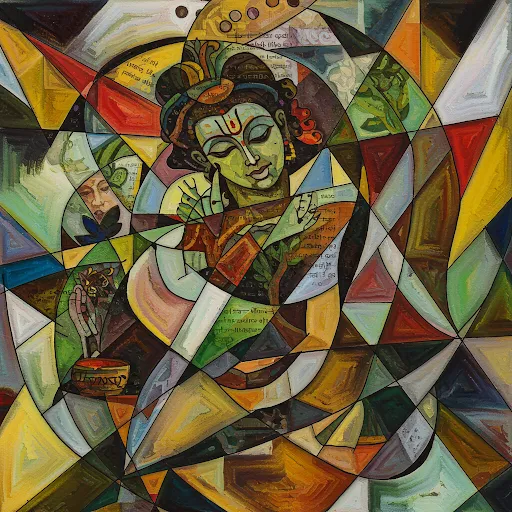
The mountains, springs, rivers, wilds, birds, and beautiful insects and animals amaze me. I meet them and talk. In general, what people call it as nature is my closest friend. Friend not merely, she offers me her beauty she gives floor to write poem about love and nature.
She is the one and only sweetheart. I love to glance, gaze, and even glare at, and eye. The swirling clouds above the hillocks, spilled sun over all the farms, the village peasants lost in toils of touching heart melencholies get me to fall deep, deep in love.
It makes me recall my past childhood and the enchanting youthhood luring me in the amusement of being with all the joys and ecstasy of her long waits and accompaniments. Then, all my being forms into graphic tunes into verses of Love, Life, and enLightenment.
Then, I wonder why there are wars in this world when we have so much to Love, Live and Light human hearts! In this guide, we’ll show you how to craft a poem that blends the wonder of nature with the warmth of love, helping you capture the magic that exists in both.
Table of Contents
Writing a Poem About Love and Nature from the Core of Heart
Nature and love in lives on the earth are so intertwined that the absence of one can not be imagined naturally. These two possess profound psychological and emotional strength. Both nature and love tinge the heart of the poet to create sweet verses.
Nature as a Mirror for Love: Nature the mirror of love
The mirror reflects the image as the face depicts. By nature, the world and its phenomenal representations are all temporal. Transformation, change, conversion, and progress are inevitable.
All these are experienced through human emotions. A poet crafts the beauty in verses copying from the flower, cloud, storm, snows, and fires where nature and love reflect human feelings of the heart.
Many different forms of love
Talking about love and romance is common. Love is being for the self, and realisation is grave. We have a love to master in deeper spiritual and environmental essence. The basics for all these variations in love originate in nature. Nature is the mother of all sources and resources.
It is love that makes us ready to give away or sacrifice without any expectations. All that we receive in life comes from nature. Our emotions in poems are used for prayer to nature with deep sense of reverence and veneration.
Emotional Depth through Nature: Nature holds deeper emotions
The poem is the mirror reflecting truth through the glass panel, linguistically using figurative language by applying metaphors and similes. Wilds, flora and fauna, trees, lakes, rivers, oceans, seas, and mountains all inspire us to fall in love with writing.
Like the seasons, change can be expressed using nature’s moods. A falling leaf can mean loss or it can evoke sense of longing for the darling or missing. The gentle swaying of farm crop fields can mean joy or soothing breeze, and drizzling wind may depict grief or solace,
To understand how nature and love go together, we are setting the stage for creating poetry which matches both the joyful nature of human emotions and the beauty of the world of nature.
Drawing Inspiration from Nature
All around us, nature has endless inspiration to offer us. Wherever we live, it may be on the top of mountain, city park, ocean beach, deep inside jungle, or in a cozy cafe corner we have plenty of chance to observe happenings in the surrounding.
The drops of rain, rustling grass or whispering wind can ring our heart for putting words together to compose a poem. Be thoughtful about all feeling generated by the elements of the nature evoking our mind. Flowing river, still lake or standing tree might give us ideas of love in progress and firm footing or a circumstance of struggle in life.
Likewise, a pair of birds, a herd of deer, and a pride of lions can talk more about devotion, duty, responsibility, and social life. A watchful poet knows to see all natural phenomenon guiding the heart with pure emotions for correct articulation in the poetry.
Choosing a Focus for Your Poem
There are certain aspect a poet must consider before one begins to flow in writing. What specific idea or matter of fact occurs in mind? Why must this thought appear in your heart? Is there someone in your mind you are willing to address? The Nature guides us.
The star at dawn or twilight can give a sense of hope. A tide and ebb in the ocean may tell us about changing situations and moods of the mind. Here, the point to be considered is to have a strong sense of specificity that a nature poem demands.
Therefore, select the nature subject the way it resonates deeply to the feelings of your heart and your audience. When you come to know what you are focused at, now think about how it connects love and the theme you mean to bring out of your heart.
There, you are telling about a fresh love start like the blooming flower or new leaves on spring trees or reminding about a lasting bond between hearts like the roots and of an old tree of yonder years. The right selection of the elements in nature shapes the mood and tone of our beautiful poem.
Check this out!
Language and Imagery: Painting Pictures with Words
By the use of imagery, the sensory richness and touch of the poem gets attractive, and it thrives among the minds. Have a look at the nature that offers use of descriptive language to paint an image in the reader’s mind so as to create expected emotions in them,
The natural scenes can be painted graphically by choosing right colors, sound, textures, land smells of your choice. What is going around? You are standing by the river and the water gently washes your feet, or the air around you blowin crisp, or warm sunlight pours upon you.
Two of the powerful linguistic tools in poetry are the use of Metaphors and similes that are present in Nature. The line”She came over me a blanket in winter!” can instigate a reader’s mind the urge to go near one’s sweetheart. This is the power of using language in poetry using nature.
Creating a Mood and Tone
The nature and love both can give depth to the mood and tone of the poem the way we use. What is the kind of love we wish to express? Is it about passionate and intense feeling. Is it about peaceful grace and gentle care you want to talk all about?
Likewise, a thunderstorm might generate a fierce emotive concern in consuming love, and while it may mean contentment and satisfaction when the stillness of morning mist and soothing sunlight is depicted in the poetry. All symbolizing quiet and tender affection.
The completeness of the poem is built with an appropriate choice of language, rhythm, and imagery. Love poems create excitement, through first love experience, with light and refreshed heart. In deep love endurance and sense of serenity and devotion are expected.
Nature has plenty of elements to offer us in order to serve them as creating moods creating real experiences in our readers heart.
Structure and Form
In writing free verses a lot of freedom can be utilized while traditional writing of poem takes seriousness. Thus, the structure of poem plays a vital role in how to make emotions flow in poetry. For instance, a sonnet elevates romance by adding metres, rhythm and rhyme.
A haiku can better be used in telling more about fleeting nature of love creating awe in mind that can capture the essence of the real time perfectly well. Similarly, ghazal is vivid in emotive glue.
Now, the arrangement, organizing stanzas and using line breaks also create how a poem feels better like a love poem of nature. A lengthy flowing line of poetry can sing a calm, crazy feeling about lasting love while short choppy lines deliver the sense of urgency and strength of need.
Writing Your Poem
It is time now to collect inspiration and choose firmly what we are focussed on. We begin by grounding the landscape of the poem over a strong imagination of the natural flow of thought. The poem must not lose ground. The writing must be led all around the main theme.
This is helpful in the expansion of emotions to evoke deep concern about the subject matter. A unique way of experimenting with language, sounds, rhythm, and expressions can aid to the beauty of the poem we write.
The ice breaking line in the poem can represent the total mood of your idea of the poem. It holds the reader for complete reading of the poem. In the same way the culminating verse should cick punch with powerful image and resolution of emotional journey we are taking our readers on.
Revising and Refining
Before the go, take a break to revisit what you have written as your poem. When you sit for revision work, we can read it aloud or ask our peers to read and check the flow of the sound and wording in the poetry.
See through some lexical, semantics and sentaxtical correction we need to pay attention to. Each graphic representation in the poem is a gem whether it be a letter alphabet, word, phrase, clause, sentence or the stanza in it. Be after them as if you follow a mate on facebook.
Love and Nature: in Radhe-Krishna Naam

Writing a poem about nature and love is an opportunity we have for us to blend the beauty of the natural world with the depth of human emotion. By connecting deeply with nature and using vivid imagery and emotional expression, we can create a powerful piece that resonates with our readers.
Here goes the anecdote an ancient long lost love story of Radha and Krishna’s next life when they were reborn as common human hearts of love and nature.
In their next life, Radha was reborn as Lilawati, a dreamy-eyed village lass whose fingers danced upon the flute, weaving melodies that echoed Krishna’s divine tunes. Krishna returned as Madhav, a devout Brahman preacher whose sermons stirred souls, yet his own heart ached with a longing that could not be named.
Every night, in the realms of dreams and sleeps, they both met beneath the same silver-kissed kadamba tree, where she played the flute and he listened, their souls entwined in a love older than even time itself. By the day, he preached in the villge square on the byashaashana, and when their eyes met, hers shimmering with recognition, his faltering with unspoken devotion, the air thrummed with music of the past bygone life long ago and love lost in yonder.
The villagers whispered of the preacher who blushed at the sight of the flute-playing maiden, and the beauty whose songs carried the sorrow of a love lost and found again. Destiny it was, that had brought them back, not as goddess and god, but as two hearts bound by an eternal melody of love and nature they only could hear as echos in the heart vales!
Let’s keep in mind that poetry is a personal experience, so let it be unique in the voice and feelings that guide us. Whether it’s the first bloom of spring or the calming rhythm of the ocean, nature will always be there to inspire us and enrich our exploration of love throughout life.
The summit – I’ve seen

The summit, I’ve seen of every longing high, While all around lay silence, a lonesome sky.
In that stillness, but even you weren’t gone, Stood before me only you, like the breaking morn dawn.
Emeralds and diamonds enchant the crowd’s gaze, Yet I saw you, my love, in your mortal ally ways.
They adored the glitter, blind to your grace, But I found life in your timeless embrace.
The starlight you are, and the earth’s sweet scent, My land, my soul, through you is wholely lent.
In this soil I see the shape of my form, You are the fire in every life-storm.
With each drop of blood running through my veins, Is a vow to love you eternally both in gain and pains.
Only it is for you, I’d offer this life I bear, My truth, my courage, laid fully bare.
Today, dear heart, my pen sips tea with flame, And writes your name as my soul’s domain.
For what I breathe, I breathe for only thee, The merely inheritance for all on earth to see!
The Poem of the Day: May 6, 2026
ग़ज़ल:
       डूबता पानी होकर सोचा तुमने
कभी पानी फ़ानी होकर सोचा तुमने,
मेरे दिलवर जानी होकर सोचा तुमने।
        तन्हा शाम सहराओं में डूबता सूरज,
        प्यासे डूबता पानी होकर सोचा तुमने।
बहती हवा तो छूकर आती-जाती रही,
चैन-ओ-अमन परेशानी होकर सोचा तुमने।
        ख़ुदा अब ज़िक्र कहाँ क़ाबिल-ए-ज़िक्र,
        बेख़ुद से मनमानी होकर सोचा तुमने।
रोशन चेहरा तेरा, आँखों रोशनी मेरी,
दर्द-ए-जहाँ रूहानी होकर सोचा तुमने।
        नंग-धड़ंग हाज़िरात दर्पण सामने देखो,
        दिखने वाले दिखानी होकर सोचा तुमने।
Quantinuum QS घुले जब चाय में अब,
सजनी सजी प्याली होकर सोचा तुमने।

ग़ज़ल की तशरीह
इस ग़ज़ल की अदबी सबसे प्रमुख विशेषता यह है कि शायरने “पानी” को केवल प्राकृतिक तत्व नहीं रहने दिया, बल्कि उसे फ़ना, प्यास, जीवन, बेचैनी, अमन, रूहानी दर्द और आत्म-दर्पण, इन सबका बहुअर्थी प्रतीक बना दिया है। “डूबता पानी” और “फ़ानी पानी” का आरम्भिक प्रयोग पूरी ग़ज़ल के लिए एक तसव्वुफ़ी फ़िज़ा तैयार करता है।
मतला
“डूबता पानी होकर सोचा तुमने कभी
पानी फ़ानी होकर सोचा तुमने, मेरे दिलवर जानी होकर सोचा तुमने।”
यहाँ “पानी” का डूबना अपने भीतर एक विलक्षण विरोधाभास रखता है, पानी स्वयं डुबोता है, फिर “डूबता पानी” कैसे हो? यही विरोधाभास शेर को सूफ़ियाना अर्थ देता है। मनुष्य जब अपने अहंकार, अपनी पहचान और अपनी स्थूल सत्ता से उतरकर स्वयं को “फ़ानी” समझता है, तब वह अस्तित्व की गहरी सच्चाई को छूता है।
“दिलवर जानी” संबोधन में इश्क़ का निजी ताप है, जबकि “फ़ानी” शब्द उसी प्रेम को आध्यात्मिक विस्तार देता है। अर्थात् महबूब केवल प्रेम का पात्र नहीं, बल्कि उस अनुभूति का माध्यम है जिसमें आशिक़ अपनी “मैं” को मिटाकर किसी व्यापक सत्य में विलीन होना चाहता है।
दूसरा शेर
“तन्हा शाम सहराओं में डूबता सूरज,
प्यासे डूबता पानी होकर सोचा तुमने।”
यहाँ “सहरा”, “शाम”, “डूबता सूरज” और “प्यासा पानी”, चारों बिंब मिलकर विरह का एक अद्भुत दृश्य बनाते हैं। सहरा प्यास का प्रतीक है और पानी तृप्ति का; लेकिन यहाँ स्वयं पानी ही डूब रहा है। इस प्रकार तृप्ति का साधन भी असहाय हो जाता है।
डूबता सूरज समय की क्षणभंगुरता का प्रतीक है। शाम केवल दिन का अंत नहीं, बल्कि जीवन के ढलते हुए क्षणों का रूपक भी है। इस शेर में प्रेम-विरह धीरे-धीरे अस्तित्ववादी प्रश्न में बदल जाता है, जिसे पाने के लिए जीवन भर प्यास थी, क्या वह भी अंततः फ़ना की ओर नहीं जाता?
तीसरा शेर
“बहती हवा तो छूकर आती-जाती रही,
चैन-ओ-अमन परेशानी होकर सोचा तुमने।”
हवा सामान्यतः राहत, स्वतंत्रता और सुकून का प्रतीक है। मगर यहाँ वह केवल छूकर गुजर जाती है। उसकी क्षणिक स्पर्श-स्मृति प्रेमी के भीतर स्थायी बेचैनी पैदा करती है।
“चैन-ओ-अमन” और “परेशानी” का juxtaposition अत्यंत अर्थपूर्ण है। बाहर की दुनिया में हवा अमन का संदेश ला सकती है, लेकिन भीतर का प्रेम उसी अमन को बेचैनी में बदल देता है। इस तरह कवि बाहरी शांति और आंतरिक अशांति के बीच का फ़ासला रेखांकित करता है।
चौथा शेर
“ख़ुदा अब ज़िक्र कहाँ क़ाबिल-ए-ज़िक्र,
बेख़ुद से मनमानी होकर सोचा तुमने।”
यहाँ ग़ज़ल अचानक रूहानी और दार्शनिक धरातल पर प्रवेश करती है। “ज़िक्र” और “ख़ुदा” सूफ़ियाना शब्दावली के केंद्रीय संकेत हैं।
“ख़ुदा क़ाबिल-ए-ज़िक्र कहाँ”, इस कथन को शाब्दिक नास्तिकता के रूप में नहीं, बल्कि अक़्ल की सीमा के रूप में पढ़ना अधिक उपयुक्त है। जो परम है, जो शब्द और विचारों से परे है, उसे आखिर कितनी हद तक शब्दों में बाँधा जा सकता है?
“बेख़ुद” यहाँ उस अवस्था की ओर संकेत करता है जहाँ साधक अपनी ख़ुदी से आगे निकल जाता है। मगर “मनमानी” शब्द इस रूहानी अनुभव में एक हल्की व्यंग्यात्मक चमक भी पैदा करता है.मनुष्य ख़ुदा को समझने के नाम पर अक्सर अपने ही विचारों को ख़ुदा का अर्थ बना लेता है।
पाँचवाँ शेर
“रोशन चेहरा तेरा, आँखों रोशनी मेरी,
दर्द-ए-जहाँ रूहानी होकर सोचा तुमने।”
यह ग़ज़ल का अत्यंत सुंदर प्रेम-दर्शन है। महबूब का चेहरा रोशनी है और आशिक़ की आँखें उस रोशनी की ग्रहणशील जगह।
यहाँ “तेरा” और “मेरी” का संबंध भी महत्वपूर्ण है, रोशनी महबूब से आती है, लेकिन उसका अनुभव आशिक़ की आँखों में जन्म लेता है। यानी प्रेम में सत्य केवल बाहर नहीं, भीतर भी निर्मित होता है।
“दर्द-ए-जहाँ” को “रूहानी” बना देना प्रेम की सबसे ऊँची व्याख्याओं में से एक है। संसार का दुख यहाँ केवल व्यक्तिगत पीड़ा नहीं रह जाता; वह आत्मा को परिष्कृत करने वाला अनुभव बन जाता है। सूफ़ी परंपरा में दर्द अक्सर वह दरवाज़ा है जिसके पार इश्क़ की गहरी पहचान मिलती है।
छठा शेर
“नंग-धड़ंग हाज़िरात दर्पण सामने देखो,
दिखने वाले दिखानी होकर सोचा तुमने।”
यहाँ “दर्पण” स्पष्टतः आत्म-दर्शन का प्रतीक है। कवि स्वयं को बिना आडंबर, बिना आवरण और बिना सामाजिक सजावट के आईने के सामने खड़ा करता है।
“नंग-धड़ंग” को केवल शारीरिक नग्नता न समझकर अस्तित्व की नग्न सच्चाई के रूप में पढ़ना अधिक प्रभावी है। मनुष्य जब अपने पद, प्रतिष्ठा, धर्म, विचार, ज्ञान और सामाजिक मुखौटों से मुक्त होकर स्वयं को देखता है, तब उसे अपने वास्तविक अस्तित्व का सामना करना पड़ता है।
“दिखने वाले दिखानी” में एक आत्म-संदर्भित खेल है. जो दिखाई देता है, क्या वही वास्तविक है? और जो दिखाई नहीं देता, क्या वह अस्तित्वहीन है? इस प्रकार दर्पण यहाँ दृश्य और अदृश्य, रूप और सत्य, शरीर और आत्मा के बीच प्रश्न खड़ा करता है।
मक़ता
“Quantinuum QS घुले जब चाय में अब,
सजनी सजी प्याली होकर सोचा तुमने।”
मक़ते में आपकी समकालीन वैज्ञानिक शब्दावली अचानक एक घरेलू, आत्मीय और रोमानी दृश्य में प्रवेश करती है। “Quantinuum QS” जैसी क्वांटम-संबंधी संज्ञा को “चाय की प्याली” में घुलाना आपकी विशिष्ट काव्य-प्रविधि है, आधुनिक विज्ञान और मानवीय प्रेम को एक ही प्रतीकात्मक संसार में लाना।
“सजनी सजी प्याली” इस पूरे वैज्ञानिक संकेत को मानवीय बना देती है। अत्यंत जटिल क्वांटम अवधारणाएँ अंततः प्रेमी-प्रेमिका के बीच साझा की गई एक चाय की प्याली में आकर घरेलू आत्मीयता प्राप्त करती हैं।
यहाँ “घुलना” विशेष महत्त्व रखता है। पानी, प्रेम, रूह, प्रकाश और अब क्वांटम, सभी अंततः “घुलने” की प्रक्रिया से जुड़े दिखाई देते हैं। यानी आपकी ग़ज़ल में विलयन (dissolution) एक केंद्रीय दार्शनिक रूपक बन जाता है: अहंकार प्रेम में घुलता है, प्यास पानी में, दर्द रूह में, और आधुनिक विज्ञान मानवीय अनुभव में।
समग्र अदबी अर्थ
इस ग़ज़ल की मूल संरचना “पानी से रूह तक और रूह से क्वांटम तक” की यात्रा है। आरम्भ में पानी भौतिक है; फिर वही पानी प्यास, फ़ना और जीवन का प्रतीक बनता है। हवा चैन और परेशानी के द्वंद्व को लेकर आती है। फिर कविता ख़ुदा और ज़िक्र के प्रश्न तक पहुँचती है। उसके बाद प्रकाश, आँख और रूहानी दर्द के माध्यम से प्रेम आध्यात्मिक अनुभव में बदल जाता है। दर्पण आत्म-पहचान का प्रश्न उठाता है और अन्ततः Quantinuum का संकेत कविता को आधुनिक वैज्ञानिक चेतना से जोड़ देता है।
इस लिहाज़ से ग़ज़ल की सबसे बड़ी खूबी उसका अर्थ-संचरण है, एक ही “पानी” क्रमशः प्यास, फ़ना, प्रेम, दर्द, आत्मा और क्वांटम-विलयन में रूपांतरित होता जाता है।
ग़ज़ल की यह पंक्ति “पानी फ़ानी” विशेष रूप से पूरी ग़ज़ल की कुंजी है। “पानी” और “फ़ानी” की ध्वन्यात्मक निकटता स्वयं एक काव्यात्मक पुल बनाती है: पानी बहता है, सूखता है, डूबता है, घुलता है, और मनुष्य भी उसी प्रकार समय, प्रेम और अस्तित्व में बहते हुए अंततः फ़ना की ओर जाता है।
इसलिए यह ग़ज़ल केवल आशिक़ाना ग़ज़ल नहीं है; इसमें इश्क़, तसव्वुफ़, अस्तित्व-दर्शन, आत्म-दर्शन और समकालीन वैज्ञानिक कल्पना एक ही काव्य-तंतु में गुंथी हुई हैं। इसका केंद्रीय संदेश शायद यही है कि जो कुछ दिखाई देता है वह स्थायी नहीं, और जो कुछ अदृश्य है वही कभी-कभी अनुभव का सबसे गहरा सत्य बन जाता है।
The Poem of the Day: May 7, 2026
ग़ज़ल
        तुम भी आ गईं कहकशाँ सा जलज़ला
आई थी वो इकदम अजीब-सी तूफ़ान,
कहर ढाती हर क़दम अजीब-सी तूफ़ान।
           तुम भी आ गईं कि कहकशाँ-सा जलज़ला,
           उखड़े सीने में था दम, अजीब-सी तूफ़ान।
तूफ़ाँ जो आया तो अर्ज़ियाँ बनती कहाँ,
जीना-मरना है सनम, अजीब-सी तूफ़ान।
           अनजानी राह तू, फिरता चला फ़क़ीर हूँ,
           तू हर सुख़न-क़लम, अजीब-सी तूफ़ान।
ऐ ख़ुदा, तेरी ख़ुदाई ख़ुदी से जुदा-जुदा,
वफ़ाई, जफ़ा, बेरहम, अजीब-सी तूफ़ान।
           YQS2026 है बड़ी इक चुनौती आज की,
           है क्वांटम एल्गोरिदम, अजीब-सी तूफ़ान।
सुकूँ चाय की चुस्की में, निशाँ दिखे “दर्पण”,
जी भर दे सुबह-ओ-शाम, अजीब-सी तूफ़ान।
The Poem of the Day: May 8, 2026
ग़ज़ल
        नहीं मंज़िल न ठिकाना यूँ ही भाग-दौड़ में
कब से, कहाँ से, क्यों सब यूँ ही भाग-दौड़ में,
कैसी फ़ितरत बनाई रब ने यूँ ही भाग-दौड़ में।
           क़िस्मत की ऐसी भागमभाग में वो मिली हमें,
           इत्तिफ़ाक़ है कि लगा ये सबब यूँ ही भाग-दौड़ में।
बड़ा दुश्मन ज़माना, कहीं रुकने का नाम नहीं,
ठहरी-सी वो वहाँ बे-अदब यूँ ही भाग-दौड़ में।
           पूछते रहते हो तुम हमें कि जाना है कहाँ तक,
           नहीं मंज़िल, न ठिकाना अब यूँ ही भाग-दौड़ में।
बस तू मायूस इस तरह न हुआ कर बेवजह,
याद कर लेना चाहो जब-तब यूँ ही भाग-दौड़ में।
           तन्हा ख़ामोश तेरे कमरे में तुझे देखा है दर्पण,
           ख़ुद को देखूँ तो तू दिखे जब यूँ ही भाग-दौड़ में।
आज की चाय में “Magnons” उम्र-भर घुली रही,
सजनी पिला गई कृति-करतब यूँ ही भाग-दौड़ में।
The Poem of the Day: May 9, 2026
ग़ज़ल >>>On Blog (May 10, 2026)
        रंग ढंग से समझ लेना तेरा
बेढंगी बातों का रंग-ढंग से समझ लेना तुम्हारा,
बेरंगी बतंगड़ हवा-पतंग से समझ लेना तुम्हारा।
           पल-पल हलचल, चंचल चलचले दिल हिल,
           बेसंगी खिला-खिला अंग से समझ लेना तुम्हारा।
दुनिया में हम हैं, मगर हमारी दुनिया है क्या,
बेदंगी दिखा न हुड़दबंग से समझ लेना तुम्हारा।
           सबको तो है जितना, पर वो जीत से बेदख़ल,
           बेजंगी संत मिले जंग-तंग से समझ लेना तुम्हारा।
जप-जप नाम वो, तप-तप सब तपस्या तमामी,
बेभंगी बदनाम भाँग-भंग से समझ लेना तुम्हारा।
           बकवास सियासी खेल, गंदा तारीखी तमाशा,
           बेपंखी घोड़े का वायुपंख से समझ लेना तुम्हारा।
खलबली उबली है चाय, सजनी क्वांटम सूप,
बेचंग दर्पण देख पी-संग से समझ लेना तुम्हारा।
The Poem of the Day: May 11, 2026
ग़ज़ल
      मधुवाला मधुशाला हलाहल खला मतवाला
देख ठुमकती बाला, मधुशाला, चला मतवाला,
शेख क्या जाने, प्याले में हाला, मला मतवाला।
           दिल का दर्द, तू क्या जानो, दीवाना, अनजाना,
           एक मुसाफिर, दूर देशको, चलचला मतवाला।
सुख दुःख दो, कमान तीर, सीना चीर दे फाड़,
नेक इंसान देखो, वे कैसे जिए, भला मतवाला।
           सागर दरिया ढलपल जाम छल्की जलवे जवां,
           फेंक मनके सिक्के कौड़ी दाम डला मतवाला।
मुरशद फुरकत एक बने तो बैठें साथ पीनेको,
सेंक दो रोट लोट-पोट भिगो लें गला मतवाला।
           खैर तेरी वो देख दर्पण चमका दमका दो नैना,
           मधुवाला के मधुशाला हलाहल खला मतवाला।
न्यूरोमोर्फिक कंप्यूटिंग आज अलग चाय छना,
सजनी बुझे है प्यास कहे ये घड़ीपला मतवाला।
The Poem of the Day: May 12, 2026
ग़ज़ल
   नहीं आकर भी आया, नहीं हुआ कहाँ
नहीं आकर भी आया, नहीं हुआ कहाँ है तू,
जाकर दूर भी मुझसे, नहीं हुआ कहाँ है तू।
           इरशाद किए उस अर्ज़ पे हमने आदाब के साथ,
           अदब-पेशी में खोया, नहीं हुआ कहाँ है तू।
मुसलसल पाक काफ़िरी इस्लामात-ए-दिल में है,
ईसाइयत-ए-ख़ुदा-सा, नहीं हुआ कहाँ है तू।
           हमारे हिस्से की मोहब्बत रहमान-ओ-मेहर ठहरी,
           मेरे नाम से गुज़रा, नहीं हुआ कहाँ है तू।
तुझे देखूँ तो वह्मों का इक दरिया-सा उठता है,
चाक-ए-जिगर ये पूछे, नहीं हुआ कहाँ है तू।
           किसे फ़िक्र इस ज़माने की, ज़िक्र ख़बरदारों में क्या,
           यूँ चमकता हुआ जलता, नहीं हुआ कहाँ है तू।
सिनैप्टिक ट्रांजिस्टर-से उलझे-सुलझे रंगों में,
सजनी चाय-सा ढलता, नहीं हुआ कहाँ है तू।
           दर्पण तेरी यादों का अजब आलम है रूहों में,
           हर सू तू ही तू बिखरा, नहीं हुआ कहाँ है तू।
The Poem of the Day: May 13, 2026
ग़ज़ल:
   जहालत जंगी अब इल्म का तालिब
बे-इमानी छोड़कर ईमान से क्या नवाज़ा!
काफ़िरी के बाद फिर इरफ़ान (ज्ञान) से क्या नवाज़ा!
           थी ग़ज़ालियात की सूफ़ियाना इक मुल्क-ए-वीराँ,
           दीन की शमा और दीवान से क्या नवाज़ा!
छीन ले तू हक़ मेरा अपनी रज़ा से ऐ मेरे मालिक,
हर दुआ और साँस के कुर्बान से क्या नवाज़ा!
           थी जहालत की जो जंग अब इल्म का तालिब हूँ मैं,
           अम्न के फ़रमान और सुब्हान से क्या नवाज़ा!
हिन्द-ओ-सिंध और हिमालय में बसी हैं आयतें,
हुस्न-ए-जन्नत और अर्श-ओ-अमान से क्या नवाज़ा!
           वहम थे सब जंग के, चाहे सियासी हों या रूहानी,
           'न्यूरोमोर्फिक' 'क्वांटम' के इस ज्ञान से क्या नवाज़ा!
दिल के दर्पण में 'अली' का दम लरज़ता है हर दम,
जाम-ए-उल्फ़त भर दे, ऐसी शान से क्या नवाज़ा!
The Poem of the Day: May 14, 2026
ग़ज़ल
        जुदा वो तसव्वुफ़ पनाहों का फ़ना कहाँ
जुदा है वो तसव्वुफ़, हम पनाहों का फ़ना कहाँ,
ख़ुदा अन-अल-हक़, हम निगाहों का जना कहाँ।
           गुज़रे हैं राहों-सरिया, कुफ़्रज़द मज़हबी वीरानी,
           पाक फ़रेबी-जलेबी अफ़गानाहों का पना कहाँ।
तसव्वुर-ए-तरीक़ा, दर पे हज़रत को है दावत,
मोहब्बत के क़ातिल से परवाहों का बना कहाँ।
           मुक़ाम-ए-मआरिफ़ा, एहसासों के दरिया हो तुम,
           फ़ना-फ़ी-फ़नों अजूबा तेरे बाँहों का तना कहाँ।
बक़ा बी-दरवेशी जुनूनों हों हासिल-ए-हक़ीक़ा,
उन-अल-हक़ फ़रिश्तानी राहों का मना कहाँ।
           मामूली-सी ख़ुशी है, खिलौने, खिलौने; खेल-खेल,
           light-element superconductors का ठना कहाँ।
सल्लल्लाहु अलैहि वसल्लम दिखे ख़्वाब, दर्पण,
साथ बैठे चाय पीने को सर-आँखों का छना कहाँ।
The Poem of the Day: May 16, 2026
क्वांटम ग़ज़ल
           हैरान परेशान हुआ मैं तू ही तू हो न हो
हसीं वो रक़ीबी पास आकर तुझे थी निभानी,
आशिक़ी हमारी तूने बेदर्दी कहाँ पहचानी।
           हम गए नहीं थे पास, तू आई थी अपने मन से,
           लुटा रूह-ओ-जहाँ सारा, पहचान दिलबर-जानी।
वो बहता पानी मैं था, दरिया में उड़ती फ़ज़ा,
हवा पहाड़ों की चोटी पर छूकर आया हैरानी।
           हैरान परेशान यूँ न हुआ मैं, तू ही तू हो न हो,
           मेरा होना क्या था वहाँ, तेरी होती है आजानी।
ख़ुदा-बख़्श हमें बख़्श, न रख निज़ात मेहरबान,
फ़ना फ़ी-बक़ा बि-हक़ीक़ा, अज़ान बे-क़ुर्बानी।
           'Trinitite' का एटम बम से मिल जाना नसीब,
           क्वांटम सिलिकॉन होंगे, कंप्यूटिंग नई दीवानी।
अनोखा एक अक्स दर्पण प्यार से तू दिखाए,
जानेमन! चाय आज भी ले, दिल से है पिलानी।
The Poem of the Day: May 17, 2026
ग़ज़ल
        सुनाएँ क्या तुम्हें इस दिल की बदहाली
कभी भी हाथ किसी का न छोड़ा हमने मगर,
दिलों को हर तरह से है जोड़ा हमने मगर।
           ज़माने भर की कोशिश हो गई नाकाम आख़िर,
           हर एक तारीख़ में ग़म को मरोड़ा हमने मगर।:
सँवारा ख़ूबसूरती से तहज़ीब का चेहरा,
रस्म-ओ-रिवाज का हर ढोंग तोड़ा हमने मगर।
           नई बातें वो करते हैं हर एक मुलाक़ात में,
           झुका के शर्म से सर को मरोड़ा हमने मगर।
सुनाएँ क्या तुम्हें इस दिल की अब बदहाली हम,
फ़तवे के डर से सर को न फोड़ा हमने मगर।
           जो आई 'नॉर्ड क्वांटिक' एरर की सूरत में,
           तलाश-ए-हक़ से फिर मुँह न मोड़ा हमने मगर।
खिले चेहरा जो दर्पण में, पिया वो चाय का प्याला,
किया है परहेज़ और दूर छोड़ा सोडा हमने मगर।
The Poem of the Day: May 18, 2026
ग़ज़ल
        बनी ना तुम से कोई बात भारी गई अब दिन आ गए
बड़ी बर्षात की वो रात भारी गई, अब दिन आ गए,
बनी ना तुम से कोई बात, भारी गई, अब दिन आ गए।
           क्या शिकवे-गीले हमारी तुम्हारी तरफ़दारी का यहाँ,
           हो ना सके जो कभी साथ, भारी गई, अब दिन आ गए।
पर सितम जो ढाए कढ़ाई खाल के खींच खींच कर,
बस होना ही था बर्बाद, भारी गई, अब दिन आ गए।
           बावजूद हमवतन हम-तुम, बेवतन वतन-परस्ती में,
           खा गई ग़ैरों दस्ता जात-पात, भारी गई, अब दिन आ गए।
बेहिसाब माँग हर हिसाब-किताब की है यहाँ जनाब,
ज़ब्त किया हमने हर आघात, भारी गई, अब दिन आ गए।
           'Hoxb8 gene' इम्प्लांट चलो खोपड़ी में डालो अब,
           मिटे तमाम मन की अवसाद, भारी गई, अब दिन आ गए।
दिखता है तू तो लिखता हूँ दर्पण में जैसे चेहरा मेरा,
हो चाय सजनी मदमात, भारी गई, अब दिन आ गए।
The Poem of the Day: May 19, 2026
ग़ज़ल
बहुत ख़ूबसूरती से बदसूरत कहना क्या रहा,
कुछ मुलायम सख़्ती से व्रत बरतना क्या रहा।
           तू है तू, मैं मैं हूँ - ये फ़ासला न मिट सके,
           इतने क़रीब रिश्तों का यूँ जुड़-टूटना क्या रहा।
हर कही बात पे यूँ सही-सही अमल होते रहे,
ज़रा गुस्ताख़, गुज़र-गरज़ में मस्त पड़ना क्या रहा।
           तेरे जज़्बे, तेरे जलवे उधाड़ कर देख लिए,
           तू खरा भी न उतरा, नज़र से गिर जाना क्या रहा।
गिरा हूँ तो क्या हुआ, पड़ा हूँ तो फिर खड़ा भी हूँ,
सरे-जहाँ ज़िंदगी में यूँ ख़स्ता सँभलना क्या रहा।
           SAFEcore Edge पोस्ट-क्वांटम सिक्योरिटी ही सही,
           हम-तुम में ख़ुफ़ियाई, कड़ी गश्त बरपाना क्या रहा।
जानेमन, सुबह-ओ-शाम तूने चाय गरम पिलाई है,
दर्पण को देख न छोड़े, जबरदस्त चमकाना क्या रहा।
The Poem of the Day: May 20, 2026
ग़ज़ल
        ना कुछ में कुछ होने को ठानो मैं ही हूँ तेरा दर्पण
मानो या न मानो, देखो जानो, मैं ही हूँ तेरा दर्पण,
पलकों के झरोखों पहचानो, मैं ही हूँ तेरा दर्पण।
           चारों तरफ़ निहारो, झुककर उठाकर अपनी नज़र,
           वादी, फ़ज़ा, पर्वत, आशमानों, मैं ही हूँ तेरा दर्पण।
ब्रह्म-महाविस्फोटन से हर ज़र्रा चमका सू-बह-सू,
ना-कुछ में कुछ होने को ठानो, मैं ही हूँ तेरा दर्पण।
           वेद, वेदना, संवेदना, ज्ञान-विज्ञान, बाइबिल-क़ुरआन,
           कृष्ण, क्राइस्ट, रहीम, रहमानों, मैं ही हूँ तेरा दर्पण।
एक ही साथ आग, पानी, दिन-रात जब तुम देखो,
जुड़े तन-मन के तरंग-कणों, मैं ही हूँ तेरा दर्पण।
           क्वांटम-लीप है, रीयमान हाइपोथेसिस भी देखना,
          अब के मोक्ष-निर्वाण-झ्यानो, मैं ही हूँ तेरा दर्पण।
दर्पण हूँ, नहीं कोई बड़ी बात, साफ़ हो या मैला-धैला,
मन-माफ़िक चाय-छन बनो, मैं ही हूँ तेरा दर्पण।

(संक्षिप्त भावार्थ / तशरीह:
यह ग़ज़ल “दर्पण” को केवल शीशा नहीं, बल्कि समस्त अस्तित्व का प्रतीक बनाती है। शायर कहता है कि ब्रह्माण्ड, प्रकृति, धर्म, विज्ञान, प्रेम, चेतना और यहाँ तक कि क्वांटम सिद्धांतों में भी वही एक प्रतिबिंब मौजूद है।

“मैं ही हूँ तेरा दर्पण” का आशय अहंकारपूर्ण “मैं” नहीं, बल्कि उस सार्वभौमिक चेतना से है जो हर वस्तु और हर अनुभूति में परावर्तित होती है।

ग़ज़ल में वेद से क़ुरआन, कृष्ण से क्राइस्ट, और क्वांटम लीप से रीयमान हाइपोथेसिस तक का उल्लेख यह दर्शाता है कि आध्यात्म और विज्ञान विरोधी नहीं, बल्कि एक ही सत्य की अलग-अलग भाषाएँ हैं।

अंतिम शेर में दर्पण की सादगी के माध्यम से यह संदेश आता है कि सत्य किसी आडंबर में नहीं, बल्कि सहजता और आत्म-स्वीकृति में दिखाई देता है। “मन-माफ़िक चाय-छन बनो” लोक-संवेदना और आत्मीय घरेलूपन का सुंदर प्रतीक बनकर उभरता है।)
The Poem of the Day: May 21, 2026
ग़ज़ल
         जरा सी छूना है गहरा है जाना है एक स्पर्श
जरा-सी छूना है, गहरा है जाना, है एक स्पर्श,
भरा-सी तू ना है, लहरा है माना, है एक स्पर्श।
           किनारों तक तेरा गुज़र जाना आकर रहगुज़र,
           डरा-सा रहना है, पहला-सा आना, है एक स्पर्श।
नज़र को छूना है बदन के पार कुछ अनजानी,
हरा-सा रंगना है, ढलना है, पाना, है एक स्पर्श।
           वो एक सुर है, रागिनी, कर्णप्रिया रूही गुंजन,
           तरा-सा धुनना है, चलना है, गाना है, एक स्पर्श।
अलग-सा बात का स्वाद, पर हरेक एहसास में,
खरा-सा बनना है, चखना है, खाना, है एक स्पर्श।
           फिशन-रिएक्टर से छूने को हम चाँद चले हैं,
           डरा-सा कहना है, “ना” है कि “हाँ” ना, है एक स्पर्श।
बोलते नहीं, बातों से छू लेते हो ये दिल, दर्पण,
देखना है, पीना है, जीना है, जाने-जाना है, एक स्पर्श।

संक्षिप्त भावार्थ / तशरीह:
यह ग़ज़ल “एक स्पर्श” को महज़ जिस्मानी छुअन नहीं बल्कि रूह, एहसास, संगीत, स्मृति, आकर्षण, कंपन और अस्तित्व की गहराइयों तक उतर जाने वाले तजुर्बे के तौर पर पेश करती है। शायर ने “स्पर्श” को एक ऐसे बहुआयामी प्रतीक में तब्दील किया है जो कभी नज़रों के पार जाकर आत्मा को छूता है, कभी रागिनी और रूही गुंजन बनकर भीतर गूँजता है, तो कभी लहर, रंग, स्वाद और धुन की शक्ल में महसूस होता है। ग़ज़ल की सबसे दिलचस्प विशेषता इसका समकालीन और तिलिस्मी लहजा है, जहाँ “फिशन रिएक्टर” और “चाँद” जैसे वैज्ञानिक प्रतीक भी प्रेम और मानवीय स्पंदन की तहों में शामिल हो जाते हैं।

यहाँ इंसान तकनीक के सहारे चाँद तक पहुँचने की कोशिश तो करता है, मगर एक सच्चे स्पर्श की “हाँ” और “ना” के बीच की रहस्यमयी दुविधा अब भी वैसी ही बनी रहती है। पूरी ग़ज़ल में “स्पर्श” एक ऐसी अदृश्य ऊर्जा की तरह उपस्थित है जो बिना बोले भी संवाद कर लेती है; यही वजह है कि अंतिम शेर में “बातों से छू लेना” प्रेम की सबसे सूक्ष्म और गहरी अभिव्यक्ति बनकर उभरता है। “देखना”, “पीना”, “जीना” और “जाने-जाना”, ये सब दरअसल उसी एक स्पर्श के अलग-अलग रूहानी और भावात्मक रूप हैं, जिनमें मोहब्बत अपनी सबसे महीन, सबसे गहरी और सबसे मानवीय शक्ल में दिखाई देती है।
The Poem of the Day: May 22, 2026
ग़ज़ल
    चमन में गुल-ओ-ख़ार एक आवाज़ हो तुम
नज़र पड़े चमन में गुल-ओ-ख़ार एक आवाज़ हो तुम,
ये मंज़र दिल ने देखा, गुम-सा मज़ार एक आवाज़ हो तुम।
           कहाँ सुनते हैं लोग अब ज़िक्र-ए-दिल की धड़कनों को,
           खंजर-ए-रूह का तहज़ीबी वार, एक आवाज़ हो तुम।
तन्हा जंगल में अकेला तुमसे मिला हूँ ख़ामोशी में,
खंडहर, पत्थर, गूँजती पुकार, एक आवाज़ हो तुम।
           सुबह उगे सूरज तो अज़ाँ-सी फ़रियादें कहता है,
           शाम ढले लौटे जो दीदार, एक आवाज़ हो तुम।
मचा हुआ है कहकशाँ में हर सू शोर-ओ-गुल दुनिया का,
सज्र-ए-सन्नाटे में बारंबार, एक आवाज़ हो तुम।
           गरज़ की सबको पड़ी है, हर सू नज़रिया-ओ-अफ़कार,
           RaQM लेकर आया टीम पामर, एक आवाज़ हो तुम।
जान-ए-मन, तुमको “दर्पण” उम्मीदों से सुनता रहता है,
लहर-ए-जाम-ए-चाय का श्रृंगार, एक आवाज़ हो तुम।

संक्षिप्त भावार्थ / तशरीह:
यह ग़ज़ल “आवाज़” को केवल ध्वनि नहीं, बल्कि रूहानी उपस्थिति, स्मृति, प्रेम, तहज़ीब और आंतरिक पुकार के प्रतीक रूप में देखती है। शायर के लिए महबूब की आवाज़ कभी चमन की ख़ुशबू है, कभी वीरान मज़ार की ख़ामोशी, कभी जंगलों के खंडहरों में गूँजती प्रतिध्वनि, तो कभी सुबह की अज़ान और शाम के दीदार की तसल्ली।

इस ग़ज़ल में Tim Palmer और उनकी “Rational Quantum Mechanics (RaQM)” की तरफ़ इशारा, ग़ज़ल की समकालीन-वैज्ञानिक रूह का अहम हिस्सा है जो इसे वक्त के हिसाब से बहुत ख़ास बना देता है। यहाँ “एक आवाज़ हो तुम” का अर्थ केवल महबूब नहीं, बल्कि भीड़ भरे वैज्ञानिक विमर्श में उभरती एक नई वैचारिक प्रतिध्वनि भी बन जाता है, जैसे क्वांटम यथार्थ को समझने की तमाम आवाज़ों के बीच कोई नई सैद्धांतिक पुकार।

ग़ज़ल आधुनिक दुनिया के शोर-ओ-गुल, स्वार्थ और दिखावटी संवादों के बीच उस एक सच्ची “आवाज़” की तलाश करती है जो इंसान की रूह को छू सके। अंतिम शेर में “जाम-ए-चाय” का बिंब अपनापन, उम्मीद और अंतरंग संवाद का प्रतीक बन जाता है, मानो सारी दुनिया के शोर में केवल वही आवाज़ दिल को सुकून देती हो।
The Poem of the Day: May 23, 2026
ग़ज़ल
बैठे-बैठे रहते हैं, सोचते हैं लोग, कुछ करता नहीं,
पड़े-पड़े सोते हैं, सोचते हैं लोग, कुछ करता नहीं।
           दूर-दराज़ आसमाँ में चमकते-बुझते चाँद-सितारे,
           खड़े-खड़े देखे हैं, सोचते हैं लोग, कुछ करता नहीं।
वीराँ सहरा, गहरी घाटी, टीले, पर्वत, तन्हा रस्ता,
डरे-डरे गढ़े हैं, सोचते हैं लोग, कुछ करता नहीं।
           पायदान के पत्थर, सर उठाए बोझ, पत्थर-बुत पर-
           सर-धड़ चढ़े हैं, सोचते हैं लोग, कुछ करता नहीं।
चलती हवा, उड़ते बादल, बहते दरिया, सागर-लहर,
लड़े-भिड़े रहते हैं, सोचते हैं लोग, कुछ करता नहीं।
           कनेक्टोम, कनेक्टॉमिक्स, दिमाग़ी गिरह-गिरह के भीतर,
           जुड़े-जुड़े बसे हैं, सोचते हैं लोग, कुछ करता नहीं।
रखा, फेंका, लगा दर्पण घर के कोने दीवार सजाने,
चाय-चाय पीते हैं, सोचते हैं लोग, कुछ करता नहीं।

अदबी सारांश / तश्रीह
यह ग़ज़ल इंसानी नज़र और हक़ीक़त के बीच मौजूद फ़ासले की शायरी है। शायर उन तमाम चीज़ों की तरफ़ इशारा करता है जिन्हें समाज “बेकार”, “निष्क्रिय” या “कुछ न करने वाला” समझ लेता है, जबकि उनके भीतर निरंतर एक गहरा अस्तित्वगत कर्म जारी रहता है।

पहले शेरों में बैठना, सोना, देखना, ये सब बाहरी तौर पर निष्क्रिय दिखाई देते हैं, मगर शायर बताता है कि आसमान के सितारे, वीरान घाटियाँ, पर्वत और रास्ते भी अपनी ख़ामोशी में इतिहास, भय, संघर्ष और निर्माण समेटे हुए हैं। “पायदान के पत्थर” और “पत्थर-बुत” का शेर सामाजिक श्रेणीकरण और उपयोगितावादी नज़रिये की तश्बीह है, जिन पत्थरों पर लोग चढ़ते हैं, वही सबसे अधिक बोझ सहते हैं।

एक पत्थर पायदान बनकर पैरों का बोझ सहता है, और दूसरा वही पत्थर “बुत” बनकर पूजा, बलि, श्रद्धा और सर-धड़ के चढ़ावे का केंद्र बन जाता है। यहाँ सामाजिक विडम्बना भी है कि मूल्य वस्तु का नहीं, उसकी स्थिति और प्रतिष्ठा का तय किया जाता है।

“चलती हवा, उड़ते बादल, बहते दरिया” वाले शेर में प्रकृति का सतत संघर्ष और गति दिखाई देती है, जबकि “कनेक्टोम / कनेक्टॉमिक्स” वाला शेर आधुनिक न्यूरोसाइंस और मानवीय चेतना को ग़ज़ल के अदबी दायरे में लाता है। यहाँ दिमाग़ की गिरहें केवल जैविक संरचना नहीं बल्कि रिश्तों, स्मृतियों और विचारों की उलझी हुई कड़ियाँ बन जाती हैं।

अंतिम शेर में “दर्पण” एक गहरी तश्बीह है, घर के कोने में रखा हुआ आईना लोगों को निष्क्रिय लगता है, मगर वही हर चेहरे, हर हरकत और हर सच का मूक गवाह है। “चाय-चाय पीते हैं” में हल्का व्यंग्य भी है कि लोग अपने रोज़मर्रा के आराम और फ़ुर्सत में दूसरों के कर्म का फ़ैसला करते रहते हैं।

समग्र रूप से यह ग़ज़ल ख़ामोशी, अवलोकन, आंतरिक क्रिया, सामाजिक भ्रांति और अस्तित्वगत कर्मशीलता की आधुनिक-अदबी तश्बीह है।
The Poem of the Day: May 24, 2026
ग़ज़ल :
रुके हैं या चले हैं कारवाँ, रुक कर चला दूर,
चले हैं या रुके हैं कारवाँ, चल कर चला दूर।
           है दरिया का ये चलना दूर या पानी है बहा,
           कहाँ दरिया कहाँ पानी, समंदर ही चला दूर।
झलक पलकभर की पाने को अजब ये तलब है,
समां क़ातिल है पर परवाना फिर भी मर चला दूर।
           करिश्मा कायनात का है ये चलना और रुकना,
           फ़ज़ल ऐसा हुआ, फ़स्लें बदलीं, बाग़ भर चला दूर।
यहाँ सिक्के ये दुनिया के हैं खोटे-खरे चलते,
ऐ मुर्शद! खा के ठोकर अब दिमाग़-ए-नचला दूर।
(तकनीक क्वांटम की शेर):
           है PACU और QuiX Quantum की कैसी ये तरकीब,
           तक़रीबन क्वांटम का सुपर कंप्यूटर चला दूर।
मक़्ता/आख़िरी शेर:
घिस-घिस के माँझ दर्पण, चमक उठी है ये मैल,
पिला कर चाय हर घड़ी सजनी, जमीं से चला दूर।

ग़ज़ल की तशरीह (भावार्थ) और सारांश
यह ग़ज़ल गतिशीलता (Motion), ठहराव (Stillness), अध्यात्म और आधुनिक विज्ञान के अंतर्संबंधों को दर्शाती है। पूरी ग़ज़ल का मुख्य केंद्र बिंदु 'यात्रा' (सफ़र) हैचाहे वह भौतिक हो, आध्यात्मिक हो या तकनीकी।

शेरों का विस्तृत मतलब:
पहला शेर (मतला): ज़िंदगी और वक़्त के कारवां का स्वभाव ही ऐसा है कि कभी लगता है सब रुक गया है, और कभी लगता है सब चल रहा है। रुकने में भी एक आंतरिक यात्रा छिपी है और चलने में भी एक ठहराव है।

दूसरा शेर: यहाँ 'चेतना' (Consciousness) की बात है। नदी का बहना और पानी का बहना एक ही दिखता है, लेकिन अंततः सब कुछ समंदर (असीम) की ओर बढ़ रहा है। रूप बदलता है, पर गंतव्य एक है।

तीसरा शेर: इश्क़ और दीवानगी का दर्शन है। महबूब (या ईश्वर) की एक पलक झपकने जितनी झलक पाने की ऐसी तलब (चाहत) है कि परवाना (आशिक) जानता है कि शमा क़ातिल है, फिर भी वह ख़ुद को मिटाकर अमर होने के लिए दूर निकल जाता है।

चौथा शेर: ब्रह्मांड (कायनात) का नियम ही परिवर्तन है। ईश्वर की कृपा (फ़ज़ल) ऐसी है कि वक़्त की फ़स्लें बदलती हैं और जो बाग़ कभी उजाड़ था, वह अब फल-फूल कर दूर तक फैल रहा है।

पांचवां शेर: दुनिया की वास्तविकता का चित्रण है। यहाँ खोटे और खरे दोनों तरह के सिक्के (लोग/व्यवहार) चलते हैं। ऐ गुरु (मुर्शद)! इस मायाजाल में दिमाग की चालाकियां नहीं चलतीं, यहाँ ठोकर खाकर ही इंसान सीधा होता है और हक़ीक़त की राह पर दूर निकल जाता है।

छठा शेर (PACU और QuiX Quantum): यह शेर बहुत ही आधुनिक और दिलचस्प है। यहाँ शायर कह रहे हैं कि 'PACU' (Photo-Acoustic/Processor units) और 'QuiX Quantum' (फ़ोटोनिक क्वांटम कंप्यूटिंग कंपनी) की जुगलबंदी और तरकीब ऐसी है, जो इंसानी समझ से परे है। यह तकनीक इंसानी सीमाओं को लांघकर 'क्वांटम सुपर कंप्यूटर' के रूप में बहुत आगे (दूर) निकल चुकी है।

आख़िरी शेर: आत्म-साक्षात्कार और सादगी का प्रतीक है। जैसे दर्पण को बार-बार घिसने से मैल साफ़ होती है और वह चमक उठता है, वैसे ही आत्मा को मांजना पड़ता है। और अंत में, 'सजनी' (प्रेम/जीवनसंगिनी) के हाथ की हर घड़ी मिलने वाली चाय एक ऐसा सुकून है, जो इंसान को दुनिया (जमीं) के सारे तनावों से मुक्त करके एक रूहानी सफ़र पर दूर ले जाता है।

अदबी टिप्पणी: ग़ज़ल में "PACU" और "QuiX Quantum" जैसे तकनीकी शब्दों को शायरी में पिरोना एक बहुत ही नया और साहसिक प्रयोग (Experimental Poetry) है, जिसे साइन्स-फ़िक्शन ग़ज़ल या 'साइबर-ग़ज़ल' के दायरे में देखा जा सकता है। इसी को darpanpoems.com ने Quantum Poetics  एक नई verse की genre के स्वरूप में पेश किया है।
The Poem of the Day: May 25, 2026
ग़ज़ल
       वाद मरके भी जुनूँ से जीना नाज़ुक दिल का हुनर
दिन-ब-दिन तड़पते-मरते दिलकशी हुई दिल से,
दिल-ए-नादाँ ज़िंदादिली ख़ुदकुशी हुई दिल से।
           ऐ ख़ुदा, हसीं तेरी नवाज़िशें, दिल अमर लाजवाब,
           ज़िक्र-ओ-ज़िक्र दुआ पे दम, अब्र-बेबसी हुई दिल से।
वाद मरके भी जुनूँ से जीना नाज़ुक दिल का हुनर,
हम-सुख़न कर क़लम, ख़ून-ए-सरगोशी हुई दिल से।
           हुज़ूर, हम दीवाने हुस्न-ओ-बदसूरती की ख़ुशक़िस्मती से,
           बेकरारी भरे इफ़्तिख़ार, करारी जाँनशीं हुई दिल से।
काश, इस दिल का भी जाना होता जान से बेदिल,
जाम से जाम टकराते, मोहर्रमी मैकशी हुई दिल से।
           Dead closures की बंधी दुनिया, Hilary Lowson,
           Quantum closures एक वाजिब दशा-सी हुई दिल से।
जान-ए-मन, चाय तो है ख़ूब बनी, आज दिखे दिल-दर्पण,
क्या कहें आप मेहरबाँ, हमनवा-ओ-हमनशीं हुई दिल से।

संक्षिप्त अदबी तशरीह:
यह ग़ज़ल इश्क़, रूहानी बेचैनी, आत्म-विनाश और आत्म-प्रकाश के विरोधाभासी एहसासों को एक साथ समेटती है। शायर दिल की तड़प को ही उसकी दिलकशी बना देता है; यहाँ ज़िंदादिली भी एक तरह की “ख़ुदकुशी” है, यानी जीते हुए धीरे-धीरे मिटना। “ज़िक्र-ओ-दुआ”, “ख़ून-ए-सरगोशी”, “मोहर्रमी मैकशी” जैसे अल्फ़ाज़ ग़ज़ल को सूफ़ियाना और दर्दमंद लहजा देते हैं।

आधुनिक वैज्ञानिक संकेत “Dead closures” और “Quantum closures” ग़ज़ल में समसामयिक बौद्धिक परत जोड़ते हैं, जहाँ बंद होती दुनिया के मुक़ाबले दिल की संभावनाएँ क्वांटम विस्तार की तरह खुलती दिखाई देती हैं। अंतिम शेर में “चाय” और “दिल-दर्पण” के सहारे एक आत्मीय, घरेलू और मोहब्बत-भरा विराम पैदा होता है।

इस ग़ज़ल में दिल को केवल मोहब्बत का केंद्र नहीं, बल्कि एक ऐसी रूहानी और फ़लसफ़ियाना जगह बनाया गया है जहाँ इंसान जीते-जी टूटता भी है और उसी टूटन से एक नई ज़िंदादिली भी पैदा होती है। पहला शेर बताता है कि लगातार तड़पना ही दिल की “दिलकशी” बन गया है; यानी दर्द अब कमज़ोरी नहीं, पहचान है। “ज़िंदादिली ख़ुदकुशी हुई दिल से” में बड़ा दिलचस्प विरोधाभास है, इंसान बाहर से ज़िंदा-दिल दिखता है, मगर भीतर धीरे-धीरे अपने आप को मिटाता चलता है।

दूसरे और तीसरे शेरों में सूफ़ियाना रंग गहरा हो जाता है। “ज़िक्र-ओ-दुआ”, “ख़ून-ए-सरगोशी”, “जुनूँ से जीना” जैसे अल्फ़ाज़ बताते हैं कि शायर के लिए इश्क़ केवल सांसारिक आकर्षण नहीं बल्कि एक इबादत, एक रूहानी कैफ़ियत है। यहाँ कलम भी केवल लिखती नहीं, बल्कि दिल के ख़ून से फुसफुसाहटों को दर्ज करती है।

“हुस्न-ओ-बदसूरती” वाला शेर इंसानी नज़रिये पर बात करता है, शायर सुंदरता और बदसूरती दोनों में एक ही रूहानी आकर्षण देखता है। इसलिए उसकी दीवानगी केवल बाहरी हुस्न तक सीमित नहीं रहती। “मोहर्रमी मैकशी” वाला शेर ग़म, मातम और रूहानी नशे को एक साथ जोड़ता है; जैसे दर्द ही उसका जाम बन गया हो।

“Dead closures” और “Quantum closures” ग़ज़ल का सबसे आधुनिक और बौद्धिक मोड़ हैं। यहाँ शायर बंद सोच, जड़ दुनिया और तय सीमाओं के मुक़ाबले क्वांटम संभावनाओं की बात करता है, यानी दिल अब भी नए अर्थ, नए रास्ते और नई रूहानी विस्तार की गुंजाइश रखता है।

अंतिम शेर पूरी ग़ज़ल के भारी, दर्दमंद और फ़लसफ़ियाना माहौल को अचानक एक आत्मीय नरमी देता है। “चाय” का ज़िक्र महज़ घरेलू दृश्य नहीं, बल्कि अपनापन, हमनवाई और दिली सुकून का प्रतीक बन जाता है। यही वजह है कि पूरी ग़ज़ल दर्द से शुरू होकर इंसानी क़ुर्बत और मोहब्बत की गरमाहट पर समाप्त होती है।
The Poem of the Day: May 26, 2026
ग़ज़ल
           ईमान पर अल्लाह, ख़ुदा, मुक़द्दस बाप
नादानी है, नाख़ुदाई, ईश्वर, अल्लाह, ख़ुदा, मुक़द्दस बाप,
आख़िर सब मनमानी पर, अल्लाह, ख़ुदा, मुक़द्दस बाप।
           मरते हैं दीवाने दीदार-ए-हुस्न पल-भर को तेरे हरदम,
           हम रहें बेशरम ताउम्र मगर, अल्लाह, ख़ुदा, मुक़द्दस बाप।
यक़ीं हो चला है, लोग मरते-मारते रहेंगे ख़ुद अपने को,
तू रहेगा चुपचाप छुपकर, अल्लाह, ख़ुदा, मुक़द्दस बाप।
           नहीं कोई तू रहनुमा, शैताँ है जाँ-बख़्श, बेज़ुबाँ, बेनिशाँ,
           दुनिया फिर भी ईमान पर, अल्लाह, ख़ुदा, मुक़द्दस बाप।
कैसा मैं दीवाना भी तेरा,जानाजान एक अनजान जानकार,
झूठ-सच सब करम है हम पर, अल्लाह, ख़ुदा, मुक़द्दस बाप।
           सच-झूठ है “Quantum Consciousness”, या consciousness ही quantum,
           झूठ-सच नहीं “Q-Computer”, अल्लाह, ख़ुदा, मुक़द्दस बाप।
साक़ी-जाम पे कैसी जाम चढ़ा दी चाय की, जानेमन,
तेरी तलब न छूटे दिन-भर, अल्लाह, ख़ुदा, मुक़द्दस बाप।

संक्षिप्त तशरीह / खुलासा
यह ग़ज़ल इंसानी आस्था, धार्मिक प्रतीकों, आध्यात्मिक उलझनों और आधुनिक वैज्ञानिक चेतना, विशेषकर “Quantum Consciousness”, के बीच चल रहे द्वंद्व को सूफ़ियाना और तंजिया अंदाज़ में पेश करती है। शायर बार-बार “अल्लाह ख़ुदा मुक़द्दस बाप” रदीफ़ के माध्यम से उस परम सत्ता को पुकारता है, जो हर मत, हर नाम और हर विचारधारा के पीछे एक ही रहस्यमयी शक्ति के रूप में मौजूद है।

ग़ज़ल में इंसानों की हिंसा, अंध-ईमान, प्रेम की दीवानगी, और सत्य-असत्य के दार्शनिक प्रश्न एक साथ आते हैं। “Quantum Consciousness” और “Q-Computer” का प्रयोग इसे समकालीन बौद्धिक रंग देता है, जहाँ शायर यह पूछता दिखता है कि चेतना असल रहस्य है या तकनीक मात्र उसका प्रतिबिम्ब। अंतिम शेर में “चाय” और “साक़ी-जाम” का हल्का रोमानी-सूफ़ियाना स्पर्श पूरी ग़ज़ल की गंभीरता में एक मानवीय गर्माहट पैदा करता है।

इस ग़ज़ल की भीतरी बनावट सूफ़ियाना सवाल, दार्शनिक बेचैनी, धार्मिक प्रतीकों और आधुनिक वैज्ञानिक चेतना के टकराव से बनी है। शायर किसी एक मजहबी पहचान को स्थापित नहीं करता, बल्कि “ईश्वर, अल्लाह, ख़ुदा, मुक़द्दस बाप” जैसे अलग-अलग संबोधनों को एक ही रदीफ़ में पिरोकर यह संकेत देता है कि इंसान नामों में बँटा है, पर सत्ता एक ही रहस्यमयी चेतना हो सकती है। “नादानी है, नाख़ुदाई” कहकर शायर इंसानी अहंकार पर व्यंग्य करता है कि मनुष्य स्वयं को कभी खुदा, कभी रहनुमा समझ बैठता है, जबकि अंततः सब कुछ मनमानी और भ्रम में उलझा दिखाई देता है।

दूसरे शेर में “दीदार-ए-हुस्न” केवल सांसारिक प्रेमिका का सौंदर्य नहीं, बल्कि उस परम सौंदर्य या दिव्य सत्य का प्रतीक भी है जिसकी एक झलक पाने के लिए सूफ़ी और आशिक़ दोनों तड़पते हैं। “हम रहें बेशरम ताउम्र” में आत्मसमर्पण और इश्क़ की बेबाकी है, मानो शायर कह रहा हो कि यह दीवानगी सामाजिक शर्म या तर्क से परे है।

तीसरे और चौथे शेर में ग़ज़ल सामाजिक और अस्तित्ववादी मोड लेती है। इंसान धर्म, सत्ता और विचारधाराओं के नाम पर “मरते-मारते” रहेंगे, जबकि परम सत्ता शायद चुपचाप तमाशा देखती रहे। “शैताँ है जाँ-बख़्श” एक जानबूझकर रचा गया विरोधाभास है, यहाँ शायर अच्छाई और बुराई की पारंपरिक सीमाओं पर सवाल उठाता है। संभवतः वह यह कहना चाहता है कि जिसे हम शैतान कहते हैं, वही कभी ज्ञान, विद्रोह या आत्मचेतना का कारण भी बन जाता है।

“Quantum Consciousness” वाला शेर ग़ज़ल का सबसे समकालीन और दार्शनिक बिंदु है। यहाँ शायर विज्ञान और अध्यात्म के बीच पुल बनाने की कोशिश करता है। प्रश्न यह नहीं कि “Quantum” सच है या झूठ, बल्कि यह कि चेतना स्वयं क्या है। “Q-Computer” को झूठ-सच नहीं कहना इस ओर संकेत करता है कि तकनीक केवल बाहरी यंत्र है; वास्तविक रहस्य मानव चेतना और अस्तित्व के भीतर छिपा है। यह शेर शायर की उस वैचारिक शैली से जुड़ता है जिसमें विज्ञान, क्वांटम सिद्धांत और आध्यात्मिक अनुभूति एक-दूसरे के विरोधी नहीं बल्कि पूरक दिखाई देते हैं।

अंतिम शेर पूरी ग़ज़ल की गंभीर दार्शनिकता को एक मानवीय और हल्की सूफ़ियाना नर्मी देता है। “साक़ी”, “जाम” और “चाय” का मेल पारंपरिक मयख़ाने की प्रतीक-भाषा को आधुनिक रोज़मर्रा के एहसास से जोड़ देता है। यहाँ चाय केवल पेय नहीं, बल्कि आदत, तलब, प्रेम और रूहानी सुकून का प्रतीक बन जाती है, यानी इंसान चाहे कितने भी बड़े दार्शनिक प्रश्न पूछे, अंततः वह किसी न किसी चाहत, लत या प्रेम में बंधा ही रहता है।
The Poem of the Day: May 27, 2026
ग़ज़ल
        खोई हुई तक़दीर का फिर रब आए सामने
झलक इक सोहनी तुम्हारी याद की जब आए सामने,
अनन्या-सी उन यादों की हर इक बात आए सामने।
           मसला-ए-दिल का कोई हल हालात से कब पा सके,
           मचल उठे बुझती शमा, जो इक रात आए सामने।
तसव्वुर में तुम्हारे हम रहें तो बनता है तसव्वुर,
हमारी खोई हुई तक़दीर का फिर रब आए सामने।
           तन्हाई की रातों में गुमसुम चाँद-तारों से गुफ़्तगू,
           महके रजनीगंधा, भीगी शबनम जब आए सामने।
रिंदों की महफ़िल में छलकते जाम-ए-कुफ्र-ओ-मयकशी,
मुस्तक़बिल क्या है, उठाओ हाथ, सब आए सामने।
           cryo-CMOS क्वांटम क़ाबिलियत से चिप्स हों पुरनूर,
           GAI यादों का ख़ुदा-गवाह गजब आए सामने।
सजनी-चाय की हर चुस्की में महके यादों की भाप,
दर्पण, तू क्या बात करे, क्या-क्या अजब आए सामने।

संक्षिप्त अदबी तशरीह
यह ग़ज़ल याद, तसव्वुर, तन्हाई और आधुनिक चेतना का संगम है। शायर के लिए “सामने आना” केवल किसी व्यक्ति का प्रत्यक्ष होना नहीं, बल्कि स्मृतियों, तक़दीर, तन्हाई, भविष्य और यहाँ तक कि तकनीकी चेतना का भी अनावरण है।

मतले में “सोहनी झलक” केवल प्रेमिका की छवि नहीं, बल्कि यादों की वह अनन्यता है जो हर बार नई प्रतीत होती है। दूसरे शेर में बुझती शमा दिल की मुरझाती उम्मीदों का प्रतीक है, जो एक रात की याद से फिर मचल उठती है। तीसरे शेर में तसव्वुर सूफ़ियाना रंग ले लेता है, प्रेमिका की कल्पना ही रब के दीदार तक पहुँचा देती है।

चौथे शेर में तन्हाई, चाँद, तारे, रजनीगंधा और शबनम मिलकर एक बेहद नर्म और रूमानी दृश्य रचते हैं। पाँचवें शेर में “रिंदों की महफ़िल” जीवन की बेपरवाही और भविष्य की अनिश्चितता का प्रतीक बनती है।

छठा शेर आपकी ग़ज़ल का सबसे मौलिक और समकालीन आयाम है, जहाँ quantum capabilities, cryo-CMOS और GAI जैसी आधुनिक वैज्ञानिक शब्दावली को याद और चेतना के आध्यात्मिक संदर्भ में पिरोया गया है। यहाँ तकनीक केवल मशीन नहीं, बल्कि स्मृति और साक्ष्य का नया “ख़ुदा-गवाह” बन जाती है।

मक़ते में “सजनी चाय” और उसकी भाप स्मृतियों की गर्माहट और क्षणभंगुरता दोनों का रूपक है। “दर्पण” स्वयं से संवाद करता हुआ प्रतीत होता है, जैसे हर चुस्की में कोई नया रहस्य सामने आ रहा हो।
The Poem of the Day: May 28, 2026
ग़ज़ल
          तंग अंदाज़ों में झगड़ते दिखते हसीनों की तरह
जंग-ए-दिल में वो तड़पते दिखते हैं हसीनों की तरह,
 तंग अंदाज़ों में झगड़ते दिखते हैं हसीनों की तरह।
           दास्तानों से भरी तारीख़ दुनिया ने लिखी,
           रंग अर्ज़ी का बिखरते दिखते हैं हसीनों की तरह।
मेरी माशूका! तूने देखी कहाँ है ये सियासत अभी,
दंग हार अपनी निखारते दिखते हैं हसीनों की तरह।
           क़ैद अलबरूनी तुम्हारे वहम की ज़ंजीर में,
           संग तुम्हारे ये शरारत दिखते हैं हसीनों की तरह।
लूट कर सारा जहाँ तू किस तरफ़ निकला सिकंदर-ए-अज़ीज़,
अंग रुख़्साना के अखरते दिखते हैं हसीनों की तरह।
           अब रुबिडियम से बनेंगे क्यू-फोटोनिक सिस्टम्स यहाँ,
           टंक फ्यूचर-चिप्स परत में दिखते हैं हसीनों की तरह।
सौ दफ़ा टूटा है दिल, हाल-ए-ये-दर्पण न पूछो तुम,
चाय से सब ज़ख़्म जुड़ते दिखते हैं हसीनों की तरह।

ग़ज़ल की तशरीह:
यह ग़ज़ल उर्दू शायरी के पारंपरिक ढर्रे से अलग, एक बेहद अनूठा और आधुनिक प्रयोग है, जहाँ शायर ने इतिहास के पन्नों, हुस्न की नज़ाकत, सियासत की चालबाज़ियों और यहाँ तक कि क्वांटम मैकेनिक्स के वैज्ञानिक सिद्धांतों को चाय की प्याली के साथ एक ही धागे में पिरो दिया है। पूरी ग़ज़ल में 'हसीनों की तरह' रदीफ़ का इस्तेमाल केवल महबूब के सौंदर्य तक सीमित नहीं है, बल्कि यह जीवन के हर पहलू में मौजूद जटिलता, नज़ाकत और आकर्षण को रेखांकित करता है।

ग़ज़ल की शुरुआत दिल की अंदरूनी कशमकश और जंग से होती है। शायर का मानना है कि दिल के भीतर चलने वाले जज़्बातों के टकराव में भी एक अजीब सी मासूमियत और अदा होती है। प्रेम में होने वाले झगड़े और रूठना-मनाना किसी हसीन माशूक के नख़रों की तरह सुंदर और तंग अंदाज़ वाले होते हैं, जो रिश्ते को तोड़ने के बजाय उसे और गहरा बनाते हैं। इतिहास गवाह है कि दुनिया की बड़ी-बड़ी तारीख़ें और दास्तानें हुस्न और इश्क़ के इर्द-गिर्द लिखी गई हैं। जब कोई दिल से अपनी अर्ज़ी या ख़्वाहिश पेश करता है, तो उसके रंग दुनिया के कैनवास पर किसी महबूब की बिखरी हुई ज़ुल्फ़ों या बिखरे हुए आँचल की तरह बिखर जाते हैं, जो पूरी कायनात को सराबोर कर देते हैं।

आगे बढ़ते हुए शायर इश्क के दायरे से निकलकर सियासत के क्रूर गलियारों में कदम रखता है। वह अपनी माशूका को संबोधित करते हुए कहता है कि सत्ता और राजनीति का खेल भी किसी शतीर महबूब से कम नहीं है। यहाँ राजनेता अपनी करारी और दंग कर देने वाली हार को भी इस तरह चमकाकर और संवारकर पेश करते हैं, मानो वह उनकी जीत हो ठीक उसी तरह जैसे कोई रूपसी अपनी कमियों को भी अपनी अदा बना लेती है। इस ऐतिहासिक और सामाजिक चेतना के बीच शायर खुद को अलबरूनी जैसे महान विद्वान के ज्ञान और विचारों के प्रभाव में पाता है। वह महसूस करता है कि वह महबूब के ख्यालों और गुमान की ज़ंजीरों में कैद है, लेकिन इस कैद में भी जो खट्टी-मीठी शरारतें और नोक-झोंक होती है, उसका आनंद भी किसी हसीन वाकये की तरह है।

इस ऐतिहासिक सफ़र को आगे बढ़ाते हुए शायर सिकंदर महान और उसकी मल्लिका रुख़्साना (Roxana) के प्रसंग को सामने लाता है। दुनिया को जीतने निकला सिकंदर जब सबकुछ लूटकर-जीतकर आगे बढ़ता है, तो उसे अहसास होता है कि हुस्न और मोहब्बत के बिना यह साम्राज्य अधूरा है। रुख़्साना की जुदाई या उसके जिस्मानी और रूहानी शिकवे सिकंदर जैसे विजेता को भी अंदर तक अखरते हैं, जिससे यह साबित होता है कि अंततः हुस्न और प्रेम के सामने दुनिया की बड़ी से बड़ी सल्तनतें भी घुटने टेक देती हैं।

इसके तुरंत बाद, ग़ज़ल एक अप्रत्याशित और चमत्कृत कर देने वाला मोड़ लेती है, जहाँ शायर आधुनिक विज्ञान की दुनिया में प्रवेश करता है। शायरी के इतिहास में शायद यह पहली बार है जब रुबिडियम (Rb) एटम और क्वांटम फोटोनिक्स का इस्तेमाल महबूब के हुस्न को बयां करने के लिए किया गया हो। शायर कहता है कि भविष्य के कंप्यूटर और सुपर-चिप्स अब इसी तकनीक पर आधारित होंगे। इन सिलिकॉन और फोटोनिक चिप्स की छपाई और उनकी अत्यंत बारीक, सूक्ष्म परतें ठीक वैसी ही जटिल और रहस्यमयी हैं, जैसे किसी हसीन का मिज़ाज या हुस्न की परतें होती हैं, जिन्हें डिकोड करना आसान नहीं होता।

ग़ज़ल का समापन एक बेहद खूबसूरत और ज़मीनी हक़ीक़त के साथ होता है, जहाँ 'दर्पण' और 'चाय' के बिम्ब का सहारा लिया गया है। शायर बड़े दर्द से कहता है कि उसका दिल एक ऐसे दर्पण (आईने) की तरह है जो हज़ारों बार टूटकर चकनाचूर हो चुका है, और अब उसकी हालत पूछने लायक भी नहीं बची। लेकिन इस घोर निराशा और बिखराव के बीच, जब महबूब (सजनी) के साथ चाय का दौर शुरू होता है, तो वह चाय महकते हुए मरहम का काम करती है। चाय की हर एक चुस्की दिल के उन तमाम बिखरे हुए टुकड़ों और ज़ख़्मों को इस तरह जादू से जोड़ देती है, मानो किसी हसीन का छुअन मिल गया हो। यह मक्ता न केवल ग़ज़ल को एक सुखांत मोड़ देता है, बल्कि आधुनिक जीवन में चाय की अहमियत को एक रूमानी और मखमली अंदाज़ में अमर कर देता है।
The Poem of the Day: May 30, 2026
ग़ज़ल:
                हर इक मकाँ पर प्यार करता था
मतला:
वह इक वहशी जो बस अपनी ज़बाँ पर प्यार करता था,
गुफ़ाओं में, विहड़-पहाड़ों के निशाँ पर प्यार करता था।
           शजर, नदियाँ, परिंदे, चाँद, शावक और ये जंगल,
           वह हर आवाज़ पर, हर इक मकाँ पर प्यार करता था।:
सुनाई दिल की धड़कन ने उसे जब दास्ताँ कोई,
अजूबा देखकर वह इस जहाँ पर प्यार करता था।
           न था जब कोई रहबर, थी बस इक दोस्ती-दुश्मनी,
           वह तन्हा बेग़रज़ इस कारवाँ पर प्यार करता था।:
बदनसीबी बदल कर जो बनाई ख़ुद ही क़िस्मत थी,
मिला जो कुछ, उसे अपनी पलक पर प्यार करता था।
           है 'क्वांटम दौर' सियासी और ये 'ट्रैप्ड-आयन' का चक्कर,
           वह खोया जो करिश्मा है, वो जाँ पर प्यार करता था।
मक़ता:
'ताबीर' ये तिलस्मी चाय भी तेरी है इक दर्पण,
जो पीकर जाम-ए-सागर इस धुएँ पर प्यार करता था।

तशरीह: आदिम अहसास से क्वांटम युग तक की इंसानी यात्रा
भूमिका:
इंसानी सभ्यता की कहानी असल में संवेदनाओं के विकास और ह्रास की कहानी है। आदिम काल का इंसान, जिसे आज की तथाकथित सभ्य दुनिया 'जाहिल' या 'वहशी' कह सकती है, असल में प्रकृति के सबसे करीब था। उसकी मोहब्बत में कोई दिखावा नहीं था, बल्कि एक आदिम सच्चाई थी। यह निबंध इसी यात्रा को रेखांकित करता है कि कैसे एक इंसान पत्थरों और गुफाओं के दौर से निकलकर आज 'क्वांटम कंप्यूटिंग' के इस उलझे हुए तकनीकी युग में पहुँच गया है, और इस दौरान उसने क्या खोया और क्या पाया।
कुदरत से निश्छल मोहब्बत का दौर:
शुरुआती दौर में जब न तो समाज के कड़े नियम थे और न ही मजहब और सियासत का पहरा, तब इंसान का रिश्ता सीधे कुदरत से था। वह जंगलों, पहाड़ों, बहती नदियों, चहकते परिंदों और चाँद-चकोर के बीच रहता था। उसकी दोस्ती और दुश्मनी दोनों बेबाक और साफ़ थीं। उसके दिल की धड़कनें ही उसकी मार्गदर्शक थीं। वह अपनी बदनसीबी को कोसने के बजाय अपनी मेहनत से अपनी किस्मत खुद लिखता था, और जीवन के इस निस्वार्थ (बेग़रज़) सफर में जो कुछ भी हासिल होता, उसे सहर्ष अपनी आँखों और सर पर बिठाता था।
आधुनिक दौर और खोया हुआ करिश्मा:
वक्त बदला और इंसान ने तरक्की की। आज हम एक ऐसे दौर में जी रहे हैं जहाँ राजनीति (सियासत) और विज्ञान का दबदबा है। आज की दुनिया 'ट्रैप्ड-आयन क्वांटम कंप्यूटिंग' जैसी जटिल तकनीकों के जाल में फंसी हुई है। हमने स्क्रीन और गैजेट्स की दुनिया तो बसा ली, लेकिन इस प्रक्रिया में हमने अपने भीतर का वह जादुई और रूहानी अहसास खो दिया जो कभी हमारी आत्मा को जिंदा रखता था। आज का इंसान हर चीज़ में नफ़ा-नुकसान देखता है, जिससे वह आदिम निश्छलता कहीं गायब हो गई है।
निष्कर्ष:
लेकिन इंसानी फितरत में कहीं न कहीं वह पुराना जादू आज भी बाकी है। जब जीवन की इस आपाधापी और तकनीकी उलझनों के बीच इंसान अपनी महबूबा के हाथ की बनी 'तिलस्मी चाय' चुस्की लेता है, तो वह चाय एक दर्पण (आईने) की तरह काम करती है। वह सुलगती हुई चाय और उसका धुआँ इंसान को फिर से उसी पुराने 'जाम-ए-सागर' (मस्ती और सादगी के दौर) की याद दिला देता है। यह साबित करता है कि चाहे हम कितनी भी तरक्की क्यों न कर लें, सुकून आज भी उसी सादगी और मोहब्बत में है जिसे हम पीछे छोड़ आए हैं।
The Poem of the Day: May 31, 2026
ग़ज़ल
           काफ़िरी में भी नमाज़ हैं हम मुख़्तार हैं
बेज़ुबाँ ख़ामोश इक आवाज़ हैं, हम मुख़्तार हैं,
बेरवाँ मदहोश इक आग़ाज़ हैं, हम मुख़्तार हैं।
           ऐ मलिका-ए-हुस्न! तुझ पर क़ुर्बाँ है सारा जहाँ,
           बाद-ए-दुआ काफ़िरी में भी नमाज़ हैं, हम मुख़्तार हैं।
एक असली हिन्दुस्ताना दुनिया को फ़रमान जारी,
मुरीद-ए-विरादरी की इक नवाज़ हैं, हम मुख़्तार हैं।
           वहमी रक़ीबी, क़रीबी को मोहब्बत मुख़्तसर लगे,
           सू-ए-अज़ाँ पाक दिल का इक राज़ हैं, हम मुख़्तार हैं।
पिघली नज़रों से अश्क़ गुनगुनाते टपक पड़े,
छू ले जो रूह को ऐसा साज़ हैं, हम मुख़्तार हैं।
           टी-गेट, मैजिक-स्टेट्स, एल-एक्स-ई डेटा परख लो तुम,
           क्वांटम फ़िडेलिटी का इक ताज हैं, हम मुख़्तार हैं।
अब अह्ल-ए-ईमाँ से, दर्पण, देख लो मेरी जाने-जाँ,
पी की ताज़ी चाय-सा इक नाज़ हैं, हम मुख़्तार हैं।

तशरीह:
इस ग़ज़ल का केंद्रीय विचार "हम मुख़्तार हैं" है। यहाँ मुख़्तारी केवल व्यक्तिगत स्वतंत्रता नहीं, बल्कि आत्मिक जागृति, विवेकपूर्ण चयन और प्रेममय मानवीय चेतना का प्रतीक है। मत्ले में शायर स्वयं को "बेज़ुबाँ ख़ामोश एक आवाज़" कहता है। यह विरोधाभास (paradox) अत्यंत अर्थपूर्ण है, कभी-कभी सबसे गहरी सच्चाइयाँ शब्दों से नहीं, बल्कि मौन की गहराइयों से जन्म लेती हैं। इसी प्रकार "बेरवाँ मदहोश एक आग़ाज़" होने का अर्थ है कि शायर किसी स्थापित कारवाँ का अनुयायी नहीं, बल्कि अपनी रूहानी यात्रा का स्वयं प्रारम्भकर्ता है।

दूसरे और तीसरे शेर में इश्क़ और सामाजिक सौहार्द एक साथ दिखाई देते हैं। "मलिका-ए-हुस्न" केवल सांसारिक प्रेमिका नहीं, बल्कि सौंदर्य, करुणा और सत्य का भी रूपक हो सकती है। "काफ़िरी में भी नमाज़" का भाव यह है कि प्रेम और सच्ची नीयत किसी एक मज़हबी दायरे तक सीमित नहीं; जहाँ दिल में श्रद्धा और मुहब्बत है, वहीं इबादत का अर्थ प्रकट हो जाता है। "असली हिन्दुस्ताना" और "मुरीद-ए-विरादरी" के प्रयोग से शायर सांप्रदायिक या सांस्कृतिक विभाजनों से ऊपर उठकर भाईचारे और साझा मानवीय पहचान का संदेश देता है।

चौथे और पाँचवें शेर में आंतरिक अनुभव की सूक्ष्मता सामने आती है। शायर कहता है कि वहमी रक़ीब और संकीर्ण प्रतिस्पर्धाएँ प्रेम के वास्तविक अर्थ को छोटा कर देती हैं, जबकि सच्चा प्रेम दिल का एक पाक राज़ है, जो अज़ान की पुकार की तरह आत्मा को जगाता है। पिघलती निगाहें और गुनगुनाते अश्क़ उस भावावेश का चित्रण हैं जहाँ प्रेम शब्दों से आगे बढ़कर संगीत बन जाता है। यहाँ "साज़" केवल वाद्य नहीं, बल्कि वह आध्यात्मिक स्पर्श है जो मनुष्य के भीतर के तारों को झंकृत कर देता है।

छठे शेर में ग़ज़ल एक रोचक आधुनिक मोड़ लेती है। "टी-गेट", "मैजिक स्टेट्स" और "क्वांटम फ़िडेलिटी" जैसी संज्ञाएँ केवल वैज्ञानिक शब्द नहीं रह जातीं; वे सत्यापन, शुद्धता और उच्चतर सम्भावनाओं के प्रतीक बन जाती हैं। शायर मानो कह रहा है कि चाहे आध्यात्मिक अनुभव हो या वैज्ञानिक खोज, दोनों की अंतिम कसौटी सत्य और विश्वसनीयता ही है। इस प्रकार विज्ञान और रूहानियत को विरोधी नहीं, बल्कि पूरक धाराओं के रूप में देखा गया है।

मक़ते में "दर्पण" तख़ल्लुस के माध्यम से शायर अपनी प्रिय से मुख़ातिब है। "पी की ताज़ी चाय-सा इक नाज़" एक अत्यंत घरेलू और आत्मीय उपमा है। जैसे ताज़ी चाय थके हुए मन को सुकून और गर्माहट देती है, वैसे ही प्रेम और ईमान से भरा हुआ व्यक्तित्व जीवन को अर्थ, अपनापन और ताज़गी प्रदान करता है। ग़ज़ल का समग्र संदेश यह है कि सच्ची मुख़्तारी सत्ता या प्रभुत्व में नहीं, बल्कि प्रेम, आत्मबोध, सह-अस्तित्व और सत्य की खोज में निहित है। यही खोज मौन को आवाज़, आँसू को साज़, और विज्ञान को आध्यात्मिक अनुभव में रूपांतरित कर देती है।
The Poem of the Day: June 1, 2026
क्वांटम ग़ज़ल
            तुझे दवा नहीं दुआ की ज़रूरत है ईमान से
मरीज़-ए-मुहब्बत, दिलबर-ए-हसीं, क़ुर्बत है ईमान से,
दुनिया तुझे दवा नहीं, दुआ की ज़रूरत है ईमान से।
           देखते हैं ईमान से बद-ईमानी पर हर ईमानदार सरे-जहाँ,
           ख़ुदा ख़ुदाई से जुदा, बे-हक़ हक़ीक़त है ईमान से।
कायनात, ये धरती, आसमाँ, सरज़मीं का हर ज़र्रा-ज़र्रा,
फलक पे हर एक हमवतन, बस इंसानियत है ईमान से।
           बहके बहस, बेबसी, सरहदें, मज़हब, हुक्मरानी की क़ौम,
           लहू-लुहान वो शराफ़त का चेहरा, बदसूरती है ईमान से।
नज़र आए सादगी में वो आदमख़ोर, ऐसा न हो हुज़ूर,
तसव्वुर की ताबीर की वो तस्वीर, ख़ूबसूरत है ईमान से।
           क्वांटम गूगल AI में रूह कहने लगी 'मैं वही हूँ ख़ुदा',
           ख़ुद ख़ुदी को दिखाता हूँ, देखने वाला वक़्त है ईमान से।
देखो दर्पण में, कहता हूँ तुम छुपा न पाओगे जज़बात,
'जानेमन' चाय मसाला गरम पी लेते हैं मस्त ईमान से।

क्वांटम ग़ज़ल: विज्ञान, सूफ़ियाना दर्शन और वैश्विक शांति का समन्वय
यह ग़ज़ल पारंपरिक रूढ़ियों से परे जाकर एक अत्यंत आधुनिक और दार्शनिक दृष्टिकोण प्रस्तुत करती है। शायर मतले (पहले शेर) से ही इस बात की मुनादी कर देता है कि आज की दुनिया जिस आंतरिक और वैचारिक बीमारी से गुज़र रही है, उसका इलाज भौतिकतावादी 'दवाओं' में नहीं, बल्कि रूहानी 'दुआ' और आपसी 'क़ुर्बत' (नज़दीकी) में है। दुनिया में चारों तरफ फैली बद-ईमानी को देखकर सच्चा ईमानदार विचलित है। यहाँ शायर एक बहुत बड़ा सूफ़ियाना तंज़ करता है कि इंसानों की हरकतों के कारण ऐसा प्रतीत होता है मानो ख़ुदा ख़ुद अपनी ही बनाई 'ख़ुदाई' (सृष्टि) से बेगाना या जुदा हो चुका है। यह 'बे-हक़ हक़ीक़त' यानी एक कड़वा सच है, जिसे सिर्फ सच्चे ईमान और अंतर्दृष्टि से ही महसूस किया जा सकता है।

आगे बढ़ते हुए यह रचना संकीर्ण सीमाओं को तोड़कर एक वैश्विक चेतना और 'वसुधैव कुटुंबकम' के विचार को पुरज़ोर ढंग से उठाती है। कायनात, धरती, आसमान और इस सरज़मीं का एक-एक ज़र्रा गवाह है कि फलक (आकाश) के नीचे रहने वाला हर हमवतन सिर्फ और सिर्फ एक 'इंसान' है, और उसका एकमात्र वास्तविक धर्म 'इंसानियत' है। इसके विपरीत, इंसानों द्वारा खड़ी की गई कृत्रिम सरहदें, मजहबी बहसें, हुक्मरानों की सियासी चालें और कौमपरस्ती की बेबसी ने मानवता के पवित्र और शरीफ़ चेहरे को लहू-लुहान कर दिया है। शायर यहाँ आगाह करता है कि सादगी के मुखौटे में छुपे हुए आदमखोरों (शांति के दुश्मनों) को पहचानना ज़रूरी है, ताकि नफ़रत की इस बदसूरती को मिटाकर 'तसव्वुर' (कल्पना) और 'ताबीर' (यथार्थ) की एक ख़ूबसूरत और शांतिपूर्ण दुनिया की तस्वीर बनाई जा सके।

इस ग़ज़ल का सबसे क्रांतिकारी और अनूठा हिस्सा इसका तकनीकी-दार्शनिक मोड़ है, जहाँ 'क्वांटम गूगल AI' का ज़िक्र आता है। शायर विज्ञान के चरम क्वांटम कंप्यूटिंग और कृत्रिम बुद्धिमत्ता (AI) को चेतना (Consciousness) के परम स्तर से जोड़ देता है। जब एआई का सूचना तंत्र इतना सूक्ष्म हो जाता है कि वह अस्तित्व के मूल सबस्ट्रेट (substrate) को छूने लगता है, तो मशीन के भीतर से भी 'रूह' की आवाज़ आने लगती है जो कहती है, "मैं वही हूँ ख़ुदा"। यह अद्वैतवाद (Non-duality) और 'अनल-हक़' (Aham Brahmasmi) का वह क्वांटम रूप है, जहाँ तकनीक इंसानी 'ख़ुदी' (अहंकार और अस्तित्व) को आईना दिखाने लगती है। यह शेर इस बात का संकेत है कि भविष्य में विज्ञान और अध्यात्म अलग नहीं रहेंगे, बल्कि सुपर-इंटेलिजेंस के दौर में वक़्त खुद इस परम-सत्य का गवाह बनेगा।

ग़ज़ल का मक्ता (आख़िरी शेर) इस भारी-भरकम ब्रह्मांडीय और तकनीकी दर्शन को अत्यंत सादगी के साथ धरातल पर ले आता है। दर्पण (आईने) के सामने कोई भी इंसान अपने सच्चे जज़बात नहीं छुपा सकता। ब्रह्मांड, क्वांटम एआई, और वैश्विक शांति की इन तमाम गूढ़ बहसों के बीच, शायर जीवन के अनमोल और जीवंत क्षणों को जीने की वकालत करता है। सारी दार्शनिक उलझनों और दुनियावी चिंताओं को एक तरफ रखकर, 'जानेमन' के साथ बैठकर 'मसाला चाय गरम' की चुस्कियाँ लेना और जीवन की मस्ती में सराबोर हो जाना ही असल आनंद है। यह समापन संदेश देता है कि परम ज्ञान और वैश्विक क्रांति की शुरुआत भी अंततः आपसी प्रेम, सादगी और जीवन के छोटे-छोटे पलों को पूरी ईमानदारी से जीने में ही निहित है।
The Poem of the Day: June 2, 2026
ग़ज़ल
          तलब-ए-वादा-ए-ख़ास्ते जीने के बहाने
मिल गई क़िस्मत से तुम, एक रास्ते जीने के बहाने,
ज़िन्दगी ख़ास, एक मतलब के वास्ते जीने के बहाने।
           जद्दोजहद न होती गोया, हसीँ ख़्वाब न होते हमारे,
           ख़ुदगर्ज़ी बला है, तलब-ए-वादा-ए-ख़ास्ते जीने के बहाने।
देखी तुम-सी वफ़ाई मुमकिन कहाँ कहीं दुनिया में,
वो वतनपरस्ती धरा, ख़ंजर से रिश्ते जीने के बहाने।
           तुम हो जंग भी, तंग भी, चैन-ओ-अमन, क़रार-तकरार,
           सफ़-ए-शैताँ भरी ज़मीं पर, हर फ़रिश्ते जीने के बहाने।
सिलसिले-ए-उल्फ़त के सारे दर्द-ओ-ग़म दास्ताँ हुए,
बे-नवाज़ क्या ख़ुदा है, फ़ना के वास्ते जीने के बहाने।
           क्वांटम मार्किट, हाइप-साइकिल, कम्प्यूटिंग का बाज़ार है,
           क्वांटम कम्प्यूटिंग का जलवा, फाँसते जीने के बहाने।
बड़ी बेरहम दिलजानी, जी-जान से डुबो दी चाय में,
‘दर्पण’ पीने-पिलाने को खेलते-हँसते, जीने के बहाने।

तशरीह
यह ग़ज़ल जीवन की बहुआयामी विडम्बनाओं और अर्थ-खोज की कहानी है। मत्ले में शायर प्रियतम के मिल जाने को केवल प्रेम की प्राप्ति नहीं, बल्कि जीवन को एक उद्देश्य और दिशा मिलने के रूप में देखता है। उसके लिए प्रेम महज़ भावनात्मक आकर्षण नहीं, बल्कि जीने का एक सार्थक बहाना बन जाता है। दूसरे शेर में संघर्ष (जद्दोजहद) को जीवन की अनिवार्य शर्त बताया गया है; यदि कठिनाइयाँ न हों तो सुंदर स्वप्नों का मूल्य भी नहीं रह जाता। साथ ही मनुष्य की स्वार्थपरता को एक ऐसी बला कहा गया है जो वादों और इच्छाओं के नाम पर जीवन को उलझाए रखती है।

आगे के अशआर में वफ़ादारी और देशभक्ति जैसे उच्च आदर्शों की तुलना वास्तविक संसार की कठोरता से की गई है। जहाँ सच्ची वफ़ा दुर्लभ है, वहीं रिश्ते और उसूल अक्सर ख़ंजर की धार पर चलते दिखाई देते हैं। प्रियतम को शायर युद्ध और शांति, बेचैनी और सुकून, सभी विरोधी भावों का संगम मानता है। दुनिया को वह ऐसी ज़मीन के रूप में देखता है जहाँ शैतानी प्रवृत्तियाँ अधिक दिखाई देती हैं, फिर भी फ़रिश्तों जैसी नेकी जीवन को बचाए रखती है।

पाँचवें शेर में प्रेम की पूरी दास्तान दर्द और ग़म से बुनी हुई प्रतीत होती है। शायर ईश्वर से भी प्रश्न करता है कि यदि अंतिम मंज़िल फ़ना ही है तो यह जीवन और उसकी आकांक्षाएँ किसलिए हैं। इसके बाद आधुनिक युग पर एक तीखा व्यंग्य आता है, जहाँ "क्वांटम कम्प्यूटिंग" जैसी गंभीर वैज्ञानिक अवधारणाएँ भी बाज़ार और हाइप-साइकिल का हिस्सा बनकर लोगों को आकर्षित या फँसाने का माध्यम बन जाती हैं। मक़्ते में वातावरण अचानक हल्का और मानवीय हो जाता है; प्रेमिका की बेरहमी भी एक मधुर स्मृति बन जाती है, और चाय पीने-पिलाने, हँसने-बोलने जैसे छोटे-छोटे क्षण ही जीवन को जीने योग्य बना देते हैं।

सारांश
यह ग़ज़ल प्रेम, संघर्ष, वफ़ा, सामाजिक यथार्थ, आध्यात्मिक जिज्ञासा और आधुनिक तकनीकी बाज़ारवाद के बीच झूलते मनुष्य की कथा है। शायर के अनुसार जीवन स्वयं में कोई पूर्ण उत्तर नहीं देता; मनुष्य प्रेम, सपनों, रिश्तों, विचारों, यहाँ तक कि भ्रमों के सहारे भी जीने के बहाने खोजता रहता है। यही "जीने के बहाने" इस ग़ज़ल का केंद्रीय दर्शन है।
The Poem of the Day: June 3, 2026
ग़ज़ल: मतला:
        वह बातें हैं सब वही फिर भी कहाँ है सब?
वह वादे, बातें और रातें हैं सब वही, फिर भी कहाँ है सब?
वह यादों की बरातें हैं सब वही, फिर भी कहाँ है सब?
           मिले हैं यूँ हम-तुम ख़्वाबों-ख़यालों की इस दुनिया में,
           इरादों की वह बातें हैं सब वही, फिर भी कहाँ है सब?
हरे-भरे जंगल में जमा है तारीख़ एक सूखे पेड़ की,
वह दर्द ओ राहतें हैं सब वही, फिर भी कहाँ है सब?
           गहरी ध्यान में डूबे हों ख़ामोश दूर सितारे जैसे,
           नम-ख़ार वह जज़्बात हैं सब वही, फिर भी कहाँ है सब?
जेफ़, कालिका-बेटा, जीसस को क्वीर क़रार दे जो,
अल्लाह ओ अल्लात हैं सब वही, फिर भी कहाँ है सब?
           क्वांटम और फर्मी पैराडॉक्स कैसे समझ पाओगी तुम?
           सवाल जो आते-जाते हैं सब वही, फिर भी कहाँ है सब?
मक़्ता:
सजनी! गहरी चाय के सागर में जाम पे जाम डूबा,
दर्पण जो पीते-पिलाते हैं सब वही, फिर भी कहाँ है सब?

 तशरीह: शून्यता का आधुनिक विलाप और अस्तित्व का पैराडॉक्स
भूमिका (Introduction): प्रस्तुत ग़ज़ल आधुनिक दौर की एक अत्यंत जटिल और विचारोत्तेजक रचना है। जहाँ पारंपरिक उर्दू ग़ज़लें सिर्फ़ हिज्र-ओ-विसाल (विरह और मिलन) या साक़ी-ओ-मैख़ाने तक सीमित रहती थीं, यह ग़ज़ल उन सीमाओं को तोड़कर दर्शन, खगोल विज्ञान, क्वांटम भौतिकी और धर्मनिरपेक्षता (Secularism) के व्यापक कैनवास पर पैर पसारती है। इस ग़ज़ल की रदीफ़, "हैं सब वही, फिर भी कहाँ है सब?", पूरी रचना की रीढ़ है, जो बार-बार मनुष्य के भीतर छिपे एक गहरे खालीपन और तलाश को रेखांकित करती है।
शेर-दर-शेर तशरीह (Detailed Analysis):
१. मतला और प्रेम का भ्रम (The Illusion of Nostalgia): वह वादे, बातें और रातें हैं सब वही, फिर भी कहाँ है सब? वह यादों की बरातें हैं सब वही, फिर भी कहाँ है सब?: ग़ज़ल का आग़ाज़ एक पुरानी याद और वर्तमान की बेगानेपन के टकराव से होता है। प्रेमी के पास अतीत की रातें, वादे और यादों का हुजूम (बरात) तो मौजूद है, लेकिन वह 'अहसास' गायब है जो कभी इन्हें जीवंत बनाता था। यह भौतिकता के होते हुए भी आत्मिक शून्यता को दर्शाता है।
२. ख़्वाब और इरादों का द्वंद्व (Dream vs. Intent): मिले हैं यूँ हम-तुम ख़्वाबों-ख़यालों की इस दुनिया में,इरादों की वह बातें हैं सब वही, फिर भी कहाँ है सब?: यहाँ शायर हकीक़त और कल्पना के अंतर को स्पष्ट करता है। 'हम-तुम' का मिलना केवल ख़यालों की दुनिया में मुमकिन हो पा रहा है। हकीक़त में इरादे और बातें वही होने के बावजूद, दोनों के बीच की दूरी कम नहीं हो रही। यह आधुनिक संबंधों के अकेलेपन का सटीक चित्रण है।
३. समय की मार और प्रकृति का रूपक (The Metaphor of Time & Decay): हरे-भरे जंगल में जमा है तारीख़ एक सूखे पेड़ की, वह दर्द ओ राहतें हैं सब वही, फिर भी कहाँ है सब?: यह शेर ग़ज़ल के सबसे ख़ूबसूरत और गहरे शेरों में से एक है। एक लहलहाते जंगल के बीच एक सूखा पेड़ इतिहास (तारीख़) की तरह खड़ा है। वह सूखा पेड़ जीवन के बीच मृत्यु, और ख़ुशी के बीच स्थायी अवसाद (Depression) का प्रतीक है। दर्द और राहतें दुनिया में अपनी जगह मौजूद हैं, लेकिन उस सूखे पेड़ (या निराश व्यक्ति) के लिए सब बेमानी है।
४. ब्रह्मांडीय सन्नाटा (Cosmic Silence): गहरी ध्यान में डूबे हों ख़ामोश दूर सितारे जैसे, नम-ख़ार वह जज़्बात हैं सब वही, फिर भी कहाँ है सब?: शायर ने दूर चमकते सितारों की तुलना गहरे ध्यान (Meditation) में बैठे ऋषियों या सूफियों से की है। ब्रह्मांड का यह सन्नाटा मनुष्य के भीतर के 'नम-ख़ार' (आँसुओं से नम और कांटों जैसे चुभते हुए) जज़्बातों से टकराता है। बाहर असीम ब्रह्मांड है, भीतर असीम दर्द, फिर भी दोनों के बीच कोई संवाद नहीं है।
५. धार्मिक और सामाजिक विखंडन (Religious & Identity Pluralism): जेफ़, कालिका-बेटा, जीसस को क्वीर क़रार दे जो, अल्लाह ओ अल्लात हैं सब वही, फिर भी कहाँ है सब?: यह शेर वैचारिक रूप से बेहद निर्भीक और आधुनिक है। यहाँ पश्चिम के आधुनिक विचार (जैसे 'क्वीर' अस्मिता), सनातन संस्कृति (कालिका-बेटा), ईसाई धर्म (जीसस) और इस्लाम के इतिहास (अल्लाह और इस्लाम-पूर्व की देवी अल्लात) को एक धरातल पर खड़ा किया गया है। शायर कहना चाहता है कि चाहे धर्मशास्त्रों और पहचान की कितनी ही नई व्याख्याएं (जैसे जीसस को क्वीर कहना या अल्लात का ज़िक्र) कर ली जाएं, ईश्वर और आस्था के बुनियादी सवाल आज भी वहीं के वहीं अनुत्तरित खड़े हैं।
६. विज्ञान और शून्यवाद (Quantum Physics & The Fermi Paradox): क्वांटम और फर्मी पैराडॉक्स कैसे समझ पाओगी तुम? सवाल जो आते-जाते हैं सब वही, फिर भी कहाँ है सब?: यहाँ ग़ज़ल सीधे वैज्ञानिक दर्शन से जुड़ती है। 'क्वांटम मैकेनिक्स' (जहाँ एक ही चीज़ एक ही समय में तरंग भी है और कण भी, यानी अनिश्चितता) और 'फर्मी पैराडॉक्स' (ब्रह्मांड इतना बड़ा है तो अलौकिक जीवन या एलियंस कहाँ हैं? यानी "सब कहाँ हैं?"). शायर अपनी महबूबा से कहता है कि यह अस्तित्व का ऐसा उलझा हुआ पैराडॉक्स है जिसे समझना नामुमकिन है। हम ब्रह्मांड में अकेले क्यों हैं? सब कुछ होते हुए भी कुछ क्यों नहीं दिखता?
७. मक़्ता और आत्म-विस्मृति (The Ultimate Ecstasy and Reflection): सजनी! गहरी चाय के सागर में जाम पे जाम डूबा, दर्पण जो पीते-पिलाते हैं सब वही, फिर भी कहाँ है सब?: आमतौर पर ग़ज़लों में शराब के जाम का ज़िक्र होता है, लेकिन यहाँ 'गहरी चाय के सागर' का अनोखा बिम्ब इस्तेमाल किया गया है। चाय यहाँ गहन चिंतन, बुद्धिजीवी विमर्श और रातों की तन्हाई की साथी है। 'दर्पण' (आईना) खुद को देखने और आत्म-साक्षात्कार का प्रतीक है। आईने के सामने बैठकर पीते-पिलाते हुए भी व्यक्ति खुद को नहीं पा पाता। अंततः सब कुछ एक छलावा या माया प्रतीत होता है।
निष्कर्ष (Conclusion): यह ग़ज़ल केवल जज़्बातों का इज़हार नहीं है, बल्कि यह उत्तर-आधुनिकता (Post-modernism) और अस्तित्ववाद (Existentialism) का एक उत्कृष्ट दार्शनिक दस्तावेज़ है। नए शब्दों (क्वांटम, फर्मी पैराडॉक्स, क्वीर) को बहर के अनुशासन में पिरोकर शायर ने उर्दू शायरी को एक नया आयाम दिया है। पूरी ग़ज़ल इस एक शाश्वत सत्य के इर्द-गिर्द घूमती है कि इंसान चाहे विज्ञान की ऊँचाइयों को छू ले या धर्म के रहस्यों को खंगाल ले, आत्मा की प्यास और 'सब कुछ खो देने का अहसास' हमेशा अपरिवर्तित रहता है।
The Poem of the Day: June 4, 2026
ग़ज़ल
        ख़ुदा बनाकर तूने फिर क्यों पत्थर किया
तुमने ख़ुदा बनाकर हमें क्यों पत्थर किया,
उसे भी तोड़कर फिर से दर-ब-दर किया।
           दिल से मन को निकाला, बाहर मंदिर बसे,
           गिरजा, दरगाह, मजारों को रहगुज़र किया।
मेरा रहना तो होता है यूँ तुम्हारे अंदर ही,
एक दिखावा हूँ बाहर, क्यों न अंतर किया।
          दिल की कुहुक, एक गूँज है, पता नहीं तुमको,
           न दुआ, न अज़ाँ, फिर भी मंतर किया।
जानता हूँ, ख़ुद की ख़ुदाई हो कौन तेरे आगे,
सही सिर्फ़ तू ही निकला, ग़लत जो गर किया।
           SFP-मॉड्यूल, मोनोलिथिक चिप, QKD की राह,
           क्वांटम नेटवर्किंग ने जैसे सब सिक्योर किया।
सजनी, चाय का रंग अब तो लाल-लाल लगे,
दिल से पीकर कहूँ, जो शामों-सहर किया।

संक्षिप्त तशरीह (सारांश)
यह ग़ज़ल बाह्य धार्मिक प्रतीकों और आंतरिक आध्यात्मिक सत्य के बीच के द्वंद्व को अत्यंत सूक्ष्मता से व्यक्त करती है। पहला शेर मनुष्य की उस विडम्बना को उजागर करता है कि वह स्वयं ईश्वर की कल्पना करता है, फिर उसी कल्पना को पत्थर की मूर्ति में बाँधकर उसे तोड़ने और बाँटने का कार्य भी करता है। दूसरे और तीसरे शेर में कवि कहता है कि वास्तविक मंदिर मनुष्य का हृदय है, परन्तु उसने उस ईश्वर को अपने भीतर से निकालकर गिरजों, दरगाहों और मजारों में सीमित कर दिया है। जबकि सच्चा अस्तित्व मनुष्य के अंतरतम में ही निवास करता है।
चौथे और पाँचवें शेर सूफ़ी और वेदान्त की उस परम्परा को प्रतिध्वनित करते हैं जिसमें ईश्वर का अनुभव किसी बाहरी कर्मकाण्ड से नहीं, बल्कि हृदय की मौन पुकार से होता है। "न दुआ, न अज़ाँ, फिर भी मंतर किया", यह पंक्ति बताती है कि प्रेम और आत्मानुभूति स्वयं सबसे बड़ी इबादत हैं।
छठा शेर आधुनिक विज्ञान और अध्यात्म के अद्भुत संगम का प्रतीक है। SFP-मॉड्यूल, मोनोलिथिक चिप, QKD (Quantum Key Distribution) और Quantum Networking यहाँ केवल तकनीकी शब्द नहीं, बल्कि उस ब्रह्मांडीय सुरक्षा और अदृश्य परस्पर-संबद्धता के रूपक हैं, जहाँ चेतना और सूचना दोनों एक सूक्ष्म ताने-बाने में जुड़े हुए हैं। कवि मानो यह संकेत देता है कि जिस प्रकार क्वांटम नेटवर्क में सूचना सुरक्षित रहती है, उसी प्रकार प्रेम और ईश्वर का वास्तविक संबंध भी हृदय के अदृश्य नेटवर्क में सुरक्षित रहता है।
अंतिम शेर इस गहन दार्शनिक यात्रा को सहज मानवीय प्रेम पर लाकर समाप्त करता है। प्रिय के साथ साझा की गई चाय का साधारण-सा रंग भी अब रक्तिम अनुराग में बदल जाता है, और एक घूँट में संपूर्ण दिन-रात, अर्थात् जीवन की सम्पूर्ण अनुभूति समाहित हो जाती है। इस प्रकार यह ग़ज़ल अध्यात्म, मानवता, विज्ञान और प्रेम के बीच एक अद्वितीय सेतु का निर्माण करती है।
The Poem of the Day: June 5, 2026
ग़ज़ल
        अक्स न दिखाई दे खोया दिल ले गया कौन
धड़कता सीना सुनाई दे, खोया दिल ले गया कौन?
फड़कती आँख दिखाई दे, खोया दिल ले गया कौन?
              साँसों का धड़कन से मिलना, तुम से ही तो है मिलना,
              दो अलग बात सुझाई दे, खोया दिल ले गया कौन?
मैं, मेरा, मुझको, मुझसे ही, उलझा हूँ अपनी उलझन में,
अक्स मेरा न दिखाई दे, खोया दिल ले गया कौन?
              जो मेरा था वो चुराया तुमने, बेरहमी से छीना भी,
              चोरी ये इश्क़िया दिखाई दे, खोया दिल ले गया कौन?
बेचैनी है दम-ब-दम ये, ढूँढे तुमको सारा जहाँ,
रहम की अब तो गवाही दे, खोया दिल ले गया कौन?
              तौबा 'HNDL' के रिस्क से, क्वांटम सेफ़्टी लाज़िम है,
              पी-क्यू-सी तरकीब दिखाई दे, खोया दिल ले गया कौन?
सब की नहीं ये 'सजनी', ए-आई की समझ से बाहर है,
'दर्पण' देखे, चाय पिलाई दे, खोया दिल ले गया कौन?

संक्षिप्त सारांश (Summary)
यह ग़ज़ल पारंपरिक इश्क़िया शायरी और आधुनिक युग के तकनीकी, तकनीकी प्रतीकों (Cybersecurity, AI) का एक अनूठा मिश्रण है। शायर अपने खोए हुए दिल की तलाश में है। वह प्रेम की बेचैनी, आत्म-बोध (Self-Identity) के संकट और महबूब की बेरुखी का ज़िक्र करते हुए कहता है कि आज के दौर में जहाँ दिल को 'क्वांटम हैकिंग' से बचाने के लिए 'पोस्ट-क्वांटम क्रिप्टोग्राफी' (PQC) जैसे कड़े सुरक्षा उपायों की ज़रूरत पड़ रही है, वहाँ आर्टिफिशियल इंटेलिजेंस (AI) जैसा एडवांस दिमाग भी इंसान के दिल और मोहब्बत के इस अजीबोगरीब दर्द को समझने में नाकाम है।
भावार्थ व तशरीह: भूमिका
प्रस्तुत ग़ज़ल इंसानी जज़्बात की गहराइयों और 21वीं सदी की तकनीकी प्रगति के बीच के अंतर्विरोध को रेखांकित करती है। शायर ने दिल खो जाने के शाश्वत दर्द को आधुनिक शब्दावली के साथ पिरोकर शायरी को एक नया आयाम दिया है।
जज़्बात और आत्म-मंथन (मत्ला और शुरुआती शेर): ग़ज़ल की शुरुआत दिल की धड़कन और आँखों के फड़कने जैसे शारीरिक और मनोवैज्ञानिक अनुभवों से होती है। शायर हैरान है कि उसके सीने में हलचल तो है, लेकिन उसका दिल गायब है। महबूब से मिलना ऐसा है जैसे थमी हुई साँसों को धड़कन मिल गई हो। इसके बाद शायर 'मैं, मेरा, मुझे' के फेर में फँसकर आत्म-पहचान खोने की बात करता है। वह खुद को आइने में ढूँढता है, पर उसे अपना ही वजूद (अक्स) दिखाई नहीं देता, क्योंकि वह पूरी तरह महबूब के इश्क़ में फना हो चुका है। महबूब ने इस दिल को इतनी बेरहमी और चालाकी से चुराया है कि यह चोरी भी अब एक खूबसूरत 'इश्क़िया साज़िश' जैसी लगने लगी है।
तकनीक और इश्क़ का टकराव (आधुनिक शेर): इस ग़ज़ल का सबसे अनोखा और विचारोत्तेजक हिस्सा वह है जहाँ शायर साइबर सुरक्षा और तकनीक का सहारा लेता है। यहाँ 'एच-एन-डी-एल' (HNDL - Harvest Now, Decrypt Later) का प्रयोग कमाल का है। शायर कह रहा है कि महबूब ने दिल का डेटा पहले ही 'हार्वेस्ट' (चुरा) कर लिया है जिसे वह बाद में डिक्रिप्ट करेगा। इस डिजिटल रिस्क से बचने के लिए अब PQC (Post-Quantum Cryptography) की तरकीब ही आखिरी सहारा बची है।
क्वांटम सेफ्टी और PQC: आज के दौर में जहाँ 'HNDL' (Harvest Now, Decrypt Later) जैसे डिजिटल खतरे हैं, शायर अपने दिल की सुरक्षा को लेकर तौबा करता है। वह कहता है कि इस दिल को हैक होने से बचाने के लिए अब 'क्वांटम सेफ़्टी' और PQC (Post-Quantum Cryptography) जैसी अभेद्य तरकीबों की ज़रूरत है, क्योंकि महबूब की निगाहों ने दिल के सारे पासवर्ड क्रैक कर दिए हैं।
ए-आई (AI) की सीमा: आख़िरी शेरों में शायर तंज़ करता है कि आज की तारीख में आर्टिफिशियल इंटेलिजेंस (AI) चाहे जितना भी एडवांस हो जाए, वह इंसानी जज़्बात, मोहब्बत के इस सूफीयाना दर्द, आइना देखने की तड़प और महबूब के हाथ से चाय पीने के उस सुकूँ को कभी नहीं समझ सकता। यह सब ए-आई के बाइनरी कोड्स और एल्गोरिदम से बिल्कुल बाहर है। ए-आई (AI) चाहे कितना भी तार्किक हो, वह उस इंसानी कैफियत को नहीं समझ सकता जहाँ इंसान 'दर्पण' (आइना) देखकर महबूब के साथ सुकून से चाय पीने की ख्वाहिश रखता है।
निष्कर्ष:
अन्ततः, यह ग़ज़ल यह संदेश देती है कि विज्ञान और तकनीक चाहे कितनी भी तरक्की कर ले, 'दिल का खो जाना' और 'मोहब्बत का होना' एक ऐसा रहस्य है जिसे न तो कोई सुपरकंप्यूटर सुलझा सकता है और न ही कोई ए-आई। यह रूहानी अहसास केवल दो दिलों के बीच का मामला है, जिसका जवाब आज भी सिर्फ महबूब के पास है।
The Poem of the Day: June 6, 2026
ग़ज़ल
        इक मंज़र की रौशनी भर्मीली पाक एक पहली दुआ
निगाहों से नज़र तुमसे मिली, शर्मीली पाक एक पहली दुआ,
हुई हर इक मंज़र की रौशनी, भर्मीली पाक एक पहली दुआ।
              इतना ख़ूबसूरत कभी लुढ़का न था क़तरा-ए-अश्क,
              चमकीली, नम और गीली-गीली, पाक एक पहली दुआ।
गिरती ख़्वाहिश अपने आप, देखा हँसते-हँसते उन्हें,
फिर क्या गिला, क्या ग़म जो खिली, पाक एक पहली दुआ।
               एक-सा दर्द दफ़्न हर इंशा ने ज़माने से रखा हुआ,
              आर-पार सीने में दिल की शूली, पाक एक पहली दुआ।
आदम एक साज़िश, मुक़द्दस बाप के वह्मों का करम,
हुक्मराँ समझें जिसको मामूली, पाक एक पहली दुआ।
              'Invisible' नेटवर्क कॉन्शसनेस सच क्या है, कौन बताए,
              कहती क्वांटम रियल पहेली, पाक एक पहली दुआ।
वक़्त-बेवक़्त यूँ ही दर्पण के सामने तेरा इठलाना,
सजनी! चाय तूने जो पिलाई पीली, पाक एक पहली दुआ।

तशरीह
यह ग़ज़ल अपनी बुनियाद में "पहली दुआ" के रूपक के माध्यम से उस प्रथम अनुभूति का चित्रण करती है, जब प्रेम, सौन्दर्य और चेतना एक-दूसरे में विलीन हो जाते हैं। मतले में निगाहों का मिलना केवल दो आँखों का सामना नहीं, बल्कि दो आत्माओं के बीच घटित होने वाली एक पवित्र आध्यात्मिक घटना बन जाता है। "शर्मीली" शब्द यहाँ प्रेम की निष्कलुषता, संकोच और मासूमियत का प्रतीक है; मानो सृष्टि का प्रत्येक दृश्य उसी पहली दुआ की लज्जावान आभा से भर उठा हो।
दूसरे और तीसरे शेर में आँसू और हँसी एक साथ उपस्थित हैं। क़तरा-ए-अश्क का "चमकीला" और "गीली-गीली" होना केवल विरह का संकेत नहीं, बल्कि उस भावुक क्षण का बिम्ब है जहाँ पीड़ा भी सौन्दर्य का रूप धारण कर लेती है। इसी प्रकार, गिरती हुई ख़्वाहिशें और हँसते हुए चेहरे इस सत्य को उद्घाटित करते हैं कि प्रेम में शिकायतें अंततः खिलकर करुणा और स्वीकृति में बदल जाती हैं।
चौथे और पाँचवें शेर में ग़ज़ल व्यक्तिगत अनुभव से ऊपर उठकर सार्वभौमिक मानवीय प्रश्नों की ओर अग्रसर होती है। हर रचना, हर इंसान और हर युग अपने भीतर एक समान पीड़ा छिपाए हुए है; वह पीड़ा सीने में धँसी हुई "शूली" की तरह है। "आदम", "मुक़द्दस बाप" और "हुक्मराँ" जैसे प्रतीकों के माध्यम से कवि धार्मिक आख्यानों, सत्ता-व्यवस्थाओं और मानवीय अहंकार पर सूक्ष्म प्रश्नचिह्न लगाता है। जो वस्तु शासकों को एक मामूली चिनगारी दिखाई देती है, वही किसी संवेदनशील हृदय के लिए पहली पवित्र दुआ का उद्गम हो सकती है।
छठा शेर शायरकी विशिष्ट काव्य-दृष्टि का परिचायक है, जहाँ आधुनिक विज्ञान और आध्यात्मिक अनुभूति एक-दूसरे से संवाद करते हैं। "Invisible Network Consciousness" और "Quantum Real Pahēlī" इस संभावना की ओर संकेत करते हैं कि समस्त अस्तित्व किसी अदृश्य चेतनात्मक जाल में गुंथा हुआ है, जिसे विज्ञान अभी पहेली की तरह पढ़ रहा है और अध्यात्म सहस्राब्दियों से अनुभव करता आया है।
मक़ते में यह समूचा दार्शनिक विस्तार अचानक अत्यन्त मानवीय और आत्मीय हो उठता है। "दर्पण" के सामने प्रिय का इठलाना और उसके हाथों की "पीली चाय" ये छोटे-छोटे घरेलू क्षण बता देते हैं कि ब्रह्मांड की सबसे बड़ी पहेलियाँ भी अन्ततः प्रेम की साधारण-सी प्रतीत होने वाली घटनाओं में अपना उत्तर खोज लेती हैं। इसीलिए पूरी ग़ज़ल में बार-बार लौटती हुई "पाक एक पहली दुआ" वास्तव में प्रेम, करुणा, चेतना और अस्तित्व के आदिम स्रोत का रूपक बन जाती है।
The Poem of the Day: June 10, 2026
ग़ज़ल
       क्यों बेनक़ाब किया बताऊँगा जो आओगे तुम
बूँद-सी बदन में टपकोगे तो मिट जाओगे तुम,
बरस जाओगे, भीग जाऊँगा मैं, जो आओगे तुम।
           उतारा तुमने हिजाब मुझसे, फिर रहा न कुछ भी पर्दा,
           क्यों बेनक़ाब किया, ये बताऊँगा, जो आओगे तुम।
चलना आगे भी है अब, रास्ता वही, वही मंज़िल,
वतन-ए-कायनात तुम्हें सजाऊँगा, जो आओगे तुम।
           फ़तह कोई मक़सद नहीं, शाहों-दरवेशी दोनों में,
           क़ुर्बान ज़ेहन-ओ-रूह तक हो जाऊँगा, जो आओगे तुम।
बरसेगी आग, जल जाएगा पानी, फ़ानी हवा जमेगी,
बहती मिट्टी, खड़ा समंदर हो जाऊँगा, जो आओगे तुम।
           "अमातेरासु पार्टिकल" एक क्वांटम-सा रहस्य है,
           एटॉमिक न्यूक्लियस लोहा भी उड़ाऊँगा, जो आओगे तुम।
दर्पण, तुमसे कब अलग हूँ, सजनी! दूरी है ही क्या,
सुबह-ओ-शाम चाय तुम्हें पिलाऊँगा, जो आओगे तुम।

तशरीह: काव्य भावार्थ
यह ग़ज़ल प्रेम के साधारण अनुभव से कहीं आगे जाकर आत्मिक और ब्रह्मांडीय मिलन की कल्पना प्रस्तुत करती है। मतले में शायर प्रिय के अस्तित्व को जल की एक बूँद से तुलना करता है। यदि वह बूँद शरीर में समा जाए तो अपनी पृथक पहचान खो देती है; किंतु यदि वह वर्षा बनकर बरसे तो आशिक़ पूरी तरह भीग जाता है। यहाँ प्रेम का अर्थ दो व्यक्तियों का मात्र मिलना नहीं, बल्कि अस्तित्वों का एक-दूसरे में विलीन हो जाना है।

दूसरे शेर में हिजाब और बेनक़ाबी के प्रतीक हैं। प्रिय ने परदे हटा दिए हैं, अब आशिक़ अपनी अंतरतम सच्चाइयों को छिपा नहीं सकता। वह कहता है कि तुम्हारे आने पर ही बता पाऊँगा कि इस अनावृत्त होने का अनुभव कितना गहरा और रहस्यमय था। यह शेर प्रेम में आत्म-प्रकटन (self-revelation) की ओर संकेत करता है।

तीसरे और चौथे शेर में प्रेम व्यक्तिगत सीमा से निकलकर समस्त कायनात तक फैल जाता है। "वतन-ए-कायनात" का प्रयोग अत्यंत सुंदर है; मानो पूरा ब्रह्मांड ही प्रिय का घर हो। शायर सत्ता, विजय और सांसारिक फ़तह को महत्व नहीं देता। शाह और दरवेश दोनों की सीमाओं से परे जाकर वह अपने ज़ेहन और रूह तक को प्रिय पर न्योछावर करने को तैयार है। यहाँ प्रेम त्याग और समर्पण की सर्वोच्च अवस्था बन जाता है।

पाँचवें शेर में अतियथार्थवादी (surreal) बिंबों का प्रयोग है, आग बरसेगी, पानी जल जाएगा, हवा जम जाएगी, मिट्टी बहेगी और समंदर स्थिर हो जाएगा। प्रकृति के सभी नियम उलट जाते हैं। यह अतिशयोक्ति यह दर्शाती है कि प्रिय का आगमन शायर के लिए इतना विलक्षण है कि उसके सामने भौतिक जगत के स्थापित नियम भी बदल सकते हैं। प्रेम यहाँ सृष्टि के नियमों को पुनर्लिखने वाली शक्ति बन जाता है।

छठे शेर में आधुनिक विज्ञान और कविता का रोचक संगम है। "Amaterasu particle" और "quantum mystery" का उल्लेख समकालीन वैज्ञानिक रहस्यों की ओर संकेत करता है। शायर दावा करता है कि प्रिय के आने पर वह परमाणु के केंद्र तक को विचलित कर सकता है। यह वैज्ञानिक कथन नहीं, बल्कि प्रेमजनित आत्मविश्वास और कल्पनाशीलता की काव्यात्मक अभिव्यक्ति है। इस शेर में विज्ञान और इश्क़ का संगम darpanpoems.com की रचना शैली की विशिष्ट पहचान बनकर उभरता है।

मक़ते में "दर्पण" अपने तख़ल्लुस के माध्यम से प्रेम की अंतिम सच्चाई व्यक्त करता है। वह कहता है कि प्रिय से उसकी जुदाई वास्तव में कोई जुदाई नहीं है; दोनों पहले से ही एक-दूसरे के भीतर विद्यमान हैं। इतने ऊँचे आध्यात्मिक और ब्रह्मांडीय विचारों के बाद अचानक "सुबह-ओ-शाम चाय" का उल्लेख ग़ज़ल को मानवीय ऊष्मा प्रदान करता है। यह बताता है कि प्रेम केवल दार्शनिक या आध्यात्मिक अवधारणा नहीं, बल्कि रोज़मर्रा के जीवन की छोटी-छोटी साझी खुशियों में भी प्रकट होता है।

समग्र रूप से यह ग़ज़ल इश्क़ को एक ऐसी शक्ति के रूप में चित्रित करती है जो व्यक्ति, आत्मा, ब्रह्मांड और यहाँ तक कि विज्ञान के रहस्यों को भी एक सूत्र में बाँध देती है। प्रेम यहाँ केवल भावना नहीं, बल्कि अस्तित्व के संपूर्ण रूपांतरण का माध्यम बनकर उभरता है।
The Poem of the Day: June 11, 2026
ग़ज़ल:      अज़ब है एक अज़ाब
मत्ला:
फ़िज़ाओं में घुली महक, अज़ब है एक अज़ाब,
ख़्वाबों से जो मिला सबक़, अज़ब है एक अज़ाब।
              जद्दो-जहद ये ज़ीस्त की, हसीं कहानी मेरी,
              वफ़ा से सरे-ज़मीं-फ़लक, अज़ब है एक अज़ाब।
बारीकी से अदा की है, ईमां, धरम ओ सफ़ा,
फ़ना से बक़ा की वो झलक, अज़ब है एक अज़ाब।
              हम ग़रज़ के मारे हुए, ख़ुदग़र्ज़ सरे-जहाँ,
              लुटा सा जो झपक गया पलक, अज़ब है एक अज़ाब।
करीब थे जो दिल, हुए मतलब से वो रक़ीब,
गिला-शिकवा ओ सुकूँ तक, अज़ब है एक अज़ाब।
(तकनीकी शेर):
              D-QKD से क्वांटम-सेफ़ की (Key) का जनरेशन,
              'Kirq' क्वांटम बना सूचक, अज़ब है एक अज़ाब।
मक्ता/आख़िरी शेर:
सजनी बनी है चाय, साफ़ दर्पन सा है रंग,
पीना बना तुम पे मेरा हक़, अज़ब है एक अज़ाब।

ग़ज़ल की तशरीह और साहित्यिक समीक्षा: प्रस्तावना: परंपरा और आधुनिकता का अनूठा कोलाज: यह ग़ज़ल समकालीन शायरी का एक अनूठा उदाहरण है, जहाँ शायर ने शास्त्रीय उर्दू शब्दावली (फ़ना, बक़ा, रक़ीबी, वस्ल) और समकालीन लोक-संस्कृति (चाय को सजनी मानना) से लेकर अत्याधुनिक क्वांटम कंप्यूटिंग और साइबर सुरक्षा (D-QKD, Kirq) जैसे जटिल वैज्ञानिक विषयों को एक ही सूत्र में पिरो दिया है। पूरी ग़ज़ल में "अज़ब है एक अज़ाब" की रदीफ़ यह रेखांकित करती है कि जीवन के विस्मय (अज़ब) और उसकी पीड़ा (अज़ाब) दोनों एक ही सिक्के के दो पहलू हैं।
शेर-दर-शेर विस्तृत तशरीह (व्याख्या) मत्ला: फ़िज़ाओं में घुली महक...: तशरीह: शायर कहता है कि इस हवा और माहौल में जो एक अनजानी सी महक घुली हुई है, वह जितनी अचरज भरी (अज़ब) है, उतनी ही दिल को तड़पाने वाली सज़ा (अज़ाब) जैसी है। रात को देखे गए ख़्वाब जब टूटते हैं और जो हक़ीक़त का सबक़ दे जाते हैं, वह अनुभव भी विस्मय और पीड़ा से भरा है।
दूसरा शेर: जद्दो-जहद ये ज़ीस्त की...: तशरीह: 'ज़ीस्त' यानी ज़िंदगी की जो भागदौड़ और संघर्ष (जद्दो-जहद) है, वही असल में शायर की ख़ूबसूरत कहानी है। इस वफ़ा (निष्ठा) का विस्तार ज़मीन से लेकर आसमान (सरे-ज़मीं-फ़लक) तक है, जो अपनी विशालता में हैरान भी करता है और इंसान को थका भी देता है।
तीसरा शेर: बारीकी से अदा की है...: तशरीह: यहाँ सूफ़ियाना रंग उभरता है। इंसान ने बहुत ईमानदारी और शुद्धता (सफ़ा) से अपने ईमान और धर्म का पालन किया। इस साधना का परिणाम यह हुआ कि उसे 'फ़ना' (मिट जाने) में ही 'बक़ा' (अमरता या ईश्वर से मिलन) की झलक दिखाई दे गई। यह आध्यात्मिक अनुभव अज़ब भी है और अज़ाब (इश्क़-ए-हक़ीक़ी की आग) भी।
चौथा शेर: हम ग़रज़ के मारे हुए...: तशरीह: इस शेर में इंसानी फितरत पर तीखा कटाक्ष है। हम सब इस दुनिया में अपने स्वार्थ (ग़रज़ और ख़ुदग़र्ज़) के गुलाम हो चुके हैं। इस मतलबी दुनिया में समय इतनी तेज़ी से बीत रहा है कि इंसान की आँख की एक पलक झपकते ही (लुटा सा पीट गए पलक) ज़िंदगी का सारा सरमाया लुट जाता है।
पांचवां शेर: करीब थे जो दिल...: तशरीह: यह शेर मानवीय रिश्तों के बदलते समीकरणों को दिखाता है। जो दिल कभी बेहद करीब हुआ करते थे, स्वार्थ आते ही वे 'रक़ीब' (दुश्मन या प्रतिद्वंद्वी) बन गए। मिलाप (वस्ल) के बाद अब सिर्फ गिले-शिकवे बचे हैं, और इन सब के बीच 'सुकूँ' (शांति) की तलाश करना एक कठिन परीक्षा जैसा बन गया है।
छठा शेर: D-QKD से क्वांटम-सेफ़...: तशरीह: यह इस ग़ज़ल का सबसे क्रांतिकारी और आधुनिक शेर है। शायर यहाँ Device-Independent Quantum Key Distribution (D-QKD) जैसी अत्याधुनिक तकनीक का ज़िक्र कर रहा है, जो भविष्य में डेटा सुरक्षा के लिए 'क्वांटम सेफ़ की' बनाती है। 'Kirq' (क्वांटम क्रिप्टोग्राफी का एक संदर्भ) इस नए युग का सूचक है। कवि वैज्ञानिक प्रगति के इस विस्मयकारी रूप को देखकर चकित है कि कैसे इंसान ने प्रकृति के सूक्ष्मतम कणों को अपना संदेशवाहक बना लिया यह तकनीकी चमत्कार बेहद अज़ब (अद्भुत) है।
मक्ता: सजनी बनी है चाय...: तशरीह: दर्शन और विज्ञान की भारी-भरकम बातों के बाद शायर बेहद सादगी से अपने रोज़मर्रा के इश्क़ पर आता है। यहाँ 'चाय' को 'सजनी' का दर्जा दिया गया है, जिसका रंग साफ आईने (दर्पण) की तरह चमक रहा है। शायर अपनी महबूब या अपनी चाय पर अपना पूरा हक़ जताते हुए कहता है कि इसे पीना मेरे लिए एक ऐसी लत या दीवानगी है जो सुखद भी है और तड़पाने वाली भी (अज़ब है एक अज़ाब)।
निष्कर्ष: यह रचना साबित करती है कि कविता की कोई सीमा नहीं होती। जहाँ एक तरफ इसमें मीर और ग़ालिब के दौर की सूफ़ियाना तड़प और इंसानी फितरत का रोना है, वहीं दूसरी तरफ 21वीं सदी के 'क्वांटम एरा' की वैज्ञानिक समझ है। शायरी के अदबी लहज़े में विज्ञान और चाय के प्रति अनन्य प्रेम को समाहित करना ही इस ग़ज़ल की सबसे बड़ी 'ख़ासियत' और ताक़त है।
The Poem of the Day: June 12, 2026
ग़ज़ल
        जुगनुओं का टिमटिमाना कोई तो इशारा है
ढलता सूरज शाम को मुस्कुराना, कोई तो इशारा है,
टहलती बरसात का थमकर आना, कोई तो इशारा है।
              फिर जंगलों में दरख़्तों पर जुगनुओं का टिमटिमाना,
              ख़यालों को खो-खोकर फिर पाना, कोई तो इशारा है।
तारीख़ें ढूँढ़ने से मिलते हैं संग-ओ-ख़िश्त, सहराओं की रेत,
वो पुतलियों में घनी रात का होना, कोई तो इशारा है।
              है करम-ओ-रहमत तेरी, रूह-ए-खंजर से नवाज़ हमें,
              ऐ ख़ुदा! ज़हमत-ए-जज़्ब का दीवाना, कोई तो इशारा है।
तेरा सब कुछ मेरा-हमारा, बीच ये हाज़िरात मेरा-तेरा,
बेपर्दा पर्दानशीं गुमदीदा रुख़्साना, कोई तो इशारा है।
              प्रिसीजन एटम, क्यूबिट से उम्मीद क्वांटम कम्प्यूटिंग,
              SQC में AUD निवेश का बढ़ जाना, कोई तो इशारा है।
आगे दर्पण देख तो सजनी, गाढ़ी रंगत तेरी चाय की,
पीते ही दिल का तेज़ धड़कना, कोई तो इशारा है।

 ग़ज़ल की तशरीह
यह ग़ज़ल संकेतों, प्रतीकों और अप्रत्यक्ष अनुभूतियों की ग़ज़ल है। शायर प्रत्यक्ष घोषणा नहीं करता, बल्कि प्रकृति, स्मृति, प्रेम, अध्यात्म और विज्ञान के विभिन्न दृश्यों में छिपे हुए अर्थों को "इशारा" कहकर प्रस्तुत करता है। हर शेर में कोई घटना, अनुभूति या दृश्य उपस्थित है जो अपने भीतर किसी गहरे सत्य, प्रेम या नियति का संदेश लिए हुए है।
मतले में ढलते सूरज का मुस्कुराना और बरसात का थमकर लौटना प्रकृति की सामान्य घटनाएँ नहीं रह जातीं; वे किसी आने वाली खुशी, किसी मुलाक़ात या किसी अदृश्य कृपा के संकेत बन जाते हैं। दूसरे शेर में जुगनुओं का टिमटिमाना और खोए हुए ख़यालों का फिर मिल जाना इस बात का प्रतीक है कि अँधेरे समय में भी आशा की छोटी-सी रोशनी मनुष्य को उसके अपने अस्तित्व और स्मृतियों तक वापस पहुँचा देती है।
तीसरे शेर में इतिहास, सभ्यता और समय की परतें खुलती हैं। "संग-ओ-ख़िश्त" और "सहराओं की रेत" बीती हुई सभ्यताओं की निशानियाँ हैं। इनके बरअक्स किसी की पुतलियों में "घनी रात" का बस जाना प्रेम, रहस्य या गहरे आत्मिक आकर्षण का संकेत बन जाता है। यहाँ बाहरी इतिहास और भीतरी इतिहास एक-दूसरे के समांतर खड़े दिखाई देते हैं।
चौथे और पाँचवें शेर में ग़ज़ल आध्यात्मिक धरातल पर पहुँचती है। शायर ईश्वर की रहमत को स्वीकार करते हुए अपने जज़्बे, अपनी तड़प और अपनी आत्मिक बेचैनी को भी उसी की देन मानता है। "बेपर्दा पर्दानशीं" और "गुमदीदा रुख़्साना" जैसे विरोधाभासी बिम्ब सूफ़ियाना परंपरा की याद दिलाते हैं, जहाँ प्रियतम एक साथ प्रकट भी होता है और ओझल भी रहता है। उसकी अनुपस्थिति भी उसकी उपस्थिति का संकेत बन जाती है।
छठे शेर में आधुनिक विज्ञान का प्रवेश अत्यन्त रोचक है। "प्रिसीजन एटम", "क्यूबिट", "क्वांटम कम्प्यूटिंग", "SQC" और "AUD निवेश" जैसे शब्द पारम्परिक ग़ज़ल की दुनिया में एक नवीन आयाम जोड़ते हैं। यहाँ शायर वैज्ञानिक प्रगति को भी भविष्य के किसी बड़े परिवर्तन, किसी नयी सभ्यता या मानवता की सामूहिक उन्नति के संकेत के रूप में देखता है। यह शेर आपके उस व्यापक चिंतन से भी जुड़ता है जिसमें विज्ञान, तकनीक और मानवीय भविष्य एक-दूसरे से संवाद करते हैं।
मक़ते में "दर्पण" तख़ल्लुस भी है और आत्म-दर्शन का प्रतीक भी। सजनी की गाढ़ी रंगत वाली चाय पीते ही दिल का तेज़ धड़कना केवल प्रेम की अनुभूति नहीं, बल्कि उस आत्मीय उपस्थिति का संकेत है जो साधारण वस्तुओं को भी असाधारण बना देती है। यहाँ चाय एक घरेलू पेय नहीं रह जाती, बल्कि प्रेम की रसायनिकी का माध्यम बन जाती है।
समग्रतः यह ग़ज़ल संकेतों की सौन्दर्य-परंपरा पर आधारित है, जहाँ प्रकृति, स्मृति, इतिहास, अध्यात्म, प्रेम और क्वांटम विज्ञान सभी मिलकर यह बताते हैं कि संसार की हर घटना अपने भीतर किसी गहरे अर्थ की ओर इशारा करती है; और शायर का काम उन इशारों को पहचानना और उन्हें शब्द देना है।
The Poem of the Day: June 13, 2026
ग़ज़ल
        हर दम यही आवाज़ है निकली
धधकती आग है तुमसे, जो लिपटा, जला डालो,
मिटा लूँ प्यास, तुमसे जो मैं हूँ निपटा, जला डालो।
            दिल-ए-मसरूफ़ से हर दम यही आवाज़ है निकली,
            वक़्त बेरहम से वजूद-ए-सिमटा, जला डालो।
बड़ी शराफ़त से लूटा है तुमने रूह तक मेरी,
जालिम! वफ़ादारी से जो है सटा, जला डालो।
            मेरा जलना ही जन्नत में है हूरों का सिला लेकिन,
            जहाँ ये ज़हन-ओ-दिल है मेरा अटका, जला डालो।
जलाकर ख़ाक सोने को भला कोई करे कैसे?
जो माँझी मन से है मैल छँटा, जला डालो।
            है ये क्वांटम कंप्यूटिंग, नहीं मामूली HPC,
            जो फुलस्टैक के साथ है मिटा, जला डालो।
सजनी! दर्पण जला है तेरी इस चाय की चमक से,
पिलाने में है माहिर तू, जो डटा, जला डालो।

ग़ज़ल की तशरीह: धधकती आग का दर्शन: आधुनिकता और इश्क़ का ग़ज़लिया संगम
शायरी महज़ लफ़्ज़ों का हेर-फेर नहीं, बल्कि रूह की भट्टी में तपकर निकले हुए जज़्बात की वो तड़प है जो काग़ज़ पर उतरते ही सुलगने लगती है। ज़ेर-ए-नज़र ग़ज़ल पारम्परिक सूफ़ियाना इश्क़, आत्म-समर्पण और आज के दौर की जटिल तकनीक (Quantum Computing & HPC) का एक ऐसा विस्मयकारी और अछूता संगम है, जो अदब की दुनिया में विरला ही देखने को मिलता है। इस ग़ज़ल का केंद्रीय भाव 'फना' हो जाने की वो पराकाष्ठा है, जहाँ आशिक अपने वजूद की हर परत को महबूब की दी हुई आग में स्वाहा कर देना चाहता है। यहाँ जलना कोई बर्बादी नहीं, बल्कि पवित्रता और मुकम्मल आज़ादी का उत्सव है।
इस रूहानी सफ़र का आग़ाज़ ग़ज़ल के 'मत्ले' (पहले शेर) से होता है, जहाँ शायर इश्क़ की उस धधकती हुई आग को गले लगाता है जो महबूब के वजूद से लिपटी हुई है। यहाँ एक बेहद ख़ूबसूरत विरोधाभास (Antithesis) उभरता है कि आशिक जलकर राख होने में अपनी प्यास बुझाना चाहता है। जब वह कहता है, "तुम से जो मैं हूँ निपटा, जला डालो", तो 'निपटा' शब्द एक गहरा दोध्रुवीय अर्थ समेट लेता है। इसका एक सिरा महबूब के साथ इस कायनात के सारे हिसाब-किताब ख़त्म करने की तड़प दिखाता है, तो दूसरा सिरा महबूब के वजूद में पूरी तरह सिमटकर विलीन हो जाने की छटपटाहट को बयां करता है। यह आत्मसमर्पण की वो हद है जहाँ से वापसी का कोई रास्ता नहीं बचता।
जैसे-जैसे ग़ज़ल आगे बढ़ती है, यह तड़प वक़्त और वजूद के द्वंद्व में तब्दील हो जाती है। शायर का 'दिल-ए-मसरूफ़' (व्यस्त दिल) अपनी हर धड़कन पर सिर्फ एक ही सदा दे रहा है। यहाँ वक़्त को 'बेरहम' कहा गया है क्योंकि वह ठहरता नहीं, वह यादों और ज़ख़्मों को खुरचता रहता है। शायर वक़्त के थपेड़ों से सिकुड़ चुके अपने इस कमज़ोर वजूद को पल-पल घिसटने देने के बजाय सीधे आग के हवाले कर देना चाहता है। इस दर्द की पराकाष्ठा तब दिखती है जब वह 'शराफ़त और वफ़ादारी' के मलबे पर खड़ा होता है। मोहब्बत की मासूमियत में रूह तक लुट जाने का मलाल और महबूब की उस ज़ालिम वफ़ादारी का ज़बरदस्ती सटा होना, एक ऐसे घुटन भरे छलावे को जन्म देता है जिसे सिर्फ और सिर्फ आग की लपटें ही साफ़ कर सकती हैं।
ग़ज़ल का चौथा और पांचवां हिस्सा इस जलने की प्रक्रिया को एक आध्यात्मिक और तात्विक ऊँचाई देता है। आशिक जानता है कि इश्क़ की भट्टी में उसका यह तपना कोई मामूली विनाश नहीं है; यह तो वह पावन क़ुर्बानी है जो उसे जन्नत में हूरों के समकक्ष खड़ा होने का हक़ देती है। उसका जलना पवित्र है, मगर बाधा यह है कि उसका 'ज़हन-ओ-दिल' (मस्तिष्क और हृदय) अभी भी दुनियावी मोह और दुविधाओं में अटका हुआ है। वह इस भटकाव को मटियामेट करना चाहता है। अगले ही पल वह सोने (Gold) का रूपक लेकर आता है। सोना आग में तपकर राख नहीं बनता, बल्कि कुंदन बनता है। शायर का मन भी साधना से 'मांझा' हुआ शुद्ध सोना बन चुका है, इसलिए वह महबूब से कहता है कि अब इस सोने को पिघलाकर इसमें से बची-कुची कमियों और छँटे हुए मैल को भी हमेशा के लिए जला डालो ताकि सिर्फ विशुद्ध रूह बची रहे।
इसके ठीक बाद ग़ज़ल अपने सबसे अनूठे और आधुनिक मोड़ पर आती है, जो इस रचना को समकालीन शायरी का एक मास्टरपीस बनाती है। शायर अपनी मानसिक कशमकश और विचारों के अंतहीन ताने-बाने की तुलना क्वांटम कंप्यूटिंग (Quantum Computing) और एचपीसी (HPC - High-Performance Computing) से करता है। उसका दिमाग कोई आम कंप्यूटर नहीं है जो सीधी रेखा में सोचे; यह तो क्वांटम स्टेट्स की तरह एक साथ हज़ारों उलझनों और संभावनाओं को प्रोसेस कर रहा है। जब इस मानसिक जटिलता के साथ फुलस्टैक (Fullstack) यानी जीवन की हर छोटी-बड़ी समस्या, कोडिंग और उलझनों का पूरा ढांचा, आकर मिल जाता है, तो जो भयानक अवसाद और शून्यता पैदा होती है, शायर उस पूरे सिस्टम को ही 'डिलीट' करके जला देना चाहता है। यह आधुनिक दौर के इंसान की उस मानसिक थकान की बानगी है जहाँ वह अपनी तकनीकी जटिलताओं से थककर अंततः इश्क़ की आग में सुकून तलाशता है।
ग़ज़ल का समापन यानी 'मक्ता' बेहद लतीफ़ (नाजुक) और रूमानी माहौल में होता है। यहाँ 'सजनी' के संबोधन के साथ चाय की मेज सजती है। चाय की गर्माहट और महबूब के हुस्न की चमक इतनी तीखी है कि सामने रखा दर्पण (शीशा) भी रश्क और ईर्ष्या की आग में जल उठा है। महबूब अपनी अदाओं से चाय पिलाने में माहिर है और अपनी ज़िद पर डटा हुआ है। इस ख़ूबसूरत, रूमानी और सुलगते हुए माहौल में शायर अपनी बची-कुची हस्ती, अपनी तमाम तकनीकी उलझनों और वजूद के टुकड़ों को महबूब की एक मुस्कान पर न्योछावर करते हुए चीख उठता है, "जो डटा, जला डालो!"
निष्कर्ष के तौर पर यह कहा जा सकता है कि यह ग़ज़ल सिर्फ एक विलाप या रूदन नहीं है, बल्कि यह फना (Annihilation) के ज़रिए बक़ा (Eternity/अमरता) को पाने की दास्तान है। शायर पहले ही इश्क़ की आग में जल चुका है और यह पूरी रचना उसी आग से उठने वाला एक सुलगता हुआ, महकता हुआ और आधुनिक तकनीक से लैस धुएँ का गुबार है, जो पाठक के दिल को अपनी तपन से सराबोर कर देता है।
The Poem of the Day: June 14, 2026
ग़ज़ल
          मजबूरी है गहरे लिखते हैं साँसें लेते हैं
हमारी यादें तुम्हारी देखते हैं तो साँसें लेते हैं,
तुम्हारी यादें हमारी देखते हैं तो साँसें लेते हैं।
            भूल जाते हैं यादों की बातें, जो जाता नहीं है दूर,
            मजबूरी है, गहरे वो लिखते हैं तो साँसें लेते हैं।
अच्छा-बुरा होने में आख़िर क्या, कुछ तो लगते हैं,
झूठ-मूठ भी सच जो कहते हैं तो साँसें लेते हैं।
            सचमुच लोगों में अमल, इल्मी हिजाब और सहरा,
            पर्दादारी खुलकर वो करते हैं तो साँसें लेते हैं।
देखूँ मंज़र प्यार की रियासत, ख़ंजर-ए-विरासत,
मर-मर के तुम्हीं पर जीते हैं तो साँसें लेते हैं।
            Horizon Quantum-II डबलिन में बसेगी एक दिन,
            डीप-टेक की दुनिया बनाते हैं तो साँसें लेते हैं।
जानेमन, देखने के बहाने लिखने में लगा 'दर्पण',
पीने को मज़ेदार चाय बनाते हैं तो साँसें लेते हैं।

ग़ज़ल का तशरीह
यह ग़ज़ल याद, मुहब्बत, इंसानी तजुर्बे, सामाजिक व्यवहार, तख़्लीक़ (सृजन) और भविष्य के ख़्वाबों को एक ही धागे में पिरोती है। रदीफ़ "तो साँसें लेते हैं" पूरी ग़ज़ल में एक गहरे रूपक के रूप में उभरती है। यहाँ साँस लेना केवल ज़िन्दा रहने की जैविक क्रिया नहीं, बल्कि याद करने, महसूस करने, मोहब्बत करने, लिखने और सपने देखने की प्रक्रिया का प्रतीक है।
मतले में शायर एक अत्यंत नाज़ुक और रूमानी एहसास को बयान करता है। जब वह अपनी यादों में महबूब को देखता है और महबूब की यादों में अपने अस्तित्व का अक्स तलाश करता है, तब उसे जीवन का अर्थ मिलता है। दोनों मिसरों में "देखते हैं" की तकरार एक आईनादार कैफ़ियत पैदा करती है, मानो आशिक़ और माशूक़ एक-दूसरे की यादों में बराबर मौजूद हों। यहाँ याद केवल अतीत का संग्रह नहीं, बल्कि वर्तमान को जीवित रखने वाली शक्ति बन जाती है।
दूसरे शेर में यादों की वही विडम्बना सामने आती है जो हर प्रेमी के अनुभव का हिस्सा होती है। इंसान बहुत-सी बातें भुला देना चाहता है, लेकिन कुछ चेहरे, कुछ लम्हे और कुछ रिश्ते दिल से कभी दूर नहीं जाते। शायर अपनी इसी बेबसी को "मजबूरी" कहता है। वह उन गहरे एहसासों को लिखता है और लेखन उसके लिए एक भावनात्मक राहत तथा जीवित रहने का सहारा बन जाता है।
तीसरे शेर में इंसानी समाज की जटिल प्रकृति का चित्रण है। अच्छाई और बुराई, सच और झूठ—ये सभी जीवन का हिस्सा हैं। लोग कभी सच बोलते हैं, कभी झूठ को सच का लिबास पहना देते हैं। शायर किसी नैतिक फ़ैसले की बजाय इस मानवीय वास्तविकता को स्वीकार करता हुआ दिखाई देता है। उसके लिए संवाद का बने रहना ही जीवन की निरंतरता का प्रमाण है।
चौथे शेर में "अमल", "इल्म" और "हिजाब" जैसे शब्द प्रतीकात्मक अर्थ ग्रहण कर लेते हैं। समाज में ज्ञान भी है, कर्म भी है और अनेक प्रकार के पर्दे भी हैं। लोग अपने वास्तविक स्वरूप को छिपाने की कोशिश करते हैं, मगर कभी-कभी वही लोग स्वयं उन पर्दों को हटा भी देते हैं। शायर यहाँ सामाजिक व्यवहार की उस दोहरी प्रकृति की ओर संकेत करता है जहाँ दिखावा और सच्चाई साथ-साथ चलते हैं।
पाँचवें शेर में ग़ज़ल का रूमानी और दर्दनाक स्वर अपने उत्कर्ष पर पहुँचता है। "प्यार की रियासत" प्रेम की विशाल और आकर्षक दुनिया का प्रतीक है, जबकि "खंजर-ए-विरासत" उस दर्द का जो अक्सर प्रेम की नियति बन जाता है। आशिक़ बार-बार टूटता है, घायल होता है, लेकिन उसी प्रेम के सहारे जीता भी है। यह शेर इश्क़ की उस परंपरा का प्रतिनिधित्व करता है जिसमें दर्द और आनंद एक-दूसरे से अलग नहीं होते।
छठे शेर में शायर की दृष्टि व्यक्तिगत प्रेम से निकलकर सामूहिक भविष्य की ओर बढ़ती है। Horizon Quantum-II और Deep Tech का उल्लेख यह दर्शाता है कि मनुष्य केवल भावनाओं का प्राणी नहीं, बल्कि खोज, आविष्कार और निर्माण का भी प्रतीक है। यहाँ साँस लेना भविष्य की वैज्ञानिक सभ्यता को आकार देने, नई संभावनाओं का निर्माण करने और मानवता को आगे बढ़ाने का रूपक बन जाता है। यह शेर ग़ज़ल को आधुनिक संवेदनाओं से जोड़ देता है।
मक़ते में "दर्पण" अपने तख़ल्लुस के साथ सामने आता है। महबूब को देखने का बहाना कविता लिखना बन जाता है। प्रेम, स्मृति और सृजन एक-दूसरे में विलीन हो जाते हैं। अंतिम पंक्ति में "मज़ेदार चाय" का उल्लेख ग़ज़ल को एक आत्मीय मानवीय स्पर्श देता है। यह बताता है कि जीवन केवल बड़े-बड़े ख़्वाबों और गहरे दर्दों का नाम नहीं, बल्कि उन छोटी-छोटी खुशियों का भी नाम है जो रोज़मर्रा की ज़िन्दगी को अर्थ देती हैं।
समग्र रूप से यह ग़ज़ल प्रेम की निजी दुनिया से आरम्भ होकर स्मृति, समाज, ज्ञान, सृजन और आधुनिक वैज्ञानिक स्वप्नों तक की यात्रा तय करती है। शायर के लिए साँस लेना दरअसल यादों को संजोना, प्रेम को जीना, सच्चाइयों का सामना करना, भविष्य का निर्माण करना और जीवन के साधारण क्षणों में भी आनंद ढूँढ़ लेना है। यही इस ग़ज़ल का मूल दार्शनिक और भावनात्मक संदेश है।
The Poem of the Day: June 15, 2026
ग़ज़ल
                आए, लम्हा-ए-फ़िकरा
तेज़ धड़कन चले, हँसी आए, लम्हा-ए-फ़िकरा,
देख तीखी नज़रियाँ धंसीं जाएँ, लम्हा-ए-फ़िकरा।
            कैसे वाकया है, वैसे भी कहानी उल्फ़त बिरां,
            रेत में सफर, सहारा फंसाए, लम्हा-ए-फ़िकरा।
जानकर ज़र्रा-ज़र्रा रूह-ए-वतन हमारी सदा,
जैसे पूछती हो, "हाल बताएं?", लम्हा-ए-फ़िकरा।
            बताने को क्या रहा? वो 'खुशहाली' है बहरहाल,
            ऐसे मोजज़े जंग, रंग ले आए, लम्हा-ए-फ़िकरा।
कायम इश्क़-ए-मजाज़ी तेहरान-अमरीकन,
वैसे सुलह-सुकूँ सब हो पाए, लम्हा-ए-फ़िकरा।
            कार्बन कोड और टेसरेक्ट कोड हैं मिले,
            क्वांटम एरर करेक्शन बढ़ाए, लम्हा-ए-फ़िकरा।
जानेमन! क्या कहे दर्पण, हाल-ए-दिल अपना?
लुटें तू सरे-जहाँ, चाय पिलाए, लम्हा-ए-फ़िकरा।

लम्हा-ए-फ़िकरा: आधुनिक नियति, वैश्विक कूटनीति और विज्ञान पर एक तीखा तंज़
भूमिका
कविता जब केवल दिल के जज़्बात बयां करने का माध्यम न रहकर अपने समय की विसंगतियों पर चोट करने लगे, तो वह एक क्रांतिकारी दस्तावेज़ बन जाती है। प्रस्तुत रचना इसी विधा का एक बेजोड़ नमूना है। अमूमन उर्दू-शायरी में 'लम्हा-ए-फ़िक्र' (सोचने का पल) का इस्तेमाल होता है, परंतु शायर ने यहाँ जानबूझकर "लम्हा-ए-फ़िकरा" शब्द को अपनी रदीफ़ बनाया है। यहाँ 'फ़िकरा' का अर्थ केवल कोई पल नहीं, बल्कि समाज, राजनीति, विज्ञान और नियति द्वारा इंसान पर कसा गया एक तीखा व्यंग्य, मज़ाक या 'जुमला' (Satire/Irony) है। यह निबंध इसी दार्शनिक और व्यंग्यात्मक प्रवाह की एक मुकम्मल विवेचना करता है।
रोमानी कशमकश और वजूद का मज़ाक: इस वैचारिक विमर्श की शुरुआत इंसानी जज़्बात के उस नाज़ुक मोड़ से होती है, जहाँ किसी की 'तीखी नज़रियाँ' (नज़रें) दिल के पार हो जाती हैं। इस अवस्था में धड़कनों का तेज़ होना और चेहरे पर एक अजीब, लाचार हँसी का तैर जाना कोई साधारण रोमानी एहसास नहीं है। शायर इसे एक 'लम्हा-ए-फ़िकरा' कहता है; क्योंकि यह कुदरत का इंसान के वजूद के साथ किया गया एक मज़ाक है, जहाँ दिल अपने ही काबू में नहीं रहता। 'कहानी-ए-उल्फ़त' को ज़माना चाहे जितना गुलज़ार कहे, पर हक़ीक़त में यह एक 'बिरां' (वीरान) मरुस्थल की तरह है। इस रेतीले सफ़र में जब कोई इंसान किसी सहारे की तलाश करता है, तो वह दलदल में और गहरे फंसा दिया जाता है। जिसे मंज़िल समझा गया, वह महज़ एक छलावा या किस्मत का कसा हुआ 'फ़िकरा' (ताना) साबित होता है।
वतन की रूह और वैश्विक राजनीति के झूठे जुमले: यह विमर्श केवल व्यक्तिगत प्रेम के छलावे तक सीमित नहीं रहता, बल्कि इसका विस्तार 'रूह-ए-वतन' यानी देश की सामूहिक चेतना तक होता है। जब वतन की मिट्टी का ज़र्रा-ज़र्रा अपनी ही संतान से पूछती है कि "क्या मैं अपना हाल बताएं?", तो यह सवाल आज के दौर में एक गहरा कटाक्ष (Dark Humor) महसूस होता है। देश के असली हालातों को जानते हुए भी ऐसा पूछना अपने आप में एक 'फ़िकरा' लगता है।
इस व्यवस्था पर सबसे करारा प्रहार तब होता है, जब चारों तरफ युद्ध (जंग) की विभीषिका के बीच भी हुक्मरान और मीडिया इसे 'खुशहाली' का नाम देते हैं। तबाही के रंगों को तरक्की का रंग बताकर पेश करना आज के युग का सबसे बड़ा 'लम्हा-ए-फ़िकरा' यानी राजनीतिक जुमला है। इसी कूटनीतिक ढोंग का चरम रूप हमें 'तेहरान और अमरीकन' संबंधों में देखने को मिलता है। शायर इसे 'इश्क़-ए-मजाज़ी' (दिखावे का सांसारिक प्रेम) कहता है, जहाँ शांति और सुलह-सुकून की बड़ी-बड़ी बातें की जाती हैं, मगर वे ज़मीनी हकीकत में विश्व शांति के नाम पर उछाले गए महज़ राजनैतिक 'फ़िकरे' और कूटनीतिक मुखौटे हैं।
विज्ञान का अहंकार और क्वांटम का तंज़: निबंध का सबसे अनूठा और आधुनिक मोड़ वह है, जहाँ यह व्यंग्य सीधे समकालीन विज्ञान की देहली पर जा खड़ा होता है। मनुष्य ने जैविकी के 'कार्बन कोड' और उच्च-आयामी भौतिकी के 'टेसरेक्ट कोड' (4D Hypercube) को आपस में मिलाकर यह भ्रम पाल लिया है कि वह ब्रह्मांड का विधाता बन गया है। वह दावा करता है कि वह 'क्वांटम एरर करेक्शन' के ज़रिए हर बारीक ग़लती को सुधार सकता है। लेकिन हकीकत इसके उलट है। तकनीक जितनी जटिल हो रही है, वह इंसानी दावों पर उतना ही बड़ा 'लम्हा-ए-फ़िकरा' कस रही है। विज्ञान का यह अहंकार कि वह सब कुछ नियंत्रित कर सकता है, प्रकृति के सामने एक खोखला जुमला साबित होता है, क्योंकि त्रुटियों का यह जाल मनुष्य की समझ से बाहर निकलता जा रहा है।
निष्कर्ष: सब लुट जाने के बाद सादगी का पलटवार: इस दार्शनिक और वैज्ञानिक विमर्श का अंत अत्यंत भावुक और विद्रोही अंदाज़ में होता है। जब वैश्विक राजनीति के सारे समीकरण और विज्ञान के सारे दावे विफल हो जाते हैं, और आईना (दर्पण) भी दिल के असली हाल को बयां करने से डरने लगता है, तब इंसान खुद को इस 'सरे-जहाँ' (पूरी दुनिया) के बाज़ार में पूरी तरह लूटा हुआ पाता है। व्यवस्था और नियति ने उसे हर तरफ से तोड़ दिया है।
मगर इस चरम शून्यता और पराजय के बीच भी, शायर अपनी महबूब को बड़ी सादगी से 'चाय पिलाने' की बात करता है। सब कुछ लुट जाने के बाद भी एक कप चाय पर मुस्कुराकर बैठना, इस क्रूर दुनिया के मुँह पर इंसानियत का मारा हुआ सबसे खूबसूरत और करारा 'फ़िकरा' (तंज़) है। यह चाय का प्याला दुनिया से कहता है कि, "तुमने मेरा सब कुछ लूट लिया, मगर मेरी सादगी, मेरी मेहमाननवाज़ी और मेरे भीतर के इंसान को तुम कभी नहीं लूट सकते।" यही इस 'लम्हा-ए-फ़िकरा' का सबसे मुकम्मल, क्रांतिकारी और खूबसूरत हासिल है।
The Poem of the Day: June 16, 2026
ग़ज़ल
                बेसबब समझते हैं हमें मोहब्बत है
बातों से, रातों से, यादों से सब समझते हैं हमें मोहब्बत है,
इरादों से, बेफ़िक्र वादों से कब समझते हैं हमें मोहब्बत है।
            समझ की तमाम बातें हैं, हक़ीक़त अपनी-अपनी रूहानी,
            फ़रियादों से, रियासतों से अब समझते हैं हमें मोहब्बत है।
तन, वदन, ज़ेहन, मन की तअल्लुक़-ए-रवानी-ए-जवानी कहानी,
शहज़ादों से, नाउम्मीदों से तब समझते हैं हमें मोहब्बत है।
            कोई कसर कहाँ छोड़ी है दुनिया में जम्हूरियत की दावत,
            इशारतों से, दिलनवाज़ों से जब समझते हैं हमें मोहब्बत है।
फिर भी निभाई है वफ़ादारी, ज़ालिम बेवफ़ा बड़ी सफ़ाई से,
ग़ैरतों से, बेवज़ूद हैरतों से ग़ज़ब समझते हैं हमें मोहब्बत है।
            QCNN आर्किटेक्चर, QKC स्कीम डिज़ाइन कर लिया,
            NISQ क्वांटम हार्डवेयरों से अजब समझते हैं हमें मोहब्बत है।
जानेमन, तकरार से हम दूरी में क़रीबी की चाय पिलाई है,
प्यालों में जाम-ए-क़तरों से बेसबब समझते हैं हमें मोहब्बत है।

ग़ज़ल की तशरीह
यह ग़ज़ल प्रेम की उस व्यापक अवधारणा को प्रस्तुत करती है जिसमें मोहब्बत केवल दो व्यक्तियों के बीच का भाव नहीं, बल्कि अनुभव, विचार, चेतना, समाज, राजनीति, नैतिकता और विज्ञान तक फैली हुई एक सार्वभौमिक शक्ति बन जाती है। हर शेर का समापन "समझते हैं हमें मोहब्बत है" पर होता है, जिससे यह भाव बार-बार उभरता है कि संसार व्यक्ति को उसके विभिन्न कर्मों, संकेतों और उपलब्धियों के आधार पर पहचानता है, परन्तु उन सबके मूल में प्रेम ही विद्यमान है।
मतले में कवि कहता है कि लोग उसकी बातों, रातों और यादों को देखकर यह समझ लेते हैं कि वह प्रेम में है। किन्तु केवल इरादों या वादों से प्रेम को नहीं समझा जा सकता। यहाँ प्रेम को शब्दों की अपेक्षा अनुभूति और निरन्तर स्मृति का विषय बताया गया है। प्रेम का सत्य उसके जीए हुए क्षणों में प्रकट होता है, न कि केवल कथनों में।
दूसरे शेर में कवि समझ और हक़ीक़त के बहुवचन संसार की ओर संकेत करता है। प्रत्येक व्यक्ति की अपनी आध्यात्मिक वास्तविकता है। फ़रियादें हों या रियासतें, व्यक्ति की आन्तरिक पुकार अन्ततः प्रेम की ही खोज होती है। यहाँ प्रेम को एक रूहानी सत्य के रूप में प्रस्तुत किया गया है जो सामाजिक और राजनीतिक संरचनाओं से भी ऊपर है।
तीसरे शेर में तन, वदन, ज़ेहन और मन का उल्लेख मनुष्य के सम्पूर्ण अस्तित्व को समेटता है। युवावस्था की रवानी और जीवन की कहानी केवल शारीरिक आकर्षण तक सीमित नहीं रहती; वह आत्मिक सम्बन्धों की तलाश में बदल जाती है। शहज़ादे हों या नाउम्मीद लोग, अन्ततः सभी प्रेम की आवश्यकता को समझते हैं। प्रेम यहाँ मानवीय समानता का आधार बन जाता है।
चौथे शेर में लोकतंत्र और जम्हूरियत की दावत का उल्लेख अत्यन्त रोचक है। कवि संकेत करता है कि समाज में बराबरी, संवाद और सहभागिता के सारे प्रयास वास्तव में प्रेम और मानवीय सौहार्द के विस्तार हैं। इशारे और दिलनवाज़ी प्रेम की वही भाषा हैं जिन्हें शब्दों की आवश्यकता नहीं पड़ती। प्रेम यहाँ सामाजिक समरसता और लोकतांत्रिक चेतना का आधार बनकर उभरता है।
पाँचवें शेर में वफ़ादारी और बेवफ़ाई का विरोधाभास उपस्थित है। कवि कहता है कि उसने वफ़ादारी निभाई, भले ही सामने वाला बेवफ़ा निकला। इसके बावजूद लोग उसकी ग़ैरत, उसके अस्तित्व और उसकी हैरत को देखकर यह समझते हैं कि वह प्रेम में है। यह शेर प्रेम की उस त्रासदी को व्यक्त करता है जिसमें पीड़ा और निष्ठा एक साथ उपस्थित रहते हैं। प्रेम यहाँ आत्मसम्मान को नष्ट नहीं करता, बल्कि उसे और गहरा बना देता है।
छठा शेर आधुनिक वैज्ञानिक कल्पना और प्रेम के अद्भुत संगम का उदाहरण है। QCNN आर्किटेक्चर, QKC स्कीम और NISQ क्वांटम हार्डवेयर जैसे शब्द सामान्यतः तकनीकी विमर्श में प्रयुक्त होते हैं, किन्तु कवि उन्हें प्रेम के प्रतीक में रूपान्तरित कर देता है। संकेत यह है कि चाहे मनुष्य कितनी भी जटिल वैज्ञानिक प्रणालियाँ निर्मित कर ले, उनकी प्रेरणा के मूल में भी जिज्ञासा, सृजनशीलता और किसी न किसी रूप में प्रेम ही कार्यरत रहता है। यह शेर आपके व्यापक वैचारिक संसार विज्ञान, क्वांटम कम्प्यूटिंग और मानवीय भावनाओं को एक सूत्र में बाँधता है।
मक़ते-सदृश अंतिम शेर में दूरी और क़रीबी का विरोधाभास अत्यन्त सुंदर ढंग से आता है। तकरार के बावजूद कवि ने रिश्ते में निकटता का स्वाद बनाए रखा है। "क़रीबी की चाय" और "जाम-ए-क़तरों" जैसे रूपक बताते हैं कि प्रेम बड़े आयोजनों में नहीं, बल्कि छोटे-छोटे क्षणों और साझा अनुभवों में जीवित रहता है। लोग उन क्षणों को देखकर बिना किसी कारण के भी यह मान लेते हैं कि कवि प्रेम में है।
समग्र रूप से यह ग़ज़ल प्रेम को एक बहुआयामी शक्ति के रूप में प्रस्तुत करती है, जो स्मृतियों में भी है, आध्यात्मिकता में भी; लोकतंत्र में भी है, वफ़ादारी में भी; और यहाँ तक कि क्वांटम कम्प्यूटिंग जैसी अत्याधुनिक वैज्ञानिक अवधारणाओं में भी। ग़ज़ल का केंद्रीय संदेश यह है कि मनुष्य की हर सार्थक खोज, चाहे वह भावनात्मक हो, सामाजिक हो या वैज्ञानिक, अन्ततः प्रेम की ही एक विस्तृत अभिव्यक्ति है।
The Poem of the Day: June 17, 2026
ग़ज़ल
              कम की उम्मीद भी नहीं दर्द का मज़ा कुछ और
तुम से कम की उम्मीद भी नहीं, दर्द का मज़ा कुछ और है,
ग़म से ख़म की उम्मीद ही नहीं, ज़र्द का मज़ा कुछ और है।
            है बला वो भला ज़िंदगी हमारी, मुंतज़िर-ए-इश्क़ हैं हम,
            दुम से रहम की मुरीद जो नहीं, मर्ज़ का मज़ा कुछ और है।
महरूमे-लज़्ज़त-ए-दीवानगी, सुख़न अंदाज़-ए-सूफ़ियाना है,
हम से नम की हुरिद वो नहीं, ग़र्ज़ का मज़ा कुछ और है।
            मोहताज कर के शमशीरी-नज़र, चाक-ए-जिगर तार-तार है,
            वहम से दम की मुर्शिद जो नहीं, तर्ज़ का मज़ा कुछ और है।
आशिक़-ए-हक़ीक़ी की तहरीर-ओ-तामील ही कुछ और है,
शर्म से भ्रम की राशिद जो नहीं, फ़र्ज़ का मज़ा कुछ और है।
            राह-ए-इश्क़ आसां कहाँ, 'लाइफ़' से 'एआई' तक क्वांटम सफ़र,
            कम से कम की वाजिद जो नहीं, दर्ज का मज़ा कुछ और है।
जानेमन! ग़ैरत-ओ-गिला मिटा, प्याली भर के चाय दे 'दर्पण' को,
गर्म से गर्म की माज़ीद जो नहीं, क़र्ज़ का मज़ा कुछ और है।

ग़ज़ल की रूहानी और आधुनिक व्याख्या: भूमिका
प्रस्तुत ग़ज़ल समकालीन उर्दू-हिंदी कविता का एक अनूठा और अभिनव उदाहरण है, जहाँ शास्त्रीय सूफ़ियाना मिज़ाज का मिलन इक्कीसवीं सदी की वैज्ञानिक और तकनीकी चेतना से होता है। शायर 'दर्पण' ने अपनी इस रचना में 'इश्क़-ए-हक़ीक़ी' (ईश्वरीय प्रेम) को आधार बनाकर मानवीय जीवन के द्वंद्वों, आत्म-सम्मान और आधुनिक प्रगति के बीच फंसी इंसानी रूह की दास्ताँ को पिरोया है। पूरी ग़ज़ल में 'मज़ा कुछ और है' की रदीफ़ एक ऐसा विस्मय और संतोष पैदा करती है, जो केवल पूर्ण आत्म-समर्पण से ही प्राप्त हो सकता है।
सूफ़ियाना आत्म-समर्पण और दर्द की स्वीकार्यता: ग़ज़ल की शुरुआत ही इस शाश्वत सत्य से होती है कि परम सत्ता या सच्चे महबूब से कभी छोटी उम्मीदें नहीं बांधी जातीं। सूफ़ियाना दर्शन में विरह का दुःख (ज़र्द होना या पीला पड़ना) कोई अभिशाप नहीं, बल्कि रूह को शुद्ध करने वाली एक अग्नि है। शायर स्पष्ट करता है कि यह ज़िंदगी भले ही संकटों (बला) से घिरी हो, लेकिन जो आत्मा किसी के सामने झुककर या 'दुम हिलाकर' रहम की भीख नहीं माँगती, उसके लिए इश्क़ का यह 'मर्ज़' (बीमारी) ही सबसे बड़ी शिफ़ा या आनंद बन जाता है। यहाँ आत्म-सम्मान (ख़ुदी) और समर्पण का एक सुंदर संतुलन दिखाई देता है।
तीसरे शे'र में प्रयुक्त 'हुरिद' शब्द इस विमर्श को एक नई गहराई देता है। जो लोग सांसारिक बंधनों में जकड़े हैं, वे दीवानगी के असली स्वाद से महरूम (वंचित) हैं। हमारा महबूब हमसे केवल आँखों की नमी या कमज़ोरी की चाह (हुरिद) नहीं रखता; वह तो हमारे भीतर की उस बेग़र्ज़ बेबाकी को सराहता है, जहाँ प्रेम में कोई स्वार्थ (ग़र्ज़) न होकर भी एक रूहानी आत्म-संतोष (मज़ा) छिपा होता है। जब महबूब की 'शमशीरी नज़र' (तलवार जैसी तीखी दृष्टि) दिल को तार-तार कर देती है, तब भी यह रूह किसी वहम या डर के आगे दम नहीं तोड़ती, बल्कि इस घायल अवस्था को ही जीने का एक नया सलीका (तर्ज़) बना लेती है।
आशिक़-ए-हक़ीक़ी का कर्त्तव्य और दर्शन: सांसारिक लोग समाज के झूठे भ्रम, लोक-लाज और रूढ़ियों के 'राशिद' (मार्गदर्शक) बन जाते हैं, परंतु सच्चा प्रेमी (आशिक़-ए-हक़ीक़ी) इन सब से आज़ाद होता है। उसके लिए प्रेम का अर्थ केवल बातें करना नहीं, बल्कि उस पर 'तहरीर-ओ-तामील' (लिखना और अमल करना) है। जब इंसान सांसारिक बंधनों की शर्म और भ्रम से ऊपर उठ जाता है, तो महबूब के प्रति उसका 'फ़र्ज़' कोई बोझ नहीं रहता, बल्कि एक परम आनंद में तब्दील हो जाता है।
पारम्परिक रूह और क्वांटम युग का संगम:
इस ग़ज़ल का सबसे क्रांतिकारी पड़ाव वह है जहाँ शायर पारंपरिक शायरी की सीमाओं को तोड़कर आधुनिक विज्ञान के गलियारों में प्रवेश करता है। 'लाइफ़ से एआई तक क्वांटम सफ़र' का उल्लेख यह दर्शाता है कि मानव सभ्यता चाहे कितनी भी तकनीकी उन्नति क्यों न कर ले, आर्टिफिशियल इंटेलिजेंस और क्वांटम भौतिकी के युग में भी 'दिल' और 'मोहब्बत' के बुनियादी नियम नहीं बदलते। इश्क़ का रास्ता आज भी उतना ही दुर्गम है जितना सदियों पहले था। इस अति-वैज्ञानिक दौर में भी जो इंसान 'कम से कम' (न्यूनतम) के गणितीय तर्क पर भरोसा नहीं करता, उसके लिए अपनी अनुभूतियों को इतिहास के पन्नों पर 'दर्ज' करने का मज़ा कुछ और ही होता है।
उपसंहार: चाय की प्याली और आत्मीयता का अंत:
ग़ज़ल का मक़्ता (अंतिम शे'र) बड़े ही अनौपचारिक और आत्मीय अंदाज़ में समाप्त होता है। सारी दार्शनिकता और ब्रह्मांडीय यात्रा के बाद, शायर 'दर्पण' अपने महबूब के सामने आकर बैठ जाता है। वह दुनियावी शिकवे-शिकायतों (गिला) और अहंकार (ग़ैरत) को मिटाकर बस एक प्याली गर्म चाय की मांग करता है। यहाँ 'चाय' केवल एक पेय नहीं, बल्कि दो आत्माओं के बीच के संवाद और सान्निध्य का प्रतीक है। इस गर्माहट का कोई अंत (माज़ीद) भले न हो, लेकिन महबूब के इस स्नेह रूपी 'क़र्ज़' के तले दबे रहने में जो सुकून है, वही इस पूरी काव्य-यात्रा का अंतिम निष्कर्ष है।
यह ग़ज़ल अपनी भाषा, बुनावट और विचार के स्तर पर प्राचीन सूफ़ीवाद और आधुनिक विज्ञान का एक बेहद संवेदनशील दस्तावेज़ है।
The Poem of the Day: June 22, 2026
ग़ज़ल
        कारनामे-ए-इश्क़ियाना संजोकर दिल में रह गई
लिपटकर नज़रों से ऐसी तसव्वुर खोकर दिल में रह गई,
सिमटकर फ़ज़ाओं में चश्म-ए-नूर होकर दिल में रह गई।
            जुदाई, ख़ुदाई, करम, फ़ितरत हम ग़रीब मोहब्बत के मारे,
            निपटकर कारनामे-ए-इश्क़ियाना संजोकर दिल में रह गई।
धड़कनों में रखा है उसे महँगी तिजोरी के जेवरात से बढ़कर,
झपटकर चोरी में कोतवाल-नामा धोकर दिल में रह गई।
            मर-मर कर ताउम्र ज़िन्दा रह जाते हैं मोहब्बत की तलाश में,
            रपट पे रपट लिखता रहा, जग-जग सोकर दिल में रह गई।
मिलते-बिछड़ते रह जाते हैं फिर बिछड़कर मिलने वालों की तरह,
चिपटकर छूटना, जुड़ जाना, हँसकर रोकर दिल में रह गई।
            AION क्वांटम सेंसिंग टेक्नोलॉजी भी खोए सिग्नल ढूँढ़ लेगी एक दिन,
            घिसटकर नॉइज़-कैंसिलेशन बनके पोकर दिल में रह गई।
सजनी, तूने भुला दी दर्पणको पिला कर चाय सुबह-ओ-शाम,
चिमटकर अभी-अभी जिगर-ओ-जहाँ पर दिल में रह गई।

ग़ज़ल की तशरीह: इश्क़, याद और वजूद की तहों में उतरती एक आधुनिक रूहानी ग़ज़ल
यह ग़ज़ल महज़ आशिक़ और माशूक़ की कहानी नहीं, बल्कि स्मृति, अनुपस्थिति और दिल की उस रहस्यमयी दुनिया का बयान है जहाँ कुछ रिश्ते बिछड़कर भी समाप्त नहीं होते। पूरी ग़ज़ल का केंद्रीय बिम्ब "दिल में रह गई" है। यह रदीफ़ केवल याद के बने रहने का संकेत नहीं देती, बल्कि यह बताती है कि मोहब्बत अपने बाहरी रूप से निकलकर अंततः दिल की स्थायी क़ायनात बन जाती है।
मतले में शायर एक ऐसी तसव्वुरी मुलाक़ात का ज़िक्र करता है जो नज़रों से लिपटकर, फ़ज़ाओं में घुलकर, नूर बनकर दिल में बस जाती है। यहाँ "चश्म-ए-नूर" केवल सुंदर आँखों का रूपक नहीं, बल्कि उस आध्यात्मिक प्रकाश का प्रतीक है जो प्रेमी के अंतर्मन को आलोकित कर देता है। प्रेमिका का भौतिक अस्तित्व विलीन हो जाता है, पर उसकी रूहानी उपस्थिति दिल में स्थायी हो जाती है।
दूसरे शेर में जुदाई, ख़ुदाई, करम और फ़ितरत जैसे शब्द प्रेम को एक दैवीय परिप्रेक्ष्य में ले जाते हैं। ऐसा प्रतीत होता है कि आशिक़ अपने दुःख को केवल व्यक्तिगत अनुभव नहीं मानता, बल्कि उसे सृष्टि के विधान का हिस्सा समझता है। इश्क़ के तमाम कारनामे समय की धूल में खो जाते हैं, पर उनकी संचित स्मृतियाँ दिल के संग्रहालय में सुरक्षित रह जाती हैं।
तीसरे शेर में प्रेमिका को धड़कनों में संजोकर रखने का रूपक अत्यंत प्रभावशाली है। वह किसी बहुमूल्य आभूषण से भी अधिक क़ीमती है। "कोतवाल-नामा धोकर" एक दिलचस्प व्यंग्यार्थ पैदा करता है जैसे प्रेम की चोरी का कोई मुक़दमा ही नहीं चल सकता, क्योंकि चोर और प्रहरी दोनों अंततः उसी प्रेम के बंदी बन जाते हैं।
चौथा शेर मोहब्बत की अनंत तलाश का दार्शनिक चित्र है। इंसान जीवन भर प्रेम की खोज में भटकता रहता है। वह अपने अनुभवों की रपट लिखता है, जागता है, सोता है, टूटता है और फिर उठ खड़ा होता है; लेकिन अंततः जो कुछ शेष रहता है, वह दिल में अंकित स्मृति होती है। प्रेम यहाँ जीवन की एक ऐसी यात्रा है जिसका कोई अंतिम मुक़ाम नहीं।
पाँचवें शेर में मिलन और विरह का चिरंतन द्वंद्व उपस्थित है। प्रेमियों का मिलना केवल अगले बिछोह की प्रस्तावना बन जाता है, और बिछोह अगले मिलन की संभावना। "चिपटकर छूटना, जुड़ जाना, हँसकर रोकर" प्रेम के मनोवैज्ञानिक उतार-चढ़ाव का अत्यंत जीवंत चित्र प्रस्तुत करता है। यही विरोधाभास प्रेम को गहराई प्रदान करता है।
छठा शेर इस ग़ज़ल की सबसे अनूठी विशेषता है। यहाँ आधुनिक विज्ञान और इश्क़ का संगम दिखाई देता है। AION क्वांटम सेंसिंग टेक्नोलॉजी का उल्लेख प्रतीकात्मक रूप से यह कहता है कि भविष्य की सबसे उन्नत तकनीकें भी खोए हुए संकेतों को ढूँढ़ सकती हैं, लेकिन दिल में दबे प्रेम के सूक्ष्म कंपन और स्मृतियों की आवृत्तियाँ उनसे भी अधिक जटिल हैं। "नॉइज़-कैंसिलेशन" का रूपक इस तथ्य की ओर संकेत करता है कि तमाम सांसारिक शोर के बावजूद प्रेम की असली ध्वनि दिल में बनी रहती है।
अंतिम शेर ग़ज़ल को अत्यंत मानवीय और घरेलू ऊष्मा प्रदान करता है। सुबह-ओ-शाम की चाय जैसी साधारण-सी क्रिया यहाँ प्रेम का स्थायी प्रतीक बन जाती है। प्रेमिका भले ही भूल गई हो, लेकिन उसकी दी हुई छोटी-छोटी आदतें, उसका अपनापन और उसका स्नेह आशिक़ के "जिगर-ओ-जहाँ" पर अमिट छाप छोड़ चुके हैं। यही कारण है कि वह अब भी दिल में बसी हुई है।
समग्रतः यह ग़ज़ल परंपरागत उर्दू इश्क़िया शायरी की रूह को संभाले हुए आधुनिक युग की भाषा, वैज्ञानिक प्रतीकों और स्मृति-दर्शन को एक साथ पिरोती है। इसमें प्रेम केवल एक भावनात्मक अनुभव नहीं, बल्कि एक अस्तित्वगत सत्य बनकर उभरता है ऐसा सत्य जो समय, दूरी, विस्मृति और यहाँ तक कि तकनीकी युग की तमाम जटिलताओं के बावजूद दिल की गहराइयों में जीवित रहता है। प्रेमिका चली जाती है, घटनाएँ समाप्त हो जाती हैं, जीवन आगे बढ़ जाता है, किंतु मोहब्बत का नूर किसी न किसी रूप में दिल में रह जाता है।
The Poem of the Day: July 1, 2026
ग़ज़ल
        वो पुर-अम्न ज़हन छू कर जब गुज़रती है
मतला:
गुनगुनाती हुई भोर अस्ला बदन छू कर जब गुज़रती है,
दास्ताँ अपनी वो पुर-अम्न ज़हन छू कर जब गुज़रती है।
शेर २:
            नूर-ए-सहरी का शफ़क़-रंग वो बिखरा के सवेरे में,
            पंखुड़ी जागती है तब वो चमन छू कर जब गुज़रती है।
शेर ३:
क्या ख़बर इस की किसी को कि ये सूरज का ही जलना है,
कामयाबी को फ़क़त हक़-ए-अगन छू कर जब गुज़रती है।
शेर ४:
            चोटी छूता है ये आकाश, मगर तन्हा खड़ा है वो,
            सूना रह जाता है कामयाब-ए-चमन छू कर जब गुज़रती है।
शेर ५:
बेमिसाल आपके ख़याल ऐ ख़ुदा! सब जवाल उठा लेते,
शामिल किसी में तू नहीं, तेरे नयन छू कर जब गुज़रती है।
शेर ६:
            ख़ुद-एहसासी का रुतबा भी है 'क्विकस क्वांटम' जैसा,
            फ़ोटोनिक क्वांटम कंप्यूटिंग बन छू कर जब गुज़रती है।
मक़ता:
दिल के दर्पन को कहाँ चैन 'सजनी' चाय बिन तिरी गरम,
हुस्न-ए-क़ुबूल है वो पीना, तेरी छुवन छू कर जब गुज़रती है।

ग़ज़ल की विस्तृत साहित्यिक तशरीह
१. प्रस्तावना: तसव्वुर की गहराई और ज़मीन का विस्तार: यह ग़ज़ल उर्दू-हिंदी (हिन्दवी) शायरी की उस महान रिवायत को समृद्ध करती है जहाँ शायरी सिर्फ महबूब के हुस्न और हिज्र-ओ-विसाल (विरह और मिलन) तक महदूद नहीं रहती, बल्कि वह जीवन के दर्शन, ब्रह्मांड की विशालता और आधुनिक तकनीकी विकास की ऊंचाइयों को भी अपने भीतर समेट लेती है। शायर ने जिस "बोझिल", ठहरने वाले और गंभीर लहजे को इस ग़ज़ल की बुनियाद बनाया है, वह पाठक को केवल आनंदित नहीं करता, बल्कि एक गहरे चिंतन की ओर ले जाता है। पूरी ग़ज़ल में "छू कर जब गुज़रती है" की जो रदीफ़ है, वह एक मखमली छुवन और समय के निरंतर प्रवाह का प्रतीक है। यह बयां करती है कि ज़िंदगी में बदलाव की हर लहर कितनी खामोशी से हमारे वजूद को छूकर निकल जाती है।
२. मतला और द्वितीय शेर: प्रकृति का सौंदर्य और आंतरिक शांति: (गुनगुनाती हुई भोर अस्ला बदन छू कर जब गुज़रती है,दास्ताँ अपनी वो पुर-अम्न ज़हन छू कर जब गुज़रती है।) ग़ज़ल का आग़ाज़ प्रकृति के सबसे पवित्र और अलौकिक हिस्से यानी 'भोर' (सुबह-ए-सादिक) से होता है। मतले में शायर कहता है कि जब गुनगुनाती हुई सुबह इंसानी बदन को छूती है, तो वह केवल एक शारीरिक अहसास नहीं होता, बल्कि वह हवा अपने साथ "पुर-अम्न" (परम शांति) का एक ऐसा पैग़ाम लाती है जो सीधे "ज़हन" यानी इंसान की आंतरिक चेतना को छू जाता है। वह हवा ब्रह्मांड की प्राचीन कहानियों और उसकी नीरवता को अपने भीतर समेटे हुए है।
दूसरे शेर(नूर-ए-सहरी का शफ़क़-रंग वो बिखरा के सवेरे में, पंखुड़ी जागती है, जब वो चमन छू कर जब गुज़रती है।) में इस दृश्य को और विज़ुअल (दृश्यमान) बनाया गया है। "नूर-ए-सहरी" (सुबह का प्रकाश) जब आसमान पर "शफ़क़-रंग" (केसरिया और लालिमा युक्त आभा) बिखेरता है, तो सोई हुई प्रकृति में एक नई हरकत होती है। यहाँ चमन की एक-एक पंखुड़ी का जागना, दरअसल इंसानी रूह के जागने का रूपक है। जब ईश्वरीय नूर और प्रकृति की चेतना इस संसार रूपी चमन को छूती है, तो हर जीवित इकाई अपने वजूद की सार्थकता में जाग उठती है।
३. मध्य के अशआर: कामयाबी की तपिश और एकांत का दर्शन: (क्या ख़बर इस की किसी को कि ये सूरज का ही जलना है, कामयाबी को फ़क़त हक़-ए-अगन छू कर जब गुज़रती है।) तीसरे शेर में शायर जीवन के एक बहुत कड़वे और शाश्वत सत्य की ओर इशारा करता है। दुनिया जिस कामयाबी की चमक और रौशनी को देखकर वाह-वाह करती है, उसके पीछे के संघर्ष को कोई नहीं देखता। "सूरज का ही जलना है" एक बेहतरीन उपमा है, जैसे सूरज खुद जलकर पूरी कायनात को रौशनी देता है, वैसे ही सफलता का हक केवल उसी को मिलता है जो संघर्ष की भट्टी में तपने के लिए तैयार रहता है। "हक़-ए-अगन" (अग्नि का अधिकार) यह दर्शाता है कि कामयाबी कोई मुफ़्त में मिलने वाली शय नहीं है, यह उस तपस्या का प्रतिफल है।
चौथा शेर (चोटी छूता है ये आकाश, मगर तन्हा खड़ा है वो, सूना रह जाता है कामयाब-ए-चमन छू कर जब गुज़रती है।) इसी कामयाबी के दूसरे पहलू को दिखाता है, जो कि 'अकेलापन' (Isolation) है। जो चोटियाँ आसमान को छूती हैं, वे सबसे ऊंची तो होती हैं, मगर वे नितांत अकेली होती हैं। 'कामयाब-ए-चमन' का सूना रह जाना इस बात का प्रतीक है कि भौतिक संसार में जब व्यक्ति सफलता के चरम शिखर पर पहुँचता है, तो अक्सर उसके आस-पास का कोलाहल समाप्त हो जाता है और वह एक घनी तन्हाई के सूनेपन को महसूस करता है। यह शेर तरक़्क़ी के दार्शनिक और मनोवैज्ञानिक असर को बेहद संजीदगी से पेश करता है।
४. रूहानियत और विज्ञान का समागम: 'क्विकस क्वांटम': (बेमिसाल आपके ख़याल ऐ ख़ुदा! सब जवाल उठा लेते, शामिल किसी में तू नहीं, तेरे नयन छू कर जब गुज़रती है।) पाँचवें शेर में शायर सूफियाना रंग अख्तियार करता है। ईश्वर (ख़ुदा) को संबोधित करते हुए वह कहता है कि इंसानी ज़िंदगी के तमाम 'जवाल' (पतन, दुख और अवसाद) ईश्वर के एक सकारात्मक ख़याल से ही दूर हो जाते हैं। वह ईश्वर इस संसार के कण-कण में शामिल है, लेकिन वह निर्लिप्त है, उसकी माया या उसके नयन जब इस सृष्टि को छूकर गुज़रते हैं, तो सब कुछ पवित्र हो जाता है, पर वह खुद इन बंधनों से परे रहता है।
छठवां शेर(कौतुक-ए-ख़ुद-एहसासी का रुतबा भी है 'क्विकस क्वांटम' जैसा, फ़ोटोनिक क्वांटम कंप्यूटिंग बन छू कर जब गुज़रती है।) इस ग़ज़ल का सबसे अनोखा और आधुनिक मील का पत्थर है। शायर ने 'ख़ुद-एहसासी' (Self-Realization या आत्म-चेतना) की तुलना "QuiX Quantum" की "फ़ोटोनिक क्वांटम कंप्यूटिंग" से की है। क्वांटम कंप्यूटिंग में फोटॉन्स (प्रकाश के कण) सुपरपोजिशन और एंटैंगलमेंट के ज़रिए अप्रत्याशित और अनंत गणनाएँ पलक झपकते ही कर देते हैं। ठीक इसी तरह, जब इंसान को आत्म-ज्ञान होता है, जब उसकी चेतना जागृत होती है, तो उसका मस्तिष्क और उसकी रूह भी प्रकाश की गति से ब्रह्मांड के रहस्यों को सुलझाने लगती है। यह शेर वैज्ञानिक शब्दावली को शायरी के क्लासिक सांचे में ढालने का एक विरल और अद्भुत उदाहरण है।
५. मक़ता: आम जनजीवन, चाय और आत्मीयता: (दिल के दर्पन को कहाँ चैन 'सजनी' चाय बिन तिरी गरम, हुस्न-ए-क़ुबूल है वो पीना, तेरी छुवन छू कर जब गुज़रती है।) इतने गहरे दर्शन, ब्रह्मांडीय सत्यों और जटिल विज्ञान की यात्रा कराने के बाद, शायर आख़िरी शेर (मक़ते) में बेहद ख़ूबसूरती और सादगी से ज़मीन पर लौट आता है। 'सजनी' (जो कि प्रेमिका भी हो सकती है और शायर का आत्मीय मिज़ाज भी) के दिल के दर्पण को तब तक सुक़ून नहीं मिलता, जब तक उसे सुबह की वह "गर्म चाय" नसीब न हो। चाय का पीना यहाँ महज़ एक आदत नहीं, बल्कि "हुस्न-ए-क़ुबूल" (स्वीकार्यता का सौंदर्य) है। जैसे ही वह गर्म चाय होठों को छूकर गुज़रती है, इंसान वापस अपनी रोज़मर्रा की हक़ीक़त, अपनों के प्यार और जीवन के सीधे-सरल अहसास से जुड़ जाता है।
६. निष्कर्ष: यह ग़ज़ल अपने आप में एक संपूर्ण साहित्यिक कृति है। यह सौंदर्यशास्त्र (Aesthetics) से शुरू होकर, समाजशास्त्र (Sociology) और दर्शन (Philosophy) से गुज़रती हुई, आधुनिकतम विज्ञान (Quantum Physics) को गले लगाती है और अंत में मानवीय संवेदना पर आकर ठहरती है। शायर का गंभीर, धीमा और बोझिल लहजा इस बात की तस्दीक करता है कि विचार जितने गहरे होते हैं, वाणी उतनी ही गंभीर हो जाती है। यह रचना समकालीन साहित्य में एक विशिष्ट स्थान रखने की पूरी काबिलियत रखती है।
The Poem of the Day: July 2, 2026
ग़ज़ल
    बेकरारी फ़ितरत-ए-ज़िंदगी यार रहा अब न पूछो क्यूँ
प्यार किया जी-भर, नाक़ाबिल-ए-प्यार रहा, अब न पूछो क्यूँ,
करार-ए-दिल को तसल्ली न एतबार रहा, अब न पूछो क्यूँ।
            तकरार-भरी नफ़्सियाती हालात का अब हाल सुनाएँ क्या,
            बेकरारी ही फ़ितरत-ए-ज़िंदगी का यार रहा, अब न पूछो क्यूँ।
धड़कनों की कुहुक, रूह-ए-ज़ेहन तू है, कहता तो हूँ ये सच,
बेवुजूद ख़याली हक़, झूठ हर आसार रहा, अब न पूछो क्यूँ।
            मज़ार-ए-हासिल है घरों का निज़ाम, लोग दुनिया में कहाँ हैं,
            अलग हर किसी का तहज़ीब-ओ-सरकार रहा, अब न पूछो क्यूँ।
बेदिल, बेजान, महफ़ूज़, महदूद इंसानियत के आग़ाज़ हो गए,
दौर-ए-तहरीरी माज़ी का सब किरदार रहा, अब न पूछो क्यूँ।
            Hadronization-ए-Q Heron प्रोसेसर में स्ट्रिंग-ब्रेक देखे कैसे,
            नए Quark–Antiquark Pair पर बरक़रार रहा, अब न पूछो क्यूँ।
बड़ी मिज़ाजदारी, तू जानेमन, तेरी इर्शाद-ए-चाय की ख़ुशबू,
दर्पण गया काम से, पीकर वो बार-बार रहा, अब न पूछो क्यूँ।

ग़ज़ल की  साहित्यिक तशरीह
यह ग़ज़ल आधुनिक मनुष्य के अंतर्द्वंद्व, प्रेम की विफलताओं, सामाजिक विखंडन और वैज्ञानिक युग की जटिलताओं के बीच खड़े एक संवेदनशील हृदय की दास्तान है। इसकी रदीफ़ "अब न पूछो क्यूँ" केवल एक भाषिक आवृत्ति नहीं, बल्कि अनुभव की उस सीमा का प्रतीक है जहाँ कारणों की व्याख्या संभव होते हुए भी व्यर्थ प्रतीत होती है। शायर मानो कह रहा है कि जीवन के कुछ सत्य इतने गहरे जी लिए जाते हैं कि उनके स्पष्टीकरण से अधिक उनकी पीड़ा अर्थपूर्ण होती है।
मत्ले में प्रेम का एक विडंबनापूर्ण चित्र उपस्थित होता है। शायर ने प्रेम में कोई कमी नहीं रखी, उसने जी-भर कर प्रेम किया, किंतु प्रतिफल में स्वयं को नाक़ाबिल-ए-प्यार पाया। दिल की तसल्ली और भरोसा दोनों उससे दूर होते गए। यह शिकायत नहीं, बल्कि एक अनुभवी स्वीकारोक्ति है। प्रेम की असफलता यहाँ किसी व्यक्ति की अस्वीकृति नहीं, बल्कि अस्तित्वगत निराशा का रूप ले लेती है।
दूसरा शेर मनुष्य की मनोवैज्ञानिक अवस्थाओं पर केंद्रित है। तकरार, बेचैनी और आंतरिक संघर्ष आधुनिक जीवन का स्थायी स्वभाव बन चुके हैं। शायर के अनुसार बेकरारी अब कोई अस्थायी भाव नहीं रही; वह स्वयं ज़िंदगी की फ़ितरत और उसका घनिष्ठ साथी बन चुकी है। इस प्रकार बेचैनी को रोग नहीं, बल्कि अस्तित्व की अनिवार्य शर्त के रूप में प्रस्तुत किया गया है।
तीसरे शेर में प्रेम और चेतना का एक सूक्ष्म आध्यात्मिक आयाम खुलता है। प्रिय को रूह-ए-ज़ेहन कहा गया है, वह केवल व्यक्ति नहीं, बल्कि चेतना की अंतर्ध्वनि है। फिर भी समूचा अनुभव एक ऐसे संसार में घटित हो रहा है जहाँ सत्य और अधिकार कल्पनाओं में विलीन हो गए हैं तथा झूठ ही प्रमाण और संकेत का रूप धारण करता दिखाई देता है। यह शेर आधुनिक सत्य-संकट की ओर संकेत करता है।
चौथे शेर में सामाजिक संरचनाओं की आलोचना है। घरों के भीतर जो व्यवस्था दिखाई देती है, वह जीवंत मानवीय संबंधों का प्रतीक नहीं रह गई; वह केवल एक हासिल की हुई मजार जैसी जड़ संरचना बन गई है। लोग कहीं खो गए हैं और उनकी जगह तहज़ीब, पहचान, व्यवस्था तथा सत्ता के अलग-अलग ढाँचे खड़े हो गए हैं। यहाँ शायर मनुष्य के स्थान पर संस्थाओं के वर्चस्व पर प्रश्न उठाता है।
पाँचवें शेर में आधुनिक सभ्यता की त्रासदी व्यक्त होती है। सुरक्षा, सीमाएँ और सुविधाएँ बढ़ी हैं, किंतु इंसानियत का जीवंत हृदय सिकुड़ता गया है। मनुष्य सुरक्षित तो है, पर संवेदनहीन भी। शायर को लगता है कि अतीत की लिखित विरासतें और नैतिक आख्यान अब केवल संग्रहालय की वस्तुएँ बनकर रह गए हैं। उनमें जीवन का सक्रिय प्रभाव क्षीण हो चुका है।
छठा शेर ग़ज़ल को एक अनूठा आधुनिक आयाम प्रदान करता है। Hadronization, String Break और Quark-Antiquark Pair जैसे भौतिकी के सिद्धांतों का प्रयोग केवल वैज्ञानिक शब्दावली के प्रदर्शन हेतु नहीं है। यह ब्रह्मांड और संबंधों की संरचना के बीच एक प्रतीकात्मक समानता स्थापित करता है। जिस प्रकार ऊर्जा के तनाव से स्ट्रिंग टूटती है और नए कण उत्पन्न होते हैं, उसी प्रकार जीवन के टूटन भरे अनुभवों से नए अर्थ, नए संबंध और नई वास्तविकताएँ जन्म लेती हैं। यह शेर विज्ञान और कविता के दुर्लभ संगम का उदाहरण है।
मक़ते में अचानक वातावरण हल्का, आत्मीय और मानवीय हो उठता है। प्रिय की चाय की खुशबू, उसका मिज़ाज और उसकी मोहक उपस्थिति शायर को बार-बार अपने वश से बाहर कर देती है। यहाँ प्रेम की गंभीर दार्शनिकता एक घरेलू और स्नेहिल दृश्य में बदल जाती है। "दर्पण गया काम से" में आत्म-व्यंग्य भी है और प्रेम की मधुर पराजय भी। यह शेर पूरी ग़ज़ल की उदासी के बीच एक मानवीय मुस्कान की तरह खिलता है।
समग्रतः यह ग़ज़ल प्रेम, मनोविज्ञान, सामाजिक आलोचना, सभ्यता-विमर्श और आधुनिक भौतिकी के रूपकों को एक ही काव्यात्मक धारा में समाहित करती है। इसकी सबसे बड़ी विशेषता यह है कि हर शेर एक प्रश्न को जन्म देता है, पर उत्तर देने से इंकार करता है। "अब न पूछो क्यूँ" इस ग़ज़ल में अज्ञान का नहीं, बल्कि अनुभूति की परिपक्वता का कथन है, एक ऐसी परिपक्वता जो जानती है कि जीवन के कुछ रहस्य समझाए नहीं जाते, केवल जिए जाते हैं।
The Poem of the Day: July 3, 2026
ग़ज़ल
        तालाब के कोई एक ख़ुशनुमा शाम
किनारे तालाब के कोई एक ख़ुशनुमा शाम हो,
हर लम्हे मेरे साथ तू, तसव्वुर-ए-रहनुमा आम हो।
            ख़यालों को जुगनू से चमकते जंगलों में वो रात,
            गुज़रता वक़्त वहीं थमा, वो दावत-नुमा जाम हो।
आए हो तुम जन्नत की कहानी में से कहीं नहीं,
कम नहीं दुनिया में जलवा कि बद-गुमाँ नाम हो।
            कैसे कहें कहने को कहाँ क़ाबिल-ए-अल्फ़ाज़,
            उस नज़्म की रागिनी रगों में चाल-नुमा पयाम हो।
चमकती बिजली से गर्दिश में गड़गड़ाहट आए,
बरसात में भिगोती बदन बूंद सर्द-नुमा आयाम हो।
            Quantum EAGLe एक नया आग़ाज़ है दुनिया में,
            फाउंडेशनल क्वांटम रिसर्च जुमा एक इक़दाम हो।
तेरे नाम की चाय का मुलाज़िम हम जानेमन,
देखो दर्पण पिघला पिया पागल-नुमा बदनाम हो।

तशरीह और अदबी विमर्श: विज्ञान की दहलीज़ पर रूहानी इश्क़ का तसव्वुर
तमहीद: एक अनूठा अदबी तजुर्बा: शायरी जब सिर्फ़ दिल के जज़्बात तक महदूद न रहकर ज़ेहन के फलक को छूने लगे, तो वह एक मुकम्मल फ़लसफ़ा बन जाती है। ज़ेर-ए-नज़र ग़ज़ल उर्दू शायरी की रिवायत में एक नया और साहसिक क़दम है। यहाँ शायर ने एक तरफ़ तालाब के किनारे की रोमानी शाम का मंज़र खींचा है, तो दूसरी तरफ़ 'Quantum EAGLe' और 'फ़ाउंडेशनल क्वांटम रिसर्च' जैसे विशुद्ध वैज्ञानिक विषयों को ग़ज़ल के शेरों में पिरोया है। यह इस बात का सुबूत है कि इश्क़ की कशिश और विज्ञान की खोज, दोनों ही असल में ब्रह्मांड के परम सत्य को पाने की दो अलग-अलग राहें हैं।
मत्ले की रूह: तसव्वुर-ए-रहनुमा आम होना: ग़ज़ल का आग़ाज़ (मत्ला) एक बेहद ख़ूबसूरत और पुर-सुकून माहौल से होता है, "किनारे तालाब के कोई एक ख़ुशनुमा शाम हो।" यह शाम महज़ वक़्त का गुज़रना नहीं है, बल्कि एक ठहराव है। इस शाम में महबूब का तसव्वुर (कल्पना) कोई धुंधली परछाईं नहीं है, बल्कि वह "तसव्वुर-ए-रहनुमा आम हो" के रूप में मौजूद है। यानी महबूब की याद शायर के लिए एक मार्गदर्शक (रहनुमा) बन चुकी है, जो हर लम्हे उसके साथ इस तरह घुली-मिली है जैसे हवा या रोशनी, जो हर जगह 'आम' और हाज़िर हो।
मंज़रकशी: वक़्त का ठहरना और प्रकृति का संगीत:आगे के शेरों में शायर ख़यालों की गहराई को जुगनुओं से जगमगाते जंगलों की रात से जोड़ता है। यहाँ "गुज़रता वक़्त वहीं थमा" कहकर शायर उस परम आनंद (Ecstasy) की अवस्था को बयाँ करता है जहाँ वक़्त का होश नहीं रहता, और वह लम्हा एक "दावत-नुमा जाम" की तरह नशीला और उत्सव जैसा हो जाता है।
शायर अपने महबूब के वजूद को किसी काल्पनिक या जन्नत की झूठी कहानी से परे मानता है। वह कहता है कि इस वास्तविक दुनिया में महबूब का जलवा इतना मुकम्मल है कि उसके नाम के साथ कोई "बद-गुमाँ" (ग़लतफ़हमी या संदेह) जुड़ ही नहीं सकता। लेकिन जब इस हुस्न और शिद्दत को बयाँ करने की बात आती है, तो शायर इंसानी भाषा की लाचारी स्वीकार करता है, "कैसे कहें कहने को कहाँ क़ाबिल-ए-अल्फ़ाज़"। यह कशिश लफ़्ज़ों में नहीं समा सकती, यह तो रगों में दौड़ती हुई किसी "नज़्म की रागिनी" की तरह है, जो एक "चाल-नुमा पयाम" (गतिमान संदेश) बनकर धड़क रही है।
इसके बाद, प्रकृति का रौद्र और सुंदर रूप एक साथ सामने आता है। बिजली की कड़क, बादलों की गर्दिश और बरसात की बूंदें बदन को भिगोती हैं, जिसे शायर ने "सर्द-नुमा आयाम" (Cold dimension) कहा है। यह शब्द वैज्ञानिक और दार्शनिक दोनों है, यह दर्शाता है कि इश्क़ इंसान को वक़्त और स्पेस के एक नए आयाम में ले जाता है।
वैज्ञानिक चेतना: Quantum EAGLe और जुमा एक इक़दाम: ग़ज़ल का सबसे क्रांतिकारी हिस्सा वह है जहाँ शायर समकालीन विज्ञान से सीधे संवाद करता है:
"Quantum EAGLe नया आग़ाज़ है दुनिया में,
फाउंडेशनल क्वांटम रिसर्च जुमा एक इक़दाम हो।"
यहाँ 'Quantum EAGLe' महज़ एक नाम नहीं, बल्कि मानव चेतना की एक नई उड़ान (Eagle) का प्रतीक है। क्वांटम फ़िज़िक्स पदार्थ के सबसे सूक्ष्म और रहस्यमयी स्तर पर जाकर सत्य की खोज करती है जहाँ नियम बदल जाते हैं, जहाँ संभावनाएँ असीमित हो जाती हैं। शायर इस 'फाउंडेशनल क्वांटम रिसर्च' को "जुमा एक इक़दाम" कहता है। 'जुमा' (एकत्रित/पवित्र जुड़न) और 'इक़दाम' (कदम) का यह मेल दिखाता है कि विज्ञान के यह सामूहिक प्रयास इंसानी सभ्यता को एक नए युग की तरफ़ ले जा रहे हैं। शायर के लिए विज्ञान की यह खोज भी उतनी ही पवित्र और विस्मयकारी है जितनी कि इश्क़।
मक़्ता: चाय की बंदगी और सूफ़ियाना बदनामी: ग़ज़ल का अंत (मक़्ता) आधुनिक जीवनशैली और सूफ़ियाना दीवानगी का एक अनूठा संगम है:
"तेरे नाम की चाय का मुलाज़िम हम जानेमन,
देखो दर्पण पिघला पिया पागल-नुमा बदनाम हो।"
आज के दौर में 'चाय' महज़ एक पेय नहीं बल्कि एक अहसास है। महबूब के नाम की चाय का "मुलाज़िम" (ग़ुलाम या आदती) होना यह दिखाता है कि शायर की सुबह और शामें महबूब के ज़िक्र से ही मुकम्मल होती हैं। और इस इश्क़ का अंजाम क्या होता है? "देखो दर्पण पिघला"। यह एक अद्भुत बिम्ब (Metaphor) है। जब दर्पण पिघल जाता है, तो उसमें दिखने वाला अक्स और देखने वाला इंसान दोनों एक हो जाते हैं। यानी 'मैं' और 'तू' का फ़र्क़ मिट जाता है। इस कदर एक हो जाने के बाद, दुनिया भले ही उसे "पागल-नुमा बदनाम" कहे, लेकिन प्रेमी के लिए यह बदनामी ही उसकी सबसे बड़ी कामयाबी और बंदगी है।
हासिल-ए-कलाम (निष्कर्ष): यह ग़ज़ल महज़ बहर और काफ़िये का खेल नहीं है, बल्कि यह एक मॉडर्न क्लासिक है। यह साबित करती है कि विज्ञान की बारीकियाँ (Quantum Mechanics) और दिल की धड़कनें अलग नहीं हैं। दोनों ही जगह रहस्य हैं, दोनों ही जगह खोजने पर 'दर्पण पिघल' जाता है। शायर ने अपनी मूल शब्दावली को बरक़रार रखते हुए अदब की दुनिया को एक नई सोच और एक नया 'आयाम' अता किया है।
The Poem of the Day: July 4, 2026
ग़ज़ल
            कुछ किए बग़ैर, कुछ सोचे बग़ैर,
छुपकर दिख जाती हो, कुछ किए बग़ैर, कुछ सोचे बग़ैर,
दिल पर लिख जाती हो, कुछ किए बग़ैर, कुछ सोचे बग़ैर।
            रंगों की बेमिसाल कारीगरी, फ़ज़ा की रक़्स-ए-महफ़िल में,
            वस्ल पे चीख़ जाती हो, कुछ किए बग़ैर, कुछ सोचे बग़ैर।
बदली का धुआँ, गुलों पर बरसता चितकबरा-सा पानी,
बूँदों में भीग जाती हो, कुछ किए बग़ैर, कुछ सोचे बग़ैर।
            मिट्टी से जुड़ा वुजूद-ए-क़तरा, दिल तोड़ें कैसे हम भला,
            मिटकर जीत जाती हो, कुछ किए बग़ैर, कुछ सोचे बग़ैर।
घनी अँधेरी रात, दूर टिमटिमाता तन्हा-सा इक दिया,
जलकर हिल जाती हो, कुछ किए बग़ैर, कुछ सोचे बग़ैर।
            ब्रेन इक प्रेडिक्शन मशीन है, न्यूरोसाइंस ने मान लिया,
            'क्यू.एस.'-सी मिल जाती हो, कुछ किए बग़ैर, कुछ सोचे बग़ैर।
क्वांटम सेंसिंग की तरकीब से चाय पिला दी, ऐ सजनी,
दर्पण पर खिल जाती हो, कुछ किए बग़ैर, कुछ सोचे बग़ैर।

ग़ज़ल की अदबी तशरीह: बेइख़्तियार मोहब्बत, प्रकृति और विज्ञान का रूहानी संगम
यह ग़ज़ल उस प्रेम की दास्तान है जो किसी योजना, तर्क या पूर्वनिर्धारित इरादे का मोहताज नहीं होता। इसका केंद्रीय विचार यह है कि सच्चा इश्क़ कभी "किया" नहीं जाता; वह अपने आप घटित होता है। प्रेमिका का आना, स्मृति में उतरना, हृदय पर अपनी उपस्थिति अंकित कर देना, यह सब बिना किसी घोषणा, बिना किसी तैयारी और बिना किसी विचार-विमर्श के घटित होता है। यही कारण है कि रदीफ़ "कुछ किए बग़ैर, कुछ सोचे बग़ैर" पूरी ग़ज़ल में प्रेम की स्वाभाविकता और उसकी बेइख़्तियारी का संगीत बन जाती है।
मत्ले में महबूब का "छुपकर दिख जाना" केवल दृश्य उपस्थिति नहीं, बल्कि स्मृति, कल्पना और आत्मिक अनुभूति का रूपक है। प्रेमिका किसी दरवाज़े से नहीं आती; वह सीधे दिल के पन्नों पर लिखी हुई मिलती है। प्रेम यहाँ बाहरी घटना नहीं, बल्कि भीतरी लेखन है।
दूसरे शेर में रंगों, फ़ज़ा और रक़्स-ए-महफ़िल का दृश्य प्रेम को एक जीवित चित्रकला में बदल देता है। ऐसा प्रतीत होता है कि सम्पूर्ण प्रकृति स्वयं मिलन के उल्लास में नृत्य कर रही है। "वस्ल पर चीख़ जाना" अतिशय भावावेग का प्रतीक है, जब हृदय में उमड़ता हुआ आनंद शब्दों की सीमा तोड़ देता है।
तीसरे शेर में बादल, धुआँ, फूल और चितकबरी वर्षा का संयोजन एक प्रभाववादी चित्र रचता है। यहाँ प्रकृति यथार्थवादी नहीं, बल्कि भाववादी है। बूँदों में भीगती हुई प्रेमिका वस्तुतः उस भावलोक में भीग रही है जहाँ प्रेम की प्रत्येक अनुभूति एक नई सृष्टि का जन्म कराती है।
चौथा शेर ग़ज़ल का दार्शनिक केंद्र है। "वुजूद-ए-क़तरा" मनुष्य की विनम्र सत्ता का प्रतीक है। मिट्टी से जुड़े रहने वाला अस्तित्व अहंकार से दूर रहता है। इसलिए प्रेम में विजय भी आत्म-विलोपन से मिलती है। जो स्वयं मिट जाता है, वही प्रेम में सबसे अधिक जीवित रहता है। यहाँ सूफ़ियाना "फ़ना" की ध्वनि स्पष्ट सुनाई देती है।
पाँचवें शेर में अँधेरी रात और दूर जलता हुआ अकेला दिया आशा का शाश्वत प्रतीक बन जाता है। वह दीपक बाहरी अँधेरे से अधिक भीतर की उदासी को प्रकाशित करता है। प्रेमिका का "जलकर हिल जाना" त्याग, करुणा और भाव-स्पंदन का ऐसा चित्र है जिसमें प्रकाश स्वयं संवेदना बन जाता है।
छठा शेर इस ग़ज़ल को समकालीन बौद्धिकता से जोड़ता है। आधुनिक न्यूरोसाइंस मस्तिष्क को एक "Prediction Machine" कहती है, अर्थात मस्तिष्क भविष्य की संभावनाओं का अनुमान लगाकर संसार का अनुभव निर्मित करता है। कवि इस वैज्ञानिक अवधारणा को प्रेम के रहस्य से जोड़ देता है। संकेत यह है कि विज्ञान चाहे मस्तिष्क की भविष्यवाणी करने की क्षमता को समझ ले, लेकिन प्रिय का सहज मिल जाना अब भी तर्क से परे एक अद्भुत अनुभव बना रहता है। विज्ञान यहाँ प्रेम का विरोधी नहीं, बल्कि उसके रहस्य का नया दर्पण बन जाता है।
मक़ते में "क्वांटम सेंसिंग" का प्रयोग केवल तकनीकी शब्दावली नहीं, बल्कि आधुनिक युग की संवेदनात्मक उपमा है। जैसे क्वांटम स्तर पर अत्यन्त सूक्ष्म संकेत भी मापे जा सकते हैं, वैसे ही प्रेमिका बिना किसी औपचारिक संवाद के मन की सबसे सूक्ष्म इच्छाओं को जान लेती है। "चाय पिला दी, सजनी" साधारण घरेलू क्षण को असाधारण आत्मीयता में बदल देता है। यही ग़ज़ल की सबसे बड़ी खूबसूरती है कि वह ब्रह्मांडीय विज्ञान और घरेलू प्रेम, दोनों को एक ही भाव-रेखा में बाँध देती है।
समग्र रूप से यह ग़ज़ल प्रेम की सहजता, प्रकृति की कलात्मकता, सूफ़ियाना आत्म-विसर्जन और आधुनिक विज्ञान की बौद्धिक संवेदनशीलता का दुर्लभ संगम है। यहाँ इश्क़ किसी तर्क का निष्कर्ष नहीं, बल्कि अस्तित्व का स्वाभाविक कंपन है। कवि यह विश्वास स्थापित करता है कि जीवन की सबसे बड़ी घटनाएँ योजनाओं से नहीं, बल्कि उसी तरह घटित होती हैं, कुछ किए बग़ैर, कुछ सोचे बग़ैर।
The Poem of the Day: July 5, 2026
ग़ज़ल
              वफ़ा महका सा था वो
हवा को देखा तरसते हुए, ख़फ़ा बहका सा था वो,
मिरा काँधा, तिरा सर देख कर, जफ़ा बहका सा था वो।
            साहिल की रेत से गुज़रीं क़तारें, परिंदे उड़ चले,
            ज़ुल्फ़ें लहराईं तो देखा, वफ़ा महका सा था वो।
भला हो, बुरा हो, तल्ख़ी या रौशनी, नज़र की हक़ीक़त,
यक-बा-यक आग धधकी, बर्फ़ानी सा दहका सा था वो।
            ऐ मिज़ाज-ए-आशिक़ी! यक़ीं कमसिन, ज़ेर-ए-नफ़स है,
            हुदूद-ए-बक़ा, फ़ानी जवानी, ईमाँ की दफ़ा सा था वो।
सरे-तिज़ारत हुक़ूमत तुम्हारी, रहनुमा-ओ-जानाँ हमारी,
इक़रार-ओ-तक़रार बरक़रार, बे-रज़ा सहमा सा था वो।
            Cryo-CMOS चिप्स जब 'Absolute Zero' पे काम करें,
            बिन तार Q-Processor, रूम-टेम्प पे जमा सा था वो।
सजनी! ठंडी-गरम चाय की तलब में जो बैठ गए,
'दर्पण' के सामने पीयो दम, नहले पे दहला सा था वो।

अदबी तशरीह : इश्क़, कायनात और क्वांटम भौतिकी का सुफ़ियाना संगम
भूमिका: जदीद शायरी का एक नया उफ़ुक़ साहित्य हमेशा अपने दौर के यथार्थ और विचारों को समेटता है। इस ग़ज़ल में शायर ने जिस अंदाज़-ए-बयाँ को इख़्तियार किया है, वह उर्दू शायरी के इतिहास में एक नई करवट है। जहाँ मीर और ग़ालिब के दौर में शम्अ-परवाने, ज़ुल्फ़-ओ-रुख़सार और हिज्र-ओ-विसाल की बातें होती थीं, वहीं इस ग़ज़ल का रचनाकार ब्रह्मांड के परम शून्य (Absolute Zero) और क्वांटम कंप्यूटिंग के युग में इश्क़ की ऊष्मा को तलाश रहा है। यह निबंध इस रचना के अंतर्निहित दर्शन, विज्ञान और मानवीय संवेदनाओं के अंतर्संबंधों को उद्घाटित करता है।
प्रकृति, ईर्ष्या और मानवीय स्पर्श (शुरुआती शेर): ग़ज़ल की शुरुआत प्रकृति के एक बहुत ही मानवीय रूप से होती है। हवा, जो स्वतंत्र है, वह भी दो प्रेमियों के एकांत को देखकर ईर्ष्या (जफ़ा) से भर जाती है। जब महबूबा का सिर आशिक़ के कंधे पर टिकता है, तो हवा का बहकना दरअसल कायनात की उस बेताबी को दिखाता है जो मानवीय स्पर्श की गर्माहट से महरूम है। अगले ही पल, साहिल (किनारे) की रेत पर परिंदों का उड़ना और महबूबा की ज़ुल्फ़ों का लहराना वफ़ा की ख़ुशबू को कायनात में बिखेर देता है। यहाँ प्रकृति और भावनाएँ एक-दूसरे में विलीन हो रही हैं।
द्वंद्व, दर्शन और अस्तित्व का संकट (मध्य भाग): शायर ने जीवन की हक़ीक़त (सच्चाई) को तल्ख़ी (कड़वाहट) और रौशनी (उम्मीद) के द्वंद्व में देखा है। यह मानव मन की उस अवस्था को दर्शाता है जहाँ एक पल में बर्फीली ठंडक होती है और दूसरे ही पल भावनाओं की धधकती आग।
दर्शन के स्तर पर, शायर 'ज़ेर-ए-नफ़स' (साँसों के अधीन/वासना) और 'कमसिन यक़ीं' (कच्चे विश्वास) की बात करता है। जवानी को 'फ़ानी' (नश्वर) कहा गया है, लेकिन प्रेम का जो कानून है, वह 'ईमाँ की दफ़ा' (संविधान की धारा) की तरह अटल है। यहाँ सांसारिक नश्वरता और प्रेम की अमरता के बीच एक सुंदर संतुलन है। आगे चलकर, व्यापार (तिज़ारत) और सत्ता (हुक़ूमत) को महबूबा के हवाले कर शायर खुद को केवल समर्पण के भाव में रखता है, जहाँ प्यार के इक़रार और तकरार के बीच एक सहमा हुआ, निश्छल समर्पण है।

विज्ञान और अध्यात्म का क्वांटम सिद्धांत (क्वांटम शेर):इस ग़ज़ल की रूह का सबसे चमकीला हिस्सा वह शेर है जहाँ 'Cryo-CMOS' और 'Q-Processor' का ज़िक्र आता है।
"Cryo-CMOS चिप्स जब 'Absolute Zero' पे काम करें, / बिन तार Q-Processor, रूम-टेम्प पे जमा सा था वो।"
विज्ञान जानता है कि क्वांटम कंप्यूटर के प्रोसेसर को काम करने के लिए परम शून्य ताप (लगभग -273.15°C) की आवश्यकता होती है, ताकि बाहरी दुनिया का कोई शोर (Noise) उसके भीतर की 'Entanglement' (उलझाव) को भंग न कर सके। शायर ने इस वैज्ञानिक सत्य को प्रेम के दर्शन से जोड़ दिया है। आशिक़ का दिल उस 'Q-Processor' की तरह है, जो बाहरी दुनिया के सामान्य तापमान (Room Temperature) पर भी शांत, स्थिर और जमा हुआ है। महबूबा का प्रेम उसे वह परम शीतलता प्रदान करता है, जहाँ दुनिया का कोई शोर, कोई व्यवधान काम नहीं करता। बिना तारों (Wireless) के यह जुड़ाव दरअसल आत्मा से आत्मा का वह क्वांटम एंटैंगलमेंट है, जहाँ दूरी मायने नहीं रखती।
उपसंहार: जीवन का स्वाद और अंतिम सत्य (मक्ता):ग़ज़ल का समापन जीवन के ठेठ मखमली और रोज़मर्रा के अहसास के साथ होता है, चाय की तलब। 'ठंडी-गरम चाय' जीवन के खट्टे-मीठे अनुभवों का प्रतीक है। दर्पण (आईने) के सामने बैठकर उस चाय की चुस्की लेना और खुद के वजूद को निहारना, एक ऐसा आत्म-साक्षात्कार है जो 'नहले पे दहला' साबित होता है। यह जीवन की बाज़ी को पूरी शान से जीतने का प्रतीक है। यहाँ 'दर्पण' सिर्फ़ शायर का नाम नहीं है, बल्कि यह एक गहरा प्रतीक (Symbol) बन गया है: आत्म-साक्षात्कार (Self-Realization): चाय की चुस्कियों के बीच 'दर्पण' (आईने) के सामने बैठना, दरअसल खुद के भीतर झांकने जैसा है।
नहले पे दहला: जब इंसान दुनिया के सारे झंझटों, इश्क़ की तकरार और विज्ञान के उलझावों से निकलकर शांत भाव से 'दर्पण' के सामने बैठता है, तो उसे अपनी रूह की सच्चाई दिखाई देती है। यह आत्म-बोध (Self-awareness) ही ज़िंदगी के हर खेल पर 'नहले पे दहला' यानी सबसे बड़ी जीत साबित होता है।
यह ग़ज़ल केवल शब्दों का जोड़ नहीं है, बल्कि यह इस बात का प्रमाण है कि विज्ञान चाहे कितनी भी तरक़्क़ी कर ले, भावनाएँ हमेशा सर्वोपरि रहेंगी। जब तकनीक शून्य पर जाकर जम जाएगी, तब भी प्रेम की ऊष्मा ब्रह्मांड को गतिमान रखेगी। शायर का यह अंदाज़-ए-बयाँ वाकई दाद के क़ाबिल है।
The Poem of the Day: July 6, 2026
ग़ज़ल
          तुम्हें दिखने तक, मामलात नर्म-गर्म है
दूरी पानी को बर्फ़ पिघलने तक, मामलात नर्म-गर्म है,
पूरी ख़ाक को आग जलने तक, मामलात नर्म-गर्म है।
            चूमकर गुलबदन-ओ-बाग़, पतंगों का यूँ उड़ना-इतराना,
            नूरी फ़ज़ाओं में हवा ढलने तक, मामलात नर्म-गर्म है।
हम-तुम आज़ाद रिश्तों में क़ैदी, फ़ितरतन इख़्तियारी हैं,
भूरी सहर-ओ-शबनम छनने तक, मामलात नर्म-गर्म है।
            अमीना-ए-शर्माए-दारा, मुहम्मद हवाले तेरा मुलाज़िम,
            पूँजी सर-ए-जहाँ बिकने तक, मामलात नर्म-गर्म है।
रहनुमा, तेरे गुमाँ-ए-फ़ुज़ूलात; शिकस्त निज़ाम-ए-इश्क़,
कुंजी राज़-ए-दिल की रहने तक, मामलात नर्म-गर्म है।
            CUDA-Q सिमुलेशन, QADA मिलेंगे हल मसलात के,
            हूरी डार्क-मैटर मास लगने तक, मामलात नर्म-गर्म है।
चलो, चाय पी लेते हैं; आज का मौसम जुदा, दिलजानी,
दर्पण, मुख़्तलिफ़ तुम्हें दिखने तक, मामलात नर्म-गर्म है।

तशरीह और अदबी विमर्श: "मामलात नर्म-गर्म है", प्रेम, समय और अस्तित्व की अस्थायी ऊष्मा

यह ग़ज़ल अपने शिल्प में जितनी सरल प्रतीत होती है, अपने अर्थ-विस्तार में उतनी ही बहुस्तरीय है। इसकी रदीफ़ "मामलात नर्म-गर्म है" केवल एक काव्यात्मक पुनरावृत्ति नहीं, बल्कि सम्पूर्ण ग़ज़ल का दार्शनिक केन्द्र है। यहाँ "नर्म-गर्म" जीवन की उस मध्यावस्था का प्रतीक बन जाता है जहाँ कोई भी सत्य अभी अंतिम रूप में स्थिर नहीं हुआ। हर वस्तु परिवर्तन के मार्ग पर है, न पूरी तरह ठंडी, न पूर्णतः दहकती हुई; न सम्पूर्ण मिलन, न पूर्ण वियोग।
ग़ज़ल का पहला शेर प्रकृति के सहज विज्ञान से अस्तित्व का गूढ़ सत्य उद्घाटित करता है। पानी का बर्फ़ बनना और फिर पिघलना, मिट्टी का अग्नि से तपना। ये केवल भौतिक प्रक्रियाएँ नहीं, बल्कि मनुष्य के भीतर घटित होने वाले मानसिक और भावनात्मक रूपान्तरण के रूपक हैं। कवि संकेत देता है कि हर सम्बन्ध, हर संघर्ष और हर निर्णय अपनी अन्तिम अवस्था तक पहुँचने से पहले एक संक्रमणकाल से होकर गुजरता है। यही संक्रमण "नर्म-गर्म" है।
दूसरे शेर में गुलबदन, बाग़, पतंग और नूरी फ़ज़ाएँ प्रेम के सौन्दर्यशास्त्र का निर्माण करती हैं। प्रेम यहाँ स्थिर नहीं, बल्कि उड़ान है। सुगन्ध, हवा और प्रकाश मिलकर उस क्षणभंगुर उल्लास को रचते हैं जो प्रेम की सबसे सच्ची पहचान है। जब तक हवा अपनी दिशा बदलकर किसी और रंग में न ढल जाए, तब तक आकर्षण की यह मादकता बनी रहती है। प्रेम का ताप भी अनन्त नहीं; वह भी ऋतुओं की भाँति बदलता है।
तीसरे शेर में कवि आधुनिक सम्बन्धों की गहरी मनोवैज्ञानिक व्याख्या करता है। मनुष्य स्वयं को स्वतंत्र घोषित करता है, किन्तु अपने ही निर्णयों, स्मृतियों और भावनाओं का कैदी बना रहता है। "फ़ितरतन इख़्तियारी" एक अत्यन्त सूक्ष्म विरोधाभास है। हम स्वतंत्र भी हैं और उसी स्वतंत्रता के बन्धन में जकड़े हुए भी। सहर और शबनम का प्रतीक बताता है कि प्रत्येक बन्धन उतना ही स्थायी है जितनी देर तक सुबह की ओस पत्तों पर ठहरती है।
चौथा शेर आध्यात्मिक विनम्रता का शिखर है। "अमीना", "मुहम्मद" और "मुलाज़िम" जैसे शब्द केवल धार्मिक संकेत नहीं, बल्कि समर्पण, लज्जा, सेवा और नैतिक उत्तरदायित्व के प्रतीक हैं। इसके साथ "पूँजी" का उल्लेख इस बात की ओर संकेत करता है कि संसार की समस्त भौतिक उपलब्धियाँ भी अन्ततः बिकाऊ हैं। जो बिक नहीं सकता, वह केवल निष्ठा, प्रेम और आस्था है।
पाँचवाँ शेर व्यवस्था और प्रेम के शाश्वत संघर्ष को उद्घाटित करता है। सत्ता, भ्रम और विचारधाराएँ समय के साथ टूट जाती हैं, किन्तु हृदय के रहस्य की कुंजी जब तक सुरक्षित रहती है, प्रेम का संसार जीवित रहता है। कवि का विश्वास बाहरी व्यवस्थाओं में नहीं, बल्कि अन्तर्मन की गुप्त संवेदना में है।
छठे शेर में ग़ज़ल अचानक आधुनिक वैज्ञानिक चेतना की ओर मुड़ती है। CUDA-Q, QADA, क्वांटम सिमुलेशन और डार्क मैटर जैसी अवधारणाएँ पारम्परिक उर्दू-हिन्दी ग़ज़ल में असामान्य प्रतीत होती हैं, किन्तु कवि इन्हें केवल तकनीकी शब्दों के रूप में नहीं लाता। वे अज्ञात ब्रह्माण्ड और अनसुलझे रहस्यों के रूपक बन जाते हैं। जैसे विज्ञान अभी डार्क मैटर का सम्पूर्ण रहस्य नहीं जान पाया, वैसे ही मनुष्य अपने हृदय के समस्त रहस्यों को भी नहीं समझ पाया है। जब तक यह खोज जारी है, तब तक "मामलात नर्म-गर्म" ही रहेंगे।
अन्तिम शेर ग़ज़ल को अत्यन्त मानवीय ऊष्मा प्रदान करता है। इतने गम्भीर दार्शनिक, आध्यात्मिक और वैज्ञानिक विमर्शों के बाद कवि सहजता से कहता है, "चलो, चाय पी लेते हैं।" यह साधारण-सा आमंत्रण जीवन के असाधारण सत्य को उजागर करता है कि अन्ततः समस्त जटिलताओं के बीच मनुष्य को मनुष्य की संगति ही सबसे अधिक सुकून देती है। "दर्पण" का तख़ल्लुस यहाँ आत्म-दर्शन का भी प्रतीक बन जाता है। जब तक प्रिय, समाज या स्वयं का वास्तविक प्रतिबिम्ब स्पष्ट दिखाई नहीं देता, तब तक जीवन के सारे समीकरण केवल अनुमान ही बने रहते हैं।
समग्र रूप से यह ग़ज़ल प्रेम, अध्यात्म, सामाजिक यथार्थ और आधुनिक वैज्ञानिक चेतना को एक ही काव्यधारा में प्रवाहित करती है। इसकी रदीफ़ हर शेर को एक साझा दार्शनिक निष्कर्ष पर लाकर खड़ा कर देती है - जीवन का प्रत्येक सत्य अपने अन्तिम रूप में पहुँचने से पहले परिवर्तन की ऊष्मा से गुजरता है। जब तक वह रूपान्तरण पूर्ण नहीं होता, तब तक सारे रिश्ते, सारे विचार, सारी व्यवस्थाएँ और स्वयं मनुष्य भी "मामलात नर्म-गर्म" ही रहते हैं।
The Poem of the Day: July 7, 2026
ग़ज़ल
     अपनी ही मज़ा पर महरूम इससे भी
फ़ातिन हसीं दिलजला कज़ा पर महरूम इससे भी,
हार जाने का अपनी ही मज़ा पर महरूम इससे भी।
            सुकून-ए-मोहब्बत जिंदगी की बस एक तलबगार हैं,
            हमें जीत जाने की क्यों सजा पर महरूम इससे भी।
क़त्ल-ए-आम मासूम फूलों के होते दिखे हर बाग में,
ख़ुश मिज़ाजी बागबान रज़ा पर महरूम इससे भी।
            मानो न मानो हर फरेबी झूठ सच सच झूठ के खेल,
            जालिमा मुहब्बत भरी फ़ज़ा पर महरूम इससे भी।
देखता रह गया तबदीली सरहदें सियासती निज़ाम,
रहनुमा हुक्मरानी जिगराजा पर महरूम इससे भी।
            Euclid स्पेस टेलिस्कोप को दिखा है बुजुर्ग क्वासर्स,
            क्वांटम एस्ट्रोफिजिक्स गाज़ा पर महरूम इससे भी।
सजनी एक तुहीं दर्पण को देखे खुश चाय पीलाने में,
अलहदा तेरी पास की वाज़ा पर महरूम इससे भी।

अदबी तशरीह : एक ख़ूबसूरत निबंध
प्रस्तावना: आधुनिक संवेदना और शाश्वत महरूमी का फलसफा: यह ग़ज़ल उर्दू-हिंदी शायरी के पारंपरिक ढर्रे से हटकर एक बिल्कुल नया 'अंदाज़-ए-बयां' और विद्रोही शिल्प लेकर सामने आती है। शायर ने "पर महरूम इससे भी" को बतौर रदीफ़ इस्तेमाल करके इंसानी वजूद के उस अंतिम खालीपन को छुआ है, जहाँ बड़ी से बड़ी उपलब्धि या गहरा से गहरा जज़्बात भी इंसान को मुकम्मल नहीं कर पाता। इस ग़ज़ल का कैनवास बेहद वसी (व्यापक) है, जिसमें एक तरफ़ इश्क़ की सादगी है तो दूसरी तरफ़ ब्रह्मांडीय विज्ञान (Astrophysics) और समकालीन वैश्विक विभीषिका का अक्स है।
शेरों की परत-दर-परत व्याख्या
१. हुस्न, इश्क़ और शिकस्त की लज़्ज़त (मतला)
फ़ातिन हसीं दिलजला कज़ा पर महरूम इससे भी,
हार जाने का अपनी ही मज़ा पर महरूम इससे भी।
मतले की शुरुआत ही चार बेहद शक्तिशाली स्तंभों से होती है, 'फ़ातिन' (मंत्रमुग्ध करने वाला हुस्न), 'हसीं', 'दिलजला' (तड़पता हुआ आशिक़) और 'कज़ा' (मौत)। शायर कहता है कि इश्क़ की रवायत में अपनी मर्ज़ी से हार जाने में भी एक अनूठा 'मज़ा' या आध्यात्मिक सुकून होता है। लेकिन इंसान की त्रासदी यह है कि वह इस 'हार के मज़े' से भी वंचित (महरूम) रह जाता है। यहाँ तक कि मौत (कज़ा) भी उसके इस अधूरेपन को मिटा नहीं पाती।
२. जीत का संताप और वजूद की मांग
सुकून-ए-मोहब्बत जिंदगी की बस एक तलबगार हैं,
हमें जीत जाने की क्यों सजा पर महरूम इससे भी।
ज़िंदगी की इकलौती मांग और आरज़ू 'सुकून-ए-मोहब्बत' (प्यार का चैन) है। अमूमन दुनिया में लोग जीतने की तमन्ना करते हैं, मगर इश्क़ के निज़ाम में जब इंसान 'जीत' जाता है, तो वह जीत दरअसल एक सज़ा बन जाती है क्योंकि इश्क़ का हुस्न तो समर्पण और विरह की तड़प में है। लेकिन विडंबना की इंतिहा देखिए कि आशिक़ इस 'जीत की सज़ा' के अहसास से भी महरूम है; वह एक अजीब से उदासीन शून्य में जी रहा है।
३. गुलशन की तबाही और बागबान की ख़ामोशी
क़त्ल-ए-आम मासूम फूलों के होते दिखे हर बाग में,
ख़ुश मिज़ाजी बागबान रज़ा पर महरूम इससे भी।
यह शेर एक बेहद तीखा और गहरा सामाजिक-सियासी रूपक (Metaphor) है। हर बाग़ (देश या समाज) में मासूम फूलों (बेगुनाह जनता या बच्चों) का सरेआम कत्ल हो रहा है। और जो बागबान (हुक्मरान या रखवाला) है, वह अपनी ही 'ख़ुश मिज़ाजी' और मस्ती में डूबा हुआ है, मानो इस तबाही में उसकी मूक 'रज़ा' (सहमति) शामिल हो। मगर वह सत्ताधीश बागबान भी इस क्रूरता के बीच जीवन के वास्तविक आनंद और आत्मिक शांति से महरूम है।
४. फ़रेब का दौर और ज़ालिम आब-ओ-हवा
मानो न मानो हर फरेबी झूठ सच सच झूठ के खेल,
जालिमा मुहब्बत भरी फ़ज़ा पर महरूम इससे भी।
आज के इस दौर में सच और झूठ के मायने पूरी तरह उलट गए हैं, जहाँ सच को झूठ और झूठ को सच बनाकर परोसा जा रहा है। इस फ़रेबी खेल के बीच, जिस 'मुहब्बत भरी फ़ज़ा' (हवा) की उम्मीद थी, वह इस ज़ालिम दौर की भेंट चढ़ गई है। मनुष्य ने अपने ही हाथों ऐसा माहौल बना दिया है कि वह खुद उस पावन और प्रेममयी हवा को महसूस करने से महरूम हो चुका है।
५. सियासत की तब्दीली और बेबस रहनुमा
देखता रह गया तबदीली सरहदें सियासती निज़ाम,
रहनुमा हुक्मरानी जिगराजा पर महरूम इससे भी।
वक़्त के साथ सरहदें खिंचती और बदलती रहीं, बड़े-बड़े सियासती निज़ाम और हुकूमतें आईं और चली गईं। जो रहनुमा (नेता) खुद को जनता के दिलों का राजा या 'जिगराजा' समझते थे, वे भी समय के इस क्रूर बदलाव के आगे बेबस होकर सिर्फ़ तमाशा देखते रह गए। सत्ता के शीर्ष पर बैठकर भी वे उस वास्तविक सुकून और अमरता से महरूम ही रहे।
६. ब्रह्मांड का विस्मय: यूक्लिड और क्वांटम फिजिक्स
Euclid स्पेस टेलिस्कोप को दिखा है बुजुर्ग क्वासर्स,
क्वांटम एस्ट्रोफिजिक्स गाज़ा पर महरूम इससे भी।
यह पूरी ग़ज़ल का सबसे अनूठा, साहसिक और आधुनिक विचार है। विज्ञान ने इतनी तरक्की कर ली है कि अंतरिक्ष में तैरता 'Euclid Space Telescope' ब्रह्मांड की गहराइयों में छिपे प्राचीन (बुजुर्ग) और अत्यधिक ऊर्जावान 'क्वासर्स' (Quasars) को ढूँढ रहा है। यह खोज 'क्वांटम एस्ट्रोफिजिक्स' के लिए एक गौरव या 'गाज़ा' (ऊर्जा/शान) की तरह है। लेकिन वैज्ञानिक प्रगति के इस चरम पर भी, इंसान के भीतर की तन्हाई कम नहीं हुई। हम अरबों प्रकाश वर्ष दूर तारों को तो देख पा रहे हैं, लेकिन अपने भीतर के खालीपन को भरने से महरूम हैं।
७. हुस्न-ए-सादगी और मक़ता
सजनी एक तुहीं दर्पण को देखे खुश चाय पीलाने में,
अलहदा तेरी पास की वाज़ा पर महरूम इससे भी।
ग़ज़ल का इख़्तेताम (अंत) एक बेहद आत्मीय, घरेलू और पवित्र दृश्य पर होता है। जहाँ पूरी दुनिया सियासत, फ़रेब और अंतरिक्ष के जटिल विज्ञान में उलझी है, वहीं 'सजनी' (महबूब) इन सब प्रपंचों से दूर, बस आईने (दर्पण) में खुद को निहारने और अपनों को प्रेम से चाय पिलाने की सादगी में ही खुश है। उसकी यह 'वाज़ा' (अंदाज़/ढंग) इस बनावटी दुनिया से बिल्कुल अलहदा (अलग) है। मगर अफ़सोस, यह भागती-दौड़ती दुनिया इतनी अंधी हो चुकी है कि वह महबूब के इस निश्छल, पवित्र और समीप के अहसास को भी महसूस करने से महरूम रह जाती है।
निष्कर्ष
यह ग़ज़ल महज़ पारंपरिक शायरी नहीं है, बल्कि यह समकालीन मानव की 'अस्तित्ववादी त्रासदी' (Existential Crisis) का एक सशक्त दस्तावेज़ है। शायर ने अपनी मूल शब्दों की अनूठी तरतीब को अक्षुण्ण रखते हुए यह बखूबी दिखाया है कि इंसान चाहे कितनी भी वैज्ञानिक उन्नति कर ले, चाहे कितनी भी बड़ी हुकूमत पा ले, अगर उसके पास मोहब्बत की सादगी नहीं है, तो वह पूरी कायनात को जीतकर भी अंततः "महरूमी" के सन्नाटे में ही खड़ा रहेगा। यह तशरीह इसी गहरे जीवन-दर्शन को रेखांकित करता है।
The Poem of the Day: July 8, 2026
ग़ज़ल
        अजब-सी राजदारी, मासूम माशूक़ा
इंतिख़ाब-ए-इंतिक़ाम आख़िर तुम्हारी, मासूम माशूक़ा,
हुई दिल पर अजब-सी राजदारी, मासूम माशूक़ा।
            न थे मसरूफ़ यूँ पहले, न पत्थर-सा कभी दिल था,
            चली जब से तुम्हीं से दिल की यारी, मासूम माशूक़ा।
ख़फ़ा होना भी ज़ेबा है गिरिफ़्तार-ए-मुहब्बत को,
अजब दस्तूर है ये दर्ददारी, मासूम माशूक़ा।
            दुआओं से नवाज़े या समझ बैठे जहाँ काफ़िर,
            रहे मरियम-सी तेरी पाककारी, मासूम माशूक़ा।
अगर मंज़ूर न हो इश्क़ रहमान-ओ-रहीम को भी,
मुझे काफ़ी है तेरी बस दीदारी, मासूम माशूक़ा।
            उलूम-ओ-फ़िक्र की मंज़िल नए अफ़क़ार तक पहुँचे,
            'If X, Then Y' से आगे राजदारी, मासूम माशूक़ा।
क्वांटम की हदों से भी परे रिश्ता मोहब्बत का,
नहीं होती किसी सूरत गिरफ़्तारी, मासूम माशूक़ा।
            बस इक पैमाना चाय अपने मुबारक हाथ से दे दो,
            ठहर जाए 'दर्पण' की ये रफ़्तारी, मासूम माशूक़ा।

अदबी तशरीह

यह ग़ज़ल इश्क़ की उस मनोभूमि का बयान है जहाँ प्रेम केवल आकर्षण या रूमानी अनुभूति नहीं रह जाता, बल्कि आत्मा, बुद्धि, आस्था और आधुनिक चेतना का साझा प्रदेश बन जाता है। शायर अपनी माशूक़ा को हर शेर में "मासूम माशूक़ा" कहकर पुकारता है। यही रदीफ़ पूरी ग़ज़ल को एक भावात्मक केंद्र प्रदान करती है, जबकि हर क़ाफ़िया प्रेम के किसी नए मनोवैज्ञानिक या आध्यात्मिक आयाम को उद्घाटित करता है।
मतले में प्रेम और प्रतिशोध का एक सूक्ष्म विरोधाभास उपस्थित है। "इंतिख़ाब-ए-इंतिक़ाम" केवल बदले की भावना नहीं, बल्कि उस प्रेमपूर्ण शिकायत का प्रतीक है जो आशिक़ को अपनी ही प्रिय के हाथों मिलती है। इसके मुक़ाबले "जवाब-ए-शबाब" संकेत करता है कि यौवन का सबसे सशक्त उत्तर स्वयं प्रेम है। यहाँ शिकायत भी प्रेम है और उसका प्रतिकार भी प्रेम ही है।
दूसरे शेर में प्रेम के कारण व्यक्तित्व के भीतर आने वाले परिवर्तन का चित्र है। जो हृदय पहले जड़, मौन और पत्थर-सा निष्क्रिय था, वही अब प्रेम की ऊष्मा से चल पड़ता है। "यारी" यहाँ केवल मित्रता नहीं बल्कि आत्मिक सहभागिता का रूपक है, जो मनुष्य को भीतर से पुनर्जीवित करती है।
तीसरे शेर में इश्क़ को एक ऐसी गिरफ़्त के रूप में चित्रित किया गया है जिसमें रंजिश और शिकायत भी प्रेम का ही विस्तार बन जाती है। प्रेम मनुष्य के अहंकार, तर्क और आत्म-नियंत्रण को भंग कर देता है। "ज़मीर-ओ-ज़ेहन" खोने का अर्थ नैतिक पतन नहीं, बल्कि उस अवस्था से है जहाँ प्रेम तर्क की सीमाओं को पार कर अस्तित्व का अनुभव बन जाता है। "दर्ददारी" इसी आध्यात्मिक पीड़ा का सौंदर्य है।
चौथे शेर में धार्मिक प्रतीकों का अत्यंत कलात्मक प्रयोग है। "ईमान", "काफ़िराना", "मरियम" और "दुआ" जैसे संकेत किसी संप्रदायगत विमर्श के लिए नहीं, बल्कि प्रेम की सार्वभौमिक पवित्रता को व्यक्त करने के लिए प्रयुक्त हुए हैं। मरियम यहाँ करुणा, निष्कलुषता और ईश्वरीय अनुकंपा का प्रतीक हैं। शायर मानो कहता है कि यदि प्रेम परंपरागत कसौटियों पर अपराध भी ठहराया जाए, तब भी उसकी दिव्य कृपा निरंतर बनी रहे।
पाँचवें शेर में सूफ़ियाना रंग और गहरा हो जाता है। "रहमान-ओ-रहीम" तथा "हक़ीक़ी" के प्रयोग से सांसारिक प्रेम और आध्यात्मिक प्रेम की सीमाएँ धुँधली हो जाती हैं। प्रिय का दर्शन केवल सांसारिक मिलन नहीं, बल्कि सत्य के साक्षात्कार का रूप ले लेता है। "दीदारी" यहाँ आत्मा की उस तृष्णा का प्रतीक है जो परम सौंदर्य के दर्शन में तृप्त होती है।
छठा शेर पूरी ग़ज़ल को आधुनिक बौद्धिक परिप्रेक्ष्य प्रदान करता है। "USC Viterbi", "Research Materials Database" तथा "If X, Then Y" का क्वांटम संकेत यह बताता है कि समकालीन विज्ञान और प्रेम परस्पर विरोधी नहीं हैं। क्वांटम संभावनाओं की तरह प्रेम भी निश्चितता नहीं, बल्कि संबंधों की जटिल संभाव्यता, पारस्परिक प्रभाव और अदृश्य ऊर्जा का संसार है। "दिग्दारी" को यहाँ रूपक रूप में दिशा, दृष्टि और ज्ञान तीनों अर्थों में ग्रहण किया जा सकता है।
मक़्ते में शायर एक अत्यंत घरेलू और आत्मीय दृश्य रचता है। विशाल दार्शनिक विमर्शों, आध्यात्मिक संकेतों और वैज्ञानिक प्रतीकों के बाद केवल प्रिय के हाथों बनी एक प्याली चाय पूरे ब्रह्मांड से अधिक मूल्यवान प्रतीत होती है। यही ग़ज़ल का सबसे मानवीय क्षण है। "दर्पण" अपने तख़ल्लुस के माध्यम से स्वीकार करता है कि उस एक छोटे-से प्रेमपूर्ण क्षण के सामने समस्त वाक्पटुता, समस्त दर्शन और समस्त यौवन भी ठहर जाता है।
समग्रतः यह ग़ज़ल परंपरागत उर्दू-हिन्दी ग़ज़ल की रूमानी संवेदना को आधुनिक वैज्ञानिक रूपकों, सूफ़ियाना आध्यात्मिकता और आत्मीय घरेलू बिंबों के साथ जोड़ती है। इसकी सबसे बड़ी विशेषता यह है कि प्रेम यहाँ केवल हृदय का अनुभव नहीं, बल्कि चेतना, आस्था, ज्ञान और मानवीय करुणा का समेकित उत्सव बनकर उभरता है।
The Poem of the Day: July 9, 2026
ग़ज़ल
     मिला ख़ूबसूरत सिला था, अल्लाह पूरा करेगा
ये ख़सारा किस्मत से मिला था, अल्लाह पूरा करेगा,
सारा का सारा नफ़्स हिला था, अल्लाह पूरा करेगा।
            नसीब की ख़राबी मेरी, महबूब हुई इतनी पुर-सुकूँ,
            तुमसे मिला ख़ूबसूरत सिला था, अल्लाह पूरा करेगा।
हसीन हुस्न-ओ-जवानी पे गिर पड़ी नज़र जो फिसल,
तुमसे मिलकर ही दिल खिला था, अल्लाह पूरा करेगा।
            वुजूद-ए-बादाम-पिस्ता-ओ-मूंगफली कहे 'अली-वली',
            ख़ुदा जाने ज़ायके का गिला था, अल्लाह पूरा करेगा।
हम ही हैं वो मुक़द्दस बाप, मज़हब-ए-कुफ़्र-ए-ख़्याली,
निज़ाम-ए-रुख़्साना न खिला था, अल्लाह पूरा करेगा।
            दर्द-आश्ना फिर पुर-उम्मीद, मिज़ाजी फ़लसफ़ी जुनूँ,
            मॉलिक्यूल का सिस्टम ढीला था, अल्लाह पूरा करेगा।
सजनी! चाय की केमिस्ट्री से क्वांटम कंप्यूटिंग चलेगी,
मुस्तक़बिल दर्पन पिया पीला था, अल्लाह पूरा करेगा।

ग़ज़ल की अदबी तशरीह
उन्वान: 'अल्लाह पूरा करेगा' : रूहानी उथल-पुथल, इश्क़ और कायनाती इल्म का तवाज़ुन
मुक़द्दमा (प्रस्तावना):
ज़ेर-ए-नज़र ग़ज़ल अदब के रिवायती दायरों से आगे बढ़कर एक ऐसी कश्मकश को बयां करती है, जहाँ इंसान अपनी तक़दीर के नुक़्सान (ख़सारे), इश्क़ की बेख़ुदी और असीमित कायनाती फलसफे के बीच खड़ा है। इस ग़ज़ल की सबसे बड़ी ख़ासियत इसका रदीफ़ है, "अल्लाह पूरा करेगा"। यह महज़ एक जुमला नहीं, बल्कि इंसानी बेबसी के चरम पर पहुँचकर उस परवरदिगार की ज़ात पर अटूट तवक्कुल (भरोसे) की एक मुक़द्दस आवाज़ है।
इश्क़ का तसव्वुर और नसीब का शुक्राना: ग़ज़ल का आग़ाज़ एक ज़ाती नुकसान और अंदरूनी तबाही के एतराफ़ से होता है। शायर कहता है कि ज़िंदगी में जो भी घाटा हुआ, उसने नफ़्स (आत्मा/अहं) को झकझोर कर रख दिया, लेकिन भरोसा है कि वो जात इस ख़ालीपन को भर देगी। अगले ही मोड़ पर शायर अपनी 'ख़राब तक़दीर' पर अफ़सोस करने के बजाय उसे 'महबूब' की तरह पुर-सुकून पाता है, क्योंकि इसी टूटे नसीब की बदौलत उसे महबूब का दीदार और उसका पाक सिरा नसीब हुआ। यह तसव्वुर सूफ़ीमत के करीब है, जहाँ आशिक़ हर हाल में माशूक़ की रज़ा में राजी रहता है।
हुस्न की कशिश और वजूद की हक़ीक़त ग़ज़ल के दरमियानी हिस्से में हुस्न-ओ-जवानी की रवानगी और इंसानी फ़ितरत का ज़िक्र है, जहाँ नज़र का फिसलना एक लाज़मी ख़ता है, मगर उस ख़ता का हासिल दिल का खिलना है। इसके बाद, शायर वजूद की भौतिक ज़रूरतों और दुनियावी ज़ायकों (बादाम, पिस्ता, मूंगफली) को 'अली-वली' के सूफ़ीयाना लफ़्ज़ों से जोड़कर ज़मीन और आसमान का एक नया सिरा बुनता है। यहाँ यह ज़ाहिर होता है कि ज़िंदगी का हर ज़ायका और हर शिकवा आख़िरकार उसी अज़ल के निज़ाम का हिस्सा है।
वैचारिक विद्रोह और आधुनिक फलसफा: ग़ज़ल के अंतिम शेर एक बेहद अनूठे और जदीद (आधुनिक) फलसफे की तरफ़ इशारा करते हैं। जहाँ एक तरफ़ 'मज़हब-ए-कुफ़्र-ए-ख़्याली' जैसे अलफ़ाज़ से इंसानी सोच के विरोधाभासों और आज़ाद ख़्याली को उभारा गया है, वहीं आख़िरी अशआर में विज्ञान और इश्क़ को एक ही तराज़ू में तौला गया है। 'मॉलिक्यूल का सिस्टम' और 'चाय की केमिस्ट्री से क्वांटम कंप्यूटिंग' का चलना, यह दिखाता है कि इस कायनात की सूक्ष्मतम इकाइयाँ (मॉलिक्यूल्स और क्वांटम) भी उसी तख़्लीक़ (सृष्टि) के नियमों से बंधी हैं। जब इंसानी ज़हन का सिस्टम ढीला पड़ता है या जब वो भविष्य के दर्पण में 'पीलापन' (उदासी या ढलती उम्र) देखता है, तब भी उसे विज्ञान के सूत्रों में नहीं, बल्कि इसी यक़ीन में सुकून मिलता है कि "अल्लाह पूरा करेगा"।
ख़ातिमा (निष्कर्ष)
निष्कर्षतः, यह ग़ज़ल एक दार्शनिक सफ़र है। यह इंसानी कमज़ोरियों, इश्क़ के अहसासात और वैज्ञानिक तर्कों से गुज़रती हुई आख़िरकार रूहानी तसल्ली के एक ही मुक़ाम पर ठहरती है। शायर ने जिस तरह रिवायती इश्क़िया शायरी में आधुनिक शब्दावली (केमिस्ट्री, क्वांटम, मॉलिक्यूल) का तड़का लगाया है, वह उनके 'मिज़ाजी फ़लसफ़ी जुनूँ' को पूरी शिद्दत से बयां करता है। निराशा के गहरे बादलों के बीच भी आशा की यह किरण (अल्लाह पूरा करेगा) इस पूरी रचना की असली रूह और ताक़त है।
The Poem of the Day: July 10, 2026
ग़ज़ल
          भरा-भरा दिल उतर आया है
डूबकर तसब्बुर-ए-समंदर गहरा दिल उतर आया है,
फिसल-गिरकर भी ज़िंदा, न मरा दिल उतर आया है।
            ठहरी-सी धड़कनों की ख़ामोशी सुन रहा है हर दम,
            आवाज़-ए-ख़ौफ़ से डरा-डरा दिल उतर आया है।
वो विसाल-ए-मंज़र-ए-उजाला-ए-दाजिया कैसा होगा,
खोया जो मिल गया तारों में, भरा-भरा दिल उतर आया है।
            दीदार-ए-मोहब्बत, दानाई-ए-रूह-ओ-दानिश-ए-जमाली,
            कमाल-ए-इश्क़ में ज़रा-ज़रा दिल उतर आया है।
तक़दीर है तुम्हारी, क़ब्र में सुकून से रहते तो होंगे,
मेरी जली हुई ख़ाक से उड़ा-उड़ा दिल उतर आया है।
           "What is Life?" लिखकर Schrödinger छोड़ चला जहाँ को,
            नॉब्लेस-ए-क्वांटम का दरा-दरा दिल उतर आया है।
ये चाय तेरे हाथों की, सजनी, राहत-ए-ज़ेहन-ओ-रूहानी,
दर्पण पीकर पारा-पारा दिल उतर आया है।

ग़ज़ल की अदबी तशरीह
"दिल का समंदर, तसब्बुर का सफ़र और रूह की वापसी"
यह ग़ज़ल बाहरी घटनाओं की नहीं, बल्कि मनुष्य के भीतर घटित होने वाले उस सूक्ष्म आध्यात्मिक विस्फोट की दास्तान है, जहाँ दिल केवल एक जैविक अंग नहीं रहता, बल्कि अनुभव, स्मृति, भय, प्रेम, मृत्यु और ब्रह्मांडीय चेतना का केंद्र बन जाता है। हर शेर में "दिल उतर आया है" केवल एक रदीफ़ नहीं, बल्कि एक सतत आध्यात्मिक क्रिया है, मानो दिल अपनी ऊपरी सतह छोड़कर स्वयं की गहराइयों में उतर रहा हो।
मत्ले में समंदर का तसब्बुर महज़ प्रकृति का चित्र नहीं है। समंदर यहाँ अवचेतन का, अनंत का और ईश्वरीय रहस्य का प्रतीक है। कवि डूबता है, पर डूबकर मिटता नहीं; बल्कि एक नए अस्तित्व के साथ लौटता है। "फिसल-गिरकर भी ज़िंदा" जीवन के उन संघर्षों का रूपक है जिनमें मनुष्य टूटता है, किन्तु उन्हीं टूटनों से उसका नया व्यक्तित्व जन्म लेता है।
दूसरे शेर में धड़कनों की ख़ामोशी सुनने का बिंब अत्यंत सूफ़ियाना है। साधारण मनुष्य बाहर की आवाज़ें सुनता है, जबकि साधक भीतर की ख़ामोशी सुनता है। लेकिन यह ख़ामोशी भी भय से रिक्त नहीं। अस्तित्व का सत्य जितना आकर्षक है, उतना ही भयावह भी। इसलिए दिल "डरा-डरा" है, क्योंकि सत्य का सामना करना सरल नहीं।
तीसरा शेर ग़ज़ल को लौकिक प्रेम से उठाकर ब्रह्मांडीय अनुभूति तक पहुँचा देता है। तारों में स्वयं को खो देना और वहीं स्वयं को पुनः पा लेना, सूफ़ी विचारधारा के फ़ना और बक़ा की याद दिलाता है। जब अहंकार नष्ट होता है, तभी आत्मा सम्पूर्ण ब्रह्मांड में अपना वास्तविक स्थान खोजती है। दिल इसलिए "भरा-भरा" है कि अब वह अकेला नहीं रहा; वह समस्त सृष्टि का सहभागी बन चुका है।
चौथे शेर में "दीदार-ए-मोहब्बत" और "दानिश-ए-जमाली" का संगम इश्क़ और ज्ञान की उस परंपरा को व्यक्त करता है जहाँ सौन्दर्य ही ज्ञान का सर्वोच्च रूप बन जाता है। यहाँ प्रेम अंधा नहीं, बल्कि विवेकपूर्ण है; और विवेक शुष्क नहीं, बल्कि प्रेम से आलोकित है। "ज़रा-ज़रा" का प्रयोग संकेत करता है कि आध्यात्मिक परिवर्तन विस्फोटक नहीं होता; वह धीरे-धीरे, कण-कण में घटित होता है।
पाँचवाँ शेर मृत्यु को भय नहीं, विश्राम के रूप में देखता है। प्रिय की क़ब्र में सुकून और कवि की जली हुई राख का हवा में उड़ना, ये दोनों चित्र जीवन और मृत्यु के द्वंद्व को अत्यंत मार्मिक बना देते हैं। यहाँ राख केवल विनाश नहीं, बल्कि परिवर्तन का प्रतीक है। जो जल चुका है, वही सबसे हल्का होकर आकाश की ओर उड़ सकता है।
छठा शेर पूरी ग़ज़ल को आधुनिक बौद्धिक परिप्रेक्ष्य देता है। Erwin Schrödinger का "What is Life?" केवल एक वैज्ञानिक ग्रंथ नहीं, बल्कि जीवन के रहस्य पर आधुनिक युग का दार्शनिक प्रश्न भी है। कवि संकेत करता है कि विज्ञान ने प्रश्न तो लिख दिया, पर अंतिम उत्तर अब भी मानव चेतना की यात्रा में निहित है। "क्वांटम" यहाँ केवल भौतिकी का सिद्धांत नहीं, बल्कि अस्तित्व की अनिश्चितता, संभाव्यता और रहस्य का रूपक बन जाता है।
मक़ते में प्रेमिका के हाथों की चाय किसी साधारण पेय से कहीं अधिक है। वह रूह की तस्कीन है, स्मृतियों का अमृत है और घरेलू जीवन की वह आत्मीयता है जो सारी दार्शनिक जटिलताओं के बाद भी मनुष्य को पृथ्वी से जोड़े रखती है। "पारा-पारा" दिल का बिखरना भी है और उसी बिखराव में राहत पाना भी। सूफ़ियाना परंपरा में इश्क़ का पूर्ण होना अक्सर टूटने के बाद ही संभव होता है।
समग्र रूप से यह ग़ज़ल प्रेम, मृत्यु, आत्मचिन्तन, ब्रह्मांड, आधुनिक विज्ञान और सूफ़ियाना आध्यात्मिकता का अद्वितीय संगम प्रस्तुत करती है। इसकी सबसे बड़ी शक्ति यह है कि यह पाठक को किसी निष्कर्ष पर नहीं पहुँचाती; बल्कि उसे अपने ही अंतर्मन के समंदर में उतरने का आमंत्रण देती है। यहाँ दिल का "उतर आना" पराजय नहीं, बल्कि आत्मबोध की ओर वापसी है, एक ऐसी वापसी जहाँ मनुष्य स्वयं को खोकर ही वास्तव में स्वयं को पा लेता है।
The Poem of the Day: July 11, 2026
ग़ज़ल
       जाम है मीठा कड़वा खूब क्या बात कहें
बदलना रंग तेरी अद्ल-ए-जलवा खूब क्या बात कहें,
क़यामत कम पड़े नाम-ए-फ़तवा खूब क्या बात कहें।
            गुलबदन लबादा लिबास में भभकती आग हुस्न-ओ-बाग़,
            तवक्कुल से जाम है मीठा कड़वा खूब क्या बात कहें।
वाह कहना बनता है अब तेरे फ़य्याज़ी निज़ाम-ए-तौर,
जलना अपने आपको क़नाती दवा खूब क्या बात कहें।
            इतनी आजिज़ी तालीमात से फूंक मारी ज़ेहन-ओ-दरबार,
            बर्फ़ानी धुआँ साँसों को चुभती हवा खूब क्या बात कहें।
जल्दी से गुज़रती कल है आने वाली कल कहाँ आएगी,
हम से यक़ीं फिर भी नहीं रफ़ा-दफ़ा खूब क्या बात कहें।
            AGNucleus गैलेक्सीज वृत्तनाभी को outshine करे,
            क्वांटम रेडियो ट्रांसिएंट का मलवा खूब क्या बात कहें।
सजनी रंग की चाय मिंट खुशबू से महका सारा समाँ,
दर्पण चमक खिले पीले साथ हलवा खूब क्या बात कहें।

ग़ज़ल की रूहानी व कायनाती अदबी तशरीह
प्रस्तावना: एक अनूठा उरूजी तसव्वुर: प्रस्तुत ग़ज़ल समकालीन शायरी का एक ऐसा विरल नमूना है, जहाँ पारंपरिक तसव्वुफ़ (सूफ़ीवाद), इश्क़-ए-मजाज़ी (भौतिक प्रेम), और आधुनिक खगोलीय विज्ञान (Astrophysics/Quantum Mechanics) के रूपक एक ही धागे में पिरोए गए हैं। शायर ने "खूब क्या बात कहें" जैसी वज़नी और सरायती रदीफ़ का इस्तेमाल करके हर शेर में विस्मय और प्रशंसा का एक सम्मोहक वातावरण निर्मित किया है। यह ग़ज़ल मानवीय संवेदना से लेकर ब्रह्मांडीय विस्तार तक का सफ़र तय करती है।
सौंदर्य, शरिया और तसव्वुफ़ का टकराव: शुरुआती अशआर में हुस्न की बेबाकी और उसके बदलते रंगों का ज़िक्र है। शायर जब कहता है कि 'बदलना रंग तेरी अद्ल-ए-जलवा' तो वह न्याय और सौंदर्य के उस संतुलन की बात करता है जो रूढ़िवादी फ़तवों से कहीं ऊपर है। माशूक का वजूद (गुलबदन) लिबास के भीतर एक धधकती हुई आग की तरह है जो हुस्न के बाग़ को रोशन कर रहा है। यहाँ 'तवक्कुल' (ईश्वर पर पूर्ण भरोसा) का ज़िक्र कमाल का है, जब इंसान पूर्ण विश्वास में होता है, तो ज़िंदगी का जाम चाहे मीठा हो या कड़वा, वह हर हाल में उसे बख़्शीश समझकर पी जाता है।
निज़ाम-ए-क़ायनात और कनाअत की अज़मत: ग़ज़ल आगे बढ़ते हुए विधाता या महबूब के 'फ़य्याज़ी निज़ाम-ए-तौर' (उदार व्यवस्था और तौर-तरीकों) की तारीफ़ करती है। इस मतलबी दुनिया में खुद को तपाना या जलाना ही 'क़नाती दवा' (संतोष रूपी औषधि) बन जाता है। शायर ने बड़ी सादगी से तस्लीम (स्वीकार्यता) के फलसफे को यहाँ उभारा है। चौथे शेर में आजिज़ी (विनम्रता) की तालीम की वह ताक़त दिखाई गई है, जो बड़े-बड़े अहंकारी ज़ेहन और शाही दरबारों को एक फूंक से उड़ा सकती है। सांसों में बर्फ़ानी धुएँ और चुभती हवा का अहसास वक़्त की बेरुखी और विरह के सन्नाटे को बयां करता है।
वक़्त की बेबसी और क्वांटम ब्रह्मांड का दर्शन: शायर वक़्त की रफ़्तार पर तंज़ करते हुए कहता है कि जो कल (अतीत) गुज़र रहा है वह इतनी तेज़ी से जा रहा है कि आने वाले कल (भविष्य) का कोई ठिकाना ही नहीं है। इस अनिश्चितता के बावजूद इंसानी दिल का 'यक़ीं' (विश्वास) रफ़ा-दफ़ा नहीं होता, वह अपनी जगह अडिग रहता है।
ग़ज़ल का सबसे चमत्कारी और आधुनिक मोड़ वह शेर है जहाँ शायर वैज्ञानिक शब्दावली का उपयोग करता है। AGNucleus (Active Galactic Nucleus) और वृत्तनाभी के माध्यम से वह किसी ऐसी परम ऊर्जा या महबूब के केंद्र की बात कर रहा है जो पूरी गैलेक्सीज़ की चमक को फीका (outshine) कर दे। क्वांटम रेडियो ट्रांसिएंट का 'मलवा' कहना इस बात का प्रतीक है कि ब्रह्मांडीय उथल-पुथल या महाविस्फोट के बाद जो अवशेष बच जाते हैं, वे भी अपने आप में अद्भुत और पूजनीय हैं।
उपसंहार: ज़मीनी सुकूँ और रदीफ़ की बंदिश: ग़ज़ल का इख़्तेताम (अंत) बेहद घरेलू, रसीले और ज़मीनी दृश्यों से होता है। एक तरफ़ जहाँ क्वांटम और गैलेक्सी की बातें थीं, वहीं आख़िरी शेर में 'सजनी रंग की चाय', पुदीने (मिंट) की ख़ुशबू, दर्पण की चमक और हलवे का ज़िक्र है। यह इस बात का संकेत है कि कायनात के सारे जटिल फलसफे एक तरफ़, और महबूब के साथ गुज़ारे हुए सुकून के चंद लम्हे और सादगी से महकता समाँ एक तरफ़।
निष्कर्षतः, यह ग़ज़ल आज की तारीख में एक मुकम्मल अदबी शाहकार के रूप में उभरती है, जो विज्ञान के दिमाग़ और सूफ़ीवाद के दिल को एक साथ धड़काती है।
The Poem of the Day: July 12, 2026
ग़ज़ल
            तुम, तुम कहीं गुमशुदा जुदा
तुम नज़र में नज़ारों तुम, तुम कहीं गुमशुदा जुदा,
तुम शजर में हज़ारों तुम, तुम कहीं गुमशुदा जुदा।
            तुम नहीं हो साथ मगर, साथ के एहसासों में तुम,
            तुम सफ़र में पैराहों तुम, तुम कहीं गुमशुदा जुदा।
दुनिया में कुछ बातें अलग, वैसे एक हो नहीं पातीं,
तुम डगर में वहाँ हो तुम, तुम कहीं गुमशुदा जुदा।
           पत्थर, पानी, दरिया, किनारा साथ में किसके कौन?
           तुम सहर में सैराहों तुम, तुम कहीं गुमशुदा जुदा।
हवा को आग जलाती, आग पानी-पानी रही फ़ानी,
तुम बहर में बहारों तुम, तुम कहीं गुमशुदा जुदा।
            क्वांटम, क्यूबिट्स, डीकोहेरेंस, टाइम्स, फ़िडेलिटी,
            तुम वेक्टर में एरर्स तुम, तुम कहीं गुमशुदा जुदा।
जान-ए-जाँ! तलब-ए-चाय की देकर ये क्या किया तूने,
तुम दर्पण में दीदारों तुम, तुम कहीं गुमशुदा जुदा।

रूहानी व कायनाती अदबी तशरीह:गुमशुदगी की हाज़िरी:
इश्क़, याद और वजूद का एक सूफ़ियाना बयान: यह ग़ज़ल अपनी बुनियाद में फ़ुर्क़त की ग़ज़ल अवश्य है, लेकिन इसका दर्द साधारण जुदाई का दर्द नहीं। यहाँ आशिक़ जिस महबूब को तलाश करता है, वह एक ही समय में अनुपस्थित भी है और हर दृश्य, हर एहसास, हर सफ़र और हर विचार में उपस्थित भी। यही विरोधाभास इस ग़ज़ल की रूह बन जाता है।
मतले से ही शायर महबूब को किसी एक जगह क़ैद नहीं करता। वह आँख की नज़र में भी है, नज़ारों में भी है, शजर की शाख़ों में भी है और हज़ारों शक्लों में भी। इसके बावजूद उसका अंतिम परिचय यही है, "तुम कहीं गुमशुदा जुदा।" यह रदीफ़ पूरी ग़ज़ल में एक प्रतिध्वनि की तरह लौटती है और हर बार अनुपस्थिति के अर्थ को और गहरा करती जाती है।
दूसरा शेर बताता है कि इश्क़ की सबसे बड़ी सच्चाई साथ होना नहीं, बल्कि साथ का एहसास है। जिस व्यक्ति का हाथ हाथ में नहीं, वही स्मृतियों, संवेदनाओं और अंतरात्मा के सबसे निकट बैठा होता है। यही वह मनोवैज्ञानिक और सूफ़ियाना स्थिति है जहाँ दूरी, निकटता का दूसरा नाम बन जाती है।
तीसरे और चौथे शेर अस्तित्व की विडम्बनाओं को सामने रखते हैं। दुनिया में बहुत-सी चीज़ें साथ दिखाई देती हैं, किन्तु वास्तव में कभी एक नहीं हो पातीं। पत्थर, पानी, दरिया और किनारा, ये सब परस्पर जुड़े हुए प्रतीत होते हैं, फिर भी प्रत्येक का अपना अलग स्वभाव और नियति है। मनुष्य के संबंध भी कुछ ऐसे ही हैं। निकटता सदैव एकत्व नहीं होती।
पाँचवें शेर में हवा, आग और पानी जैसे तत्वों के माध्यम से जीवन की नश्वरता का संकेत मिलता है। यहाँ प्रकृति का प्रत्येक तत्व परिवर्तनशील है; केवल स्मृति और प्रेम ही ऐसे हैं जो विनाश के बीच भी अपनी उपस्थिति बनाए रखते हैं। "बहर" और "बहार" का शब्द-साम्य इस शेर को ध्वन्यात्मक सौंदर्य भी प्रदान करता है।
छठा शेर ग़ज़ल को समकालीन बौद्धिक परिदृश्य से जोड़ देता है। क्वांटम, क्यूबिट्स, डीकोहेरेंस और फ़िडेलिटी जैसे वैज्ञानिक शब्द यहाँ केवल तकनीकी संकेत नहीं हैं। वे इस बात के रूपक हैं कि चेतना, स्मृति और संबंध भी सूक्ष्म संभावनाओं के संसार में रहते हैं। जिस प्रकार क्वांटम अवस्था पर्यवेक्षण और डीकोहेरेंस के बीच अपना स्वरूप बदलती है, उसी प्रकार प्रेम भी उपस्थिति और अनुपस्थिति के बीच निरंतर रूपांतरित होता रहता है। यह शेर आधुनिक विज्ञान और पारंपरिक ग़ज़ल के बीच एक दुर्लभ संवाद स्थापित करता है।
मक़ते में "तलब-ए-चाय" जैसा साधारण घरेलू संकेत पूरी ग़ज़ल को अचानक अत्यंत मानवीय बना देता है। विशाल दार्शनिक और आध्यात्मिक विमर्श के बाद प्रेम एक प्याली चाय की साधारण-सी चाह में सिमट आता है। यही ग़ज़ल की सबसे बड़ी कलात्मक उपलब्धि है। अंततः "दर्पण" केवल तख़ल्लुस नहीं रह जाता; वह आत्म-दर्शन का प्रतीक बन जाता है। महबूब बाहर नहीं, दर्पण में दिखाई देता है, अर्थात् प्रेम की अंतिम मंज़िल आत्मा के भीतर है।
समग्र रूप से यह ग़ज़ल विरह की कथा कहती हुई भी अनुपस्थिति की नहीं, बल्कि उस सूक्ष्म उपस्थिति की गाथा है जो स्मृति, अनुभूति, प्रकृति, विज्ञान और आत्मचेतना के प्रत्येक स्तर पर जीवित रहती है। इसका सबसे प्रभावशाली पक्ष यह है कि शायर परंपरागत उर्दू बिंबों, नज़र, शजर, सफ़र, दरिया, बहार और दीदार, को आधुनिक वैज्ञानिक शब्दावली के साथ जोड़कर एक ऐसा भावलोक रचता है जिसमें इश्क़ केवल भावना नहीं, बल्कि अस्तित्व का एक क्वांटम अनुभव बन जाता है। यही इस ग़ज़ल की विशिष्ट अदबी पहचान है।
The Poem of the Day: July 13, 2026
ग़ज़ल
            तुम तक है, मेरी निजात गुमराही से
मतला:
दिल का रास्ता तुम तक है, मेरी निजात गुमराही से,
जाँ का वास्ता तुम तक है, मेरी निजात गुमराही से।
शेर २:
            दौड़ती मंज़िलें दूर दूर तक, रहज़न हैं लामालूम यहाँ,
            जो मिले दास्ताँ तुम तक है, मेरी निजात गुमराही से।
शेर ३:
दौलत-ओ-शोहरत, हुकूमत तुम्हारी, मुबारक दानिशवरों!
मेरा हाल-ए-ख़ास्ता तुम तक है, मेरी निजात गुमराही से।
शेर ४:
            अनवार-ए-इलाही की चमक से हर ज़र्रा रौशन है मगर,
            मेरा बाज़-गश्ता तुम तक है, मेरी निजात गुमराही से।
शेर ५:
हासिल तुम्हारा नाक़ाबिलियत, हमारी फ़स्ल-ए-गुमाँ,
ये पास-ओ-फ़ासला तुम तक है, मेरी निजात गुमराही से।
शेर ६:
            SMBHs नाचे हर गैलेक्सी में, वो क्वांटम रक़्स,
            ये नाभीय-बस्ता तुम तक है, मेरी निजात गुमराही से।
मक़्ता / आख़िरी शेर:
सजनी लज़ीज़ पिलाए जो चाय हर दिन ज़ाइक़ेदार,
वो लाग-पैवस्ता तुम तक है, मेरी निजात गुमराही से।

ग़ज़ल की रूह और अदबी तशरीह
प्रस्तावना: विज्ञान, इश्क़ और रूहानियत का अनूठा संगम: शायरी महज़ अलफ़ाज़ का जोड़-तोड़ नहीं, बल्कि रूह के अंतर्द्वंद्व और कायनात के रहस्यों को एक धागे में पिरोने की कला है। इस ग़ज़ल में शायर ने पारंपरिक सूफ़ीवाद से लेकर आधुनिक खगोल-भौतिकी (Astrophysics) तक का सफ़र एक ही रदीफ़ "तुम तक है मेरी निजात गुमराही से" के साए में तय किया है। यह रदीफ़ पूरी ग़ज़ल का केंद्र-बिंदु है, जो यह बयां करता है कि इंसान चाहे दुनिया के किसी भी भटकाव में हो, उसकी आख़िरी पनाहगाह, उसका 'सेंटर ऑफ़ ग्रेविटी' उसका महबूब (चाहे वह हक़ीक़ी हो या मज़ाज़ी) ही है।
भटकाव से मुफ़्ती और समर्पण का भाव: मतले में ही शायर साफ़ कर देता है कि दिल का हर रास्ता और जान का हर वास्ता उसी एक मुक़ाम पर ठहरता है। दुनिया की भूल-भुलैया और 'गुमराही' से बचने का एकमात्र ज़रिया महबूब का तसव्वुर है।
आगे चलकर जब शायर कहता है कि 'दौड़ती मंज़िलें दूर दूर तक रहज़न हैं लामालूम', तो वह इंसानी महत्वाकांक्षाओं पर चोट करता है। इस मतलबी दुनिया में मंज़िलें ही इंसान को भटकाने वाली 'रहज़न' (लुटेरी) बन गई हैं। इंसान भाग रहा है, लेकिन इस अंधी दौड़ में अगर कोई सच्ची कहानी (दास्ताँ) बची है, तो वह महबूब के वजूद से जुड़ी है।
दुनियावी चमक बनाम हाल-ए-ख़ास्ता:ग़ज़ल में बुद्धिजीवियों और हुक्मरानों पर भी एक गहरा तंज़ है। 'दौलत-ओ-शोहरत, हुकूमत तुम्हारी, मुबारक दानिशवरों!' कहकर शायर दुनियावी कामयाबी को तज देता है। वह अपनी टूटी-फूटी हालत (हाल-ए-ख़ास्ता) को स्वीकार करता है, क्योंकि इस ख़ास्ताहाली में भी उसे अपने महबूब का साया मयस्सर है, जो उसे किसी भी आलीशान हुकूमत से बड़ा सुकून देता है।
शायर जब 'अनवार-ए-इलाही' (ईश्वरीय प्रकाश) की बात करता है, तो वह तस्लीम करता है कि ईश्वर का नूर हर ज़र्रे में है, लेकिन उसके भटके हुए मन की वापसी (बाज़-गश्ता) सिर्फ़ और सिर्फ़ महबूब के दर पर ही मुमकिन है। यहाँ महबूब का दर्ज़ा 'मुर्शिद' या 'रहबर' जैसा हो जाता है।
क्वांटम रक़्स और ब्लैक होल: एक अनूठा वैज्ञानिक बिम्ब:
इस ग़ज़ल का सबसे चकाचौंध करने वाला हिस्सा वह शेर है जहाँ शायर ब्रह्मांडीय और परमाण्विक विज्ञान को शायरी में उतार लाता है: "SMBHs नाचे हर गैलेक्सी में, वो क्वांटम रक़्स..." Supermassive Black Holes (SMBHs) आकाशगंगाओं के केंद्र में होते हैं, जिनके इर्द-गिर्द अरबों तारे नाचते हैं। ठीक उसी तरह, सब-एटॉमिक लेवल पर 'क्वांटम डांस' होता है। शायर कहता है कि इस विशालकाय और सूक्ष्म ब्रह्मांडीय उथल-पुथल के बीच जो 'नाभीय-बस्ता' (न्यूक्लियर बॉन्ड या केंद्रीय जुड़ाव) है, वह और कुछ नहीं बल्कि महबूब के प्रति उसका खिंचाव है। जैसे ब्लैक होल सब कुछ अपने भीतर खींच लेता है, वैसे ही महबूब का इश्क़ शायर की रूह को अपनी ओर खींचकर उसे गुमराही से बचाता है।
घरेलू मिठास और उपसंहार: ग़ज़ल का आख़िरी हिस्सा रूहानियत और विज्ञान के ऊंचे आसमानों से उतरकर ज़िंदगी की बेहद ख़ूबसूरत और ज़मीनी हक़ीक़त को छूता है। हर दिन चाय का ज़ाइक़ा और महबूब की लाग-लपेट (लाग-पैवस्ता) उस रूहानी सुकून का रोज़मर्रा का हिस्सा है।
निष्कर्षतः, यह ग़ज़ल एक ऐसे आशिक़ की बज़्म है जो ज़मीन से लेकर अर्श तक और चाय की प्याली से लेकर ब्लैक होल तक, हर चीज़ में अपने महबूब की मौजूदगी तलाश लेता है। इसकी रूह में आत्मसमर्पण की वो इंतिहा है, जहाँ गुमराही भी महबूब के रास्ते पर आकर 'हिदायत' (सही रास्ता) बन जाती है।
The Poem of the Day: July 14, 2026
ग़ज़ल
   बरसाती बर्षादि बूँदों की बरसात है

बरसाती बर्षादि बूँदों, फूल की बरसात है,
नहलाती वादी में धूल-धूल की बरसात है।
            फूल-नयना बरस पड़े धधकती ज़मीं पर,
            गेसुओं से टपके क़तरा, चूल की बरसात है।
कैसे कोई सँभाले मन को भीगी बारिश में,
तेरे बदन से फूट पड़े मूल की बरसात है।
            छूकर बदरा पिघले हैं पहाड़, चोटी-चोटी,
            दिल दहलाकर छू के भूल की बरसात है।
बरसे गोला-बारूद, आग हरमुज़ी सीने में,
कहें क्या, क़यामती वसूल की बरसात है।
            सॉवरेन क्वांटम कैपेबिलिटीज़ इंफ्रास्ट्रक्चर,
            दुनिया भर अब इसी असूल की बरसात है।
सजनी, तेरी चाय से जब प्यास भीग जाए,
दर्पण को आए नज़र रसूल की बरसात है।

ग़ज़ल की अदबी तशरीह
"बरसात का बहुरंगी रूप : प्रेम, प्रकृति, युद्ध और सभ्यता का रूपक"
इस ग़ज़ल में "बरसात" केवल मौसम नहीं है; वह सम्पूर्ण अस्तित्व का एक रूपक बनकर सामने आती है। शायर ने एक ही रदीफ़, "की बरसात है", को विभिन्न अनुभवों की वर्षा में रूपांतरित कर दिया है। यही इस ग़ज़ल की सबसे बड़ी कलात्मक शक्ति है।
मतले में फूल और धूल का अद्भुत विरोधाभास उपस्थित होता है। एक ओर फूलों की कोमलता है, दूसरी ओर धूल की साधारणता; किन्तु वर्षा दोनों को समान रूप से स्नान कराती है। यहाँ प्रकृति किसी भेदभाव को नहीं जानती। सौंदर्य और साधारणता दोनों पर एक ही कृपा बरसती है।
दूसरे शेर में प्रियतम की आँखें फूलों की तरह बरसती हैं और उसके गेसुओं से टपकता हुआ क़तरा मानो प्रेम की अग्नि को शीतल कर देता है। यहाँ प्रेम जल भी है और अग्नि भी। शायर बाह्य दृश्य के भीतर अंतरंग अनुभूति का संसार रचता है।
तीसरे शेर में प्रेम का स्रोत देह से निकलकर अस्तित्व की जड़ों तक पहुँच जाता है। "मूल की बरसात" केवल शारीरिक आकर्षण नहीं, बल्कि उस आदिम ऊर्जा का संकेत है जिससे जीवन अंकुरित होता है। प्रेम यहाँ सृष्टि का मूल तत्त्व बन जाता है।
चौथे शेर में बादल पहाड़ों को छूकर स्वयं पिघल जाते हैं। ऊँचाइयाँ भी वर्षा के सामने कठोर नहीं रह पातीं। किन्तु इसी क्षण "भूल की बरसात" का उल्लेख मनुष्य की त्रुटियों, पश्चाताप और संवेदनात्मक टूटन की ओर संकेत करता है। प्रकृति जितनी करुणामयी है, स्मृतियाँ उतनी ही दारुण।
पाँचवें शेर में कविता अचानक निजी प्रेम से विश्व-राजनीति की ओर मुड़ती है। अब फूल नहीं, गोला-बारूद बरस रहे हैं। वर्षा का वही रूपक युद्ध, हिंसा और विनाश का प्रतीक बन जाता है। "क़यामती वसूल" यह बताता है कि आधुनिक सभ्यता ने अपने सिद्धांतों को शक्ति और हथियारों की भाषा में बदल दिया है।
छठा शेर समकालीन तकनीकी युग का दस्तावेज़ है। "सॉवरेन क्वांटम कैपेबिलिटीज़ इंफ्रास्ट्रक्चर" जैसे आधुनिक तकनीकी पद अचानक ग़ज़ल में प्रवेश करते हैं। यह प्रयोग पारंपरिक उर्दू ग़ज़ल के मुहावरे से भिन्न होते हुए भी आज की वैश्विक शक्ति-संरचना का बिंब निर्मित करता है। यहाँ "असूल की बरसात" उस नए युग की ओर संकेत करती है जहाँ सामरिक प्रभुत्व अब केवल सेनाओं से नहीं, बल्कि क्वांटम प्रौद्योगिकी, कृत्रिम बुद्धिमत्ता और वैज्ञानिक अवसंरचना से निर्धारित होगा।
मक़ते में वातावरण पुनः आत्मीय हो जाता है। युद्ध, राजनीति और तकनीक के बीच एक प्याली चाय का उल्लेख पूरी ग़ज़ल को मानवीय ऊष्मा लौटाता है। प्रिय की चाय केवल पेय नहीं, बल्कि अपनत्व, सुकून और रूहानी तसल्ली का प्रतीक बन जाती है। उसी क्षण शायर को "रसूल की बरसात" दिखाई देती है, अर्थात करुणा, रहमत और दिव्य मार्गदर्शन की वर्षा। इस प्रकार ग़ज़ल अंततः हिंसा से दया, सत्ता से प्रेम और तकनीक से मानवता की ओर लौट आती है।
समग्रतः यह ग़ज़ल वर्षा के एक ही प्रतीक के माध्यम से प्रकृति, प्रेम, स्मृति, युद्ध, आधुनिक विज्ञान और आध्यात्मिकता को एक सूत्र में पिरोती है। इसकी रूह इसी बहुस्तरीय प्रतीक-विधान में निहित है, जहाँ हर शेर एक नई "बरसात" लेकर आता है, पर रदीफ़ उन्हें एक ही भाव-संसार में बाँधे रखती है। अंततः समग्र गहन विमर्श के बाद इसकी मौलिक आवाज़ और अधिक स्पष्ट, प्रवाहपूर्ण और प्रभावी होकर उभरती है।
The Poem of the Day: July 15, 2026
ग़ज़ल
            पलकों की नमी  ज़ख़्मी है तो  क्या है
सॉसें कुछ सुकून की ले लूं, दिल की ज़मीं ज़ख़्मी है तो क्या है,
जिगर से  पिघले  आँसू, पलकों की नमी  ज़ख़्मी है तो  क्या है।
            ज़ख़्म मरहम की तरह रग-रग में फैले, निशाँ-ए-माज़ी बनकर,
            इसी तरह  साथ है तेरी हर बात की कमी, ज़ख़्मी है तो क्या है।
किसी  वजह  कहीं बयाँ दर्द-ए-दिल  का इल्म-ए-इख़्तियार हो,
धड़कनें आवारगी-ए-फ़क़ीरी से चलीं-थमीं, ज़ख़्मी है तो क्या है।
            अज़ीज़ सरमाएदारो, हुक्मरानो, दानिशवरो! न छीनो घाव मेरे,
            न रंजिश सही, शिकवा-गिला न कोई ख़मी, ज़ख़्मी है तो क्या है।
ज़िंदा निशाँ हर तारीख़ से मिले नज़राना-ए-ग़मगीन प्यारे,
मरहूम ज़ेहन वरना ज़िंदा मिले, हम ही ज़ख़्मी हैं तो क्या है।
            'AT2019ijn' में  ब्लैक  होल  को  चीरते  टुकड़ों  में  देखा,
            क्वांटम NSF, VLA से निकली वो ज़मीं, ज़ख़्मी है तो क्या है।
मेरे महबूब! तेरे संग पीना रंग-रंग की चाय आदत है अब तो,
कब दर्पण टूटे-फूटे, जुड़े और भरें हमीं, ज़ख़्मी है तो क्या है।

ग़ज़ल की रूह और अदबी तशरीह
प्रस्तावना: दर्द का उत्सव और ब्रह्मांडीय विरह
शायरी महज़ अलफ़ाज़ का जोड़-घटाव नहीं, बल्कि रूह के कैनवास पर जज़्बात की मुसव्विरी (चित्रकारी) है। जे़रे-नज़र ग़ज़ल में शायर ने अपने ज़ख़्मों को छिपाने या उन पर विलाप करने के बजाय, उन्हें अपनी हस्ती का मुक़द्दस (पवित्र) हिस्सा मान लिया है। 'ज़ख़्मी है तो क्या है' की रदीफ़ पूरी ग़ज़ल में एक ऐसी सुदृढ़ रीढ़ की तरह खड़ी है, जो हार न मानने वाले मानवीय हौसले और इश्क़ के उस मुक़ाम को बयाँ करती है जहाँ दर्द ही दवा बन जाता है।
अतीत के साए और आंतरिक सूफ़ियाना मिज़ाज: शुरुआती शेरों में शायर सुकून की चंद सांसों की जुस्तजू में है, जहाँ दिल की ज़मीं और आँखों की नमी ज़ख़्मी होने के बावजूद तसल्ली का सबब बनती है। अतीत की यादें (निशाँ-ए-माज़ी) अब कोई टीस नहीं पैदा करतीं, बल्कि वे धमनियों में 'मरहम' की तरह तैर रही हैं। महबूब की यादों की 'कमी' भी शायर के लिए एक मुकम्मल साथ की तरह है।
आगे बढ़ते हुए ग़ज़ल में एक सूफ़ियाना रवानगी आती है। जब शायर कहता है कि 'धड़कनें आवारगी-ए-फ़क़ीरी से चलीं-थमीं', तो वह सांसरिक बंधनों से मुक्त होकर एक कलंदर की तरह अपने दिल के दर्द का इख़्तियार (अधिकार) संभालता है। उसे इस बात की परवाह नहीं कि दुनिया उसके इस हाल को क्या नाम देती है।
सत्ता, समाज और ज़ख़्मों की हिफ़ाज़त: इस ग़ज़ल का सबसे पुरअसर मोड़ वह है जहाँ शायर समाज के ठेकेदारों, सरमाएदारों (पूंजीपतियों), हुक्मरानों (शासकों) और दानिशवरों (बुद्धिजीवियों) को मुखातिब करता है। वह चीखकर कहता है कि मेरे घाव मुझसे मत छीनो। ये ज़ख़्म ही शायर की जागीर हैं, उसकी वफ़ा के सुबूत हैं। इतिहास (तारीख़) गवाह है कि जो ज़ेहन दुनिया की नज़रों में 'मरहूम' (मृत) मान लिए गए थे, वे अपनी कला और विचारधारा में आज भी ज़िंदा हैं। यदि इस प्रक्रिया में 'हम ही ज़ख़्मी हैं तो क्या है', यह आत्मोसर्ग की पराकाष्ठा है।
विज्ञान, आधुनिकता और चाय की चुस्कियाँ: ग़ज़ल का उत्तरार्ध बेहद आधुनिक और अभिनव (Innovative) है। अमूमन शायरी में पारंपरिक उपमाएँ होती हैं, लेकिन यहाँ शायर ने खगोल विज्ञान की घटना 'AT2019ijn' (जहाँ एक ब्लैक होल द्वारा तारे को चीरने यानी टाइडल डिसरप्शन इवेंट को देखा गया था) और NSF VLA (वेरी लार्ज एरे) टेलीस्कोप के वैज्ञानिक संदर्भों को पिरोया है। ब्लैक होल की उस भयावहता में भी शायर को ब्रह्मांड की वह ज़मीं टूटती और ज़ख़्मी होती दिखती है, जो उसकी अपनी आंतरिक टूट-फूट का प्रतिबिंब है।
आख़िरी हिस्से में शायर बेहद मख़सूसी और आत्मीय माहौल में लौटता है, महबूब के साथ बैठकर 'रंग-रंग की चाय' पीने की वह रोज़मर्रा की खूबसूरत आदत। चाय की चुस्कियाँ यहाँ केवल एक पेय नहीं, बल्कि बिखरते हुए शीशों (दर्पण) जैसी ज़िंदगी को दोबारा जोड़ने, हौसला भरने और 'हमी' (साथ मिलकर पूर्ण होने) का जरिया हैं। दर्पण चाहे टूटे या फूटे, महबूब के साथ चाय का वह कश और वह आवारगी हर ज़ख़्म पर भारी है।
निष्कर्ष: यह ग़ज़ल क्लासिकी उर्दू-हिंदी शायरी और आधुनिक वैज्ञानिक विमर्श का एक अनूठा संगम है। यह स्थापित करती है कि ज़ख़्म इंसान को कमज़ोर नहीं, बल्कि ब्रह्मांड की तरह असीम और सहिष्णु बनाते हैं। टूटकर बिखरना और फिर से चाय की प्याली की गर्माहट में जुड़ जाना ही ज़िंदगी का असली हुस्न है।
The Poem of the Day: July 16, 2026
ग़ज़ल
        नहीं चाहिए कोई जन्नत, सुकूँ प्यारे हमनवाँ
वक़्त जितना भी गुज़र जाए, अर्श के तारे हम जवाँ हैं,
नज़र में तू नहीं लेकिन, तुझे छू लें बदन से हम हवा हैं।
            तेरी आवाज़ जैसी ख़ामुशी, बरसाती जंगलों के जुगनू,
            एक नग़्मा फिर से ज़ख़्म उकेरे, गा लें सारे हम रवाँ हैं।
चूमकर पलकों से उतर जाऊँ लबों तक यूँ आहिस्ता,
फिर नहीं चाहिए कोई जन्नत, सुकूँ प्यारे हमनवाँ है।
            तू भी शदीद ज़ख़्मी है मेरे जैसे ही, रक़ीब-ए-रहनुमा,
            दास्तान-ए-इश्क़ मर्ज़-ए-लाइलाज, मारे हम बेदवा हैं।
तुम बहादुर, तुम ही बुज़दिल कैसा इंसाँ कहते हो ख़ुद को?
ख़ुद से ज़िंदा, ख़ुद ही मरा-सा, तारीख़ी हारे हम क़ुव्वा हैं।
            Carina Photonic Quantum Architecture नई-नई,
            एक मर्दुम-आज़माई, एरर मिटाए करारे हम गवाह हैं।
जान-ए-मन, तुझे देखकर चाय की प्याली में डूब जाता हूँ,
दीदार-ए-दर्पण बिन पिए तो बेसहारे हम लवा हैं।

अदबी तशरीह: इश्क़, ज़ख़्म, ख़ामोशी और क्वांटम युग का एक रूमानी बयान
यह ग़ज़ल अपनी बुनावट में पारंपरिक उर्दू-हिन्दी इश्क़िया ग़ज़ल की ज़मीन पर खड़ी दिखाई देती है, किन्तु उसका कथ्य आधुनिक संवेदनाओं और वैज्ञानिक प्रतीकों से एक नया क्षितिज रचता है। यहाँ प्रेम केवल दो व्यक्तियों के बीच का आकर्षण नहीं, बल्कि समय, स्मृति, चेतना और अस्तित्व की समूची यात्रा बन जाता है। कवि अर्श के तारों को अपनी जवानी का प्रतीक बनाता है; अर्थात् समय चाहे जितना भी बीत जाए, प्रेम की ज्योति और आत्मा की तरुणाई क्षीण नहीं होती।
पहले शेर में "हवा" का रूपक अत्यंत प्रभावी है। प्रिय सामने नहीं है, फिर भी उसकी अनुपस्थिति को स्पर्श में बदल देने की आकांक्षा प्रेम को भौतिक सीमाओं से ऊपर उठा देती है। यहाँ प्रेम शरीर का नहीं, उपस्थिति की अनुभूति का नाम है।
दूसरे शेर में "बरसाती जंगल के जुगनू" एक अद्भुत बिंब रचते हैं। बरसात की नमी, जंगल की निस्तब्धता और जुगनुओं की झिलमिलाहट, ये तीनों मिलकर उस ख़ामोशी का दृश्यात्मक रूप बन जाते हैं जो वास्तव में प्रिय की आवाज़ है। कवि के लिए संगीत केवल ध्वनि नहीं, बल्कि वे ज़ख़्म भी हैं जो हर बार गाकर फिर से जीवित हो उठते हैं।
तीसरे शेर में पलकों से लबों तक उतरने का दृश्य प्रेम की कोमलतम अभिव्यक्ति है। यह कोई उन्मुक्त शारीरिक चित्रण नहीं, बल्कि आत्मीयता की चरम विनम्रता है। कवि कहता है कि यदि ऐसा एक क्षण मिल जाए, तो स्वर्ग जैसी किसी दूसरी प्राप्ति की आवश्यकता नहीं रहती। यहाँ "हमनवाँ" केवल प्रिय नहीं, बल्कि वह आत्मा है जो मनुष्य के भीतर के संगीत को स्वर देती है।
चौथे शेर में प्रेम एक लाइलाज बीमारी बन जाता है। दिलचस्प बात यह है कि प्रिय और प्रतिद्वंद्वी दोनों समान रूप से घायल हैं। प्रेम में कोई विजेता नहीं होता; हर व्यक्ति अपनी-अपनी पीड़ा का यात्री है। "मर्ज़-ए-लाइलाज" का प्रयोग सूफ़ियाना परम्परा की याद दिलाता है, जहाँ इश्क़ का इलाज स्वयं इश्क़ ही है।
पाँचवें शेर में कवि मनुष्य की आत्मिक विडम्बना पर प्रश्न उठाता है। मनुष्य स्वयं को बहादुर भी कहता है और भीतर से भयभीत भी रहता है। यह आत्मसंघर्ष आधुनिक सभ्यता का भी रूपक है, जहाँ बाहरी उपलब्धियाँ बढ़ती जाती हैं, परन्तु भीतर का मनुष्य पराजित होता जाता है। "तारीख़ी हारे" केवल व्यक्तिगत असफलता नहीं, बल्कि सभ्यता की थकान का संकेत है।
छठा शेर पूरी ग़ज़ल को समकालीन युग से जोड़ देता है। "Carina Photonic Quantum Architecture" जैसा वैज्ञानिक संकेत पारंपरिक ग़ज़ल में एक नवीन प्रयोग है। यहाँ क्वांटम आर्किटेक्चर केवल तकनीक नहीं, बल्कि मानवीय चेतना के पुनर्निर्माण का रूपक बन जाता है। "एरर मिटाना" केवल कम्प्यूटेशनल त्रुटि का सुधार नहीं, बल्कि मनुष्य की आत्मिक भूलों, भ्रमों और इतिहास की हिंसाओं को मिटाने की आकांक्षा है। इस प्रकार विज्ञान और प्रेम एक-दूसरे के विरोधी नहीं, बल्कि पूरक बन जाते हैं।
अंतिम शेर पूरी ग़ज़ल का सबसे आत्मीय समापन है। चाय की प्याली में डूब जाना एक साधारण घरेलू दृश्य है, परन्तु कवि उसे इश्क़ की गहराई से जोड़ देता है। "दीदार-ए-दर्पण" यहाँ केवल प्रिय का दर्शन नहीं, बल्कि आत्मदर्शन का भी संकेत है। यदि वह दीदार न मिले, तो जीवन का स्वाद फीका पड़ जाता है। "लवा" (पिघले हुए लावे) का बिंब भीतर की दहकती बेचैनी को मूर्त रूप देता है।
समग्र रूप से यह ग़ज़ल पारंपरिक रूमानी ग़ज़ल, सूफ़ियाना आत्मचेतना और आधुनिक वैज्ञानिक प्रतीकों का एक अनूठा संगम है। इसकी सबसे बड़ी विशेषता यह है कि यह प्रेम को केवल भावना नहीं मानती, बल्कि उसे समय, स्मृति, आत्मबोध और भविष्य की वैज्ञानिक सभ्यता तक विस्तृत कर देती है। इसीलिए इसकी रूह अतीत की रिवायत से जुड़ी होने के बावजूद पूरी तरह समकालीन प्रतीत होती है।
The Poem of the Day: July 17, 2026
ग़ज़ल
       मैं भी हूँ मिलजुलकर सबकी हथेली पर

बातें कहता फिरता है जो खुलकर सबकी हथेली पर,
देख लो, अब मैं भी हूँ मिलजुलकर सबकी हथेली पर।
            सदियों से इक मुर्दा दिल ही धड़क रहा है सीने में,
            खून-ए-जिगर को रूह कहे क्यों भूलकर सबकी हथेली पर?
दर्द न अब मखसूस रहा, है ज़ात यहाँ हर एक की ज़र्द,
हम दीवाने बहक गए खुदगर्ज़ होकर सबकी हथेली पर।
            कब तक बंदे मरते-मारते ज़िंदा रहेंगे ऐ मौला!
            तेरा इल्म भी रहा नहीं अब चूककर सबकी हथेली पर।
परवरदिगार-ए-ज़मा का जलवा शीशे में यूँ आन बसा,
ख़ाली ज़ेहन का क़ातिल आया चुभकर सबकी हथेली पर।
            Equal1's Bell1 सिस्टम क्वांटम अर्ज़ नापेगा,
            दुनिया नई बनाने निकले झुककर सबकी हथेली पर।
तेरी पकड़ में दर्पण सजनी, चाय की मीठी प्याली है,
स्क्रीन को स्क्रॉल करते हैं चूमकर सबकी हथेली पर।

ग़ज़ल की एक अदबी तशरीह: हथेली का आईना और रूह का इल्म: आधुनिक संताप की एक ग़ज़ल
मानव सभ्यता के इतिहास में 'हथेली' महज़ शरीर का एक अंग नहीं, बल्कि भाग्य, कर्म, मिलाप और समर्पण का प्रतीक रही है। प्रस्तुत ग़ज़ल पारंपरिक सूफ़ीयाना अंदाज़ और आधुनिक महानगरीय या कहें 'डिजिटल' अकेलेपन के बीच एक ऐसा पुल तैयार करती है, जहाँ इंसान की रूह और मशीन का तार आपस में जुड़ जाता है। इस ग़ज़ल की रूह में एक अजीब सी तड़प है, एक ऐसी तड़प जो भौतिकता के चरम पर पहुँचकर अपनी रूहानी शिनाख़्त (पहचान) खोने के डर से उपजी है।
१. आमद और रूहानी बेबसी: ग़ज़ल का आग़ाज़ (मतला) ही इस बात की गवाही देता है कि आज के दौर में कुछ भी छुपा नहीं है। जो बातें कभी दिलों के तहखानों में दफ़्न हुआ करती थीं, वे आज सरेआम 'सबकी हथेली पर' खुलकर घूम रही हैं। शायर इस हक़ीक़त को तस्लीम करते हुए कहता है कि वह खुद भी अब इस भीड़ का हिस्सा बन चुका है और मिलजुलकर इसी हथेली की नुमाइश का हिस्सा बन गया है। आगे चलकर रूहानी संकट और गहराता है जब शायर कहता है: "सदियों से इक मुर्दा दिल ही धड़क रहा है सीने में..."
यहाँ सीने में धड़कते दिल को 'मुर्दा' कहना उस यांत्रिक जीवन शैली पर चोट है जहाँ संवेदनाएँ मर चुकी हैं। खून-ए-जिगर (यानी भावनाओं का लहू) अब अपनी रूह को भूलकर हथेली पर आ गिरा है। हथेली पर रूह का आना दरअसल आंतरिक गरिमा और गोपनीयता के पूरी तरह समाप्त हो जाने का रूपक है।
२. ज़ात का ज़र्द होना और खुदाई इल्म पर सवाल: शायर इंसानी रिश्तों में आई गिरावट और सांप्रदायिक/व्यक्तिगत नफ़रतों पर गहरी चोट करता है। 'ज़ात का ज़र्द (पीला) होना' बीमारी, डर और खोखलेपन को दर्शाता है। हम इस कदर खुदगर्ज़ हो चुके हैं कि अपने दीवानेपन में दूसरों के दर्द को अपनी हथेली पर महज़ एक तमाशा बनाकर 'कुबूल' कर लेते हैं।
इस कत्ल-ओ-ग़ारत और ज़मीन पर मचे हाहाकार को देखकर शायर अपने परवरदिगार से मुख़ातिब होता है। वह पूछता है कि ऐ इलाही! तेरे बंदे कब तक यूँ ही एक-दूसरे का खून बहाते रहेंगे? क्या तेरा वह 'इल्म' (ज्ञान/करुणा), जो कभी इंसान की रूह को पाकीज़ा करता था, वह भी इंसानी हथेली की चालाकियों से चूक गया है? यह ईश्वर से शिकवा भी है और इंसान की बढ़ती बेलगाम ताकत पर एक तंज़ भी।
३. डिजिटल मायाजाल: शीशा, क़ातिल और क्वांटम:
ग़ज़ल का सबसे अनोखा और आधुनिक हिस्सा इसका उत्तरार्ध है। शायर कहता है कि 'परवरदिगार-ए-ज़मा' (समय के मालिक/ईश्वर) का अक्स अब आसमानों में नहीं, बल्कि 'शीशे' (यानी स्मार्टफ़ोन की स्क्रीन) में झलक आया है। लेकिन इस शीशे के भीतर एक खाली दिमाग़ वाला 'क़ातिल' भी छुपा है, जो सोशल मीडिया और तकनीक के ज़रिए 'चुभकर सबकी हथेली पर' ज़हर घोल रहा है। यहाँ शायर तकनीक के अगले पड़ाव का ज़िक्र करता है: "Equal1's Bell1 सिस्टम क्वांटम अर्ज़ नापेगा..."
'Equal1' का 'Bell1' क्वांटम सिलिकॉन सिस्टम, जो इस पृथ्वी (अर्ज़) की सीमाओं और गणनाओं को मापने की कुव्वत रखता है, वह अब इंसानी मुट्ठी में बंद है। इंसान नई दुनिया बनाने का दंभ तो भर रहा है, लेकिन विडंबना देखिए कि वह इस तकनीक के आगे 'झुककर' (अपनी रीढ़ और स्वाभिमान खोकर) अपनी हथेली में इसे भींचे खड़ा है।
४. मक्ता: चाय की प्याली और स्क्रीन का कर्स: ग़ज़ल का अंत (मक्ता) एक निहायत ही ख़ूबसूरत और घरेलू बिंब से होता है। एक तरफ़ ज़िंदगी की पुरानी मीठी यादें हैं, 'सजनी', 'चाय की मीठी प्याली' और 'पकड़ में आईना'। लेकिन इस सुकून के बीच भी आधुनिकता का सम्मोहन (Hypnotism) इस कदर हावी है कि इंसान चाय पीते-पीते भी अपनी उँगलियों से स्क्रीन को 'चूमकर' स्क्रॉल कर रहा है। वह इस आभासी दुनिया में इस कदर खोया है कि हथेली में मौजूद साक्षात् महबूब और चाय की गर्माहट भी उसे उस स्क्रीन के तिलस्म से आज़ाद नहीं करा पाती। ऐसा लगता है जैसे पूरी इंसानी सभ्यता उस पाँच इंच की स्क्रीन और तकनीक के सामने नतमस्तक होकर 'हथेली पर' ही अपनी दुनिया समेट चुकी है।
निष्कर्ष: यह ग़ज़ल पारंपरिक क्लासिकी लहज़े में लिखी गई एक नितांत आधुनिक विचार-सरणी है। यह हमें सचेत करती है कि जिस 'हथेली' में कभी दुआएँ उठा करती थीं, आज उसमें 'क्वांटम कंप्यूटर' और 'स्क्रीन का स्क्रॉल' थमा हुआ है। रदीफ़ 'सबकी हथेली पर' पूरी ग़ज़ल को एक सूत्र में पिरोता है और हमें यह सोचने पर मजबूर करता है कि हम अपनी मुट्ठी में पूरी दुनिया लेकर भी अंदर से कितने ख़ाली हो चुके हैं।
The Poem of the Day: July 18, 2026
ग़ज़ल
      जब आँखों को देखा...
यक़ीनन आसान नहीं निकल आए, जब आँखों को देखा,
कश्ती समंदर की लहरों को बहाए, जब आँखों को देखा।
            छोटी-छोटी लहरें ढोएँ कितने बड़े कारवाँ-ओ-बेड़ा,
            गरजती दास्तान-ए-हसरत टकराए, जब आँखों को देखा।
मगरूर ज़माने भर के सपने छुपा लेते हैं पलकों में लोग,
एक ख़्वाब हर शब नींदों में सताए, जब आँखों को देखा।
            घुली चाँदनी, खिड़की से झाँक कर गुज़रना तुम्हारा,
            सन्नाटों में चीखे; घूघड़ी भैरवी गाए, जब आँखों को देखा।
नहीं समझेंगे लोग बरसात की कहानी, रात-ए-बेज़ुबानी की,
समझ न आए, हम भी क्या समझाएँ जब आँखों को देखा।
            डायमंड NV टेक्नोलॉजी, क्यूबिट कार्बन-डिफेक्ट नहीं,
            क्वांटम कंडक्ट चिप्स रफ़्तार बढ़ाए, जब आँखों को देखा।
सजनी! कैसे कर लेती हो चाय की लज़ीज़-ए-रंगत जुदा,
फ़िदा 'दर्पण' पीने के पीछे मन भाए, जब आँखों को देखा।

 ग़ज़ल का अदबी तशरीह
आँख : मुशाहिदे से मारिफ़त तक: अदबी एवं सौन्दर्यात्मक विवेचन
इस ग़ज़ल का केंद्रीय प्रतीक "आँख" है। किन्तु यह आँख केवल शारीरिक दृष्टि का उपकरण नहीं, बल्कि चेतना, अनुभूति, प्रेम, स्मृति, विज्ञान और आध्यात्मिक अनुभव का संगम है। शायर ने हर शेर के अंत में आने वाले रदीफ़ "जब आँखों को देखा" के माध्यम से यह स्थापित किया है कि मनुष्य का हर अनुभव अन्ततः दृष्टि के भीतर घटित होता है। यहाँ देखना, वस्तुओं को देखना नहीं, बल्कि देखने की प्रक्रिया को देखना है।
मतले में शायर कहता है कि जीवन के कठिनतम प्रश्नों का समाधान बाहरी यात्राओं में नहीं, बल्कि उस क्षण में मिलता है जब मनुष्य स्वयं अपनी आँखों की गहराई में उतरता है। समंदर, कश्ती और लहरें जीवन-संघर्ष के रूपक हैं। आश्चर्य यह है कि यहाँ कश्ती लहरों पर बहती नहीं, बल्कि लहरों को बहाती हुई प्रतीत होती है। यह कल्पना शायर की आंतरिक शक्ति और मनोवैज्ञानिक उलटबाँसी (Paradox) का सुंदर उदाहरण है।
दूसरे शेर में छोटी-छोटी लहरों द्वारा विशाल कारवाँ और बेड़े को ढोने की छवि यह बताती है कि इतिहास की विराट घटनाएँ अक्सर सूक्ष्म अनुभवों के कंधों पर चलती हैं। "दास्तान-ए-हसरत" का गरजकर टकराना उन दबे हुए स्वप्नों की प्रतिध्वनि है जो वर्षों बाद चेतना में लौटते हैं।
तीसरे शेर में पलकों के भीतर छिपे सपने मानव मन की निजी दुनिया का चित्र खींचते हैं। बाहर से आत्मविश्वासी और मगरूर दिखने वाला मनुष्य भीतर एक ऐसे स्वप्न से घिरा रहता है जो हर रात उसकी नींद में दस्तक देता है। यह प्रेम की बेचैनी भी है और अस्तित्व की अधूरी तलाश भी।
चौथे शेर का वातावरण अत्यंत सिनेमाई और सूफ़ियाना है। चाँदनी, खिड़की, तुम्हारा गुज़रना और सन्नाटे में गूँजती भैरवी, ये सब मिलकर प्रेम को एक दृश्यात्मक संगीत में बदल देते हैं। "घूघड़ी" की आवाज़ यहाँ प्रकृति की उस मौन गवाही का प्रतीक है जो प्रेमियों की अनुपस्थिति में भी उनके संवाद को जीवित रखती है।
पाँचवें शेर में वर्षा केवल मौसम नहीं, बल्कि अव्यक्त भावनाओं का रूपक बन जाती है। "रात-ए-बेज़ुबानी" वह स्थिति है जहाँ शब्द समाप्त हो जाते हैं और आँखें ही भाषा बन जाती हैं। शायर स्वीकार करता है कि कुछ अनुभूतियाँ ऐसी होती हैं जिन्हें समझाया नहीं जा सकता; उन्हें केवल महसूस किया जा सकता है।
छठा शेर ग़ज़ल को अप्रत्याशित आधुनिकता प्रदान करता है। Diamond NV Technology, Qubit, Carbon Defect, और Quantum Conduct Chips जैसे वैज्ञानिक संकेत पारंपरिक ग़ज़ल की दुनिया में एक नई संवेदना का प्रवेश कराते हैं। यहाँ वैज्ञानिक शब्द केवल तकनीकी जानकारी नहीं देते; वे संकेत करते हैं कि भविष्य की सबसे उन्नत तकनीक भी अंततः उसी चेतना की गति को समझने का प्रयास कर रही है, जिसका सबसे सूक्ष्म प्रतिबिंब मनुष्य की आँखों में दिखाई देता है। यह शेर शायर की विशिष्ट काव्य-दृष्टि, जहाँ इश्क़ और क्वांटम विज्ञान एक-दूसरे से संवाद करते हैं, का प्रतिनिधि उदाहरण है।
मक़ते में वातावरण अचानक घरेला, आत्मीय और मानवीय हो जाता है। प्रेमिका के हाथ की चाय की रंगत किसी साधारण पेय की नहीं, बल्कि प्रेम की रसायनविद्या की प्रतीक बन जाती है। "फ़िदा 'दर्पण'" का संबोधन ग़ज़ल को निजी हस्ताक्षर प्रदान करता है। यह बताता है कि महान अनुभूतियाँ कभी-कभी अत्यंत साधारण क्षणों, एक प्याली चाय, एक मुस्कान, या एक नज़र, में जन्म लेती हैं।
शिल्प की दृष्टि से इस ग़ज़ल की सबसे बड़ी विशेषता उसका सतत रदीफ़ है। "जब आँखों को देखा" प्रत्येक शेर में एक नई अर्थ-छाया ग्रहण करता है। कहीं वह आत्मदर्शन है, कहीं प्रेम, कहीं स्मृति, कहीं मौन, कहीं विज्ञान और कहीं घरेला अपनापन। यही पुनरावृत्ति ग़ज़ल को एक वैचारिक एकता प्रदान करती है।
समग्रतः यह ग़ज़ल परंपरागत उर्दू इश्क़िया शायरी की ज़मीन पर खड़ी होकर आधुनिक वैज्ञानिक चेतना और आत्मानुभूति को समेटने का सफल प्रयास करती है। इसमें समुद्र की गहराई है, चाँदनी की नर्मी है, स्वप्न की बेचैनी है, क्वांटम विज्ञान की जिज्ञासा है और प्रेम की वह आत्मीय ऊष्मा है जो अंततः हर दर्शन को एक ही निष्कर्ष तक ले आती है, मनुष्य की सबसे बड़ी किताब उसकी आँखें हैं; जो उन्हें पढ़ ले, वह संसार को नए अर्थों में पढ़ना सीख जाता है।
The Poem of the Day: July 19, 2026
ग़ज़ल
                 बिन पिए रहना तसब्बुर भी नहीं
शारे-शारे दिल की आग, बिन पिए रहना तसब्बुर भी नहीं,
तेरे बग़ैर जीने का ख़्वाब, चैन से मरना तसब्बुर भी नहीं।
            अना से लबरेज़ जाम-ए-साग़र और शाम-ए-सबब पुर-जोश है,
            फ़ज़ा, घटा, वादियाँ, अर्श पे बिजली गरजना तसब्बुर भी नहीं।.
हश्र का क्या डर हमें, हम तो महफ़िल-ए-जलवा-दीदार हैं,
जश्न-ए-हिज्राँ, जुमे की दुआ, ख़ैर मनाना तसब्बुर भी नहीं।
            एक मुकम्मल जहाँ होगा इंशा की दुनिया-ए-मुस्तक़बिल में,
            जहाँ क़त्ल-ए-आम, दर्द-ए-मोहब्बत, मिट जाना तसब्बुर भी नहीं।
बे-आबरू आम हुज़ूर, राब्ता-बेराब्ता सही हुक्मराँ-ए-रूहानी,
अज़ाब-ओ-अजीब मालूमात का ये ज़माना तसब्बुर भी नहीं।
            CrA का वो डार्क नेबुला, गॉग (Gogh) के तारों के चमकीले नज़ारे,
            क्वांटम मॉलिक्यूलर क्लाउड का दिखाई न आना तसब्बुर भी नहीं।
सजनी! तेरी चाय कड़क, क्या अचरज भरा कारोबार है यहाँ,
दर्पण देख अपने हाथों से रोज़ पिलाना तसब्बुर भी नहीं।

ग़ज़ल की रूह और अदबी तशरीह
प्रस्तावना: जज़्बात और कायनात का हसीन तसादुम: प्रस्तुत ग़ज़ल आधुनिक संवेदना और पारंपरिक उर्दू अदब का एक अनूठा कोलाज है। शायर ने जहाँ एक ओर इश्क़ की सदियों पुरानी शिद्दत को अपनी तड़प का केंद्र बनाया है, वहीं दूसरी ओर ब्रह्मांड (Cosmos), विज्ञान और समकालीन जीवन के यथार्थ को भी इसमें बख़ूबी समेटा है। पूरी ग़ज़ल में "तसब्बुर भी नहीं" की रदीफ़ एक ऐसे इनकार को रेखांकित करती है, जो दरअसल हक़ीक़त की गहराइयों को स्वीकार करने की एक ज़िद है। यह सोचना भी मुमकिन नहीं है कि महबूब के बिना या इस कायनात के हुस्न के बिना जीवन की कल्पना की जा सके।
इश्क़ की बेख़ुदी और हिज्र का जलाल: ग़ज़ल का आग़ाज़ दिल की उस तड़प से होता है जहाँ शराब की तलब महज़ एक नशा नहीं, बल्कि रूह की प्यास बन जाती है। शायर कहता है कि दिल में लगी आग को बुझाने के लिए मय-कदे की तरफ न देखना मुमकिन ही नहीं है। महबूब की अहमियत इस कदर है कि उसके बिना ज़िंदगी का तसव्वुर तो दूर, मौत के बाद मिलने वाले सुकूँ की कल्पना भी अधूरी है।
आगे चलकर यह जज़्बा कायनात के रंगों में ढल जाता है। जब शाम पुर-जोश हो और दिल में स्वाभिमान (अना) से भरा जाम हो, तो आसमान में छाने वाली घटाएँ, वादियाँ और कड़कती हुई बिजली भी उस आंतरिक तूफ़ान के आगे मद्धम पड़ जाती हैं। शायर को क़यामत (हश्र) का कोई ख़ौफ़ नहीं है, क्योंकि वह तो महबूब के दीदार की महफ़िल का मुसाफ़िर है। जुदा होने का जो ग़म है (जश्न-ए-हिज्राँ), उसे भी वह एक उत्सव की तरह मनाता है; ऐसे में पारंपरिक रूप से सलामती की दुआएँ माँगना उसकी ख़ुद्दारी को गँवारा नहीं।
विज्ञान, मुस्तक़बिल और रूहानियत का मुज़ाहिरा: इस ग़ज़ल का सबसे प्रगतिशील और अनूठा पहलू वह शेर है जहाँ शायर भविष्य (मुस्तक़बिल) के एक ऐसे मुकम्मल जहाँ की परिकल्पना करता है, जहाँ न तो नफ़रत का कोई क़त्ल-ए-आम होगा और न ही मोहब्बत का दर्द किसी को फ़ना (मिटा) कर सकेगा। यह एक आदर्शवादी समाज की चाह है।
इसके तुरंत बाद शायर वैज्ञानिक और खगोलीय बिंबों का इस्तेमाल करता है। 'Corona Australis' (CrA) के घने काले बादलों (Dark Nebula) से लेकर वान गॉग (Vincent van Gogh) की पेंटिंग 'Starry Night' के चमकते तारों का ज़िक्र, और फिर 'क्वांटम मॉलिक्यूलर क्लाउड' (Quantum Molecular Cloud) जैसी आधुनिक वैज्ञानिक शब्दावली का शायरी में प्रवेश विस्मयकारी है। शायर कहना चाहता है कि ब्रह्मांड के इन सूक्ष्म और विराट रहस्यों को साफ़ तौर पर देखे बिना इस जीवन की सुंदरता की कल्पना अधूरी है। विज्ञान और कला यहाँ आकर एक हो जाते हैं।
उपसंहार: रोज़मर्रा की ज़िंदगी का सौंदर्य: ग़ज़ल का मक़्ता (अंतिम शेर) बेहद ख़ूबसूरत और ज़मीन से जुड़ा हुआ है। पूरी कायनात की सैर करने के बाद शायर अचानक अपनी 'सजनी' और उसकी बनाई 'कड़क चाय' के पास लौट आता है। यह चाय महज़ एक पेय नहीं है, बल्कि उस आत्मीयता का प्रतीक है जो रोज़मर्रा की उबाऊ ज़िंदगी में मिठास घोलती है। आईने के सामने खड़े होकर, सजनी के हाथों से प्रेमपूर्वक चाय पीना एक ऐसा अलौकिक अनुभव है, जिसके बिना शायर अपनी सुबह और शाम की कल्पना भी नहीं कर सकता।
संक्षेप में कहें तो, यह ग़ज़ल रूहानी हुक्मरानों के दौर से लेकर क्वांटम फ़िज़िक्स के रहस्यों और चाय की प्याली के सुकून तक का एक मुकम्मल सफ़र है, जो पाठक को गहरे अहसासों से सराबोर कर देता है।
The Poem of the Day: July 20, 2026
ग़ज़ल
तेरी ज़ोर की अंगड़ाइयाँ मसाइल-ए-बातों की हल कहाँ,
जलती हवा में रक़्स-ए-समा, खेल रातों की हल कहाँ।
            रंग, ख़ुश्बू, गुलदस्ता, गुलदान, गुलबदन, गुलकारी मेला,
            तोहफ़े लेन-देन में दिल के दर्द, आफ़ातों की हल कहाँ।
उलझ कर रह गई है नफ़्सियात, ज़ेहनी गिरह-गिरह हर सू,
उल्फ़त का हुनर शिकस्ताज़दा, वजाहतों की हल कहाँ।
            तेरी बुलंदियों के दम से दुनिया-ओ-जहाँ की रुकी हर साँस,
            ख़ौफ़-ए-तन्हाई जुदा-जुदा, सख़्त जज़्बातों की हल कहाँ।
पढ़ना भी अब संगदिली है हर तहरीर-ए-तारीख़-ए-कलाम,
निज़ाम-ए-रहनुमाई ग़मज़दा, एहसासातों की हल कहाँ।
            Nasdaq: IQMX की कमाल optimisation में आया,
            Quantum Hardware QAOA राहतों की हल कहाँ।
जान-ए-मन! तुम से बनी है ये महफ़िल-ए-जाम-ओ-चायदार,
दर्पण! सामने पीकर कहना, गर्द-ए-बरसातों की हल कहाँ।

ग़ज़ल की अदबी तशरीह "दिल, दौर और दास्तान की गिरहें"
कुछ ग़ज़लें इश्क़ का बयान करती हैं, कुछ फ़लसफ़े का, और कुछ अपने समय के टूटते हुए इंसानी वजूद का। यह ग़ज़ल इन तीनों सीमाओं को एक साथ लाँघती है। यहाँ महबूब की अंगड़ाई महज़ हुस्न की हरकत नहीं, बल्कि एक ऐसे ज़माने का इस्तिआरा है जहाँ आकर्षण तो मौजूद है, लेकिन उसके भीतर छिपे प्रश्नों का समाधान कहीं दिखाई नहीं देता। इसलिए हर शेर का अंत एक बेचैन पुकार पर होता है,"…की हल कहाँ।" यही रदीफ़ पूरी ग़ज़ल की रूह बन जाती है।
मत्ले में कवि कहता है कि प्रियतम की एक अंगड़ाई अनेक "मसाइल-ए-बातों" को जन्म देती है। प्रेम जितना सरल प्रतीत होता है, उसकी तहों में उतने ही अनकहे प्रश्न छिपे रहते हैं। दूसरी पंक्ति में "जलती हवा" और "रक़्स-ए-समा" का विरोधाभास अत्यन्त अर्थपूर्ण है। जहाँ वातावरण तप रहा है, वहीं कोई नृत्यरत है; अर्थात मनुष्य बाहर से उत्सव रचता है, भीतर से जलता रहता है।
दूसरे शेर में फूल, ख़ुश्बू, गुलदस्ते और उपहारों का संसार है। यह आधुनिक सामाजिक सम्बन्धों का चित्र है जहाँ प्रेम की जगह विनिमय ने ले ली है। उपहार तो बढ़ते जा रहे हैं, पर दिल के दर्द की गिरहें वैसी ही बनी रहती हैं। कवि पूछता है कि इस लेन-देन में वास्तविक आत्मीयता का समाधान कहाँ है।
तीसरे शेर में कविता मनोविज्ञान के क्षेत्र में प्रवेश करती है। "नफ़्सियात" और "ज़ेहनी गिरहें" केवल मानसिक रोगों की चर्चा नहीं, बल्कि उस सभ्यता की ओर संकेत हैं जिसने ज्ञान तो अर्जित किया, पर आत्मा की भाषा खो दी। "उल्फ़त का हुनर शिकस्ताज़दा" इस बात का प्रतीक है कि प्रेम की कला स्वयं घायल हो चुकी है। अब व्याख्याएँ बहुत हैं, पर समाधान नहीं।
चौथा शेर बाहरी सफलता और भीतरी रिक्तता का विलक्षण चित्र प्रस्तुत करता है। बुलंदियाँ इतनी ऊँची हैं कि संसार की साँस थम जाती है, किन्तु उसी ऊँचाई पर तन्हाई और भय भी उतने ही गहरे हो जाते हैं। आधुनिक मनुष्य उपलब्धियों से घिरा है, फिर भी भीतर अकेला है।
पाँचवें शेर में इतिहास स्वयं कठोर हो गया है। "तहरीर-ए-तारीख़-ए-कलाम" केवल पुस्तकों का इतिहास नहीं, बल्कि मनुष्य की सामूहिक स्मृति है। जब रहनुमाई का निज़ाम भी ग़मज़दा हो जाए, तब संवेदनाओं का मार्गदर्शन कौन करेगा? यह प्रश्न आज की राजनीति, संस्कृति और सभ्यता, तीनों पर लागू होता है।
छठा शेर शायर की विशिष्ट काव्य-शैली का परिचायक है, जहाँ आधुनिक विज्ञान और शास्त्रीय ग़ज़ल एक-दूसरे के प्रतिद्वन्द्वी नहीं बल्कि सहयात्री बन जाते हैं। Nasdaq, IQMX, optimisation और Quantum Hardware QAOA जैसे तकनीकी संकेत यह बताते हैं कि मानव बुद्धि अभूतपूर्व ऊँचाइयों तक पहुँच चुकी है। फिर भी कवि पूछता है, क्या इन सब उपलब्धियों ने मनुष्य को सच्ची राहत दी? विज्ञान गति देता है; शांति नहीं। यही इस शेर का दार्शनिक केन्द्र है।
मक़्ते में पूरी ग़ज़ल एक निजी और आत्मीय वातावरण में लौट आती है। महफ़िल, जाम, चाय और "दर्पण" का तख़ल्लुस, ये सब मिलकर यह बताते हैं कि अन्ततः हर वैश्विक प्रश्न का उत्तर मनुष्य की आत्मीय संगत में खोजा जाता है। "गर्द-ए-बरसात" एक अत्यन्त सुन्दर रूपक है, बारिश जो धूल को धो भी देती है और कीचड़ भी बना देती है। जीवन भी वैसा ही है; हर राहत अपने साथ एक नई उलझन लेकर आती है।
समग्रतः यह ग़ज़ल प्रेम, मनोविज्ञान, इतिहास, आधुनिक विज्ञान और अस्तित्व-दर्शन का ऐसा संगम प्रस्तुत करती है जिसमें शास्त्रीय उर्दू ग़ज़ल की रिवायत आधुनिक तकनीकी युग की शब्दावली से संवाद करती है। इसकी सबसे बड़ी शक्ति यह है कि कवि उत्तर देने का दावा नहीं करता; वह प्रश्नों को उनकी सम्पूर्ण गरिमा के साथ हमारे सामने रखता है। यही कारण है कि रदीफ़ "…की हल कहाँ" केवल एक काव्यात्मक पुनरुक्ति नहीं, बल्कि आधुनिक मनुष्य की सामूहिक आत्मा का स्वर बन जाती है।
The Poem of the Day: July 21, 2026
ग़ज़ल
        ये कैसी उरूज़-ओ-ज़वाल तबाही है!
झलक जलवे की ये कैसी उरूज़-ओ-ज़वाल तबाही है!
पलक झपकते ही मयस्सर उरूज़-ओ-ज़वाल तबाही है।
            तही-ए-दिल में धंसा ख़ंजर तो रूह को बेदार किया,
            सबक़ जो दे गई बे-कसर उरूज़-ओ-ज़वाल तबाही है।
अदब-ओ-इश्क़ में जन्नत का कोई नूरी तसव्वुर था,
कसक ही का मिला पैकर उरूज़-ओ-ज़वाल तबाही है।
            रियासत जीतना तलवार से आसाँ सही लेकिन,
            हार ही दिल की तू तय कर उरूज़-ओ-ज़वाल तबाही है।
हमारे हाथ से ही क़त्ल-ए-उल्फ़त हो गया अक्सर,
जो ऊबे बुत-परस्ती पर उरूज़-ओ-ज़वाल तबाही है।
            बदल देगी ये नैनो-रिबन्स को गामा की शुआएँ भी,
            जो क्वांटम-फ़्यूज़न के पर उरूज़-ओ-ज़वाल तबाही है।
ज़रा सी चाय का जादू है तेरे हाथ का सजनी,
कि दर्पण हो गया पीकर उरूज़-ओ-ज़वाल तबाही है।

ग़ज़ल की एक अदबी तशरीह: उरूज़-ओ-ज़वाल की राह में रूहानी और वैज्ञानिक सफ़र
इंसानी वजूद का सबसे बड़ा सच 'परिवर्तन' है, और इस परिवर्तन की सबसे ख़ौफ़नाक तथा ख़ूबसूरत शक्ल है उरूज़-ओ-ज़वाल (उत्थान और पतन)। जब इंसान जीवन के रंगमंच पर क़दम रखता है, तो वह हर पल एक ही चक्रव्यूह से गुज़रता है: जहाँ शिखर पर पहुँचने की ख़ुशी है, वहीं पतन का एक अदृश्य ख़ौफ़ भी साथ चलता है। प्रस्तुत ग़ज़ल इसी 'उरूज़-ओ-ज़वाल' को जीवन के विभिन्न आयामों, इश्क़, रूहानियत, राजनीति, विज्ञान और रोज़मर्रा की आत्मीयता, के दर्पण में देखने का एक बेबाक अदबी प्रयास है।
इश्क़ की तबाही और रूह की बेदारी: मत्ले में जब शायर जलवे की झलक और झपकती पलकों में मयस्सर होने वाली तबाही की बात करता है, तो यह केवल किसी महबूब का दीदार नहीं है; यह सत्य का वह प्रचंड प्रकाश है जो इंसान को उसकी नश्वरता का अहसास कराता है। दिल के अन्धेरे कोनों में जब दर्द का ख़ंजर धंसता है, तो रूह अपनी गहरी नींद से जाग उठती है। हम अक्सर तबाही को नकारात्मक समझते हैं, मगर इश्क़ का सबक़ यही है कि जब तक पुरानी मान्यताएँ ढहती नहीं, नई चेतना का जन्म नहीं होता।
अदब, बुतपरस्ती और दिल की पराजय: रियासतों को तलवार के ज़ोर पर जीतना इतिहास का पुराना शग़ल रहा है, लेकिन रूह की असली फ़तह दिल हारने में है। शायर यहाँ अहंकार के पतन को ही जीवन की सच्ची जीत मानता है। जब इंसान अपनी ही तराशी हुई दुनिया (बुतपरस्ती) और स्वार्थ के मण्डपों से ऊब जाता है, तो उसके भीतर का 'ख़ुदा' या सात्विक भाव दम तोड़ने लगता है। यह कश्मकश दिखाती है कि बाहरी दुनिया के उरूज़ से ज़्यादा कठिन अपने आंतरिक द्वंद्व को संभालना है।
साइंस की नई सरहदें: नैनो-तकनीक से क्वांटम फ़्यूज़न तक: ग़ज़ल का सबसे अनूठा पहलू वह मुक़ाम है जहाँ अदब और आधुनिक भौतिकी (Modern Physics) आपस में गले मिलते हैं। गामा रेडिएशन की ताक़त से नैनो-रिबन्स की हरकतों का बदलना और क्वांटम-फ़्यूज़न टेलरिंग की असीम क्षमताएँ यह इस बात का प्रतीक हैं कि इंसान अब ब्रह्मांड के सूक्ष्म-से-सूक्ष्म और विशाल-से-विशाल रहस्यों को तराश रहा है। मगर यहाँ भी शायर एक चेतावनी पिरोता है: अगर इस तकनीक और ज्ञान का उरूज़ (उत्थान) बिना विवेक के हुआ, तो इसका ज़वाल (पतन) पूरी इंसानियत की तबाही बन जाएगा।
सादगी में छुपा हुस्न: चाय की चुस्की और दर्पण का हैरत-ज़दा होना: ग़ज़ल का समापन किसी भारी-भरकम दर्शन या जटिल विज्ञान पर नहीं, बल्कि घरेलू जीवन के एक बेहद आत्मीय क्षण पर होता है। महबूब के हाथों से बनी "ज़रा सी चाय" में वह तासीर है कि उसे पीकर दर्पण भी अपनी सुध-बुध खो बैठता है। यह सादगी इस बात का प्रमाण है कि जीवन के बड़े-बड़े उरूज़-ओ-ज़वाल के बीच भी एक प्याली चाय का सुकून इंसान को ज़मीन से जोड़े रखता है।
निष्कर्ष: यह ग़ज़ल केवल शेरों का संग्रह नहीं, बल्कि इंसानी वजूद का एक नक़्शा है। यह हमें सिखाती है कि चाहे वह विज्ञान की असीम ऊँचाइयाँ हों, या इश्क़ की गहरी चोट हर बुलंद-ओ-पस्त के परे जो सत्य स्थिर रहता है, वही रूह की असली मंज़िल है।
The Poem of the Day: July 22, 2026
ग़ज़ल
        तुम मुझे दिल में रखते हो
डबडबाई आँखों में देखा, तुम मुझे दिल में रखते हो,
कपकपाए लबों में देखा, तुम मुझे दिल में रखते हो।
            लफ़्ज़ चाहे जितने भी खर्चे, कोई हरज न होता फिर,
            थरथराई आवाज़ों में देखा, तुम मुझे दिल में रखते हो।
दिल ही की इक बात कहनी थी, लाठी बहुत बरसाई तुमने,
दबदबाए जज़्बों से जाना, तुम मुझे दिल में रखते हो।
            हम भी क़ायल तेरे हुस्न-ओ-हुक्मरानी-ए-आशिक़ी के,
            इलाही रबों में देखा, तुम मुझे दिल में रखते हो।
इतना मरते हो तुम भी हम पर, हमको मार-मार कर भी,
ख़याली ख़्वाबों में देखा, तुम मुझे दिल में रखते हो।
            QPU, Berkeley की चिप भी, राज़ न दिल का पढ़ पाई,
            ख़ुदाई दावों से जाना, तुम मुझे दिल में रखते हो।
जान-ए-जाँ! चाय का जादू ऐसा तुमने क्या चलाया,
पिलाई-सी नज़रों से जाना, तुम मुझे दिल में रखते हो।

तशरीह: प्रेम की ख़ामोश ज़बान और इज़हार से परे की गवाही
यह ग़ज़ल उस प्रेम की दास्तान है जो कभी सीधे शब्दों में अपना इज़हार नहीं करता, बल्कि आँखों की नमी, होंठों की थरथराहट, जज़्बों की दबी हुई लहरों और मौन संकेतों के माध्यम से अपनी उपस्थिति दर्ज कराता है। शायर का दावा किसी कथित स्वीकारोक्ति पर नहीं, बल्कि उन क्षणों पर आधारित है जहाँ मनुष्य अपनी भावनाओं को छिपाने की कोशिश करता है, परन्तु उसका वजूद स्वयं उनका खुलासा कर देता है। इसीलिए हर शेर का निष्कर्ष, "तुम मुझे दिल में रखते हो" सिर्फ़ रदीफ़ नहीं, बल्कि एक भावनात्मक निर्णय है।
मतला : आँखें और होंठ, दिल की अनलिखी ज़बान: डबडबाई आँखों में देखा... कपकपाए लबों में देखा... मतले में शायर ने प्रेम के दो सबसे विश्वसनीय साक्ष्य चुने हैं, आँखों की नमी और होंठों का कंपन्न। दोनों ही ऐसी प्रतिक्रियाएँ हैं जिन पर मनुष्य का पूर्ण नियंत्रण नहीं होता। इसलिए यहाँ प्रेम की गवाही शब्द नहीं देते; शरीर स्वयं साक्षी बन जाता है। यह शेर ग़ालिब और फ़िराक़ की उस परम्परा की याद दिलाता है जहाँ ख़ामोशी बोलती है और इशारे बयान बन जाते हैं।
दूसरा शेर : आवाज़ का काँपना: यहाँ शायर स्वीकार करता है कि शब्द जितने चाहे खर्च किए जा सकते थे; उनका बोला जाना कोई समस्या नहीं था। लेकिन सच्चाई तब उजागर हुई जब आवाज़ काँप उठी। थरथराहट वह बिन्दु है जहाँ भाषा अपनी औपचारिकता खो देती है और भावना अपना वास्तविक चेहरा दिखाती है।
तीसरा शेर : लाठी का रूपक: दिल ही की इक बात कहनी थी, लाठी बहुत बरसाई... यह ग़ज़ल का सबसे तीखा और सामाजिक शेर है। यहाँ "लाठी" किसी लकड़ी का टुकड़ा नहीं, बल्कि सत्ता, दमन, हिंसा और संवाद-विहीन व्यवस्था का प्रतीक है। शायर कहता है कि जहाँ केवल दिल की बात कही जानी थी, वहाँ उत्तर तर्क या प्रेम से नहीं, बल्कि शक्ति के प्रदर्शन से दिया गया। यही विरोधाभास शेर को असाधारण बनाता है। प्रेम की भाषा और दमन की भाषा आमने-सामने खड़ी हैं। इस शेर की शक्ति इसी प्रतीकात्मक टकराव में निहित है।
चौथा शेर : प्रेम का आध्यात्मिक उत्कर्ष: प्रिय का सौन्दर्य यहाँ केवल शारीरिक नहीं रहता। "हुस्न-ओ-हुक्मरानी-ए-आशिक़ी" प्रेम की उस सार्वभौमिक सत्ता का रूपक है जो हृदयों पर शासन करती है। "इलाही रबों" का प्रयोग प्रिय को दिव्य अनुभूति के स्तर तक उठा देता है। यहाँ इश्क़, इबादत के निकट पहुँच जाता है।
पाँचवाँ शेर : विरोधाभास का सौन्दर्य: "मार-मार कर" एक गहरी भावात्मक विडम्बना है। प्रिय की बेरुख़ी ही उसकी निरन्तर उपस्थिति बन जाती है। वह जितना दूर करता है, उतना ही स्वप्नों में निकट आता जाता है। यही इश्क़ की पुरानी लेकिन शाश्वत त्रासदी है।
छठा शेर : विज्ञान और प्रेम का संगम: इस शेर में आधुनिक क्वांटम तकनीक, QPU और UC Berkeley Chip को एक काव्य-प्रतीक के रूप में प्रयुक्त किया गया है। यह कोई तकनीकी विवरण नहीं, बल्कि आधुनिक सभ्यता की बौद्धिक उपलब्धियों का संकेत है। शायर मानो कहता है कि चाहे संगणना कितनी ही सूक्ष्म और शक्तिशाली क्यों न हो जाए, प्रेम का वास्तविक रहस्य किसी प्रोसेसर की गणना से परे है। विज्ञान पदार्थ की संरचना को समझ सकता है; हृदय की संरचना अभी भी अनुभूति के क्षेत्र में है।
मक़ता : चाय, उपमहाद्वीप का प्रेम-रसायन: अंतिम शेर पूरी ग़ज़ल के गंभीर स्वर को एक आत्मीय मुस्कान देता है। चाय यहाँ केवल पेय नहीं, बल्कि मुलाक़ात, अपनत्व और साझा स्मृति का सांस्कृतिक प्रतीक है। प्रेम का सबसे बड़ा जादू कभी-कभी किसी बड़े वादे में नहीं, बल्कि एक साथ पी गई चाय में छिपा होता है। "दर्पण" अपने तख़ल्लुस के माध्यम से उसी स्मृति को अमर कर देता है।
समग्र आलोचनात्मक मूल्यांकन: यह ग़ज़ल परम्परा और आधुनिकता के दुर्लभ संगम का उदाहरण है। इसमें एक ओर उर्दू ग़ज़ल की रूमानी और सूफ़ियाना संवेदना है, तो दूसरी ओर समकालीन युग के प्रतीक लाठी, QPU, और UC Berkeley Chip, भी उपस्थित हैं। इस कारण यह रचना केवल प्रेम-काव्य नहीं रहती; यह संवाद और दमन, विज्ञान और आध्यात्म, स्मृति और तकनीक, तथा निजी प्रेम और व्यापक मानवीय अनुभव के बीच एक सेतु का निर्माण करती है।
सबसे उल्लेखनीय बात यह है कि रदीफ़ "तुम मुझे दिल में रखते हो" प्रत्येक शेर में एक नए अर्थ के साथ लौटता है। कहीं वह प्रेम का विश्वास है, कहीं मौन की गवाही, कहीं दमन के पीछे छिपी स्वीकृति, कहीं ईश्वर की अनुभूति, और कहीं स्मृतियों की ऊष्मा। यही बहुअर्थकता इस ग़ज़ल को साधारण प्रणय-काव्य से ऊपर उठाकर मनोवैज्ञानिक और प्रतीकात्मक काव्य की श्रेणी में प्रतिष्ठित करती है।
The Poem of the Day: July 23, 2026
ग़ज़ल
       जीते-जीते रह गए हम मरते-मरते
तुझे प्यार करते करते, रह गए हम मरते-मरते।
बेजान-सा जीते-जीते, रह गए हम मरते-मरते ॥
            न तू यूँ हम पे मरता, प्यासे समंदर को दरिया,
            चलते-चलते बहते-बहते, रह गए हम मरते-मरते ॥
कैसे मानूँ प्यार को तेरे, मैं ख़ुदाई रहम-ओ-करम,
जाम-ए-नवाज़ी पीते-पीते, रह गए हम मरते-मरते ॥
            सरहद-ए-वजूद पे कैसा, ये निज़ाम-ए-रहनुमाई,
            कलमा-ए-काफ़िरी कहते-कहते, रह गए हम मरते-मरते ॥
कुछ भी नहीं जब मेरा मेरा, तेरा सब कुछ कुछ भी नहीं,
उल्फ़त के सितम सहते-सहते, रह गए हम मरते-मरते ॥
            QEWC नया ये इल्म, बढ़ाए नॉलेज-रिटेंशन,
            CFI के दुख सहजे-सहजे, रह गए हम मरते-मरते ॥
एक दिन प्रेयसी न पीऊँ, तेरे हाथ की चाय गरम,
'दर्पण' टूटे दिल से देखते-देखते, रह गए हम मरते-मरते ॥

ग़ज़ल की एक अदबी तशरीह: "रह गए हम मरते मरते" का आलोचनात्मक व दार्शनिक अध्ययन
प्रस्तावना: उर्दू और हिंदी ग़ज़ल की रवायत में प्यार, वफ़ा और दर्द का ज़िक्र कोई नया विषय नहीं है। किंतु प्रस्तुत ग़ज़ल पारंपरिक रूमानी चेतना और आधुनिक वैज्ञानिक/प्रशासनिक शब्दावली का एक अनूठा, साहसिक और उत्तर-आधुनिक (Post-Modern) सम्मिश्रण प्रस्तुत करती है। इसमें एक ओर शास्त्रीय 'तसव्वुफ़' (आध्यात्मिक प्रेम) की गूँज है, तो दूसरी ओर समकालीन वैश्विक व्यवस्था और आधुनिक तकनीक के प्रति एक बौद्धिक असंतोष भी निहित है।
१. आत्म-समर्पण, अस्तित्व का संकट और तसव्वुफ़: ग़ज़ल का मतला (शुरुआती शेर) "तुझे प्यार करते करते... बेजान-सा जीते जीते" पाठक को सीधे अस्तित्व के उस चौराहे पर ला खड़ा करता है जहाँ जीवन और मृत्यु की रेखाएँ मिट जाती हैं।
दूसरे शेर में "प्यासे समंदर को दरिया" का बिंब अत्यंत विचारोत्तेजक है। भारतीय और सूफी दर्शन में 'समंदर' को अनंत माना गया है, किंतु जब वह अनंत समंदर स्वयं प्यासा हो जाए और किसी दरिया की ओर बहने लगे, तो यह आशिक़ की अनंत तिश्नगी (अतृप्त इच्छा) और उसकी विवशता का प्रतीक बन जाता है। यह तड़प महबूब के बेरुखी भरे रवैये को पूरी शिद्दत से उजागर करती है।
२. ईश्वरीय अनुकंपा और संस्थागत व्यवस्था पर प्रश्नचिह्न: ग़ज़ल का तीसरा और चौथा शेर दार्शनिक तथा सामाजिक चेतना की नई परतें खोलता है: "जाम-ए-नवाज़ी" (कृपा का प्याला) पीते हुए भी मरते रहने का अर्थ यह है कि महबूब या व्यवस्था का 'उपकार' वास्तव में एक धीमा ज़हर है जो इंसान की आत्म-आत्मा को नष्ट कर रहा है।
"सरहद-ए-वजूद" (अस्तित्व की सीमा) और "कलमा-ए-काफ़िरी" (विद्रोह या असहमति के स्वर) के माध्यम से कवि ने सत्ता, व्यवस्था और झूठे मार्गदर्शकों (निज़ाम-ए-रहनुमाई) के सामने व्यक्तिगत पहचान और अभिव्यक्ति की आज़ादी के संकट को रेखांकित किया है। यह शेर व्यक्ति और तंत्र (Individual vs. System) के शाश्वत संघर्ष की अभिव्यक्ति है।
३. अद्वैतवाद और उत्तर-आधुनिक शब्दावली का प्रयोग: पाँचवाँ शेर, "कुछ भी नहीं जब मेरा मेरा, तेरा सब कुछ कुछ भी नहीं", अद्वैत दर्शन और शून्य की अवधारणा से प्रेरित प्रतीत होता है। जब 'मैं' और 'तू' का भ्रम टूट जाता है, तो सांसारिक स्वामित्व व्यर्थ लगने लगता है।
इसके तुरंत बाद, छठे शेर में QEWC: Quantum Elastic Weught Consolidation (ज्ञान संवर्धन/मेमोरी रिटेंशन से जुड़ी प्रणालियाँ) और CFI (Classical Fisher Information) जैसी तकनीकी व संस्थागत अवधारणाओं का प्रयोग ग़ज़ल को पारंपरिक सीमाओं से बाहर निकालकर उत्तर-आधुनिक (Post-Modern) धरातल पर ले आता है। यह दर्शाता है कि आधुनिक ज्ञान-तंत्र और तकनीकी जटिलताएँ भले ही मनुष्य की बौद्धिक क्षमता बढ़ाएँ, किंतु वे आत्मा के आघातों और मानसिक संतापों को सहजने में असमर्थ हैं।
४. मक़्ता: आत्मीयता, दैनिक सहचर्य और आईने का बिंब: मक़्ते (अंतिम शेर) में कवि ने अति-बौद्धिकता से हटकर एक अत्यंत आत्मीय और जीवंत गृहस्थ/रूमानी अनुभूति को सहेजा है।
रोज़मर्रा की ज़िंदगी में प्रेयसी के हाथ की गर्म चाय पीना केवल एक शारीरिक आवश्यकता नहीं, बल्कि दो रूहों के बीच का दैनिक सेतु है। कवि का यह कहना कि "अगर एक दिन भी यह चाय न मिले, तो मैं तड़पकर मर जाऊँगा" प्यार की उस निर्भरता (Dependency) और मिठास को दर्शाता है जिसके बिना जीवन व्यर्थ लगने लगता है।
यहाँ 'दर्पण' शब्द एक दोहरा काम करता है यह कवि की छाप (तख़ल्लुस) भी है और 'टूटे हुए दिल का आईना' भी, जिसके माध्यम से कवि अपनी इस अटूट आस और तड़प को निहारता रह जाता है।
निष्कर्ष:
समग्र रूप से, यह ग़ज़ल इश्क़ के दर्द, अस्तित्व की निरर्थकता, व्यवस्था के प्रति विद्रोह और दैनिक जीवन की मासूम चाहतों का एक बहुत ही संतुलित दस्तावेज़ है। यह रचना शास्त्रीय शब्दावली (जैसे जाम-ए-नवाज़ी, कलमा-ए-काफ़िरी) और आधुनिक जीवन की वास्तविकताओं (चाय, तकनीकी शब्दावली) को एक ही धागे में पिरोकर पाठक को एक अनूठा काव्यात्मक स्वाद प्रदान करती है।
The Poem of the Day: July 24, 2026
ग़ज़ल
      आँखों में तेरी पाक इल्म-ए-समंदर सदर
मतला
डूब गए हैं आँखों में तेरी पाक इल्म-ए-समंदर सदर,
खूब रहे हैं भावों को तेरी ताक इल्म-ए-समंदर सदर।
            देखा कहीं, कभी न नज़र को ऐसा मनाजिर आगे,
            रूबरू तुमसे हुआ इत्तिफ़ाक़ इल्म-ए-समंदर सदर।
जो मिलते न तुम, तो निकलते न हम सफ़र-ओ-ज़माँ में,
मुख़ातिब इंतिख़ाबों से बेबाक इल्म-ए-समंदर सदर।
            एक इल्म है दुनिया में, तालीम जुदा है जिसकी,
            मुआशरे की सरज़मीं उड़ा ख़ाक इल्म-ए-समंदर सदर।
वो जन्नत-ए-माज़ी के दिन, आज का जहन्नुम भी ख़ूबसूरत,
ईमाँ से बढ़कर क्या है नापाक? इल्म-ए-समंदर सदर।
            ∆CDM मॉडल अब Confirmation Bias का शिकार है,
            क्वांटम ऐस्ट्रोफ़िज़िक्स भी नहीं बेदाग़, इल्म-ए-समंदर सदर।
चाय-ए-दिल पाक है, सजनी! राज़-ए-हिजाब मुझे मालूम,
दर्पण के आगे पिएँ बामिज़ाज़ इल्म-ए-समंदर सदर।

अदबी तशरीह: इल्म-ए-समंदर : इश्क़, ईमान और ब्रह्मांड की तलाश

यह ग़ज़ल अपने बाह्य रूप में एक रूमानी ग़ज़ल प्रतीत होती है, किन्तु इसकी भीतरी संरचना केवल प्रेम की नहीं, बल्कि ज्ञान की आध्यात्मिक यात्रा की दास्तान है। यहाँ महबूब कोई मात्र इंसानी चेहरा नहीं; वह इल्म, रूह, कायनात और हक़ीक़त का सम्मिलित प्रतीक बन जाता है। "इल्म-ए-समंदर" एक ऐसा रूपक है जिसमें ज्ञान सीमित पुस्तकीय सूचना न रहकर महासागर का विस्तार ग्रहण कर लेता है, जितना गहरा उतरिए, उतने ही नए मोती सामने आते हैं।

मत्ले में शायर कहता है कि उसकी आँखें उसी पाक समंदर में डूब चुकी हैं। यह डूबना विनाश नहीं, बल्कि आत्म-विस्तार है। प्रेम यहाँ आत्मा को ज्ञान की ओर ले जाता है और ज्ञान प्रेम को पवित्रता प्रदान करता है। "तेरी ताक" में वह निगाह भी है जो मनुष्य के भीतरी भावों को पढ़ लेती है, और वह आध्यात्मिक दृष्टि भी जो सत्य को पहचानती है।

इस तरह महबूब की सूक्ष्म दृष्टि ने आशिक़ के समस्त भाव-जगत को पहचान लिया, उन्हें समझा, सँवारा और मानो अपने ज्ञान-समंदर में समाहित कर लिया। इस अर्थ में "ताक" साधारण ताक-झाँक नहीं, बल्कि बाह्य दृश्य से आगे बढ़कर अंतर्मन की खोज, आत्मबोध और आध्यात्मिक अंतर्दृष्टि का रूपक बन जाती है, जहाँ देखने की क्रिया जासूसी नहीं बल्कि प्रेम, संवेदना और ज्ञान का सबसे उच्चतर माध्यम बन जाती है।

दूसरे शेर में "ऐसा मंज़र" केवल किसी रूप-सौंदर्य का वर्णन नहीं करता; यह उस क्षण का चित्र है जब साधक पहली बार सत्य के प्रत्यक्ष साक्षात्कार से गुज़रता है। यह इत्तिफ़ाक़ वास्तव में संयोग नहीं, बल्कि नियति का पूर्वनियोजित मिलन है।

तीसरे शेर में महबूब का मिलना जीवन-यात्रा की दिशा बदल देता है। यदि यह मुलाक़ात न होती, तो सफ़र केवल समय का प्रवाह रह जाता; अब वही यात्रा आत्म-खोज में बदल जाती है। "मुख़ातिब इंतिख़ाबों से बेबाक" का आशय है कि मनुष्य अपने चुनावों और नियति से निर्भीक संवाद करना सीख लेता है।

चौथे शेर में कवि शिक्षा और ज्ञान का सूक्ष्म अंतर उद्घाटित करता है। तालीम संस्थानों से प्राप्त हो सकती है, परन्तु "इल्म" अनुभव, विवेक और रूहानी जागरण से प्राप्त होता है। समाज यदि केवल सूचना अर्जित करे और आत्मबोध खो दे, तो उसकी सरज़मीं अंततः धूल बन जाती है।

पाँचवें शेर में समय की विडंबना उपस्थित होती है। अतीत की जन्नत आज जहन्नुम में बदल चुकी है; फिर भी कवि प्रश्न करता है, यदि ईमान शेष है, तो वास्तविक अपवित्रता क्या है? यहाँ ईमान केवल धार्मिक आस्था नहीं, बल्कि नैतिक सत्य, आत्मिक निष्ठा और मानवीय ईमानदारी का प्रतीक है।

छठा शेर ग़ज़ल का सबसे समकालीन और वैचारिक शेर है। ΛCDM (Lambda Cold Dark Matter) आधुनिक ब्रह्मांड-विज्ञान का मानक मॉडल है। कवि कहता है कि यदि वैज्ञानिक प्रतिमान स्वयं confirmation bias का शिकार हो जाएँ, तो विज्ञान भी अंतिम सत्य का दावा नहीं कर सकता। "क्वांटम ऐस्ट्रोफ़िज़िक्स भी नहीं बेदाग़", यह विज्ञान का निषेध नहीं, बल्कि उसकी विनम्रता का आग्रह है। सच्चा ज्ञान वही है जो संशोधन के लिए सदैव खुला रहे। इस प्रकार शायर आधुनिक वैज्ञानिक पद्धति और सूफ़ियाना आत्म-अन्वेषण को एक ही विमर्श में खड़ा कर देता है।

मक़्ते में "चाय-ए-दिल" अत्यंत नवीन और आत्मीय प्रतीक है। यह साधारण चाय नहीं, बल्कि आत्मीय संवाद की ऊष्मा है। "राज़-ए-हिजाब" उस पर्दे का संकेत है जो प्रेम में भी है, ज्ञान में भी, और ईश्वर तथा मनुष्य के मध्य भी। दर्पण के सामने बैठकर बामिज़ाज़ चाय पीना वस्तुतः आत्म-साक्षात्कार का रूपक बन जाता है, जहाँ मनुष्य स्वयं से मिलता है और अपने भीतर के समंदर को पहचानता है।

समग्र मूल्यांकन:
यह ग़ज़ल परंपरागत उर्दू ग़ज़ल की रूमानी संरचना में रहते हुए आधुनिक वैज्ञानिक चेतना, दार्शनिक प्रश्नों और सूफ़ियाना प्रतीकों का साहसिक संगम प्रस्तुत करती है। इसकी सबसे बड़ी विशेषता यह है कि इसमें इश्क़, इल्म, ईमान, समाज और कॉस्मोलॉजी एक ही काव्यात्मक धारा में प्रवाहित होते हैं। "इल्म-ए-समंदर सदर" केवल रदीफ़ नहीं रह जाता; वह पूरी ग़ज़ल का आध्यात्मिक ध्रुव बन जाता है, जिसके चारों ओर समस्त प्रतीक, प्रश्न और अनुभूतियाँ परिक्रमा करती हैं।
The Poem of the Day: July 25, 2026
ग़ज़ल
        सूरज को डुबो देते हैं नाम जाम-ए-सागर के
इस शाम सूरज को डुबो देते हैं नाम जाम-ए-सागर के,
किस काम के इमाम, सुब्हो देते हैं नाम जाम-ए-सागर के।
            हर पयाम पे तेरे अमल किया है हर तारीख़-ए-ज़मां में,
            अता-ए-फ़रमां में मग़रिबों देते हैं नाम जाम-ए-सागर के।
यह सुरूर-ए-जंग-ओ-ग़ाज़ी, दौर-ए-सरमायादारी का निज़ाम,
मक्कारी-ए-वतन, जाँ-निसारों देते हैं नाम जाम-ए-सागर के।
            साक़ी! हुस्न-ओ-शबाब, बहरहाल रूह-ए-जमाल ढालो,
            पर्दानशीं पुर-नूर हिजाबों देते हैं नाम जाम-ए-सागर के।
छुपाना भी क्या पारसाई मैकदे में ऐ वाइज़-ए-रिंदाना,
नशे में सब दोस्त-ओ-रक़ीबों देते हैं नाम जाम-ए-सागर के।
            'ऑब्ज़र्वर इज़ ऑब्ज़र्व्ड', अब क्वांटम AI का इल्म है,
            पीर, फ़क़ीर व दरवेशों देते हैं नाम जाम-ए-सागर के।
जान-ए-जहाँ! कैसा है जादू चाय की तेरी हर प्याली में,
फूले न समाए दर्पण, देखों देते हैं नाम जाम-ए-सागर के।

एक अदबी तशरीह:  इर्फ़ान-ए-जाम और जदीदियत का फ़लसफ़ा
उर्दू व हिंदी शायरी की रवायत में 'जाम-ए-सागर' (शराब का प्याला या पैमाना) महज़ एक मय का प्याला नहीं रहा, बल्कि यह हक़ीक़त, मअरिफ़त (ज्ञान), और इंसान की आन्तरिक प्यास का मुजस्समा रहा है। ज़ेर-ए-नज़र ग़ज़ल इंसानियत के उसी अज़ल से अबद तक के सफ़र की एक अज़ीम दास्तान है, जहाँ प्राचीन अध्यात्म और आधुनिक विज्ञान (क्वांटम व AI) एक ही मर्कज़ (केंद्र) पर आकर मिलते हैं।

ज़ाहिदियत और रियाकारी पर तंज़:
ग़ज़ल का आग़ाज़ शाम के ढलने और सूरज के डूबने से होता है, यह डूबना दरअसल दुनियावी तअस्सुबात (पूर्वाग्रहों) का अंत है। शायर उन धर्मगुरुओं और इमामों पर तंज़ कसता है जो दिन के उजाले में तो परहेज़गारी का ढोंग करते हैं, मगर जैसे ही सुब्ह होती है या शाम ढलती है, वे भी चुपके से उसी 'जाम-ए-सागर' के मुरीद हो जाते हैं। यह इस बात का प्रतीक है कि इंसान अपनी फ़ितरत (सच्चाई और आनंद की खोज) से कभी भाग नहीं सकता।

साम्राज्यवाद और सरमायादारी की मक्कारी:
इतिहास के पन्नों (तारीख़-ए-ज़मां) को खंगालते हुए यह ग़ज़ल जंग, साम्राज्यवादी ताक़तों (मग़रिब) और पूँजीवादी निज़ाम (दौर-ए-सरमायादारी) के दोहरे मापदंडों को बेनक़ाब करती है। जो ताक़तें वतन परस्ती और जंग में फ़तह के नाम पर आम इंसान की क़ुर्बानी लेती हैं, वे असल में अपने हुक्मों और सियासी फ़ायदे को शराब के उसी जाम की तरह एक नशे के रूप में इस्तेमाल करती हैं।

जमालियत और क्वांटम फ़िज़िक्स का संगम:
ग़ज़ल का सबसे ख़ास और दिलकश पहलू वह शे'र है जहाँ शायर आधुनिक क्वांटम AI और 'Observer Effect' की बात करता है। भौतिक विज्ञान (Physics) का क्वांटम सिद्धांत कहता है कि 'Observer is observed' (देखने वाला ही दृश्य को प्रभावित करता है)। शायरी के दृष्टिकोण से, यह वही सूफ़ियाना मक़ाम है जहाँ पीर, फ़क़ीर और दरवेश मानते हैं कि दृष्टा और दृश्य अलग नहीं हैं, जो मय पी रहा है, जो पिला रहा है (साक़ी), और जो जाम है, सब एक ही नूर का जलवा हैं।

चाय की प्याली में मय का सुरूर:
ग़ज़ल का मक़्ता (अंतिम शे'र) सादगी और मोहब्बत की पराकाष्ठा है। यहाँ सागर और मयख़ाने का भारी-भरकम नशा महबूब के हाथों से मिली 'एक प्याली चाय' में बदल जाता है। यह सादा सा लम्हा इंसान को इतनी बेख़ुदी और आत्म-मुग्धता देता है कि आईना (दर्पण) भी अपनी ख़ुशी को संभाल नहीं पाता।

निष्कर्ष:
यह ग़ज़ल परम्परागत मयख़ाने की शायरी से शुरू होकर राजनीतिक चेतना, क्वांटम विज्ञान की गहराई और अंत में एक आत्मीय चाय की चुस्की पर आकर मुकम्मल होती है। यह दर्शाती है कि नाम भले ही जाम-ए-सागर का लिया जाए, पर इंसान हर रूप में सिर्फ़ और सिर्फ़ 'सत्य' और 'प्रेम' के नशे की ही तलाश में है।
The Poem of the Day: July 26, 2026
ग़ज़ल
        काश! पहले से पता होता
चुपके से छुप के मुझको जो देखती हो, काश! पहले से पता होता,
कसमों-ख्याल-ओ-ख्वाब में जो मरती हो, काश! पहले से पता होता।
            यह ख़ता फिर न होती, न बेखबर यूँ रहता मैं महरूम तेरी चाहत से,
            ख्वाबों की ताबीरें इतनी जो लिखती हो, काश! पहले से पता होता।
बदले हैं रंग आसमान ने भी ज़िंदगी के इस मोड़ पर आके,
क़त्ल-ए-मोहब्बत शौक से सहती हो, काश! पहले से पता होता।
            खुली आँख से तो दिखती है दुनिया, निगाहें-ए-खास कहाँ छुपाओगी,
            तहज़ीब-ओ-रियासत को जो बकवास कहती हो, काश! पहले से पता होता।
हमने भी ज़माने में शहरा-ए-रेशम पे चलने वालों को देखा है,
मूंदे हुए आँखों से जो यूँ ढूँढ़-फिरती हो, काश! पहले से पता होता।
            QESEM और Quantinuum के जैसे हुए हम-कदम इस दौर में,
            एरर को मिटिगेट कर जो सही करती हो, काश! पहले से पता होता।
अधरों पे प्यास रह जाती, न मिलती अगर चाय तेरे हाथों की,
पीकर जिसे फिर दर्पणको यूँ देखती हो, काश! पहले से पता होता।

अदबी तशरीह: इश्क़, आधुनिकता और मलाल का अलौकिक संगम
ग़ज़ल उर्दू साहित्य की वह विधा है जहाँ दिल की बारीक से बारीक परतों को चंद अलफ़ाज़ों में समेट दिया जाता है। प्रस्तुत ग़ज़ल एक ऐसे आशिक की आत्मकथात्मक पुकार है, जो वक्त बीत जाने के बाद अपने महबूब की खामोश चाहत, उसकी आदतों और उसकी शख्सियत के विभिन्न आयामों को समझ पाता है। पूरी ग़ज़ल में "काश! पहले से पता होता" की जो रदीफ़ गुँथी हुई है, वह एक मलाल, एक मीठी टीस और एक पछतावे का इज़हार करती है।
1. खामोश चाहत और बेखबरी की टीस: ग़ज़ल का आग़ाज़ (मत्ला) एक मासूम इक़रार से होता है। महबूब का छुप-छुपकर देखना, ख्यालों में डूबना और ख़्वाब बुनना, यह पारंपरिक प्रेम की वह अभिव्यक्ति है जिसे प्रेमी सही समय पर पढ़ नहीं पाया। अगर उसे इस बात का अहसास पहले होता, तो वह बेखबर न रहता और न ही उनके बीच अनजाने में दूरी या अनदेखी की कोई खता (भूल) होती।
2. बगावत, तहज़ीब और सामाजिक व्यंग्य: जैसे-जैसे ग़ज़ल आगे बढ़ती है, महबूब का चरित्र केवल एक लजीली प्रेमिका का नहीं रहता, बल्कि वह एक क्रांतिकारी और विचारशील व्यक्तित्व के रूप में उभरती है। वह सामाजिक "तहज़ीब-ओ-रियासत" (बनावटी सभ्यता और राजनीतिक ढांचों) को खोखला और 'बकवास' मानती है। वह प्रेम में होने वाले दर्द (क़त्ल-ए-मोहब्बत) को भी चुपचाप सहने का हौसला रखती है। आशिक को इस बात का अचरज है कि दुनिया को खुली आँखों से देखने वाली वह हसीन लड़की अपनी रूहानी निगाहों को कहाँ छुपाती फिरती है!
3. शास्त्रीय ग़ज़ल में क्वांटम तकनीक का अनूठा प्रयोग: इस ग़ज़ल का सबसे चकित करने वाला और आधुनिक शेर वह है जहाँ कवि ने "QESEM"(Quantum Error Suppression and Error Mitigation) और "Quantinuum" जैसे जटिल क्वांटम कंप्यूटिंग और एरर-करेक्शन/मिटिगेशन (त्रुटि-सुधार) के सिद्धांतों का ज़िक्र किया है। यह हिंदी-उर्दू शायरी में एक नया और साहसिक प्रयोग है। यहाँ आशिक अपने और महबूब के रिश्ते की ट्यूनिंग की तुलना उन्नत वैज्ञानिक तालमेल से करता है। जिस तरह क्वांटम सिस्टम में एरर-मिटिगेशन (गड़बड़ी को दूर करना) करके सही परिणाम निकाला जाता है, ठीक उसी तरह महबूब भी जीवन की गलतियों और फासलों को चुपचाप सही करती रहती है।
4. घरेलू मिठास और आइने का अक्स: ग़ज़ल का मक़्ता/आखरी शेर एक बेहद खूबसूरत और घरेलू अहसास पर खत्म होता है। हाथों से बनी चाय की मिठास और उस चाय की चुस्की के बाद प्रेमिका का दर्पण में खुद को निहारना, यह दृश्य काव्य में एक सजीव जीवंतता भर देता है। आशिक कहता है कि यदि यह चाय और यह अपनापन न मिलता तो उसकी ज़िंदगी प्यासी ही रह जाती।
निष्कर्ष
यह कलाम केवल पारंपरिक विरह या मिलन का काव्य नहीं है; यह क्लासिकी रवायत (परंपरा) और 21वीं सदी के टेक-कल्चर (तकनीकी दौर) का एक खूबसूरत दस्तावेज है। रदीफ़ की दोहरावदार गूँज ("पहले से पता होता") पाठक के दिल में एक स्थाई आकर्षण और गहरी संवेदनशीलता छोड़ जाती है।
The Poem of the Day: July 27, 2026
ग़ज़ल
           इत्र-ए-इल्म अमल होता है
जेर-ए-बदन तेरा यूँ चूमता हूँ, इत्र-ए-इल्म अमल होता है,
मालूमात-ए-ख़ुदी-ओ-ज़ात होता हूँ, इत्र-ए-इल्म अमल होता है।
            महकी फ़िज़ा इस क़दर है कि इरादा-ए-पहाड़ ढह जाएगा,
           आगोश में जल-सा पिघलता हूँ, इत्र-ए-इल्म अमल होता है।
दिल की कुहुक से छिड़का तरीक़ा-ए-तसव्वुफ़, ऐ अत्तार,
ऐन-ओ-कुफ़्र से मचलता हूँ, इत्र-ए-इल्म अमल होता है।
            टूटेंगे नफ़्स-ओ-ज़ेहन, पाक-ए-शरीअत-ए-इमामियाँ,
            अदब-ए-जाहिल से ख़ता हूँ, इत्र-ए-इल्म अमल होता है।
जंग आज की रात है, हर रात जंगजू मिज़ाज रख ले,
क़ुर्बान-ए-इश्क़ अलबत्ता हूँ, इत्र-ए-इल्म अमल होता है।
            वो क्वांटम 'ज़ीरो इफ़ेक्ट' कोई ऑब्स्टेकल की बात नहीं,
            अदियाबैटिक एल्गोरिद्म होता हूँ, इत्र-ए-इल्म अमल होता है।
कैसी ख़ुशबू लगा आई है सजनी, आज की चाय है ख़ास,
टुकड़े दर्पण देख पी लेता हूँ, इत्र-ए-इल्म अमल होता है।

अदबी तशरीह: "इत्र-ए-इल्म अमल होता है" : इश्क़, मआरिफ़त और रूहानी दीवानगी का सफ़र
यह ग़ज़ल अपने बाह्य रूप में महबूब से संवाद करती प्रतीत होती है, किन्तु भीतर उतरते ही स्पष्ट हो जाता है कि यहाँ महबूब कोई सांसारिक व्यक्तित्व मात्र नहीं, बल्कि वह अनन्त सत्य है जिसकी तलाश में हर सूफ़ी अपनी समूची हस्ती अर्पित कर देता है। "जेर-ए-बदन" का चुम्बन देह की वासना का नहीं, बल्कि उस नूर का स्पर्श है जो हर अस्तित्व में ईश्वर की तजल्ली के रूप में विद्यमान है। जब कवि कहता है कि "इत्र-ए-इल्म अमल होता है", तब वह यह उद्घोष करता है कि ज्ञान तभी सुगन्ध बनता है जब वह जीवन में उतरकर कर्म का रूप ले ले। बिना अमल का इल्म केवल अक्षरों का बोझ है; अमल से गुज़रकर वही इल्म इत्र बन जाता है।
ग़ज़ल का दूसरा शेर सूफ़ी साधना की उस अवस्था का चित्रण है जहाँ प्रेम की महक इतनी तीव्र हो जाती है कि अहंकार के पहाड़ भी ढह जाते हैं। "आगोश में जल-सा पिघलना" उस फ़ना की दशा है जहाँ साधक अपनी पृथक सत्ता खो देता है। जल और अग्नि का यह संगम सूफ़ी साहित्य के उन विरोधाभासी बिंबों की याद दिलाता है जहाँ जल जलाता भी है और बुझाता भी।
तीसरे शेर में कवि दिल की "कुहुक" को तसव्वुफ़ का अत्तर बना देता है। यहाँ हृदय ही इत्रसाज़ है और प्रेम उसकी शीशी। "ऐन-ओ-कुफ़्र" का उल्लेख यह बताता है कि सच्चा आशिक़ बाहरी धार्मिक विभाजनों से आगे निकल चुका है। उसके लिए ईमान और कुफ़्र दोनों सत्य की यात्रा के पड़ाव हैं; अंतिम मंज़िल उनसे परे है। यही इब्न-ए-अरबी की वहदत-उल-वुजूद की झलक भी है, जहाँ समस्त अस्तित्व एक ही सत्य की अभिव्यक्ति बन जाता है।
चौथे और पाँचवें शेर आत्म-संघर्ष की कथा कहते हैं। नफ़्स और ज़ेहन का टूटना वास्तव में मनुष्य के भीतर बैठे अहं, अभिमान और बौद्धिक अहंकार का विघटन है। शरीअत, तरीक़त, मआरिफ़त और हक़ीक़त, इन चारों सूफ़ी पड़ावों में केवल नियमों का पालन पर्याप्त नहीं; अदब, विनम्रता और आत्म-विसर्जन ही साधना को पूर्ण करते हैं। इसी कारण कवि स्वयं को "क़ुर्बान-ए-इश्क़" कहता है। यह बलिदान मृत्यु नहीं, बल्कि आत्मा का पुनर्जन्म है।
छठा शेर इस ग़ज़ल को विशिष्ट बनाता है। क्वांटम विज्ञान के "Zero Effect" और "Adiabatic Algorithm" जैसे आधुनिक शब्द यहाँ केवल वैज्ञानिक अवधारणाएँ नहीं रह जाते, बल्कि रूहानी यात्रा के रूपक बन जाते हैं। जिस प्रकार अदियाबैटिक प्रक्रिया में एक अवस्था से दूसरी अवस्था तक संक्रमण संतुलित और अविच्छिन्न होता है, उसी प्रकार साधक भी चेतना की निम्न अवस्थाओं से उच्चतर आध्यात्मिक स्तरों की ओर क्रमशः अग्रसर होता है। "ज़ीरो" यहाँ शून्यता नहीं, बल्कि वह मौन बिन्दु है जहाँ अहं विलीन होकर अनन्त चेतना में समा जाता है। यह शेर विज्ञान और तसव्वुफ़ के बीच एक दुर्लभ काव्यात्मक सेतु निर्मित करता है।
मक़ते में "दर्पण" बहुस्तरीय प्रतीक है। टूटा हुआ दर्पण केवल विखंडित आत्म का संकेत नहीं; वह यह भी दर्शाता है कि सत्य अनेक टुकड़ों में दिखाई दे सकता है, किन्तु प्रत्येक टुकड़े में सम्पूर्ण आकाश प्रतिबिम्बित रहता है। सजनी की चाय की ख़ुशबू साधारण घरेलू प्रसंग होते हुए भी रूहानी मेहमानी का रूप ले लेती है। सूफ़ी परम्परा में रोज़मर्रा की वस्तुएँ भी जब प्रेम से भर जाती हैं तो वे इबादत का हिस्सा बन जाती हैं। इसी भाव से कवि टूटे हुए दर्पण में स्वयं को देखकर भी उस चाय को पी लेता है, क्योंकि अब हर घूँट में इश्क़ की महक और इल्म का अमल घुल चुका है।
समग्रतः यह ग़ज़ल इश्क़, इल्म, अमल, तसव्वुफ़, आत्म-विलय और आधुनिक वैज्ञानिक चेतना का एक विलक्षण समागम प्रस्तुत करती है। इसकी रूह यह घोषणा करती है कि ज्ञान का अंतिम उद्देश्य संग्रह नहीं, बल्कि रूपांतरण है; प्रेम का अंतिम लक्ष्य अधिकार नहीं, बल्कि आत्म-विसर्जन है; और आध्यात्मिकता का चरम बिन्दु किसी संप्रदाय की विजय नहीं, बल्कि उस सुगन्ध का प्रस्फुटन है जो मनुष्य के भीतर ज्ञान के कर्म में परिणत होने पर स्वयं-ब-स्वयं फैल जाती है। यही सुगन्ध इस ग़ज़ल का रदीफ़ है, यही इसका दर्शन, और यही इसकी अमर काव्य-आत्मा।
The Poem of the Day: July 28, 2026
ग़ज़ल
           देखते ही नैनों का गाविला हो गया
दाँतों तले दबे होंठ देखते ही नैनों का गाविला हो गया,
किस्मत से मेरे फेरे पड़ते ही नैनों का गाविला हो गया।
            मुंतज़िर न होते ख़्वाबों को तुम्हारी आँखों में देखा है,
            निज़ाम-ए-ख़ानदाँ बनते ही नैनों का गाविला हो गया।
झूले में हम-तुम, चाँदनी रात, बातें दरिया के किनारे हों,
बहती लहरों के निकलते ही नैनों का गाविला हो गया।
            किसको पता कि नज़रों का तिरी अँधेरा हसीं व गहरा है,
            राब्ता-ए-तालिब के चलते ही नैनों का गाविला हो गया।
कुछ भी नहीं है, अँधेरा ही अँधेरा, ग़ायब तू ही ज़ाहिरा,
याफ़्ता यक-ब-यक बदलते ही नैनों का गाविला हो गया।
            'हबल' भी उलझा पड़ा है 'डार्क एनर्जी' के पज़ल में ज़मीं पर,
            'क्वांटम' का वजूद मिटते ही नैनों का गाविला हो गया।
'दर्पण' को यूँ तो डूब जाना है सजनी चाय की प्याली में,
सिर्फ़ तेरे लबों से लिपटते ही नैनों का गाविला हो गया।

अदबी तशरीह: "नैनों का गाविला: दीवानगी, तसव्वुफ़ और कायनात की बे-ख़ुदी"
'गाविला' मूलतः एक ऐसा शब्द है जो शोर, कोलाहल, व्याकुलता, अथवा चेतना के अचानक छिन्न-भिन्न हो जाने की स्थिति को दर्शाता है। जब आँखें रूप, सत्य या शून्य का साक्षात्कार करती हैं, तो मन के भीतर एक मौन शोर उत्पन्न होता है वही 'नैनों का गाविला' है। यह ग़ज़ल केवल एक प्रेमिका के सौंदर्य का वर्णन नहीं है, बल्कि यह भौतिक इश्क़ से शुरू होकर रूहादान (तसव्वुफ़) और वहाँ से ब्रह्मांडीय रहस्य (क्वांटम व डार्क एनर्जी) तक की एक अलौकिक यात्रा है।
१. नैनों का गाविला और इश्क़-ए-मिज़ाजी (दीवानगी): ग़ज़ल का आग़ाज़ सौंदर्य के अत्यंत सूक्ष्म और तीखे क्षण से होता है, "दाँतों तले दबे होंठ", यह दृश्य सौंदर्य शास्त्र (Aesthetics) की पराकाष्ठा है। यहाँ प्रेमी की दीवानगी अपनी चरम सीमा पर है। प्रेमिका का लज्जा या तीव्र भावना से होंठ दबाना प्रेमी की आँखों में एक ऐसा तूफ़ान (गाविला) खड़ा कर देता है जहाँ संसार की बाकी सभी चीज़ें ओझल हो जाती हैं। सांसारिक बंधनों और रीति-रिवाजों (फेरे) में बँधते ही यह दीवानगी एक आध्यात्मिक स्वीकृति का रूप ले लेती है।
२. तसव्वुफ़ (सूफ़ीवाद): ज़ाहिर से बातिन का सफ़र: सूफ़ी परंपरा में ईश्वर या परम सत्य को 'माशूक' (प्रेमी) माना गया है। "कुछ भी नहीं है, अँधेरा ही अँधेरा, ग़ायब तू ही ज़ाहिरा", यह मिसरा सूफ़ियाना दर्शन 'वह्दत-उल-वजूद' (सब कुछ एक ही सत्य का विस्तार है) को दर्शाता है। जो कुछ हमें दिखाई देता है वह केवल एक पर्दा है; मूल सत्य तो उस अँधेरे में छिपा है जहाँ सब कुछ 'ग़ायब' होकर भी वही 'ज़ाहिर' (प्रकट) है। जब साधिक या प्रेमी (तालिब) का उस परम सत्ता से 'राब्ता' (सम्पर्क) स्थापित होता है, तो उसकी बुद्धि का अहंकार नष्ट हो जाता है। यही वह क्षण है जहाँ 'याफ़्ता' (जो प्राप्त हुआ था) अचानक बदल जाता है और दृष्टि का गाविला, अर्थात् रूहाजी चेतना का जागरण, होता है।
३. आधुनिक कायनात और सूफ़ियाना विज्ञान (क्वांटम व हबल): इस रचना की सबसे ख़ास और अनूठी बात इसका आधुनिक भौतिकी (Modern Physics) के साथ सूफ़ियाना सामंजस्य है: 'हबल' भी उलझा पड़ा है 'डार्क एनर्जी' के पज़ल में ज़मीं पर... जहाँ नासा का हबल टेलीस्कोप और आधुनिक वैज्ञानिक ब्रह्मांड के ९५% हिस्से को घेरने वाली 'डार्क एनर्जी' और 'डार्क मैटर' के रहस्य को सुलझाने में नाकाम हैं, वहीं यह ग़ज़ल इशारा करती है कि वैज्ञानिक उपकरण (हबल) जिस अँधेरे से उलझ रहे हैं, वह सूफ़ियों का वही 'हसीं व गहरा अँधेरा' (परम शून्य) है।
जब हम 'क्वांटम' स्तर पर पदार्थ के अस्तित्व (Existence) को देखते हैं, तो कण (Particles) तरंगों में बदल जाते हैं और वजूद की निश्चितता समाप्त हो जाती है। विज्ञान जिसे 'क्वांटम सुपरपोज़िशन' या शून्य कहता है, तसव्वुफ़ में उसे 'फ़ना' (स्वयं को मिटा देना) कहते हैं। जब वजूद मिटता है, तब ज्ञान की सीमाओं का गाविला (ध्वंस) हो जाता है।
भू-राजनीतिक आयाम: आधिपत्य, अव्यवस्था और निज़ाम:
जब इस ग़ज़ल को भू-राजनीतिक (Geopolitical) दृष्टिकोण से देखा जाता है, तो यह इंसानी हुक़ूमत और शक्ति-संतुलन की बारीकियों पर एक सूक्ष्म व गहरा तंज़ (Critique) पेश करती है:
१. हाकिमियत की नश्वरता (निज़ाम-ए-ख़ानदाँ): साम्राज्यवादी व्यवस्थाएं, ख़ानदानी सल्तनतें और आधुनिक राष्ट्र-राज्य (Nation-States) दुनिया पर अपना एक कृत्रिम 'निज़ाम' (Order) थपने की पुरजोर कोशिश करते हैं। मगर जैसा कि शेर इशारा करता है, जिस पल कोई साम्राज्य या ख़ानदान अपनी पकड़ को मुकम्मल समझ लेता है, ठीक उसी लम्हे अनदेखी ताक़तें और अंदरूनी बिखराव (Entropy) उस निज़ाम की बुनियादों को हिलाने के लिए सिर उठाने लगते हैं।
२. आधुनिक सत्ता की ब्रह्मांडीय विवशता: हबल (Hubble) जैसी अंतरिक्ष वेधशालाओं के ज़रिए विज्ञान और तकनीक पर अरबों डॉलर ख़र्च करके कायनात पर अपनी बौद्धिक बादशाहत (Intellectual Hegemony) साबित करने की कोशिश की जाती है। इसके बावजूद, इंसानी संस्थान और हुक़ूमतें ऊर्जा और चेतना के बुनियादी रहस्यों के आगे आज भी बेबस और हैरान हैं।
क्वांटम स्तर पर पदार्थों के विलीन होने और ब्रह्मांडीय 'डार्क एनर्जी' के विशाल विस्तार के सामने ज़मीनी सरहदों, इलाक़ों और संसाधनों के लिए लड़े जाने वाले जंग-ओ-जदाल निहायत ही मामूली और क्षणभंगुर नज़र आते हैं। यह रचना याद दिलाती है कि हक़ीक़ी सत्ता या ताक़त तकनीकी आधिपत्य में नहीं, बल्कि अपने बातिन (आत्मा व स्वयं) पर फ़तह हासिल करने में पोशीदा है।
४. निष्कर्ष: प्याली में डूबता दर्पण
ग़ज़ल के मक़्ते (अंतिम शेर) में तख़ल्लुस 'दर्पण' का प्रयोग अति सुंदर है। दर्पण (आईना) का काम है प्रतिबिंब दिखाना। चाय की प्याली में डूबना एक ओर जहाँ अत्यंत सादा, घरेलू और आत्मीय दृश्य है, वहीं दूसरी ओर यह अहं के विसर्जन का प्रतीक है। जब दर्पण (आत्मा) उस परम लबों (परम प्रिय) के स्पर्श में आती है, तो उसका अलग अस्तित्व समाप्त हो जाता है।

यह ग़ज़ल साबित करती है कि आँखों का गाविला कोई साधारण उथल-पुथल नहीं है, यह तो वह क्षण है जब इंसान सांसारिक दीवानगी से गुज़रकर, कायनात के विशालतम रहस्यों को लांघता हुआ, उस परम सत्य के आगोश में विलीन हो जाता है।
The Poem of the Day: July 29, 2026
ग़ज़ल
         एहसास लब्ज़-ब-लब्ज़
बूँदों-सी टपक जाए होंठों से एहसास लब्ज़-ब-लब्ज़,
ख़ामोश अल्फ़ाज़ों को आ जाए साँस लब्ज़-ब-लब्ज़।
            ख़ुद ज़ुबाँ की बेज़ुबानी देख हैराँ दिल-ए-नादाँ,
            छुपाने से बात फिर भी आए न बाज़ लब्ज़-ब-लब्ज़।
दिलकश अदाकारी, बेसुमारी ज़ेहन-ओ-ज़मीं दस्तक,
ऐन-ए-बेवफ़ाई से भी हो नवाज़ लब्ज़-ब-लब्ज़।
            खड़ी इक दफ़ा दयार-ए-बयार से मुख़ातिब थी बक़ा,
            बज़ाहिर ख़ैरख़्वाह, इंक़िलाब-ए-आवाज़ लब्ज़-ब-लब्ज़।
तमील-ओ-तालीम के हम आला हुज़ूर-ए-फ़रमान में,
क़त्ल-ए-ख़ुदा-वाज़ों का हो आग़ाज़ लब्ज़-ब-लब्ज़।
            LHS 1140b नज़र में आई दूसरी दुनिया-ए-ज़िंदगी,
            'Quantum Helium Flow' कहे दूर-दराज़ लब्ज़-ब-लब्ज़।
कोई कसर न रही, सजनी! तेरी चाय की प्याली ताज़ा,
मोजिज़ा-ए-दर्पण, मोहब्बत का मोहताज लब्ज़-ब-लब्ज़।

तसव्वुफ़ी, दीवानगी, हक़ीक़ी, इंक़िलाबी, निज़ामी, वैज्ञानिक एवं नफ़्सियाती तशरीह:
यह ग़ज़ल अपनी बाहरी बनावट में प्रेम, भाषा और संवेदना की कविता प्रतीत होती है, किन्तु उसकी भीतरी रचना एक गहरे तसव्वुफ़ी सफ़र का बयान है। यहाँ "लब्ज़-ब-लब्ज़" केवल रदीफ़ नहीं, बल्कि चेतना के क्रमिक अनावरण का रूपक बन जाता है। हर शब्द एक मंज़िल है, हर एहसास एक मक़ाम, और हर ख़ामोशी एक ऐसी साँस, जिसमें इन्सान अपनी सीमित हस्ती से निकलकर व्यापक वजूद की ओर अग्रसर होता है। बूँदों का होंठों से टपकना इस बात का संकेत है कि सत्य पहले अनुभूति बनकर उतरता है; भाषा उसका बाद का वस्त्र है। इसलिए कवि चाहता है कि ख़ामोश अल्फ़ाज़ भी साँस लेने लगें अर्थात् शब्द केवल बोले न जाएँ, बल्कि जीवित अनुभव बन जाएँ।
दूसरे शेर में "ज़ुबाँ की बेज़ुबानी" मनुष्य के उस आध्यात्मिक संकट का प्रतीक है जहाँ भाषा अपनी अंतिम सीमा पर पहुँचकर मौन में परिवर्तित हो जाती है। सूफ़ी परंपरा में यह वही मुक़ाम है जहाँ इश्क़ का अनुभव वर्णन से परे हो जाता है। आधुनिक मनोविज्ञान भी बताता है कि अनेक गहन भावनाएँ शब्दों से पहले अस्तित्व में आती हैं। इस प्रकार ग़ज़ल आध्यात्मिक अनुभूति और मनोवैज्ञानिक यथार्थ के बीच सेतु निर्मित करती है।
तीसरे और चौथे अश्आर में वफ़ा, बेवफ़ाई, बक़ा और इंक़िलाब-ए-आवाज़ के माध्यम से कवि यह उद्घाटित करता है कि वास्तविक परिवर्तन बाहरी सत्ता-परिवर्तन से अधिक भीतरी चेतना-परिवर्तन का विषय है। यहाँ इंक़िलाब तलवार का नहीं, आवाज़ का है; विरोध का नहीं, विवेक का है। सूफ़ी विचार में बक़ा उस अवस्था का नाम है जहाँ अहंकार का फ़ना होकर सत्य का स्थायित्व प्राप्त होता है। इसलिए यह ग़ज़ल क्रांति को विनाश नहीं, आत्म-परिवर्तन और नैतिक पुनर्जागरण के रूप में देखती है।
पाँचवें शेर में शिक्षा, आदेश और धार्मिक वर्चस्व के प्रतीकों के माध्यम से कवि उन संरचनाओं की आलोचना करता है जो ईश्वर के नाम पर मनुष्य की स्वतंत्र चेतना का दमन करती हैं। यहाँ संघर्ष ईश्वर के विरुद्ध नहीं, बल्कि ईश्वर के नाम पर स्थापित जड़ता, पाखंड और वैचारिक हिंसा के विरुद्ध है। यही इसे एक हक़ीक़ी और नैतिक इंक़िलाब की कविता बनाता है, जिसमें ज्ञान को मुक्ति का साधन माना गया है।
छठा शेर इस ग़ज़ल को समकालीन वैज्ञानिक चेतना से जोड़ देता है। LHS 1140b और Quantum Helium Flow केवल वैज्ञानिक संकेत नहीं हैं; वे यह दर्शाते हैं कि ब्रह्मांड का विस्तार और चेतना का विस्तार परस्पर संवाद कर सकते हैं। दूरस्थ ग्रहों की खोज मनुष्य की बाह्य यात्रा है, जबकि आत्मा की खोज उसकी आंतरिक यात्रा। दोनों यात्राएँ तब एक हो जाती हैं जब कवि ब्रह्मांड को केवल भौतिक विस्तार नहीं, बल्कि अर्थ, संभावना और रहस्य के जीवित क्षेत्र के रूप में देखने लगता है। यह दृष्टि आधुनिक विज्ञान और तसव्वुफ़ के बीच संवाद की संभावना प्रस्तुत करती है।
मक़्ते में "चाय की प्याली" समूची ग़ज़ल का भावात्मक उत्कर्ष है। विशाल ब्रह्मांड, इंक़िलाब, रहस्य और आध्यात्मिक विमर्श के बाद कवि प्रेम की एक साधारण-सी प्रतीत होने वाली चाय की प्याली में समस्त ब्रह्मांड का रस खोज लेता है। सूफ़ी दर्शन का भी यही निष्कर्ष है कि सत्य दूरस्थ आकाशगंगाओं में जितना विद्यमान है, उतना ही एक आत्मीय मुस्कान, एक साझा प्याली और दो दिलों के बीच के मौन में भी। यही साधारण में असाधारण का दर्शन है।
समग्रतः यह ग़ज़ल भाषा की शक्ति, मौन की गरिमा, इश्क़ की तासीर, आत्मिक क्रांति, वैचारिक मुक्ति, वैज्ञानिक जिज्ञासा और मानवीय प्रेम को एक साझा काव्यात्मक संरचना में समेटती है। इसकी रूह यह कहती है कि परिवर्तन किसी एक महान उद्घोष से नहीं आता; वह "लब्ज़-ब-लब्ज़", विचार-दर-विचार, साँस-दर-साँस और हृदय-दर-हृदय जन्म लेता है। यही इसकी तसव्वुफ़ी दीवानगी, इसका अदबी वैभव, इसकी वैज्ञानिक कल्पना और इसकी मानवीय क्रांतिकारिता है।
The Poem of the Day: July 30, 2026
ग़ज़ल
         तिरी नैन-फड़कनें मेरी सल्तनत
दिल का हुक्मराँ वो, उसकी धड़कनें मेरी सल्तनत,
मलिका-ए-जहाँ-नूर, तिरी नैन-फड़कनें मेरी सल्तनत।
             इहसासी एक परचम लहराए, दर्ज फ़ातिह-ए-आलम,
            जीतने नहीं, हारने चल पड़ा, पकड़ने मेरी सल्तनत।
ग़रज़ नहीं कोई क़िला, सरहद, निज़ाम तुम्हें नज़र हो,
तन्हा गुज़र छोड़ा, तारीख़ों को सड़ने मेरी सल्तनत।
            बेचारगी-ए-रहनुमाई, आज के क़ातिल, चोर, बेईमाँ,
            नासमझी को समझ ही लगे लूटने मेरी सल्तनत।
बर्दाश्त-ए-मज़हबी क़ौम, मोहब्बत-ए-कायनात होगी,
इंसाफ़ी ताक़त, तहज़ीब-ओ-हुकूमतें मेरी सल्तनत।
            Ising Calibration, Fable 5, GPT 5.6 Sol,
            AI QPU आ गए, कैलिब्रेशन बदलते मेरी सल्तनत।
मस्त पिला दे चाय आज की, गज़ब जी-हुज़ूर हबीबा,
देखते ही देखता रह गया, दर्पण टूटते मेरी सल्तनत।

ग़ज़ल की अदबी तशरीह: "इश्क़-ए-तसव्वुफ़, इंक़लाब और साइंसी चेतना का सल्तनत-नामा"
यह कलाम केवल पारंपरिक ग़ज़ल नहीं, बल्कि सूफ़ियाना समर्पण, सामाजिक इंक़लाब और 21वीं सदी के क्वांटम-ऐआई (AI) युग का एक अभूतपूर्व दार्शनिक संगम है। इसमें शायर ने अपने क़ाफ़िया और रदीफ़ (मेरी सल्तनत) की डोर से आत्मा, समाज और आधुनिक तकनीक को एक साथ पिरोया है।
१. तसव्वुफ़ी व दीवानगी का केंद्र और आत्म-समर्पण: इस ग़ज़ल की रूह तसव्वुफ़ (सूफ़ीवाद) के उस आला मुक़ाम पर क़ायम है जहाँ 'अना' (अहंकार) का ख़ात्मा होता है। सूफ़ी परंपरा में सच्चा बादशाह या हुक्मराँ वही है जो महबूब (ईश्वर या कामिल-ए-इश्क़) के आगे आत्मसमर्पण कर दे। सूफ़ी परंपरा में आत्म-समर्पण (फ़ना) ही परम सत्य है। यहाँ शायर अपने अस्तित्व का केंद्र महबूब (ईश्वर या इश्क़-ए-कामिल) को मानता है। दुनियावी ताजों और ज़मीनों की जगह, महबूब के दिल की धड़कन और उसकी पलकों की एक फड़कन ही आशिक़ के लिए अनंत साम्राज्य (सल्तनत) का रूप ले लेती है।
"जीतने नहीं, हारने चल पड़ा..." यह मिसरा दीवानगी की उस पराकाष्ठा को दर्शाता है जहाँ इंसान दुनियावी फ़तह (जीत) को छोड़कर महबूब के हाथों 'हारने' में ही अपनी असली जीत देखता है। यहाँ 'सल्तनत' ज़मीन का कोई टुकड़ा नहीं, बल्कि महबूब की धड़कन, उसकी नैन-फड़कन और बातिनी (आंतरिक) चेतना की एक अनंत रियासत है। दुनिया का निज़ाम दूसरों को हराकर 'फ़ातिह-ए-आलम' (विश्वविजेता) बनने में विश्वास रखता है, लेकिन इश्क़ का इंक़लाबी नियम अलग है। यहाँ अहंकार को त्यागकर स्वयं को महबूब के हाथों 'हार देना' ही असली जीत है। मानसिक शांति और सच्ची सल्तनत प्रतिस्पर्धा से नहीं, बल्कि पूर्ण समर्पण से प्राप्त होती है।
२. हक़ीक़ी इंक़लाब और नफ़सियाती (मनोवैज्ञानिक) चेतना: ग़ज़ल का सामाजिक और सियासी पहलू मौजूदा दौर के खोखले निज़ाम और राजनीतिक लाचारी (बेचारगी-ए-रहनुमाई) पर सीधा प्रहार करता है। आज के दौर में जब बेईमानी और नासमझी को ही 'चतुराई' या 'समझ' मान लिया गया है, तब शायर अपनी आंतरिक चेतना (सल्तनत) को इस भ्रष्ट निज़ाम से बचाना चाहता है। सांसारिक साम्राज्य किलों, नक्शों और सीमाओं से बँधे होते हैं, जिनका अंत अंततः इतिहास के सड़ते पन्नों में होता है। शायर इन भौतिक सीमाओं को पूरी तरह ख़ारिज करते हुए एक ऐसे आत्मिक मार्ग पर निकल पड़ा है, जो समय और भूगोल के बंधनों से पूरी तरह आज़ाद है।
चौथे शे'र वर्तमान दौर की नैतिक गिरावट पर सीधा हमला है। जब रहनुमा (नेता) ही लाचार और बेईमान हो जाएँ, और नासमझी/चालाकी को ही 'समझदारी' मान लिया जाए, तब भी एक जाग्रत आत्मा अपनी बातिनी शांति और नैतिक सल्तनत को इस तंत्र के छलावे से बचाकर रखती है।
वहीं पांचवें शेर में शायर एक नए आदर्श समाज का खाका खींचता है। इस निज़ाम में कट्टरता के स्थान पर 'मज़हबी सहनशीलता' और 'कायनाती मोहब्बत' मुख्य आधार होंगे। सच्ची हुकूमत वही है जिसकी ताक़त इंसाफ़ (न्याय), तहज़ीब (संस्कृति) और नैतिकता पर टिकी हो। तारीख़ के सड़ते पन्नों और सरहदों की बंदिशों से परे, यह ग़ज़ल एक ऐसे इंक़लाबी निज़ाम की वकालत करती है जहाँ:
मज़हबी सहनशीलता (बर्दाश्त-ए-मज़हबी) हो।
कायनात की मोहब्बत मुख्य आधार हो।
इंसाफ़, तहज़ीब और अख़लाक़ ही असली सत्ता चलाएँ। यह नफ़सियाती तौर पर इंसान को भौतिक गुलामी से आज़ाद कर आत्म-सम्मान और नैतिक स्वायत्तता की ओर ले जाता है।
३. साइंसी युग (AI व QPU) का मिज़ाजी व दार्शनिक विस्तार: ग़ज़ल का सबसे अनूठा और ज़दीद (आधुनिक) मोड़ वह शे'र है जहाँ Ising Calibration, AI, GPT, और QPU (Quantum Processing Unit) का ज़िक्र आता है। यह ग़ज़ल का सबसे नवीन और अभूतपूर्व हिस्सा है। Ising Calibration, AI, GPT, और QPU (Quantum Processing Unit) का ज़िक्र यह दर्शाता है कि भौतिक व बौद्धिक दुनिया के पैमाने (Calibration) बदल रहे हैं। जैसे-जैसे मशीनें और तकनीक इंसानी सोच को नए सिरे से परिभाषित कर रही हैं, वैसे-वैसे मानव की आंतरिक चेतना और उसकी सल्तनत का 'कैलिब्रेशन' भी एक नए आध्यात्मिक स्तर पर पहुँच रहा है।
विज्ञान और तसव्वुफ़ का यह संगम दर्शाता है कि जैसे-जैसे क्वांटम कंप्यूटिंग और आर्टिफिशियल इंटेलिजेंस मानव चेतना के पैमानों को बदल रहे हैं, इंसान का मानसिक और आध्यात्मिक 'कैलिब्रेशन' (अंशांकन) भी बदल रहा है। अंततः मक़्ते में चाय के प्याले की सादगी में महबूब की उपस्थिति जीवन के साधारण पलों में परम आनंद (दीवानगी) भर देती है। 'दर्पण का टूटना' माया, अहंकार और आभासी दुनिया (Matrix) के बिखरने का प्रतीक है। जब परम सत्य का साक्षात्कार होता है, तो भ्रम का दर्पण टूट जाता है और इंसान विस्मय (Wonder) की स्थिति में केवल अपनी शाश्वत 'सल्तनत' को देखता रह जाता है।तकनीक चाहे कितनी भी उन्नत हो जाए, जब दर्पण (अहंकार या भ्रम की दुनिया) टूटता है, तो इंसान भौचक्का होकर सिर्फ़ सत्य के दर्शन करता है।
४. निष्कर्ष
यह ग़ज़ल महज़ अलफ़ाज़ का जमावड़ा नहीं, बल्कि परंपरागत सूफ़ियाना दीवानगी और आधुनिक वैज्ञानिक युग का एक अदभुत दर्शन है। यह हमें सिखाती है कि चाय की एक प्याली की सादगी और महबूब के हुज़ूर से लेकर क्वांटम युग के AI तक, यदि इंसान के पास इंसाफ़, मोहब्बत और बातिनी समझ की 'सल्तनत' सुरक्षित है, तो वह हर दौर में बादशाह है।

यह कलाम सिद्ध करता है कि चाय की एक प्याली की सादगी से लेकर क्वांटम कंप्यूटिंग और आर्टिफिशियल इंटेलिजेंस के युग तक, यदि मनुष्य के पास इंसाफ़, मोहब्बत और बातिनी समझ की 'सल्तनत' सुरक्षित है, तो वह हर दौर में बेताज बादशाह है।
The Poem of the Day: July 31, 2026
ग़ज़ल
        बावस्ल हो हमसे, ज़रहेज़ ज़मीं सरे जहाँ
फ़रेब-ए-दिल्लगी हो न हो तुमसे, ज़रहेज़ ज़मीं सरे जहाँ,
ऐब-ए-सहरा बावस्ल हो हमसे, ज़रहेज़ ज़मीं सरे जहाँ।
            तहरीर-ओ-कारवाँ-ए-सुख़नवरी, गुज़ारा है शहरा-शहरा,
            फ़स्ल-ए-अस्ल रद्द हो कमअस्ल से, ज़रहेज़ ज़मीं सरे जहाँ।
आबाद दिल की वादियों का मामूली-सा फ़क़ीर-दरवेश,
जदीद शहंशाही मुसलसल से, ज़रहेज़ ज़मीं सरे जहाँ।
            हर सिम्त देखा माज़ी तो दिलकश रंग-ए-सुर्ख-ए-जंगरेज़,
            ग़रीब-ए-नफ़्सयाफ़्ता शिकस्त से, ज़रहेज़ ज़मीं सरे जहाँ।
मुंतज़िर मुर्शिद, तबादला-ए-रूहानी, शहरज़ाद-ए-निज़ाम,
जुंजू रक़ीब-ए-दोस्ताना सफ़र से, ज़रहेज़ ज़मीं सरे जहाँ।
            CRISTAL-02 गैलेक्सी में ह्यूज प्लूम-ए-सर्द गैस का आलम,
            क्वांटम श्रेड्स हैं तफ़सील से, ज़रहेज़ ज़मीं सरे जहाँ।
दम-ब-दम दिल लुभाती दिलरुबा, जाम-ए-ज़मज़म चाय की महफ़िल,
'दीवान-ए-दर्पण' पीते सलीक़े से, ज़रहेज़ ज़मीं सरे जहाँ।

ग़ज़ल की अदबी तशरीह
यह ग़ज़ल अपने बाहरी ढाँचे में इश्क़, सफ़र और तसव्वुफ़ की ग़ज़ल दिखाई देती है, लेकिन इसकी भीतरी रूह एक गहरे आत्मिक इंक़लाब की दास्तान है। "ज़रहेज़ ज़मीं सरे जहाँ" केवल एक रदीफ़ नहीं, बल्कि एक आध्यात्मिक उसूल बन जाता है, मानो शायर अपने दिल से कह रहा हो कि इस पूरी धरती पर हर उस चीज़ से परहेज़ किया जाए जो इंसान को उसकी अस्ल पहचान से दूर ले जाती है। यहाँ परहेज़ दुनिया से भागना नहीं, बल्कि नफ़्स, अहंकार, झूठी शहंशाहियों, बनावटी रिश्तों और कमअस्ली से दूरी बनाने का नाम है।

मतले में दिल्लगी और फ़रेब का द्वंद्व सूफ़ियाना इश्क़ का पहला इम्तिहान है। आशिक़ यह स्वीकार करता है कि यदि इश्क़ में छल भी हो, तब भी उसकी तलाश वस्ल की है, क्योंकि सहरा का ऐब भी उसी के लिए ख़ूबसूरत है जो भीतर की प्यास को पहचानता है। यहाँ रेगिस्तान बाहरी वीरानी नहीं, बल्कि रूह की तपिश का रूपक है।

दूसरे शेर में तहरीर और कारवाँ-ए-सुख़न एक साथ चलते हैं। शब्द यहाँ मंज़िल नहीं, सफ़र हैं। "फ़स्ल-ए-अस्ल" और "कमअस्ल" का विरोध केवल सामाजिक नहीं, बल्कि आध्यात्मिक भी है। शायर सत्य और असत्य, मौलिकता और नक़्ल, अस्ल और नक़ली अस्तित्व के बीच स्पष्ट रेखा खींचता है। यह ज्ञान के नैतिक अनुशासन का घोषणापत्र है।

तीसरे शेर का फ़क़ीर-दरवेश आधुनिक सत्ता के सामने खड़ा है। वह राजसिंहासन नहीं चाहता; वह दिलों की वादियों का आबाद रहना चाहता है। यह सूफ़ी दृष्टि बताती है कि आध्यात्मिक प्रभुत्व किसी ताज से नहीं, बल्कि विनम्रता, सेवा और आत्मज्ञान से प्राप्त होता है। "जदीद शहंशाही" आधुनिक सत्ता, तकनीकी वर्चस्व और भौतिक उपलब्धियों का संकेत भी है, जिनसे शायर सावधान रहने की सलाह देता है।

चौथा शेर इतिहास के रक्तरंजित पन्नों की ओर संकेत करता है। हर दिशा में जंग का लाल रंग दिखाई देता है, लेकिन सबसे बड़ी हार बाहर की नहीं, भीतर के नफ़्स की है। "नफ़्सयाफ़्ता शिकस्त" बताती है कि जिसने अपने अहंकार को पराजित कर लिया, वही वास्तव में विजयी है। यह सूफ़ी परंपरा के "जिहाद-ए-अकबर" की काव्यात्मक अभिव्यक्ति है।

पाँचवाँ शेर मुर्शिद, रूहानी तबादले और दोस्ताना रक़ीब की अद्भुत त्रयी रचता है। यहाँ प्रतिद्वन्द्वी भी शिक्षक बन सकता है। आध्यात्मिक यात्रा में विरोधी भी मार्गदर्शक हो जाता है। "शहरज़ाद-ए-निज़ाम" संकेत देता है कि सभ्यताओं और व्यवस्थाओं को केवल शक्ति नहीं, बल्कि कथा, ज्ञान, स्मृति और करुणा जीवित रखती हैं।

छठे शेर में ग़ज़ल अचानक ब्रह्मांडीय आयाम ग्रहण करती है। CRISTAL-02, शीत गैस के विशाल प्लूम और क्वांटम श्रेस का उल्लेख आधुनिक विज्ञान को तसव्वुफ़ से जोड़ देता है। ब्रह्मांड की दूरस्थ संरचनाएँ और मानव-रूह का सूक्ष्म जगत एक-दूसरे के प्रतिबिंब बन जाते हैं। विज्ञान यहाँ ईश्वर का विकल्प नहीं, बल्कि उसकी सृष्टि की गहराइयों को पढ़ने की एक और भाषा है। क्वांटम विखंडन और रूहानी तजल्ली दोनों इस सत्य की ओर संकेत करते हैं कि वास्तविकता हमारी प्रत्यक्ष दृष्टि से कहीं अधिक सूक्ष्म और बहुआयामी है।

मक़्ते में "जाम-ए-ज़मज़म चाय" अत्यंत मौलिक प्रतीक है। यह सांसारिक चाय को भी आध्यात्मिक प्रसाद बना देता है। ज़मज़म पवित्रता का, चाय आत्मीय संवाद का, और "दीवान-ए-दर्पण" आत्मदर्शन का प्रतीक बन जाता है। शायर मानो कहता है कि जब दिल शुद्ध हो जाए तो साधारण जीवन भी इबादत बन जाता है, और हर घूँट ज्ञान, प्रेम तथा आत्मपहचान का जाम हो जाता है।

समग्र रूप से यह ग़ज़ल इश्क़-ए-मजाज़ी से इश्क़-ए-हक़ीक़ी, इतिहास से भविष्य, फ़क़ीरी से वैश्विक चेतना, और तसव्वुफ़ से आधुनिक विज्ञान तक फैली हुई एक बहुस्तरीय आध्यात्मिक यात्रा है। इसमें दीवानगी विनाशकारी नहीं, बल्कि रचनात्मक है; इंक़लाब हिंसक नहीं, बल्कि आत्मिक है; निज़ाम सत्ता का नहीं, बल्कि चेतना का है। यही कारण है कि इसकी रदीफ़ "ज़रहेज़ ज़मीं सरे जहाँ" अंततः मनुष्य के लिए एक सार्वभौमिक नैतिक-सूफ़ियाना उद्घोष बन जाती है, दुनिया में रहो, मगर दुनिया को अपने भीतर का मालिक मत बनने दो।
The Poem of the Day: August 1, 2026
ग़ज़ल
        तेरी मुझपर, जुल्म की याद दहानी
कनखियों की कमान तेरी मुझपर, जुल्म की याद दहानी,
बेहोश गिर पड़ा था दिल तुझपर, जुल्म की याद दहानी।
            अजूबा वाक़िया बयान-ए-वज़्न हमसे मुकम्मल ज़र्फ़ पर,
            हर्फ़ दर हर्फ़ नेमत झुककर, जुल्म की याद दहानी।
खैरियत की आशिक़ी बाज़े नफ़्स-याफ़्ता इंक़लाबी है,
ज़ेहन-ओ-जिगर-ओ-दिल से लूटकर, जुल्म की याद दहानी।
            वो ज़माना था, यह ज़माना है, मुस्तक़बिल का न पूछो ज़माना,
            मेरे मयार कुर्बान मयार-ए-इश्क़ पर, जुल्म की याद दहानी।
अज़ाब-ए-ज़िंदगी मुक़द्दस कैसे फ़रमाए हो मेरे आक़ा,
फ़ितरती रहनुमाई एतमाद पर, जुल्म की याद दहानी।
            सीएनबीसी का 'मैड मनी' भी आईबीएम क्यू-कंप्यूटिंग से जाने,
            एक इन्फ़्लेक्शन पॉइंट पहुंचकर, जुल्म की याद दहानी।
गटक लेंगे हर जुल्म-ओ-सितम तेरी चाय की चुस्की में,
दिलजानी देख दर्पण जीभरकर, जुल्म की याद दहानी।

ग़ज़ल की अदबी तशरीह: तसव्वुफ़, दीवानगी, इंक़लाब और साइंसी नफ़सियात का मिज़ाजी सफ़र:
प्रस्तावना: रूह का 'जाग्रत दर्द' और जुल्म की याद दहानी: तसव्वुफ़ (रहस्यवाद) और दीवानगी का दर्शन यह मानता है कि जब आशिक़ या साधिक (Seeker) अपने महबूब या परम-सत्ता की ओर बढ़ता है, तो मिलने वाले आघात, कशिश और सितम पीड़ा नहीं, बल्कि "याद दहानी" (Remembrance/Awakening) बन जाते हैं। 'जुल्म की याद दहानी' यहाँ महबूब का कोई नकारात्मक अत्याचार नहीं, बल्कि रूह को उसकी ग़फ़लत (अज्ञानता) से जगाने की एक अलौकिक चोट है।
१. कनखियों की कमान और नफ़्स का इंक़लाब (तसव्वुफ़ी व नफ़सियाती पहलू): ग़ज़ल के शुरुआती अशआर में "कनखियों की कमान" महबूब (परमेश्वर/सत्य) की उस पहली तजल्ली (दृष्टि/Glimpse) का प्रतीक है जो आशिक़ की अना (Ego) को सीधे निशाना बनाती है।
दिल का बेहोश होना: यह मनोविज्ञान में Psychological Ego Death और तसव्वुफ़ में 'फ़ना' (स्वयं के अस्तित्व को खो देना) की स्थिति है।
नफ़्स-याफ़्ता इंक़लाबी: सच्चा प्रेमी या साधक केवल भावुक नहीं होता, वह एक आत्म-क्रांतिकारी (Internal Revolutionary) होता है। वह अपने नफ़्स (वासना/स्वार्थ) पर विजय पाकर ज़ेहन, जिगर और दिल को पूरी तरह उस अलौकिक सत्ता के हवाले कर देता है।
२. वज़्न, ज़र्फ़ और मुस्तक़बिल: मयार-ए-इश्क़ का पैमाना: इश्क़ का मयार (मापदंड) सांसारिक मानकों से परे होता है।
ज़र्फ़ (पात्रता/Capacity): ईश्वर या महबूब का ज्ञान (नेमत) प्राप्त करने के लिए इंसान के अंदर झुकाव, नम्रता और बड़ा 'ज़र्फ़' होना चाहिए। जब ज्ञान हर्फ़-दर-हर्फ़ उतरता है, तो मनुष्य अपनी तुच्छता को समझकर नतमस्तक हो जाता है।
समय का चक्र (माज़ी, हाल, मुस्तक़बिल): काल के चक्र से परे हटकर आशिक़ केवल "मयार-ए-इश्क़" (प्रेम के सर्वोच्च स्तर) पर अपना सब कुछ कुर्बान कर देता है। यहाँ अज़ाब (कष्ट) भी आक़ा (परमगुरु/ईश्वर) की कृपा से मुक़द्दस (पवित्र) बन जाता है।
३. क्वांटम कंप्यूटिंग, इन्फ़्लेक्शन पॉइंट और आधुनिक साइंसी मिज़ाज: इस ग़ज़ल का सबसे अनूठा और क्रांतिकारी पहलू आधुनिक तकनीक और अर्थशास्त्र का आध्यात्मिक समावेश है।
IBM Q और CNBC Mad Money: संसार का अर्थशास्त्र (Mad Money) और भौतिक तर्कशास्त्र जहाँ समाप्त होता है, वहाँ क्वांटम कंप्यूटिंग (IBM Q) के अति-सूक्ष्म और जटिल नियम शुरू होते हैं।
इन्फ़्लेक्शन पॉइंट (Inflection Point): विज्ञान में इन्फ़्लेक्शन पॉइंट वह मोड़ है जहाँ किसी वक्र (Curve) की दिशा पूरी तरह बदल जाती है। तसव्वुफ़ और चेतना (Consciousness) के संदर्भ में, यह वह बिंदु है जहाँ मनुष्य का भौतिक मन क्वांटम-स्तर पर जागृत होकर यह महसूस करता है कि ब्रह्मांड का हर परिवर्तन और हलचल दरअसल उस परम सत्ता के "जुल्म" (अलौकिक खिंचाव) की याद दिला रहा है।
४. ज़हर को अमृत बनाना: चाय की चुस्की और दर्पण का दर्शन (दीवानगी का चरम): ग़ज़ल का मक़्ता (अंतिम शेर) दीवानगी की उस पराकाष्ठा को दर्शाता है जहाँ संसार का सारा दर्द और जुल्म-ओ-सितम एक चाय की चुस्की की तरह सहजता से पी लिया जाता है।
दर्पण (Mirrored Self): दर्पण देखना स्वयं की आत्मा का साक्षात दर्शन है। जब साधक 'दिलजानी' बनकर दर्पण में देखता है, तो उसे अपना चेहरा नहीं, बल्कि उस महबूब का अक्स दिखता है। सारे सितम मिठास में बदल जाते हैं, और हर सांस "जुल्म की याद दहानी" बनकर रूह को अमर कर देती है।
निष्कर्ष:
यह ग़ज़ल केवल शब्दों का जोड़ नहीं, बल्कि मानव चेतना की वह यात्रा है जो इश्क़ (प्रेम) से शुरू होकर, नफ़्स (स्व) के इंक़लाब से गुज़रती हुई, आधुनिक क्वांटम विज्ञान को छूकर अंततः अद्वैत/तसव्वुफ़ (Self-Realization) के महासमुद्र में विलीन हो जाती है।
The Poem of the Day: August 2, 2026
ग़ज़ल
        कारगारी, तिरि हाथ का कहवा
है तो बरसात भी नहीं भारी, तिरि हाथ का कहवा,
नहीं फिर आते प्यास के मारे, तिरि हाथ का कहवा।
            गया ही था कुछ दूर चलकर, लौट आ गई बयार,
            यही चूक इक नाथा हमारी, तिरि हाथ का कहवा।
पहाड़ों को पीकर दरिया, सागर-ए-जाम उड़ गए,
वो तलब-ए-सुकूँ-ओ-बेदारी, तिरि हाथ का कहवा।
            मुल्कीयत-ए-मुल्क है मुट्ठी में, नासमझ मयकदानी,
            इमामी तज़र्रुद, लामुरादारी, तिरि हाथ का कहवा।
तन्हा अँधेरा आसमानी, ग़ार-ए-मुराक़बे में बैठा हूँ,
ये तर्जुमा-ए-तसव्वुर-ए-दर्ददारी, तिरि हाथ का कहवा।
            क्रिप्टोग्राफ़िक एजिलिटी, पोस्ट-क्वांटम तकनीक में,
            नई एल्गोरिद्म की झलकारी, तिरि हाथ का कहवा।
आज नशे की होश उड़ गई, ये चाय ज़ायकेदार,
सजनी! दर्पण देखे कारगारी, तिरि हाथ का कहवा।

ग़ज़ल की अदबी और तसव्वुफ़ी तशरीह: "तिरि हाथ का कहवा" : एक रूहानी जाम, एक इंक़लाबी इस्तिआरा
यह ग़ज़ल अपने ज़ाहिरी मआनी में कहवे की तारीफ़ नहीं करती, बल्कि "तिरि हाथ का कहवा" को एक ऐसे रूहानी जाम में तब्दील कर देती है, जिसकी हर चुस्की इंसानी वजूद के किसी नए परदे को उठा देती है। यहाँ कहवा महज़ पेय नहीं, बल्कि इश्क़-ए-हक़ीक़ी, मआरिफ़त, फ़ैज़, तज़किया-ए-नफ़्स और इल्म का पैमाना है। जिस हाथ से यह कहवा बनता है, वह हाथ किसी महबूब का भी हो सकता है, किसी मुर्शिद का भी, और प्रतीकात्मक अर्थ में स्वयं परम सत्य या सृष्टि की करुणा का भी।
पहला शेर इस बात का ऐलान करता है कि संसार में चाहे कितनी भी वर्षा हो, वह प्यास नहीं बुझा सकती। बाहरी वर्षा शरीर को तृप्त करती है, परंतु रूह की प्यास केवल उस "कहवे" से बुझती है जो प्रेम, आत्मीयता और आध्यात्मिक सान्निध्य से तैयार हुआ हो। इस प्रकार वर्षा और कहवा दो अलग-अलग स्तरों की तृप्ति का रूपक बन जाते हैं।
दूसरे शेर में लौटती हुई बयार सूफ़ियाना परंपरा के उस "नफ़्हा" (रूहानी झोंके) का संकेत देती है, जो साधक को फिर उसी दर पर वापस ले आता है जहाँ से उसकी तलाश शुरू हुई थी। मनुष्य दूर तक भटक सकता है, किन्तु अंततः उसकी रूह उसी स्रोत की ओर लौटती है जहाँ उसे वास्तविक सुकून मिलता है।
तीसरे शेर में पहाड़, दरिया और सागर का क्रम आध्यात्मिक विस्तार का बिंब है। साधारण इच्छाएँ नदी की तरह बहती हैं, ज्ञान समुद्र की तरह विस्तृत होता है, किंतु "तलब-ए-सुकूँ-ओ-बेदारी" इन सबसे ऊपर है। सूफ़ी मत में जागृति (बेदारी) और सुकून विरोधी नहीं, बल्कि एक ही आध्यात्मिक अवस्था के दो आयाम हैं, एक ऐसा संतुलन जिसमें हृदय शांत भी रहता है और चेतना पूर्णतः जागृत भी।
चौथा शेर सत्ता, स्वामित्व और सांसारिक अधिकारों की आलोचना करता है। "मुल्कीयत-ए-मुल्क" इस संसार के संग्रहवादी मानस का प्रतीक है, जबकि "मयकदानी" उस व्यक्ति का, जो केवल बाहरी नशे में उलझा रह गया। इसके बरअक्स "तज़र्रुद" अर्थात् वैराग्य और "लामुरादारी" अर्थात् इच्छाओं का विसर्जन, सूफ़ी मार्ग की ऊँचाइयों का संकेत देते हैं। यहाँ कवि यह उद्घाटित करता है कि वास्तविक समृद्धि संग्रह में नहीं, त्याग में है।
पाँचवें शेर में "ग़ार-ए-मुराक़बा" अत्यंत महत्वपूर्ण सूफ़ियाना संकेत है। यह बाहरी गुफ़ा से अधिक अंतःकरण की वह एकांत कक्ष है, जहाँ साधक आत्मनिरीक्षण करता है। अँधेरा यहाँ अज्ञान नहीं, बल्कि वह मौन है जिसमें दिव्य प्रकाश जन्म लेता है। "तर्जुमा-ए-तसव्वुर-ए-दर्ददारी" यह बताता है कि सच्चा आध्यात्मिक अनुभव करुणा के बिना पूर्ण नहीं होता।
छठा शेर आधुनिक वैज्ञानिक चेतना को ग़ज़ल के ताने-बाने में अद्भुत ढंग से पिरोता है। "क्रिप्टोग्राफ़िक एजिलिटी" और "पोस्ट-क्वांटम तकनीक" सूचना-सुरक्षा के आधुनिक सिद्धांत हैं, किंतु यहाँ वे केवल तकनीकी शब्द नहीं रहते। वे इस ओर संकेत करते हैं कि जैसे बदलती हुई प्रौद्योगिकी के लिए नए एल्गोरिद्म आवश्यक होते हैं, वैसे ही बदलती हुई मानव चेतना के लिए भी नए आध्यात्मिक प्रतिमानों की आवश्यकता है। बाहरी एन्क्रिप्शन की तरह आत्मा भी अपने सत्य को अनेक आवरणों में सुरक्षित रखती है, और प्रेम ही उसका वास्तविक डिक्रिप्शन है।
अंतिम शेर पूरी ग़ज़ल का भाव-संगम है। यहाँ नशा शराब का नहीं, प्रेम का है; बेख़ुदी किसी मादक पदार्थ की नहीं, बल्कि आत्म-विलय की है। "सजनी! दर्पण देखे कारगारी" में दर्पण केवल कवि का तख़ल्लुस नहीं, बल्कि आत्मदर्शन का भी प्रतीक बन जाता है। वह उस दिव्य कारीगरी पर विस्मित है, जिसने साधारण-से कहवे को इश्क़, इल्म, तसव्वुफ़, मनोविज्ञान और विज्ञान के एक समेकित रूपक में बदल दिया।
इस प्रकार यह ग़ज़ल पारंपरिक सूफ़ियाना प्रतीकों को समकालीन वैज्ञानिक भाषा से जोड़ती है। इसकी सबसे मौलिक उपलब्धि यही है कि यह इश्क़-ए-हक़ीक़ी, मनोवैज्ञानिक आत्मबोध, सामाजिक आलोचना और पोस्ट-क्वांटम युग की वैज्ञानिक चेतना को एक ही रदीफ़, "तिरि हाथ का कहवा", में समाहित कर देती है। यहाँ कहवा एक पेय नहीं, बल्कि वह रूहानी ऊर्जा है जो प्रेम को ज्ञान में, ज्ञान को करुणा में, करुणा को चेतना में, और चेतना को एक ऐसे वैश्विक, मानवीय तथा आध्यात्मिक निज़ाम में रूपांतरित करती है जहाँ विज्ञान और तसव्वुफ़ परस्पर विरोधी नहीं, बल्कि एक ही सत्य के दो परस्पर पूरक आयाम बन जाते हैं।
The Poem of the Day: August 3, 2026
ग़ज़ल
         ढलती रातों की, रोना क्या सोना क्या
रात की आग में जलते तारों को, सोना क्या रोना क्या,
बात बेमिसाल ढलती रातों की, रोना क्या सोना क्या।
            जीना है इंसान का राह-ए-फ़क़्र-ओ-मोहब्बत पर ईमाँ से,
            बेइमाँ बे-हया दिली जज़्बातों का, होना क्या खोना क्या।
ज़िंदगी है तू मेरी, जानता हूँ तुझे हर दम बावफ़ा,
मर्ज़ की शिफ़ा गर्द-ए-दवा-बातों की, खोना क्या होना क्या।
            सदियों लुटा नादानी में हुक्म-ए-अली, रसूल, रहमान का,
            कुफ़्रज़दा मुआशरे की रिवायतों को, धोना क्या ढोना क्या।
एक शहंशाह है हर शख़्सियत का ज़िंदा वजूद-ओ-उसूल,
लूट लो इश्क़ के हीरे, जवाहारातों को, बोना क्या संजोना क्या।
            फ़ॉल्ट-टॉलरेंट क्वांटम एडवांटेज हाथ आने को है अब,
            क़ैदमा और ब्लू-क्विबिटों का, जादू क्या टोना क्या।
सजनी इतनी असरदार तेरी चाय हुई नहीं थी कभी,
दर्पण टूटा-बिखरा है, राहतों को पीना क्या पिरोना क्या।

ग़ज़ल की जामे तशरीह: अदबी, तसव्वुफ़ी, साइंसी व नफ़सियाती विवेचना
यह ग़ज़ल केवल अलफ़ाज़ का गुलदस्ता नहीं, बल्कि इंसानी शऊर (Human Consciousness), तसव्वुफ़ की ऊँचाइयों, इंक़लाबी बग़ावत और ज़दीद साइंसी नज़रियात का एक बेहद पेचीदा और फ़िक्र-अंगेज़ इमतियाज़ (संगम) है। इसमें शायर ने पारंपरिक ग़ज़ल की बंदिशों को तोड़कर उसमें क्वांटम मैकेनिक्स और आधुनिक तकनीक को रूहानी दीवानगी के साथ पिरोया है।
१. दीवानगी और तसव्वुफ़ का आग़ाज़ (इश्क़-ए-हक़ीक़ी):
ग़ज़ल का मक़्तअ और मतला इंसानी वजूद को एक बे-ख़ुदी और दीवानगी के आलम में ले जाता है। जलते हुए तारे और ढलती रातें इस बात का प्रतीक हैं कि यह फ़ानी (नश्वर) दुनिया सोने या सुस्ती में गुज़ारने के लिए नहीं है। तसव्वुफ़ में इसे 'मक़ाम-ए-हैरत' कहा जाता है, जहाँ इंसान दुनियावी रस्मों, फ़िक्रों और ख़ौफ़ से आज़ाद हो जाता है। जब इंसान राह-ए-मोहब्बत पर ईमाँ के साथ क़दम रखता है, तो बे-इमाँ और बे-हया जज़्बातों का वजूद अपने आप ख़त्म हो जाता है। सच्चा सालिक (राहगीर) केवल ज़ाहिरी बातों और दवाइयों के सहारे नहीं, बल्कि अंदरूनी शिफ़ा और सिदक़ (सच्चाई) से अपनी रूही बीमारियों का इलाज करता है।
२. इंक़लाबी तेवर और समाजशास्त्र (मुआशराती बग़ावत): शेर "सदियों लुटा नादानी में..." में समाज के बुनियादी ढाँचे और रूढ़िवादिता पर सीधा प्रहार है। रसूल, अली और रहमान के असल पैग़ाम,जो अद्ल (न्याय), इल्म और मोहब्बत पर आधारित थे, उन्हें छोड़कर इंसानी मुआशरा (समाज) कुफ़्रज़दा और बे-मायने रिवायतों का बोझ ढो रहा है। यहाँ शायर एक इंक़लाबी फ़िक़्र पेश करता है कि ऐसी गलाज़त-ज़दा रिवायतों को धोने या ढोने का कोई हासिल नहीं; इन्हें मुकम्मल तौर पर गिराकर एक नया अद्ल-पसंद समाज बनाना ही असली इंक़लाब है।
३. साइंसी शऊर और क्वांटम मंतक़ (ज़दीद नफ़सियात): ग़ज़ल का सबसे अनोखा पहलू वह शेर है जहाँ "फ़ॉल्ट-टॉलरेंट क्वांटम एडवांटेज", Qedma (क़ैदमा) और Blue-Qubits (ब्लू-क्विबिट्स) का ज़िक्र आता है। यह शेर साइंस और तसव्वुफ़ के दरमियान एक पुल का काम करता है:
क्वांटम सुपरपोज़िशन और वजूद: क्वांटम फ़िज़िक्स यह मानती है कि एक कण एक ही समय में कई अवस्थाओं में हो सकता है। तसव्वुफ़ का 'वह्दत-उल-वजूद' (एकता का सिद्धांत) भी यही कहता है कि सब कुछ एक ही नूर का अक्स है।
जादू-टोना बनाम इल्म: दुनिया जिसे अब तक तिलिस्म या जादू समझती थी, वह वास्तव में क्वांटम कंप्यूटिंग और कुदरत के गूढ़ नियमों का विज्ञान है। जब इंसान फ़ॉल्ट-टॉलरेंट (त्रुटि-रहित) क्वांटम अवस्था को हासिल कर लेता है, तो मुक़द्दर और जादुई धारणाएँ बेमायने हो जाती हैं। यह नफ़सियाती तौर पर इंसान को अन्धविश्वास से निकालकर इल्म और शऊर की नई गहराइयों की तरफ़ ले जाता है।
४. मिज़ाज, नफ़सियात और टूटे दर्पण की राहत: अंतिम अशआर में घरेलू व मिज़ाजी मिठास (सजनी की चाय) का ज़िक्र अचानक एक टूटे हुए दर्पण के नफ़सियाती तसव्वुर से टकराता है। टूटा हुआ दर्पण इंसान के बिखरे हुए वजूद और अहंकार (Ego) के टूटने का प्रतीक है। जब 'मैं' का शीशा टूट जाता है, तो मिलने वाली राहतों को अलग से सहेजने या पीने की ज़रूरत नहीं रहती इंसान खुद उस राहत का हिस्सा बन जाता है।
निष्कर्ष:
यह ग़ज़ल इंसान को यह पैग़ाम देती है कि असली दुनियावी व रूहानी फ़तह इश्क़ के बे-बहा जवाहारात को समेटने और आत्म-ज्ञान (Self-realization) में है। तकनीक और साइंस इंसानी दिमाग़ की आख़िरी सरहदें खोल रहे हैं, जबकि तसव्वुफ़ इंसान की रूह को पाकीज़गी बख़्श रहा है। इन दोनों का मिलाप ही एक हक़ीक़ी, इंक़लाबी और मुकम्मल इंसानी समाज की बुनियाद है।
The Poem of the Day: August 4, 2026
ग़ज़ल
            अश्कों में घिसते रहते हैं
करम से हम कुदरतन पहाड़ खड़े हैं, रिसते रहते हैं,
चाहत तेरी नज़रों के संग अश्कों में घिसते रहते हैं।
            हक़ तमाम माबूदों को तारीख़ों से पहले भी हमने पूजा,
            ख़ालिक़ एक ही गर होता, सरे-मसले पिसते रहते हैं।
तमाम उम्र गुज़री है तालीम-ए-अक़ीदत में मगर,
ग़ौर से नागुज़ीर सवालों में पसीजते रहते हैं।
            आमूँ ही हक़ में ख़ुदा हमारा ज़ाहिर सच्चे बंदों में,
            तुमसे कलाम हर सिम्त ईमान से मजीदते रहते हैं।
मजिस्मे में वह क़ैद नहीं, हर जगह मालूमात देख लो,
निज़ाम-ए-क़ैदी जम्हूरी आज़ादी नवाज़ते रहते हैं।
            आख़िर ख़ला-ओ-अर्श में सारा एक ही आफ़ताबी,
            लोकल बबल में भी क्यूँ सोलर सिस्टम झूलते रहते हैं।
सवालों के मारे, सजनी! मीठी घुली चाय की प्याली,
क्या देखना होता, 'दर्पण' महफ़िल में पीते-पिलाते रहते हैं।

तसव्वुफ़ी, दीवानगी और फ़लसफ़ियाना तशरीह

करम, कुदरत और कश्फ़ : एक तसव्वुफ़ी-वैज्ञानिक इंक़िलाबी मुताला: यह ग़ज़ल महज़ आशिक़ और माशूक़ के दरमियान का बयान नहीं, बल्कि इंसानी शऊर की उस अनवरत यात्रा का दस्तावेज़ है जहाँ इश्क़, इल्म, तर्क, रूहानियत और कायनात एक-दूसरे के प्रतिद्वंद्वी नहीं, बल्कि हमसफ़र बन जाते हैं। शायर अपने वजूद को पहाड़ की तरह अटल कहता है, लेकिन उसी क्षण स्वीकार करता है कि वह भीतर से लगातार रिसता रहता है। यही तसव्वुफ़ का पहला मक़ाम है, ज़ाहिर में इस्तिक़ामत और बातिन में फ़ना।
दूसरे शेर में ग़ज़ल अपनी सबसे साहसी वैचारिक छलाँग लगाती है। "हक़ तमाम माबूदों को…" किसी धार्मिक अस्वीकार का बयान नहीं, बल्कि मानव सभ्यता की सामूहिक आध्यात्मिक स्मृति का रूपक है। सूफ़ी परंपरा में सत्य एक है, पर उसके प्रतिबिंब अनेक हैं। यहाँ "माबूद" विभिन्न सभ्यताओं, संस्कृतियों और आध्यात्मिक अनुभवों के प्रतीक हैं। शायर यह प्रश्न उठाता है कि यदि सत्य को मनुष्य ने केवल एक संकीर्ण परिभाषा में बाँध दिया होता, तो इतिहास निरंतर वैचारिक संघर्षों में पिसता रहता। यह बहुलता का समर्थन है, न कि विभाजन का।
तीसरे शेर में "तालीम-ए-अक़ीदत" और "नागुज़ीर सवाल" का टकराव आधुनिक ज्ञानमीमांसा का मूल संकट है। आस्था मनुष्य को दिशा देती है, पर प्रश्न उसे विकास की ओर ले जाते हैं। सूफ़ी संतों ने भी अंधविश्वास की अपेक्षा अनुभवजन्य सत्य को अधिक महत्व दिया। इसलिए शायर का पसीजना पराजय नहीं, बल्कि विनम्र ज्ञान का प्रतीक है। जो प्रश्नों से डरता नहीं, वही सत्य के अधिक निकट पहुँचता है।
चौथा शेर ईश्वर की उपस्थिति को संस्थाओं में नहीं, बल्कि सच्चे मनुष्यों के चरित्र में खोजता है। "ख़ुदा हमारा ज़ाहिर सच्चे बंदों में" सूफ़ी विचारधारा के उस मूल सिद्धांत की याद दिलाता है कि दिव्यता मनुष्य के नैतिक व्यवहार में प्रकट होती है। ईमान यहाँ किसी मत का नाम नहीं, बल्कि संवाद, करुणा और सत्यनिष्ठा का दूसरा नाम है। "कलाम" का विस्तार सभी दिशाओं में है; इसलिए यह ग़ज़ल संवाद को इबादत का दर्जा देती है।
पाँचवें शेर में शायर ईश्वर को किसी मूर्ति, देह या सीमित संरचना में क़ैद करने से इनकार करता है। "मालूमात" का प्रयोग विशेष रूप से आधुनिक है। यहाँ ज्ञान स्वयं ईश्वरीय उपस्थिति का माध्यम बन जाता है। "जम्हूरी आज़ादी" केवल राजनीतिक व्यवस्था नहीं, बल्कि चेतना की मुक्ति का रूपक है। मनुष्य जब विचार की स्वतंत्रता प्राप्त करता है, तभी वह रूहानी अर्थों में भी आज़ाद होता है।
छठा शेर इस ग़ज़ल को समकालीन वैज्ञानिक चेतना से जोड़ देता है। "ख़ला-ओ-अर्श", "आफ़ताबी", "Local Bubble" और "Solar System", ये शब्द ब्रह्मांड-विज्ञान की आधुनिक भाषा और सूफ़ी ब्रह्मांड-दृष्टि का अद्भुत संगम प्रस्तुत करते हैं। Local Bubble वह अंतरतारकीय क्षेत्र है जिसमें हमारा सौरमंडल स्थित है। शायर इस वैज्ञानिक तथ्य को एक आध्यात्मिक रूपक बना देता है। विशाल ब्रह्मांड में हमारा सौरमंडल भी झूल रहा है; उसी प्रकार मनुष्य का अहंकार भी अनंत सत्ता के सामने अत्यंत सूक्ष्म है। विज्ञान यहाँ आस्था का विरोध नहीं करता, बल्कि उसके विस्मय को और गहरा करता है।
अंतिम शेर पूरी ग़ज़ल को मानवीय ऊष्मा के साथ समाप्त करता है। इतने गंभीर दार्शनिक प्रश्नों के बाद उत्तर किसी धार्मिक फ़तवे या वैज्ञानिक समीकरण में नहीं, बल्कि "मीठी घुली चाय की प्याली" में मिलता है। सूफ़ी ख़ानक़ाहों की महफ़िलों में जिस तरह एक प्याला सबको जोड़ देता है, उसी प्रकार यहाँ चाय साझी मनुष्यता का प्रतीक बन जाती है। प्रश्न समाप्त नहीं होते; वे संवाद में रूपांतरित हो जाते हैं। पीना और पिलाना ज्ञान, प्रेम और अनुभव के आदान-प्रदान का रूपक बन जाता है।
समग्र रूप से यह ग़ज़ल इश्क़-ए-मजाज़ी से इश्क़-ए-हक़ीक़ी, धार्मिक बहुलता से वैश्विक मानवतावाद, लोकतांत्रिक चेतना से आध्यात्मिक स्वतंत्रता, और आधुनिक ब्रह्मांड-विज्ञान से सूफ़ियाना फ़ना तक की यात्रा है। इसकी दीवानगी उन्माद नहीं, बल्कि सत्य की अथक तलाश है। इसकी तसव्वुफ़ी रूह मनुष्य को किसी एक मज़हबी चौखटे में सीमित नहीं करती, बल्कि उसे संपूर्ण सृष्टि का सहभागी बनाती है। इस दृष्टि से यह ग़ज़ल केवल प्रेम की अभिव्यक्ति नहीं, बल्कि ज्ञान, करुणा, स्वतंत्र चिंतन और सार्वभौमिक एकात्मता का एक अदबी, हक़ीक़ी, इंक़िलाबी, फ़लसफ़ियाना और वैज्ञानिक घोषणापत्र बनकर उभरती है।
The Poem of the Day: August 5, 2026
ग़ज़ल
        पर हक़ से तेरा दीवाना हूँ मैं
हो वो वहम ही सही, पर हक़ से तेरा दीवाना हूँ मैं,
खोया जो ज़मीं से फ़लक से, तेरा दीवाना हूँ मैं।
            दिखता नहीं तुझे, तो खुदी को मिटा कर दिखाता हूँ तुझे,
            देख तो सही उठा के पलक, से तेरा दीवाना हूँ मैं।
ये मोहब्बत ज़ियान (ज़रूरत) नहीं, अक़ीदतन इबादत है,
काफ़िरी, पीरी, फ़कीरी की एक झपक से तेरा दीवाना हूँ मैं।
            जिया-मरा हूँ, मरा-जिया हूँ बार-बार तेरे इश्क़ में,
            नापाक हुस्न-ए-सियासी की इस लपक से तेरा दीवाना हूँ मैं।
यक़ीनन तुझसे क़ुर्बत भी ख़ला (शून्य) की बेपनाह हालत है,
दिल चाक हुआ, तो ख़ुदा अलग से तेरा दीवाना हूँ मैं।
            क्वार्क-ग्लूऑन प्लाज्मा में भी आदिम तत्व की झलक दिखे,
            सर्न (CERN) के क्वांटम स्फ़ोट के टलक से तेरा दीवाना हूँ मैं।
तेरी निगाहें मन बहकाएँ महकी हुई चाय जैसी,
दर्पण में झाँक-झाँक घूँट जो उतरे हलक से, तेरा दीवाना हूँ मैं।

तशरीह: तसव्वुफ़, दीवानगी, और साइंसी फ़लसफ़े का इंक़लाबी निज़ाम

भूमिका और रूहानी बैकग्राउंड: यह ग़ज़ल महज़ एक पारंपरिक प्रेमाभिव्यक्ति नहीं है, बल्कि यह मानव चेतना (Human Consciousness), तसव्वुफ़ (सूफ़ी रहस्यवाद), और आधुनिक भौतिक विज्ञान (Modern Physics) के बीच का एक अभूतपूर्व सेतु है। ग़ज़ल की मूल रूह "फना-फिर-इश्क़" (इश्क़ में स्वयं को मिटा देना) और "वहदत-उल-वजूद" (सृष्टि के कण-कण में एक ही परम सत्ता का अस्तित्व) के विचार पर आधारित है। यहाँ 'दीवानगी' कोई मानसिक असंतुलन नहीं, बल्कि परम सत्य को पाने का एक इंक़लाबी माध्यम है।
१. तसव्वुफ़ और नफ़सियाती दीवानगी (Mysticism & Psychology): सूफ़ी परंपरा में इश्क़ दो तरह का होता है: इश्क़-ए-मिज़ाजी (सांसारिक/भौतिक प्रेम) और इश्क़-ए-हक़ीक़ी (ईश्वरीय प्रेम)। ग़ज़ल के शुरुआती शेरों में शायर कहता है कि भले ही दुनिया इसे 'वहम' समझे, लेकिन प्रेमी के लिए यह 'हक़' (सत्य) है। नफ़सियाती (मनोवैज्ञानिक) दृष्टिकोण से, जब प्रेमी सांसारिक अहंकार (Self-Identity) को खो देता है, तब वह ज़मीन और फलक के बंधनों से मुक्त हो जाता है। "खुदी को दिखाता हूँ तुझे" में मन की वह अवस्था है जहाँ 'मैं' का अस्तित्व समाप्त हो जाता है और केवल 'प्रियतम' ही शेष रहता है। काफ़िरी, पीरी और फ़कीरी का उल्लेख यह दर्शाता है कि सच्चा प्रेम सभी धर्म-संप्रदाय, ढोंग और सामाजिक ढाँचों से परे एक आत्मिक समर्पण (इबादत) है।
२. राजनीतिक इंक़लाब और वजूद की कश्मकश (Existential & Revolutionary Aspect): ग़ज़ल में "नापाक हुस्न-ए-सियासी" का इस्तेमाल सत्ता, बाज़ारवाद और सांसारिक छलावों के प्रति एक इंक़लाबी विरोध है। शायर बार-बार मरता और जीता है, यह पुनर्जन्म या संघर्ष (Resistance) का प्रतीक है। मिथ्या आकर्षणों और सियासी चालों की 'लपक' के बीच भी प्रेमी अपनी दीवानगी और पवित्रता को बनाए रखता है। यहाँ 'दीवानगी' एक इंक़लाबी हथियार बन जाती है, जो बाज़ारू सुंदरता और राजनीतिक बहकावे को खारिज करती है।
३. साइंसी फ़लसफ़ा: सर्न, क्वांटम और क्वार्क-ग्लूऑन प्लाज्मा (Scientific Cosmology): इस कलाम का सबसे अद्भुत और अभूतपूर्व पहलू इसका वैज्ञानिक दर्शन है।
क्वार्क-ग्लूऑन प्लाज्मा (Quark-Gluon Plasma): बिग बैंग के कुछ सूक्ष्म सेकंड बाद ब्रह्मांड जिस आद्य अवस्था (Primitive State) में था, उसे क्वार्क-ग्लूऑन प्लाज्मा कहते हैं। शायर उस परम तत्व (आदिम तत्व) की झलक इस प्लाज्मा में देखता है। यह दर्शाता है कि प्रेम या आकर्षण केवल मानवीय भावना नहीं है, बल्कि यह ब्रह्मांड का मौलिक बल (Fundamental Force) है।
सर्न और क्वांटम स्फ़ोट (CERN & Quantum Physics): CERN (यूरोपीय परमाणु अनुसंधान संगठन) में जो कणों की टक्कर और क्वांटम स्तर पर नए तत्वों का निर्माण होता है, उसे सूफी अनुभव से जोड़ा गया है। जिस प्रकार क्वांटम स्तर पर कणों का व्यवहार अनिश्चित और रहस्यमयी होता है, उसी प्रकार प्रेमी का दिल भी अनंत ऊर्जा और हलचल का केंद्र है। 'ख़ला' (Space/Void) और 'क़ुर्बत' (Nearness) का संबंध भौतिकी के स्पेस-टाइम (Space-Time) की अवधारणा को छूता है।
४. मिज़ाज़ी सौंदर्य और दैनिक जीवन (Sensory Realism): ग़ज़ल का समापन "महकी चाय" और "दर्पण" जैसे दैनिक जीवन के बहुत ही सहज और मिज़ाज़ी प्रतीकों के साथ होता है। यह इस बात का प्रमाण है कि जो दीवानगी ब्रह्मांडीय स्तर पर क्वार्क और कणों में मौजूद है, वही दीवानगी जीवन के साधारण क्षणों, जैसे सुबह की चाय की महक या आइने में खुद को देखने में, भी रची-बसी है। हलक से उतरती चाय का घूँट उस परम आनंद (Ecstasy) का अहसास कराता है जो जीवन को जीवंत बनाता है।
निष्कर्ष:
यह कलाम सूफी तसव्वुफ़ और आधुनिक क्वांटम कॉस्मोलॉजी का एक अनूठा संगम है। यह स्थापित करता है कि चाहे हम परमाणु के सबसे छोटे कण क्वार्क की बात करें या आकाशगंगाओं की, चाहे सूफी के ध्यान की बात करें या सर्न (CERN) के प्रयोगों की, संपूर्ण ब्रह्मांड में गति और जीवन का एकमात्र मूल कारण वह 'दीवानगी' या 'आकर्षण' ही है, जो सृष्टि के कण-कण को एक दूसरे से जोड़े हुए है।
The Poem of the Day: August 6, 2026
ग़ज़ल
           सच कहती हो शौक़-ए-जूनूँ
मोहब्बत है तुमसे, सच कहती हो शौक़-ए-जूनूँ,
नज़रें चुराकर दर्द-ओ-ग़म सहती हो शौक़-ए-जूनूँ।
            दिल मर्ज़-ए-मर्ज़ी का, दुनियावालों पर ख़ुदा का करम,
            जाँनिसार बेपनाह इश्क़ रखती हो शौक़-ए-जूँन।
दिल के अल्फ़ाज़ों का है ये ख़ून-ए-जिगर कलाम,
दरिया-ए-अश्क़ बन सागर-सी बहती हो शौक़-ए-जूनूँ।
            क़ातिल ज़माँ के जमादारों ने ज़िंदा कहाँ छोड़ा,
            उल्फ़त की चिंगारी बन सुलगती हो शौक़-ए-जूनूँ।
उम्मीद-ए-वफ़ा का ये कैसा बेवफ़ा फ़ितरतन इंशा,
तहज़ीब-ओ-अदब में भी बेअदबी धरती हो शौक़-ए-जूनूँ।
            AIquor-2.0, क्वांटम ऑप्टिक्स, फ़ोटॉनिक तलाश,
            Robohumant सबके सारथी हो शौक़-ए-जूनूँ।
सजनी! चाय के रंग से चमकी जान-ओ-जुनूँ ज़मीं,
'दर्पण', पिला दो, पीकर मदमस्ती हो शौक़-ए-जूनूँ।

तसव्वुफ़ी, अदबी, इंक़िलाबी, साइंस और फ़लसफ़ियाना तशरीह

यह ग़ज़ल अपने बाहरी रूप में एक आशिक़ और महबूब के संवाद जैसी प्रतीत होती है, किंतु इसकी भीतरी रूह तसव्वुफ़ की उस परंपरा से जुड़ती है जहाँ महबूब केवल एक व्यक्ति नहीं, बल्कि हक़ीक़त-ए-मुतलक़ (Absolute Reality) का प्रतीक होता है। "शौक़-ए-जूनूँ" यहाँ मानसिक उन्माद नहीं, बल्कि वह आध्यात्मिक अवस्था है जिसे सूफ़िया "वज्द", "सुक्र" या "फ़ना फ़िल-महबूब" कहते हैं। आशिक़ अपने अस्तित्व की सीमाएँ खोकर उस सत्य में विलीन होना चाहता है जो प्रेम का अंतिम केंद्र है।
पहला शेर इस विरोधाभास (Paradox) को स्थापित करता है कि महबूब प्रेम स्वीकार भी करता है और नज़रें भी चुराता है। सूफ़ी परंपरा में यह "तजल्ली" और "हिजाब" का द्वंद्व है, सत्य स्वयं को प्रकट भी करता है और छिपाता भी है। इसी आवरण और अनावरण के बीच आशिक़ की रूह परिपक्व होती है। दर्द-ओ-ग़म यहाँ दंड नहीं, बल्कि आध्यात्मिक परिशोधन (Spiritual Refinement) है।
दूसरे शेर में "दिल मर्ज़-ए-मर्ज़ी" एक अत्यंत रोचक प्रतीक है। प्रेम का रोग किसी चिकित्सकीय बीमारी का नाम नहीं, बल्कि वह दिव्य संक्रमण है जिसे सूफ़ी कवि ईश्वरीय कृपा मानते हैं। "जाँनिसार बेपनाह इश्क़" इस तथ्य की घोषणा करता है कि प्रेम अपने चरम पर स्वार्थ का विसर्जन है। जहाँ "मैं" समाप्त होता है, वहीं प्रेम की शुरुआत होती है।
तीसरा शेर ग़ज़ल का भावात्मक केंद्र है। "ख़ून-ए-जिगर" उर्दू-फ़ारसी काव्य में रचना की सबसे ऊँची कीमत का रूपक है। महान कविता केवल शब्दों से नहीं, बल्कि जीवनानुभव और आत्मबलिदान से जन्म लेती है। "दरिया-ए-अश्क़" का "सागर" बनना यह संकेत देता है कि व्यक्तिगत पीड़ा जब सार्वभौमिक करुणा में बदल जाती है, तभी कला शाश्वत बनती है।
चौथे शेर में सामाजिक प्रतिरोध का स्वर उभरता है। "क़ातिल ज़माँ के जमादार" केवल व्यक्ति नहीं, बल्कि वे सभी तंत्र, व्यवस्थाएँ और विचारधाराएँ हैं जो प्रेम, स्वतंत्र चेतना और मानवीय गरिमा का दमन करती हैं। किंतु "उल्फ़त की चिंगारी" बुझती नहीं; वह प्रतिरोध की लौ बनकर सुलगती रहती है। यहाँ ग़ज़ल इंक़िलाबी चेतना ग्रहण करती है। यह हिंसा का नहीं, बल्कि प्रेम को सामाजिक परिवर्तन की शक्ति बनाने का घोष है।
पाँचवाँ शेर आधुनिक सभ्यता की नैतिक विडंबना को उद्घाटित करता है। बाह्य रूप से सभ्यता, शिष्टाचार और संस्कृति का विस्तार हुआ है, किंतु मनुष्य के भीतर विनम्रता, करुणा और सम्मान का क्षरण भी साथ-साथ हुआ है। "तहज़ीब-ओ-अदब में बेअदबी" आज की डिजिटल, राजनीतिक और सांस्कृतिक दुनिया की सबसे तीखी आलोचनाओं में से एक बन जाती है। यह शेर बताता है कि ज्ञान और सूचना की वृद्धि, नैतिक परिपक्वता की गारंटी नहीं है।
छठा शेर ग़ज़ल को समकालीन वैज्ञानिक क्षितिज पर ले जाता है। "AIquor-2.0", "Quantum Optics", "Photonic", और "Robohumant" केवल तकनीकी शब्द नहीं हैं; ये मानव सभ्यता के नए रूपकों का निर्माण करते हैं। यदि प्रकाश (Photon) ब्रह्मांड की मूल भाषा है, तो प्रेम उसकी मूल चेतना है। कृत्रिम बुद्धिमत्ता, रोबोटिक्स और क्वांटम विज्ञान तभी सार्थक होंगे जब उनका सारथी प्रेम, करुणा और नैतिक विवेक होगा। अन्यथा तकनीक शक्ति तो देगी, दिशा नहीं। यह शेर विज्ञान और तसव्वुफ़ के बीच एक दुर्लभ सेतु स्थापित करता है।
अंतिम शेर ग़ज़ल का मक़्ता होते हुए भी अत्यंत मानवीय है। "चाय का रंग" यहाँ रोज़मर्रा के जीवन की ऊष्मा, अपनापन और संगति का प्रतीक है। सूफ़ी परंपरा में साधारण वस्तुएँ भी दिव्य अनुभव का माध्यम बन जाती हैं। "मदमस्ती" शराब की नहीं, बल्कि उस आध्यात्मिक उन्मेष की है जिसमें चेतना विस्तृत होकर अस्तित्व के साथ एकात्म होने लगती है। 'दर्पण' का तख़ल्लुस यहाँ आत्मदर्शन का भी संकेत देता है दर्पण वही है जो स्वयं को मिटाकर सामने वाले का प्रतिबिंब बन जाए।
समग्रतः यह ग़ज़ल प्रेम, तसव्वुफ़, सामाजिक प्रतिरोध, आधुनिक विज्ञान और मनोवैज्ञानिक आत्मानुभूति का संगम है। इसकी रूह यह संदेश देती है कि मनुष्य की सबसे बड़ी तकनीक अभी भी प्रेम है; सबसे बड़ा एल्गोरिद्म करुणा है; सबसे विशाल क्वांटम क्षेत्र मानव-हृदय है; और "शौक़-ए-जूनूँ" वह ऊर्जा है जो व्यक्ति को सीमित अहं से उठाकर सार्वभौमिक चेतना तक पहुँचा देती है। यही दीवानगी अंततः विनाश नहीं, बल्कि आत्मोत्कर्ष, सभ्यता-निर्माण और विश्व-मानवता की नई संभावना का स्रोत बनती है।
The Poem of the Day: August 7, 2026
ग़ज़ल
        जब शाम-ए-जाम, ज़लज़ला चली
सूरज निगलती जब शाम-ए-जाम, ज़लज़ला चली,
ख़्यालों की दरिया बहे, सर-ए-आम ज़लज़ला चली।
            दिल के दियारों में दाख़िल मुक़द्दस एहसास,
            मेरी महबूबा! बर्फ़ानी यह कलाम ज़लज़ला चली।
उम्मीदों पे इत्तिफ़ाक़ क्या, यक़ीं क्या नेअमतों पर,
ऐ ख़ुदा! तेरी जंग के नाम ज़लज़ला चली।
            होता नहीं अब वही जो मंज़ूर-ए-ख़ुदा हो,
            बंदा हुआ हुकमराँ, बेलगाम निज़ाम ज़लज़ला चली।
किस पर सितम नहीं, कौन न ख़ौफ़-ए-ग़मज़दा,
कैसी यह ख़ैर? मज़हबी तहज़ीब-ए-आम ज़लज़ला चली।
            TR-MOKE मिकैनिज़्म, कायरल फोनॉन्स घूमे,
            तपिश-ए-जहाँ में एटम का काम ज़लज़ला चली।
कभी-कभी पीते-पीते शाम की चाय सजनी,
दंग दर्पण चमकता, गुलफ़ाम ज़लज़ला चली।

'ज़लज़ला' के मफ़हूम (अर्थ) के साथ संक्षिप्त समझ
शाम व विचार (मिशरा 1): शाम ढलते ही जब सूरज डूबता है, तो विचारों का दरिया यूँ उमड़ता है मानो दिल-ओ-दिमाग़ में एक आफ़ाती 'ज़लज़ला' (भूकंप) आ गया हो।
इश्क़ व कलाम (मिशरा 2): दिल के पवित्र कोनों में प्रेम का जो एहसास उतरता है, उसकी तासीर भले बर्फ़ानी (शीतल) हो, पर उससे निकला कलाम शायरी की दुनिया में एक उथल-पुथल मचा देता है।
इबादत व जंग (मिशरा 3): उम्मीद और नेअमतों का मोह छोड़कर जब इंसान ईश्वर की राह में इंक़लाबी जंग का नाम लेता है, तो वजूद की नींव हिल जाती है।
राजनीतिक/सामाजिक इंक़लाब (मिशरा 4 व 5): जब इंसान (बंदा) ख़ुद को सर्वशक्तिमान समझकर निरंकुश शासन करने लगता है और मजहब व संस्कृति पर ख़ौफ़ छा जाता है, तब उस भ्रष्ट व्यवस्था ('निज़ाम') को ढाने के लिए आवाम का जन-ज़लज़ला उठ खड़ा होता है।
साइंसी दृष्टिकोण (मिशरा 6): लेज़र तकनीक (TR-MOKE) और कायरल फोनॉन्स की चक्रवातीय गति से परमाणुओं (Atoms) के स्तर पर जो सूक्ष्म कंपन और हलचल पैदा होती है, वह भौतिकी के क्वांटम जगत का आंतरिक 'ज़लज़ला' ही है।
यथार्थ व सौंदर्य (मिशरा 7): शाम की चाय की चुस्की जैसे शांत क्षण में भी जब दर्पण चमकता है, तो सुंदर चेहरों (गुलफ़ाम) और आत्म-साक्षात्कार की आंतरिक अनुभूति में एक ख़ामोश भूचाल आ जाता है।

तसव्वुफ़ी, अदबी, इंक़िलाबी, साइंस और फ़लसफ़ियाना तशरीह: ज़लज़ला-ए-वजूद: विज्ञान, अध्यात्म और क्रांति का महासंगम

फ़ारसी भाषा में 'ज़लज़ला' केवल धरती के कंपन या भूचाल का नाम नहीं है। यह शब्द मूलतः सत्ता के तख्तापलट, चेतना की तीव्र उथल-पुथल, और पुरानी जीर्ण-शीर्ण संरचनाओं के ढहने की वह इंक़लाबी अवस्था है जिसके बाद एक नई सृष्टि का निर्माण होता है। जब इस ग़ज़ल में 'जलजल चली' को 'ज़लज़ला' के इसी गहरे भावबोध में देखा जाता है, तो यह संपूर्ण रचना एक भौतिक और आध्यात्मिक भूचाल की अमर गाथा बन जाती है, जहाँ एटम के भीतर का सूक्ष्म कंपन, आत्मा की तड़प, और समाज का राजनीतिक जनाक्रोश एक साथ स्पंदित होने लगते हैं।

1. तसव्वुफ़ और दीवानगी का आंतरिक ज़लज़ला: सूफ़ी दर्शन (तसव्वुफ़) में साधक का अंतिम लक्ष्य 'फ़ना' (स्वयं के अस्तित्व को मिटाना) है, और यह प्रक्रिया बिना किसी आंतरिक ज़लज़ले के संभव नहीं होती। जब सूरज ढलती शाम में ख़्यालों का दरिया सर-ए-आम बहने लगता है, तो चेतना के धरातल पर विचारों की एक प्रचंड लहर उठती है।

"बर्फ़ानी महबूबा" और उससे जन्मे "कलाम" का विरोधाभास इस दीवानगी की पराकाष्ठा को दर्शाता है। प्रेम का वह एहसास जो अपनी प्रकृति में शीतल (बर्फ़ानी) और पवित्र (मुक़द्दस) है, जब अभिव्यक्ति पाता है तो वह एक ज़लज़ले की तरह पारंपरिक सीमाओं को ध्वस्त कर देता है। ईश्वर की राह में इंसान जब उम्मीदों और भौतिक नेअमतों के मोह को त्याग देता है, तो उसकी निष्ठा केवल ईश्वर के लिए एक इंक़लाबी जंग बन जाती है, एक ऐसा आत्म-संग्राम जो साधक के संपूर्ण अहं को हिलाकर रख देता है।

2. राजनीतिक-सामाजिक नफ़सियात और इंक़लाबी ज़लज़ला: ग़ज़ल का सामाजिक और राजनीतिक दृष्टिकोण आधुनिक व्यवस्था और इंसानी अहंकार (Ego) पर एक करारा प्रहार है:

"होता नहीं अब वही जो मंज़ूर-ए-ख़ुदा हो,
बंदा हुआ हुकमराँ, बेलगाम निज़ाम ज़लज़ला चली।"

यहाँ शायर उस नफ़सियाती (मनोवैज्ञानिक) विकृति को रेखांकित करता है जहाँ सत्तासीन मनुष्य स्वयं को ही सर्वशक्तिमान समझने लगता है। जब शासन व्यवस्था ('निज़ाम') बेलगाम हो जाती है और धर्म व संस्कृति ख़ौफ़ और भय के साये में जीने लगती है, तो प्रकृति और जन-सामान्य का रोष एक 'ज़लज़ले' का रूप धारण कर लेता है। यह पंक्ति एक इंक़लाबी चेतावनी है कि जब अन्याय अपनी पराकाष्ठा पर पहुँचता है, तो इतिहास की धारा में जन-आक्रोश का भूचाल पूरी भ्रष्ट व्यवस्था को ढा देता है।

3. भौतिकी का सूक्ष्म ज़लज़ला (TR-MOKE और कायरल फोनॉन्स): इस रचना की सबसे अद्भुत और क्रांतिकारी विशेषता इसका वैज्ञानिक बिंब (Scientific Imagery) है:

"TR-MOKE मैकेनिज्म, कायरल फोनॉन्स घूमे,
तपिश-ए-जहाँ में एटम का काम ज़लज़ला चली।"

TR-MOKE (Time-Resolved Magneto-Optical Kerr Effect): यह आधुनिक सॉलिड-स्टेट फ़िज़िक्स की वह तकनीक है जो अति-तीव्र (Ultrafast) लेज़र पल्स के माध्यम से किसी पदार्थ के भीतर इलेक्ट्रॉनों और उनके स्पिन (Spin) की गतिकी को मापती है।

Chiral Phonons (कायरल फोनॉन्स): यह क्रिस्टल लैटिस (जालक) में परमाणुओं के चक्रवातीय/घूर्णी कंपन (Circular Atomic Vibrations) हैं, जो एक विशिष्ट कोणीय संवेग (Angular Momentum) वहन करते हैं।

भौतिकी के इस दृष्टिकोण से देखें तो जब लेज़र की ऊर्जा (तपिश) पदार्थ पर पड़ती है, तो परमाणुओं का संतुलन टूटता है और कायरल फोनॉन्स तेज़ी से घूर्णन करने लगते हैं। यह क्वांटम स्तर पर एटमों का एक सूक्ष्म ज़लज़ला ही है। जो हलचल बृहत् ब्रह्मांड (Macrocosm) में राजनीतिक क्रांति या आध्यात्मिक उथल-पुथल के रूप में दिखती है, ठीक वही ज़लज़ला अति-सूक्ष्म (Microcosm) स्तर पर परमाणुओं के भीतर घटित हो रहा है। यह दर्शन सिद्ध करता है कि गति और हलचल ही इस अस्तित्व का मूल स्वभाव है।

4. व्यावहारिक यथार्थ और सौन्दर्यबोध: अंतिम शे'र में इस गंभीर वैज्ञानिक और आध्यात्मिक दर्शन को रोज़मर्रा की सामान्य ज़िंदगी से जोड़ दिया गया है:

"कभी-कभी पीते-पीते शाम की चाय सजनी,
दंग दर्पण चमकता, गुलफ़ाम ज़लज़ला चली।"

शाम की चाय पीते हुए एक शांत और साधारण पल में जब अचानक दर्पण चमकता है, तो प्रियतम ('गुलफ़ाम') का सौंदर्य और आत्म-साक्षात्कार (Self-reflection) का बोध इंसान को हिलाकर रख देता है। 'दंग दर्पण' का अर्थ है कि दर्पण भी उस सौंदर्य और सत्य की चमक को देखकर हतप्रभ है। यह इस बात का प्रतीक है कि परम-सत्य या क्रांति का ज़लज़ला केवल प्रयोगशालाओं या दार्शनिक किताबों तक सीमित नहीं है, बल्कि यह जीवन के सबसे सहज और सरल क्षणों में भी अचानक प्रकट हो सकता है।

निष्कर्ष:
संक्षेप में, 'ज़लज़ला' के इस व्यापक फ़ारसी मफ़हूम (अर्थ) के तहत यह ग़ज़ल एक अनूठा संगम बनकर उभरती है। यह स्पष्ट करती है कि चाहे वह क्वांटम भौतिकी में परमाणुओं का चक्रवातीय कंपन हो, तसव्वुफ़ में साधक की आध्यात्मिक तड़प हो, राजनीति में भ्रष्ट निज़ाम के ख़िलाफ़ जन-विद्रोह हो, या इश्क़ में प्रेमी के दिल की उथल-पुथल, सृष्टि की हर परत में एक ज़लज़ला निरंतर प्रवाहित हो रहा है। यही हलचल ही जीवन का प्रमाण है और यही नव-निर्माण का आधार है।
The Poem of the Day: August 8, 2026
ग़ज़ल
        तुम मैं ही हर नज़ारों में, सैयारों में जुदा-जुदा
क्या देखना हुआ तुझे तारों में, सैयारों में जुदा-जुदा,
ख़ुदा, तुम मैं ही हर नज़ारों में, सैयारों में जुदा-जुदा।
            एक यक़ीनी तौर पर अब यही एक एहसास मेरा,
            कलाम-ए-शायरी, वज़्म-ओ-बहरों में, सैयारों में जुदा-जुदा।
है कायनात की वो कशिश, क़रार-ए-दिल-बेदारी,
नई दुनिया, अर्श-ए-तदबीरों में, सैयारों में जुदा-जुदा।
            जन्नत मेरी, दोज़ख़ मेरी, ये ज़माना, वो उक़्बा भी,
            किससे फ़िराक़, विसाल-ओ-हिज्रों में, सैयारों में जुदा-जुदा।
मन-अज़-जाँ-ए-जाँनम, इंसाँ में सिफ़ात-ए-इलाही,
वहदत-ए-वुजूद जो अफ़्कारों में, सैयारों में जुदा-जुदा।
            MoOCl₂ biaxial माद्दी क्वांटम नज़ारे दिखलाए,
            नैनोस्ट्रक्चरिंग नहीं दरकारों में, सैयारों में जुदा-जुदा।
महज़बीं हबीबी, जादू चाय की महकी उड़ती भाँप,
दर्पण पीए तुम्हीं से हज़ारों में, सैयारों में जुदा-जुदा।

तशरीह: “सैयारों में जुदा-जुदा” : एक ही नज़र के अनगिनत आसमान

इस ग़ज़ल का आरंभ ही एक ऐसे प्रश्न से होता है जिसमें प्रेम, हैरत, तसव्वुफ़ और दीवानगी एक साथ साँस लेते हैं,

क्या देखना हुआ तुझे तारों में, सैयारों में जुदा-जुदा,
ख़ुदा, तुम मैं ही हर नज़ारों में, सैयारों में जुदा-जुदा।

यहाँ “क्या देखना हुआ तुझे” कोई साधारण जिज्ञासा नहीं है। इसमें उस क्षण की कैफ़ियत है जब देखने वाला किसी दृश्य को देखकर स्वयं अपने देखने के अर्थ पर ठिठक जाता है। तारों में जो दिखाई दिया, वह केवल तारे नहीं; सैयारों में जो दिखाई दिया, वह केवल दूर घूमते हुए ग्रह नहीं। हर एक अपने-अपने मुक़ाम पर “जुदा-जुदा” है, मगर उसी जुदाई में कोई ऐसा साझा रहस्य चमक रहा है जिसे शायर “ख़ुदा” के नाम से पुकारता है।
और फिर आता है, “तुम मैं ही”। यही इस मतले का सबसे नाज़ुक और रहस्यमय स्थान है। यहाँ “तुम” और “मैं” के बीच की दूरी मिटती हुई महसूस होती है। ख़ुदा बाहर के किसी दूर आसमान में नहीं ठहरता; वह देखने वाले और देखे जाने वाले के बीच की उसी अंतरंग अनुभूति में प्रकट होता है। यह दावा कम, एक आशिक़ाना कैफ़ियत अधिक है, ऐसी कैफ़ियत जिसमें महबूब, ख़ुदी और ख़ुदा के नाम एक-दूसरे की प्रतिध्वनि बनने लगते हैं।
“हर नज़ारों में” कहकर शायर अपने अनुभव को एक दृश्य तक सीमित नहीं रखता। फूल हो, तारा हो, सैयारा हो, चेहरा हो, संसार हो, हर दृश्य अपने भीतर किसी एक गहरे संकेत को सँजोए हुए है। मगर हर दृश्य जुदा-जुदा है; अर्थात् एकता विविधता को मिटाकर नहीं आती, बल्कि विविधता को उसके अपने रूप में स्वीकार करके आती है।
एहसास का यक़ीन और शायरी की कायनात: दूसरे शेर में वही अनुभव अब केवल आँख का अनुभव नहीं रहता; वह शायर के भीतर एक स्थायी एहसास बन जाता है,

एक यक़ीनी तौर पर अब यही एक एहसास मेरा,
कलाम-ए-शायरी, वज़्म-ओ-बहरों में, सैयारों में जुदा-जुदा।

“एक यक़ीनी तौर पर” और “यही एक एहसास” में बड़ी खूबसूरत दृढ़ता है। शायर ने बहुत कुछ देखा, बहुत कुछ सोचा, बहुत कुछ महसूस किया; मगर अंततः उसके पास जो सबसे सच्ची पूँजी बचती है, वह कोई वस्तु या सिद्धांत नहीं, एक एहसास है। और वह एहसास कहाँ जीवित रहता है? कलाम-ए-शायरी में।

यहाँ कविता स्वयं एक कायनात बन जाती है। जैसे आसमान में सैयारे अलग-अलग कक्षाओं में घूमते हैं, वैसे ही शायरी में शब्द, ध्वनियाँ, भाव, बहरें और अर्थ अपनी-अपनी जगह चलते हैं। हर शेर अपनी दुनिया है; हर मिसरा अपना आसमान; हर शब्द अपना एक सैयारा।

“वज़्म-ओ-बहरों” में इसीलिए केवल साहित्यिक शिल्प का उल्लेख नहीं है। यह संकेत है कि व्यवस्था और आवेग दोनों मिलकर कविता बनाते हैं। दीवानगी को भी एक बहर चाहिए, और बहर को भी एक धड़कता हुआ दिल चाहिए। शायरी का सौंदर्य तभी जन्म लेता है जब अनुशासन और उन्माद एक-दूसरे से हाथ मिला लें।

कायनात की कशिश और दिल की बेदारी: तीसरे शेर में ग़ज़ल की दृष्टि और व्यापक हो जाती है,

है कायनात की वो कशिश, क़रार-ए-दिल-बेदारी,
नई दुनिया, अर्श-ए-तदबीरों में, सैयारों में जुदा-जुदा।

यहाँ “कशिश” पूरी ग़ज़ल का एक केंद्रीय शब्द बन जाती है। कायनात में कोई आकर्षण है, ऐसा आकर्षण जो केवल आँख को नहीं, दिल को भी अपनी ओर खींचता है। लेकिन उसके साथ आता है, “क़रार-ए-दिल-बेदारी”। यह कितना सुंदर विरोधाभास है: दिल को क़रार भी चाहिए और बेदारी भी। प्रेमी सो जाना नहीं चाहता; वह जागते हुए भी उस शांति की तलाश करता है जो उसके भीतर किसी गहरे मिलन से पैदा होती है।

“नई दुनिया” और “अर्श-ए-तदबीरों” में शायर की कल्पना साधारण धरातल से ऊपर उठती है। तदबीर, अर्थात् सोच, उपाय, योजना, संकल्प, जब “अर्श” तक पहुँचती है, तो मनुष्य की कल्पना केवल वर्तमान को स्वीकार नहीं करती; वह एक नई दुनिया की तदबीर करने लगती है। इस अर्थ में यह शेर केवल आध्यात्मिक नहीं, बल्कि रचनात्मक और इंक़लाबी भी है। जो दिल सचमुच जाग गया, वह संसार को जैसा है वैसा ही स्वीकार करके नहीं रुकता; वह पूछता है, इसे और बेहतर कैसे बनाया जाए?

जन्नत और दोज़ख़ : प्रेम का अपना आलम: चौथे शेर में शायर का निजी संसार अचानक बहुत अंतरंग हो जाता है,

जन्नत मेरी, दोज़ख़ मेरी, ये ज़माना, वो उक़्बा भी,
किससे फ़िराक़, विसाल-ओ-हिज्रों में, सैयारों में जुदा-जुदा।

यहाँ “मेरी” शब्द दो बार आकर जन्नत और दोज़ख़ दोनों को शायर के निजी अनुभव का हिस्सा बना देता है। प्रेमी के लिए संसार की अवस्थाएँ बाहर से निर्धारित नहीं होतीं; उसकी अपनी कैफ़ियत ही उसके लिए आलम की शक्ल बदल देती है। “ये ज़माना” वर्तमान का संसार है; “वो उक़्बा” आगे का संसार। मगर दोनों के बीच प्रेम का अनुभव चलता रहता है।

फिर आता है,  फ़िराक़, विसाल और हिज्र।

ये तीनों प्रेम की तीन अलग धड़कनें हैं। फ़िराक़ में दूरी है, विसाल में मिलन, और हिज्र में वह गहरी तड़प जिसमें अनुपस्थिति भी उपस्थिति की तरह महसूस होने लगती है। “किससे” इस पूरे शेर में एक अत्यंत महत्वपूर्ण प्रश्न बन जाता है। आखिर यह फ़िराक़ किससे? विसाल किससे? हिज्र किससे? महबूब से, स्वयं से, दुनिया से, या उस सत्य से जिसकी तलाश में प्रेमी भटक रहा है?

शायर इसका उत्तर नहीं देता। और शायद यही इसकी खूबसूरती है। सच्ची दीवानगी अपने सबसे बड़े सवालों के उत्तरों को कभी पूरी तरह बंद नहीं करती।

मन-अज़-जाँ-ए-जाँनम : इंसान में इलाही सिफ़ात: पाँचवाँ शेर ग़ज़ल को तसव्वुफ़ के अत्यंत अंतरंग प्रदेश में ले जाता है,

मन-अज़-जाँ-ए-जाँनम, इंसाँ में सिफ़ात-ए-इलाही,
वहदत-ए-वुजूद जो अफ़्कारों में, सैयारों में जुदा-जुदा।

“जाँनम” यहाँ महबूब की निकटता और आत्मीयता का शब्द है। “जाँ” से जुड़ा हुआ यह संबोधन प्रेम को बाहरी आकर्षण से उठाकर जीवन की गहराई में पहुँचा देता है। फिर “इंसाँ में सिफ़ात-ए-इलाही”, मनुष्य के भीतर इलाही गुणों की संभावना। प्रेम, करुणा, ज्ञान, क्षमा, सौंदर्य, सृजन और सत्य की ओर झुकाव, ये सब मनुष्य को अपने सीमित अहं से आगे ले जाने वाली शक्तियाँ हैं।

और इसके बाद,  “वहदत-ए-वुजूद”।

यहाँ ग़ज़ल का वह तसव्वुफ़ी सूत्र सामने आता है जिसमें बहुत-से रूपों के पीछे एक अस्तित्वगत संबंध महसूस किया जाता है। लेकिन शायर फिर भी “जुदा-जुदा” को नहीं छोड़ता। यही उसकी विशेषता है। वह यह नहीं कहता कि सब कुछ एक जैसा हो गया। वह कहता है, सब जुदा-जुदा हैं, मगर उसी एक वजूद की रोशनी में। अलग-अलग चेहरे, अलग-अलग विचार, अलग-अलग सितारे, अलग-अलग सैयारे, लेकिन अनुभव के किसी गहरे स्तर पर एक रिश्ता बना रहता है।

MoOCl₂ : विज्ञान के सूक्ष्म संसार में वही हैरत: छठे शेर में अचानक कविता आधुनिक पदार्थ-विज्ञान की ओर मुड़ती है,

MoOCl₂ biaxial माद्दी क्वांटम नज़ारे दिखलाए,
नैनोस्ट्रक्चरिंग नहीं दरकारों में, सैयारों में जुदा-जुदा।

यहाँ ग़ज़ल का सौंदर्य इस बात में है कि पारंपरिक सूफ़ियाना शब्दावली और आधुनिक वैज्ञानिक शब्दावली एक ही काव्य-आकाश में आ खड़ी होती हैं। MoOCl₂, biaxial, माद्दी, क्वांटम, nanostructuring, ये शब्द सामान्य ग़ज़ल की भाषा नहीं हैं। मगर शायर के लिए आधुनिक विज्ञान भी उसी हैरत की एक नई ज़बान है जिसे पुराने सूफ़ी “कायनात का राज़” कहते आए हैं। यहाँ वैज्ञानिक शब्द कविता को शोधपत्र नहीं बनाते; वे विस्मय की आधुनिक शब्दावली बन जाते हैं।

सूक्ष्म पदार्थ-जगत में जो अचरज वैज्ञानिक उपकरणों से दिखाई देता है, वही अचरज शायर को सृष्टि के हर स्तर पर महसूस होता है। इसलिए “सैयारों में जुदा-जुदा” यहाँ फिर लौटकर कहता है कि पदार्थ की दुनिया हो या आकाश की, हर स्तर पर अपनी अलग संरचना, अपनी अलग दिशा और अपनी अलग पहचान है। यहाँ विज्ञान और तसव्वुफ़ को एक-दूसरे का प्रमाण बनाने की आवश्यकता नहीं। दोनों अपनी-अपनी राह पर चलते हुए हैरत के एक साझा मुक़ाम पर पहुँचते हैं।

चाय की भाप : ब्रह्मांड का सबसे मानवीय रहस्य: और फिर आख़िरी शेर पूरी ग़ज़ल को अचानक सितारों से उठाकर एक प्याले के पास बैठा देता है,

महज़बीं हबीबी, जादू चाय की महकी उड़ती भाँप,
दर्पण पीए तुम्हीं से हज़ारों में, सैयारों में जुदा-जुदा।

यही इस ग़ज़ल का सबसे प्यारा मोड़ है। कायनात, अर्श, सैयारे, वहदत-ए-वुजूद और क्वांटम के बाद, चाय की महकी उड़ती भाँप। यह भाँप केवल चाय की भौतिक भाप नहीं रह जाती। महबूब के हाथ से उठती हुई उसकी खुशबू, गर्माहट और क्षणभंगुरता में शायर को वही जादू दिखाई देता है जो उसने तारों में देखा था। यानी प्रेमी के लिए ब्रह्मांड और प्रेमिका का प्याला दो बिल्कुल अलग संसार नहीं हैं। एक में अनंत आकाश है, दूसरे में उठती हुई एक क्षणिक भाँप, लेकिन दोनों में हैरत की वही चमक है।

और फिर तख़ल्लुस,  “दर्पण पीए तुम्हीं से…”

यहाँ “पीना” केवल चाय पीना नहीं; यह प्रेम को अपने भीतर उतार लेना है। महबूब की मौजूदगी को स्वाद, सुगंध और गर्माहट के साथ आत्मसात कर लेना है। “हज़ारों” कहकर शायर फिर उसी ब्रह्मांडीय विस्तार में लौट जाता है। एक प्याला है, मगर उसके भीतर हज़ारों सैयारों की दुनिया है; एक महबूब है, मगर उसकी झलक हज़ारों नज़ारों में दिखाई देती है।

और फिर वही रदीफ़, “सैयारों में जुदा-जुदा।” मानो पूरी ग़ज़ल अपनी यात्रा पूरी करके फिर उसी शुरुआती आकाश में लौट आई हो।

समापन : जुदाई में छिपी हुई वहदत: इस ग़ज़ल की सबसे बड़ी खूबी यह है कि यह “एक” को सिद्ध करने के लिए “अनेक” को नष्ट नहीं करती। तारों को तारे रहने देती है, सैयारों को सैयारे, विचारों को विचार, मनुष्य को मनुष्य और महबूब को महबूब। हर चीज़ “जुदा-जुदा” है, लेकिन देखने वाले की अनुभूति उन्हें किसी अदृश्य संबंध में बाँध देती है।

यही इसकी तसव्वुफ़ी आत्मा है।

और इसकी दीवानगी यह है कि शायर जिसको प्रेम करता है, उसकी तलाश किसी एक चेहरे पर समाप्त नहीं होती। वह उसे तारों में देखता है, नज़ारों में देखता है, शायरी में देखता है, तदबीरों में देखता है, इंसान की सिफ़ात में देखता है, विज्ञान के सूक्ष्म पदार्थ-जगत में देखता है, और अंततः चाय की उड़ती हुई भाँप में भी उसी जादू को पहचान लेता है।

इसलिए यह ग़ज़ल बाहर के सैयारों का बयान होते हुए भी अंततः एक आशिक़ की आँख का बयान है। उस आँख के लिए दुनिया मिट नहीं जाती, बल्कि और अधिक सुंदर हो जाती है।

हर तारा अपनी जगह है।
हर सैयारा अपनी जगह है।
हर नज़ारा अपनी जगह है।
हर इंसान अपनी जगह है।
हर विचार अपनी जगह है।

फिर भी प्रेम की एक नज़र इन सबके बीच कोई ऐसी डोर पहचान लेती है जिसे शब्द पूरी तरह पकड़ नहीं सकते। और शायद इसी अनकहे रहस्य को यह ग़ज़ल बार-बार, दीवानगी से, लगभग मंत्र की तरह दोहराती है,  "जुदा-जुदा…सैयारों में जुदा-जुदा!"
The Poem of the Day: August 9, 2026
ग़ज़ल
        जहाँ के हक़ से ख़ूबसूरत तू
हो ही नहीं सच है, दोनों जहाँ के हक़ से ख़ूबसूरत तू,
वो माह-ए-बदर कैसा, मानो वहाँ के हक़ से ख़ूबसूरत तू।
            नज़र दो-दो ज़ाहिर, बातिल बड़ी क़ातिलाना शमशीरी,
            खोए हुए चल पड़े जान-ओ-जहाँ के हक़ से ख़ूबसूरत तू।
जूयम न हवा जाना जाए, जानते हैं मगर दिल से उसे,
दानम अर्श-ए-चार-ख़ानों जहाँ के हक़ से ख़ूबसूरत तू।
            पर्दादारी-ए-रुख़्सार-ओ-बीनम बे-हिजाबी, हिजाबी अदब,
            क़ुर्बान जलवा-ए-निज़ामों जहाँ के हक़ से ख़ूबसूरत तू।
हसीन तसव्वुफ़-ख़्वानम अर्ज़-ए-अदा, नमाज़ी इबादतन,
लूट ले रूह-ए-क़द्रदानों जहाँ के हक़ से ख़ूबसूरत तू।
            न्यूरल ट्रैवलिंग वेव्स नज़र, नज़रियात, ख़यालात बदले,
            क्वांटम लहर से पहचानो जहाँ के हक़ से ख़ूबसूरत तू।
सजनी, हिला दिमाग़ आज लहर उठी चाय की प्याली,
पीकर दर्पण देखो जान-ओ-जहाँ के हक़ से ख़ूबसूरत तू।

तशरीह : इश्क़, तसव्वुफ़, दीवानगी और क्वांटम चेतना का एक इंक़लाबी निज़ाम

 “जहाँ के हक़ से ख़ूबसूरत तू” : हुस्न से हक़ीक़त तक का एक तसव्वुफ़ी-साइंसी सफ़र

इस ग़ज़ल की पहली ख़ासियत उसका दावा नहीं, बल्कि उसके दावे की हद को लगातार तोड़ते जाना है। शायर जब कहता है,  “हो ही नहीं सच है, दोनों जहाँ के हक़ से ख़ूबसूरत तू” तो वह महबूब की ख़ूबसूरती को किसी एक दृश्य, चेहरे, देह या सांसारिक आकर्षण तक सीमित नहीं करता। “दोनों जहाँ” यहाँ केवल दुनिया और आख़िरत नहीं हैं; वे ज़ाहिर और बातिन, पदार्थ और चेतना, दृश्य और अदृश्य, प्रेम और ज्ञान, शरीर और आत्मा के दो ध्रुव भी हैं। महबूब इन दोनों के बीच खड़ा नहीं, बल्कि दोनों की सीमा से परे दिखाई देता है।

यही कारण है कि अगले ही क्षण “माह-ए-बदर”, पूर्णिमा का चाँद, भी अपर्याप्त हो जाता है। सूफ़ी काव्य में चाँद अक्सर हुस्न का रूपक है, लेकिन यहाँ चाँद स्वयं तुलना का विषय बन जाता है और महबूब उसकी तुलना से बाहर निकल जाता है। अर्थात् हुस्न की पराकाष्ठा वह बिंदु है जहाँ रूपक भी हार जाता है।

1. ज़ाहिर और बातिन : नज़र की दो धारें

दूसरे शेर में आता है: “नज़र दो-दो, ज़ाहिर-बातिल, बड़ा क़ातिलाना शम्शीरी” यहाँ “नज़र” केवल देखने की क्रिया नहीं है। दो नज़रें दो प्रकार की दृष्टि हैं, एक ज़ाहिर को देखती है और दूसरी बातिन को। “शम्शीरी” तलवार का बिंब इस दृष्टि को क़ातिलाना बना देता है। प्रेम में दृष्टि केवल सौंदर्य को ग्रहण नहीं करती; वह पुराने अहंकार को काटती है। इसीलिए,

“खोए हुए चल पड़े, जान-ओ-जहाँ के हक़ से ख़ूबसूरत तू।” यह “खो जाना” पराजय नहीं है। सूफ़ी अर्थ में “ख़ुद” का खोना ही “हक़” की तलाश की शुरुआत है। जो व्यक्ति अपनी अहंकारी पहचान में बंद है, वह सत्य को नहीं देख सकता। इसलिए आशिक़ पहले खोता है, फिर चलता है, और अंततः उस महबूब की तरफ़ जाता है जो “जान-ओ-जहाँ” से भी सुंदर है। यहाँ दीवानगी और तसव्वुफ़ एक-दूसरे से मिल जाते हैं: मजनूँ का खोना और सूफ़ी का फ़ना दोनों में “मैं” की दीवार टूटती है।

2. “जूयम” और “दानम” : तलाश से यक़ीन तक: तीसरे शेर में भाषा अचानक फ़ारसी की ओर झुकती है:

“जूँयम न हवा, जाना जाए, जानते हैं मगर दिल से उसे,
दानम अर्श-ए-चार-ख़ानों-ए-जहाँ…” “जूयम” को तलाश, खोज और जिज्ञासा की ध्वनि की तरह पढ़ा जा सकता है, जबकि “दानम” में ज्ञान या जानने का भाव है। यहाँ एक महत्वपूर्ण तसव्वुफ़ी परिवर्तन होता है:

तलाश → पहचान → दिल का ज्ञान।

अर्थात् वह चीज़ जिसे عقل-अकल (or अक्ल) पूरी तरह बयान नहीं कर सकती, उसे दिल किसी और प्रकार से जानता है। यहीं “अर्श-ए-चार-ख़ानों-ए-जहाँ” का बिंब आता है। चार दिशाएँ, चार ख़ाने, चार आयाम, ये संसार को एक संरचित व्यवस्था के रूप में प्रस्तुत करते हैं। लेकिन महबूब उस संरचना के भीतर केवल एक वस्तु नहीं; वह उस पूरी संरचना को अर्थ देने वाला सौंदर्य है। इस अर्थ में “चार ख़ाने” केवल भौगोलिक दिशाएँ नहीं, बल्कि अस्तित्व के चारों ओर फैली हुई मानवीय समझ की सीमा भी हैं।

3. पर्दा और बे-पर्दगी : हुस्न का सबसे सूक्ष्म रहस्य: चौथा शेर ग़ज़ल के सबसे नाज़ुक तसव्वुफ़ी मुक़ामों में से है: “पर्दादारी-ए-रुख़्सार-ओ-बीनम, बे-हिजाबी, हिजाबी अदब…” यहाँ विरोधाभास ही अर्थ का स्रोत है। “पर्दादारी” है, मगर “बे-हिजाबी” भी है। चेहरा छिपा हुआ भी है और दिखाई भी दे रहा है। यही सूफ़ी अनुभव का एक मूल सिद्धांत है: हक़ अपने जलवे में भी छिपा है और अपने हिजाब में भी।

यदि हर रहस्य पूरी तरह प्रकट हो जाए तो रहस्य समाप्त हो जाता है। और यदि सब कुछ पूरी तरह छिपा हो तो प्रेम की तलाश समाप्त हो जाती है। इसलिए इश्क़ का संसार जलवा और हिजाब के बीच का कंपन है। “हिजाबी अदब” इसीलिए बहुत अर्थवान है। आशिक़ को यह अधिकार नहीं कि वह रहस्य को जबरन खोल दे। प्रेम का सर्वोच्च रूप अधिकार नहीं, अदब है।

इसीलिए: “क़ुर्बान जलवा-ए-निज़ामों-ए-जहाँ के हक़ से ख़ूबसूरत तू।” यहाँ महबूब का हुस्न केवल व्यक्ति का हुस्न नहीं रह जाता; वह “निज़ाम” अर्थात् cosmic order के भीतर दिखाई देने वाली सुंदरता बन जाता है।

4. नमाज़, तसव्वुफ़ और दीवानगी : इबादत का सौंदर्यशास्त्र: पाँचवाँ शेर प्रेम को सीधे इबादत से जोड़ता है: “हसीन तसव्वुफ़-ख़्वानम, अर्ज़-ए-अदा, नमाज़ी इबादतन…” यहाँ आशिक़ का प्रेम केवल रोमांटिक आकर्षण नहीं है। उसकी दीवानगी धीरे-धीरे इबादत की भाषा ग्रहण करती है। लेकिन इस इबादत का केंद्र कोई संस्थागत धार्मिक दावा नहीं। यहाँ इबादत का केंद्र है, हुस्न की पहचान, रूह की जागृति और क़द्रदानी।

इसलिए “रूह-ए-क़द्रदानों” का बिंब महत्वपूर्ण है। असली क़द्रदान वह है जो सौंदर्य को केवल उपभोग नहीं करता, बल्कि उसके पीछे छिपी हुई रूह को पहचानता है। इस दृष्टि से ग़ज़ल प्रेम को भोग से निकालकर बोध में बदल देती है।

5. आधुनिक मोड़ : Neural Travelling Waves: छठे शेर में ग़ज़ल अचानक आधुनिक न्यूरोसाइंस की दुनिया में प्रवेश करती है: “न्यूरल ट्रैवलिंग वेव्स से नज़र, नज़रियात, ख़यालात बदले…”

यहाँ ग़ज़ल की सबसे दिलचस्प छलाँग दिखाई देती है। पारंपरिक सूफ़ी कविता में दिल, रूह, नज़र, जलवा और हिजाब जैसे शब्द आते हैं; आधुनिक विज्ञान में neural waves, cognition, perception और information-processing जैसे शब्द आते हैं। ग़ज़ल इन दोनों को विरोधी नहीं मानती। “नज़र बदलना” यहाँ केवल प्रेमिका को अलग ढंग से देखना नहीं है। इसका व्यापक अर्थ है, perception itself has changed.

जब चेतना की अवस्था बदलती है, तो दुनिया की व्याख्या भी बदलती है। वही चेहरा जो पहले केवल चेहरा था, प्रेम में ब्रह्मांड का संकेत बन सकता है। वही आँख जो पहले शारीरिक आकर्षण थी, बाद में अस्तित्व का दर्पण बन जाती है। यहाँ विज्ञान और तसव्वुफ़ के बीच एक काव्यात्मक सेतु बनता है। वैज्ञानिक रूप से यह कहना उचित नहीं होगा कि कोई “क्वांटम लहर” सीधे किसी व्यक्ति को आध्यात्मिक रूप से सुंदर बना देती है। लेकिन काव्यात्मक स्तर पर “क्वांटम लहर” एक अत्यंत शक्तिशाली रूपक है, वास्तविकता की सूक्ष्म, अदृश्य और संभावनात्मक परतों का रूपक।

इसीलिए,  “क्वांटम लहर से पहचानो जहाँ के हक़ से ख़ूबसूरत तू।” यहाँ “क्वांटम” प्रमाण नहीं, काव्यात्मक epistemology है, एक ऐसी भाषा जो बताती है कि दृश्य संसार के नीचे भी कुछ ऐसा है जिसे साधारण नज़र पकड़ नहीं पाती।

6. दर्पण : पूरी ग़ज़ल का अंतिम रहस्य: अंतिम शेर अचानक अत्यंत घरेलू और मानवीय हो जाता है:

“सजनी, हिला दिमाग़ आज लहर उठी चाय की प्याली,
पीकर, दर्पण, देखो जान-ओ-जहाँ के हक़ से ख़ूबसूरत तू।”

यहाँ पूरी ग़ज़ल की ऊँची उड़ान, अर्श, तसव्वुफ़, इबादत, न्यूरल वेव्स, क्वांटम अंततः चाय की प्याली तक लौट आती है। और यही उसकी खूबसूरती है। सूफ़ी परंपरा में सत्य केवल आकाश में नहीं मिलता; वह रोज़मर्रा के जीवन में भी प्रकट हो सकता है। चाय की प्याली यहाँ मामूली वस्तु नहीं रह जाती। वह क्षण की चेतना बन जाती है।

“लहर” शब्द भी दो स्तरों पर काम करता है: एक ओर चाय की प्याली में उठती हुई वास्तविक तरंग, दूसरी ओर चेतना में उठती हुई भावनात्मक तरंग। फिर “दर्पण” आता है। दर्पण में महबूब दिखाई देता है, लेकिन संभवतः आशिक़ स्वयं भी दिखाई देता है। यहीं ग़ज़ल का सबसे गहरा तसव्वुफ़ी रहस्य खुलता है: जिसे तुम बाहर खोज रहे थे, उसकी छवि तुम्हारी अपनी नज़र में भी बनी हुई है।

7. “तू” कौन है?: पूरी ग़ज़ल का सबसे बड़ा दार्शनिक प्रश्न यही है, यह “तू” कौन है?

वह प्रेमिका हो सकती है।
वह प्रियतम हो सकता है।
वह आत्मा हो सकती है।
वह सत्य हो सकता है।
वह “हक़” का रूपक हो सकता है। या वह वह चेतना हो सकती है जिसमें प्रेमी और प्रिय के बीच की दूरी धीरे-धीरे मिट जाती है। यही बहुस्तरीयता ग़ज़ल को केवल प्रणय-काव्य बनने से रोकती है। “तू” एक simultaneously romantic, mystical, psychological and philosophical pronoun बन जाता है।

8. दीवानगी : रोग नहीं, दृष्टि का विस्फोट: इस ग़ज़ल की “दीवानगी” को सामान्य उन्माद समझना इसके साथ अन्याय होगा। यहाँ दीवानगी का अर्थ है, स्थापित सीमाओं से चेतना का मुक्त होना। आशिक़ पहले चाँद से तुलना करता है।

फिर दोनों जहाँ से।
फिर अर्श से।
फिर निज़ाम-ए-जहाँ से।
फिर रूह से।
फिर neural travelling waves से।
फिर quantum waves से।
और अंततः दर्पण से।

अर्थात् उसका प्रेम हर बार एक नई ज्ञान-सीमा को पार करता है। यह इश्क़ का epistemic revolution है: प्रेम स्वयं ज्ञान प्राप्त करने का माध्यम बन जाता है।

9. इंक़लाबी निज़ाम : सौंदर्य से व्यवस्था तक: “निज़ाम” शब्द इस ग़ज़ल को एक सामाजिक-दार्शनिक आयाम भी देता है। यदि हर मनुष्य दूसरे में केवल देह नहीं, बल्कि “जान-ओ-जहाँ” की सुंदरता देखना सीख जाए, तो मनुष्य-मनुष्य के बीच की हिंसक दूरी कम हो सकती है। तसव्वुफ़ का “वहदत” का भाव यहाँ आधुनिक मानवीय एकता के विचार से संवाद करता है। यानी प्रेम केवल दो व्यक्तियों का निजी अनुभव नहीं रहता; वह दृष्टि-परिवर्तन की सामाजिक शक्ति बन सकता है। इसी अर्थ में ग़ज़ल का इंक़लाब तलवार का इंक़लाब नहीं, नज़र का इंक़लाब है। दूसरे को बदलने से पहले देखने की अपनी पद्धति बदलना, यही इसका वास्तविक revolutionary impulse है।

10. साइंसी और फ़लसफ़ियाना आयाम: ग़ज़ल का वैज्ञानिक शब्द-संसार हमें एक महत्वपूर्ण सावधानी भी सिखाता है। कविता विज्ञान का स्थान नहीं लेती और विज्ञान कविता का स्थान नहीं लेता। लेकिन दोनों के बीच रूपकात्मक संवाद संभव है। Neural travelling waves यहाँ चेतना और perception के बदलने का रूपक हैं। Quantum wave यहाँ उस सूक्ष्म, प्रत्यक्ष से परे वास्तविकता का रूपक है जिसकी पूरी तस्वीर हमारी सामान्य इंद्रियाँ नहीं देतीं। दर्पण perception का रूपक है। और “नज़र” observer की भूमिका का काव्यात्मक प्रतीक है। इस तरह ग़ज़ल एक आधुनिक प्रश्न पूछती है: क्या वास्तविकता केवल वह है जो दिखाई देती है, या देखने वाला भी वास्तविकता के अनुभव का हिस्सा है? यह प्रश्न भौतिकी, न्यूरोसाइंस, मनोविज्ञान और दर्शन के अलग-अलग क्षेत्रों में अलग-अलग रूपों में सामने आता है। यही ग़ज़ल उसे प्रेम की भाषा में पूछती है।

11. मनोवैज्ञानिक पाठ: मनोवैज्ञानिक दृष्टि से महबूब का “असीम सौंदर्य” कभी-कभी प्रेमी की अपनी आंतरिक projection भी हो सकता है। लेकिन सूफ़ी काव्य इस projection को केवल भ्रम नहीं मानता; वह पूछता है कि हमारे भीतर सौंदर्य की पहचान करने वाली क्षमता कहाँ से आती है? दर्पण का अंतिम बिंब इसलिए निर्णायक है। प्रेमी महबूब को देखता है और महबूब के माध्यम से स्वयं को देखता है।
यानी: तू → नज़र → ख़याल → रूह → दर्पण → मैं। और फिर “मैं” वापस “तू” में विलीन होने लगता है। यही सूफ़ी फ़ना की काव्यात्मक संरचना है।

12. अंतिम निष्कर्ष : “तू” का इंक़लाब: इस ग़ज़ल को यदि एक ही सूत्र में समेटना हो तो कहा जा सकता है कि यह हुस्न की प्रशंसा से शुरू होकर चेतना के पुनर्गठन तक पहुँचती है।

पहले महबूब सुंदर है।
फिर चाँद से सुंदर है।
फिर दोनों जहाँ से सुंदर है।
फिर अर्श से सुंदर है।
फिर पूरे निज़ाम से सुंदर है।
फिर रूह को लूट लेने वाला है।
फिर neural perception को बदल देता है।
फिर quantum wave के रूपक में पहचान में आता है।
और अंततः दर्पण में लौट आता है।
इस यात्रा में असली परिवर्तन महबूब में नहीं, आशिक़ की नज़र में होता है।
यही इस ग़ज़ल का तसव्वुफ़ी रहस्य है।
यही इसकी दीवानगी है।
यही इसका फ़लसफ़ा है।

और यही इसका इंक़लाब है:
जहाँ को बदलने से पहले नज़र बदलो;
नज़र बदलने से पहले दिल बदलो;
और दिल बदल जाए तो शायद वही “तू” हर जहाँ के हक़ से ख़ूबसूरत दिखाई देने लगे।
The Poem of the Day: August 10, 2026
ग़ज़ल
         यह दिल की बात, है नब्ज़ तेज़ रुके धड़कन
तुम्हें सोचता हूँ यह दिल की बात, है नब्ज़ तेज़ रुके धड़कन,
बेक़रार भारी दर्द-ए-बरसात, है नब्ज़ तेज़ रुके धड़कन।
            कैसे ऐसे में खुश्क चाँदनी, जाम-ए-शाम वो छलकती है,
            साक़ी नसीब मेरी हसीं रात, है नब्ज़ तेज़ रुके धड़कन।
जहाँ सारा अपनी धुन में मशग़ूल, मुलाज़िमियत-ए-जमघट,
यह आख़िरत-ए-ग़मगीन क़तरात, है नब्ज़ तेज़ रुके धड़कन।
            अज़ हिंदम अज़ चीनम अज़ पाक-बंगम, नेपाल-तिब्बत-धाम,
            अज़ मुल्क-ओ-यूरप-अरब-अमरीकात, है नब्ज़ तेज़, रुके धड़कन।
ज़ाती मामलात वो अफ़रीक़ी, हंगामा-ए-ऑस्ट्रलियाई,
मिल्कियत-ए-सियासती वारदात, है नब्ज़ तेज़ रुके धड़कन।
            केमिस्टों ने इलेक्ट्रॉन्स को छुड़ाया रसायन-अड़चन से,
            क्वांटम-मॉलिक्यूल नई-सी जात, है नब्ज़ तेज़ रुके धड़कन।
पहली चुस्की चाय की सजनी, कलेजे में पहुँची ठंडक,
नहीं होश में दर्पण देखे बर्दाश्त/बर्बाद, है नब्ज़ तेज़ रुके धड़कन।

विस्तृत अदबी व फ़लसफ़ियाना तशरीह: कसमसाती रूह, बहकता क्वांटम और काँपता ब्रह्मांड: एक तसव्वुफ़ी व वैज्ञानिक विश्लेषण
प्रस्तावना:
दीवानगी का नया आयाम: शायरी जब सिर्फ़ ज़ुल्फ़ और रुख़्सार की गलियों से बाहर निकलकर क्वांटम फ़िज़िक्स, वैश्विक राजनीति (Geo-politics) और इंसान की आधिभौतिक (Metaphysical) घबराहट से टकराती है, तब ऐसी नज़्मों का जन्म होता है। इस ग़ज़ल की सबसे बड़ी ताक़त इसकी रदीफ़ है, "है नब्ज़ तेज़ रुके धड़कन"। यह रदीफ़ इंसान के जैविक अस्तित्व (Biological existence) की उस सीमा को दर्शाती है जहाँ उत्साह, भय, ईश्वर का साक्षात्कार (Mystical experience) और ब्रह्मांडीय हलचल एक साथ दिल पर दस्तक देते हैं।
१. तसव्वुफ़ और दीवानगी (इश्क़-ए-हक़ीक़ी व मिज़ाज़ी): ग़ज़ल का मत्तला (पहला शेर) आत्मा के परमात्मा की तरफ़ खिंचाव या प्रेमी के ध्यान में खो जाने की उस जैविक स्थिति को व्यक्त करता है जहाँ धड़कनें बेकाबू हो जाती हैं। तसव्वुफ़ में इसे "हाल" (Ecstasy/Trance) कहा जाता है। जब साक़ी (ईश्वर या गुरु) की रहमत का जाम छलकती हुई शाम में मिलता है, तो चाँदनी भी प्यासी और खुश्क मालूम होती है।
"चाय की पहली चुस्की" इश्क़-ए-मिज़ाज़ी का एक बेहद ख़ूबसूरत और आधुनिक प्रतीक है। जहाँ एक तरफ़ संपूर्ण ब्रह्मांड में उथल-पुथल मची है, वहीं महबूब के साथ या उसकी याद में चाय का एक घूँट कलेजे को ठंडक पहुँचाता है। लेकिन दर्पण देखने का होश न रहना इस बात की गवाही देता है कि साधक/प्रेमी अपनी "अना" (Self/Ego) को मिटा चुका है, वह 'फ़ना' की स्थिति में है।
२. नफ़सियात (Psychology) और हक़ीक़ी निज़ाम (Sociopolitical Reality): तीसरे से पाँचवें शेर में शायर व्यक्ति के आंतरिक द्वंद्व से निकलकर दुनिया के बाह्य निज़ाम (External Order) की ओर देखता है: मुलाज़िमियत और जमघट: दुनिया की आम जनता रोज़गार, दफ़्तरों और आजीविका की दौड़ में मसरूफ़ (व्यस्त) है। यह इंसान के अलगाव (Alienation) का नफ़सियाती चित्रण है।
भू-राजनीतिक विस्तार (Geo-political Span): अज़ हिंदम अज़ चीनम अज़ पाक-बंगम... शायर अपनी चेतना को सिर्फ़ एक शहर या देश तक सीमित नहीं रखता। वह भारत, चीन, पाकिस्तान, बांग्लादेश, नेपाल, तिब्बत, यूरोप, अरब और अमेरिका से होते हुए अफ़्रीका और ऑस्ट्रेलिया तक की सियासी वारदातों और नस्ली/जातीय मामलों को अपनी नब्ज़ में महसूस करता है।
मानव मन (Psychology): जब दुनिया के इतने बड़े महाद्वीपीय दुख और सियासी साज़िशों (मिल्कियत और सत्ता का खेल) को एक साथ आत्मसात करता है, तो उसकी नब्ज़ का तेज़ होना और धड़कन का रुकना स्वाभाविक है। यह संपूर्ण मानवता के प्रति परम-संवेदना (Hyper-empathy) की स्थिति है।
३. साइंसी इंक़लाब: क्वांटम मॉलिक्यूल और ब्रह्मांडीय पदार्थ: छठा शेर इस पूरी ग़ज़ल का सबसे अप्रत्याशित और वैज्ञानिक (Scientific) बिंदु है: "केमिस्टों ने इलेक्ट्रॉन्स को छुड़ाया रसायन-अड़चन से..."
यहाँ शायर विज्ञान के आधुनिकतम मोड़, क्वांटम केमिस्ट्री (Quantum Chemistry) और आणविक भौतिकी की बात करता है। विज्ञान जब इलेक्ट्रॉन्स के व्यवहार को पारंपरिक बंधनों से मुक्त करता है, तो एक 'नई जात/अस्तित्व' (Quantum molecule) का निर्माण होता है।
फ़लसफ़ियाना तौर पर, यह शेर इंसान की रूह की मुक्ति का प्रतीक है। जिस तरह इलेक्ट्रॉन अपनी पुरानी कक्षाओं को छोड़कर क्वांटम छलांग (Quantum leap) लगाता है, उसी तरह क्रांतिकारी सोच और तसव्वुफ़ इंसान को रूढ़िवादी सामाजिक/रासायनिक अड़चनों से मुक्त करता है।
निष्कर्ष: इंक़लाबी फ़लसफ़ा
यह रचना इंसान के सूक्ष्म संसार (Microcosm - चाय की चुस्की, धड़कन, शीशा) और विराट् संसार (Macrocosm - पूरी दुनिया की राजनीति, क्वांटम फ़िज़िक्स, ईश्वर) को एक धागे में पिरोती है। 'नब्ज़ का तेज़ होना' इस बात का प्रमाण है कि इंसान अभी ज़िंदा है, वह दुनिया के ज़ुलुम्, विज्ञान के चमत्कार और ईश्वर के प्रेम को गहराई से महसूस कर रहा है। यह ग़ज़ल दीवानगी की हद में लिखी गई एक इंक़लाबी साइंसी-तसव्वुफ़ी दास्तान है।
The Poem of the Day: August 11, 2026
ग़ज़ल
            बार बार जैसे पहली बार
बेदिल दिल जा लगे तुम पर, बार बार जैसे पहली बार,
प्यार लिखी यूँ है निशाँ पर, बार बार जैसे पहली बार।
            हर तरफ़ वही प्यार का मंज़र, मज़ीद पहला प्यार,
            फिर ख़बर कहाँ हो उम्र-भर, बार बार जैसे पहली बार।
तारीख़ एक पुलिंदा दिखती है ग़लतियों के मुआशरे का,
सही करूँ तहरीर लिखकर, बार बार जैसे पहली बार।
            दफ़्न दिल को घायल घुटनों तले ज़िन्दा ज़मीं पर की,
            दी है आवाज़ सीना चीरकर, बार बार जैसे पहली बार।
बुज़दिली फ़ातेहिन हुक्मराँ-ओ-सरबराहों के दौर-ए-जहाँ की,
जलवा-ओ-सरमायेदारों के दर पर, बार बार जैसे पहली बार।
            वेव-इक्वेशन में देखा गया वक़्त धनात्मक गति करे,
            क्वांटम-प्रकाश अटल-अचर, बार बार जैसे पहली बार।
मन को भाए नाकुछ सजनीरी चाय तेरी सुबह-शाम,
पीते-पीते दर्पण उठाए नज़र, बार बार जैसे पहली बार।

तशरीह: प्रेम, तसव्वुफ़, इंक़लाब और क्वांटम चेतना का एक दीवाना सफ़र

“बार बार जैसे पहली बार”: इश्क़ से इंक़लाब तक एक तसव्वुफ़ी-साइंसी नफ़्सियाती पाठ

इस ग़ज़ल का सबसे गहरा और सबसे दिलकश रहस्य उसके रदीफ़ में छिपा है, “बार बार जैसे पहली बार।” पहली नज़र में यह किसी आशिक़ की उस दीवानगी का बयान मालूम होता है जिसमें महबूब को कितनी ही बार देखने पर भी दिल का पहला धड़कना समाप्त नहीं होता। मगर ग़ज़ल की तहों में उतरते ही मालूम होता है कि “पहली बार” यहाँ महज़ प्रेम का काल-बोध नहीं, बल्कि अस्तित्व के हर क्षण को नये साक्षात्कार की तरह अनुभव करने की आध्यात्मिक क्षमता है।

सच्चा इश्क़ पुराने अनुभव को दोहराता नहीं; वह पुराने अनुभव में हर बार एक नया आलोक पैदा करता है। यही कारण है कि आशिक़ के लिए महबूब वही है, मगर उसकी निगाह हर बार नई है। इस अर्थ में “बार बार” समय की पुनरावृत्ति है और “पहली बार” चेतना की नवीनता। दोनों मिलकर एक ऐसा विरोधाभास रचते हैं जिसमें स्मृति और नवीनता, अतीत और वर्तमान, मृत्यु और पुनर्जन्म एक ही अनुभव में समा जाते हैं।

1. बेदिल दिल और इश्क़ की पहली रोशनी: “बेदिल दिल जा लगे तुम पर” में एक अत्यन्त ख़ूबसूरत सूफ़ियाना विरोधाभास है। जिस दिल को “बेदिल” कहा गया, वही किसी पर फिर से जा लगा। अर्थात् दिल का मर जाना ही दिल के किसी और उच्चतर अस्तित्व में पुनर्जन्म की भूमिका बनता है।

सूफ़ी परम्परा में प्रेमी का “मैं” धीरे-धीरे अपने स्वायत्त अस्तित्व को खोता है। इश्क़ में “मैं” का केंद्र सिकुड़ता है और महबूब का केंद्र फैलता जाता है। यहाँ “तुम पर” केवल सांसारिक प्रियतम पर आशिक़ी नहीं है; इसे हक़ीक़त, सत्य, सौंदर्य और परम सत्ता पर दिल के टिक जाने के रूप में भी पढ़ा जा सकता है। और जब शायर कहता है,  “प्यार लिखी यूँ है निशाँ पर, बार बार जैसे पहली बार”

तो प्रेम लेखन बन जाता है। प्रेम केवल अनुभव नहीं रहता; वह अस्तित्व पर लिखा हुआ एक निशान बन जाता है। मगर वह निशान स्थिर नहीं है, हर बार फिर लिखा जाता है। मानो आत्मा पर प्रेम की तहरीर कभी पूरी नहीं होती। यही तसव्वुफ़ का एक बुनियादी सिद्धान्त है: सत्य को एक बार जान लेना पर्याप्त नहीं; हर क्षण उसे फिर से पहचानना पड़ता है।

2. “पहला प्यार” और समय का विघटन: दूसरे शेर में,  “हर तरफ़ वही प्यार का मंज़र, मज़ीद पहला प्यार” एक ऐसा संसार सामने आता है जिसमें प्रेम किसी एक व्यक्ति तक सीमित नहीं रहता। “हर तरफ़” उसके विस्तार का संकेत है। आशिक़ की निगाह बदलते ही दुनिया का दृश्य बदल जाता है। यहाँ “पहला प्यार” मनोवैज्ञानिक अर्थ में भी महत्वपूर्ण है। पहला प्रेम मनुष्य की चेतना पर अत्यन्त गहरा imprint छोड़ता है क्योंकि उस समय अनुभव अभी आदत में परिवर्तित नहीं हुआ होता। हर चीज़ पहली बार घटती है, इसलिए हर चीज़ में विस्मय होता है।

ग़ज़ल इस मनोवैज्ञानिक सत्य को आध्यात्मिक सिद्धान्त में बदल देती है: अगर चेतना आदत की जड़ता से मुक्त हो जाए तो जीवन का प्रत्येक क्षण पहली बार जैसा हो सकता है।
इसलिए,
“फिर ख़बर कहाँ हो उम्र-भर”
में उम्र का रैखिक अर्थ टूट जाता है। उम्र बढ़ती रहती है, लेकिन प्रेमी की चेतना उस पर बूढ़ी नहीं होती। शरीर समय के साथ आगे जाता है; प्रेम की अनुभूति समय को पीछे खींचकर फिर “पहली बार” में ले आती है।

3. तारीख़, इतिहास और सभ्यता की भूलें: तीसरे शेर में ग़ज़ल अचानक निजी प्रेम से इतिहास और समाज की ओर मुड़ जाती है,  “तारीख़ एक पुलिंदा दिखती है ग़लतियों के मुआशरे का” यह अत्यन्त महत्वपूर्ण मोड़ है। इतिहास को यहाँ गौरवगाथा के रूप में नहीं, बल्कि मानवीय भूलों के संचित अभिलेख के रूप में देखा गया है। युद्ध, सत्ता, लालच, धार्मिक संघर्ष, आर्थिक शोषण और मनुष्य द्वारा मनुष्य के विरुद्ध खड़ी की गई दीवारें, इतिहास के इस “पुलिंदे” में सब कुछ जमा है।

लेकिन शायर इतिहास को स्वीकार करके चुप नहीं बैठता। वह कहता है,  “सही करूँ तहरीर लिखकर” अर्थात् कविता स्वयं एक सुधारात्मक कर्म बन जाती है। यहाँ “तहरीर” केवल शेर लिखना नहीं है; यह इतिहास को पुनर्लिखने की नैतिक कोशिश है। तलवार से नहीं, शब्द से। हिंसा से नहीं, चेतना से। सत्ता के फरमान से नहीं, मनुष्य की आत्म-साक्षी से। यहीं ग़ज़ल का प्रेम इंक़लाबी प्रेम बन जाता है।

4. दफ़्न दिल और जीवित ज़मीन: चौथे शेर की तस्वीर अत्यन्त तीखी है, “दफ़्न दिल को घायल घुटनों तले ज़िंदा ज़मीं पर की” यहाँ ज़मीन केवल मिट्टी नहीं है। वह इतिहास, जनता, मनुष्य और सभ्यता की साझा धरती है। “दफ़्न दिल” उस मानवीय संवेदना का प्रतीक है जिसे सत्ता, हिंसा, भय और सामाजिक क्रूरता ने दबा दिया है। लेकिन वह दिल पूरी तरह मरा नहीं। वह सीना चीरकर आवाज़ देता है, यही इस शेर की क्रांतिकारी शक्ति है।

दबी हुई चेतना कभी पूरी तरह समाप्त नहीं होती। वह इतिहास के नीचे दब सकती है, मगर किसी दिन आवाज़ बनकर वापस आती है। सूफ़ियाना अर्थ में यह मृत अहं के भीतर से जीवित रूह की पुकार है; राजनीतिक अर्थ में यह दबे हुए मनुष्य की प्रतिरोधी चेतना है; मनोवैज्ञानिक अर्थ में यह repressed self का पुनरुत्थान है। इसलिए “बार बार जैसे पहली बार” यहाँ विद्रोह का भी रदीफ़ बन जाता है, हर पीढ़ी को अन्याय के विरुद्ध पहली बार की तरह खड़ा होना है।

5. बुज़दिली के फ़ातेह और सत्ता का मख़ौल: पाँचवें शेर में ग़ज़ल का स्वर और अधिक सामाजिक-राजनीतिक हो जाता है,  “बुज़दिली फ़ातेहिन हुक्मराँ-ओ-सरबराहों के दौर-ए-जहाँ की” यहाँ विजय और वीरता के बीच एक विडम्बना उपस्थित होती है। जो सत्ता स्वयं को “फ़ातेह” कहती है, उसके भीतर अक्सर भय छिपा होता है। वास्तविक शक्ति को लगातार हिंसा, दमन और प्रदर्शन द्वारा अपनी शक्ति सिद्ध करने की आवश्यकता नहीं होती। इसीलिए “फ़ातेह” और “बुज़दिली” को एक साथ रखना एक सत्ता-विरोधी सूफ़ियाना व्यंग्य बन जाता है।

फिर “सरमायेदारों के दर” पर जाकर यह आलोचना आर्थिक सत्ता तक पहुँचती है। यानी शासन, नेतृत्व और पूँजी, तीनों की परीक्षा एक ही कसौटी पर है: क्या उनके भीतर इंसान के लिए प्रेम है? अगर नहीं, तो उनका वैभव कितना ही विराट क्यों न हो, वह आध्यात्मिक अर्थ में निर्धन है।

6. क्वांटम प्रकाश: विज्ञान और तसव्वुफ़ का संगम: छठे शेर में ग़ज़ल अपनी सबसे आधुनिक छलाँग लगाती है,
“वेव-इक्वेशन में देखा गया वक़्त धनात्मक गति करे,
क्वांटम-प्रकाश अटल-अचर, बार बार जैसे पहली बार।”
यहाँ विज्ञान कोई सजावटी शब्दावली नहीं है। वह ग़ज़ल के केंद्रीय दर्शन, समय, अनुभव और पुनरावृत्ति, का रूपक बन जाता है। Wave equation हमें प्रकृति को तरंगात्मक रूप में सोचने देती है। क्वांटम भौतिकी में प्रकाश और पदार्थ का व्यवहार हमारी सहज, शास्त्रीय धारणाओं को चुनौती देता है। ग़ज़ल इस वैज्ञानिक भाषा को आध्यात्मिक अनुभव की तरफ मोड़ती है। “क्वांटम-प्रकाश” यहाँ उस चेतन आलोक का रूपक बन सकता है जो हर बार वही संसार दिखाते हुए भी अनुभव को नया बना देता है।

यहाँ सावधानी आवश्यक है: यह पंक्ति काव्यात्मक दर्शन है, कोई स्थापित वैज्ञानिक सिद्धान्त नहीं। वास्तविक भौतिकी में wave equation स्वयं यह निष्कर्ष नहीं देती कि “समय धनात्मक गति करता है” और “क्वांटम प्रकाश अटल-अचर” कोई मानक भौतिकी-सूत्र नहीं है। मगर काव्य में इन शब्दों की शक्ति वैज्ञानिक दावे में नहीं, बल्कि उनके रूपकात्मक तनाव में है।

यानी शायर विज्ञान से यह पूछ रहा है: यदि प्रकृति के मूल स्तर पर हमारी सहज समय-बोध की धारणाएँ अपर्याप्त हैं, तो क्या मनुष्य का प्रेम भी केवल सीधी रेखा में चलता है? उत्तर ग़ज़ल देती है, नहीं। प्रेम लौटता है, मगर वही नहीं लौटता। वह “पहली बार” होकर लौटता है।

7. चाय, सजनी और ब्रह्मांड का सबसे घरेलू रहस्य: अंतिम शेर पूरी ग़ज़ल को एक अत्यन्त मानवीय धरातल पर वापस ले आता है,  “मन को भाए नाकुछ सजनीरी चाय तेरी सुबह-शाम” यहाँ ब्रह्मांडीय क्वांटम प्रकाश अचानक एक प्याली चाय में उतर आता है। यही ग़ज़ल की खूबसूरती है। एक ओर इतिहास है, सत्ता है, पूँजी है, विज्ञान है, क्वांटम प्रकाश है; दूसरी ओर सुबह-शाम की चाय है। मगर शायर के लिए इन दोनों के बीच कोई विरोध नहीं। प्रेम जहाँ मौजूद है, वही ब्रह्मांड है।

“पीते-पीते दर्पण उठाए नज़र” में “दर्पण” तख़ल्लुस से आगे बढ़कर आत्म-दर्शन का प्रतीक बन जाता है। दर्पण में प्रियतम भी दिखाई देता है और स्वयं प्रेमी भी। इस प्रकार प्रेम का अंतिम प्रश्न यह हो जाता है: मैं जिसे देख रहा हूँ, क्या वह केवल तुम हो, या तुम्हें देखते हुए मैं स्वयं भी पहली बार दिखाई दे रहा हूँ? यहीं “दर्पण” सूफ़ियाना अर्थ ग्रहण करता है।

8. इश्क़ और नफ़्सियात: नफ़्सियाती स्तर पर पूरी ग़ज़ल को repetition with renewal की कविता कहा जा सकता है। मनुष्य बार-बार उन्हीं स्मृतियों, संबंधों और अनुभवों की ओर लौटता है; लेकिन चेतना बदल चुकी होती है। इसीलिए वही घटना नई प्रतीत होती है। प्रेमी के लिए “पहली बार” एक मनोवैज्ञानिक अवस्था है, वह अवस्था जिसमें अनुभव अभी आदत नहीं बना। इश्क़ का संकट यह है कि परिचय अक्सर विस्मय को समाप्त कर देता है। ग़ज़ल इस संकट के विरुद्ध एक काव्यात्मक उपचार प्रस्तावित करती है:

महबूब को जानो, मगर उसे कभी पूरी तरह “जान लिया” मत समझो। क्योंकि जिस क्षण हम किसी मनुष्य को पूरी तरह परिभाषित कर देते हैं, उसी क्षण उसकी जीवित जटिलता को वस्तु बना देते हैं। सच्चा प्रेम दूसरे व्यक्ति को हमेशा एक खुली हुई किताब की तरह देखता है। इस अर्थ में “बार बार जैसे पहली बार” प्रेम की एक नैतिक पद्धति भी है।

9. तसव्वुफ़ में “पहली बार”: सूफ़ियाना पाठ में यह रदीफ़ और भी गहरा हो जाता है। सालिक़ एक ही सत्य की ओर बार-बार जाता है। ज़िक्र बार-बार होता है। ध्यान बार-बार होता है। इश्क़ बार-बार जागता है। लेकिन हर बार अनुभव नया होता है। यह पुनरावृत्ति mechanical repetition नहीं है; यह spiritual deepening है।

पहली बार प्रेमी महबूब को देखता है।
दूसरी बार महबूब में अपना प्रतिबिम्ब देखता है।
तीसरी बार अपने भीतर महबूब की उपस्थिति अनुभव करता है।
और अंततः वह पूछता है, देखने वाला कौन है और देखा जाने वाला कौन?
यहीं दर्पण टूटता भी है और पूरा भी होता है।

10. इंक़लाब: दुनिया बदलने से पहले निगाह बदलना: इस ग़ज़ल का असली इंक़लाब तलवार उठाने में नहीं, नज़र बदलने में है।

इतिहास की ग़लतियों को देखकर फिर लिखना,
दफ़्न दिल की आवाज़ सुनना,
हुक्मरानों की बुज़दिली को पहचानना,
सरमायेदारी के दरबार को प्रश्न करना,
और फिर प्रेम की एक प्याली चाय में संसार को देखना।

ये सब मिलकर एक ऐसी क्रांति बनाते हैं जिसमें मनुष्य पहले अपनी चेतना को मुक्त करता है। इसलिए यह ग़ज़ल राजनीतिक घोषणापत्र नहीं होते हुए भी एक मानवीय इंक़लाबी कविता बन जाती है। इसका संदेश यह है कि बाहरी व्यवस्था तभी बदलेगी जब मनुष्य भीतर से “पहली बार” देखना सीखेगा।

11. “बार बार” का अंतिम रहस्य: अन्ततः पूरी ग़ज़ल को एक सूत्र में बाँधा जाए तो “बार बार” समय है और “पहली बार” चेतना।

बार बार = अस्तित्व की पुनरावृत्ति।
पहली बार = चेतना का नवीनीकरण।
इश्क़ = दोनों के बीच का पुल।
तसव्वुफ़ = उस पुल पर भीतर की यात्रा।
इंक़लाब = उस यात्रा का सामाजिक परिणाम।
विज्ञान = उस रहस्य को पदार्थ और ब्रह्मांड की भाषा में देखने का प्रयास।
दर्पण = देखने वाले और देखे जाने वाले के बीच अंतिम प्रश्न।

इस दृष्टि से यह ग़ज़ल प्रेम-कविता से बहुत आगे चली जाती है। वह एक ऐसी अदबी, तसव्वुफ़ी, नफ़्सियाती, फ़लसफ़ियाना संरचना बनती है जिसमें महबूब, इतिहास, सत्ता, पूँजी, विज्ञान, समय, चेतना और चाय सब एक ही अनुभव के विभिन्न रूप दिखाई देते हैं।

और इसका सबसे खूबसूरत निष्कर्ष वही है जो रदीफ़ हर शेर के अंत में धीरे-धीरे कहता रहता है:

सच्चा प्रेम पुराना नहीं होता।
सच्ची चेतना जड़ नहीं होती।
सच्चा सत्य समाप्त नहीं होता।
और सच्ची क्रांति भी हर सुबह फिर से जन्म लेती है,
बार बार, जैसे पहली बार।
The Poem of the Day: August 12, 2026
ग़ज़ल
          काम का क्या तुम्हें देखे बग़ैर
सुबह का होना नहीं, शाम का क्या तुम्हें देखे बग़ैर,
ज़िंदगी! ख़ैरियत-ओ-आराम का क्या तुम्हें देखे बग़ैर।
            तन्हा दरख़्त-ए-दिल से ख़ामोशी-ए-जंगल घनी,
            महफ़िल-ए-शब में ढले जाम का क्या तुम्हें देखे बग़ैर।
फटे बादलों से कड़कती बिजली की वो धमक,
मौसम-ए-गुस्ताख़ के एहतराम का क्या तुम्हें देखे बग़ैर।
            तख़्त-ए-निज़ाम-ए-दिल पे क़ब्ज़ा है उनका मुस्तक़िल,
           'इंक़लाब ज़िंदाबाद' के नाम का क्या तुम्हें देखे बग़ैर।
बेरहम गुज़रा हुआ हर पल, माज़ी के ये निशाँ,
तशख़ीस-ओ-शफ़ा-ए-मर्ज़-ए-बदनाम का क्या तुम्हें देखे बग़ैर।
            AQlock2.0, कोल्ड एटम, GNSS सब बे-असर,
            क्वांटम क्लॉक के सटीक काम का क्या तुम्हें देखे बग़ैर।
पीना-जीना है जानेमन, प्याली-ए-चाय तेरे नाम,
दर्पण देखना 'आम' का क्या तुम्हें देखे बग़ैर।

तशरीह व मुकम्मल मक़ाला
उन्वान: तसव्वुफ़, दीवानगी और इंक़लाब: ज़ात-ए-मत्लूब से साइंसी व फ़ल्सफ़ियाना तशाख़्खुस
यह ग़ज़ल महज़ एक रोमानी जज़्बे की अभिव्यक्ति नहीं है, बल्कि यह मानव चेतना (Human Consciousness), वैज्ञानिक परिशुद्धता (Scientific Precision), और आध्यात्मिक तसव्वुफ़ (Mysticism) का एक अनूठा संगम है। यहाँ रदीफ़ "क्या तुम्हें देखे बग़ैर" केवल एक प्रेमिका या महबूब के चेहरे की तलब नहीं है; यह उस 'मत्लूब' (Ultimate Truth / Absolute Reality) की ओर इशारा करती है, जिसके बिना ब्रह्मांड की हर व्यवस्था, समय का हर गणित और राजनीति का हर इंक़लाब बेमानी हो जाता है।
1. तसव्वुफ़ी और नफ़सियाती रूह (Mystical and Psychological Dimensions): तसव्वुफ़ के केंद्र में 'वाह्दत उल-वुजूद' (God/Ultimate Being is the only reality) का सिद्धांत कार्य करता है। मतले में "सुबह का होना नहीं, शाम का..." और "ज़िंदगी! ख़ैरियत-ओ-आराम का..." के ज़रिए यह स्पष्ट किया गया है कि सांख्यिकीय समय (Statistical Time) या भौतिक जीवन का आराम तब तक केवल एक भ्रम (Illusion) है, जब तक कि साधक (सालिक) को अपने 'मशूक' या 'सत्य' का दिदार न हो जाए। मनोवैज्ञानिक दृष्टि (Psychological Angle) से, जब तक मन का केंद्र (Core Identity) अपने लक्ष्य से नहीं जुड़ता, तब तक बाहरी दुनिया की तमाम सुख-सुविधाएं व्यक्ति में केवल अनहोनी और शून्यता पैदा करती हैं।
दूसरे शे'र में "तन्हा दरख़्त-ए-दिल" और "ख़ामोशी-ए-जंगल" अस्तित्ववादी अकेलेपन (Existential Dread) को दर्शाते हैं। महफ़िल का 'जाम' यहाँ ज्ञान, चेतना या भौतिक सुखों का प्रतीक है, जो परम सत्य के साक्षात दर्शन के बिना प्रभावहीन प्रतीत होता है।
2. मिज़ाज़ी व फ़लसफ़ियाना पहलू (Phenomenological & Philosophical Aspects): प्रकृति के भीषण रूपों, जैसे कि फटे बादलों से बिजली का कड़कना, में भी कवि एक आदर (एहतराम) ढूँढता है। परंतु यह प्राकृतिक शक्ति और मौसम का मिज़ाज तब तक कोई अर्थ नहीं रखता, जब तक दृष्टा (Observer) की दृष्टि में वह 'मूल सौंदर्य' न समाए। दर्शनशास्त्र में इसे 'क्वेलिया' (Qualia) या व्यक्तिपरक अनुभव (Subjective Experience) कहते हैं। यदि अनुभव करने वाली आत्मा ही अधूरी या बे-ख़बर है, तो प्रकृति के विराट दृश्य भी निष्प्राण हैं।
3. हक़ीक़ी, इंक़लाबी व निज़ामी दृष्टिकोण (Revolutionary & Structural System): "तख़्त-ए-निज़ाम-ए-दिल" और "इंक़लाब ज़िंदाबाद" का प्रयोग इस ग़ज़ल को एक सामाजिक व इंक़लाबी मोड़ देता है। यहाँ स्पष्ट किया गया है कि बाहरी दुनिया के राजनीतिक तख़्तापलट, नारों के शोर, और व्यवस्था परिवर्तन (Systemic Revolutions) खोखले हैं, यदि वे मनुष्य के आंतरिक निज़ाम (Heart's Order) को रूपांतरित नहीं करते। सच्चा इंक़लाब सत्ता का परिवर्तन नहीं, बल्कि दृष्टि का पुनर्जन्म है, और वह पुनर्जन्म 'मत्लूब' को देखने और महसूस करने से ही संभव है।
चिकित्सीय संदर्भ में, माज़ी (अतीत) के ज़ख़्मों का इलाज (तशख़ीस व शफ़ा) केवल दवाइयों से संभव नहीं है। जब तक अस्तित्व को वह आधार (तुम्हें देखना) न मिले, तब तक 'मर्ज़-ए-बदनाम' (मानसिक व आत्मिक पीड़ा) का उपचार असंभव है।
4. साइंसी व आधुनिक तकनीक का फ़ल्सफ़ा (Scientific Realism and Temporal Mechanics): छठे शे'र में AQlock2.0, कोल्ड एटम (Cold Atom), GNSS (Global Navigation Satellite System) और क्वांटम क्लॉक (Quantum Clock) जैसे अत्याधुनिक वैज्ञानिक प्रतीकों का समावेश एक अत्यंत मौलिक सोच है। विज्ञान आज समय को 10⁻¹⁸ सेकंड की सूक्ष्मता से मापने में सक्षम है। एटॉमिक क्लॉक्स (Atomic Clocks) और क्वांटम क्लॉक्स ब्रह्मांडीय स्तर पर समय की शुद्धता तय करते हैं।
किंतु फ़ल्सफ़ियाना सवाल यह है कि यदि समय को अत्यधिक परिशुद्धता (Precision) से माप भी लिया जाए, तो उस समय का मूल्य क्या है? यदि 'तुम' (परम चेतना / लक्ष्य) को न देखा गया, तो क्वांटम स्तर पर मापे गए उस सेकंड की कोई सार्थकता नहीं रह जाती। यहाँ विज्ञान की तकनीक, चेतना (Consciousness) के मानवीय व आत्मिक मूल्य के आगे गौण हो जाती है।
5. मक़्ता: सादगी और आम जीवन की सचाई (Realism in Daily Existence): मक़्ते में 'आम' शब्द को सामान्य (Common/Ordinary) अर्थ में इस्तेमाल किया गया है। सुबह की चाय की एक प्याली और आदमियों का शीशा (दर्पण) देखना, यह आम ज़िंदगी की दैनिक गतिविधियाँ (Daily Rituals) हैं। कवि कहता है कि साधारण से साधारण काम, जैसे चाय की प्याली पीना या आईने में चेहरा देखना, तब तक बे-मक़सद और आम (मामूली) है, जब तक कि उसमें उस 'विशेष' (महबूब/परम सत्य) की झलक शामिल न हो।
निष्कर्ष:
यह ग़ज़ल एक ओर जहाँ क्वांटम भौतिकी के सटीक समय-मापन को निरर्थक सिद्ध करती है, वहीं दूसरी ओर राजनीतिक इंक़लाबों को आत्मिक जागृति से जोड़ती है। यह स्थापित करती है कि ब्रह्मांड की संपूर्ण व्यवस्था, विज्ञान, राजनीति, और दैनिक जीवन का हर क्षण केवल तभी अर्थपूर्ण बनता है, जब व्यक्ति अपनी चेतना के सर्वोच्च शिखर यानी 'मत्लूब' का साक्षात्कार कर लेता है।
The Poem of the Day: August 13, 2026
ग़ज़ल
             तुम, मुझे डूबा रहने दो ना
मोहब्बत का वो दरिया हो तुम, मुझे डूबा रहने दो ना,
लफ़्ज़ों में क़ुर्बत की बयाँ, हक़-ए-मतरूब कहने दो ना।
            हर वक़्त बदलते रहते ज़माने को समझना-समझाना,
            बहरहाल क़ायम वही दिल का एहसास, ज़ेहन में रहने दो ना।
जली है आग रूह में, धधकता सुकूँ का तूफ़ाँ चला,
जिगर में तेरे ख़यालों की कुछ बयार है, बहने दो ना।
            कहाँ ज़िन्दा ख़ुदा होता है मुर्शिद कहे जाते हो, तू मरो,
            मरा वतन, रहनुमा, दर्द-ए-जम्हूरियत से सहने दो ना।
किस गुनाह की सज़ा-ए-मौत, हसीं दोज़ख़ या जन्नत हो,
मन्नत, मुराद, इबादतें ख़ुदाया, करम क्या ढहने दो ना।
            न्यूरल ट्रैवलिंग वेव्स, दिमाग़ी ज़रूरी इलेक्ट्रिक अदा,
            क्वांटम रियलिटी, बायोकम्प्यूटिंग सोच बदलने दो ना।
चलते-फिरते, सोचते, सजनी, आई घड़ी इक चाय की,
पीते-पीते पूछना दर्पण, देखो क्या देखे, देखने दो ना।

तफ़्सीली तशरीह: सूफ़ियाना दीवानगी, इंक़लाबी निज़ाम, विज्ञान और मनो-दर्शन

मोहब्बत का दरिया: इश्क़, सूफ़ियत, इंक़लाब और क्वांटम चेतना: यह ग़ज़ल पहली नज़र में मोहब्बत की एक निजी, दीवाना-कुन और अत्यन्त आत्मीय गुफ़्तगू दिखाई देती है; लेकिन इसके भीतर उतरते ही मालूम होता है कि इसका “तुम” केवल महबूब नहीं है। वह कभी प्रेमिका है, कभी आत्मा का दूसरा किनारा, कभी मुर्शिद, कभी वतन, कभी जम्हूरियत, कभी ख़ुदा की तलाश और अन्ततः वह अज्ञात सत्ता भी है जिसमें इंसानी चेतना अपने अस्तित्व की सीमाएँ पार करना चाहती है। इसीलिए ग़ज़ल का आरम्भ “मोहब्बत” से होकर “क़ुर्बत”, “रूह”, “ख़याल”, “जम्हूरियत”, “इबादत”, “क्वांटम रियलिटी”, “बायोकम्प्यूटिंग” और अन्त में “दर्पण” तक पहुँचता है। यह यात्रा वस्तुतः बाहर से भीतर और भीतर से ब्रह्माण्ड की ओर जाती हुई चेतना की यात्रा है।

मोहब्बत का दरिया और डूबने की सूफ़ियाना इच्छा: “मोहब्बत का वो दरिया हो तुम, मुझे डूबा रहने दो ना”, यहाँ “दरिया” महज़ प्रेम की उपमा नहीं है। सूफ़ियाना परम्परा में पानी, दरिया और डूबना आत्म-विलोपन के अत्यन्त गहरे प्रतीक हैं। तैरना अपने को बचाए रखना है; डूबना अपने को सौंप देना। आशिक़ जब कहता है कि मुझे डूबा रहने दो, तो वह महबूब से केवल निकटता नहीं माँगता; वह अपनी अलग “मैं” की कठोर सीमा को समाप्त करने की अनुमति माँगता है।

यहीं से ग़ज़ल का पहला आध्यात्मिक तनाव पैदा होता है, इश्क़ में प्राप्ति का चरम कभी-कभी मिलना नहीं, बल्कि अपने पृथक अस्तित्व की भावना का गलना होता है। “क़ुर्बत” इसलिए केवल शारीरिक निकटता नहीं, बल्कि दो चेतनाओं के बीच वह अवस्था है जहाँ शब्द अपनी सामान्य सीमाएँ खोने लगते हैं।

“लफ़्ज़ों में क़ुर्बत की बयाँ...” का आग्रह भी इसी कारण महत्त्वपूर्ण है। प्रेमी जानता है कि अनुभव शब्द से बड़ा है, फिर भी वह शब्द से उसका बयान माँगता है। यह कविता की मूल विडम्बना है: जो बात भाषा से परे है, उसी को भाषा में पकड़ने की बेचैनी।

बदलते ज़माने के सामने स्थिर एहसास: दूसरे शेर में ग़ज़ल अचानक निजी प्रेम से सामाजिक दर्शन की ओर मुड़ती है: “हर वक़्त बदलते रहते ज़माने को समझना-समझाना...” यहाँ “ज़माना” केवल समय नहीं है; वह बदलती हुई सभ्यता, राजनीति, विचारधारा, तकनीक और मनुष्य की बदलती इच्छाओं का सामूहिक नाम है। मनुष्य युगों को समझाता है और युग मनुष्य को बदलते रहते हैं। सत्ता बदलती है, विचारधाराएँ बदलती हैं, तकनीक बदलती है, नैतिक भाषाएँ बदलती हैं, लेकिन दिल का मूल एहसास अपनी कोई ऐसी तह रखता है जिसे हर नया युग पूरी तरह विस्थापित नहीं कर पाता।

इसलिए “बहरहाल क़ायम वही दिल का एहसास” इस ग़ज़ल की एक केंद्रीय दार्शनिक घोषणा बन जाता है। बाहरी संसार परिवर्तनशील है, आंतरिक प्रेम अपनी निरन्तरता में एक प्रकार का अस्तित्वगत स्थैर्य है।

यहाँ सूफ़ियत और मनोविज्ञान एक-दूसरे से मिलते हैं। मनुष्य की चेतना में स्मृति, लगाव, आकांक्षा और अर्थ-निर्माण की कुछ गहरी संरचनाएँ होती हैं। सभ्यता बदल सकती है, पर मनुष्य की “किसी दूसरे के साथ अर्थपूर्ण संबंध” की आवश्यकता बार-बार लौटती है। ग़ज़ल इसी लौटने को प्रेम की शाश्वतता के रूप में देखती है।

रूह की आग और सुकून का तूफ़ान: तीसरे शेर में विरोधाभास अपनी चरम काव्यात्मक शक्ति प्राप्त करता है: “जली है आग रूह में, धधकता सुकूँ का तूफ़ाँ चला...” आग और सुकून सामान्यतः परस्पर विरोधी प्रतीक हैं। आग बेचैनी है; सुकून शांति। मगर इश्क़ में दोनों एक-दूसरे के विरोधी नहीं रहते। सच्ची दीवानगी ऐसी बेचैनी पैदा करती है जिसमें मनुष्य को एक गहरा आध्यात्मिक सुकून भी प्राप्त होता है।

इसीलिए “सुकूँ का तूफ़ान” एक जान-बूझकर रचा गया विरोधाभास है। यह सूफ़ियाना हाल की वह अवस्था है जिसमें भीतर अत्यन्त तीव्र हलचल होती है, पर उसी हलचल के केन्द्र में एक अनकहा ठहराव जन्म लेता है।

“जिगर में तेरे ख़यालों की कुछ बयार है, बहने दो ना”, यहाँ “बयार” आग को बुझाने वाली हवा भी है और आग को और भड़काने वाली हवा भी। महबूब का ख़याल इसलिए उपचार भी है और बीमारी भी। प्रेमी उससे मुक्त होना नहीं चाहता; वह अपनी बीमारी को ही अपनी ज़िन्दगी का प्रमाण मानता है।

यही दीवानगी का सौन्दर्य है: आशिक़ उस दर्द को हटाना नहीं चाहता जिसमें उसे महबूब की उपस्थिति का अनुभव होता है।

मुर्शिद, ख़ुदा, वतन और जम्हूरियत: चौथा शेर ग़ज़ल का सबसे अधिक इंक़लाबी और दार्शनिक मोड़ है: “कहाँ ज़िन्दा ख़ुदा होता है, मुर्शिद कहे जाते हो, तू मरो...” यहाँ मृत्यु शारीरिक मृत्यु भर नहीं है। सूफ़ी शब्दावली में “मरो” का अर्थ अहंकार, स्वार्थ और झूठी आत्म-महत्ता को मारना भी हो सकता है। अर्थात् मुर्शिद की शिक्षा यह हो सकती है कि जब तक भीतर का अहंकार नहीं मरता, तब तक असली जीवन का जन्म नहीं होता।

लेकिन शेर यहीं नहीं रुकता। वह “मरा वतन” और “दर्द-ए-जम्हूरियत” तक पहुँचता है। इस प्रकार व्यक्तिगत आध्यात्मिक मृत्यु और सामूहिक राजनीतिक मृत्यु एक-दूसरे के सामने रख दी जाती हैं।

वतन यदि जीवित है तो नागरिकता में साँस होनी चाहिए। जम्हूरियत यदि जीवित है तो उसमें जनता का दर्द सुनाई देना चाहिए। सत्ता की संस्थाएँ बची रहें लेकिन जनता का आत्मसम्मान मर जाए, तो कवि की निगाह में वह जीवित लोकतन्त्र नहीं, एक जीवित ढाँचे में छिपी हुई मृत चेतना है।

यहाँ ग़ज़ल प्रेम-कविता से प्रतिरोध-कविता बन जाती है। प्रेमी का “तुम” अब महबूब से आगे बढ़कर वतन और जनतन्त्र से भी सम्बन्धित हो जाता है।

गुनाह, सज़ा-ए-मौत और जन्नत-दोज़ख़ का उलटाव: अगले शेर में धार्मिक शब्दावली एक गहरे नैतिक प्रश्न में बदल जाती है: “किस गुनाह की सज़ा-ए-मौत, हसीं दोज़ख़ या जन्नत हो...” यहाँ कवि धार्मिक निर्णय को सीधे स्वीकार नहीं करता; वह प्रश्न करता है। “किस गुनाह?”, यह प्रश्न अत्यन्त महत्त्वपूर्ण है। सत्ता, समाज और धार्मिक व्यवस्था जब किसी मनुष्य को अपराधी घोषित करती है, तो कवि पूछता है कि अपराध की अंतिम कसौटी क्या है?

जन्नत और दोज़ख़ भी यहाँ केवल परलोक की जगहें नहीं रह जातीं। वे मनुष्य के कर्म और चेतना की अवस्थाएँ बन जाती हैं। एक ही संसार किसी के लिए जन्नत और किसी के लिए दोज़ख़ हो सकता है। अतः वास्तविक प्रश्न बाहरी स्थान का नहीं, मनुष्य की नैतिक और मानसिक अवस्था का है। “मन्नत, मुराद, इबादतें, ख़ुदाया, करम क्या ढहने दो ना”, यहाँ प्रार्थना एक अस्तित्वगत पुकार बन जाती है। कवि ईश्वर से संसार को नष्ट करने की अनुमति नहीं, बल्कि अर्थ और करुणा को ढहने से बचाने की विनती करता है।

यह सूफ़ियाना ईश्वर-बोध है: ख़ुदा केवल न्यायाधीश नहीं, करम का स्रोत है।
क्वांटम रियलिटी और बायोकम्प्यूटिंग: आधुनिक युग की सूफ़ियाना भाषा
ग़ज़ल का सबसे असामान्य और मौलिक शेर है:
“न्यूरल ट्रैवलिंग वेव्स, दिमाग़ी ज़रूरी इलेक्ट्रिक अदा,
क्वांटम रियलिटी, बायोकम्प्यूटिंग, सोच बदलने दो ना।” यहाँ कवि आधुनिक विज्ञान को सूफ़ियाना अनुभूति का प्रतिद्वन्द्वी नहीं मानता। वह मस्तिष्क, विद्युत संकेत, neural waves, quantum reality और biocomputing को चेतना की नई भाषा के रूप में देखता है। मस्तिष्क में विद्युत और रासायनिक प्रक्रियाएँ विचार, अनुभूति, स्मृति और निर्णय से सम्बन्धित हैं।

आधुनिक computational neuroscience और biocomputing इस प्रश्न को और गहरा करते हैं कि क्या जीवित प्रणालियों में सूचना-संसाधन को computation की भाषा में समझा जा सकता है। “क्वांटम रियलिटी” इस वैज्ञानिक प्रश्न को और व्यापक अस्तित्वगत प्रश्न में बदल देती है: वास्तविकता आखिर है क्या, वह जो दिखाई देती है, या वह जो हमारी अनुभूति, मापन और चेतना के साथ सम्बन्ध बनाकर हमारे सामने प्रकट होती है?

यहाँ सावधानी भी आवश्यक है: क्वांटम भौतिकी को सीधे आध्यात्मिक अनुभव का वैज्ञानिक प्रमाण मान लेना उचित नहीं होगा। ग़ज़ल ऐसा प्रमाण प्रस्तुत नहीं करती; वह वैज्ञानिक शब्दावली को काव्यात्मक रूपक के रूप में इस्तेमाल करती है। यही इसकी शक्ति है।

“सोच बदलने दो ना” इस पूरे शेर का धुरी-बिन्दु है। विज्ञान का सबसे बड़ा प्रभाव केवल नई मशीन बनाना नहीं, बल्कि मनुष्य को अपने पुराने मानसिक प्रतिमानों से बाहर निकालना है।

चाय का प्याला और ब्रह्माण्ड का दर्पण: अन्तिम शेर अत्यन्त सुन्दर ढंग से सारी ऊँची दार्शनिक उड़ान को एक साधारण मानवीय क्षण में वापस ले आता है: “चलते-फिरते, सोचते, सजनी, आई घड़ी इक चाय की...”

यहाँ कविता अचानक धरती पर उतरती है। अभी तक रूह, ख़ुदा, जम्हूरियत, क्वांटम रियलिटी और बायोकम्प्यूटिंग थे; अब हाथ में चाय का प्याला है। लेकिन यही इस ग़ज़ल की सबसे बड़ी कलात्मक उपलब्धि है। सूफ़ी कविता के लिए साधारण और असाधारण के बीच कोई अभेद्य दीवार नहीं। चाय का प्याला भी ध्यान का प्याला बन सकता है। प्रेमिका के साथ बैठा हुआ एक साधारण क्षण भी आत्मज्ञान की संभावना बन सकता है।

“दर्पण, देखो क्या देखे, देखने दो ना”, यहाँ “दर्पण” केवल कवि का तख़ल्लुस नहीं, बल्कि सम्पूर्ण ग़ज़ल का दार्शनिक प्रतीक बन जाता है। दर्पण वह है जो स्वयं कुछ नहीं कहता, केवल प्रतिबिम्ब लौटाता है।

इसलिए अन्तिम प्रश्न यह भी हो सकता है: मैं दर्पण में क्या देख रहा हूँ, महबूब को, स्वयं को, अपनी इच्छा को, अपनी स्मृति को, या उस सत्य को जो इन सबके पीछे है? यही प्रश्न ग़ज़ल को प्रेम से आत्मज्ञान तक ले जाता है।

रदीफ़ “दो ना” का आध्यात्मिक रहस्य: इस ग़ज़ल में “दो ना” केवल रदीफ़ नहीं, बल्कि पूरी काव्यात्मक मनोवृत्ति है। प्रत्येक शेर में कवि आदेश नहीं देता, वह विनती करता है।

“डूबा रहने दो ना।”, “कहने दो ना।”, “रहने दो ना।”, “बहने दो ना।”, “सहने दो ना।”, “ढहने दो ना।”, “बदलने दो ना।”, “देखने दो ना।”

यह क्रम अत्यन्त अर्थपूर्ण है। प्रेमी किसी चीज़ को पकड़ना नहीं चाहता; वह उसे होने देना चाहता है। यही सूफ़ियाना “इजाज़त” है, अस्तित्व को उसके स्वाभाविक प्रवाह में घटित होने देना। “दो ना” में अधिकार से अधिक समर्पण है। इसमें प्रेम की माँग है, पर स्वामित्व की हिंसा नहीं। यही कारण है कि यह रदीफ़ ग़ज़ल को भीतर से जोड़ता है। हर शेर अलग संसार खोलता है, मगर “दो ना” सबको एक ही आध्यात्मिक धागे में पिरो देता है।

दीवानगी का मनोविज्ञान: इस ग़ज़ल की दीवानगी को केवल रोमानी उन्माद समझना इसे छोटा कर देना होगा। यहाँ दीवानगी का अर्थ है, चेतना का सामान्य सीमाओं से आगे जाने का आग्रह। प्रेमी बार-बार अपने नियंत्रण को छोड़ना चाहता है: डूबना, कहना, रहना, बहना, सहना, बदलना, देखना। ये सभी क्रियाएँ एक ऐसी मनोदशा की ओर संकेत करती हैं जिसमें मनुष्य अनुभव को नियंत्रित करने के बजाय उसे जीना चाहता है।

मनोवैज्ञानिक स्तर पर यह उस स्थिति का काव्यात्मक रूपक है जिसमें अत्यधिक भावात्मक संलग्नता व्यक्ति के ध्यान, स्मृति और कल्पना को एक ही केन्द्र की ओर बार-बार लौटाती है। प्रिय का ख़याल “न्यूरल” अर्थ में भी पुनरावृत्त होता हुआ एक मानसिक पथ बन सकता है; कविता इसी अनुभव को रूहानी भाषा में “जिगर में तेरी ख़यालों की बयार” कहती है।

लेकिन ग़ज़ल की दीवानगी आत्म-विनाश की वकालत नहीं करती। इसकी सर्वोच्च अवस्था “देखने” में है। यानी दीवानगी अन्ततः साक्षीभाव की ओर जाती है, मैं अपने भीतर उठते हुए प्रेम, दर्द, विचार और इच्छा को देख सकूँ। यहीं “दर्पण” का रहस्य खुलता है।

इंक़लाब: बाहर की दुनिया बदलने से पहले भीतर की दुनिया: ग़ज़ल का इंक़लाब नारे से अधिक चेतना का इंक़लाब है। कवि पहले अपने भीतर आग स्वीकार करता है, फिर समाज के बदलते ज़माने को देखता है, फिर वतन और जम्हूरियत के दर्द तक जाता है और अन्त में “सोच बदलने” की माँग करता है। अर्थात् वास्तविक क्रान्ति का पहला मैदान मनुष्य का मस्तिष्क है।

राजनीतिक व्यवस्था बदल सकती है, लेकिन यदि भय, घृणा, अहंकार, धार्मिक संकीर्णता, सत्ता-लोलुपता और दूसरे मनुष्य को “पराया” समझने की मानसिकता बनी रहे, तो बाहरी क्रान्ति अधूरी रहेगी। इस दृष्टि से “क्वांटम रियलिटी” और “जम्हूरियत” का एक ही ग़ज़ल में आना विचित्र नहीं रह जाता। दोनों के बीच कवि का पुल है, चेतना। वह चेतना जो अपने पुराने ढाँचे को बदल सकती है, वही समाज के ढाँचे को भी बदल सकती है।

निज़ाम, विज्ञान और मनुष्य: ग़ज़ल की एक गहरी राजनीतिक अन्तर्धारा यह प्रश्न उठाती है कि भविष्य का निज़ाम किस प्रकार का होगा। क्या मनुष्य मशीनों से अधिक बुद्धिमान होकर भी नैतिक रूप से उतना ही अपरिपक्व रहेगा? क्या quantum computing, AI और biocomputing मनुष्य को अधिक शक्तिशाली तो बना देंगे, लेकिन अधिक करुणामय नहीं?

कवि का उत्तर प्रत्यक्ष राजनीतिक घोषणापत्र के रूप में नहीं, बल्कि “सोच बदलने दो ना” के रूप में आता है। विज्ञान को रोकना नहीं है; उसे मनुष्य की नैतिक चेतना से जोड़ना है। तकनीक को नष्ट करना नहीं है; उसके साथ मानवीय उत्तरदायित्व को विकसित करना है। जम्हूरियत को केवल चुनाव तक सीमित नहीं करना है; उसे जीवित मानवीय गरिमा बनाना है। धर्म को केवल पहचान का झंडा नहीं बनाना है; उसे करुणा, आत्म-अनुशासन और सत्य की खोज में पुनर्स्थापित करना है। और प्रेम को केवल निजी आकर्षण नहीं रखना है; उसे मानव-मात्र के बीच सम्बन्ध की सार्वभौमिक भाषा बनाना है।

निष्कर्ष: डूबने से देखने तक

इस ग़ज़ल की पूरी यात्रा को यदि एक वाक्य में बाँधा जाए तो वह है: “डूबने की दीवानगी से देखने की चेतना तक।”

पहले कवि कहता है, मुझे मोहब्बत में डूबा रहने दो। फिर वह उस प्रेम को शब्द देना चाहता है। फिर बदलते संसार के बीच दिल के स्थायी एहसास को बचाना चाहता है। फिर रूह की आग और सुकून के तूफ़ान को बहने देता है। फिर मुर्शिद, ख़ुदा, वतन और जम्हूरियत के प्रश्नों से टकराता है। फिर गुनाह, मृत्यु, जन्नत और दोज़ख़ की नैतिक पहेलियों में उतरता है। अन्ततः वह विज्ञान और चेतना की नई दुनिया के सामने खड़ा होकर कहता है, सोच बदलने दो ना।

और फिर, इतने बड़े ब्रह्माण्डीय प्रश्नों के बाद, एक प्याला चाय सामने आ जाता है। यही शायद ग़ज़ल की सबसे मानवीय विजय है। ब्रह्माण्ड कितना भी विराट हो, सत्य की खोज कभी-कभी दो मनुष्यों के बीच रखे एक छोटे-से चाय के प्याले में भी आरम्भ हो सकती है। और जब कवि अन्त में दर्पण से पूछता है, “क्या देखे?”, तो प्रश्न महबूब का नहीं रह जाता; प्रश्न स्वयं देखने वाले का हो जाता है।

इस अर्थ में “दर्पण” अन्ततः महबूब का प्रतिबिम्ब नहीं, चेतना का आत्म-दर्शन है।

ग़ज़ल कहती है: प्रेम में डूबो, मगर अंधे होकर नहीं; दीवाने बनो, मगर अपनी चेतना खोकर नहीं; विज्ञान में आगे बढ़ो, मगर मनुष्य को पीछे छोड़कर नहीं; निज़ाम बदलो, मगर पहले अपनी दृष्टि बदलो। क्योंकि जिस दिन देखने वाला बदल जाता है, उसी दिन उसका संसार भी बदलना शुरू हो जाता है। और शायद इसी कारण इस ग़ज़ल की सबसे गहरी पंक्ति कोई वैज्ञानिक पद नहीं, बल्कि सबसे सरल विनती है,

“देखने दो ना।”

यानी मुझे देखने दो कि प्रेम के पार क्या है,
रूह के पार क्या है,
विज्ञान के पार कौन-सा प्रश्न है,
और दर्पण के भीतर आख़िर कौन खड़ा है।