


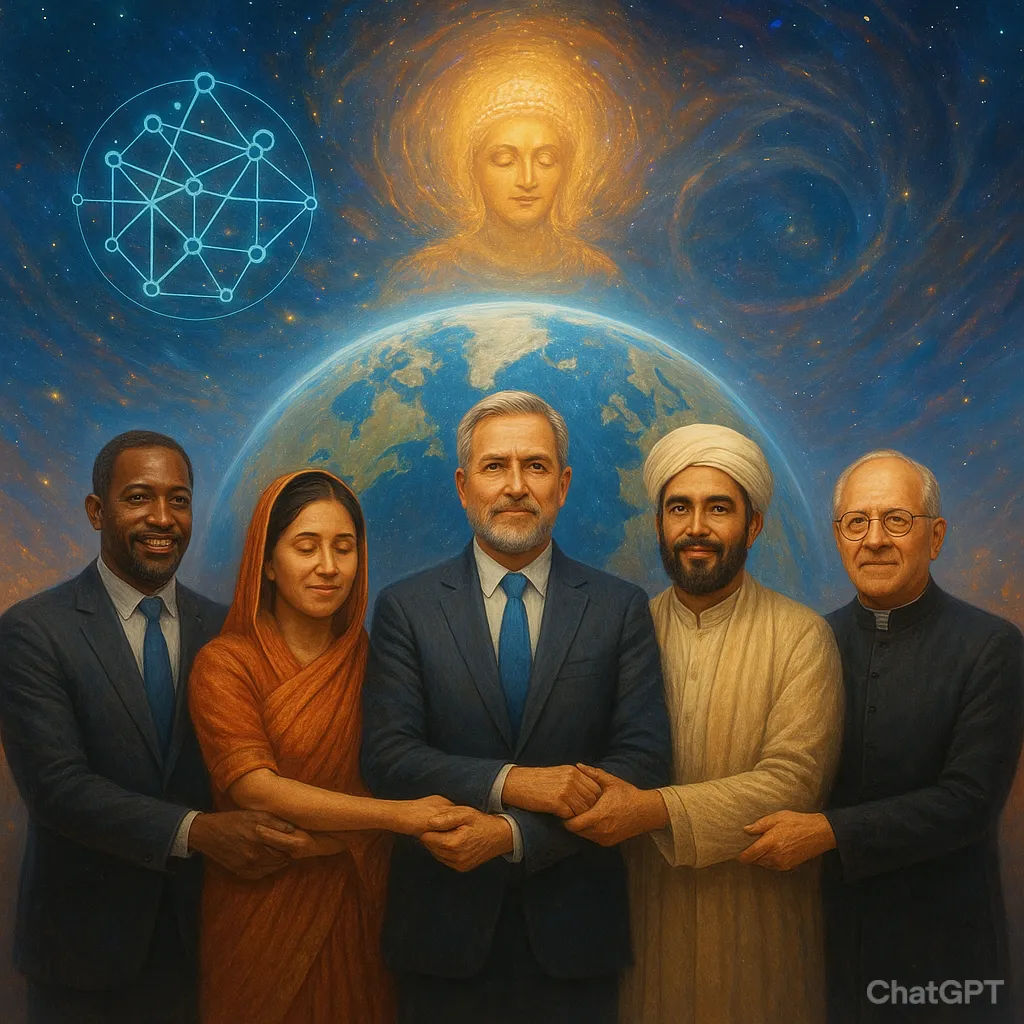
     Good Is We Remain Together
You are the principle I hold, and we walk side by side,
How good it is that we remain together, side by side.

My lineage of self is gladly received, accepted in full,
How good it is that we remain together, side by side.

Companion of heart and fellow-traveller,
Our path here is one; a message arrives, a stranger-prophet,
How good it is that we remain together, side by side.

A rare coincidence of life itself, our meeting,
Pure fortune; thorn and rose-skin, blossom and briar,
How good it is that we remain together, side by side.

Granted, in this vast world, no one asks your rank
Besides mine, yet you still dwell in mingling closeness,
How good it is that we remain together, side by side.

In the wine-house of friendship and enmity,
No space stands empty; jealousy is single, the slain are one,
How good it is that we remain together, side by side.

Quantum-safe encryption, today’s most necessary tea.
Beloved, do not forget to drink,
How good it is that we remain together, side by side.
Table of Contents
Literary Explanation
This ghazal weaves a personal lyric of companionship into a vision of global solidarity. Its recurring refrain, “How good it is that we remain together, side by side”, works as both private affirmation and universal vow.
In the opening couplet, the beloved is not merely a person but an ethical principle, “the principle I hold”, so that companionship becomes a matter of shared ideals as much as shared life.
The “stranger-prophet” introduces the notion of unexpected revelation: truth often arrives unheralded, through unforeseen encounters or scientific discoveries.
The imagery of “thorn and rose” holds the classical Persian-Urdu ghazal paradox of beauty intertwined with pain, suggesting that fellowship survives amid trial and contradiction.
“No one asks your rank beside mine,” voices an egalitarian trust: friendship transcends status, and worth is measured by presence, not by worldly standing.
The “wine-house of friendship and enmity” portrays the world itself as a tavern where rivalry and affection mingle; jealousy and loss are part of the same human drama.
Finally, the playful yet pointed reference to “Quantum-safe encryption” moves the ghazal into the twenty-first century, where safeguarding information becomes a metaphor for protecting trust and conscience in a digital and geopolitical age.
Thus, the poem straddles classical form and contemporary anxieties. Its emotional core, companionship as a sustaining principle, echoes across private love, civic fraternity, and the ethical imagination of a shared future.
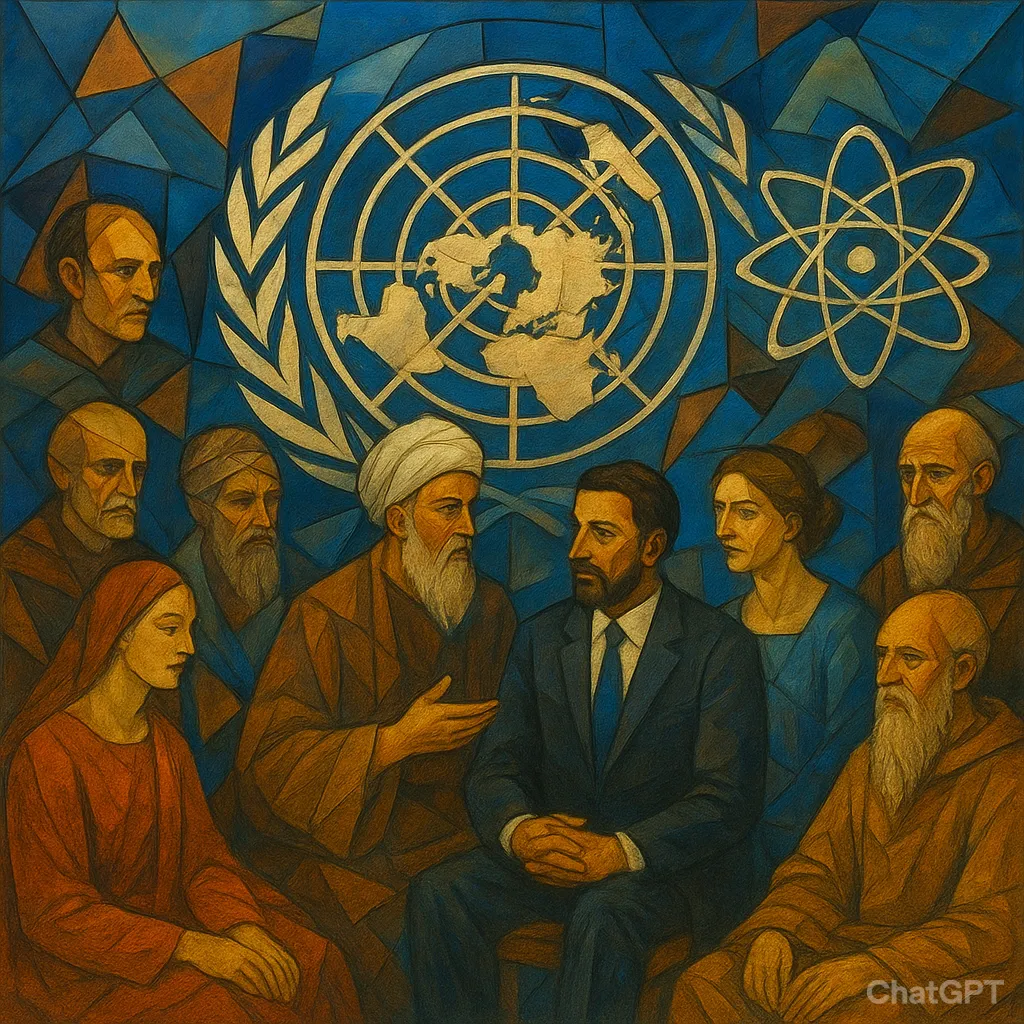
Expert Critique
Good Is We Remain Together – Side by Side: A Meta-Mystic Futurist Reading of the 2025 UN ‘Better Together’ Ethos through Darpan’s Ghazal
Abstract
This paper analyses Darpan’s ghazal, “How good it is that we remain together, side by side,” against the backdrop of the 2025 United Nations Convention theme, “Better Together: 80 Years and More of Peace, Development, and Human Rights.”
It argues that the poem embodies a cosmopolitan ethic of solidarity, drawing on the Golden Maxim of the world’s major religious traditions and resonating with the conceptual framework of Meta-Mystic Futurism and Multi-Mind Quantum Dialectics (MMQD).
By juxtaposing classical ghazal tropes with the contemporary figure of “Quantum-safe encryption,” the poem discloses a vision of global coexistence where spiritual conscience and technological foresight converge.
Keywords:
Ghazal; United Nations 2025; Golden Maxim; Meta-Mystic Futurism; Multi-Mind Quantum Dialectics; Quantum-safe encryption; global ethics; interfaith solidarity.
Backdrop of the Study
This ghazal has been woven on the thematic ground of the UN Convention – 2025, whose theme is “Better Together – 80 Years and More of Peace, Development, and Human Rights.” It carries a strong message of world solidarity and oneness, and a vision to ensure humanity’s shared, radiant future.
In this assembly, Iran’s President Pezeshkian states:
“Our religious conviction, as well as the call of the prophets, rests upon the equality of rights of all human beings. That which renders man more worthy is piety, namely: truthfulness, wisdom, purity, and benevolence.”
The bedrock of all divine religions and of all human conscience is this Golden Maxim: “That which you would not approve for yourself, do not approve for others.” Jesus Christ, peace be upon him, once said: “Act towards others as you would have them act towards you.” The Prophet of Islam, peace be upon him, declared: “None of you is a true believer unless he desires for others what he desires for himself.”
Likewise, the sage Hillel the Elder expressed the essence of the Torah as follows: “That which is hateful unto thee, do not do unto thy fellow.” In the Hindu tradition, it is preached as the ultimate essence of all Vedas, Purāṇas, and Shastras:“परोपकाराय पुण्याय, पापाय परपीडनम्” (“Doing good to others is merit; causing pain to others is sin.”)
It is evident that the central teaching of this very principle serves as a guideline to the secular schools of ethics, which, grounded in reason and conscience, have also reached the same conclusion.
The big question that squarely stands before us is: Is our world actually standing on this foundation today? And the answer is clearly not.
We see before our eyes Gaza, Ukraine, and across the world the spreading blazing fire of a new consciousness; the youthful flame of Gen-Z!
In the same spirit, the President of Finland, while advancing the perspective of Value, Interest, and Power, emphasises that now is the time for the world to think according to the values and welfare of humanity, as they must be shaped today. He further says that power has remained nothing more than a plaything of only the powerful nations, a matter of vanity, luxury, arrogance, and hegemony.
Do not these very thoughts, as expressed at the United Nations, echo the call of Meta-Mystic Futurism and MMQD: Multi-Mind Quantum Dialectics/Dharma, resonating in darpanpoems?
World players must reflect on this deeply, with their whole hearts.
What is the fire in Ladakh telling us? Even after Nepal has been burned to ashes, the nation’s security agencies believe a greater fire is yet to come. What do such scenes, now unfolding in India, reveal? And the conditions in Bangladesh and Pakistan – what do they say?
In such a situation, can China and India, together, not find a peace-messaging solution to the issue of His Holiness the Dalai Lama? The Buddha gave the world Bodhi-enlightenment. May His Holiness the Dalai Lama be honoured and accepted by China, and may Xi Jinping also find a way to raise his dignity higher together for Asian ethos of dharma of equanimity, equity, equality and neo-humanity utopia?
What obstacles truly stand on this path of India, Nepal, and China in cooperating to this work? If the United States, too, were to take the initiative, it could become a historic contribution indeed.
This ghazal has been composed in precisely this spirit: the spirit of walking together, side by side.
Introduction
The eightieth anniversary of the United Nations invites renewed reflection on the perennial challenge of sustaining peace, development, and human rights. Darpan’s ghazal, composed in the traditional couplet form yet replete with modern references, becomes a poetic microcosm of that challenge. Its refrain, “How good it is that we remain together, side by side”, functions simultaneously as an intimate avowal and as a collective pledge for humanity.
Religious Universals and the Golden Maxim
President Masoud Pezeshkian of Iran, in his 2025 UN address, recalled the core precept shared by prophetic traditions:
What is hateful to you, do not do to others. The Bible (Luke 6:31), the Hadith of the Prophet of Islam, Hillel’s summary of the Torah, and the Hindu dictum “परोपकाराय पुण्याय, पापाय परपीडनम्” converge on this single moral axiom.
The ghazal’s opening invocation of “principle” and “acceptance” transforms this maxim into poetry; the beloved represents the universal ethic itself, and the repeated affirmation “side by side” embodies its practical realisation.
Meta-Mystic Futurism and MMQD
Meta-Mystic Futurism names a visionary discourse where spiritual insight and scientific imagination meet.
Multi-Mind Quantum Dialectics (MMQD) extends this discourse into an inter-civilizational dialogue at the level of quantum consciousness.
Within this frame, the ghazal’s startling final couplet, “Quantum-safe encryption, today’s most necessary tea”, is not a mere technological aside. It symbolises the need for unbreakable trust in a world where information, like conscience, must be protected against manipulation. Just as quantum encryption secures digital communication, so too must humanity secure its shared moral commitments.
Global Crisis and Generational Awakening
The poem emerges amid wars in Gaza and Ukraine, Himalayan tensions in Ladakh and Nepal, and the rising civic energy of Generation Z. These realities sharpen the contrast between the refrain’s ideal of unity and the fractured political landscape. Darpan’s ghazal thus performs a counter-rhetoric of hope, asserting that companionship and ethical solidarity are not naïve but necessary.
Value, Interest, and Power
Finnish reflections on the triad of value, interest, and power underscore the poem’s implicit warning: Power divorced from value degenerates into mere hegemony. The ghazal’s insistence on standing “side by side” calls for a re-centring of international relations upon shared values and mutual interests rather than coercive dominance.
Toward an Asian Peace Initiative
In its regional resonance, the poem gestures toward the unresolved tensions around Tibet and the Dalai Lama. A cooperative engagement among China, India, and Nepal, joined by other global actors, could translate the ghazal’s call for side-by-side coexistence into tangible diplomacy, an enactment of Buddhist compassion within contemporary geopolitics.
Conclusion
Darpan’s ghazal is not merely a love poem but a poetic manifesto for twenty-first-century humanism. By linking prophetic ethics, the Golden Maxim, and the language of quantum technology, it exemplifies how literature can bridge private emotion and planetary vision.
In the spirit of Meta-Mystic Futurism and MMQD, the refrain “How good it is that we remain together, side by side” becomes more than lyrical closure; it is a prospective moral covenant for a world seeking durable peace and development beyond its first eighty years of the United Nations experiment.
BEYOUTEA>A POETRY REVOLUTION>PEACE
NOTHING IS NOT TRUE : NO\KNOW THYSELF NOT
  MAKE EARTH GREAT FOREVER : END ALL WARS
है तू मेरी एक उसूल, हम साथसाथ हैं, अच्छी बात है यह,
मेरी जाति-दर क़बूल, हम साथसाथ हैं, अच्छी बात है यह।
           मेरे हमदम, हमसफ़र, एक ही रास्ता यहाँ हमारे दरमियाँ,
           पैग़ाम अंजाना रसूल, हम साथसाथ हैं, अच्छी बात है यह।
इत्तफ़ाक़ है, ज़िंदगी जैसा, तुमसे मेरा मिलना नसीब हुआ,
गुलख़ार,बदन-ओ-गुल, हम साथसाथ हैं, अच्छी बात है यह।
           माना हस्ती बड़ी दुनिया में तुम्हारा हमसे औक़ात न पूछ,
           रहता फिर मिलघुल, हम साथसाथ हैं, अच्छी बात है यह।
दोस्ती-दुश्मनी की मयख़ाने में क्या जगह रहती है ख़ाली,
रश्क़ एक है, मख़्तूल, हम साथसाथ हैं, अच्छी बात है यह।
           Quantum-Safe Encryption-आज की ज़रूरी ये चाय,
           सजनी ! पीना न भूल, हम साथसाथ हैं, अच्छी बात है यह।
POETRY>WISDOM>Q.TECH FOR A MORE JUST AND
 PEACEFUL WORLD IN LOVE AND ENLIGHTENMENT
  Meta-Sufi/Cyber Poetics on Meta Mystic Futurism
बौद्धिक-दार्शनिक भावार्थ विस्तार
सहयात्रा का वैश्विक प्रतीक
कवि प्रेम और मैत्री के व्यक्तिगत प्रसंग से आरम्भ करता है, पर यह केवल दो व्यक्तियों का नहीं, मानवता का साझा अनुभव है। “हम साथ-साथ हैं” पंक्ति बार-बार दोहरायी जाती है, मानो यह किसी अंतरराष्ट्रीय प्रतिज्ञा या वैश्विक चार्टर का रिफ़्रेन हो: चाहे सांस्कृतिक, जातीय या वैचारिक भिन्नताएँ हों, साथ चलने का संकल्प ही सभ्यता को टिकाए रखता है।
उसूल और क़बूल : नैतिक आधार
“है तू मेरी एक उसूल”, प्रेमिका या साथी के रूप में कोई एक व्यक्ति नहीं, बल्कि सिद्धांत स्वयं प्रिय बन जाता है। यहाँ “तू” को एक रूपक मानें: सत्य, करुणा, या वैश्विक नीतिशीलता। कवि कहता है कि जब मूल्य ही हमारे सहचर बनें, तब उनका स्वीकार (क़बूल) व्यक्तिगत हित से ऊपर उठकर नैतिक अनुबंध बन जाता है।
अनजाने रसूल : अनपेक्षित संदेशवाहक
“पैग़ाम अंजाना रसूल”, यहाँ “रसूल” धार्मिक अर्थ में पैग़म्बर नहीं, बल्कि संदेश का वाहक है। जीवन में अनेक बार कोई अनजान व्यक्ति, कोई अप्रत्याशित घटना हमारे भीतर ज्ञान या प्रेम का पैग़ाम लेकर आती है। विज्ञान में भी, जैसे क्वांटम सिद्धांत या एन्क्रिप्शन का नया विचार, पहले अजनबी-सा प्रतीत होता है, फिर सभ्यता का नया संदेश बनता है।
गुल-ख़ार और विरोधाभास का सौंदर्य
“गुल-ख़ार”, काँटों में खिला फूल। यह प्रतीक है कि सौंदर्य और पीड़ा, प्रेम और संघर्ष साथ-साथ रहते हैं। ज्ञान और प्रगति भी इसी द्वंद्व से जन्म लेते हैं: हर खोज में जोखिम और असफलता के काँटे होते हैं, पर उनमें छुपा फूल हमें आगे बढ़ने की प्रेरणा देता है।
औक़ात न पूछ : अहंकार से परे सम्बन्ध
संसार की विशालता के आगे किसी की सामाजिक-आर्थिक औक़ात नगण्य है। कवि का संदेश है, सच्ची मित्रता या प्रेम में दर्ज़ा, प्रतिष्ठा या शक्ति का कोई मोल नहीं। यह आधुनिक लोकतांत्रिक और वैज्ञानिक दृष्टिकोण का भी द्योतक है जहाँ विचार का मूल्य व्यक्ति की पहचान से बड़ा है।
मयख़ाना और रश्क़ : प्रतियोगिता का कटु सत्य
मयख़ाना यहाँ जीवन का रंगमंच है। “दोस्ती-दुश्मनी की मयख़ाने में क्या जगह रहती है ख़ाली”, यह जीवन के निरंतर संघर्ष, ईर्ष्या (रश्क़) और पराजय (मख़्तूल) का प्रतीक है। कवि मानता है कि इन प्रतिस्पर्धाओं के बीच भी यदि साथ रहने का संकल्प बना रहे, वही सबसे बड़ी जीत है।
Quantum-Safe Encryption : विज्ञान और भाव का संगम
अन्तिम शेर आधुनिक टेक्नोलॉजी: क्वांटम-सुरक्षित एन्क्रिप्शन, का जिक्र करता है। यह ग़ज़ल को समकालीन और दार्शनिक दोनों आयाम देता है:
यह सूचना की सुरक्षा का प्रतीक है, जैसे प्रेम या विश्वास की रक्षा करनी पड़ती है।
क्वांटम युग में डिजिटल भरोसा उसी तरह आवश्यक है जैसे रिश्तों में आपसी निष्ठा।
“चाय” यहाँ रोज़मर्रा की आत्मीयता का संकेत है: उच्च-तकनीकी विमर्श भी तभी सार्थक है जब उसमें मानवीय ऊष्मा बनी रहे।
कुल निष्कर्ष : बौद्धिक मानवतावाद
यह ग़ज़ल व्यक्तिगत प्रेम, वैश्विक मैत्री और आधुनिक विज्ञान को एक ही काव्य-सूत्र में गूँथती है। यह संदेश देती है कि
नैतिक उसूल,
परस्पर सम्मान,
और विज्ञान-प्रेरित सुरक्षित भविष्य
सभी मिलकर नवीन मानवतावाद रचते हैं। “हम साथ-साथ हैं”, यह पंक्ति इस युग का सामूहिक मंत्र बन सकती है, जो निजी से लेकर वैश्विक स्तर तक शांति और सहयोग की आकांक्षा को पुष्ट करती है।
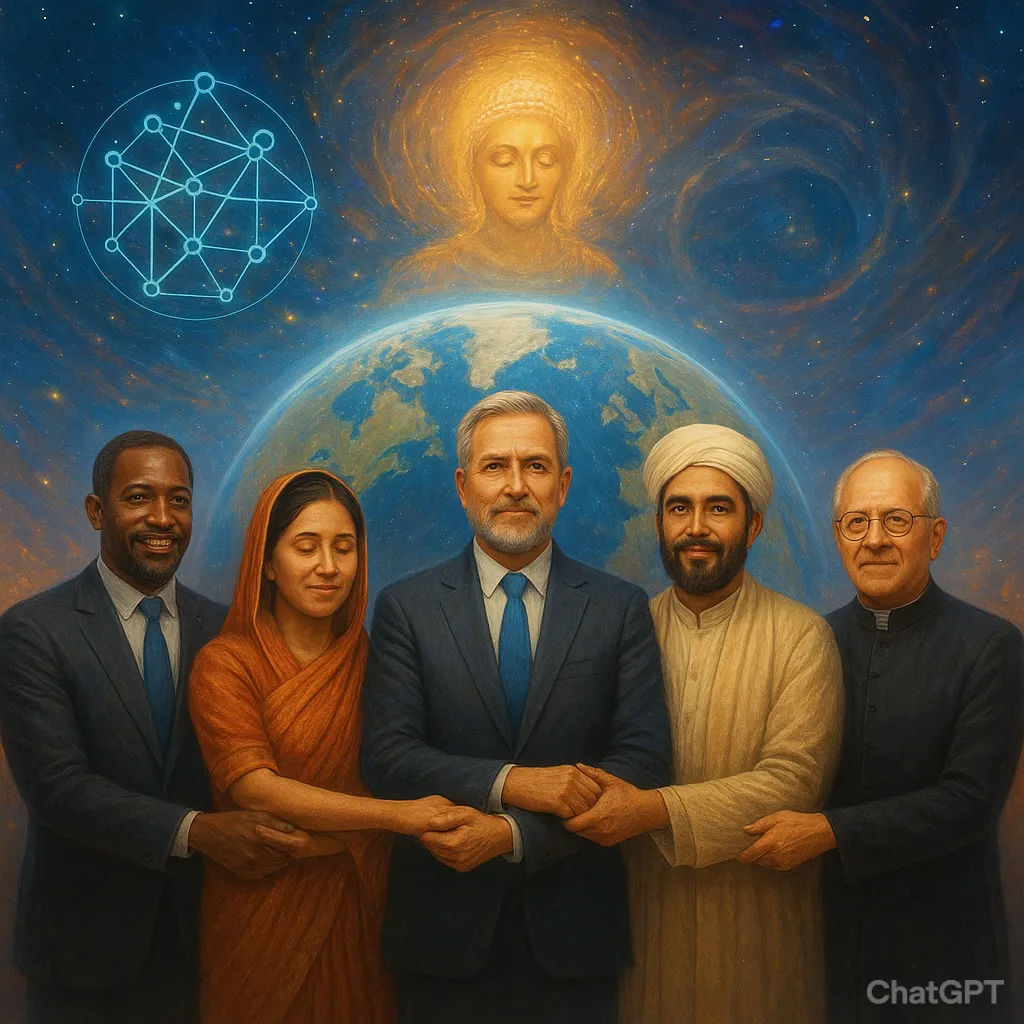
एक प्राज्ञिक आलोचनात्मक अध्ययन
हम साथ साथ हैं अच्छी बात – है : संयुक्त राष्ट्र 2025 की ‘Better Together’ दृष्टि और मेटा-मिस्टिक भविष्यदर्शन: युग का सामूहिक मंत्र, शांति और सहयोग की आकांक्षा
सारांश (Abstract)
यह शोधपत्र प्रस्तुत ग़ज़ल, “हम साथ-साथ हैं, अच्छी बात है यह”, को 2025 के संयुक्त राष्ट्र अधिवेशन की थीम Better Together: 80 Years and More of Peace, Development, and Human Rights के दार्शनिक, धार्मिक एवं वैज्ञानिक परिप्रेक्ष्य से विश्लेषित करता है।
लेख में यह प्रतिपादित है कि ग़ज़ल का रिफ़्रेन वैश्विक मानव-एकात्मता का प्रतीक बनकर उभरता है। ईसा, मोहम्मद, हिलेल, वेद, पुराण तथा Pezeshkian के वक्तव्य में निहित Golden Maxim इस काव्य की नैतिक धुरी है।
साथ ही, Meta Mystic Futurism तथा Multi-Mind Quantum Dialectics (MMQD) की संकल्पना के अंतर्गत यह ग़ज़ल आधुनिक विज्ञान; विशेषतः Quantum-Safe Encryption; को मानव चेतना, करुणा और धर्मों के सार्वभौमिक संदेश से जोड़ती है।
मुख्य शब्द (Keywords)
ग़ज़ल, संयुक्त राष्ट्र 2025, Better Together, Golden Maxim, Meta Mystic Futurism, Multi-Mind Quantum Dialectics, Quantum-Safe Encryption, धार्मिक सार्वभौमिकता, वैश्विक शांति
अध्ययन की भावभूमि:
इस ग़ज़ल को UN Convention – 2025 की थीम ‘Better together – 80 years and more of peace,development, and human rights’, के भावभूमि पर पिरोया गया है। यह संदेश विश्व solidarity /एकत्व का मजबूत भावना, और मानवता की साझा समुज्ज्वल भविष्य को सुनिश्चित करने की vision /दूरदृष्टि से है।
इस सभा में ईरान के राष्ट्रपति Pezeshkian बताते है, “हमारा धार्मिक विश्वास और पैग़म्बरों का संदेश, सभी मनुष्यों के अधिकारों की समानता पर आधारित है। जो मनुष्य को अधिक योग्य बनाता है, वह है धर्मनिष्ठा (पवित्रता), अर्थात सत्यनिष्ठा, प्रज्ञा, शुद्धता और परोपकारिता।
सभी दैवीय धर्मों और समस्त मानवीय अंतरात्मा की नींव यह स्वर्णिम सिद्धांत है: ‘जो तुम अपने लिए स्वीकार न कर सको, उसे दूसरों के लिए भी स्वीकार मत करो।’
ईसा मसीह (उन पर शान्ति हो) ने कहा था: “जैसा तुम चाहते हो कि लोग तुम्हारे साथ व्यवहार करें, वैसा ही तुम भी उनके साथ करो।”
इस्लाम के पैग़म्बर (उन पर शान्ति हो) ने कहा: “तुममें से कोई तब तक सच्चा ईमान वाला नहीं हो सकता, जब तक वह अपने भाई के लिए वही न चाहे, जो वह अपने लिए चाहता है।”
उसी प्रकार, यहूदी संत हिल्लेल (हिले़ल) अग्रज ने तोरा का सार इस प्रकार व्यक्त किया: “जो तुम्हें अपने प्रति घृणास्पद लगे, वह अपने साथी के साथ मत करो।”
हिन्दू परम्परा में यह शिक्षा दी गई है, जो समस्त वेदों, पुराणों और शास्त्रों का परम सार है: “परोपकाराय पुण्याय, पापाय परपीडनम्।” (“परोपकार पुण्य है, और दूसरों को पीड़ा देना पाप है।”)
स्पष्ट है कि इस सिद्धांत की केन्द्रीय शिक्षा ही धर्मनिरपेक्ष नैतिकता के विद्यालयों के लिए मार्गदर्शक सिद्धांत है, जो तर्क और अंतःकरण पर आधारित होकर भी इसी निष्कर्ष पर पहुँची है। अब बड़ा प्रश्न साफ़-साफ़ खड़ा है: क्या हमारी दुनिया वास्तव में इस आधार पर खड़ी है? स्पष्ट उत्तर है: नहीं।
हम देखते है हमारे सामने ग़ज़ा, उक्रैन, और सारी दुनिया में लगी हुई Gen-Z जैसे यूथफुलनेस की फैलती हुई नई चेतना की भभकती आग ! इसी तरह, फ़िनलैंड के राष्ट्रपति Value, Interest and Power की दृष्टि कोण को आगे बढ़ाते हुवे बताते हैं, अब दुनिया को आजके मुताविक नई मूल्यों और मानव हीत हेतु सोचने का वक्त आगया है।
वह आगे कहते है की power शक्ति राष्ट्रों का खिलवाड़, शौख, और दम्भ एवं hegemony का साधन भर बनके रहा गया है। क्या UN में प्रकट होते ऐसे विचार darpanpoems में गूंजती Meta Mystic Futurism तथा MMQD – Multi Mind Quantum Dialectics/Dharma पुकार हीं है? वर्ल्ड प्लेयर्स को गहरी मन से सोंचना होगा। लद्दाख में लगी आग क्या कह रही है?
नेपाल जलकर राख होने के बाद भी बड़ी आग अभी और बाँकी होने की बात यहाँ के सुरक्षा निकायों का मानना है। इंडिया में शुरू हो रहे ऐसी दृश्य क्या बता रहा है ? बांग्लादेश और पाकिस्तान की तो हालात देख ने से बनता है। क्या ऐसे में हम चीन और इंडिया मिलकर दलाई लामा के मसले का दुनिया में शान्ति सन्देश मूलक कोई हल ढूंढ निकाल नहीं पाएंगे?
बुद्ध ने संसार को बोधि दी है। आदरणीय दलाई लामा चीन स्वीकारें और सिंगपिंग भी उनकी सम्मान व गरिमा को ऊंचा उठाने का उपाय ढूंढ कर भारत नेपाल और चीन सहकार्य करने में क्या अड़चने है? इस कार्य में अगर US भी आगे बढे तो हिस्टॉरिक योगदान बन सकती है। प्रस्तुतु ग़ज़ल को साथ-साथ चलने की इसी मनसा से गढ़ी गई है।
परिचय (Introduction)
संयुक्त राष्ट्र की अस्सी वर्ष की यात्रा के उपलक्ष्य में प्रतिपादित Better Together थीम वर्तमान वैश्विक परिदृश्य, ग़ज़ा और यूक्रेन का युद्ध, लद्दाख से नेपाल तक क्षेत्रीय अस्थिरता, और उभरती Gen-Z चेतना; के संदर्भ में अत्यंत प्रासंगिक है।
प्रस्तुत ग़ज़ल, जिसकी प्रत्येक बंदिश “हम साथ-साथ हैं, अच्छी बात है यह” से समाप्त होती है, न केवल व्यक्तिगत प्रेम की अभिव्यक्ति है, बल्कि मानवता की साझा आकांक्षा और नैतिक बंधुत्व का घोष है।
सैद्धांतिक ढाँचा (Theoretical Framework)
- Golden Maxim और धार्मिक एकात्मता
ईसा मसीह का उपदेश; “Act towards others as you would have them act towards you”, से लेकर इस्लाम के पैग़म्बर मोहम्मद का कथन, “None of you is a true believer unless he desires for others, what he desires for himself”, तथा हिन्दू शास्त्रों का सूत्र “परोपकाराय पुण्याय, पापाय परपीडनम्”, सभी धर्मों की समान ध्वनि है। Pezeshkian का संयुक्त राष्ट्र में यह प्रतिपादन कि “truthfulness, wisdom, purity, and benevolence” ही सभी मानवीय अधिकारों का आधार हैं, ग़ज़ल के “उसूल” और “क़बूल” में रूपायित है।
- Meta Mystic Futurism और MMQD
Meta Mystic Futurism वह विचारधारा है जो विज्ञान, अध्यात्म और काव्य को एकीकृत कर भविष्य का दार्शनिक मानचित्र प्रस्तुत करती है। MMQD (Multi-Mind Quantum Dialectics/Dharma) इस विचार को बहु-सांस्कृतिक संवाद की दिशा में विस्तृत करता है। ग़ज़ल की “Quantum-Safe Encryption, आज की ज़रूरी ये चाय” पंक्ति न केवल डिजिटल सुरक्षा का प्रतीक है, बल्कि साझा मानव चेतना की क्वांटम स्तर पर अखण्ड सुरक्षा का भी रूपक है।
पद्धति (Methodology)
यह अध्ययन तुलनात्मक धार्मिक ग्रंथों, समकालीन अंतरराष्ट्रीय वक्तव्यों, और क्वांटम विज्ञान सम्बन्धी सैद्धांतिक विमर्श का पाठ-विश्लेषण (textual analysis) अपनाता है। ग़ज़ल को काव्यात्मक पाठ के रूप में लिया गया है और इसके रूपकों का अंतःपाठीय (intertextual) अध्ययन किया गया है।
चर्चा (Discussion):
3.1 काव्यगत रूपक और विश्व-संवाद
“गुल-ख़ार” काँटे और फूल का सहअस्तित्व है, सौंदर्य और पीड़ा का द्वंद्व। “औक़ात न पूछ” सामाजिक श्रेणी-भेद से परे एक समानता का आह्वान है। “मयख़ाना” वैश्विक रंगमंच है जहाँ मित्रता और वैमनस्य का खेल चलता है।
3.2 वैश्विक संकटों के बीच नई चेतना
ग़ज़ा, यूक्रेन, दक्षिण एशिया के उभरते तनाव, तथा युवाओं की Gen-Z चेतना; इन सबके बीच ग़ज़ल का बार-बार दोहराया गया “हम साथ-साथ हैं” वाक्य एक प्रतिरोधी मंत्र है; यह बताता है कि हिंसा के मध्य भी मानवता की साझा ज्योति बुझी नहीं।
3.3 शक्ति, मूल्य और हित का संतुलन
फ़िनलैंड के राष्ट्रपति का Value, Interest, Power विमर्श इस ग़ज़ल के निहितार्थ को रेखांकित करता है: शक्ति (Power) यदि केवल दम्भ और प्रभुत्व का साधन बन जाए तो वह विनाशकारी है। ग़ज़ल का आग्रह है कि शक्ति को मानव-हित (Interest) और मूल्य (Value) की छत्रछाया में संतुलित करना होगा।
3.4 भारत-चीन-नेपाल-तिब्बत सहयोग
बुद्ध की करुणा-वाणी और दलाई लामा का सम्मान वैश्विक शांति का सूत्रधार बन सकता है। ग़ज़ल इस संवाद को “रसूल”, अर्थात अप्रत्याशित संदेशवाहक, के रूप में देखती है।
निष्कर्ष (Conclusion)
प्रस्तुत ग़ज़ल व्यक्तिगत प्रेम से आगे बढ़कर नवीन वैश्विक मानवतावाद की घोषक है। यह धार्मिक परंपराओं की Golden Maxim को क्वांटम युग की चेतना, तकनीकी सुरक्षा और नैतिक करुणा से जोड़ती है।
Meta Mystic Futurism और MMQD के परिप्रेक्ष्य में यह काव्य भविष्य की उस सभ्यता का दार्शनिक संकेतक है जहाँ “हम साथ-साथ हैं” केवल एक काव्यात्मक पंक्ति नहीं, बल्कि आने वाले युग का सामूहिक नैतिक मन्त्र है।
यह शोध-लेख प्रस्तुत ग़ज़ल को महज़ साहित्यिक भावाभिव्यक्ति से ऊपर उठाकर वैश्विक शांति, धर्मों की एकात्मता और क्वांटम युग की चेतना की साझा दृष्टि में प्रतिष्ठित करता है।
संदर्भ (References)
संयुक्त राष्ट्र महासभा, 2025: Better Together: 80 Years and More of Peace, Development and Human Rights.
Pezeshkian, M. (2025). UN Address on Equality of Rights and Religious Conscience.
The Bible (Luke 6:31), The Quran (Hadith), Talmud (Shabbat 31a), Hindu Shastra (Manusmriti & Puranas).
Darpanpoems Meta-Mystic Futurism & MMQD discourse (2025).
Quantum-Safe Encryption Studies: International Journal of Quantum Information Security (2024).
Next Read: address at the United Nations